New York in neon: Jane Dickson’s portrait of a city and its nocturnal life
My impression of New York’s Times Square, and my impression of New York, was founded on its representation in film and TV. A bustling chaos of people, lights and noise; a hyper-commercial backdrop to fictional shady dramas and cheesy reconciliations; a magnet for chain diners and tourists with their backpacks strung to their chests.
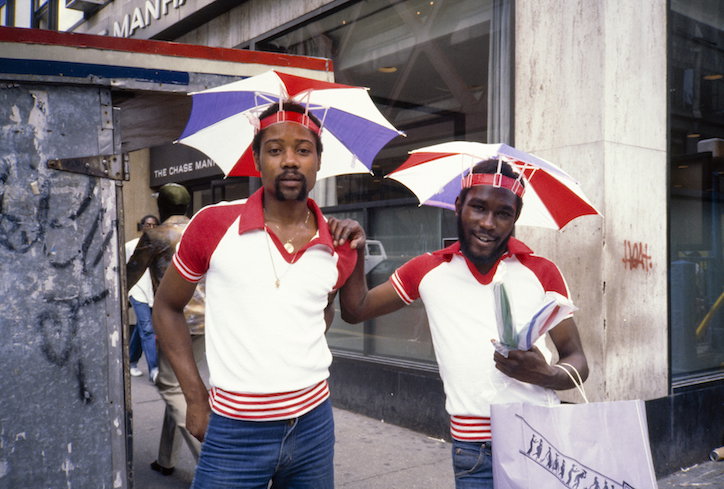
When artist Jane Dickson arrived there, in 1978, it was a different picture; seedy, dangerous and lit predominantly in neon. She’d taken a job programming the first digital light Spectacolor billboard – a black sign with a grid of coloured lights – and working nights, would sketch and photograph life on the square from behind the screen. From there, from her apartment (also on Times Square) and on the streets of downtown New York, she captured the blur of people and places that defined the atmosphere of the time – a shadowland of all-night cinemas, strip joints and liquor stores. In an interview with The Guardian, she recalled: “I was interested in the surveillance aspect… It was risky. On two occasions someone shot through the window of our loft.”
Dickson used her photographs as visual notes and references for her paintings, and it’s only now, in the book Jane Dickson in Times Square, published by Anthology Editions, that they’re being shown alongside her main body of work. Through the various mediums – painting, drawing and photography, both black and white and in colour – there’s a consistent fascination with the nocturnal life of a city, the juxtaposition of shadows against dazzling neon, empty streets and blurs of people.
A member of Colab, or Collaborative Projects – a downtown, not-for-profit artists’ group, who worked with the needs of the community-at-large in mind, and included Jenny Holzer, Kiki Smith and the Mudd Club’s Diego Cortez – Dickson and her fellow artists produced work that eschewed traditional forms and contexts. They were interested in new media and community access, made cable-distributed TV shows and films, and held exhibitions in unconventional spaces. In 1982, Dickson was asked by the Public Art Fund to organise an exhibition at her former workspace, the billboard on Times Square; a series of digital artworks, Messages to the Public ran from 1982-1990, and included contributions from Jenny Holzer, Keith Haring and David Hammons.
Throughout her career, Dickson’s practice has been entwined with New York, and Jane Dickson in Times Square makes for a fittingly complex portrait of her work and of the city. Photographed, drawn, painted and observed at a time that is now distant enough to be flattened and romanticised; Dickson’s work shows the potential of capturing a city – its flaws and tensions, the bright lights and wild energy, a little bit out of control.
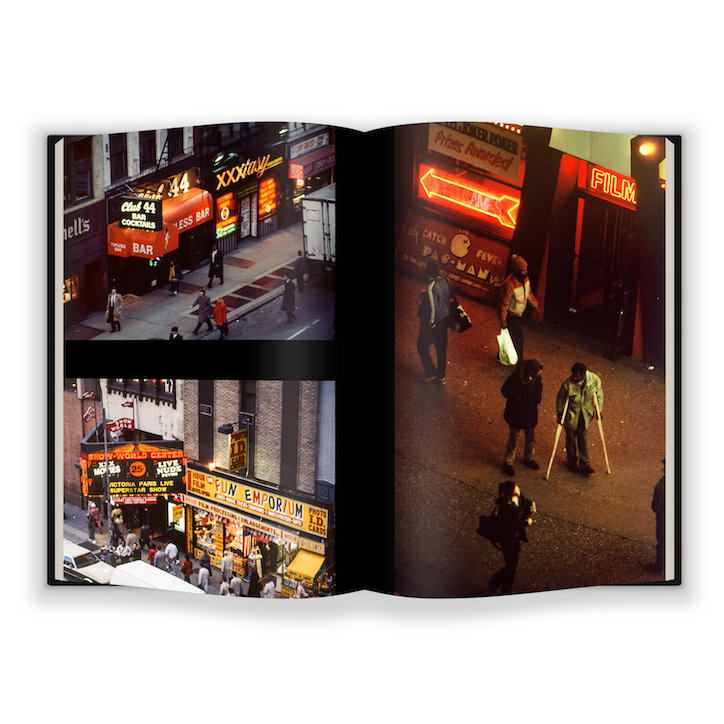
Jane Dickson: Jane Dickson in Times Square
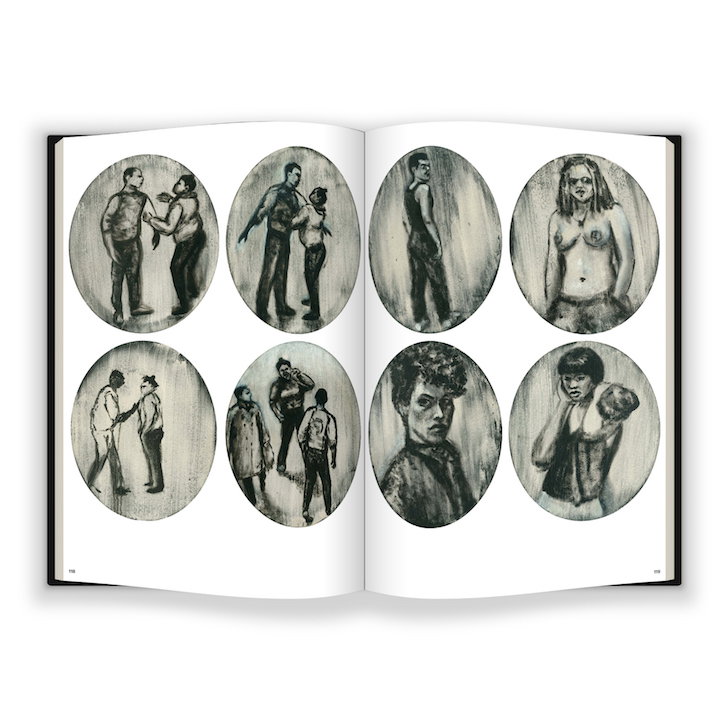
Jane Dickson: Jane Dickson in Times Square
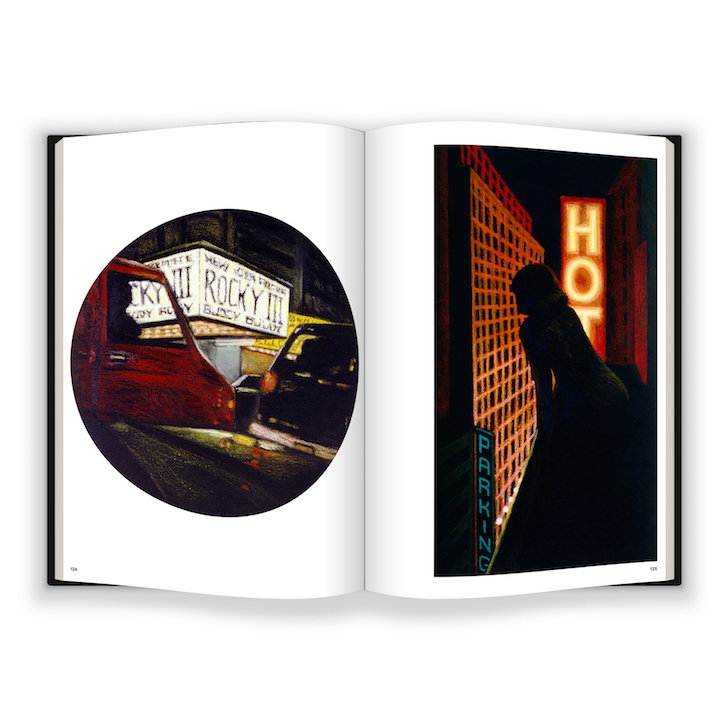
Jane Dickson: Jane Dickson in Times Square
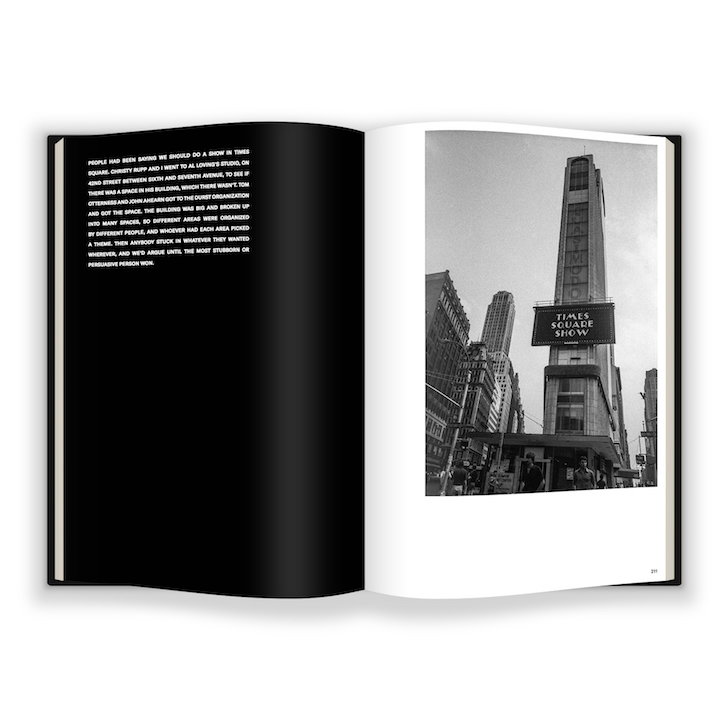
Jane Dickson: Jane Dickson in Times Square
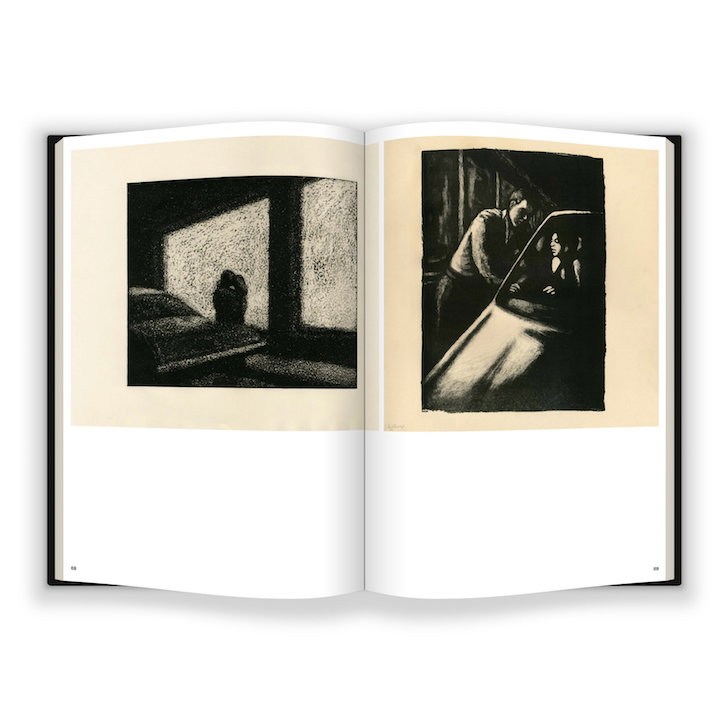
Jane Dickson: Jane Dickson in Times Square
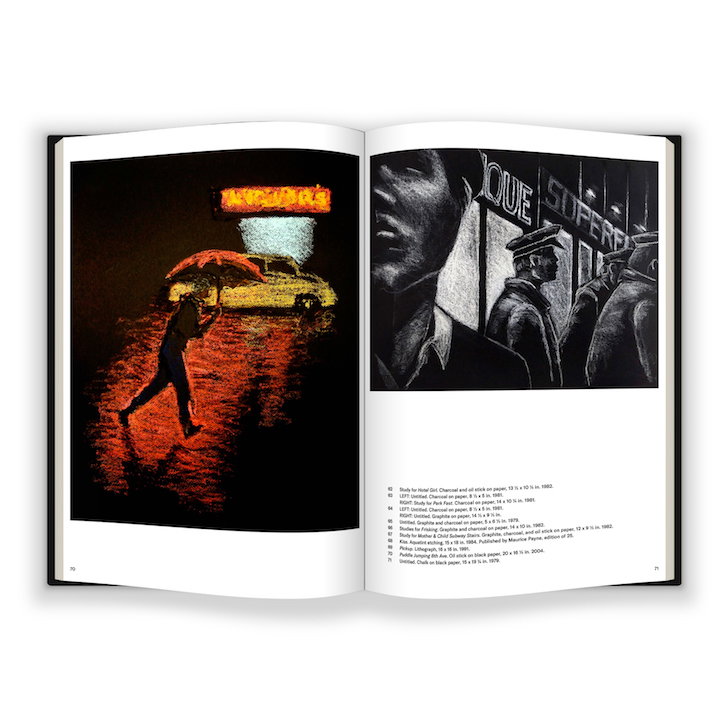
Jane Dickson: Jane Dickson in Times Square
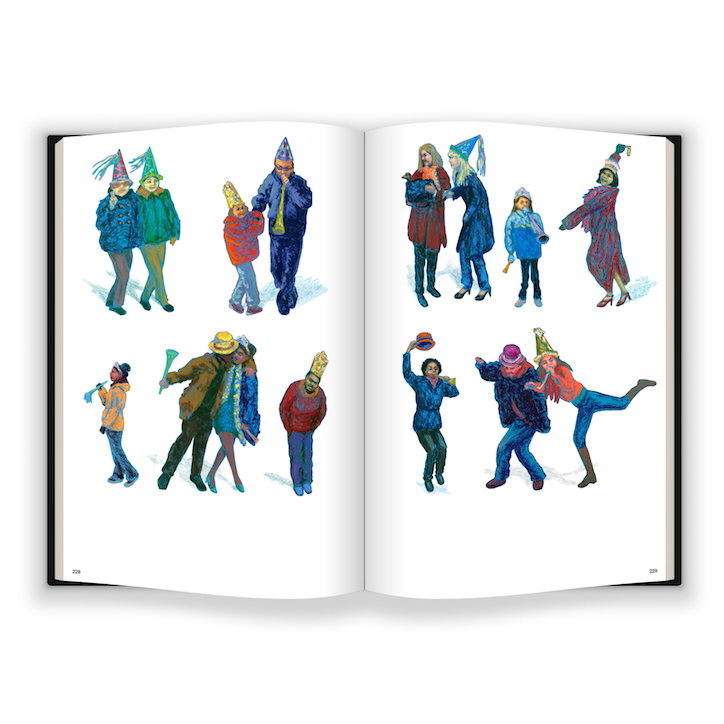
Jane Dickson: Jane Dickson in Times Square
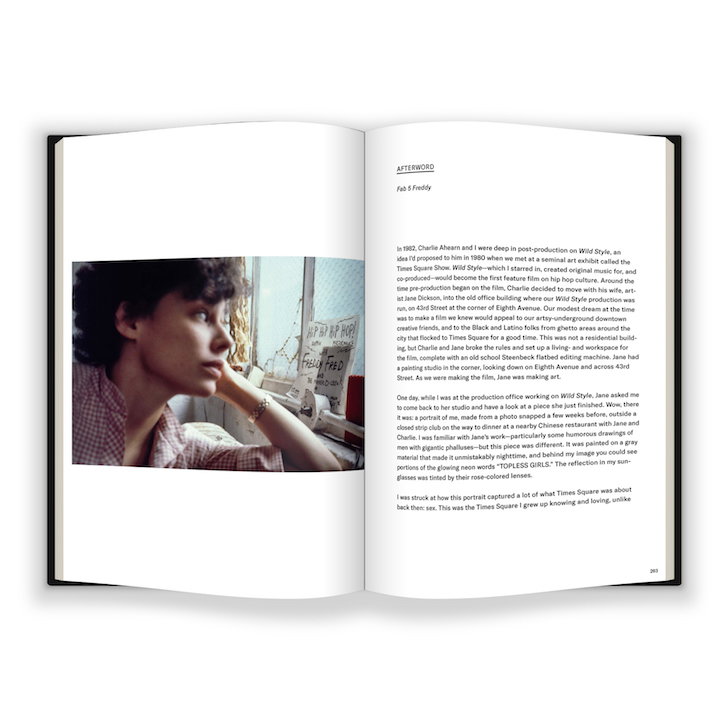
Jane Dickson: Jane Dickson in Times Square
Share Article
Further Info
About the Author
—
Billie studied illustration at Camberwell College of Art before completing an MA in Visual Communication at the Royal College of Art. She joined It’s Nice That as a Freelance Editorial Assistant back in January 2015 and continues to work with us on a freelance basis.