Years in the making, Juan Brenner’s Genesis is an archive of life in the Guatemalan Highlands
Published by Guest Editions, this photographic tome is a beautifully layered exploration of the scars of colonialism and the youth reshaping its legacy.
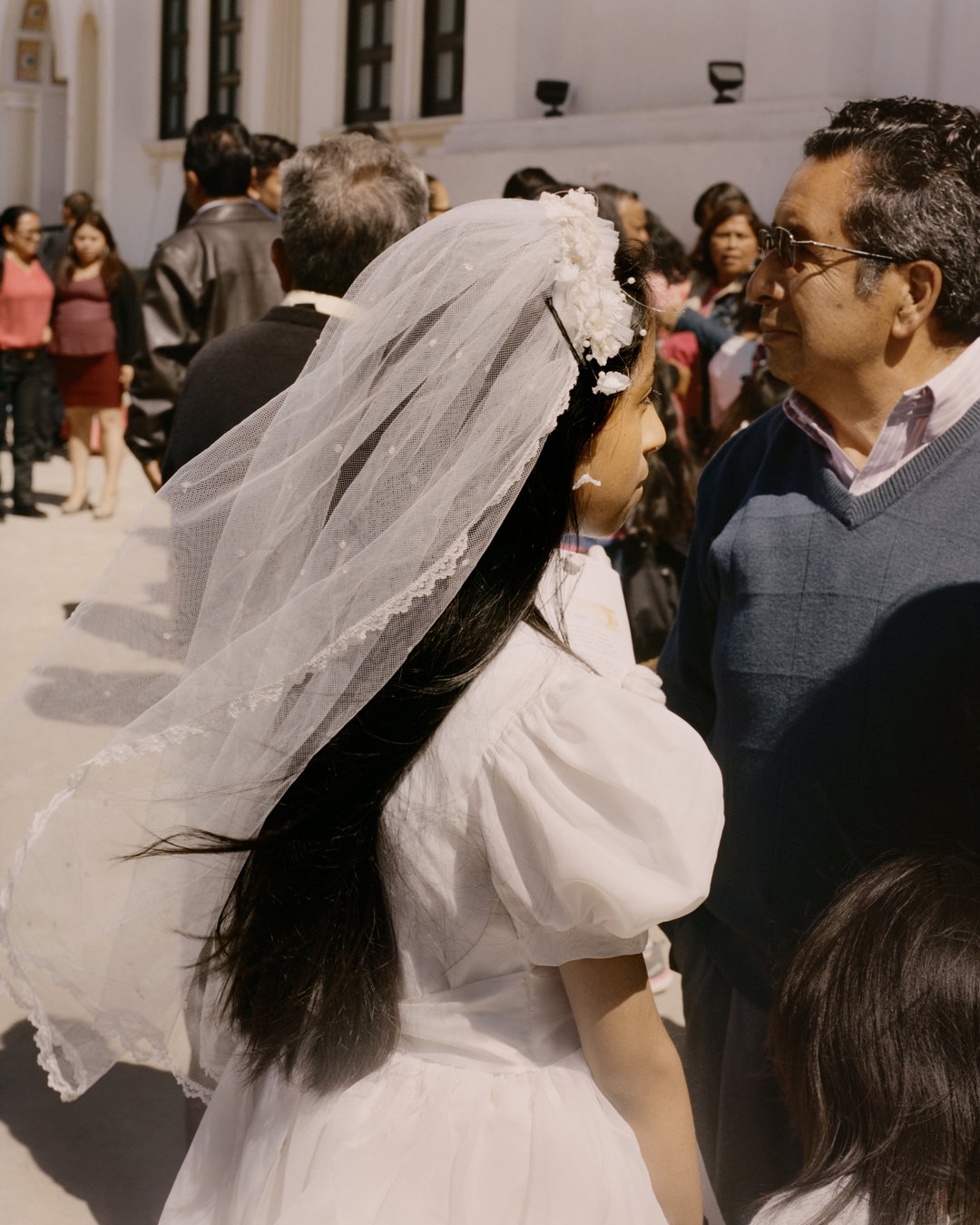
In an image from Juan Brenner’s new book, Genesis, a young girl stands with her father in front of a church, wearing her first communion dress. On the surface, the image simply shows a family in the midst of a significant day, but its resonance has many layers. The dress indicates affluence amongst the highland community in Guatemala where the image was taken, and the Catholic faith the family are aligned with is one that faces ever increasing contention from evangelical faiths that threaten its influence. In Juan’s words: “This image encapsulates the delicate balance between tradition, luxury, and religious dynamics that shape life in the Guatemalan highlands.”
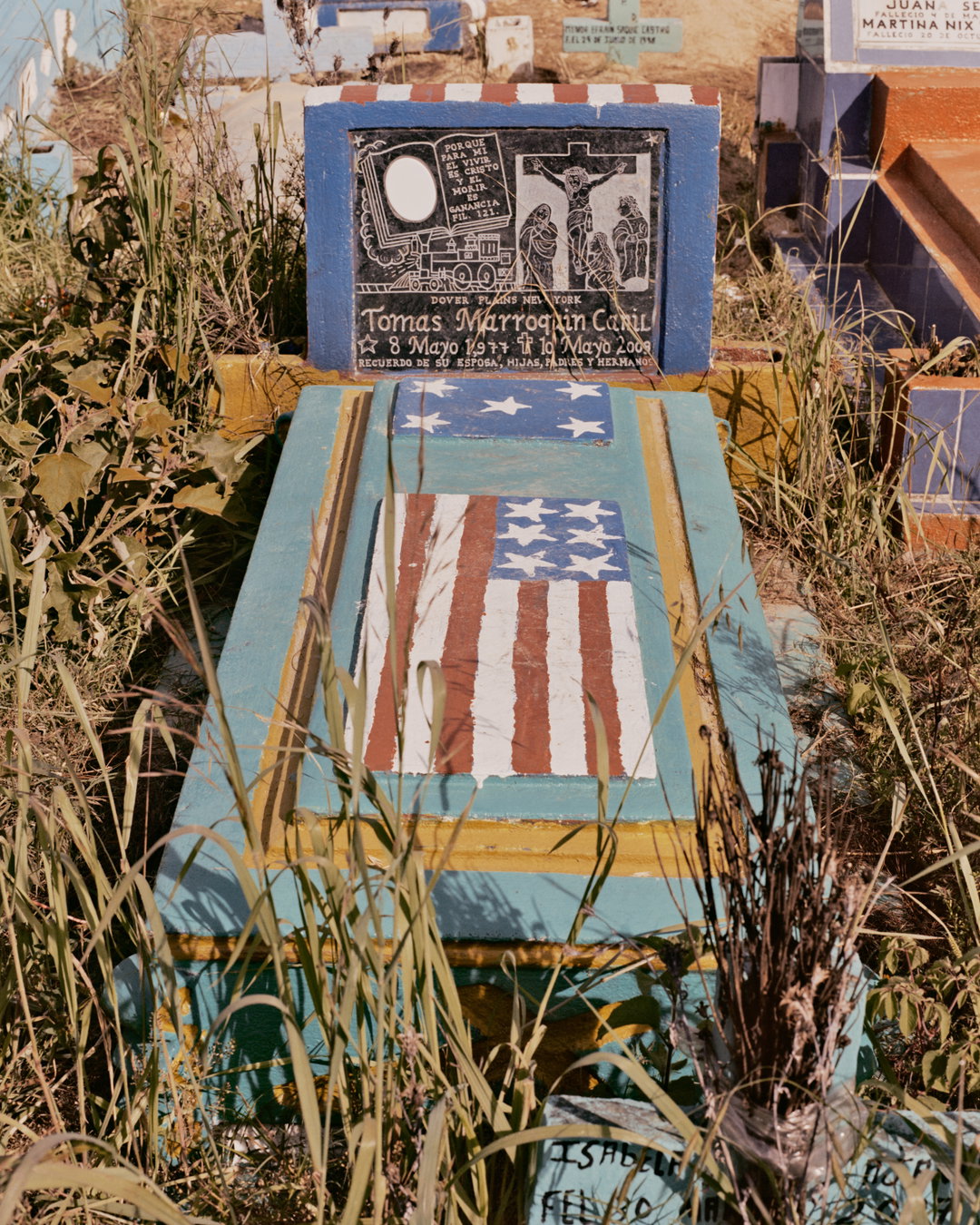
Uncovering and making sense of this balance and the intricacies that exist within the highland community and landscape provides the backbone to the stunning book and Juan’s practice as a whole. “I use photography to explore the fluid and abstract aspects of identity and territory,” Juan says. “I want my work to highlight the complexities of cultural hybridisation and how power dynamics, hierarchies, and inequalities persist through time.” His work uses the the past – specifically the long history of Spanish colonisation in southern America – to frame both the present, and the future, exploring the lasting power of indigenous communities, and how such brutal and complex histories now impact – and are remembered by – their young.
Juan Brenner: Genesis (Copyright © Juan Brenner / Guest Editions, 2024)
Born and raised in Guatemala City, Juan got into photography somewhat “by accident”. At the age of 18 his father asked him to pick up his camera from a repair shop and to shoot a 12-exposure film to check the camera was working. It was the very first time Juan had looked through the viewfinder, and “I knew I wanted to do it for the rest of my life,” he says. A year later he moved to New York to pursue a photography career, and ended up staying there for a decade, shooting portraits before becoming a fashion photographer. For the past five years, Juan has been based back in Guatemala, working on the personal projects that sit within the pages of Genesis.
Before each trip to the highlands, Juan “extensively” pre-produces, mapping routes and fine-tuning his plans. Another key aspect to the success of his work has been having local contacts, more informally known as “fixers” in each town he visits. “This ensures I have a friendly face that is respected in the community,” says Juan. With a practice that focuses heavily on portraiture, Juan has also developed ways of making people feel at ease, first and foremost approaching potential sitters without his camera. “This allows me to chat and get a sense of the environment. It opens the door to explain my project and its purpose,” he explains. “People are usually curious about what I’m doing, and once they understand the complexities and motivations behind the work, they are more willing to engage.” Despite such thorough planning, Juan is also attuned to chance encounters, some of his favourite shots coming from unexpected moments across his many road trips.
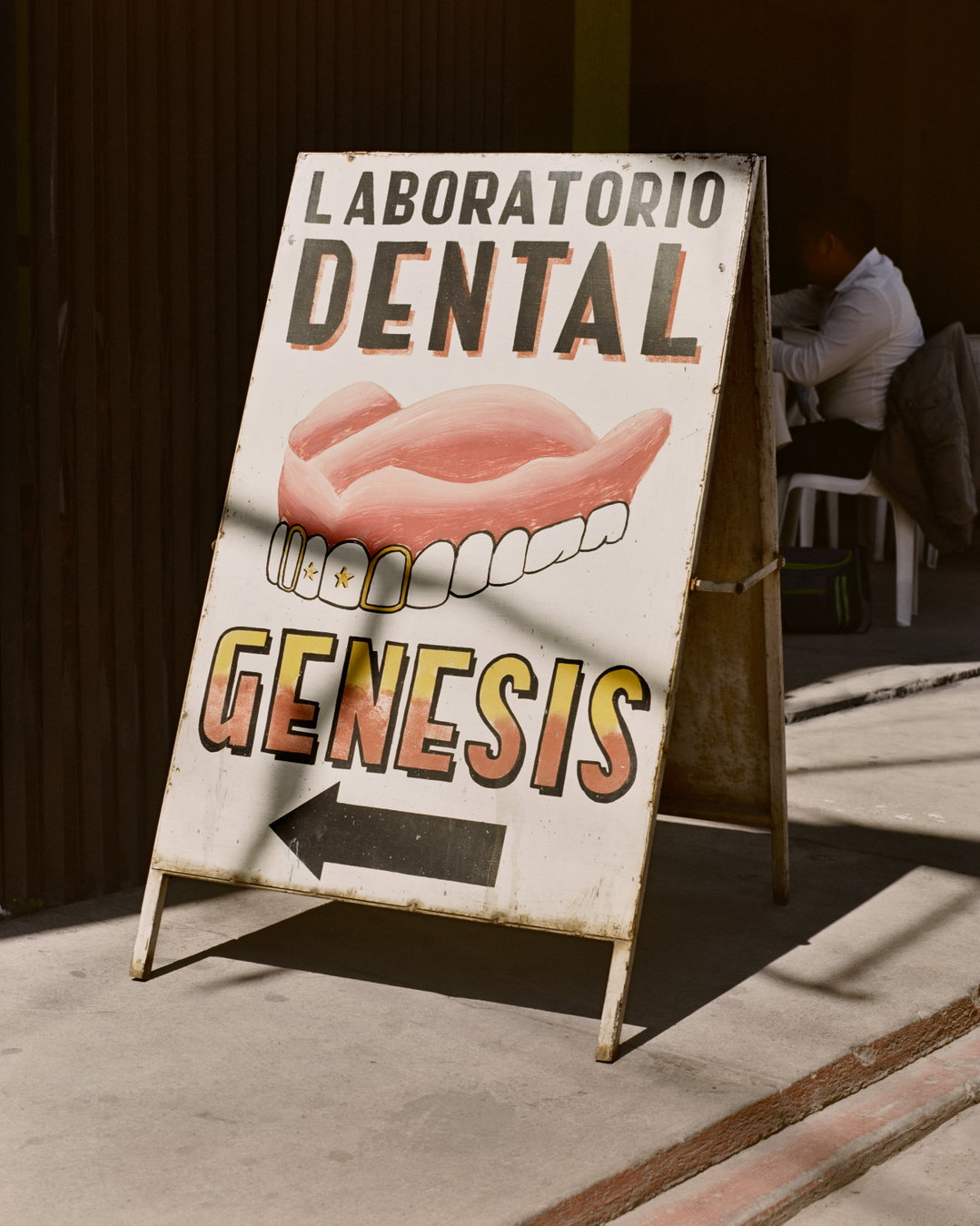
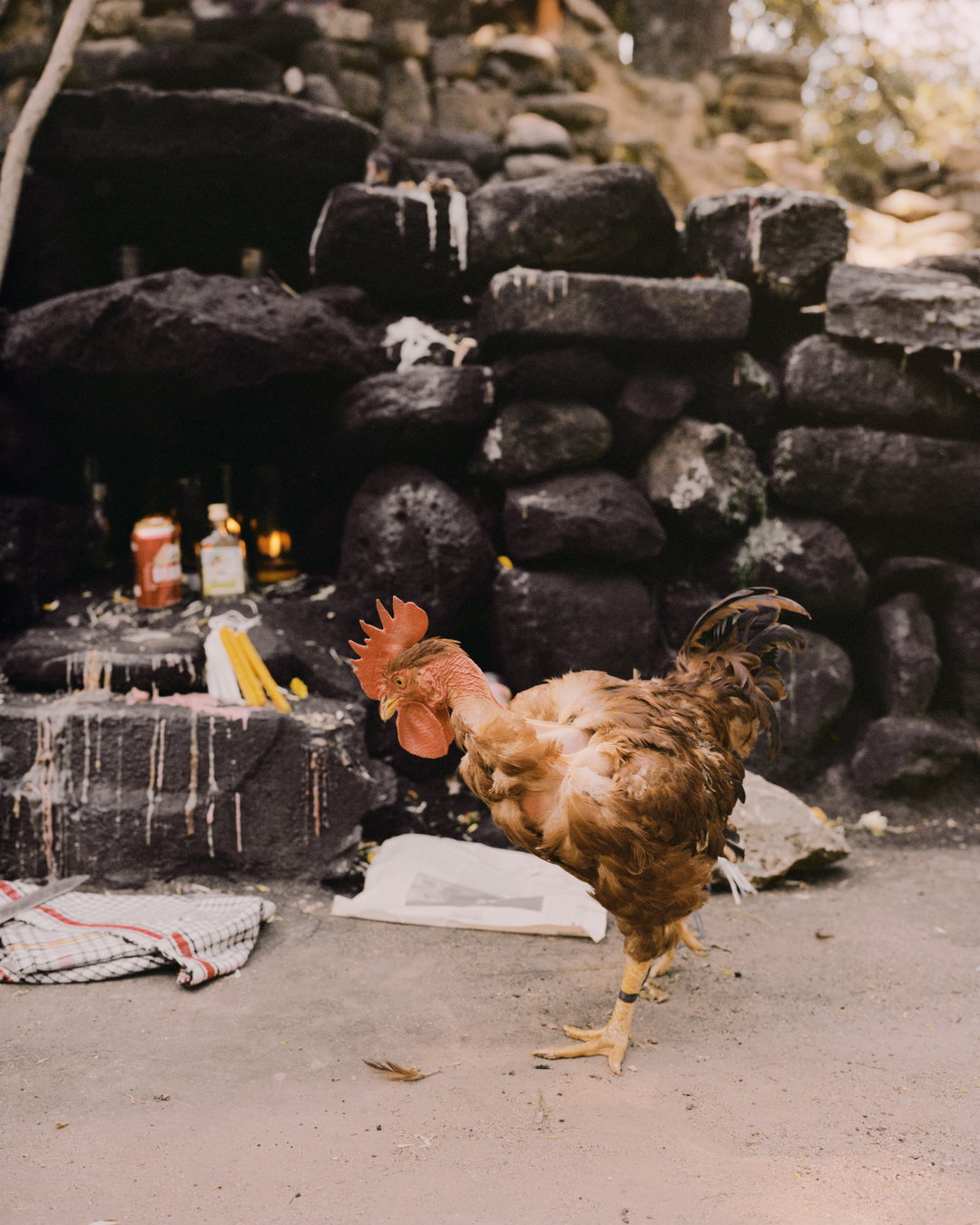
The book is loosely formed into five chapters, but there’s no titled page dividers, simply a sole black page, leaving you to decide the theme of the previous pages and the ones that will follow. Some themes, however, are clearer than others. The book ends with pages dedicated to animals and natural landscapes, the horses, chickens and dogs that line the highlands streets. But the most unique sits at the centre of the book – a whole array of pages is dedicated to teeth, and the adornments popular in the region; gold grills, some heavy and full, others a simple rim around the tooth, others with heart shapes cut out on each tooth. Young and old are pictured with them in their mouths, and there’s even one shot with a collection of decorated dentures, a central pair shown with two stars on the front teeth – imagery that’s been cleverly woven into the book’s striking design, featuring on the front soft blue cover in an embossed bronze, and as place markers on the map that adorns the back.
GalleryJuan Brenner: Genesis (Copyright © Juan Brenner / Guest Editions, 2024)
The expansive index that sits at the back of the book, that follows Juan’s interview with Gem Fletcher, and an essay from Juilo Serrano, provides further detail on images and their relevant histories. A caption on the first picture of adorned teeth explains that the Spanish extracted vast amounts of gold from the Americas in colonial times, but the Maya civilisation had been adorning their teeth more than 2000 years prior. Then, in the 20th century use of metal expanded, and teeth adornments have come to represent the changing economic climate, simultaneously inspired by hip hop, reggaeton and urban culture, an embodiment of the shift in cultural expression.
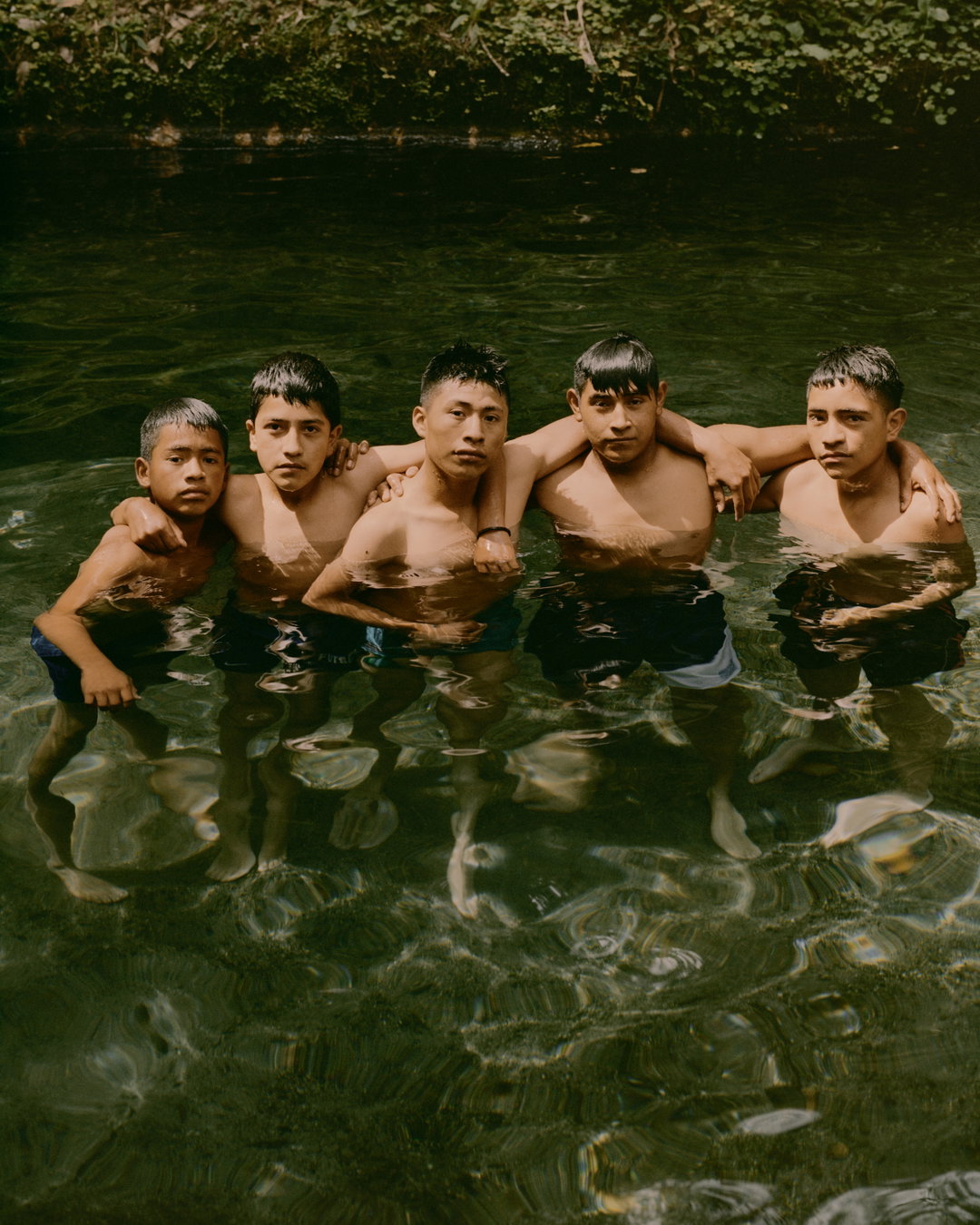
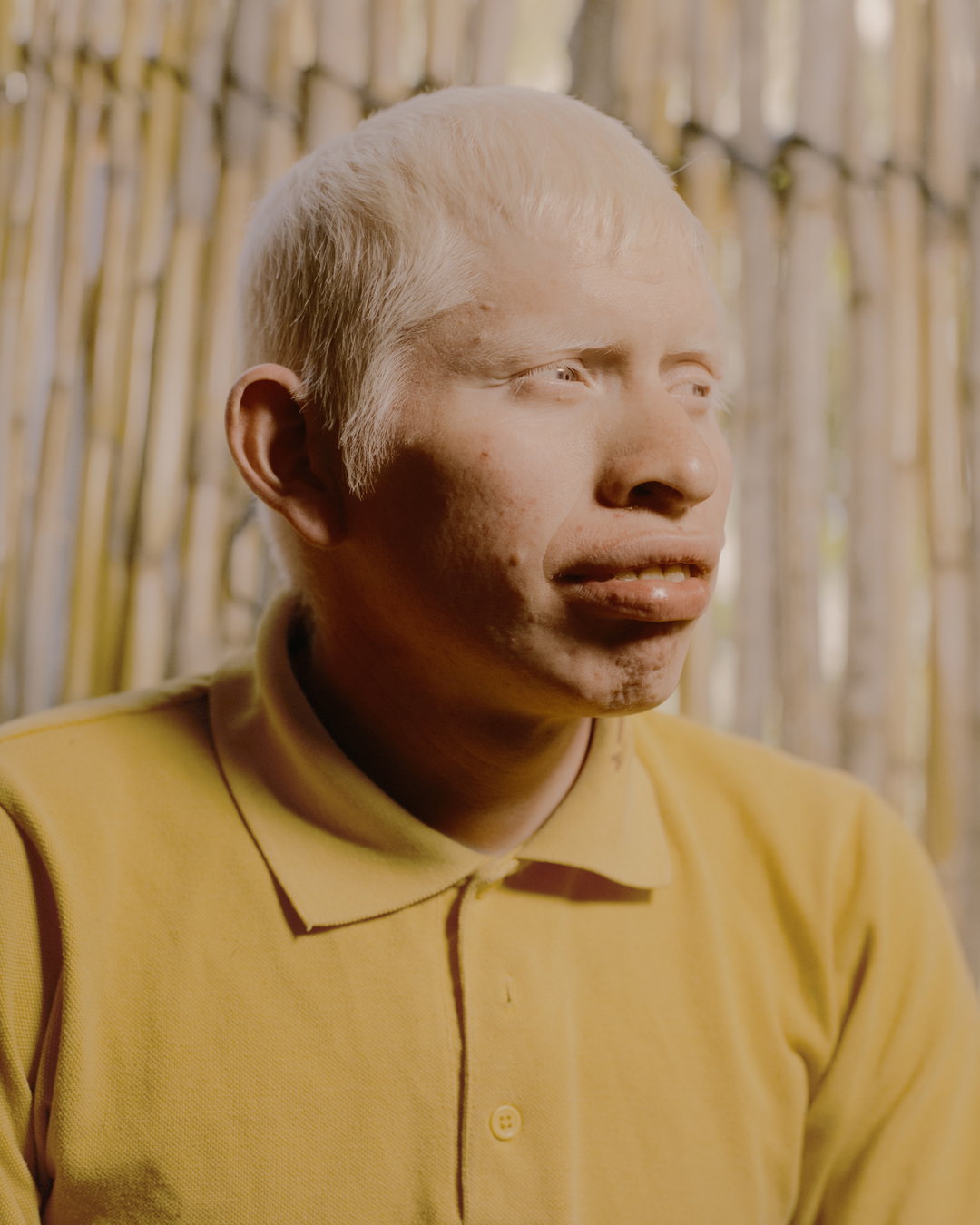
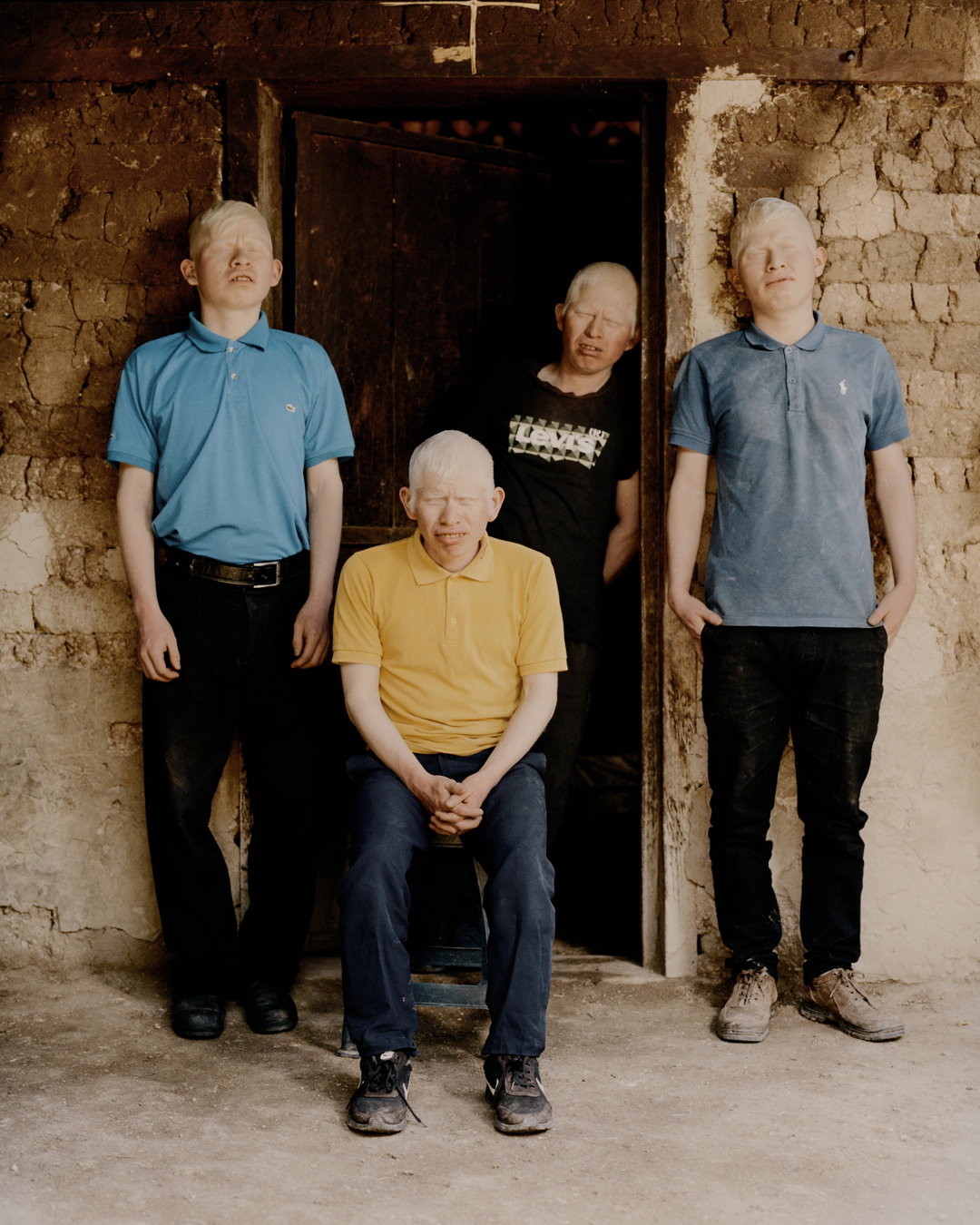
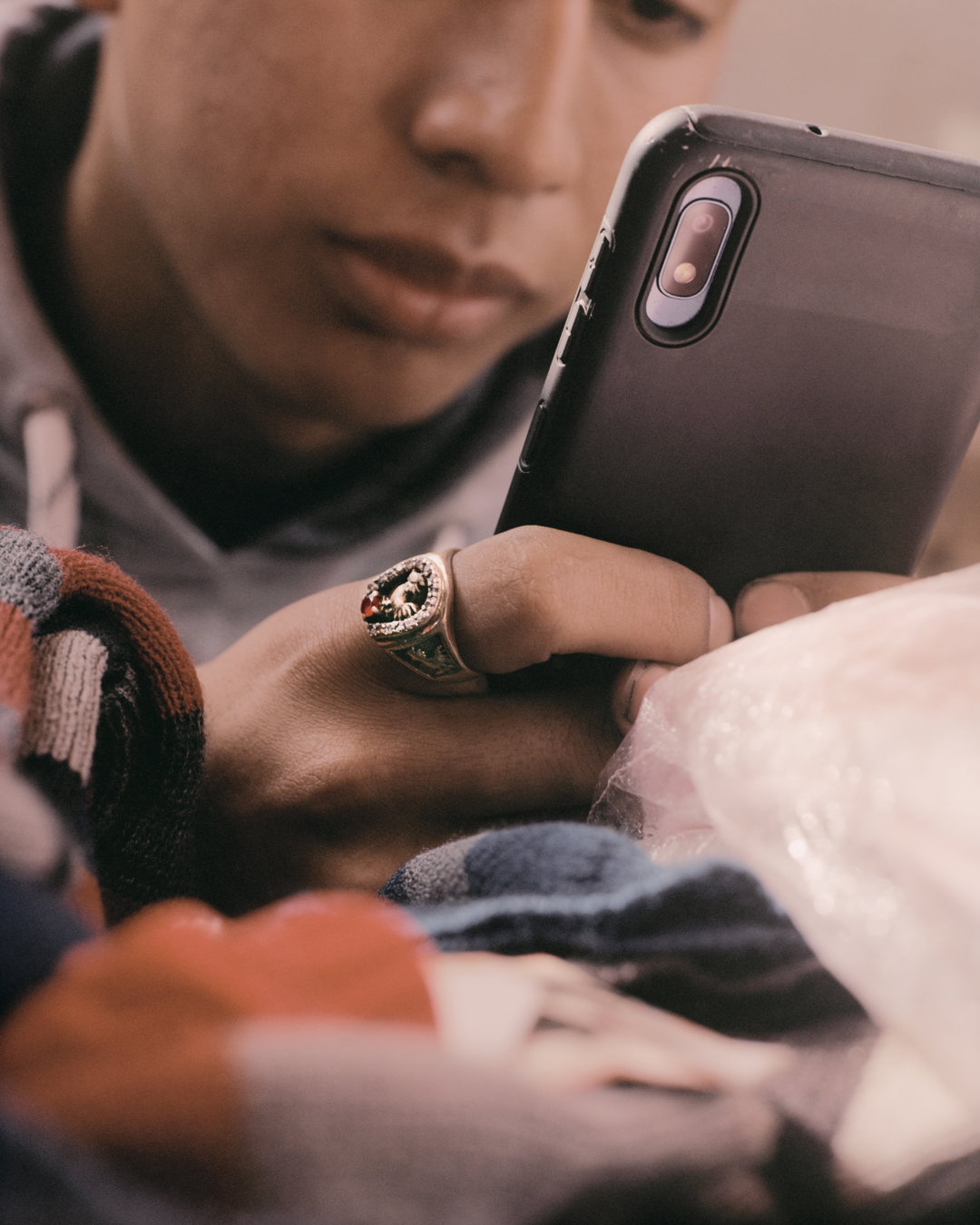
Chapters aside, there’s one theme that seems to permeate the whole book: an ever-present sense of youthfulness. “I’ve been trying to stay ‘up to date’ for the last 25 years – it’s a necessity,” says Juan, “and besides getting tones of amazing energy from Gen Z, I see myself reflected in those faces.” Juan’s images capture all of the things we commonly associate with youth culture: bold fashion choices, piercings in just about everywhere possible, and hanging out with friends; a particularly lovely image shows a group of friends in a body of water, their arms in unison around one another.
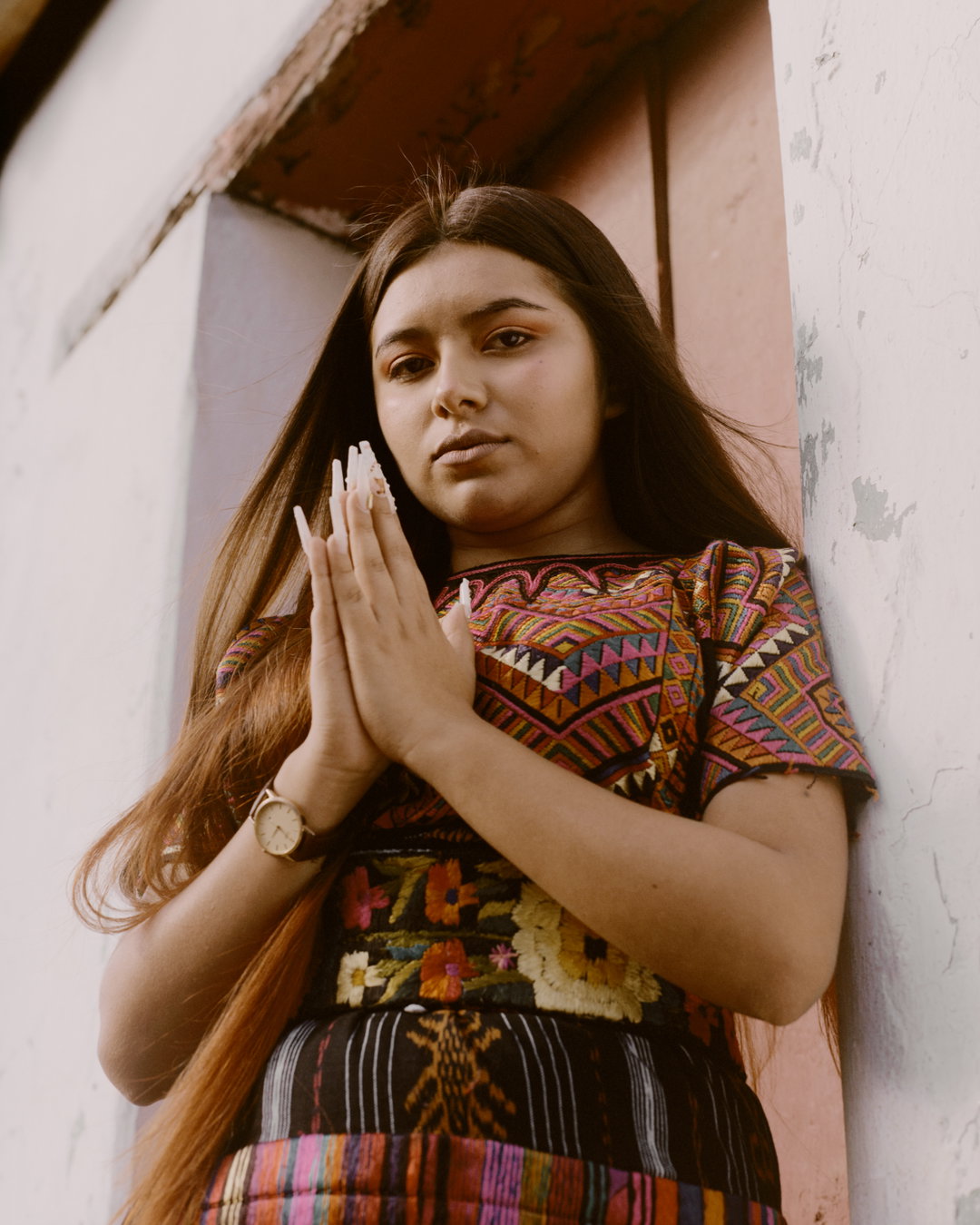
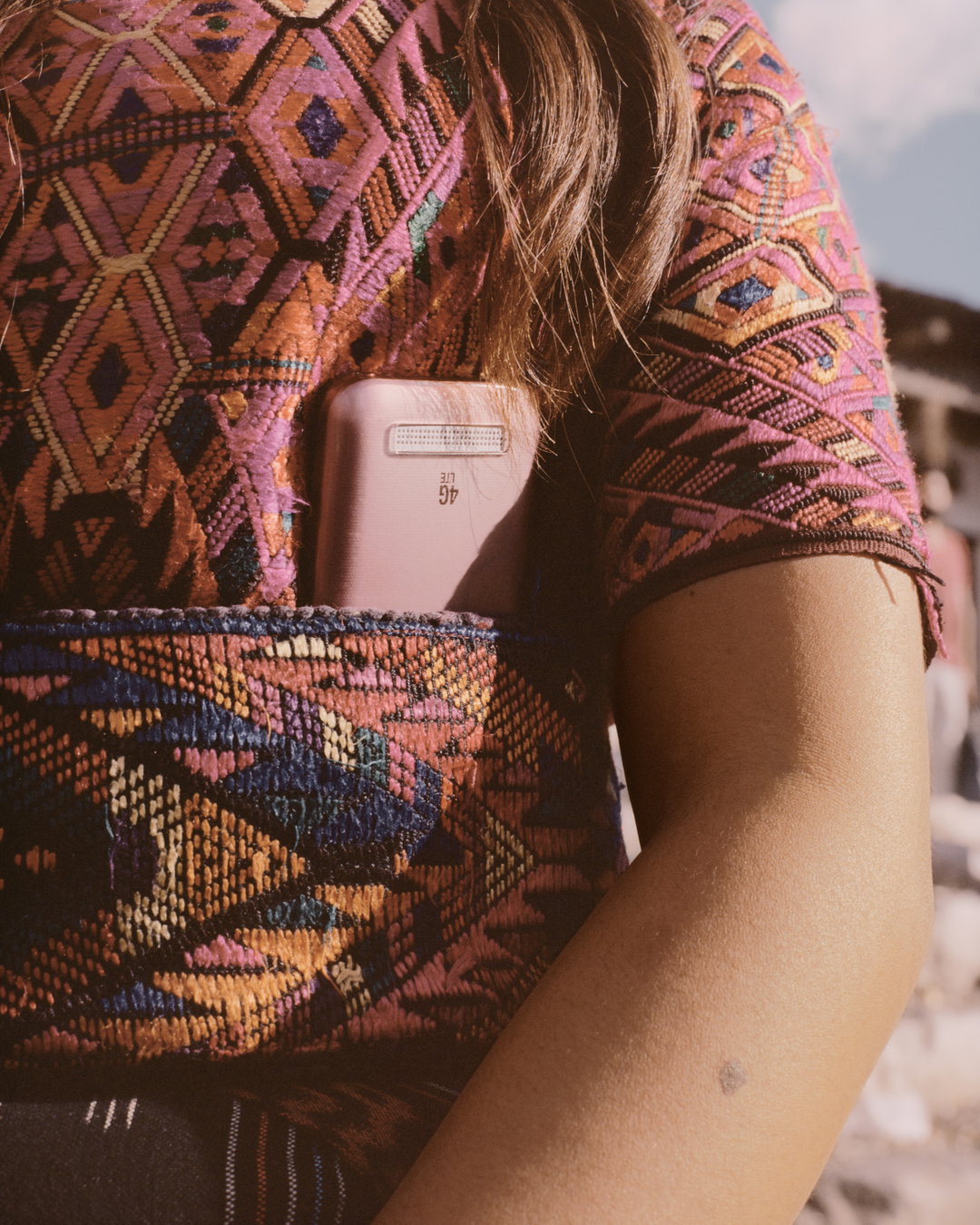
But the Gen Z focus in the book is more than aesthetic, and for Juan, their presence references a wider story. “The youth in the highlands represent the first generation able to engage in an intelligible dialogue with their peers around the world and I’m excited to witness what will come out of this boiling pot of cultures and ideas,” he says. But in tandem with this hybridisation, Juan’s encounters with youth only solidified the fact that “Mayan culture is vibrant, active and powerful than ever” due to the “immense amount of young people dedicated to preserving its core traditions”. In one portrait, a young woman wears clothes made from traditional Guatemalan Huipil, a decorative garment associated with indigenous communities. But, in the band of her belt a smartphone is nestled, the contrast of the local and global layered physically, in front of our eyes, with one simple action. The image encapsulates the core of Genesis perfectly: a deep respect for the old, but an embracing of the new and what it might entail.
You can purchase Genesis from Guest Editions here.
GalleryJuan Brenner: Genesis (Copyright © Juan Brenner / Guest Editions, 2024)
Hero Header
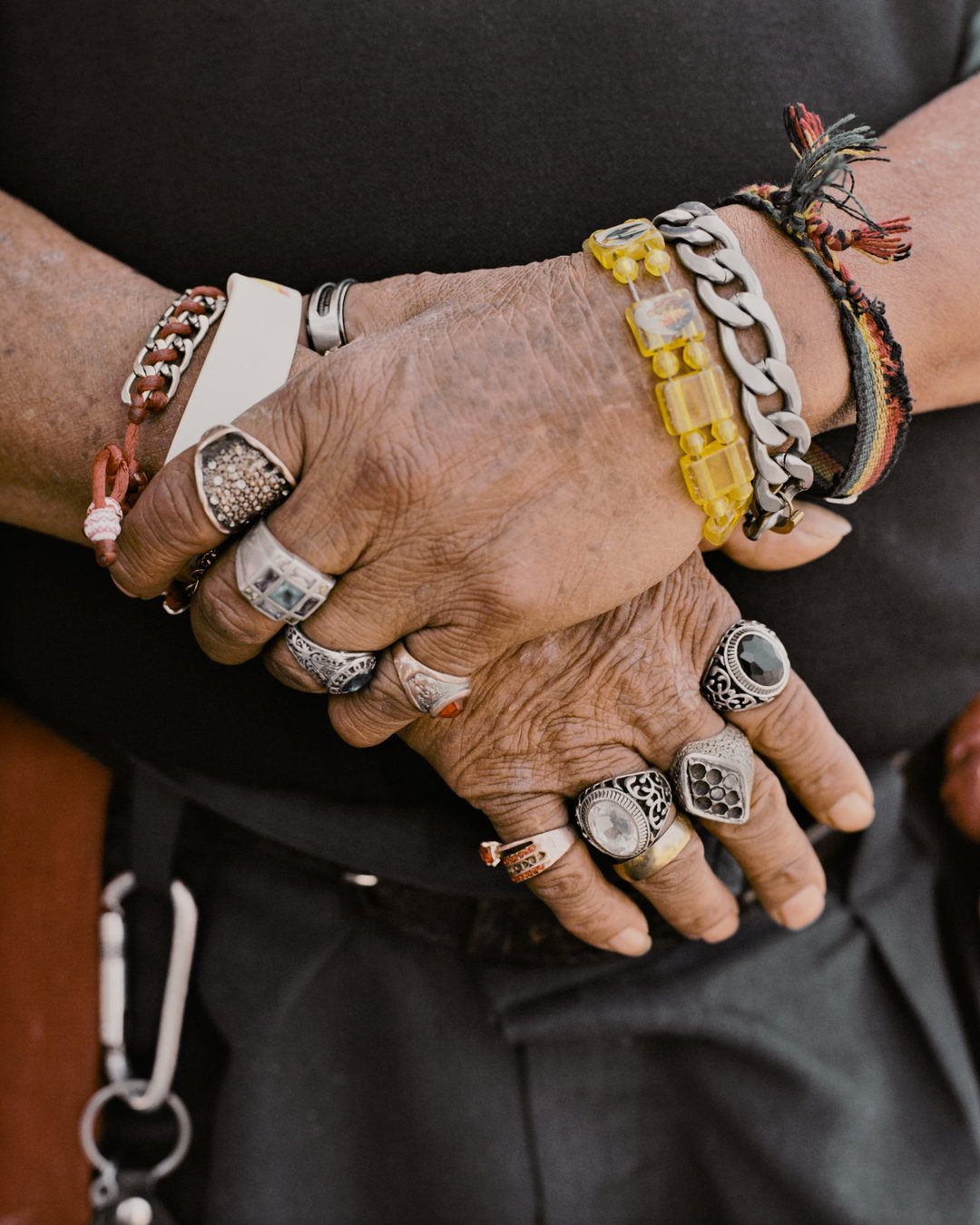
Juan Brenner: Genesis (Copyright © Juan Brenner / Guest Editions, 2024)
Share Article
About the Author
—
Olivia (she/her) is associate editor of the website, overseeing the day-to-day editorial projects as well as Nicer Tuesdays events. She joined the It’s Nice That team in 2021. [email protected]
To submit your work to be featured on the site, see our Submissions Guide.