Challenging stereotypes, Lee-Ann Olwage turns her lens to gender and identity in South Africa
Striving to create thought-provoking narratives, the work of South Africa-based Lee-Ann Olwage is spellbindingly intimate. Her long-term photography work has allowed her to shoot various scenarios, which includes the likes of Cape Town’s drag queen beauty pageants and capturing the youth who have finished high school in the Cape Flats neighbourhood of Hanover Park. Her work has been exhibited at Head on Photo Festival in Sydney, Australia, as well as Photo Kathmandu in Nepal and The Interrupters at Amplify Studio in Cape Town. She’s even won various awards which includes this year’s Blink Portfolio Review in New York and she was a finalist at the 2018 Independent Photographer Portrait awards.
Taking pictures is more than just a career for Lee-Ann. Longing for more meaning, she made the transition into photography after a career in film. Previously a props master and set decorator for nine years, Lee-Ann “fell in love with photography almost by chance” while she went travelling with her partner. Now, her work is formed on the close relationships crafted with her subjects. “I engage with people very deeply and, because most of my work is created over extended periods of time, I have the luxury to get to know my subjects very intimately,” she tells It’s Nice That. These subjects tend to be from the communities around her – a different setting to that which she grew up in. “It is important to be aware of and acknowledge your privilege. Just because I have a camera doesn’t give me the right to photograph anyone.”
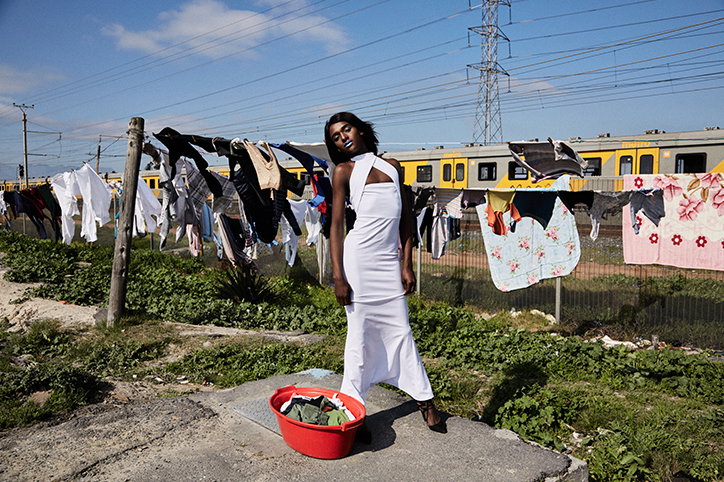
Lee-Ann Olwage: Black Drag Magic
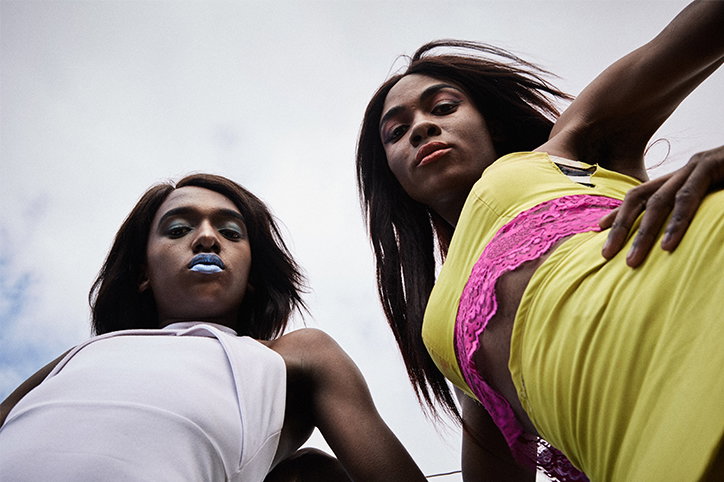
Lee-Ann Olwage: Black Drag Magic
Finding inspiration from daily interactions with the world around her, Lee-Ann turns her lens to gender and identity in a South African context. “South Africa is a beautiful and unique place that you have to experience for yourself to truly understand,” she explains. “We are a complex and diverse nation who are still in the beginning stages of finding and celebrating our identity.” At the end of apartheid in South Africa, the country’s new constitution in 1996 was governed as the first to outlaw discrimination in terms of sexual orientation. It promised equality, yet the dangers still persisted. This served as a catalyst for Lee-Ann to take photographs, and ultimately led to her most recent project, Black Drag Magic. “[It] takes a deeper look at how gender and sexual identity are influenced by cultural identity in South Africa,” she says. “They cannot be separated from each other yet, in South Africa, cultural identity often denies that queer identity exists.”
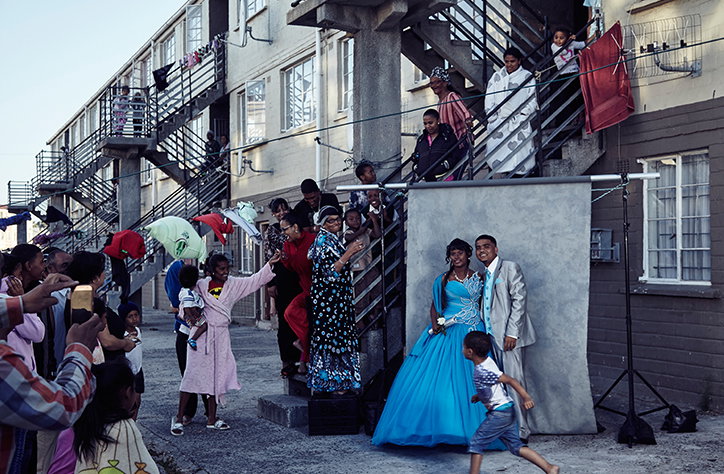
A further project, titled Tonight We Dance, takes a look at a neighbourhood situated on the Cape Flats in Cape Town – “[looking] at how former gang members were being used as mediators for peace in a community plagued by gang violence.” While many commented on the negative reasons for shooting in this area, Lee-Ann instantly fell in love with the “beautiful people and community” she met while working there. “One night, I was driving home and I saw a girl exit her home in an extravagant ball gown. She walked down a red carpet to a fancy car that was waiting to take her to the matric dance (prom night). I asked my friend why the family made such a fuss about the dance and he replied saying that she will most probably be the first generation to finish high school in her family, and that only 30% of students who start primary school actually finish high school. It aligned so beautifully with my excitement to use photography as a mode of celebration.” As a means of celebrating the youth who are finishing high school and come from difficult environments, this project is highly representative of Lee-Ann’s desire and ability to capture the important narratives that surround us all.
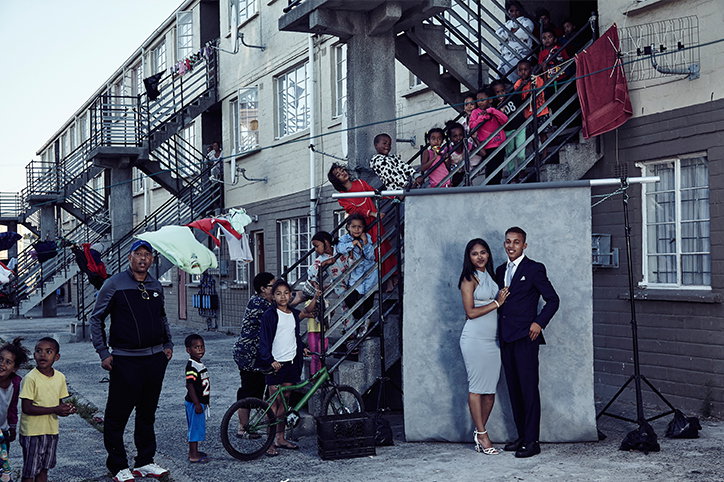
Lee-Ann Olwage: Tonight We Dance
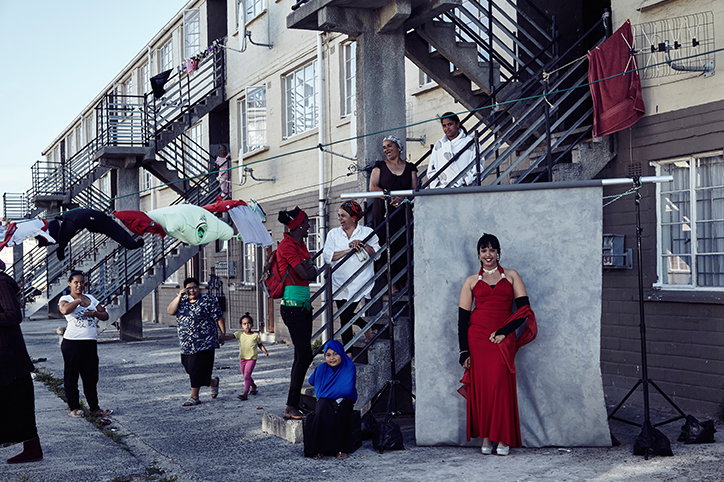
Lee-Ann Olwage: Tonight We Dance
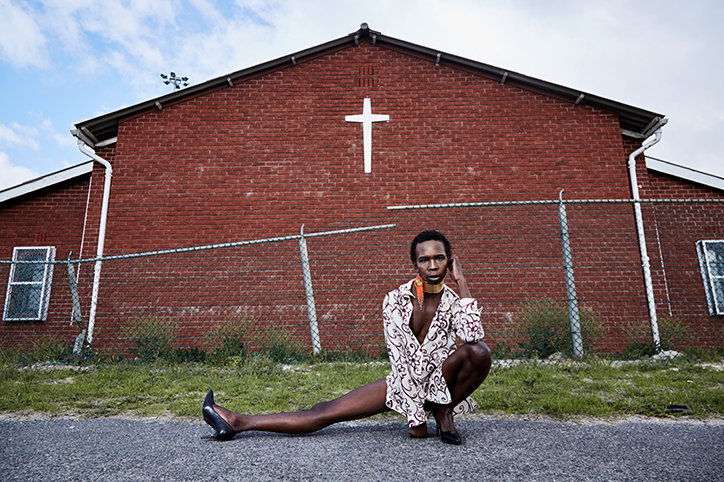
Lee-Ann Olwage: Black Drag Magic
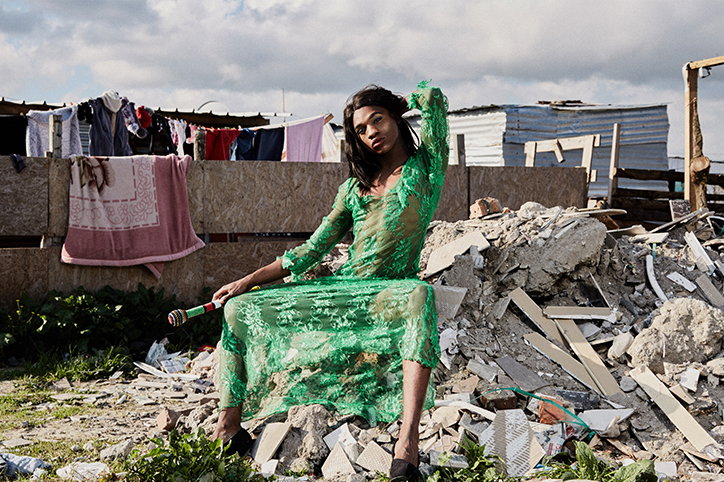
Lee-Ann Olwage: Black Drag Magic
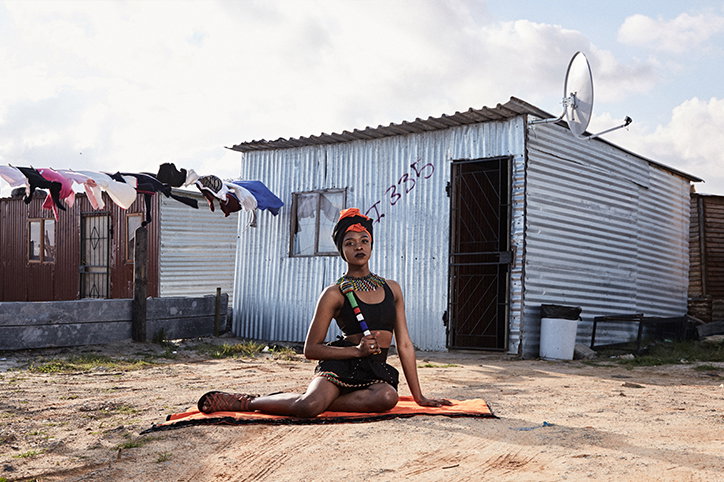
Lee-Ann Olwage: Black Drag Magic
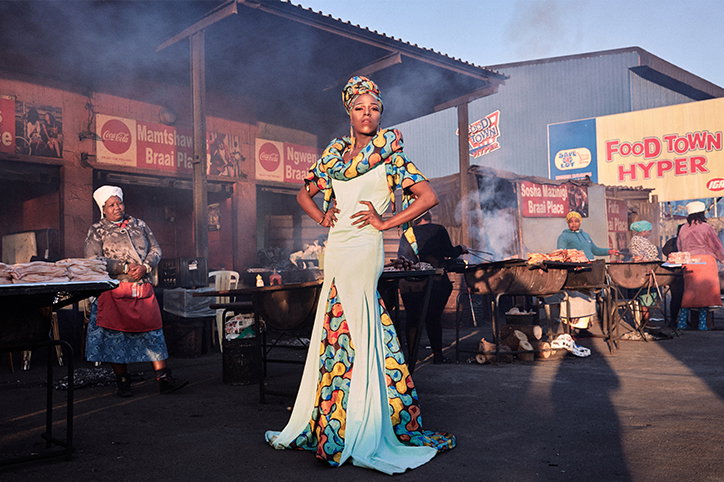
Lee-Ann Olwage: Black Drag Magic
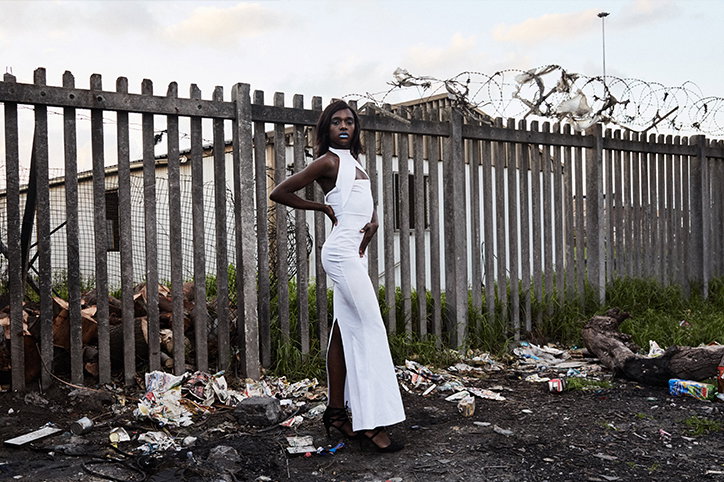
Lee-Ann Olwage: Black Drag Magic
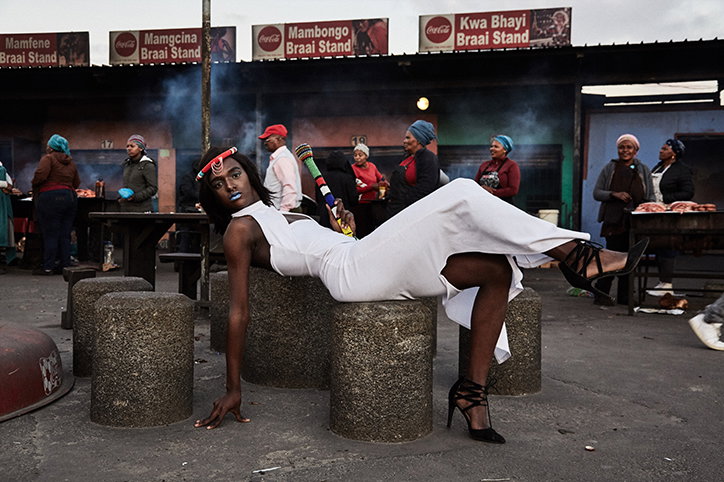
Lee-Ann Olwage: Black Drag Magic
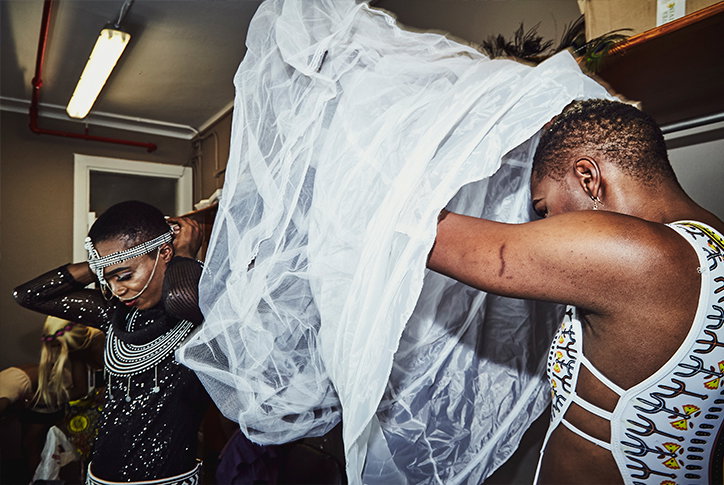
Lee-Ann Olwage: The Queens of Cape Town
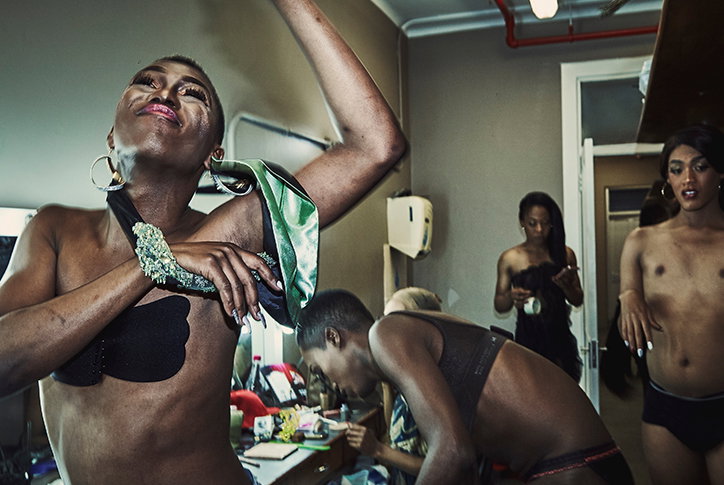
Lee-Ann Olwage: The Queens of Cape Town
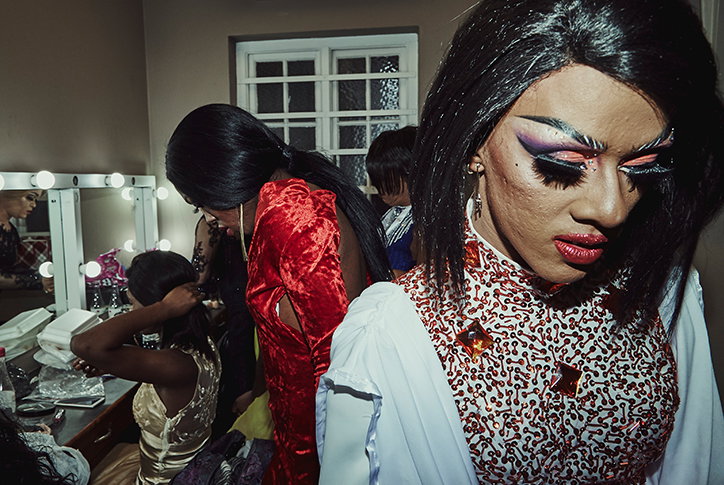
Lee-Ann Olwage: The Queens of Cape Town
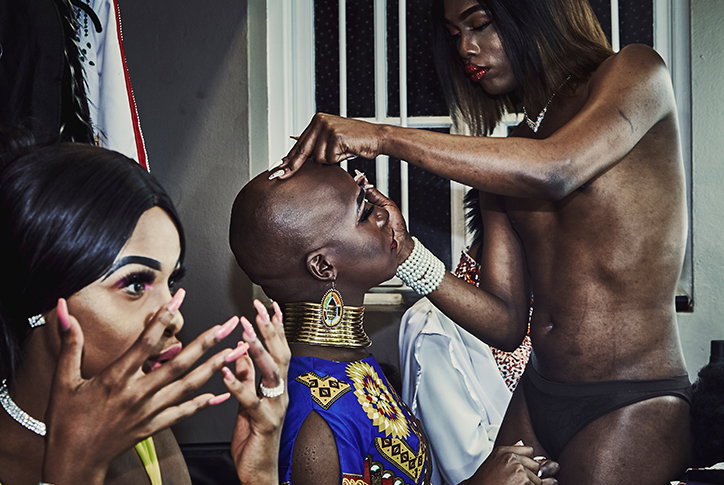
Lee-Ann Olwage: The Queens of Cape Town
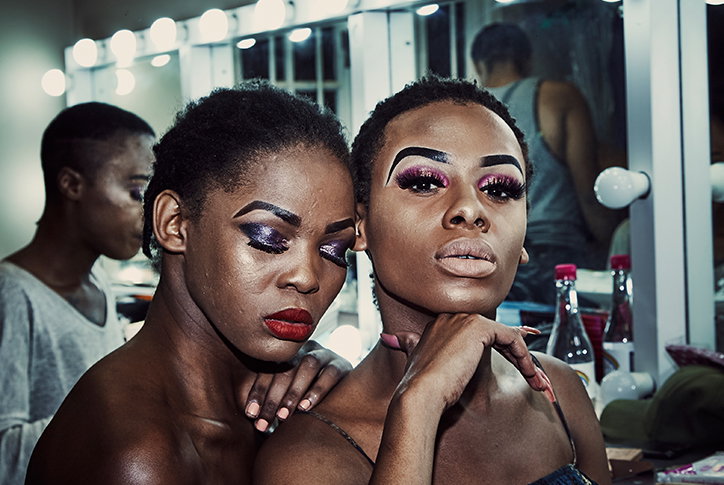
Lee-Ann Olwage: The Queens of Cape Town
Share Article
Further Info
About the Author
—
Ayla is a London-based freelance writer, editor and consultant specialising in art, photography, design and culture. After joining It’s Nice That in 2017 as editorial assistant, she was interim online editor in 2022/2023 and continues to work with us on a freelance basis. She has written for i-D, Dazed, AnOther, WePresent, Port, Elephant and more, and she is also the managing editor of design magazine Anima.