Blurring the line between mediums, Marcus Maddox aims to “reclaim Blackness as an emblem of power”
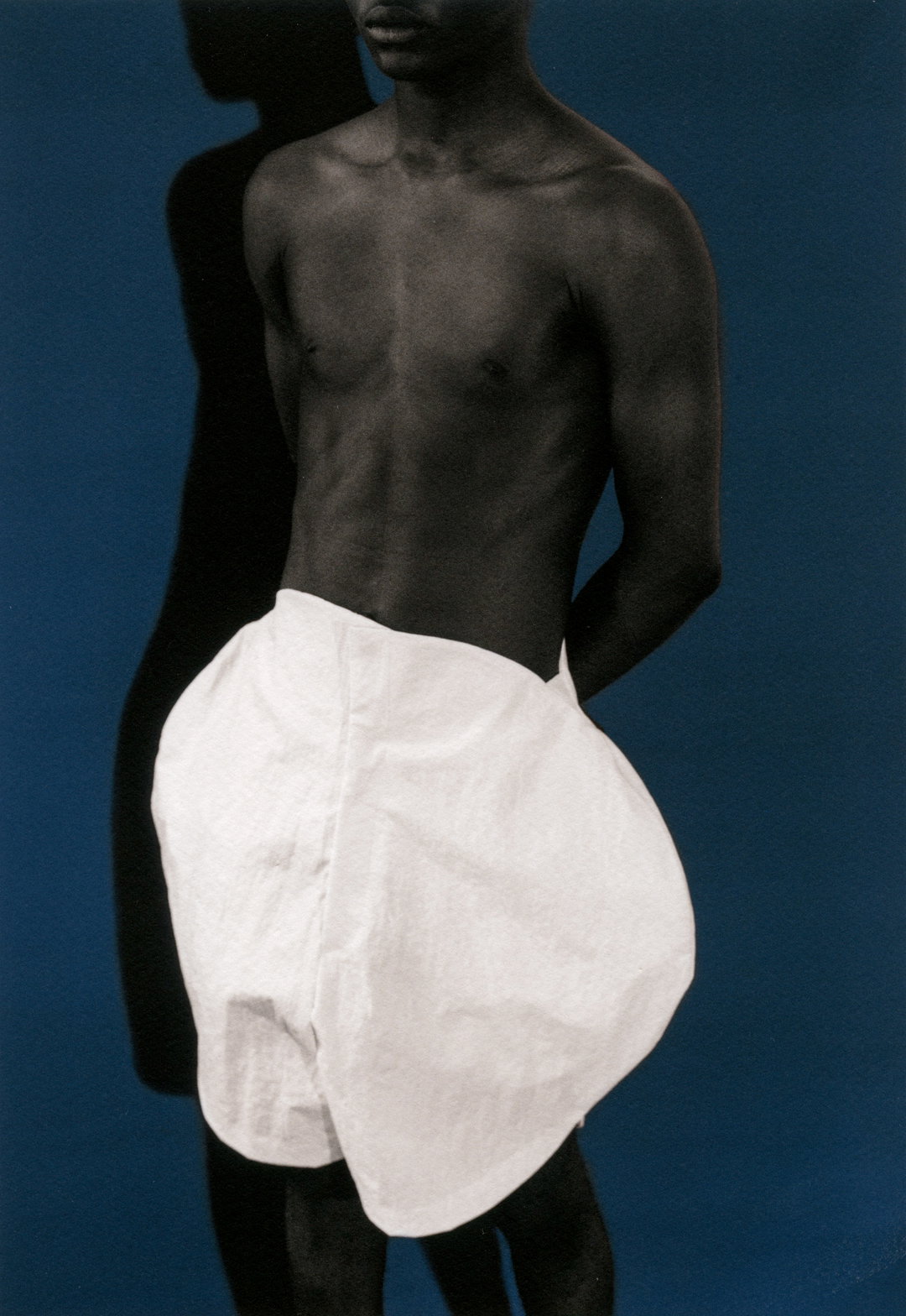
His ongoing series, Figures of Colours, is a genre-bending study of Black skin – featuring toned and muted portraiture in signature painterly style.
Growing up in Nashville, Tennessee, Marcus Maddox first developed a serious interest in photography during 2016. It was while spending time with his friends, a handful of which were musicians, and he’d sit and observe them playing guitar, practicing their art and “admiring their expressiveness from a distance,” he tells It’s Nice That. Although never learning to play music himself, he knew he would end up pursuing the arts in some form of another but he just wasn’t quite sure on the field. “Eventually,” he says, “I figured that the best instrument I could use to fit in was a camera.”
Now based in Philadelphia and New York City, Marcus’ practice has evolved into a spellbinding display of soft, muted portraiture. The kind that appears painterly, notably for his use of colour, tone and light. Appearing in The New Yorker, American Chordata, Wire Magazine, The Fader, New York Magazine, Washington Post, The New York Times and various others, his work has reached an unsurprising level of acclaim. He flits between editorial commissions and photography for musicians, all the while balancing his Figures of Color series on the side – a visual study of Black skin that intimately and technically explores the relationship between light and dark.
First thing’s first, Marcus has always been driven by portraiture, mostly for the fact that he’s innately interested in people. “Whether I’m working commercially or on personal projects, my intent is to capture the humanity of the moment,” he says, noting how the composition is of most importance when it comes to expressing emotion within his work. “For example, this can be seen in the tension that is rendered in All the pain, all the tears, when you see a Black hand reaching for another. There is a painterly quality in my work, almost to the extent that they don’t feel like photographs at all; it’s an interesting aesthetic to explore.”
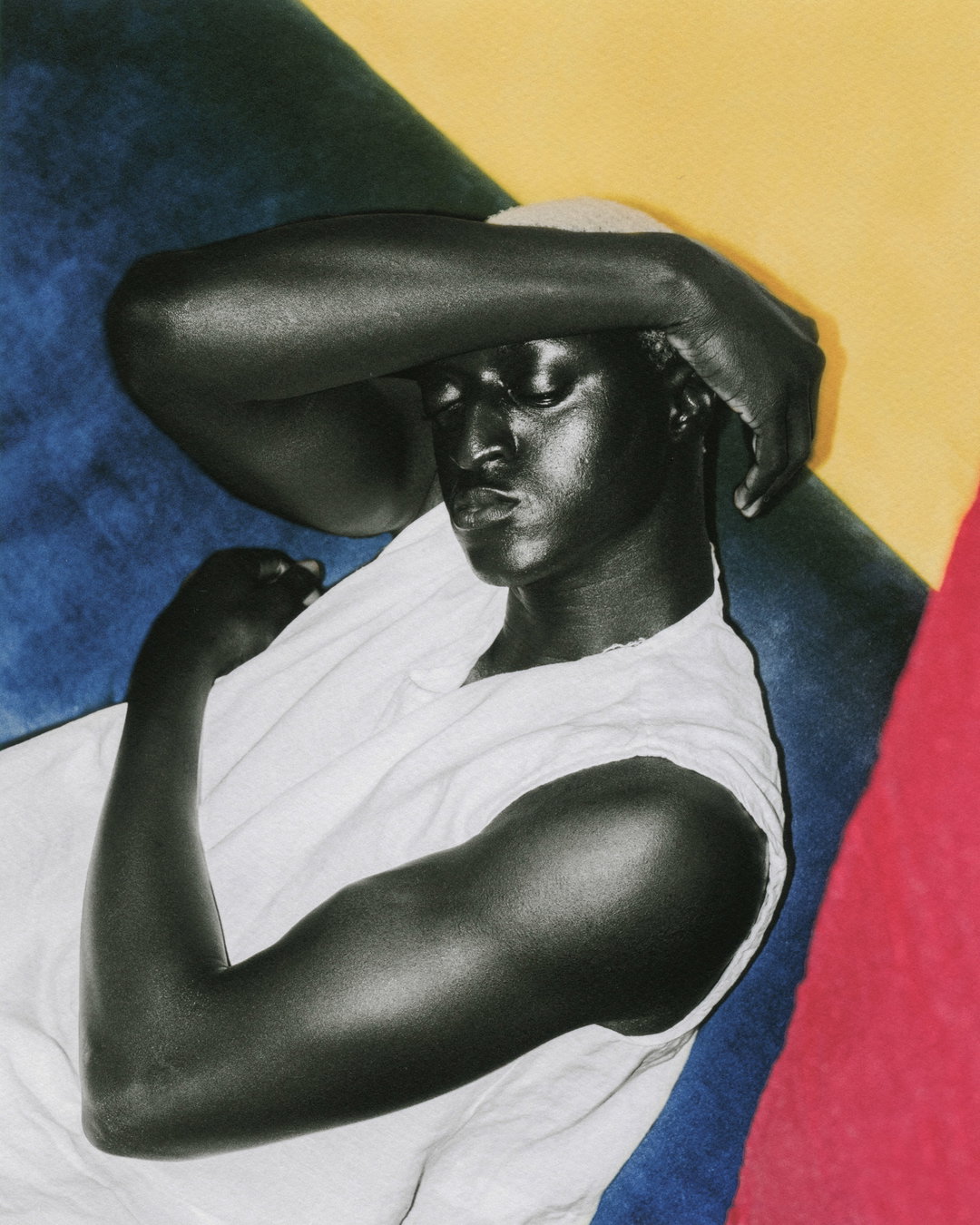
Marcus Maddox: Awaken, my friend (Copyright © Marcus Maddox, 2018)
Marcus’ photographic style is utterly bewitching. The sharp-yet-grainy textures, colour defining silhouettes and, more importantly, exploration into the portrayal of Black skin, defines the series as more than just a visual analysis – it’s one that deals heavily with the fundamental issues of race, and takes philosophical and compositional cues from painting greats like Kerry James Marshall, Alex Gardner and Jon Key. Not to mention their inspiring execution of form and space, plus the “consistent facet of simplicity that exists in their work,” says Marcus. “Within my photography, I wanted to challenge myself to go to that extreme and reclaim Blackness as a badge of power.” Otherwise, he cites photographers such as Dominik Tarabanski, Kelia Anne MacCluskey and Zachary Gray as those who have deeply informed his practice.
Of how Figures of Color came to fruition, Marcus was asked by Zachary to contribute to an artist publication he was compiling. The planning phase began in 2016 the first shoot commenced in January 2017, and, although the publication was never finished, he decided to keep going with the series. This lead to the development of his own visual language: “From the beginning, I wanted to do something that almost deviated from photography.” Envisioning the symbolism of stark Black figures as that which steers away from typical representation, it was an experimental and playful move for the artist. “It’s about championing the image of Blackness in fine art, putting forth an unapologetic, unequivocal Blackness as the main subject.”
Shooting with an open brief and preferably casting non-models – as seen in Connie No. 1 where he photographs the artist Kate Shepard’s step mum in a nursing home, who’s story is about being the first Black woman from Pennsylvania to graduate from university. The series, in this sense, is a welcomed turn away from fashion, models and fame, instead focusing on narrative and the representation of Blackness. While compiling the series, which is very much still in progress, Marcus refers to it as “lengthy” for the fact the magic rests solely in the edit. He shoots small and intimate, with no crew besides himself, the subject (who is photographed barefoot) and minimal gear – just his compact mirrorless cameras and fabrics packed into an Ikea bag. The priority here is Black skin, leaving behind any overly decorative elements from the styling and set.
The edit process differs slightly to this intuitive and relaxed mentality of the shoot, for Marcus only edits a few images – just one to two from the shoot – and brings the work closer to the style of painting. “I try not to show a long sequence in one thing,” he adds, using Photoshop and Lightroom to alter the tones and a Velin museum paper for printing. “I scan the print, transferring the textured look back to digital and share that instead of the native digital file. This long process with a single image inspires me to slow down – to not feel obligated to share so much so fast.”
Diminishing the line between art and photography, Marcus’ photography and series Figures of Color protrudes with artistic capabilities and necessary storytelling to match. The key takeaways from this empowering and captivating project is that he wants his audience to understand his unconventional style, one that treads the fine line between mediums and genres. But above all, he wants to provide a space to evoke a feeling of progression, and “help reclaim Blackness as an emblem of power.”
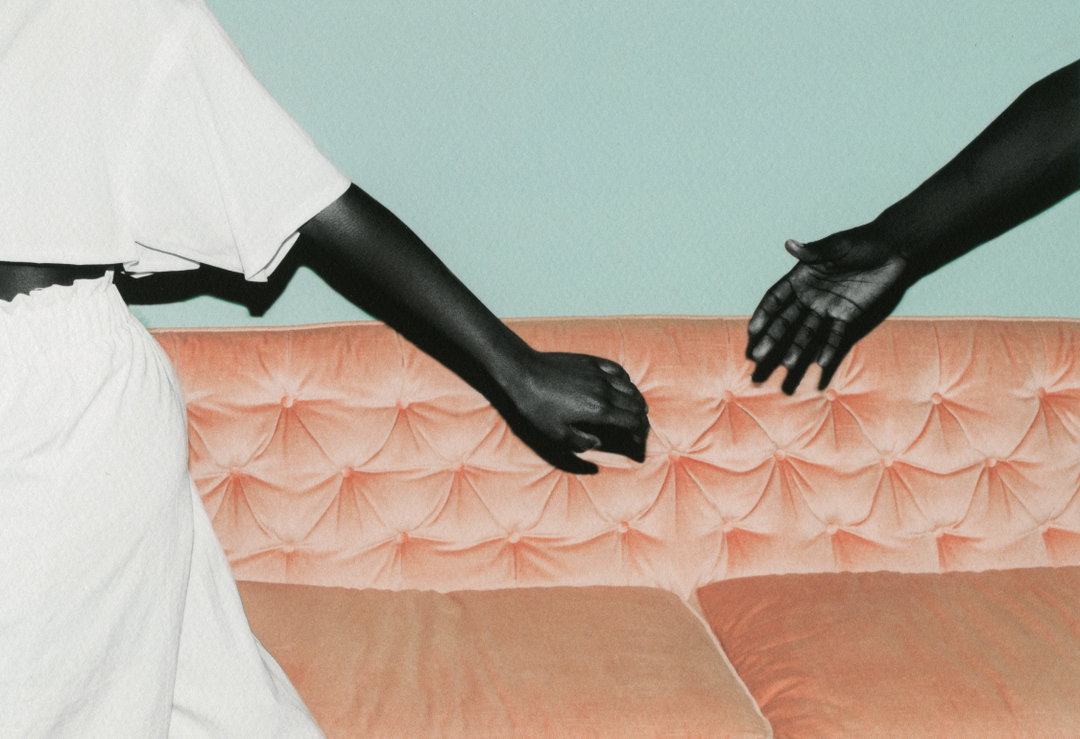
Marcus Maddox: All the pain, all the tears (Copyright © Marcus Maddox, 2017)
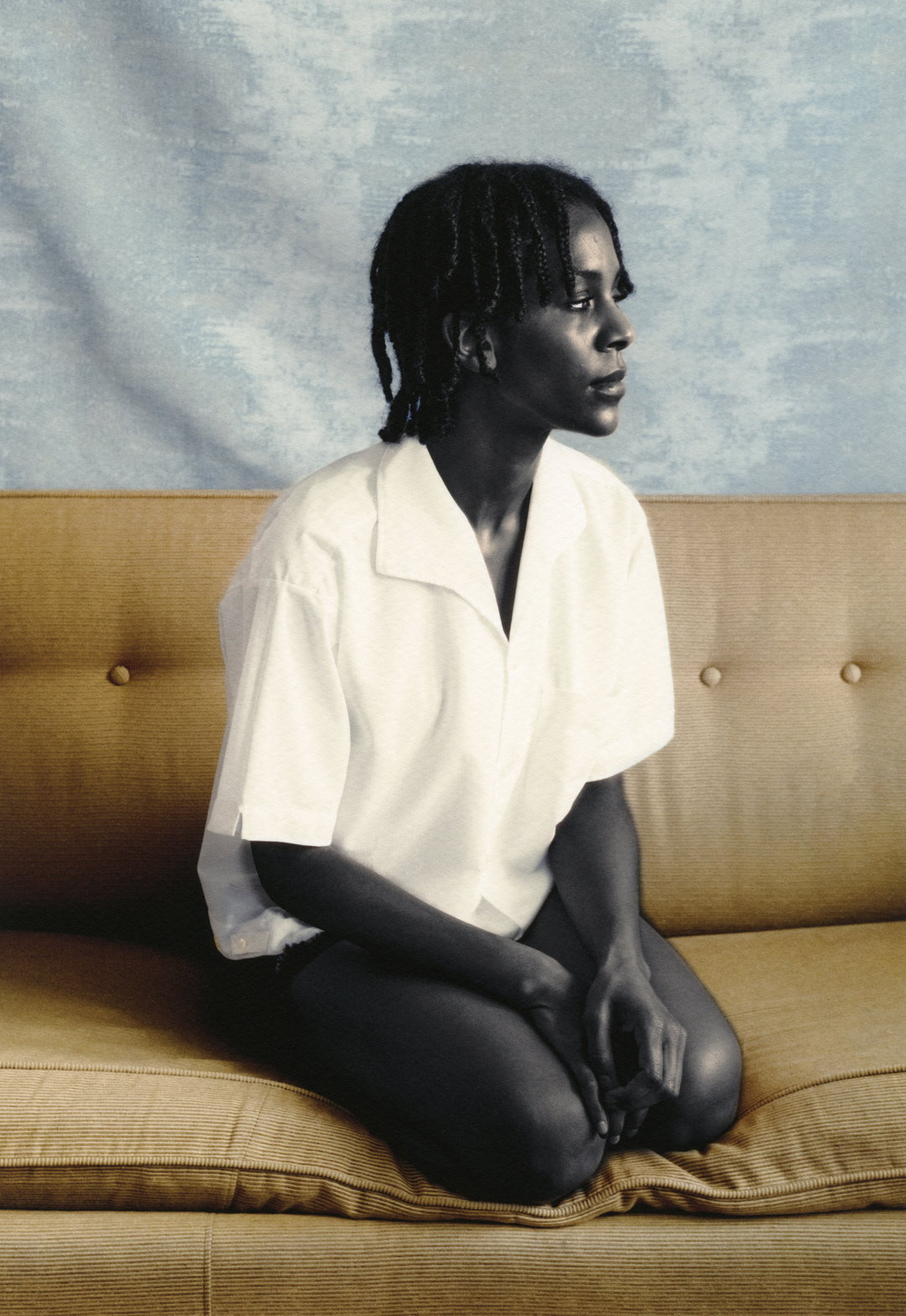
Marcus Maddos: Amanda No. 4 (Copyright © Marcus Maddox, 2020)
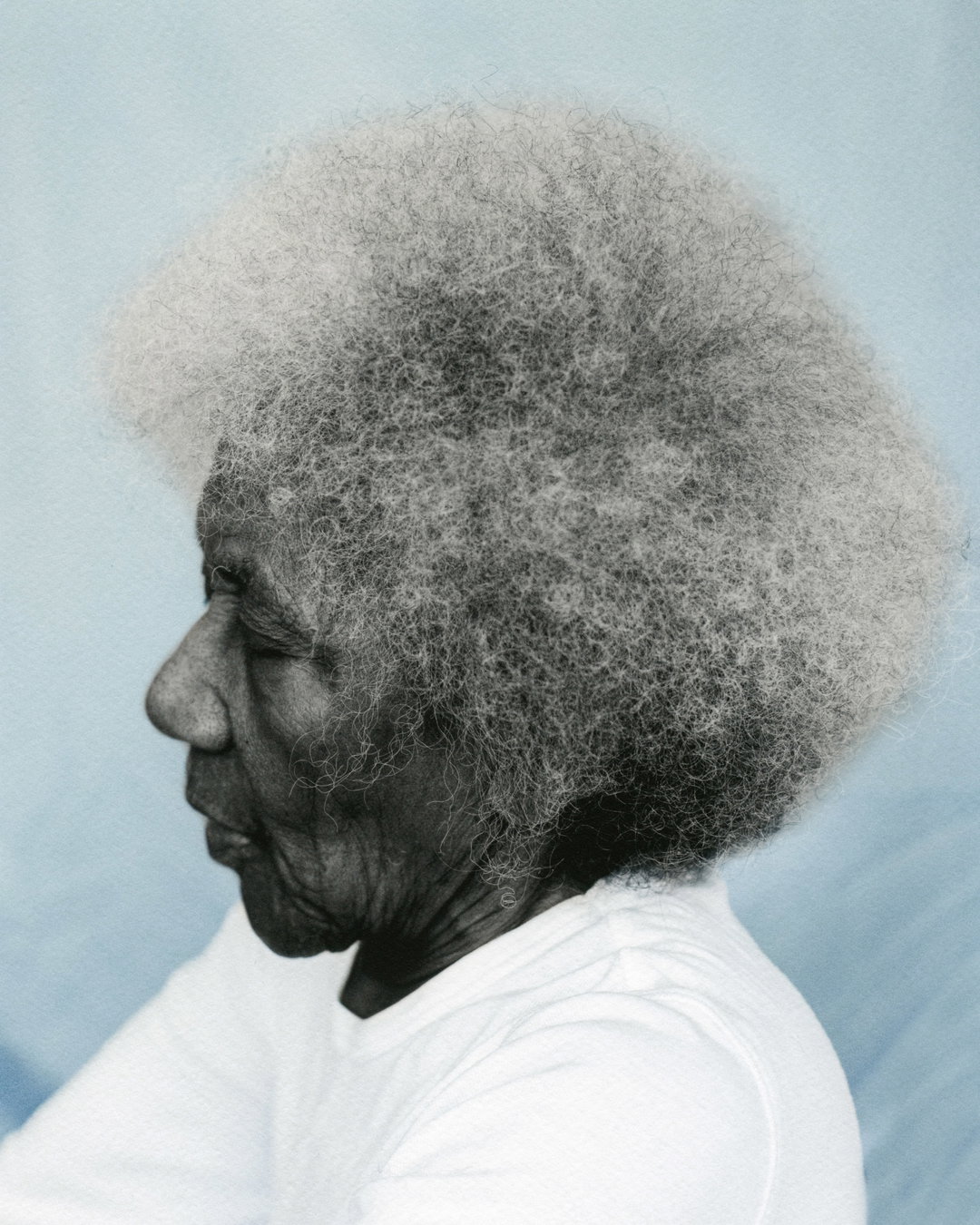
Marcus Maddox: Connie No. 1 (Copyright © Marcus Maddox, 2019)
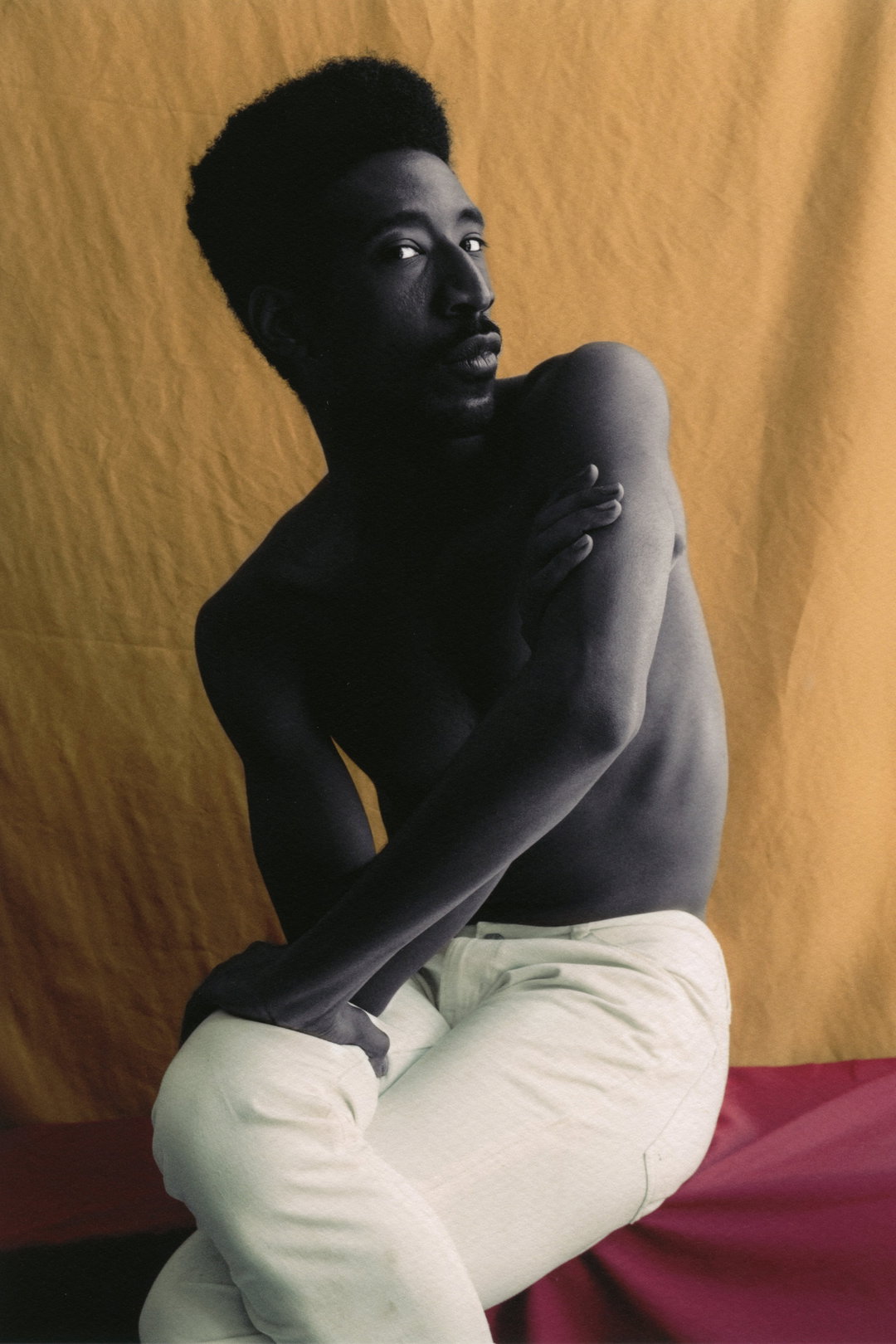
Marcus Maddox: Jon Key No. 2 (Copyright © Marcus Maddox, 2020)
Marcus Maddox: Jon Key No. 7 (Copyright © Marcus Maddox, 2020)
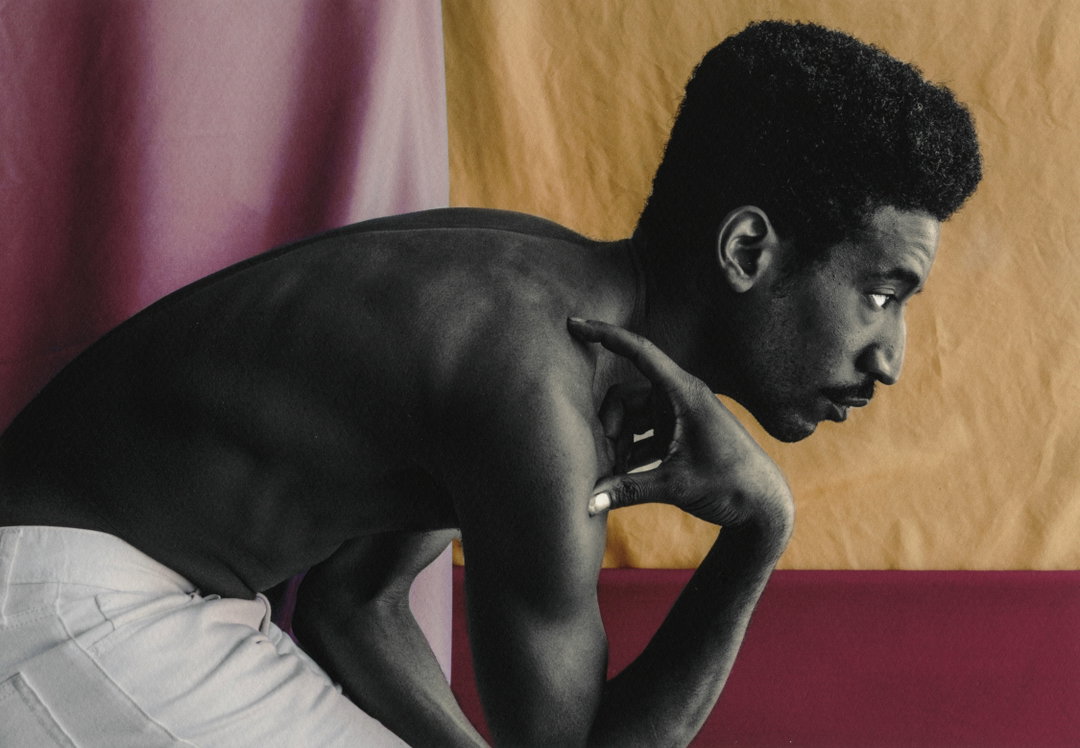
Marcus Maddox: Jon Key No. 7 (Copyright © Marcus Maddox, 2020)
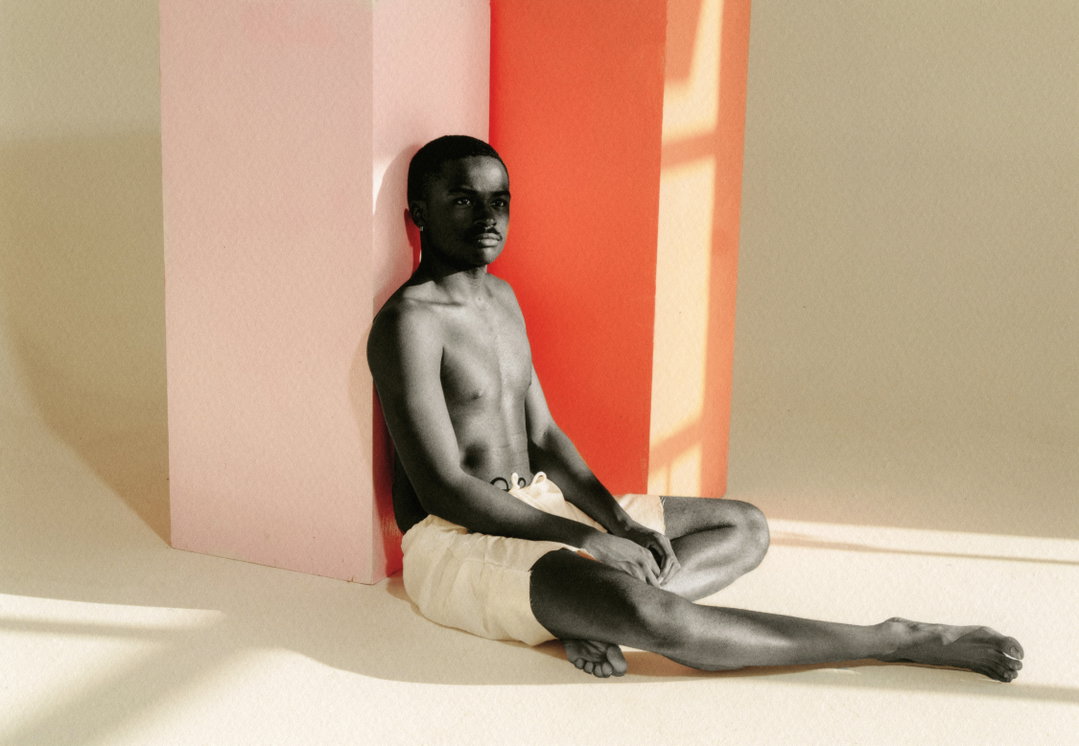
Marcus Maddox: Ommahdi No. 1 (Copyright © Marcus Maddox, 2018)
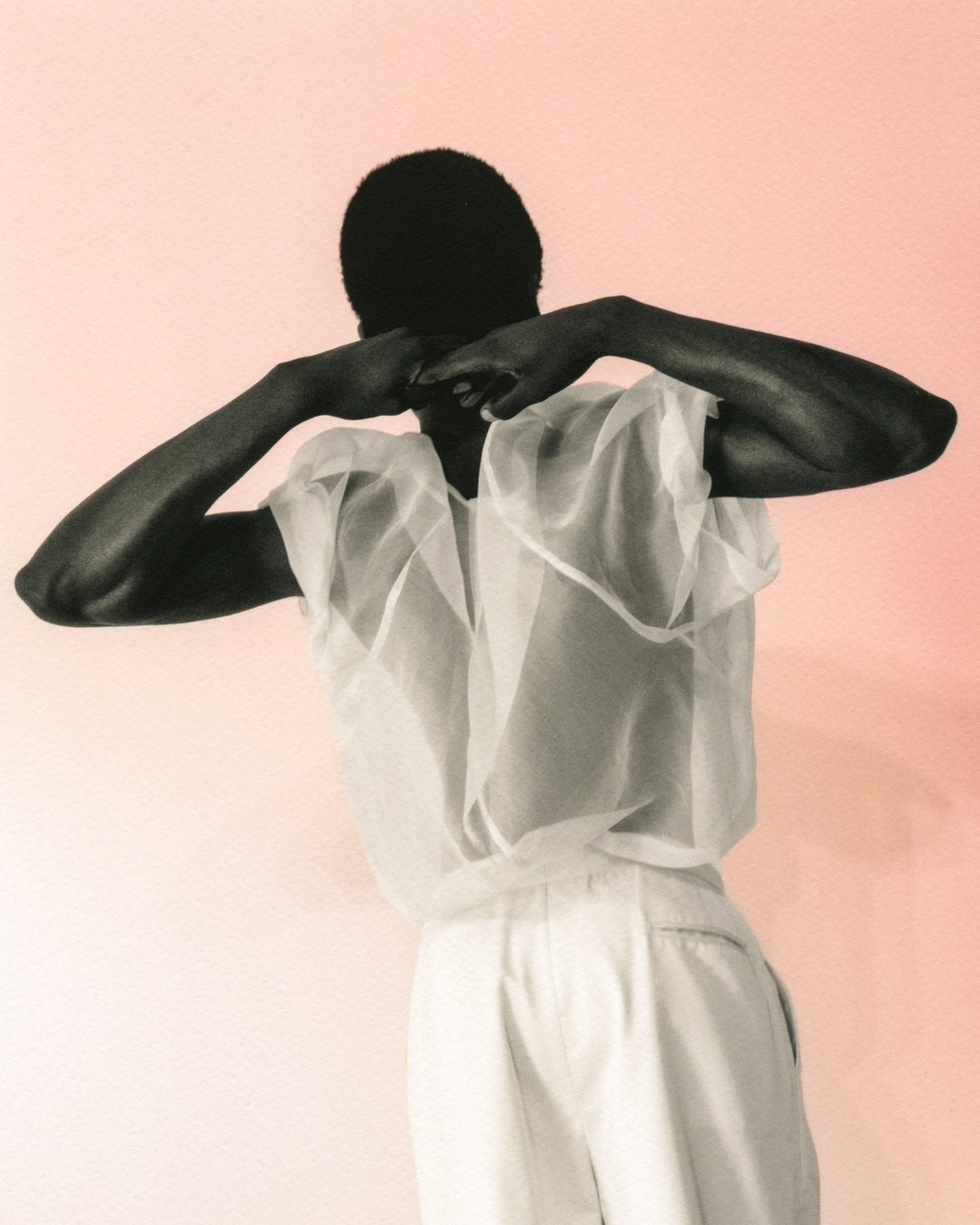
Marcus Maddox: Sosa No. 7 (Copyright © Marcus Maddox, 2019)
Marcus Maddox: Sosa No. 8 (Copyright © Marcus Maddox, 2019)
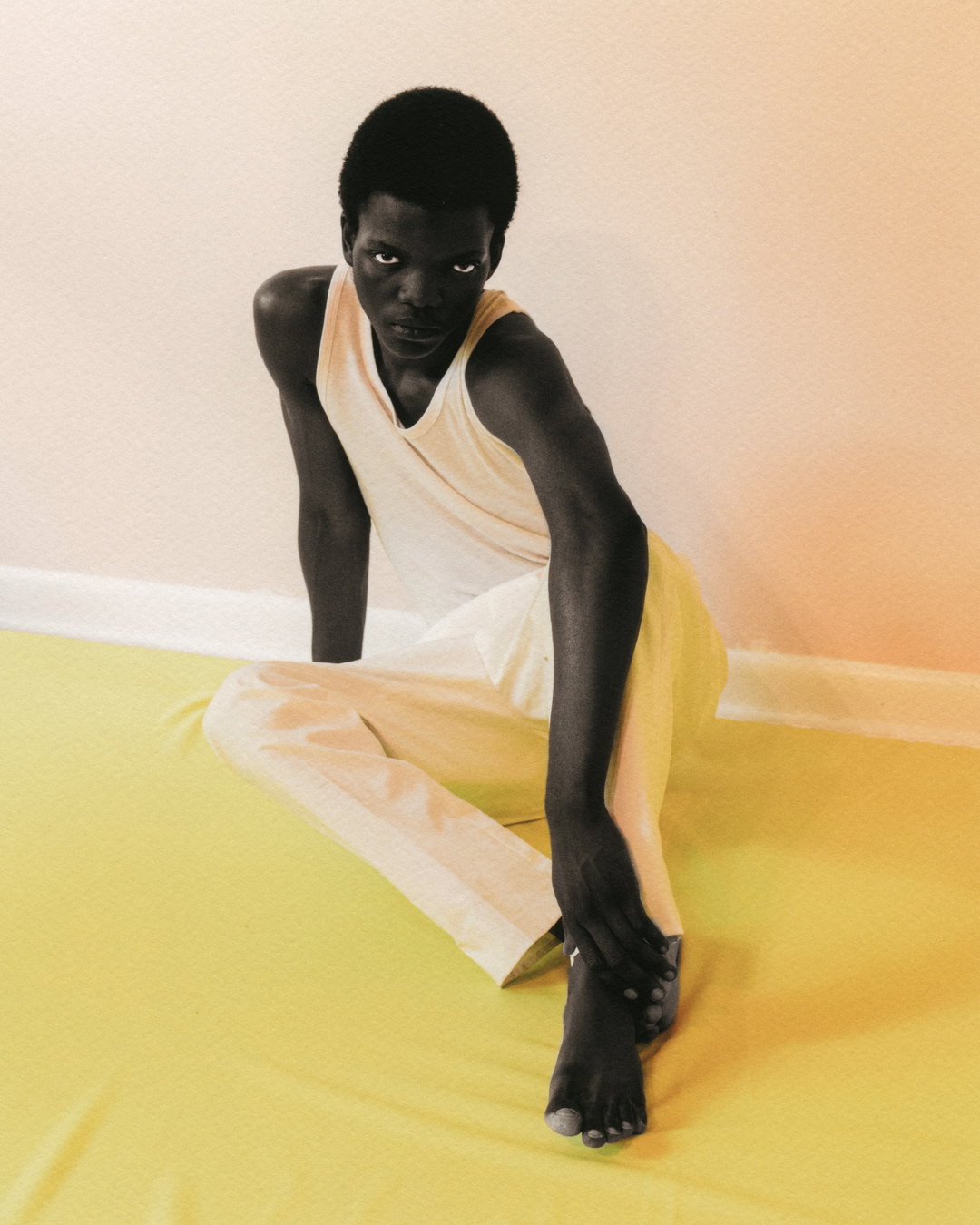
Marcus Maddox: Sosa No. 8 (Copyright © Marcus Maddox, 2019)
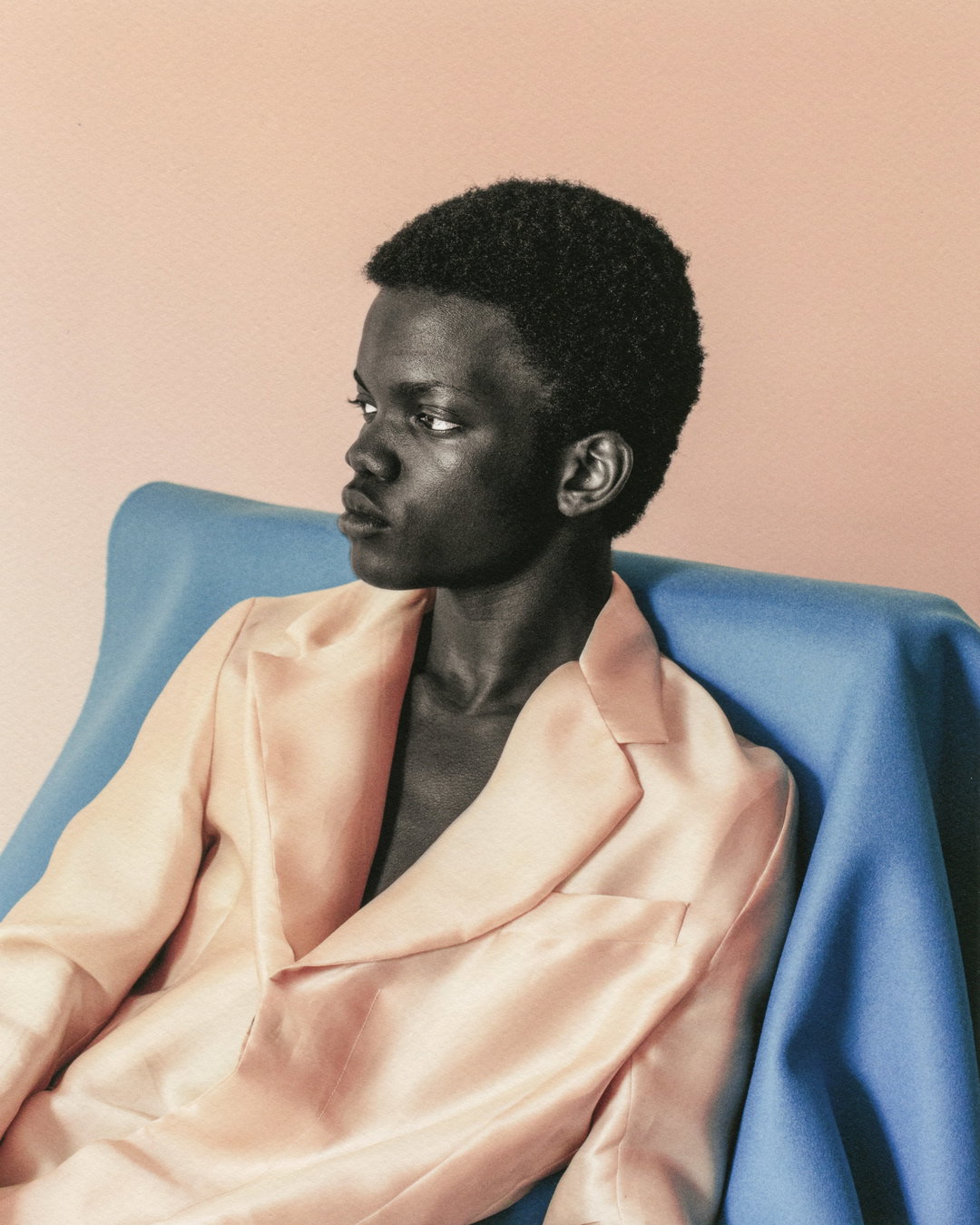
Marcus Maddox: Sosa No. 1 (Copyright © Marcus Maddox, 2019)
Hero Header
Marcus Maddox: Sosa No. 5 (Marcus Maddox, 2019)
Share Article
Further Info
About the Author
—
Ayla is a London-based freelance writer, editor and consultant specialising in art, photography, design and culture. After joining It’s Nice That in 2017 as editorial assistant, she was interim online editor in 2022/2023 and continues to work with us on a freelance basis. She has written for i-D, Dazed, AnOther, WePresent, Port, Elephant and more, and she is also the managing editor of design magazine Anima.