


Beloved by graphic designers, taken for granted by pedestrians: Inside a new book on Margaret Calvert
Margaret Calvert and her collaborators helped shape the visual language of the United Kingdom by defining shorthand communication for motorists and pedestrians, working to create something purely logical over something fashionable.
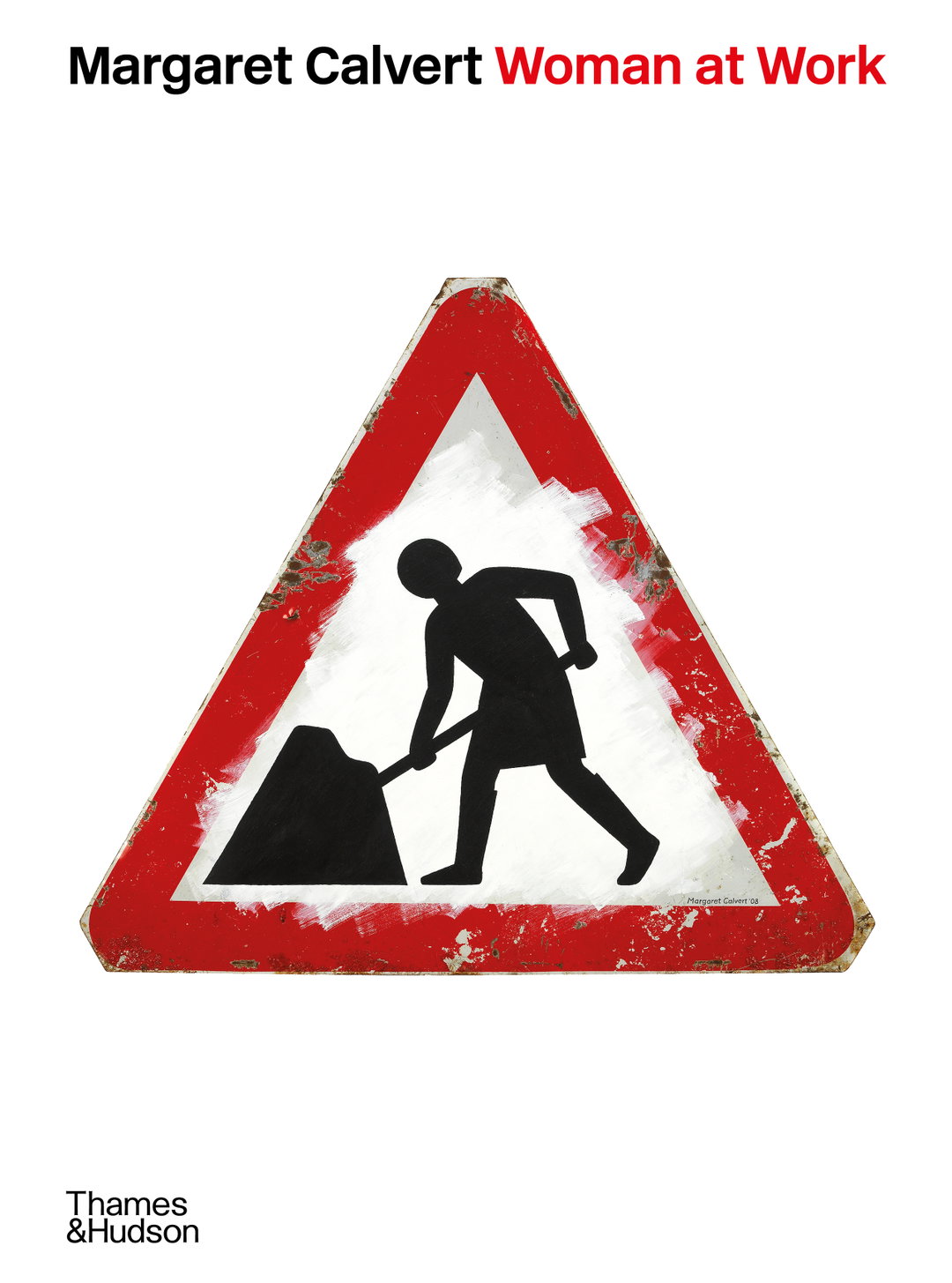
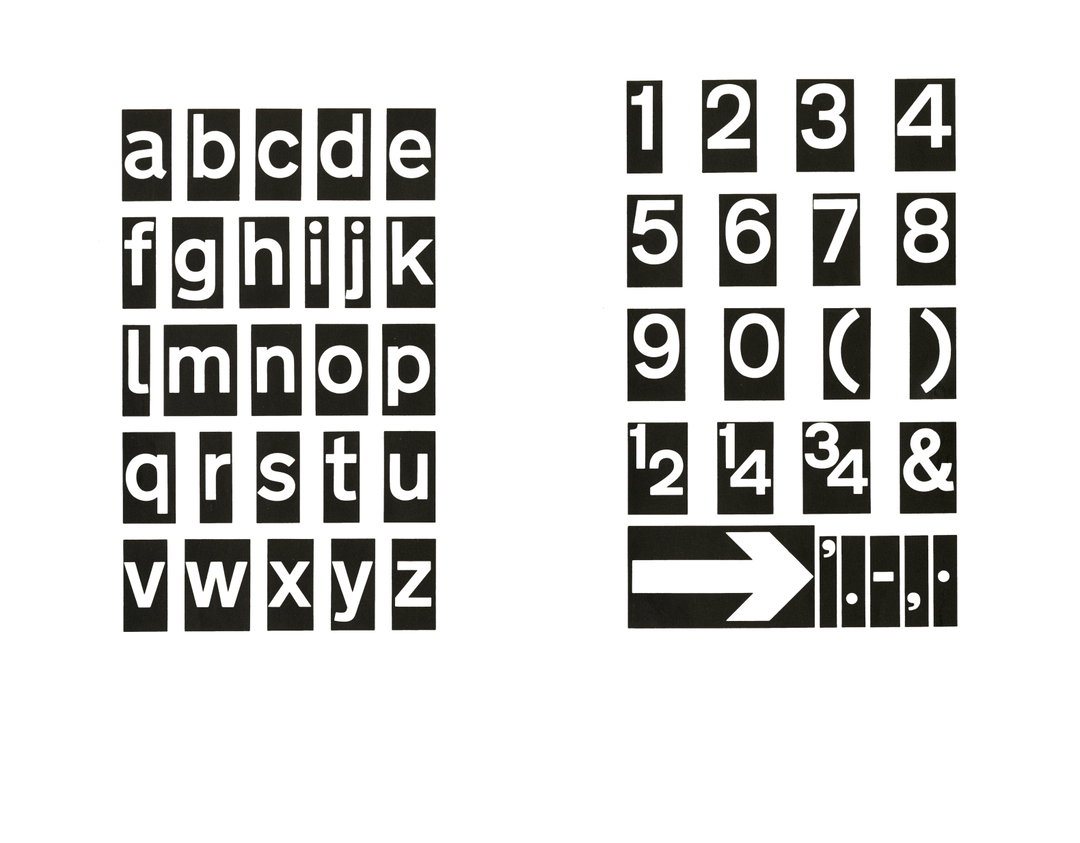
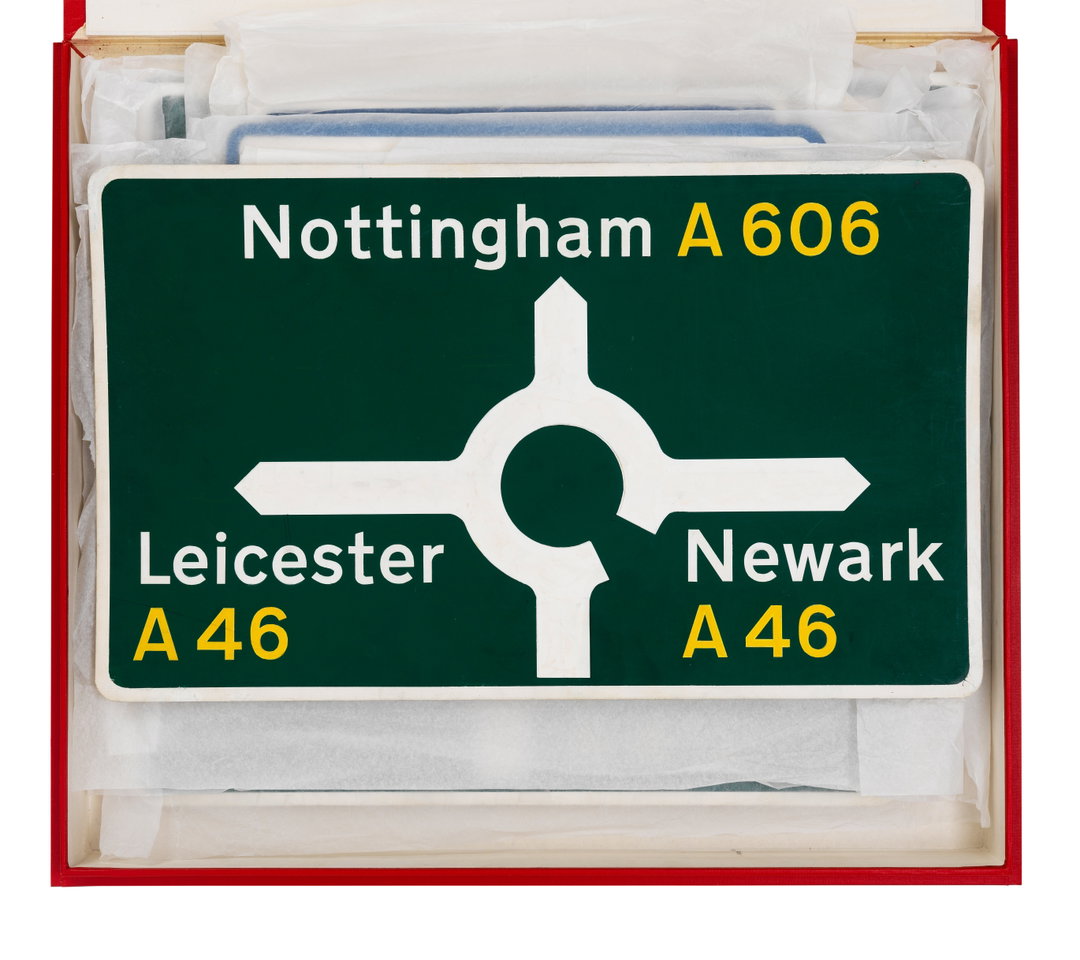
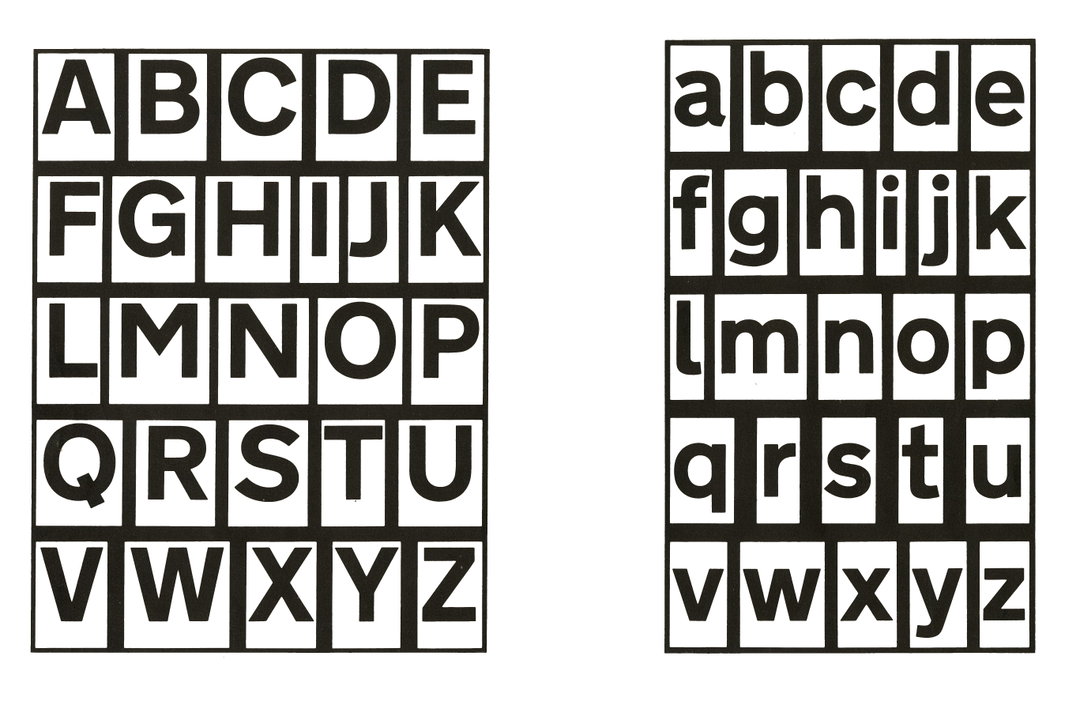
Road signage is crucial to everyday visual communication, no matter if you drive or not. It’s one of the many ways that graphic design is incredibly important – prior to designer Margaret Calvert and the late Jock Kinneir’s work, signage was limited and outdated. By designing a whole new visual language – proposing lower-case letters, a new typography and specific colour codes adapted to high-speed reading – the duo single-handedly defined effective, shorthand communication in street signage. It also just happens to be beautiful in its own way, becoming a part of the charm of the United Kingdom. In this new book Margaret Calvert: Woman at Work, crowdfunded by nearly 700 appreciators (reaching £19,000 over the target pledge) and put together by graphic designer, writer, editor and publisher Adrian Shaughnessy, Margaret’s iconography is definitively celebrated.
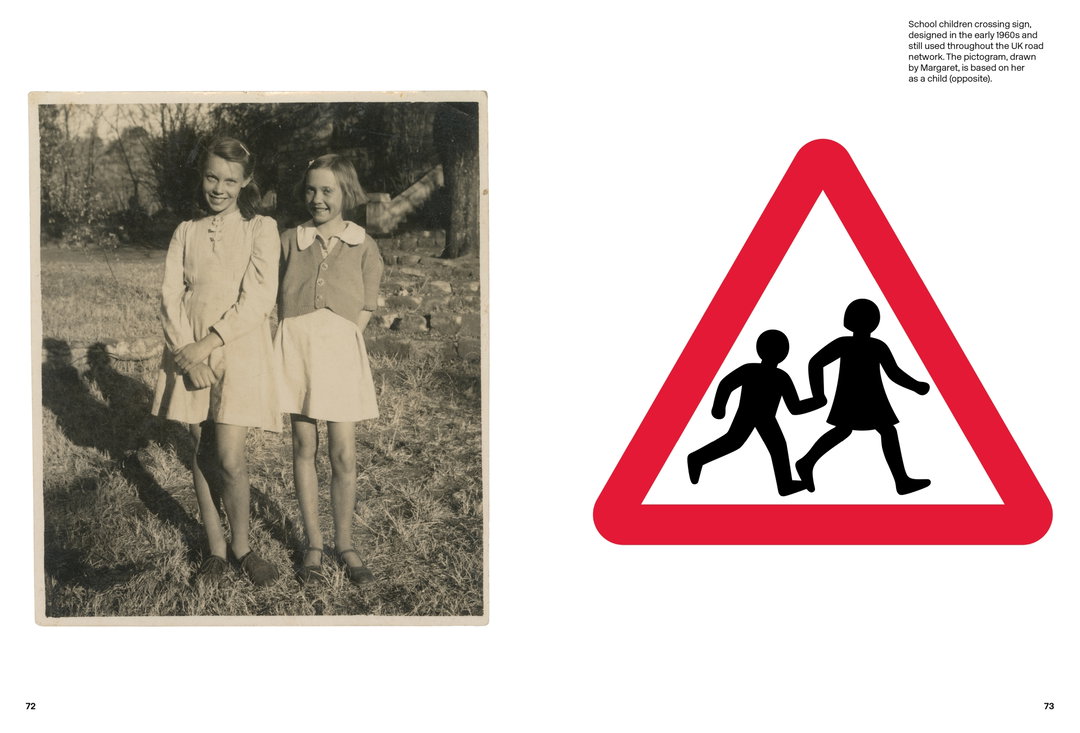
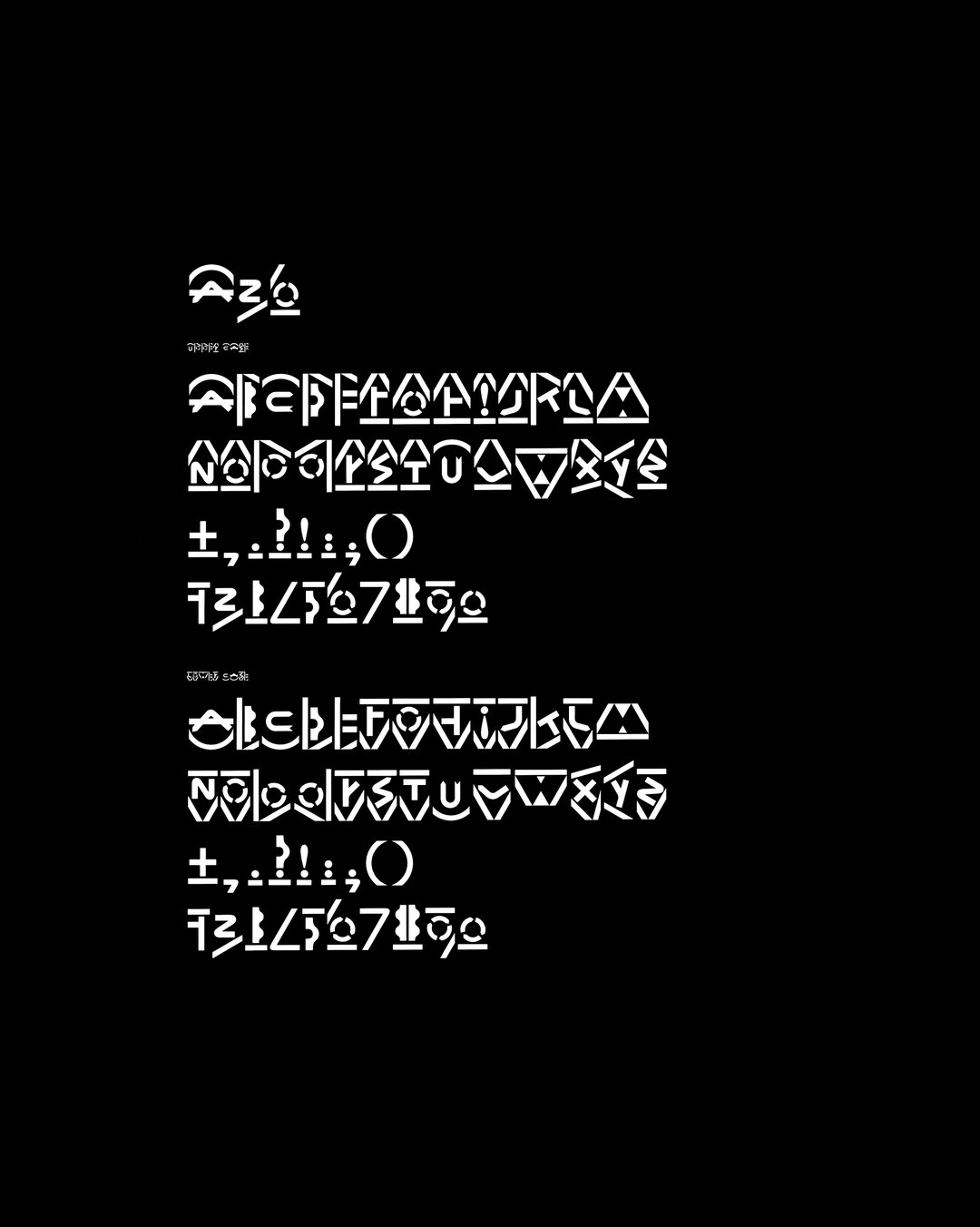
“She made it a condition that the book was co-designed with her longtime creative partners Henrik Kubel and Scott Williams of A2/HK/SW,” says Adrian. “Not only do they hold Margaret’s digital archive, but she has worked closely with Henrik on the digitisation of her typefaces – most notably New Transport and Rail Alphabet 2. Without Henrik and Scott’s involvement the book might never have been published.” Charting her journey from early life in apartheid-era South Africa to her arrival in a post-war Britain – which began 40 years of designing signage systems and teaching at the Royal College of Art – the book makes it clear that there is a tremendous lived history behind this iconic graphic design.
GalleryMargaret Calvert: Woman at Work (Copyright © Margaret Calvert, 2025)
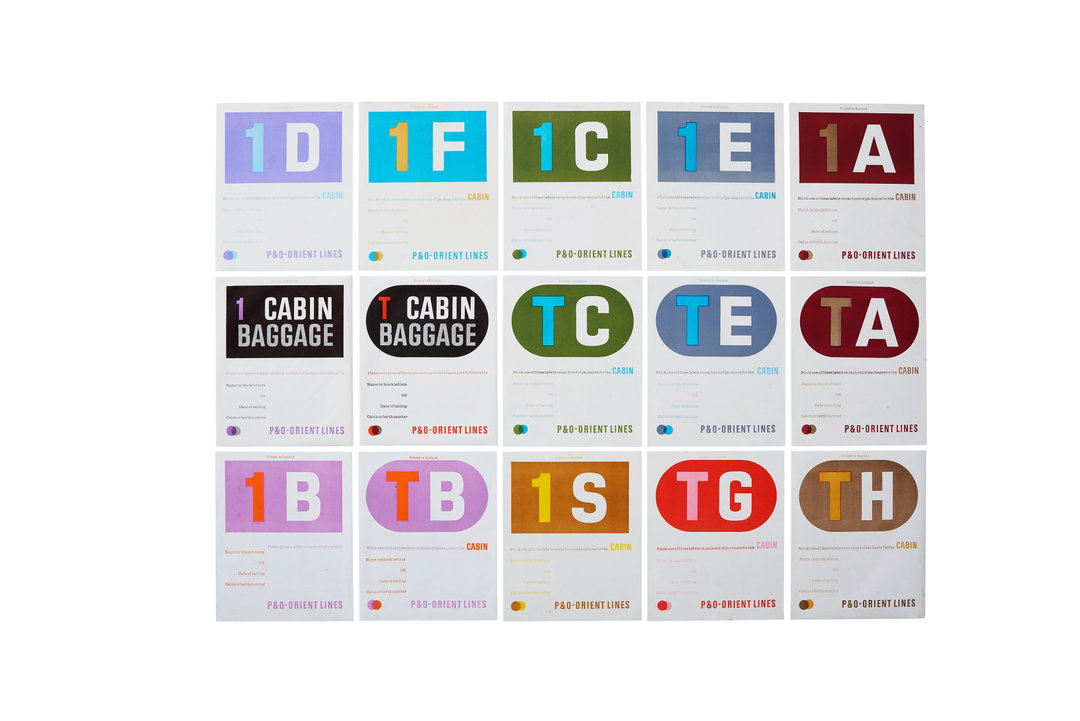
“The road signs stand as symbols of modern Britain. Famous throughout the world, they represent the gold standard for highway directional signs. They adhere to Margaret’s observation that design is the ‘fusion of logic, function and aesthetics’,” says Adrian. “Their exceptional clarity and legibility – even at speed – along with their colour coding and use of symbols and pictograms to aid safety, make them one of the most significant contributions graphic designers have made to British public life.”
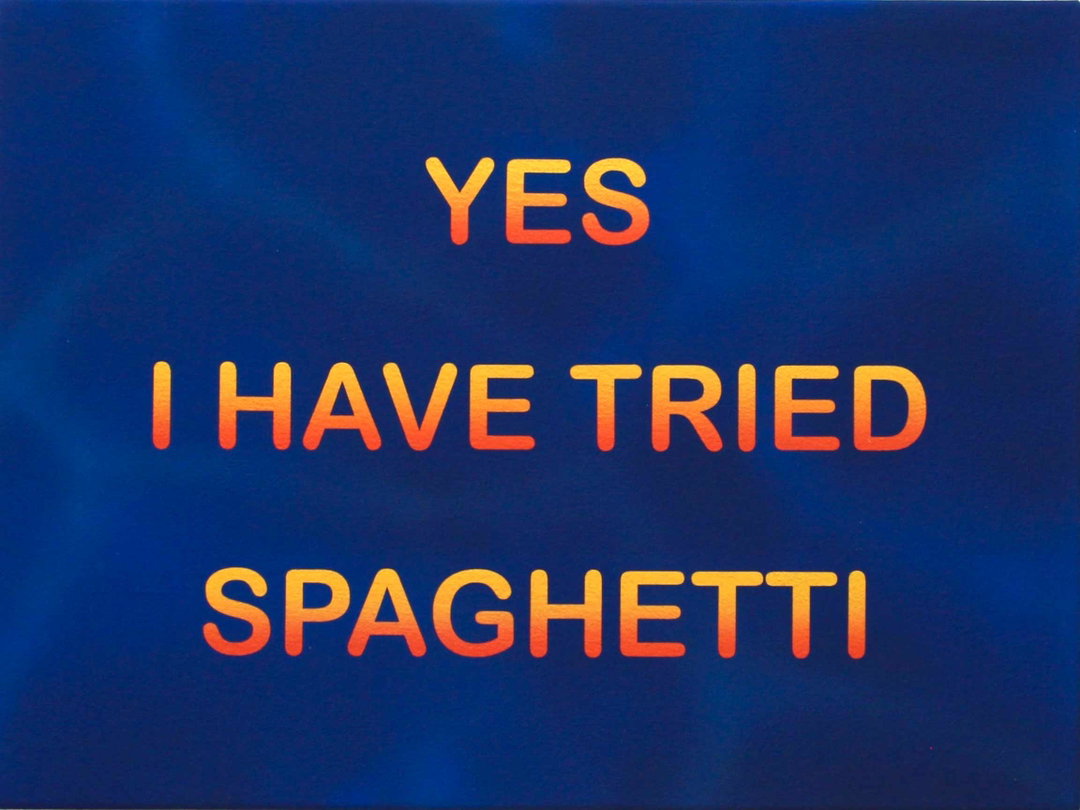
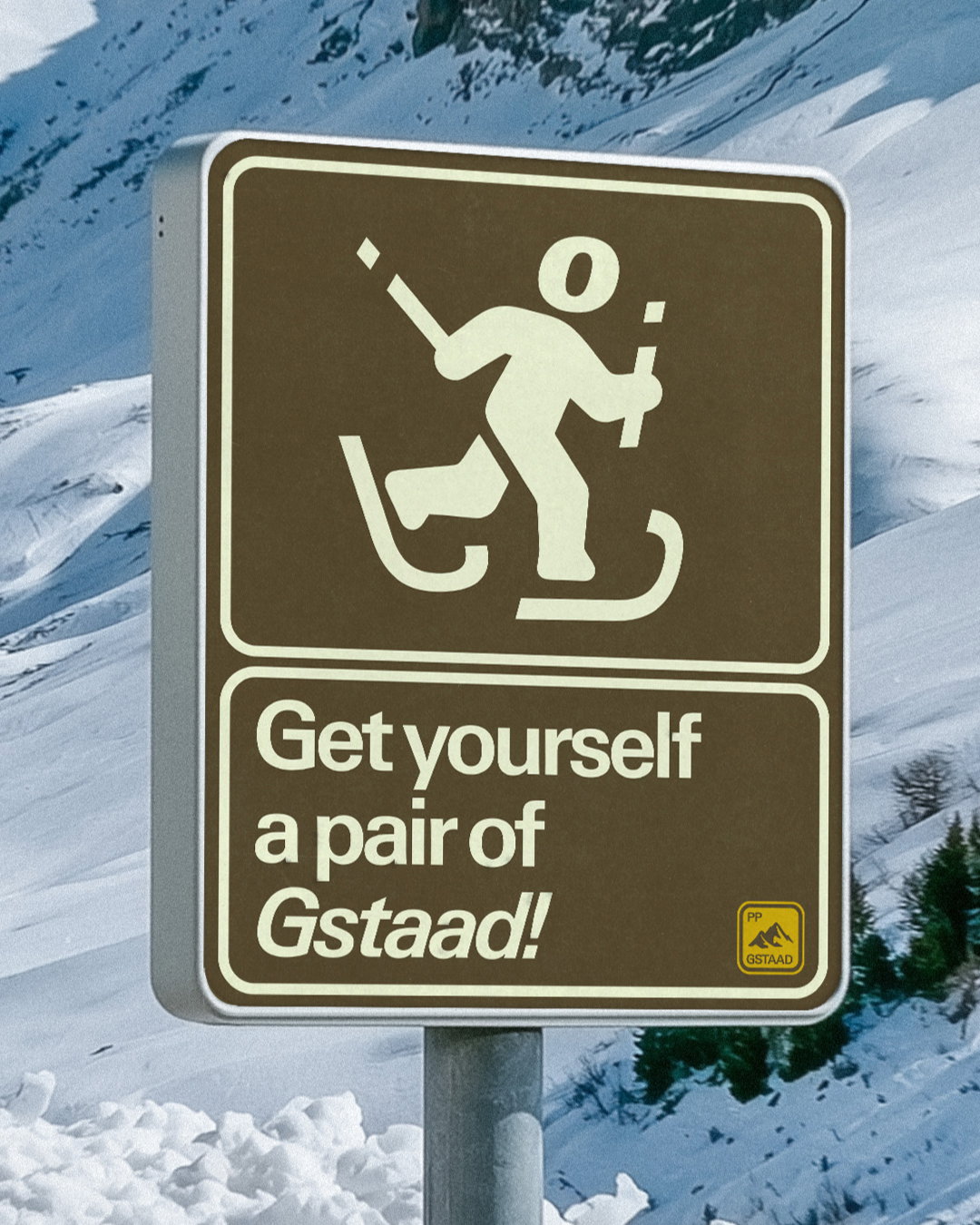
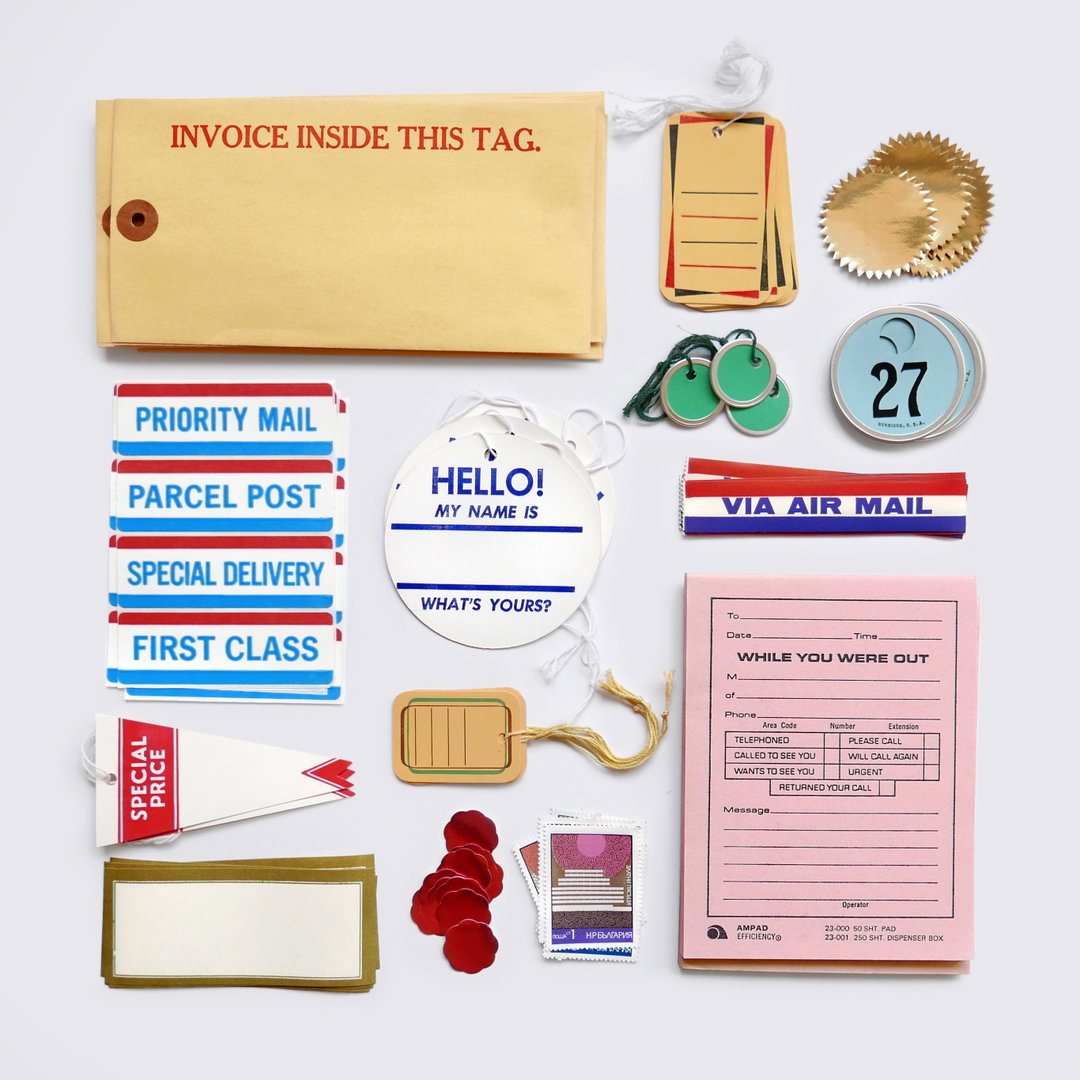
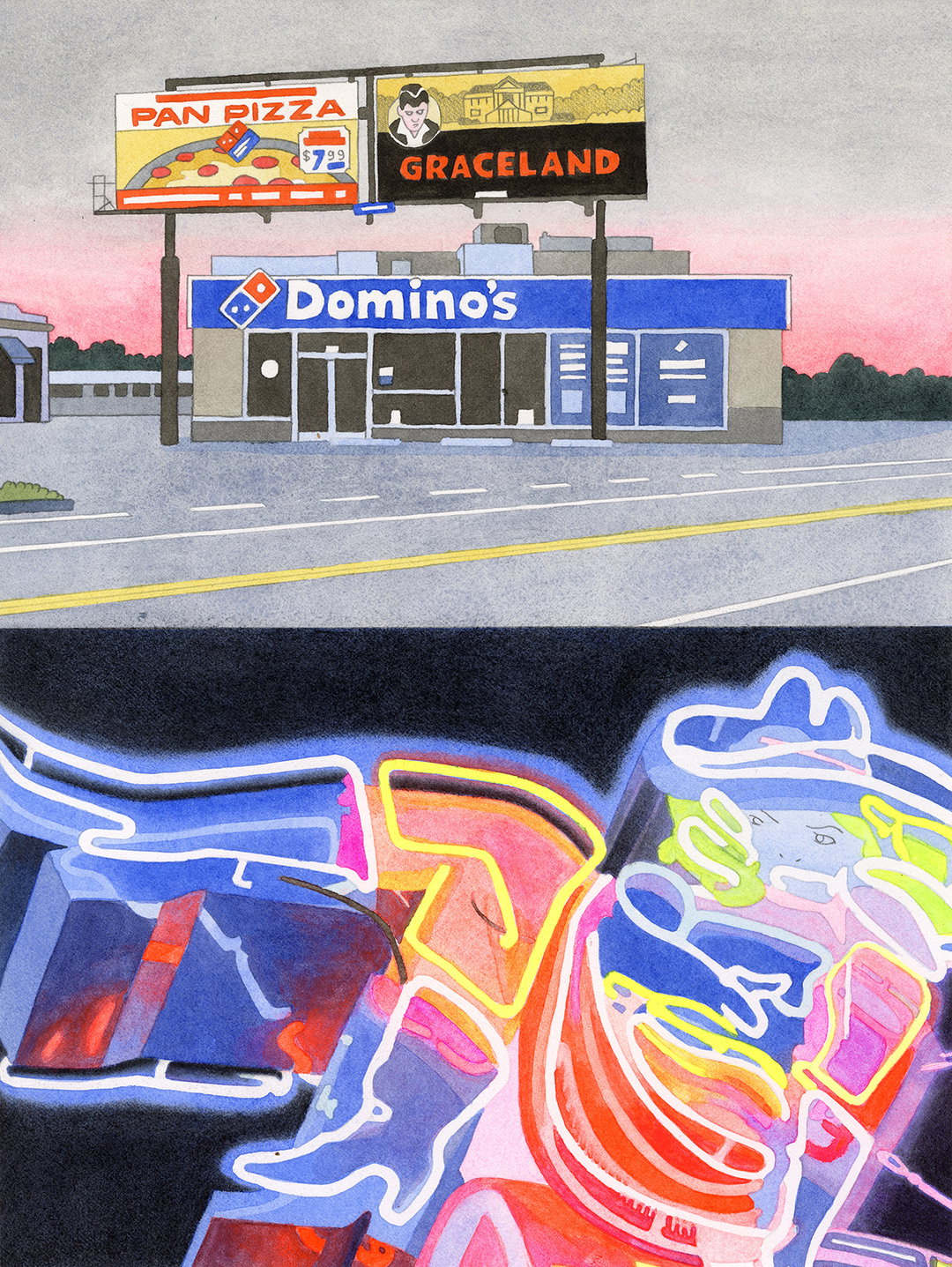
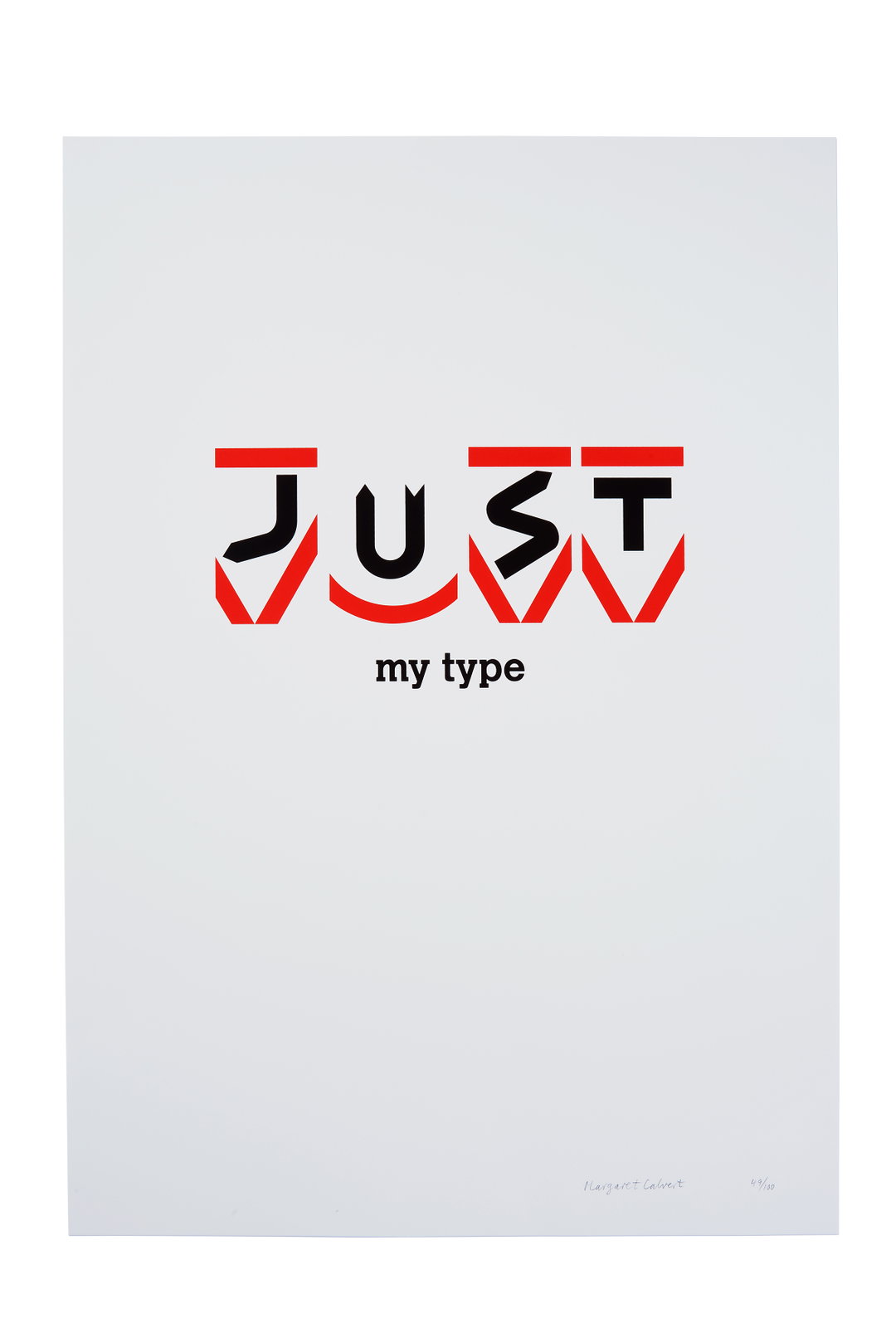
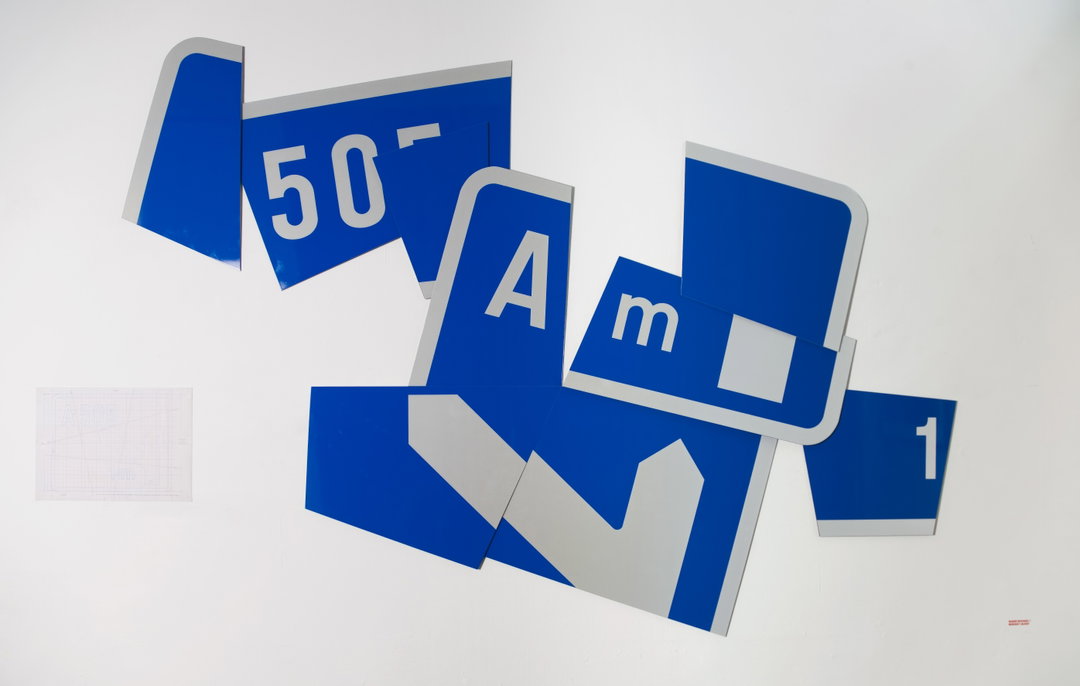
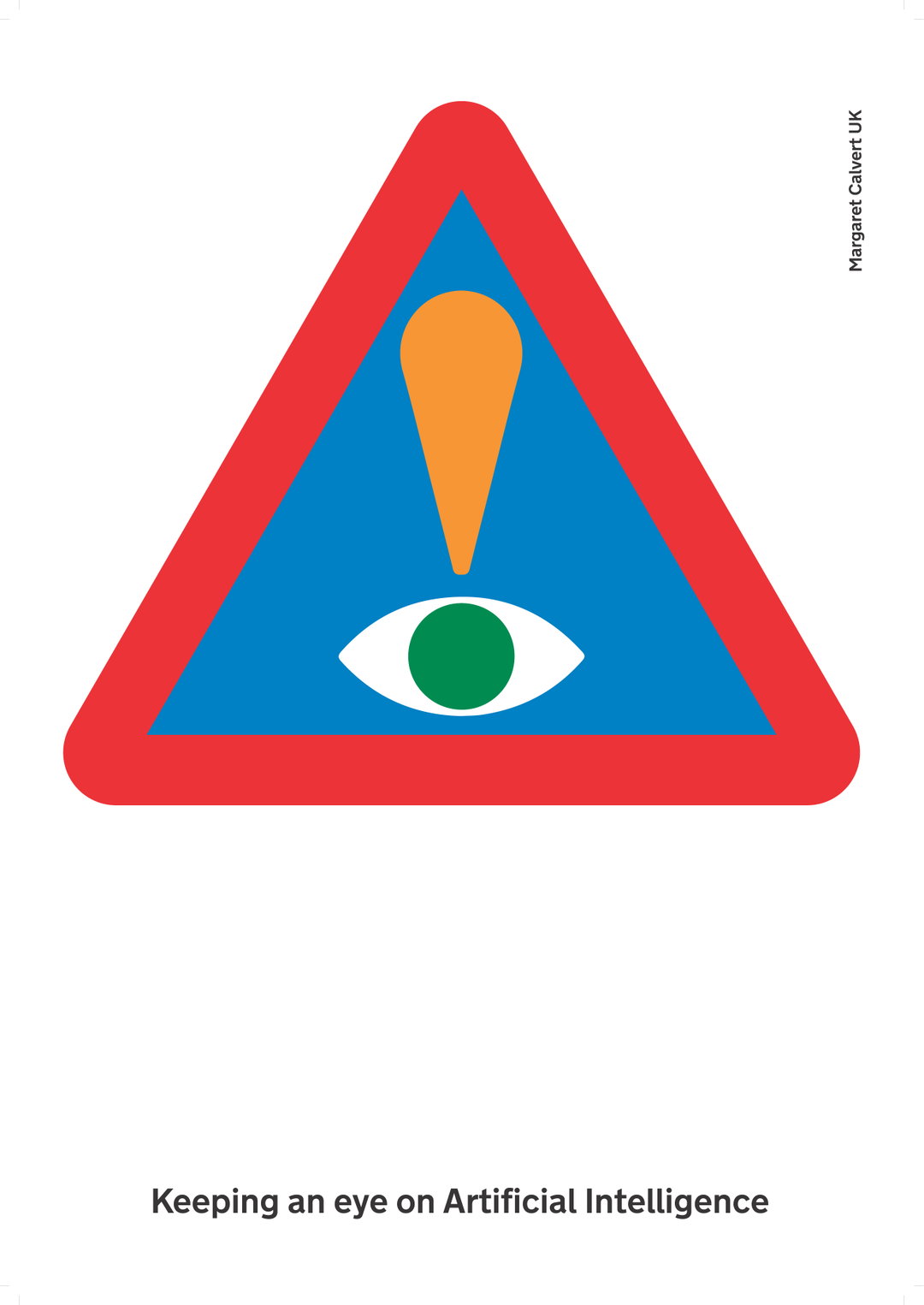
Margaret’s signage was designed to function at any time of day, utilising our natural understanding of colour theory – red for warnings and green for guidance and permission. In other photos from the book, exhibitions show cut-up signage, remixing the very concepts she created. Some signs here are seldom-seen, including pictograms of horse and cattle warning signs as well as multi-coloured speed limits and warnings against artificial intelligence. Created within European protocols for signage, Margaret made the best of triangles for warnings, circles for instructions and rectangles for information. It goes without saying that Margaret’s work was about pure functionality rather than creating something fashionable – these signs show how aesthetics can be don’t have to be plain to be utilitarian.
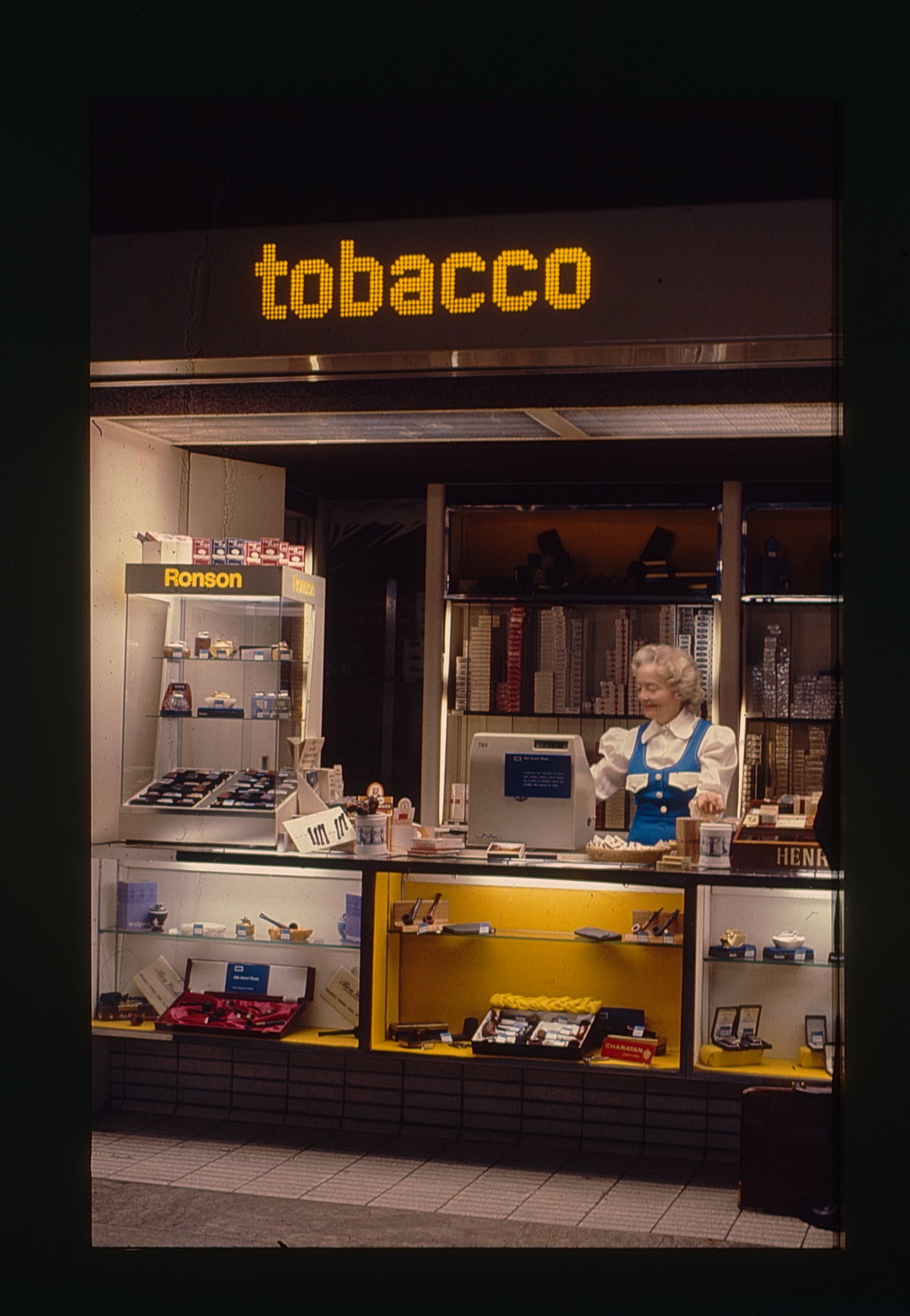
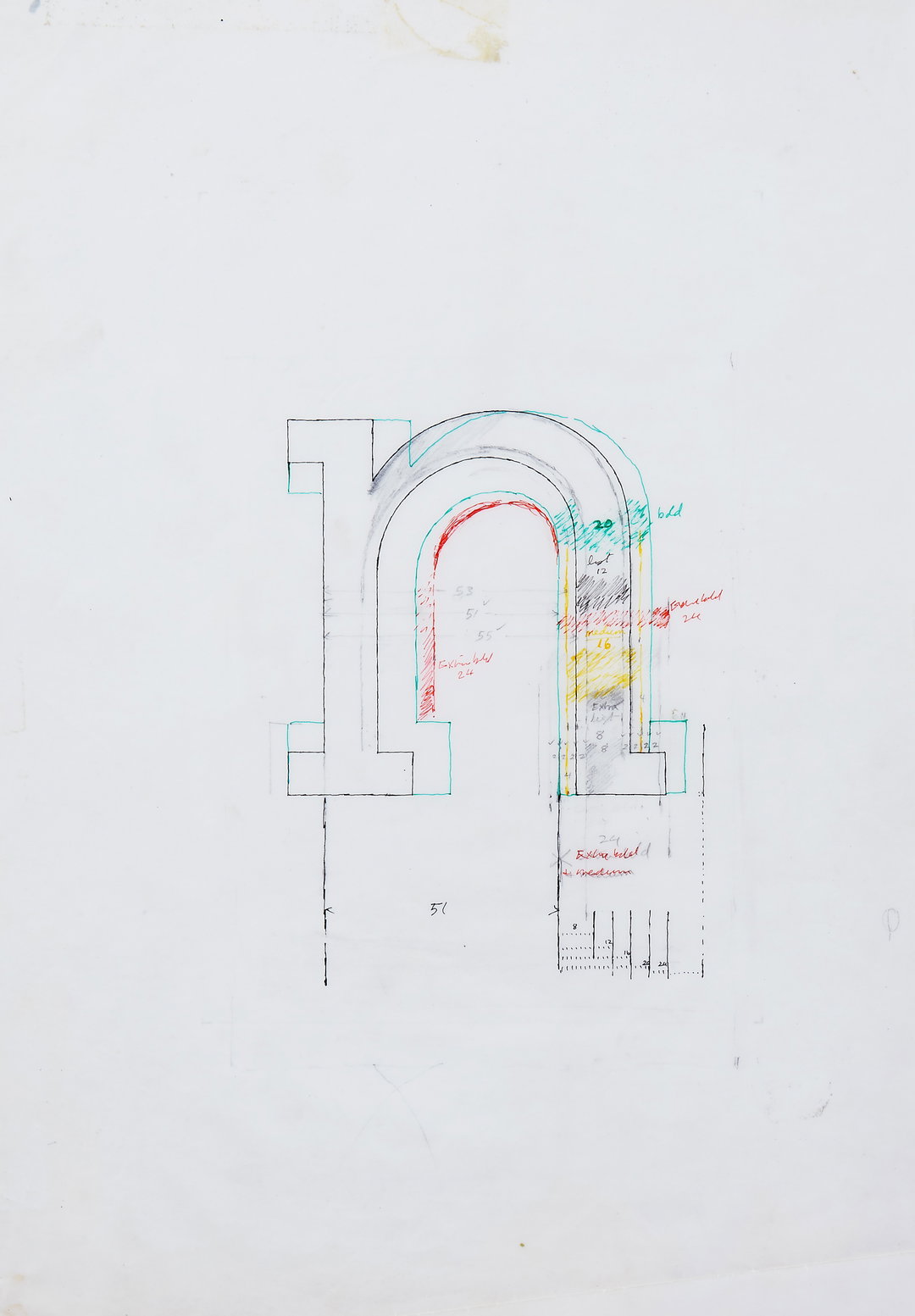
What’s more, Margaret designed transports and motorway typefaces, as well as signage for airports – and with Henrik Kubel she developed the Rail Alphabet 2 font, a lighter typographic voice than the signs from the 60s and more readable than the dark blue signs with reversed out type in the 2010s. Much of her work was created in the pre-digital era which Margaret designed laboriously by hand, using tools and techniques of the period. “It was me doing artwork on the table with a board and a T-square – and in the corner was the Grant enlarger, a machine for scaling type and images,” says Margaret in the book.
Beloved by so many graphic designers (and even being featured in a Top Gear interview), Margaret’s work will live on forever through these historically significant signs and typefaces that populate every side of the street in the UK – but this book is essential to understanding every piece of detail and love that went into something that we may take for granted these days. “Graphic designers value the signs because they demonstrate how design can tangibly improve the world. This is not branding for a packet of fish fingers – it is designed with life-and-death consequences,” says Adrian. As Robin Kinross has observed in Adrian’s introduction to the retrospective: “[Margaret’s] signs are a rare model of the role that design could play in public life.”
GalleryMargaret Calvert: Woman at Work (Copyright © Margaret Calvert, 2025)


Hero Header
Margaret Calvert: Woman at Work (Copyright © Margaret Calvert, 2025)
Share Article
About the Author
—
Paul M (He/Him) is a Junior Writer at It’s Nice That since May 2025. He studied (BA) Fine Art and has a strong interest in digital kitsch, multimedia painting, collage, nostalgia, analogue technology and all matters of strange stuff. pcm@itsnicethat.com
To submit your work to be featured on the site, see our Submissions Guide.