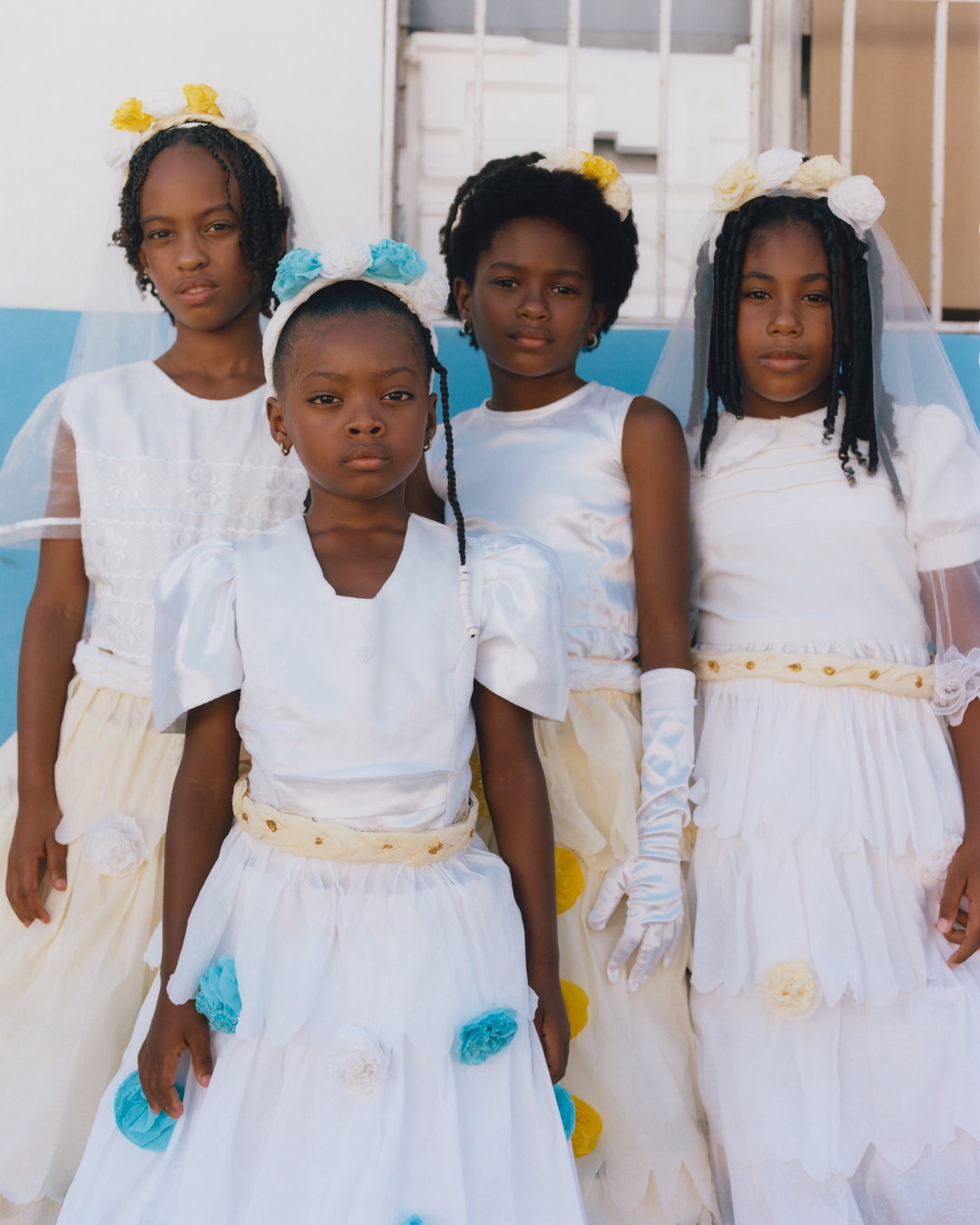


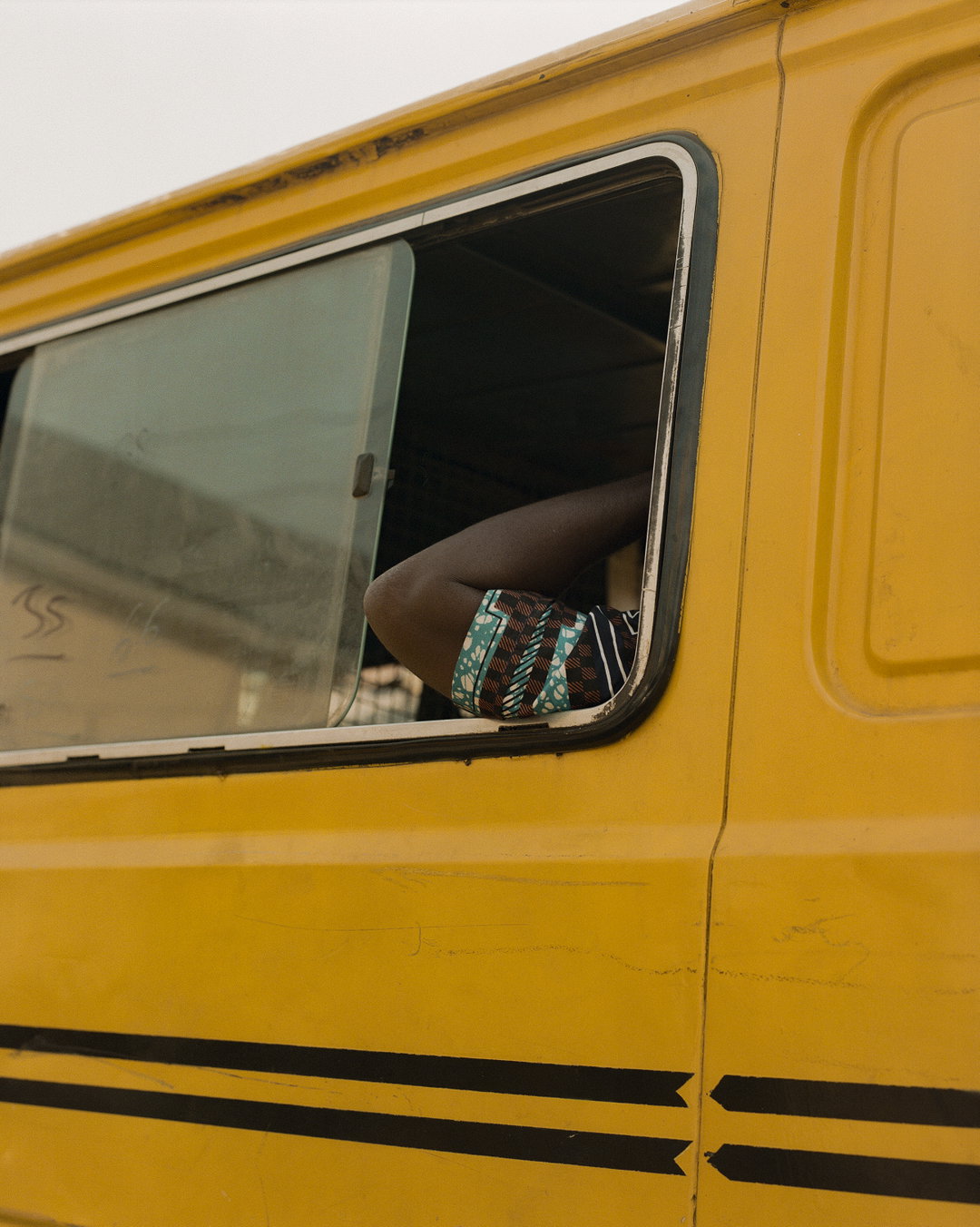
The city of Lagos always intrigued the Hackney-based photographer Ollie Babajide Tikare, whose father’s side of the family has long links to it. Ollie is mixed British-Nigerian and knowing that there was a whole side of his family that didn’t make the journey to the UK urged him to make the opposite journey, to explore Lagos for himself. Ollie’s new photobook, Èkó, is his way of connecting with that lineage and “trying to understand the city’s contradictions, its rhythm, and its intensity”, says the photographer.
Though the photobook’s cover is coloured in a vibrant orange, reflective of Lago’s bouncing energy, you may be surprised to see the calm, muted of the colours on its pages. “This is particularly important in the context of the history of documentation of Africa and the tendency to overly saturate colours in order to exoticise its people and landscapes,” Ollie shares. Hollywood cliches depicting the global south in sepia and saturation are not seen in Èkó. Arguably, the photos which hold the most vibrance are those in black and white: a boxer dressed metallic top to toe poses like a 70s Hollywood action hero, three boys line up like a B-boy crew.
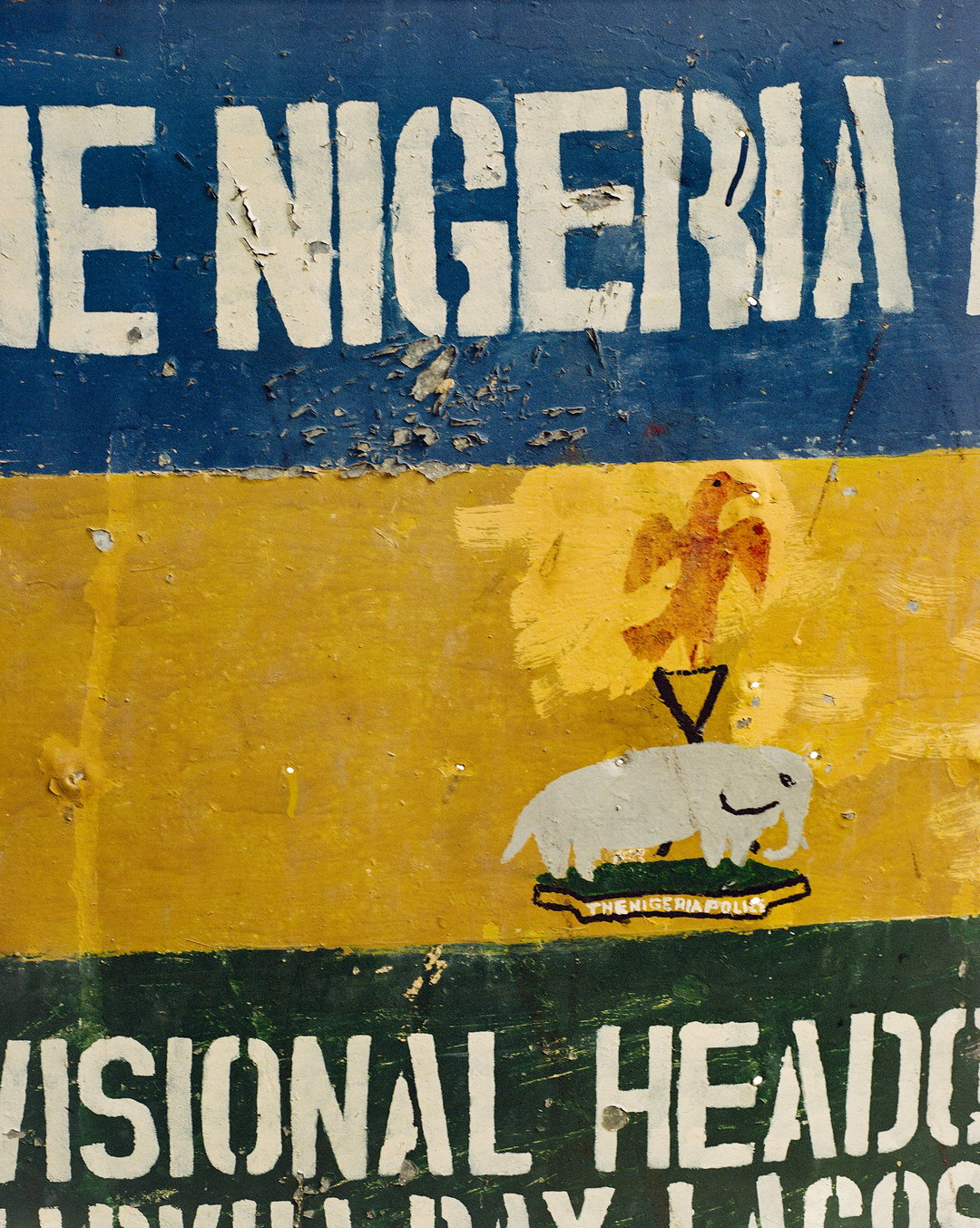
Ollie Babajide Tikare: Èkó (Copyright © Ollie Babajide Tikare, 2025)
The photos, in Ollie’s words, lean towards “quiet symmetry”. The photo Man on Bike, a particuarly pleasing shot which shows a figure stationary, seemingly pausing to take a call, is often mistaken as staged. According to Ollie, it’s “entirely serendipitous”. He continues: “I was wandering through Ikoyi when I saw him stop, completely unaware of me, and everything just aligned — the colours, the posture, the stillness.”
The book is a collage of transportation, movement and camaraderie; when you can’t rely on dropping a location pin into a map to get around, you must rely on those around you to get by. For Ollie, “that challenge became part of the process”, connection wasn’t just a choice to be made, but a pleasant inevitability. To be a member of the community is built up not only by the city’s eccentricities, but also by its inconveniences.
Ollie’s photography journey began aged 16 when his art teacher, Ian Wallace, passed him a Nikon F3 to try out on a trip to Berlin. “As soon as I developed the roll I was completely hooked – it felt like magic,” Ollie says. This connection to photography carried through all the way through his degree in Philosophy and Politics, where he lobbied the fine art department’s head to grant him darkroom access. Now, over ten years later, his practice has remained a grounding force.
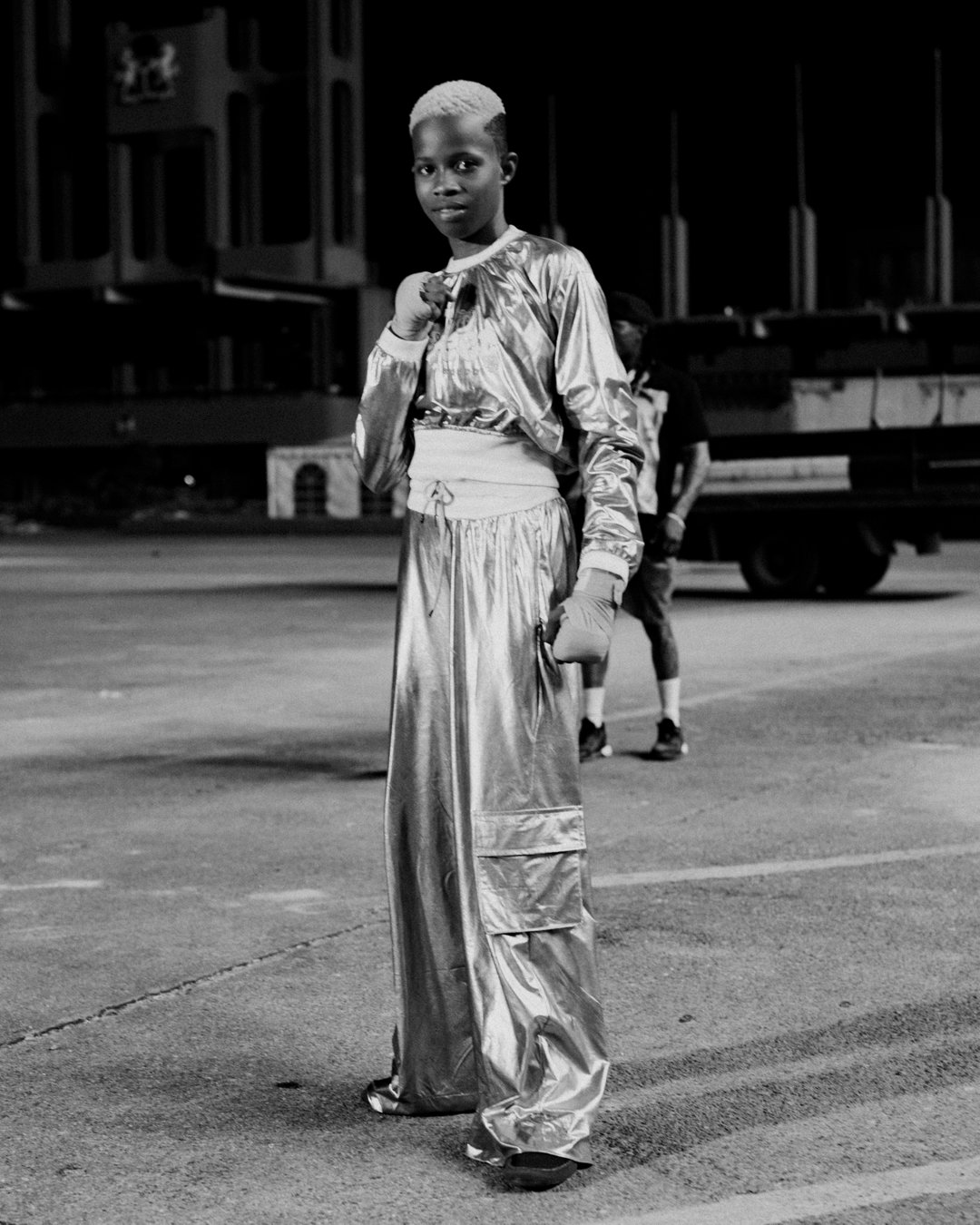
Ollie Babajide Tikare: Èkó, Boxer, Lagos Island (Copyright © Ollie Babajide Tikare, 2024)
Èkó’s chance encounters and slowed moments are made all the more important by their rarity. Ollie is inspired by nomad photographers who “wander and respond intuitively to the world around them, relying on instinct awareness, patience, and a bit of serendipity”, he shares. These include street style photographer Jamel Shabazz, subculture photographer Nan Goldin, and documenteur Akinbode Akinbiyi (who wrote Èkó’s foreword). Currently, Ollie is particularly drawn to the work of Andre D. Wagner, known for his documentary style black-and-white snapshots of New York’s Brooklyn. On his inspirations, Ollie says many of his photos embody the same impulses explored in their works, “to meet people where they are and create images that feel collaborative and grounded in mutual presence”.
Armed with a Pentax 67 and a Fuji GFX 50R, Ollie plans to continue his steadfast dedication to photography: “I suppose now it’s a bit of an obsession and I think I will continue to make images as long as I am on this earth,” he ends.
Èkó by Ollie Babajide Tikare is available for purchase at Guest Editions
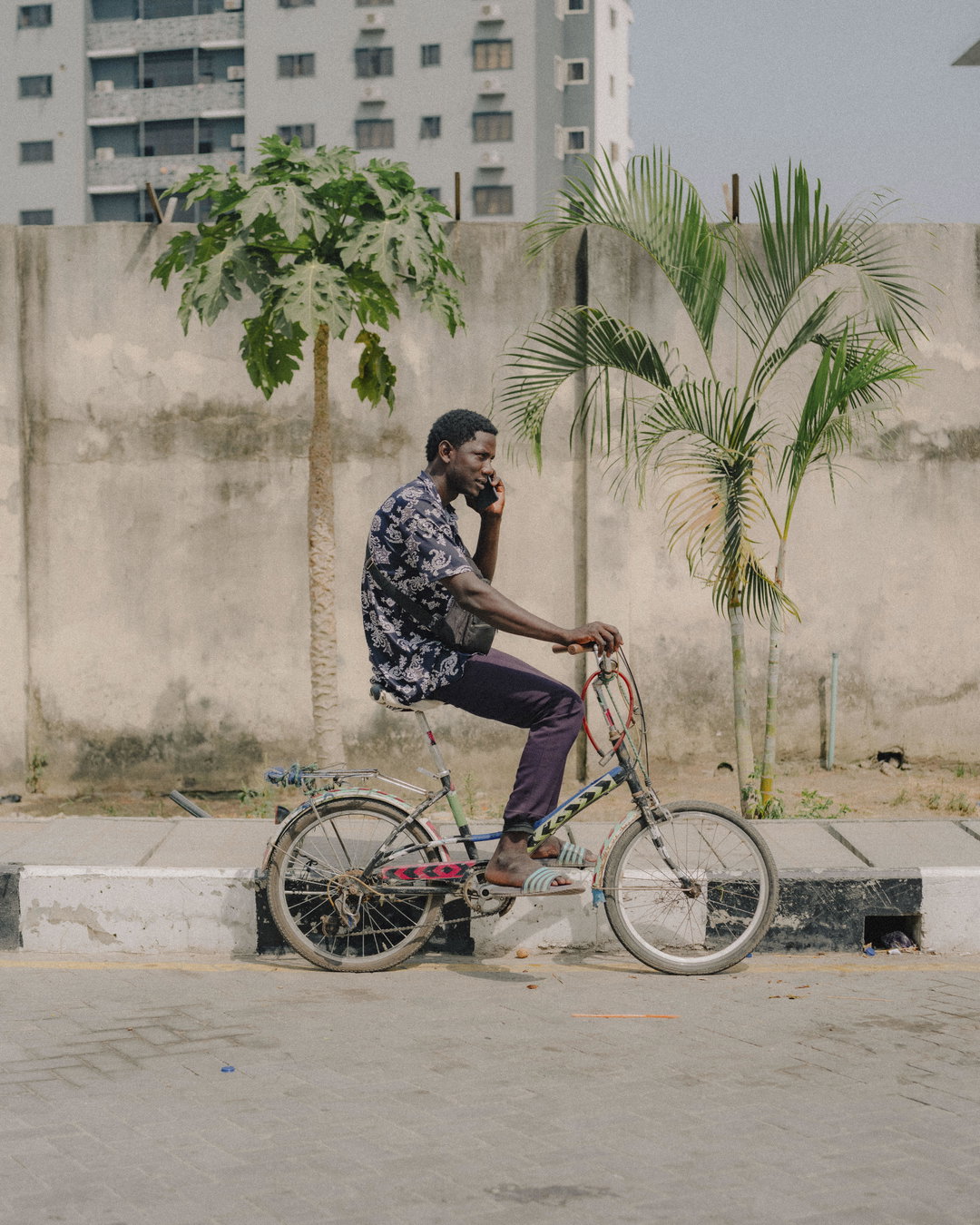
Ollie Babajide Tikare: Èkó, Man on Bik (Copyright © Ollie Babajide Tikare, 2024)
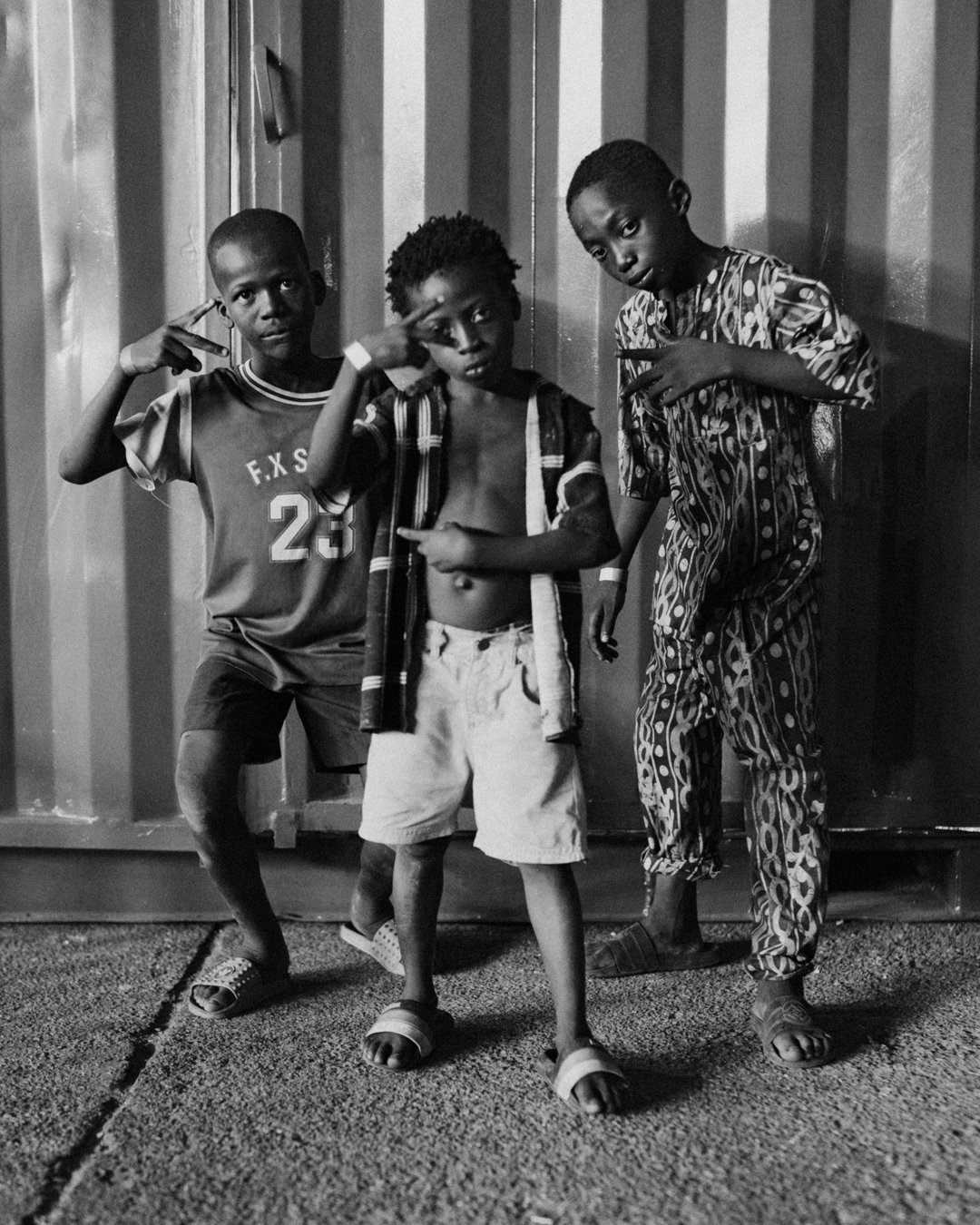
Ollie Babajide Tikare: Èkó, Boys, Lagos Island (Copyright © Ollie Babajide Tikare, 2024)
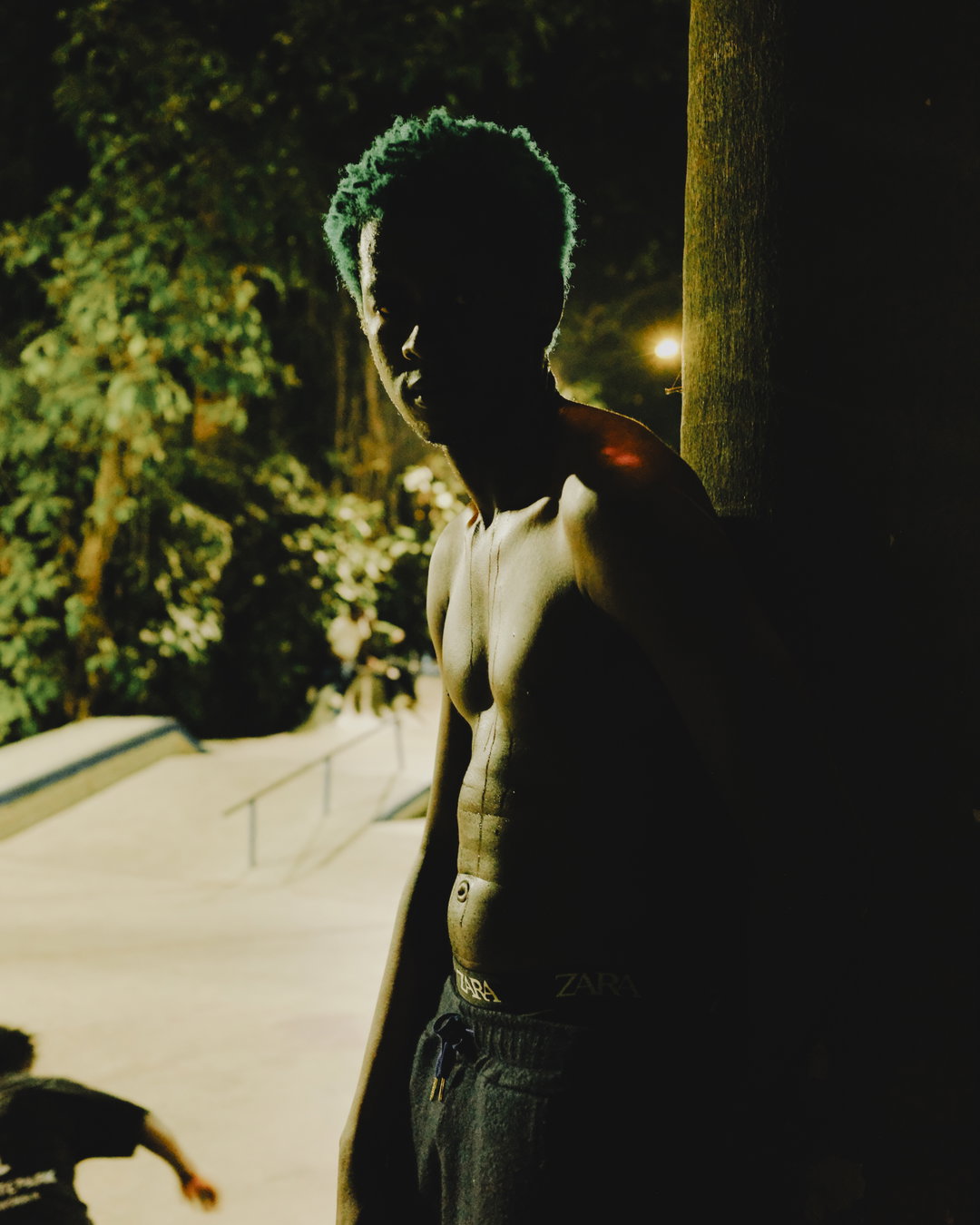
Ollie Babajide Tikare: Èkó, Man with Green Hair, Freedom Park, Lagos Island (Copyright © Ollie Babajide Tikare, 2024)
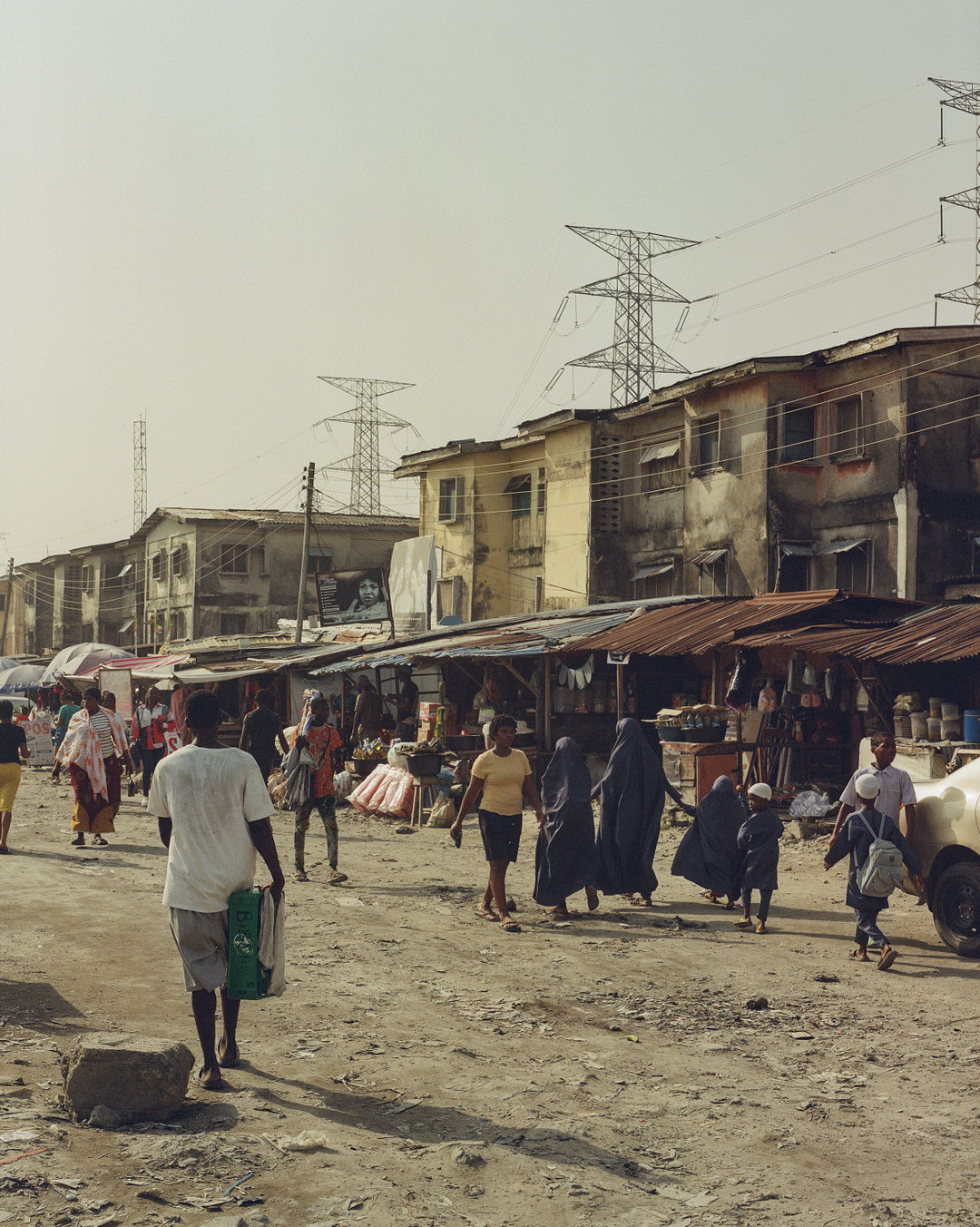
Ollie Babajide Tikare: Èkó, Street Scene, Lekki (Copyright © Ollie Babajide Tikare, 2023)
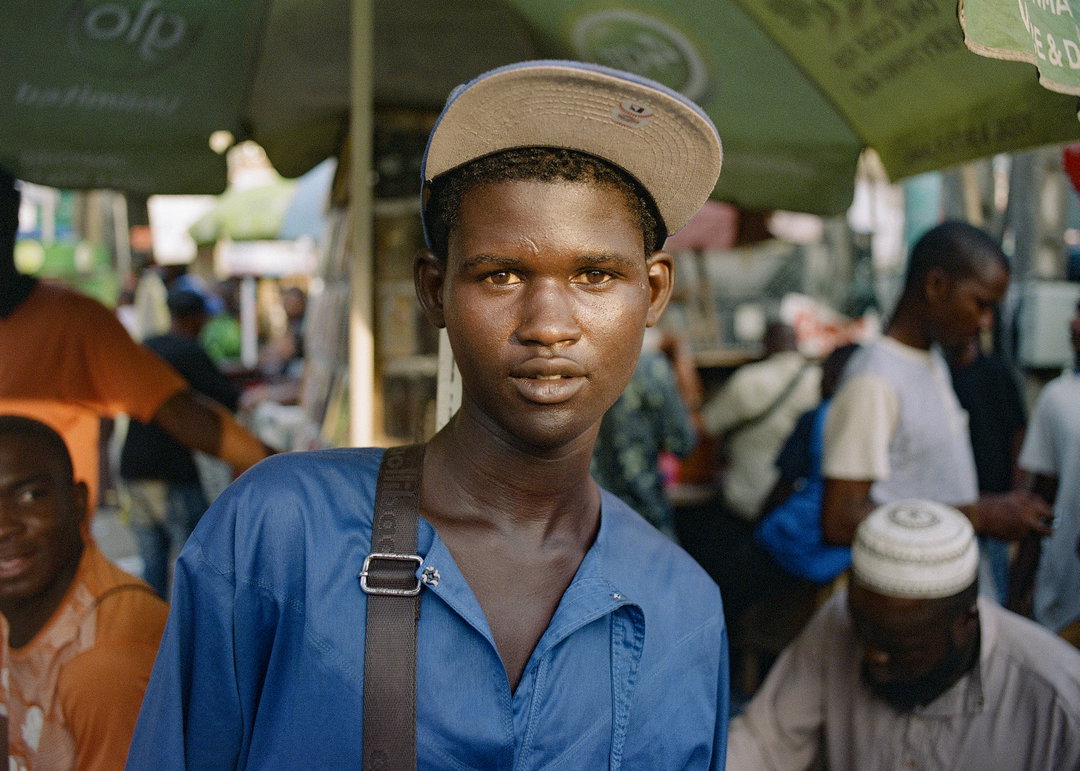
Ollie Babajide Tikare: Èkó, Boy in Blue, Computer Village, Ikeja (Copyright © Ollie Babajide Tikare, 2024)
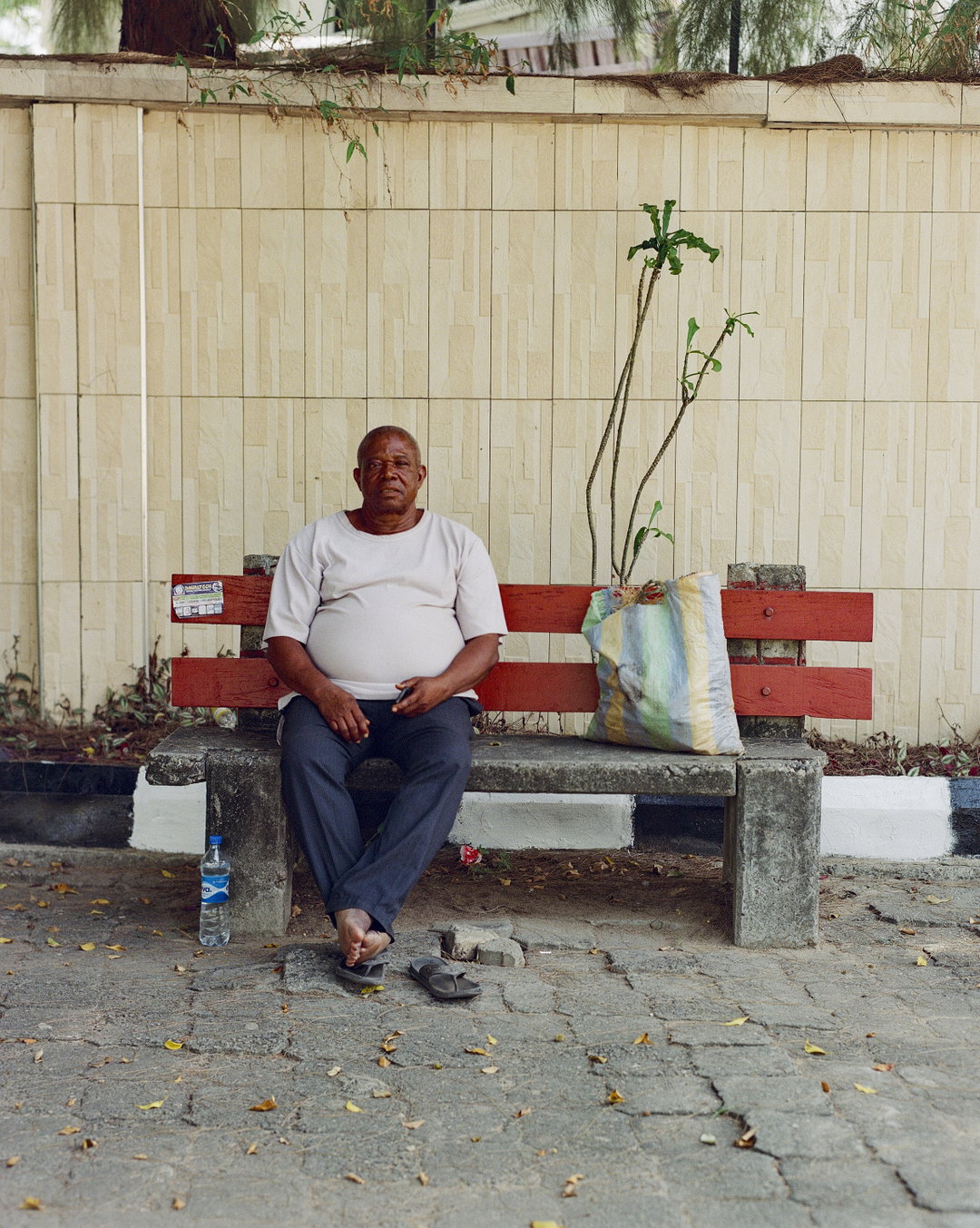
Ollie Babajide Tikare: Èkó, Man on Bench, VGC (Copyright © Ollie Babajide Tikare, 2023)
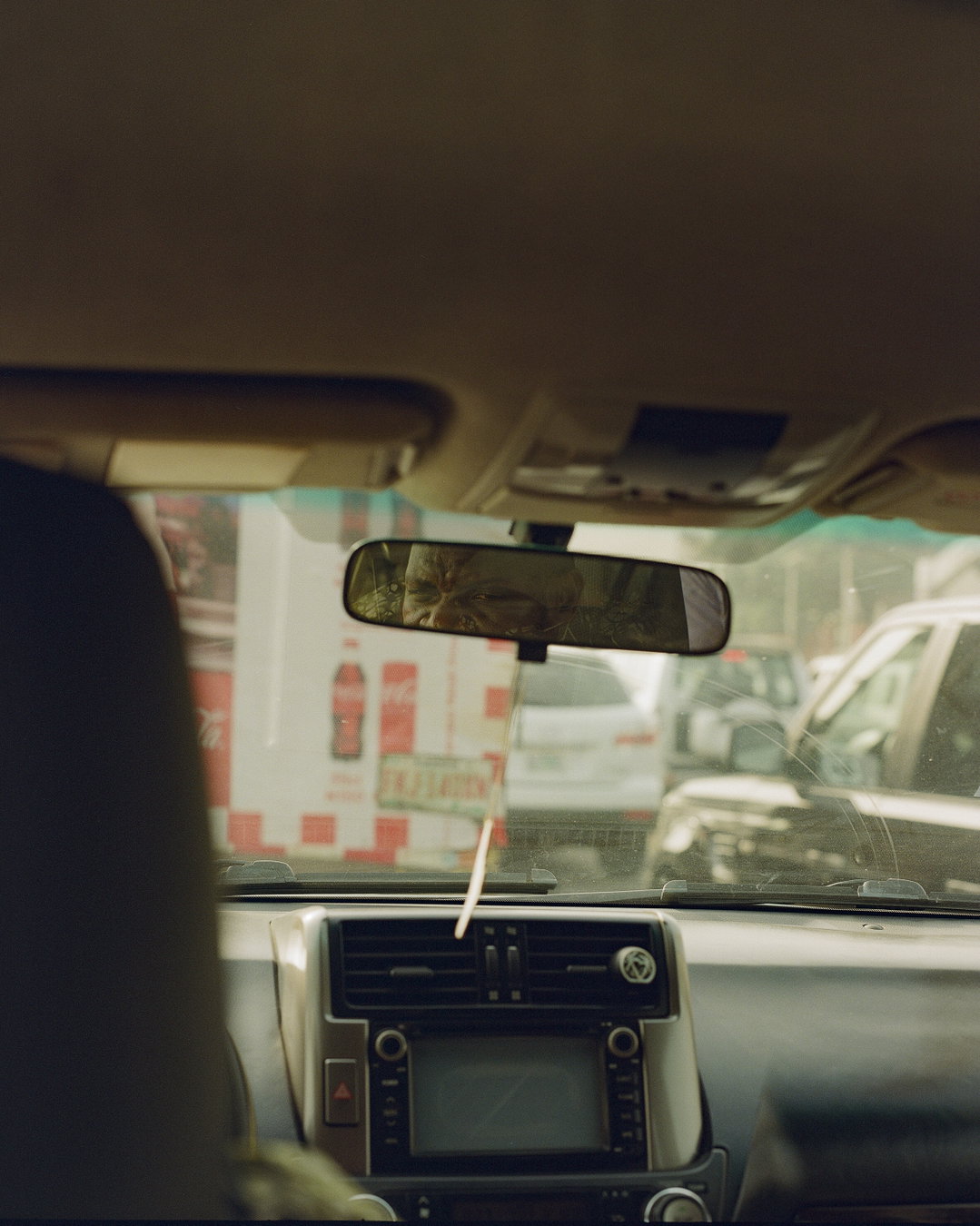
Ollie Babajide Tikare: Èkó, Traffic, Lekki (Copyright © Ollie Babajide Tikare, 2023)
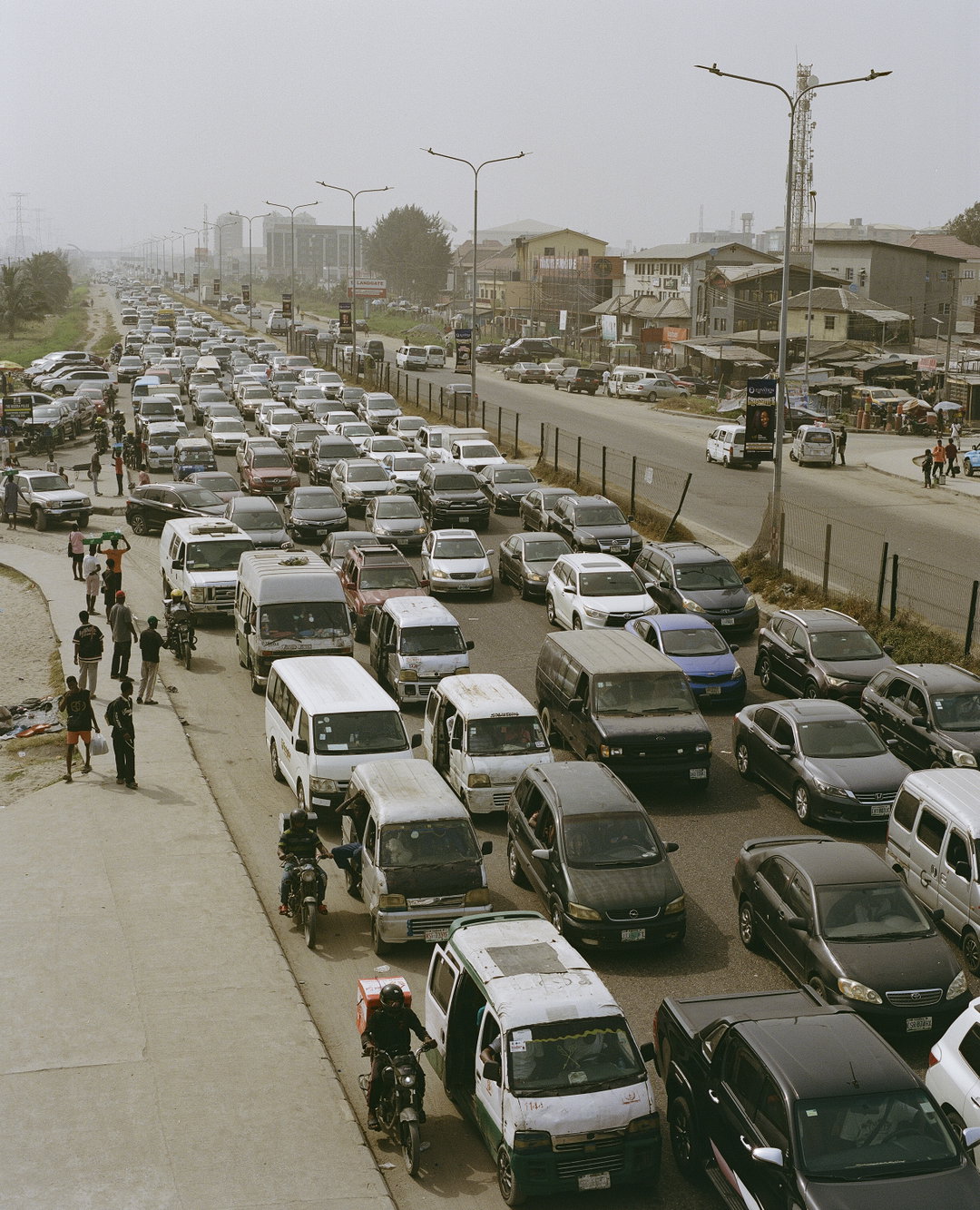
Ollie Babajide Tikare: Èkó, Traffic, Lekki–Epe Expressway (Copyright © Ollie Babajide Tikare, 2024)
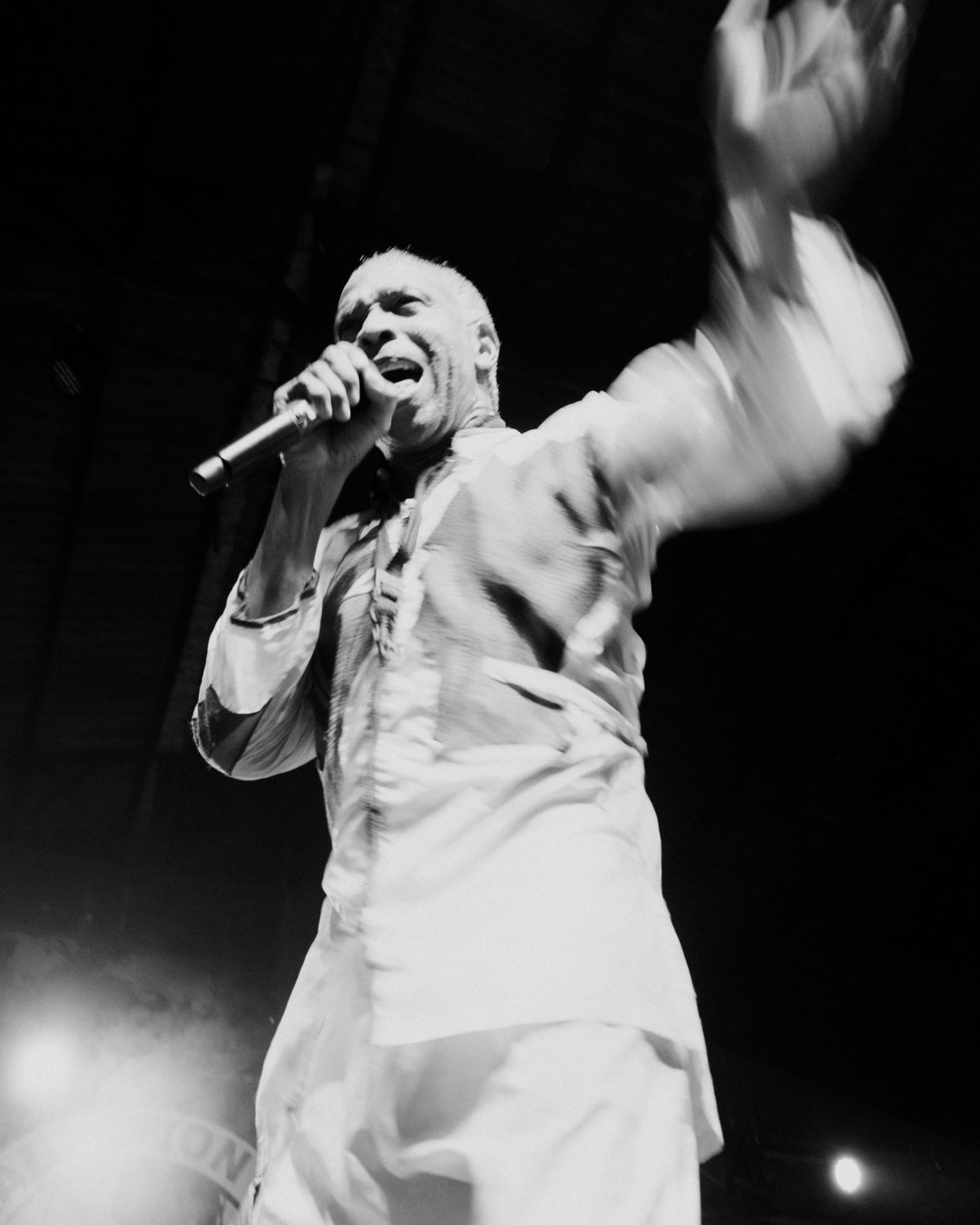
Ollie Babajide Tikare: Èkó, Fela Kuti at Shrine, Ikeja (Copyright © Ollie Babajide Tikare, 2024)
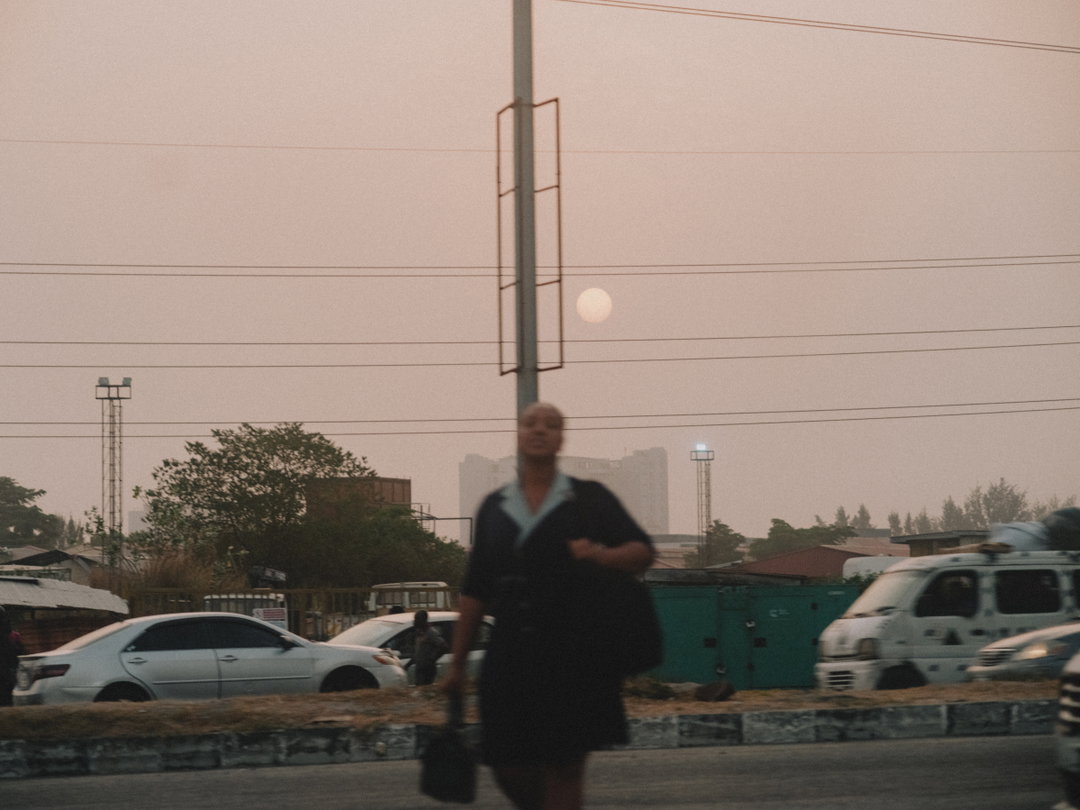
Ollie Babajide Tikare: Èkó, Woman Crossing, Lekki–Epe Expressway (Copyright © Ollie Babajide Tikare, 2024)
Hero Header
Ollie Babajide Tikare: Èkó (Copyright © Ollie Babajide Tikare, 2025)
Share Article
Further Info
About the Author
—
Sudi Jama (any pronouns) was a staff writer at It’s Nice That from April 2025–January 2026, and is now a freelance writer. They have a keen interest and research-driven approach to design and visual cultures in contextualising the realms of film, TV, and music.