Maria Gruzdeva explores the cosmonaut training facilities of Russia
Maria Gruzdeva has captured her curiosity of the unknown in her series Direction–Space! which documents some of Russia’s biggest space training sites. The photographer’s fascination with all things space started young: “I loved the mystical, unexplored part of it but also the visual aesthetic part – the stamps, the badges, the posters.”
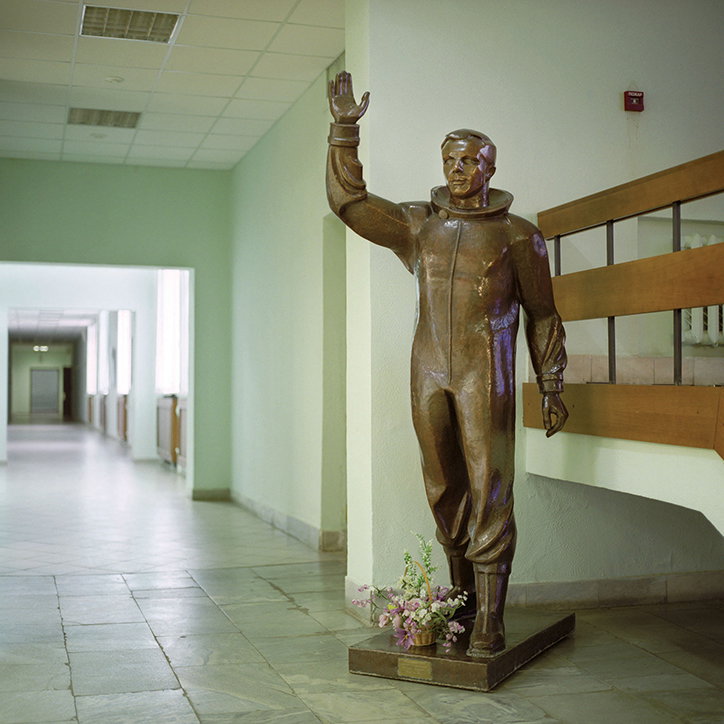
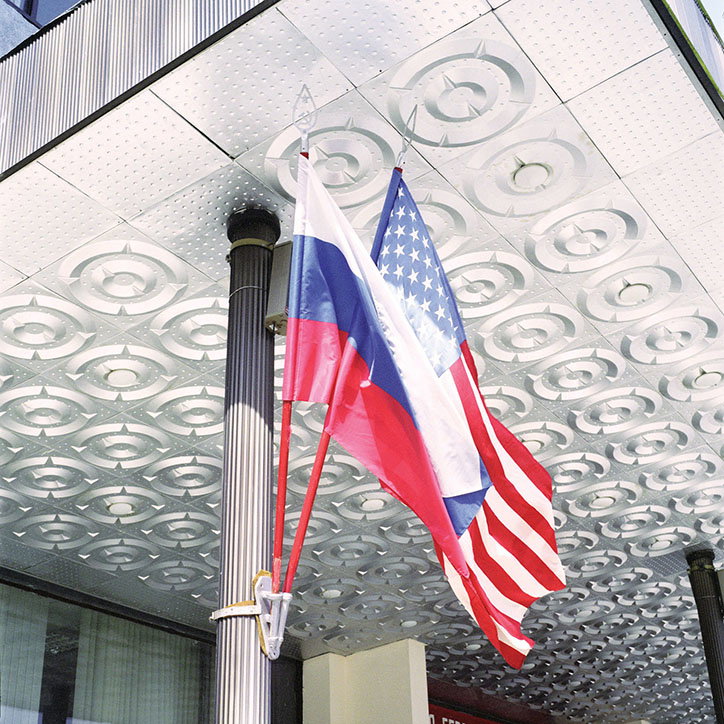
When space travel was deemed possible it was shrouded in Cold War politics as the Soviet Union and America raced to become the first country to put a man in orbit. In 1961 Yuri Gagarin was the first human in space and overnight Russia became space pioneers. “The idea of space is so uniting on one hand,” says Maria. “But its associations with the Cold War have always seemed paradoxical and intriguing to me.”
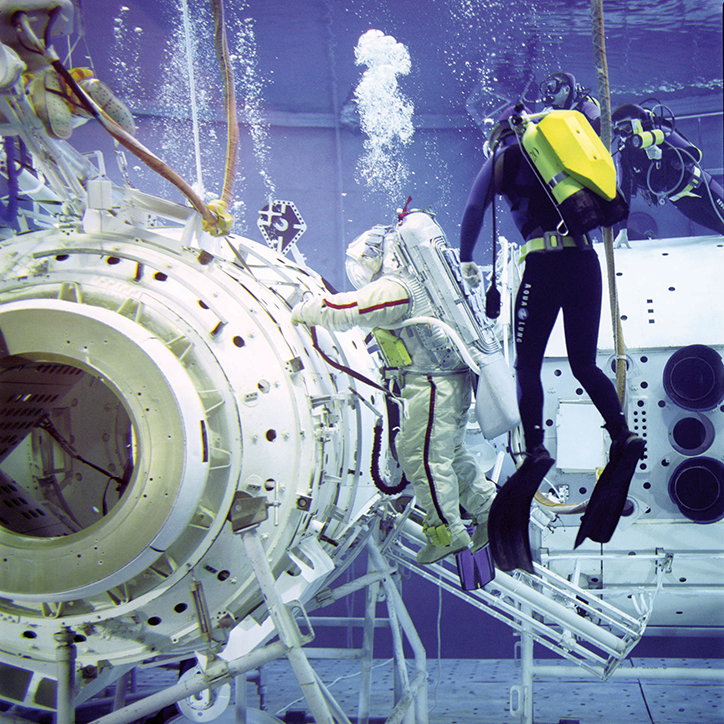
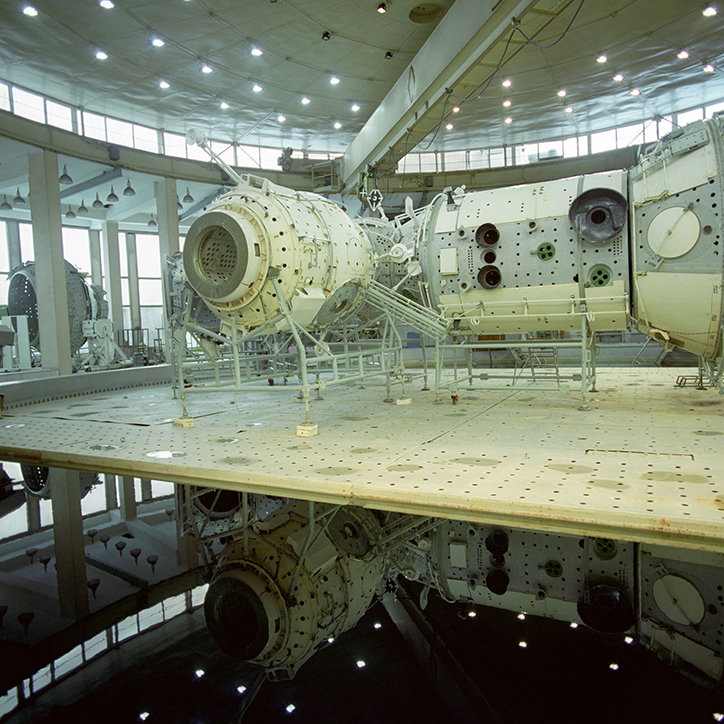
Since the 1960s Russian cosmonauts have lived and trained in Star City. Now also known as the Yuri Gagarin Russian State Science Research Cosmonauts Training Centre, it’s a military research and training base with a residential area for the cosmonauts and their families, as well as the military and civilian personnel at the facility. The other place Maria photographed was Baikonur in Kazakstan, still the largest space launch facility, which continues to be rented and administered by Russia.
Maria Gruzdeva: Direction–Space!
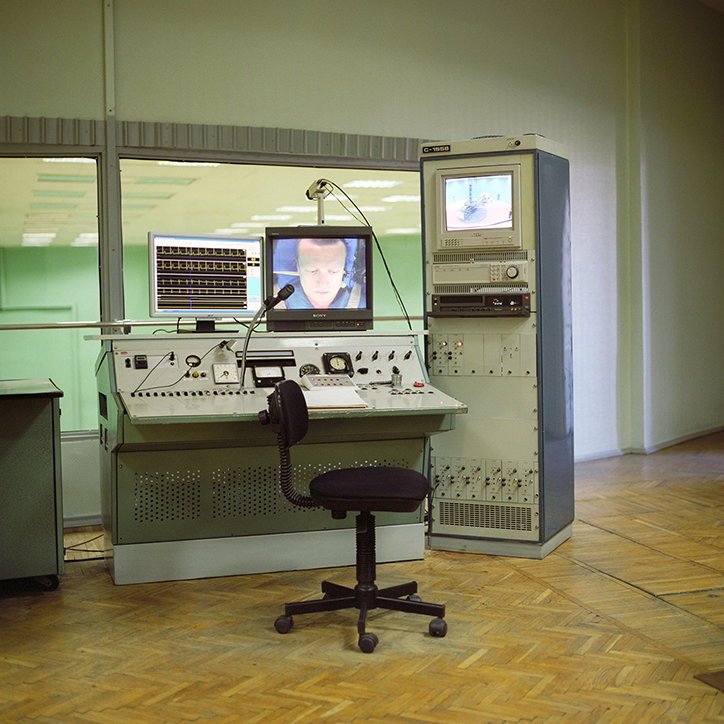
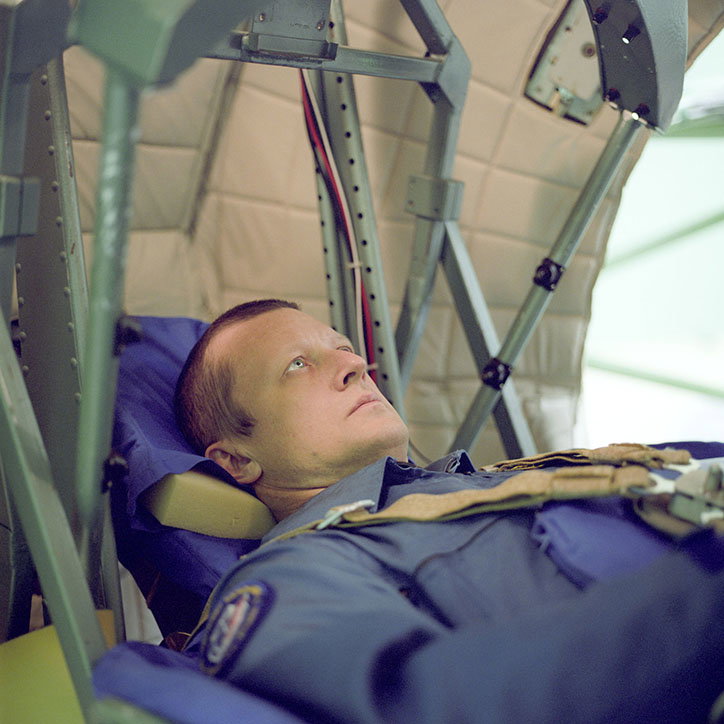
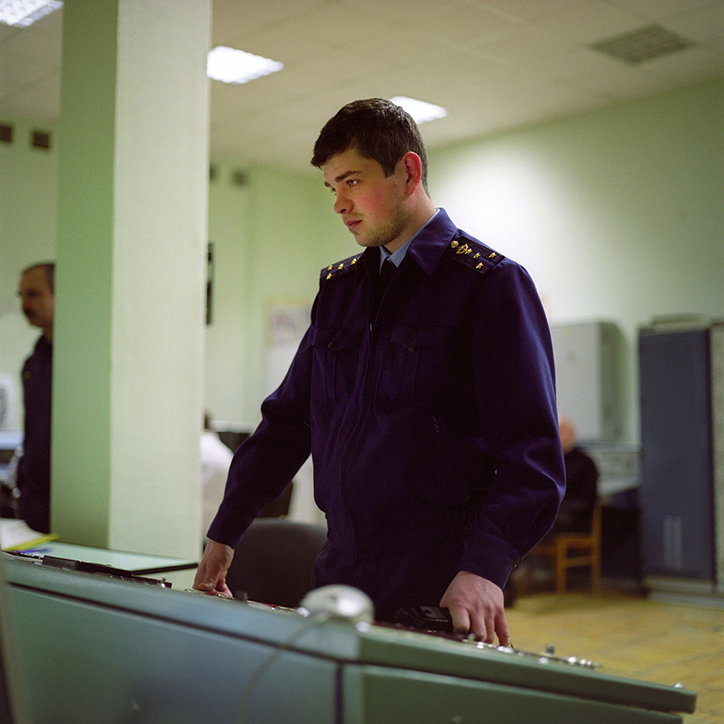
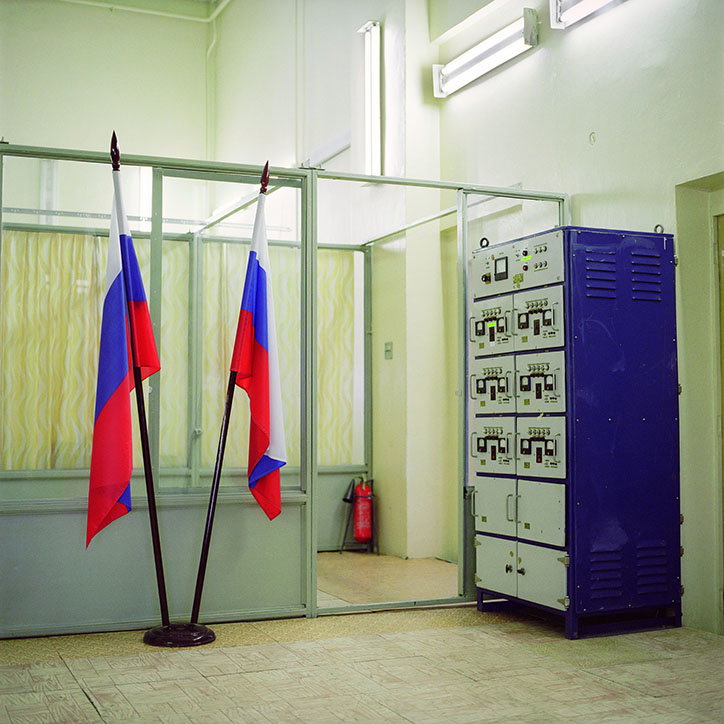
“They’re the type of places that obviously you need permission to get into. Even being a Russian you need to get papers, similar to a visa to enter.” Despite the initial hurdles, Maria has captured the static quality of these governed spaces with a quietness and precise observation. “Very little has changed in those spaces so the spirit remains, it’s one of the things that drew me to it,” explains Maria. “Generations of cosmonauts have trained in those buildings and because of the insularity of that world everything has been preserved.”
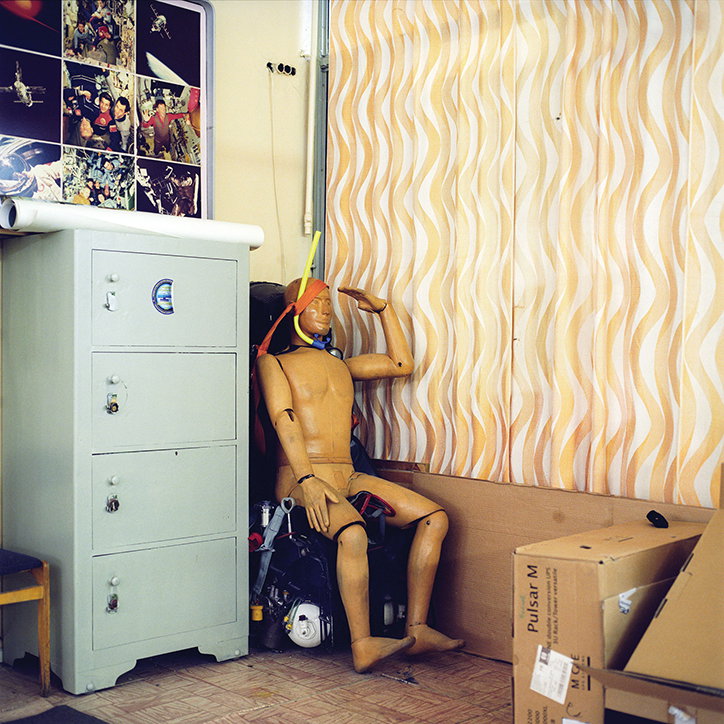
The contrast between the buildings’ interiors and the advanced technological work that occurs within is what makes this series so interesting. Retro screens, dated office furniture and faded artwork clutter rooms covered in parquet flooring, but all of it is interrupted by the large scale machines and structures whirring in the background.
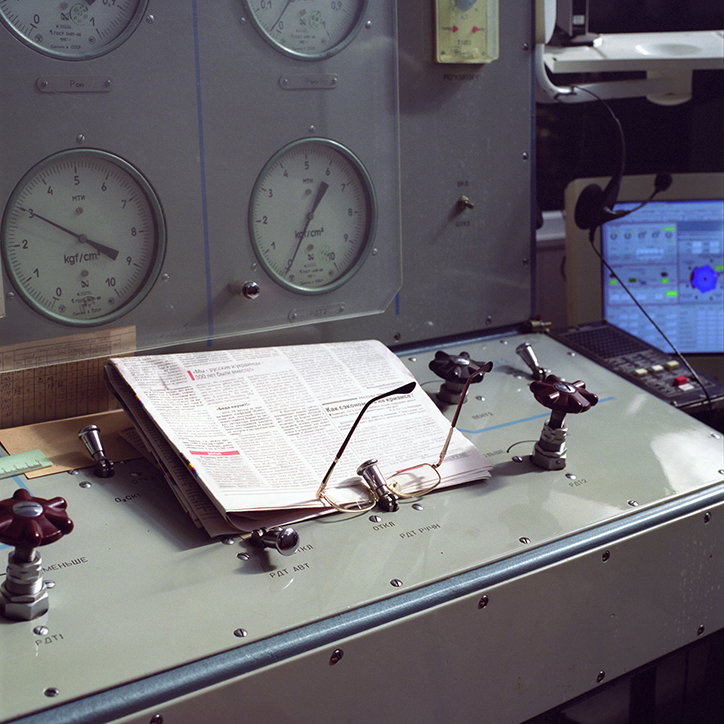
Maria includes a mix of details of the equipment with the people actually working there, adding personality to these vast spaces. In one image a pair of glasses and a newspaper sit abandoned on top of levers and dials – a subtle reminder that space travel was realised through unspectacular means. This sense of awe and wonderment is something Maria sees as important to the series: “By meticulously looking at and studying this world from the outside, I felt I was discovering the grandiose utopian ideas that lay behind the concept of space travel.”
Maria Gruzdeva: Direction–Space!
Maria Gruzdeva: Direction–Space!
Maria Gruzdeva: Direction–Space!
Maria Gruzdeva: Direction–Space!
Maria Gruzdeva: Direction–Space!
Maria Gruzdeva: Direction–Space!
Maria Gruzdeva: Direction–Space!
Maria Gruzdeva: Direction–Space!
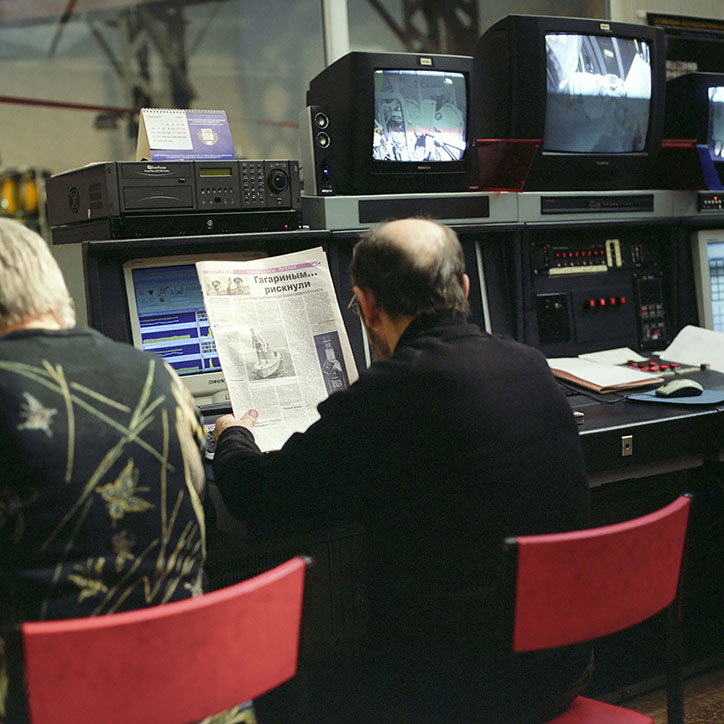
Maria Gruzdeva: Direction–Space!
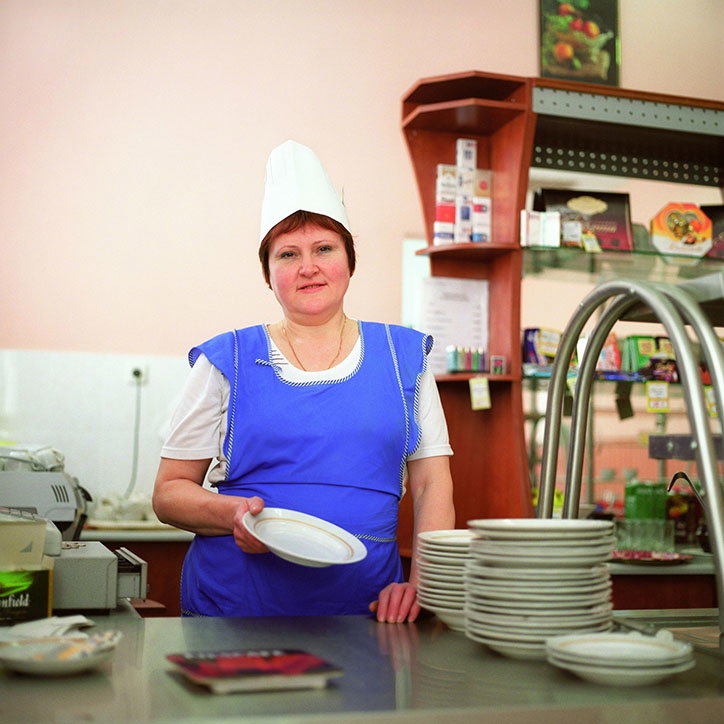
Maria Gruzdeva: Direction–Space!
Share Article
Further Info
About the Author
—
Rebecca Fulleylove is a freelance writer and editor specialising in art, design and culture. She is also senior writer at Creative Review, having previously worked at Elephant, Google Arts & Culture, and It’s Nice That.