Photographer Mark Hartman's series is an ongoing portrayal of a traditional Sikh warrior order in India
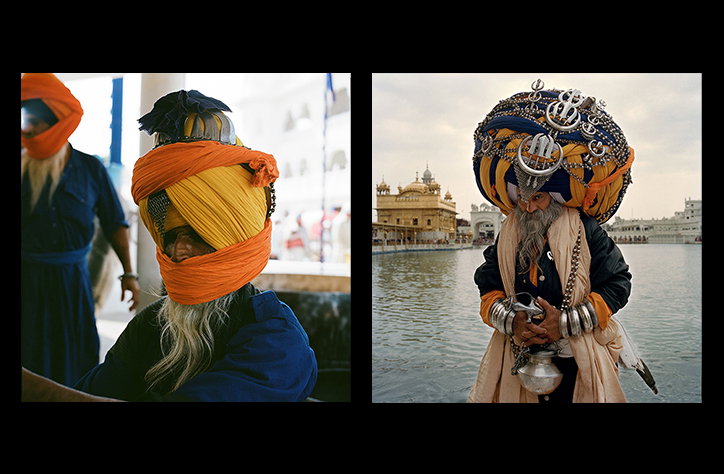
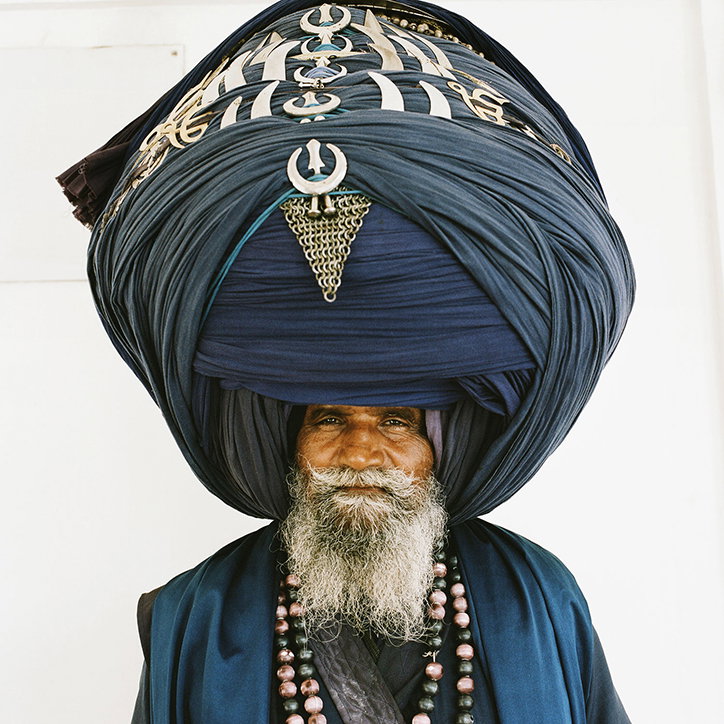
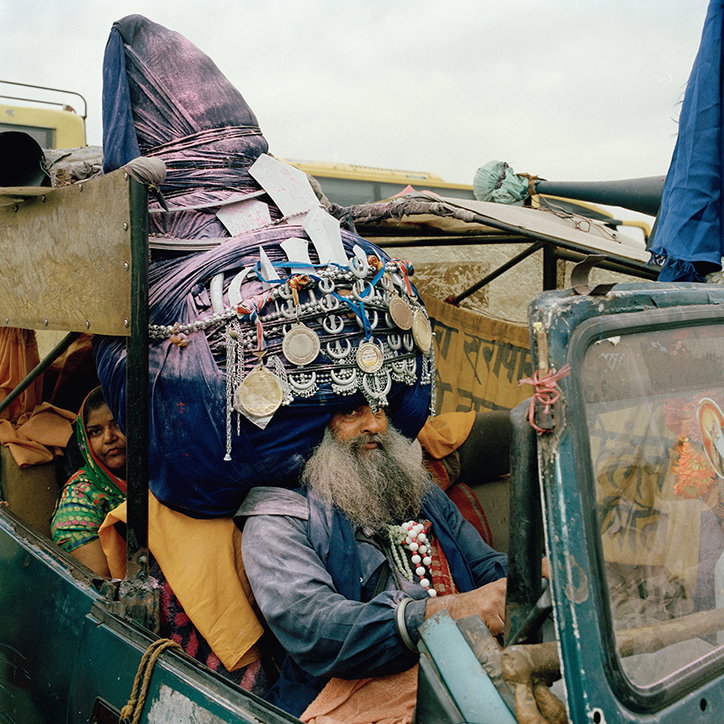
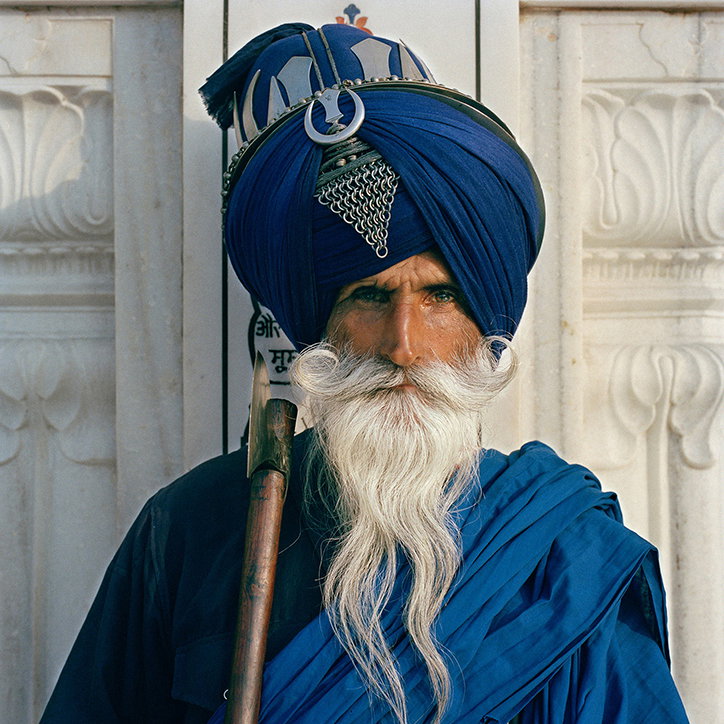
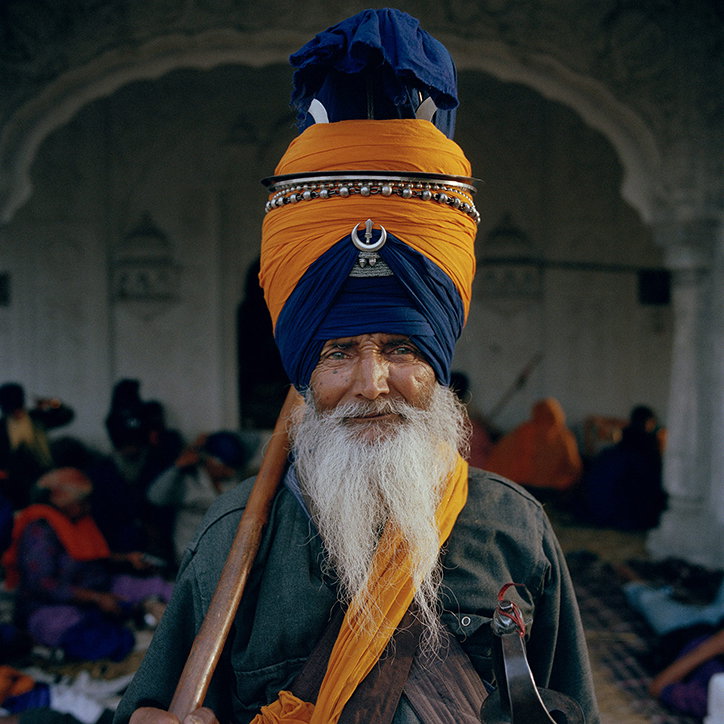
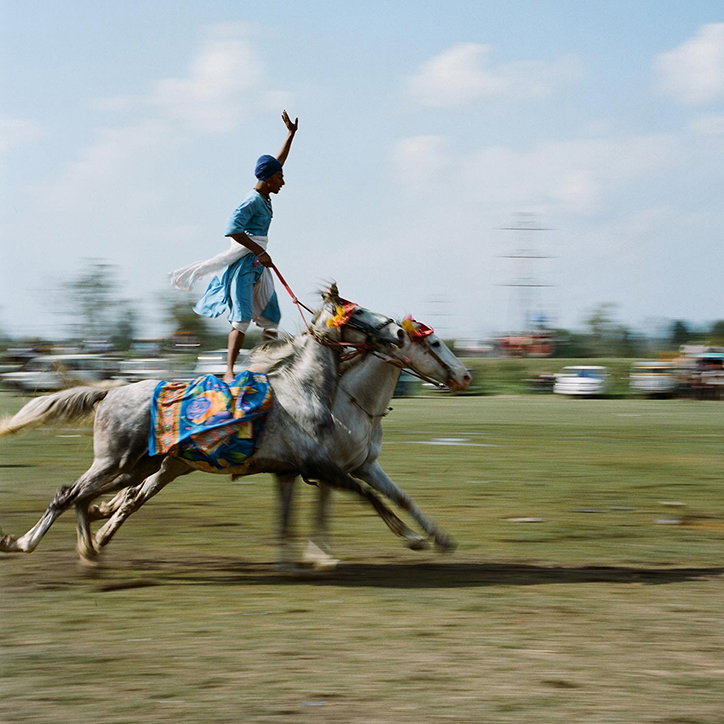
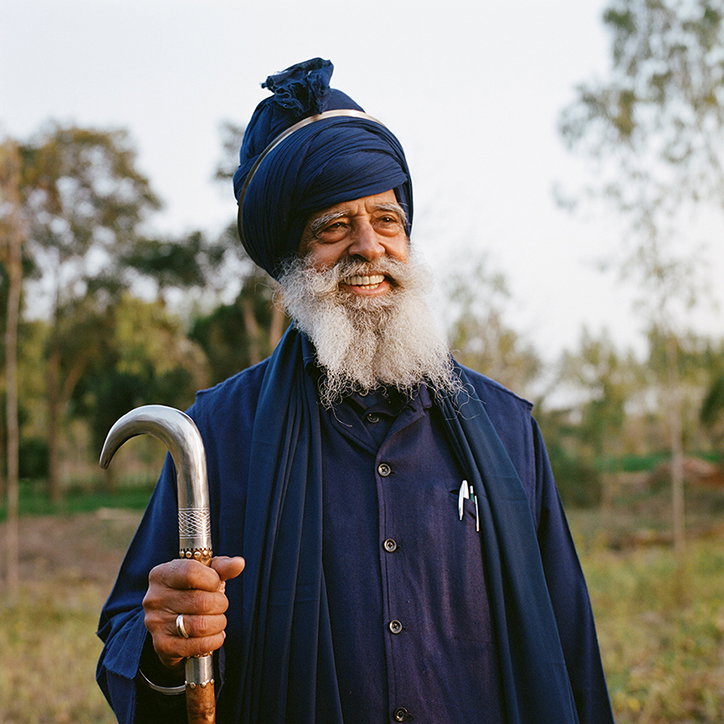
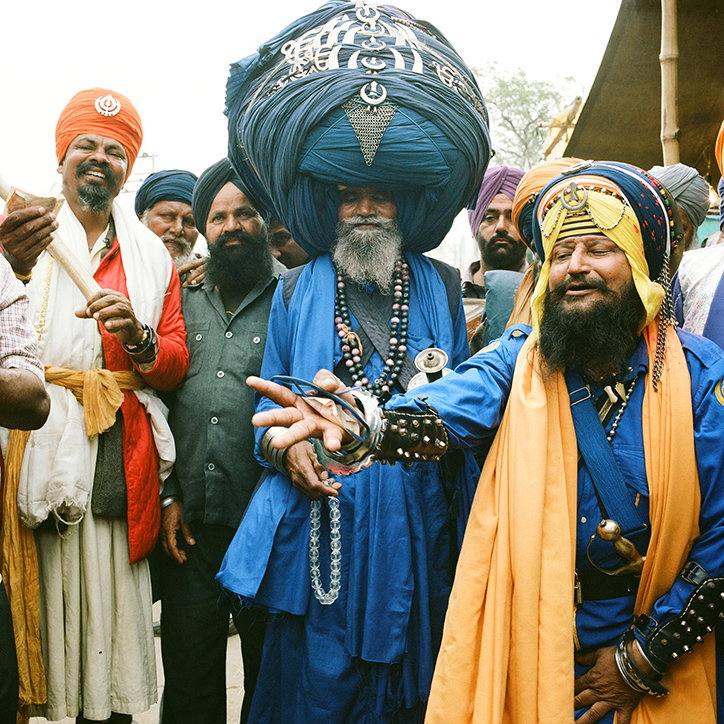
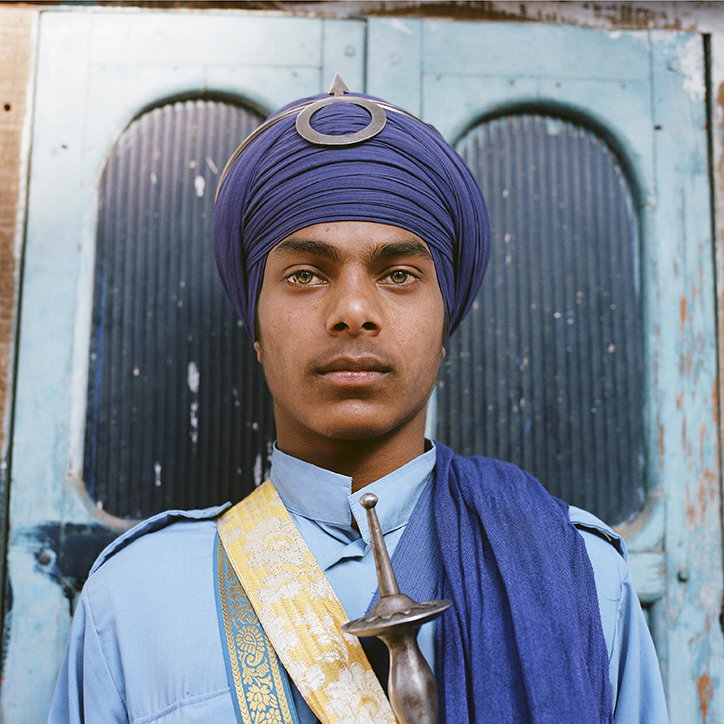
The Nihang, taking their name from a Persian word meaning crocodile, are a Sikh warrior order originating from India. Traditionally constituting an important part of the Sikh Empire’s armed forces, their role in modern society is mainly ceremonial – though they are still duty-bound to protect the public against crime. Known for their striking uniforms, which have remained unchanged for over 300 years, their attire consists of an electric blue robe, high turbans adorned with military symbols, and an assortment of weapons including swords, spears and daggers.
Every year, during the Hola Mohalla festival, Nihang from all over travel to the city of Anandpur Sahib to showcase their dress, and skill in martial arts. It was for this that New York-based photographer, Mark Hartman, made his way to India to begin his series, Bole So Nihal: The Modern Nihang Warrior.
“It started out as a literal dream as a child. Every project I’ve done began intuitively; they choose me. Fast forward many years later and I was compelled to learn more about Sikh Nihang warriors,” he explains. “I was very fascinated by the archetype of the warrior, and the concept of fighting battles internally as well as externally. I was interested in the saintly presence of the Nihang and the polarity of union with spiritual and martial life.”
Mark Hartman
Also driven by a lack of compelling contemporary photography of the Nihang, Mark initiated a long-term project to remedy this and document their enchanting culture. Embarking on his first trip alone in 2014, he arrived in Amritsar and made his way to the festival, which takes place at the the city’s Golden Temple, one of the most sacred places in Sikhism.
“Traveling in India is challenging. It’s physically taxing trying to get around. The language barrier is equally difficult, and I had to rely on physical gestures when I didn’t have a translator. The Nihang are also constantly on the move, so I had to work fast,” says Mark. “But the first trip was a huge success. I was welcomed by the Nihang and began to forge relationships with many of them including saint-soldier, Saint Jethedars, and other leaders.”
The resulting series, which is ongoing, provides a glimpse into the rituals and customs of the Nihang. Through delicate portraiture, the faces of the warriors give humanity to their order, transforming them from religious and historical symbols into real people. Elements of modernity and tradition juxtapose in the photos, contextualising the Nihang’s place in contemporary society as a stronghold of Indian and Sikh heritage, and emphasising their cultural importance in a rapidly changing world.
Mark Hartman
Mark Hartman
Mark Hartman
Mark Hartman
Mark Hartman
Mark Hartman
Mark Hartman
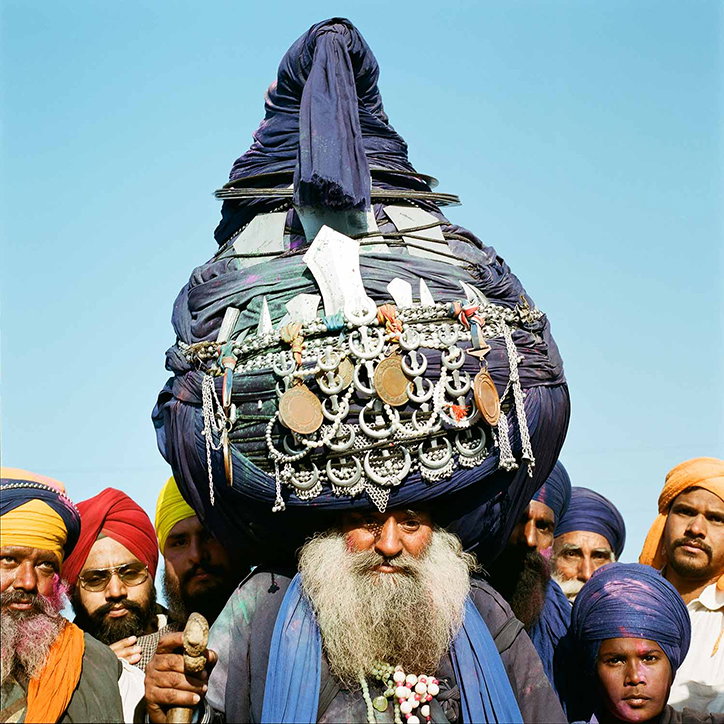
Mark Hartman
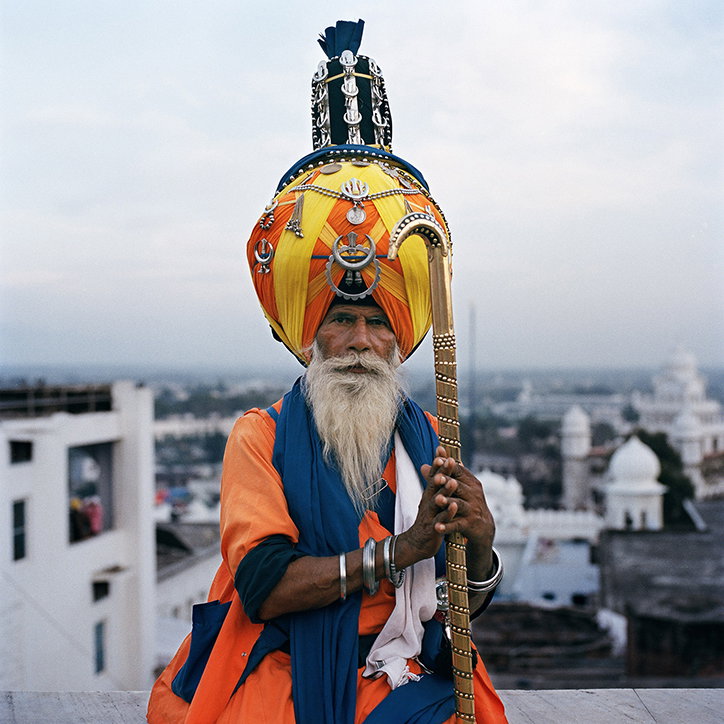
Mark Hartman
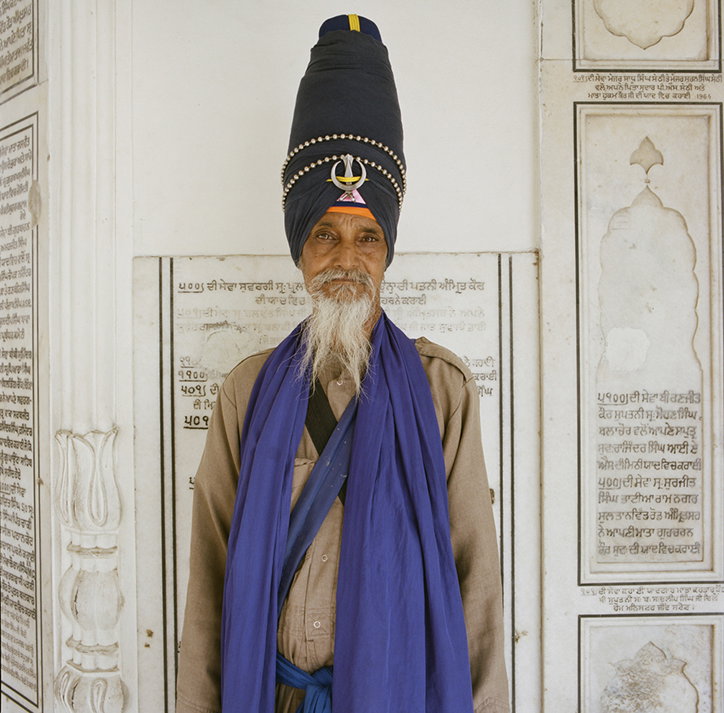
Mark Hartman
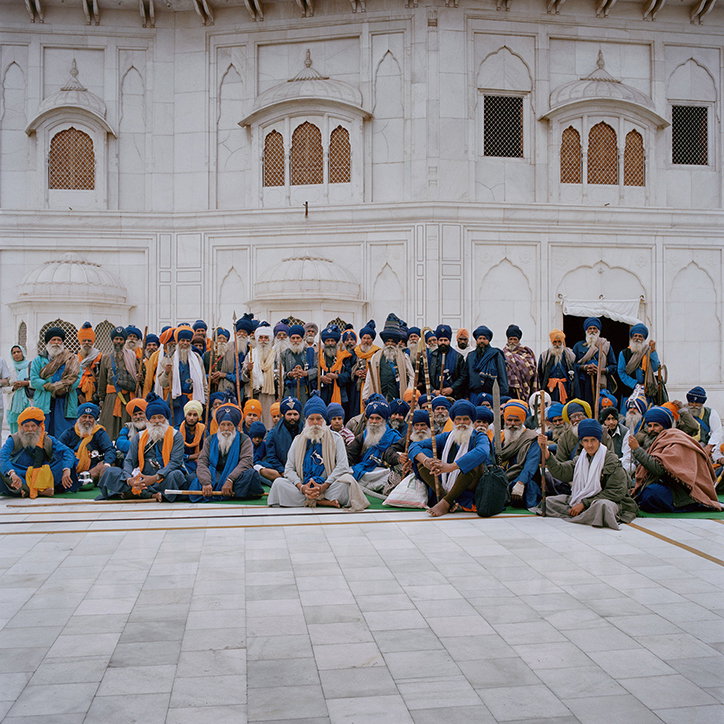
Mark Hartman
Share Article
Further Info
About the Author
—
Daniel joined It’s Nice That as an editorial assistant in February 2019 and continues to work with us on a freelance basis. He graduated from Kingston University with a degree in Journalism in 2015. He is also co-founder and editor of SWIM, an annual art and photography publication.