Using photorealistic trickery, Mark Tennant’s paintings appear to have been frozen in time
The New York-based artist has a fascinating background – not only is he a teacher of museum copying at the Louvre, but he also creates deceivingly flash-lit oil paintings of seemingly unknown subjects.
Share
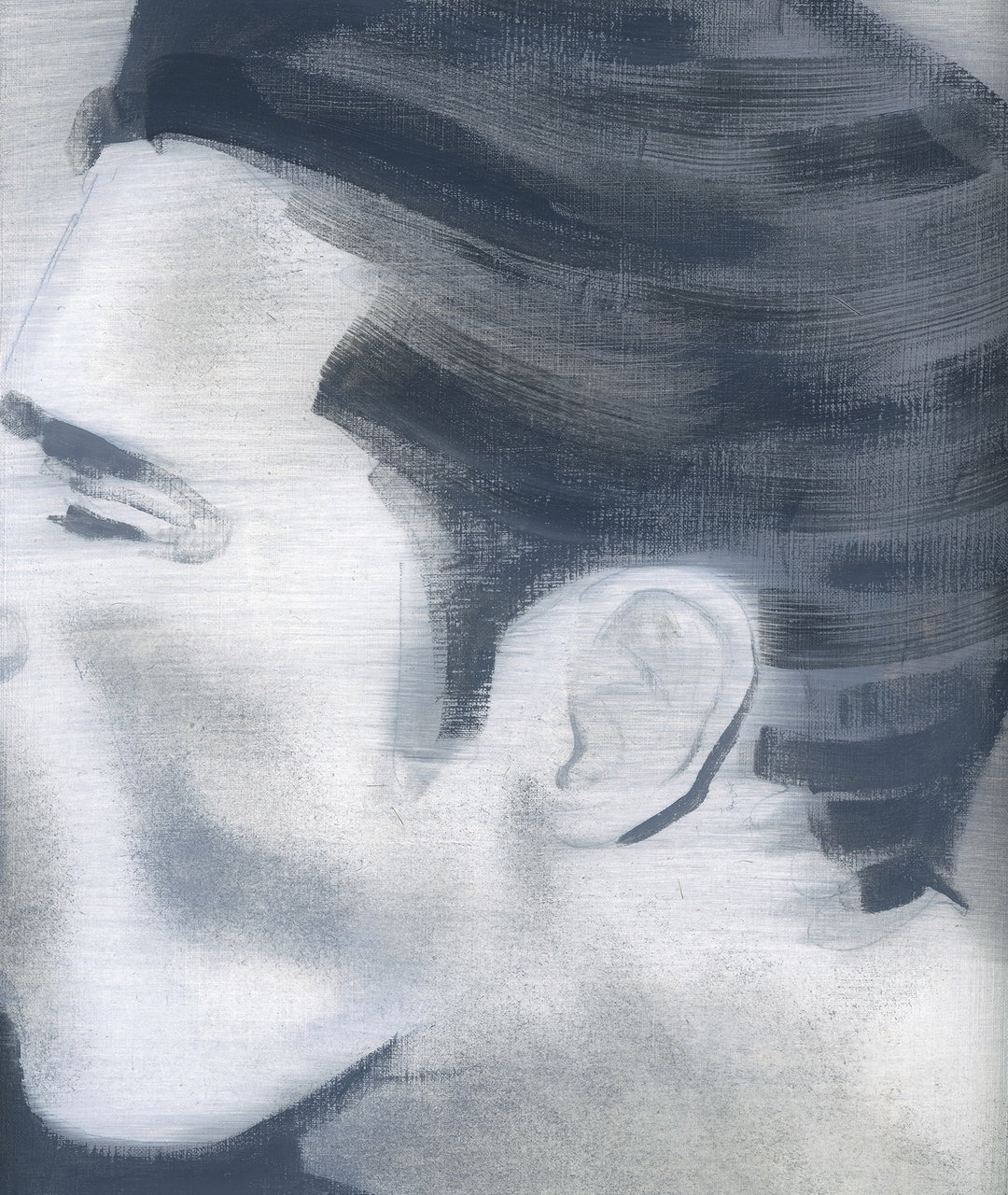
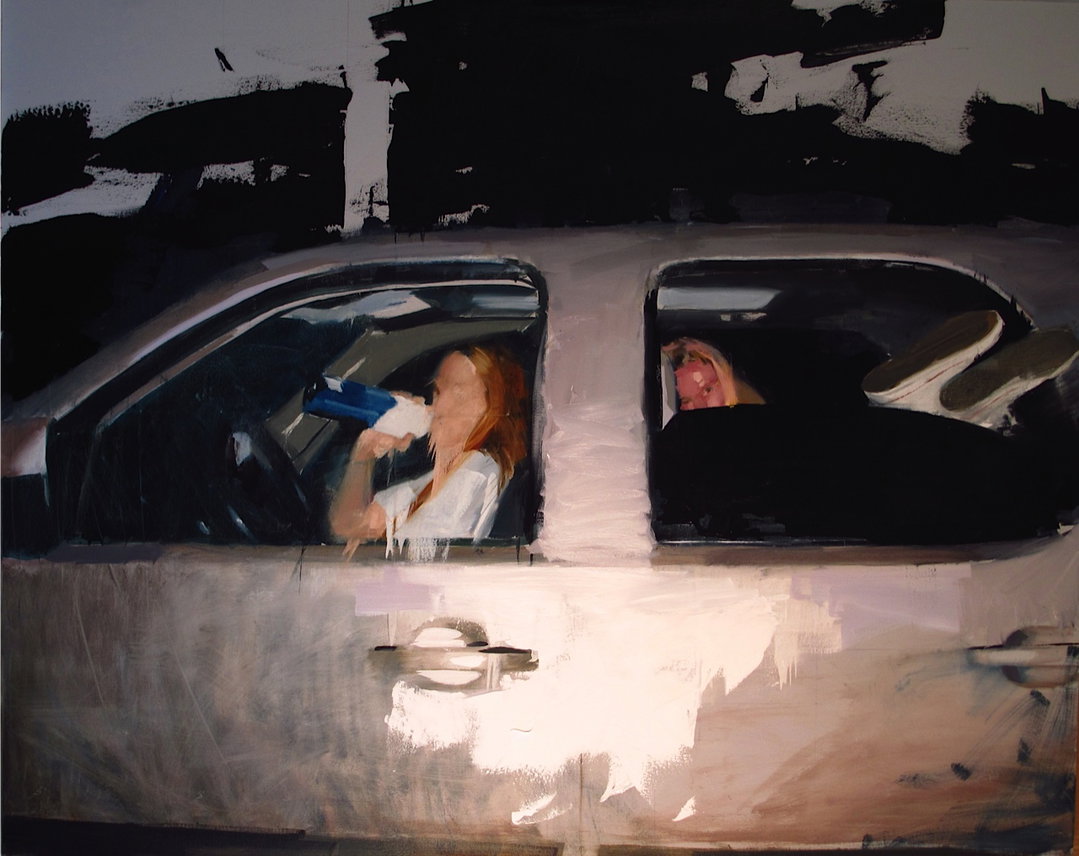
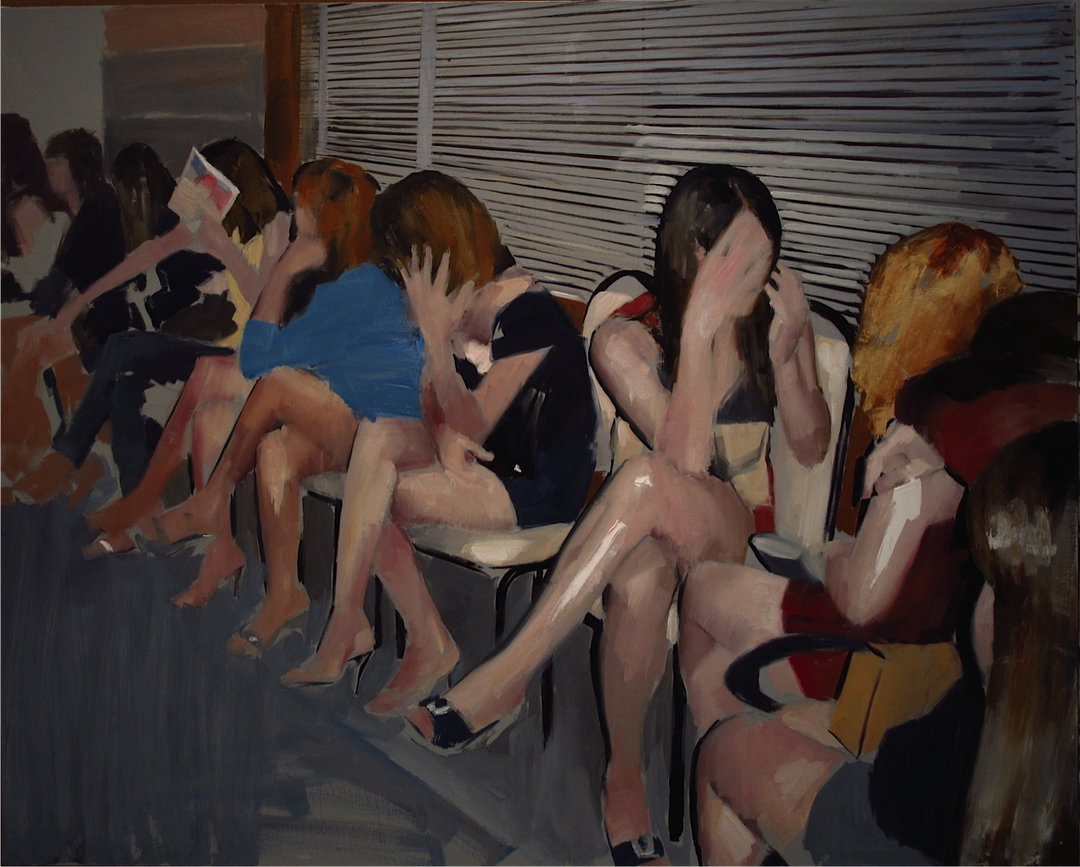
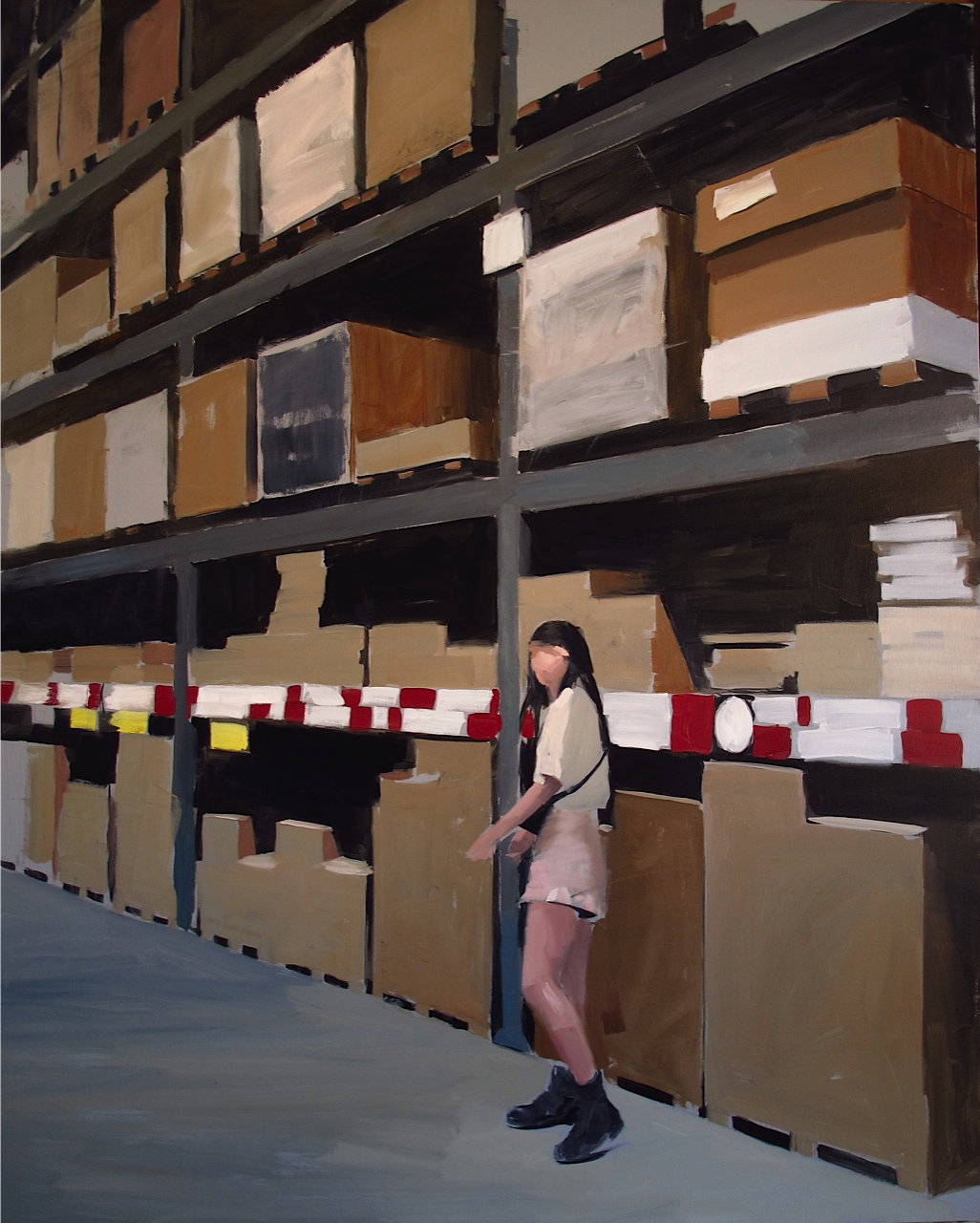
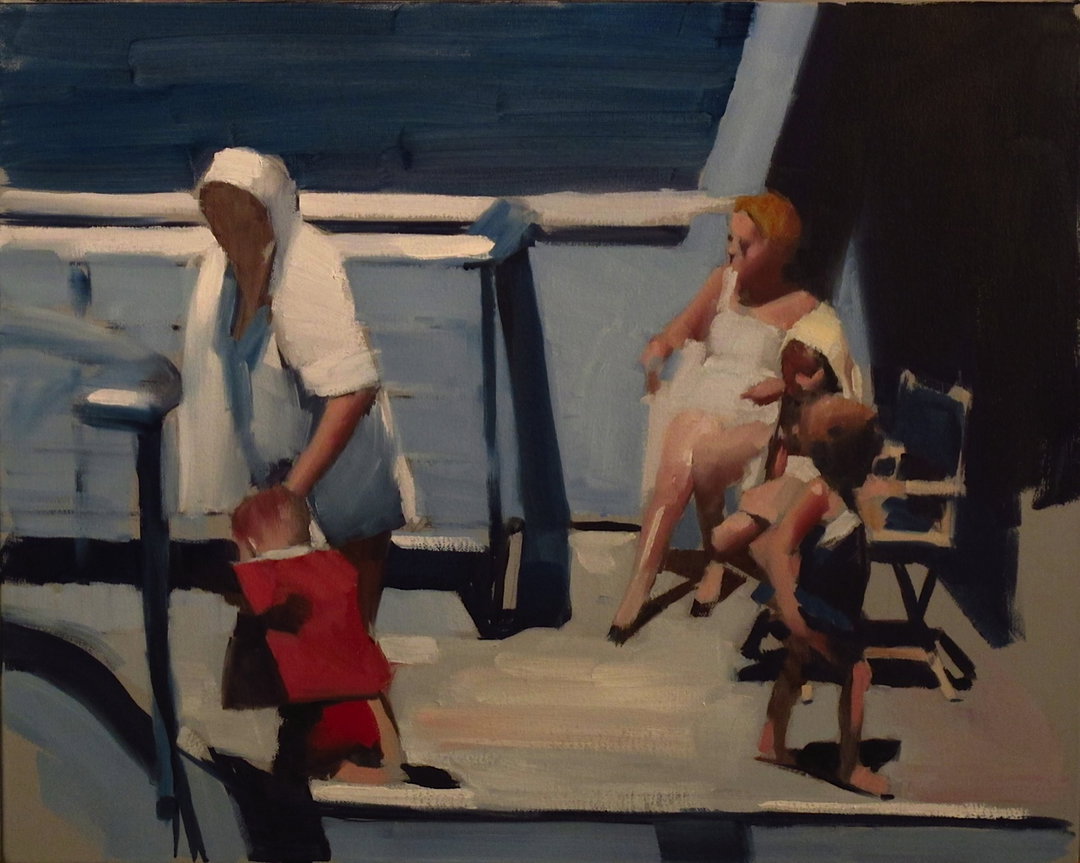
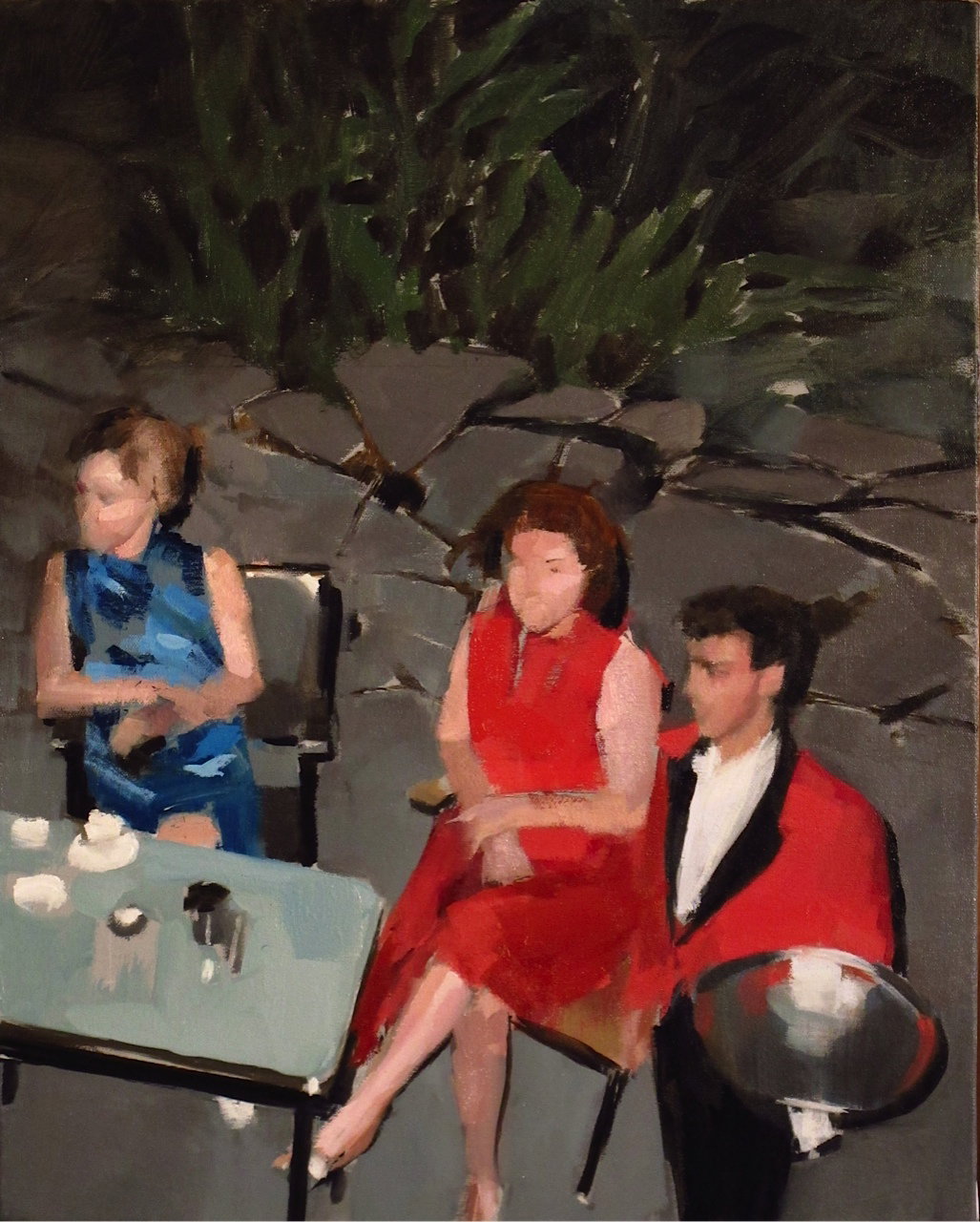
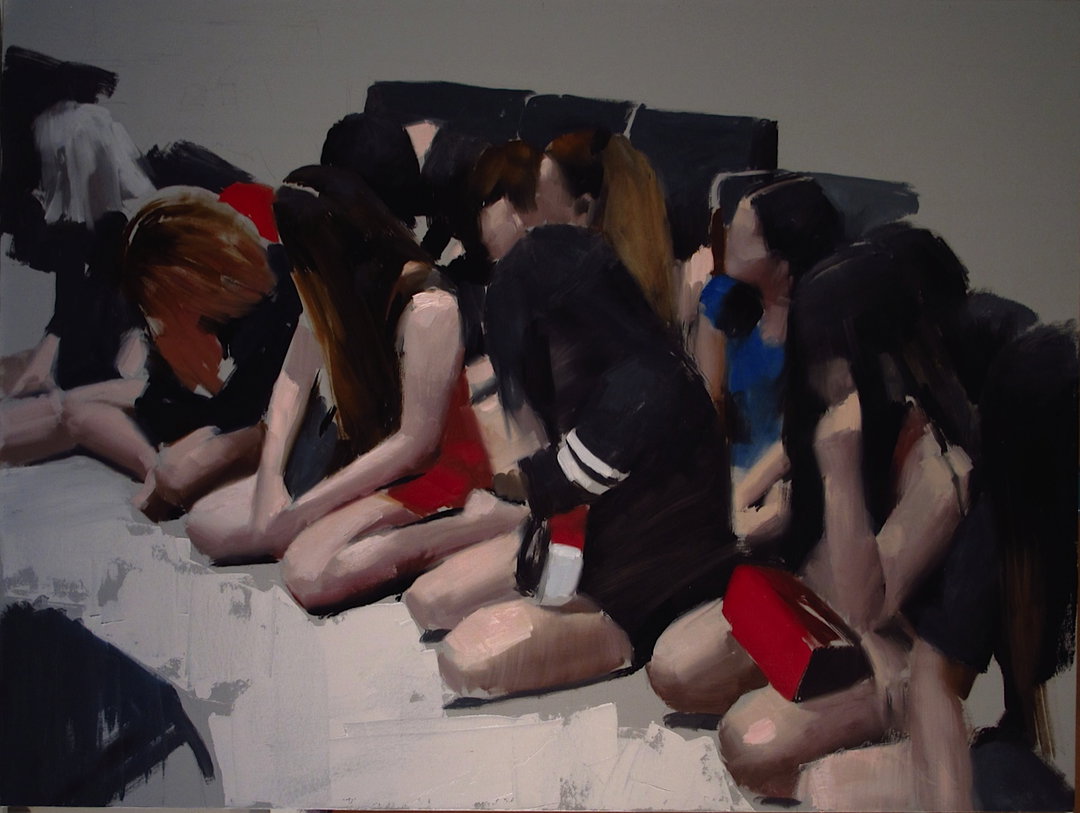
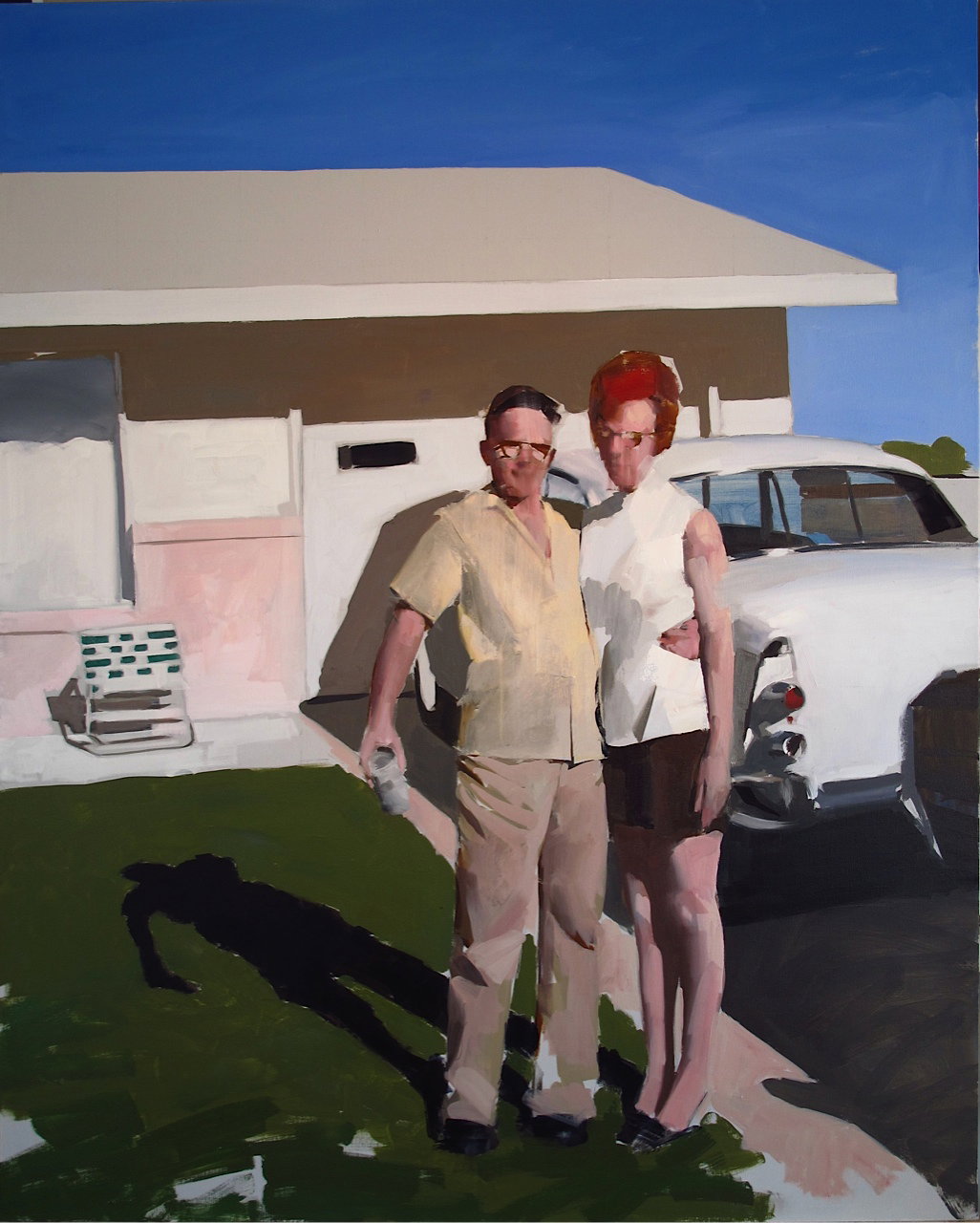
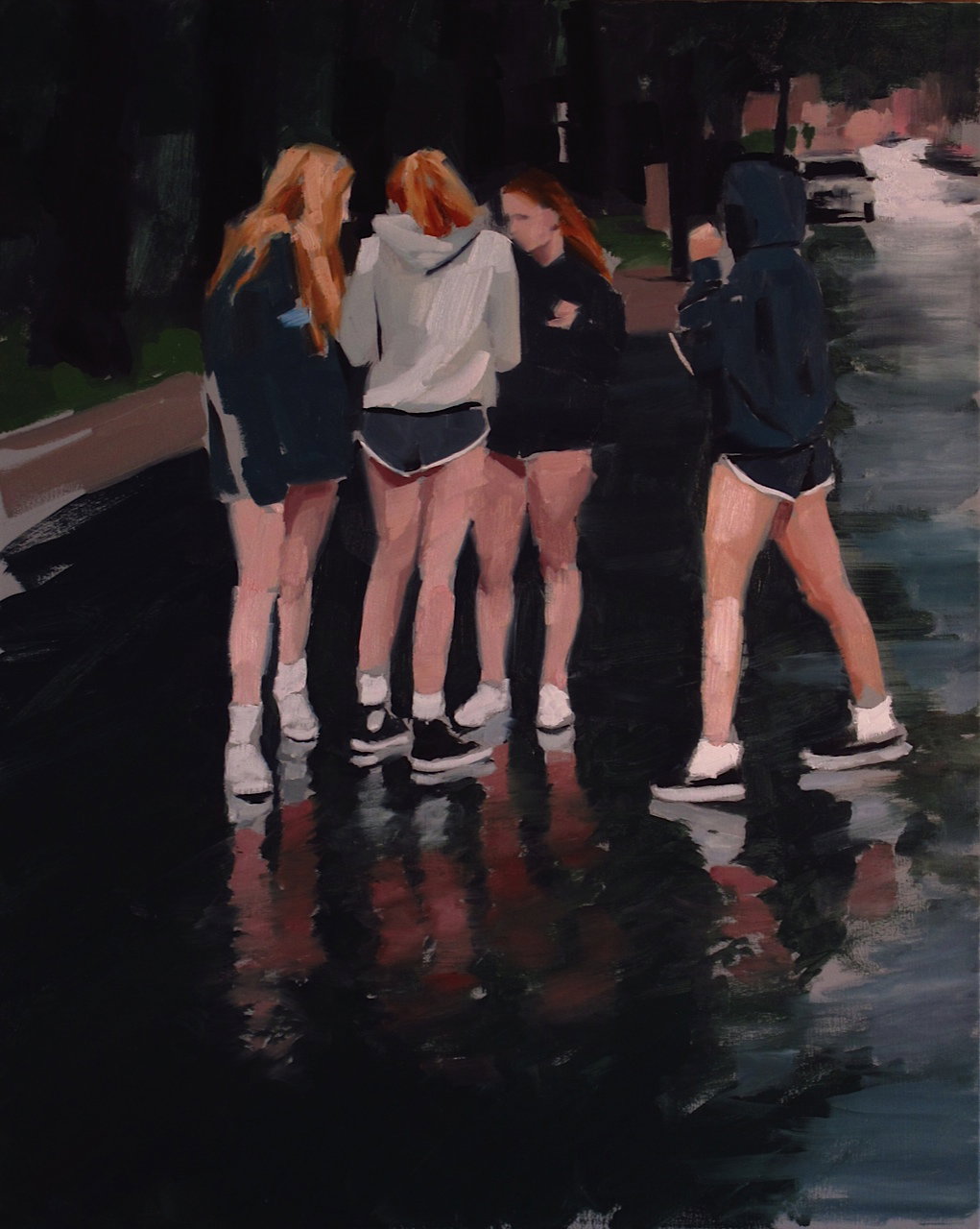
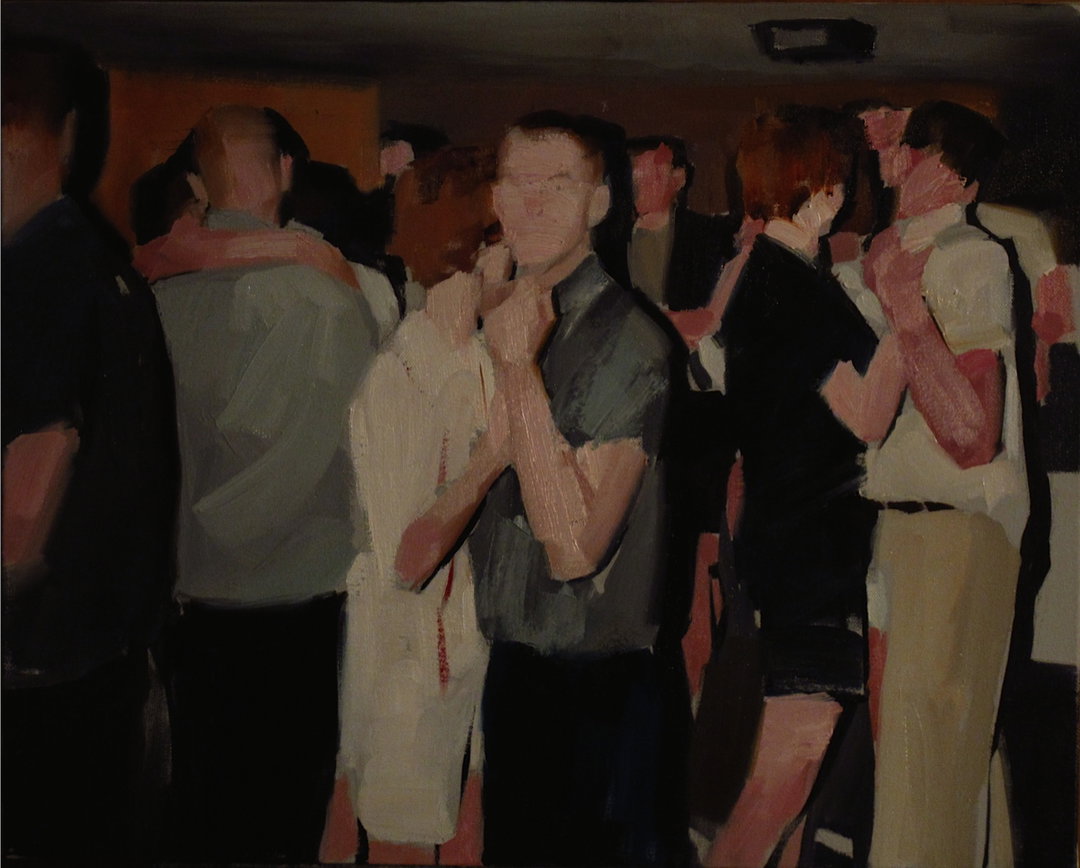
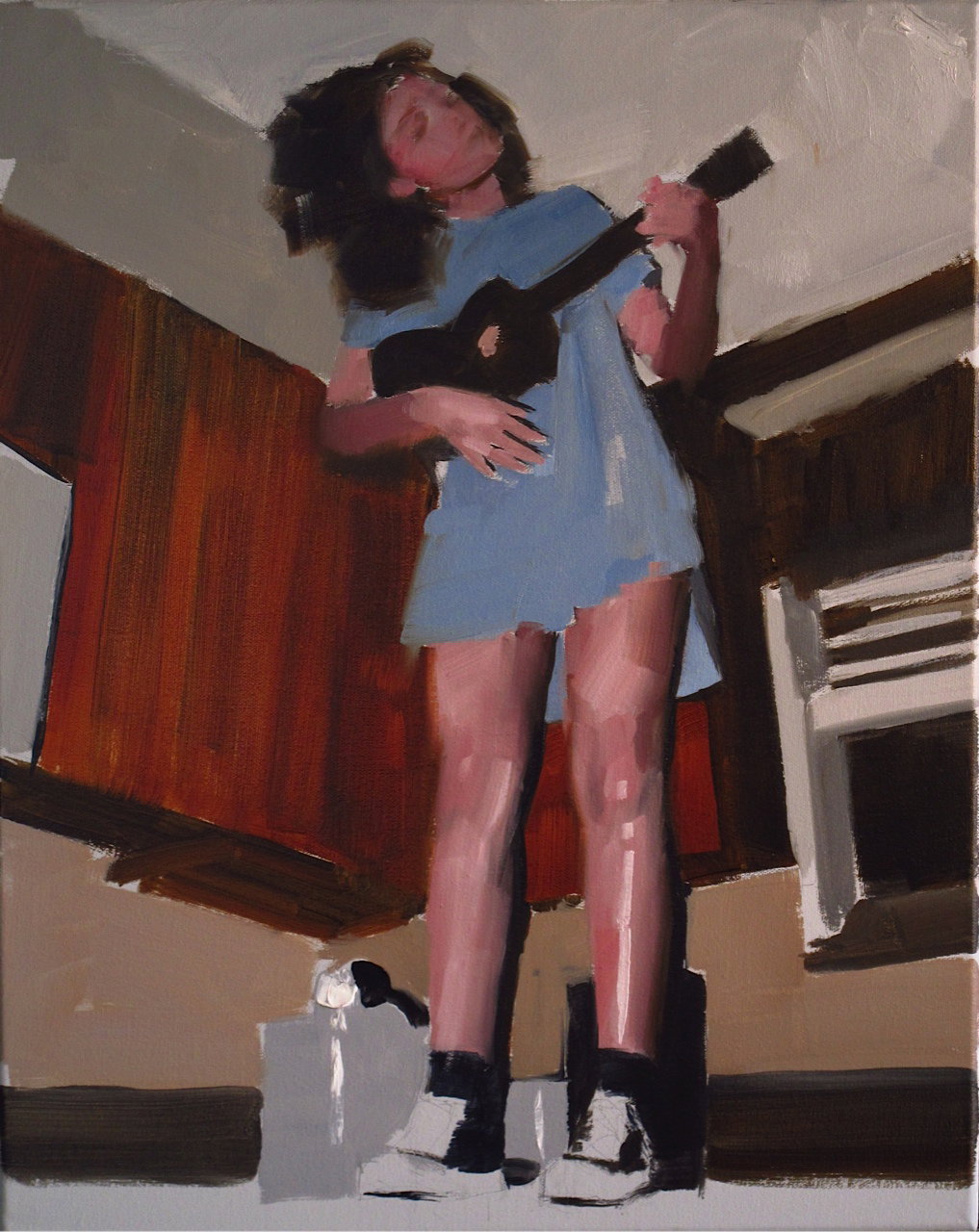
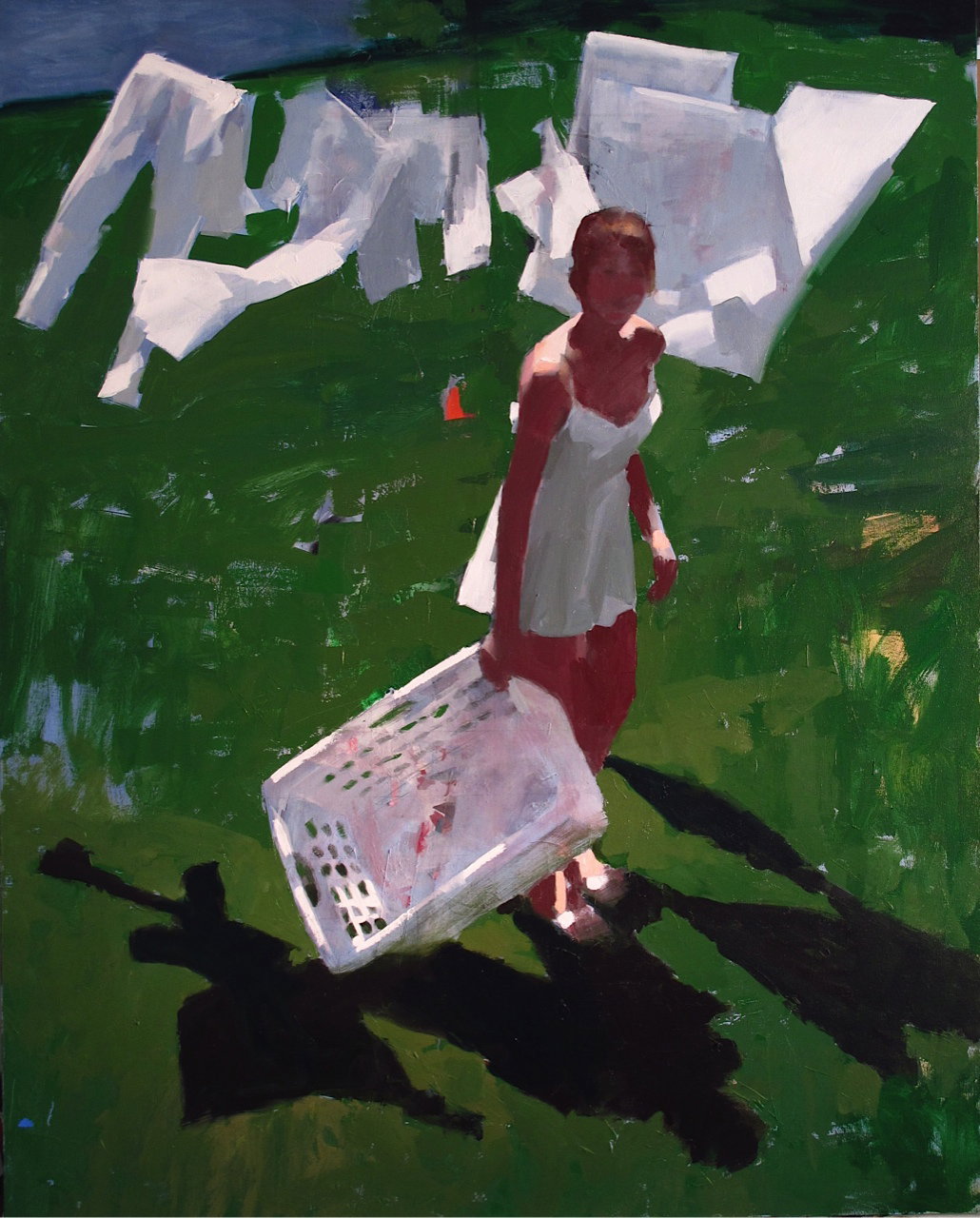
For a good few seconds or so, Mark Tennant has the ability to make you believe that what you’re looking at is a photograph. Well, he’s tricked you here – what you’re looking at is a collection of oil-based paintings, comprising heavy details, low contrast scenes and moments that seem to be lit entirely by the garish flash of a camera.
These realistic snapshots most likely would have been derived from a photograph – to begin with, at least – because Mark Tennant, an artist based in New York, is a photorealist at its finest. Having received a BFA from the Maryland Intricate College of Art in Baltimore, he then went on to receive his MFA from the New York Academy of Art before working as the director of graduate fine art painting at Academy of Art University, San Francisco, between the years of 2008 and 2009. He’s also been an instructor here since 1998. What’s more, his work has been exhibited widely; in shows at the Salon d’Automne in Paris, and he has been awarded numerous prizes, with his work included in collections across Europe and America. Last but not least, Mark teaches workshops internationally and, interestingly, he has taught museum copying at the Louvre, Paris, the Metropolitan in New York and the Legion of Honor in San Francisco.
A fascinating background, to say the least, Mark has not only spent his time painting – producing intricate scenes of his subjects that appear to be paused in time – but he’s also been transferring his knowledge to his students. Museum copying is a commendable thing, and surprisingly is a tradition that dates back years to the moment just after the French Revolution. For example, since opening its doors to copyists in 1793, each year the Louvre allows 250 permits to amateur and professional artists which gives them access to copy a masterpiece of their choice.
Mark Tennant
Of course, it’s a coveted spot and allegedly takes (a mere) two years’ wait to get in. After being granted a permit – something that became accessible for the Louvre just one month after Marie Antoinette was beheaded and it was then developed into the museum we all know it as today – it was declared that artists must be supplied with an easel, free of charge, and they are allowed three months to work in the galleries. There is, of course, a strict protocol following the work created by the copyists, which includes making sure that the painting is either slightly smaller or larger than the original, and the signatures cannot be reproduced, understandably. Either way, it’s a spectacular way for artists to learn from the greats, without them actually being there.
Knowing this history gives a profound insight into Mark's working process. “I have always been an artist,” he tells It’s Nice That, “and I was encouraged as a child.” Clearly a perfectionist in his craft, he was undoubtedly surrounded by art and naturally steered this way from a young age – it was inevitable that he would end up on this path. “I love all art and all artists who are sincere,” he adds, “and the museum has great significance.” With this in mind, Mark would begin his day early and work on his practice every day, “oil painting with a lot of time spent on construction”. He adds: “I begin with step-by-step procedures and the problems develop – it becomes a free form approach within the structure.”
Mark’s subjects fall nothing short of captivating – whether it’s a group of dancers in a soft embrace, faces blurred, of course, or a group of girls sat together shielding their eyes from the supposed flash. As for his audience, despite the unintended trickery, they are left to decipher their own interpretations of the works. We are left to observe its fine details and mastership, wondering whether, one day, they might end up being a piece for the copyists.
GalleryMark Tennant
Hero Header
Mark Tennant
Share Article
Further Info
About the Author
—
Ayla is a London-based freelance writer, editor and consultant specialising in art, photography, design and culture. After joining It’s Nice That in 2017 as editorial assistant, she was interim online editor in 2022/2023 and continues to work with us on a freelance basis. She has written for i-D, Dazed, AnOther, WePresent, Port, Elephant and more, and she is also the managing editor of design magazine Anima.