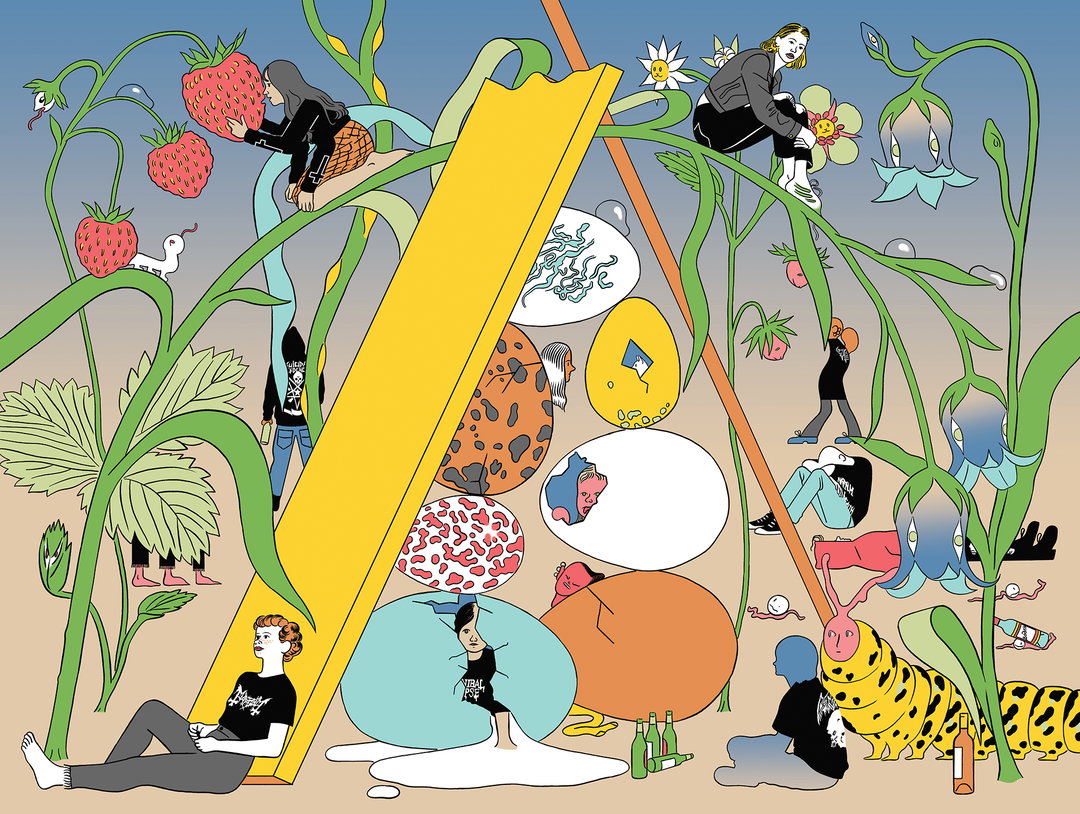
We discover Masha Krasnova-Shabaeva’s journey from fine artist to illustrator
Originally studying fine art in Russia, it took Masha a little while to come round to the idea of becoming an illustrator. Now she has, there’s little stopping her.
Share
For Masha Krasnova-Shabaeva, illustration became a career by accident, sort of. It wasn’t that Masha had little interest in creativity – her father was a well-known painter, and her mother a writer and journalist – but it was that at first, it seemed she was destined for fine art, rather than the more commercially-focused outlet of illustration.
Originally from Russia, but when it was still the USSR, Masha’s now based in The Netherlands where she’s been for the past decade. “Many people here look at my name, and my face and assume I’m Russian, but it’s a bit more complicated than that,” she begins to explain while discussing her journey to becoming an illustrator. Growing up in Ufa, Bashkortostan, an ethnic autonomy republic in Russia, her mother is half Bashkir, half Tatar, two ethnic Turkic groups. “So I’ve had a lot of Bashkir and Tatar Islamic relatives and, consequently, inspirations and influences.” These influences, coupled with the “vast collection of western books and magazines, mostly smuggled from the West by their friends and acquaintances,” meant Masha was constantly drawing. But, as mentioned, “I didn’t have any particular desire to become an artist.”
Eventually, her father’s work and career “overpowered all other choices” and Masha went to study painting at a local college of fine art. “It’s kind of boring to study art in Russia,” she adds, especially at the time in the early 2000s where “the system of art education was really outdated.” Moving to Moscow a few months later, “it seemed the only future I could have in that city was the future of a starving artist,” and so she sent some work to various Russian magazines, receiving her first job a few days later.
The jump between fine artist and illustrator, and the context to both of those roles within the creative industry, is a topic Masha appears to have thought about at length. Influenced by Russia’s mentality of not considering illustration as a serious art form, and her own feeling of wanting “to be a ‘real’ artist”, Masha went back to university in her mid-20s where she “experimented a lot, made a few installations,” she recalls. “After that I realised, I still want to draw.”
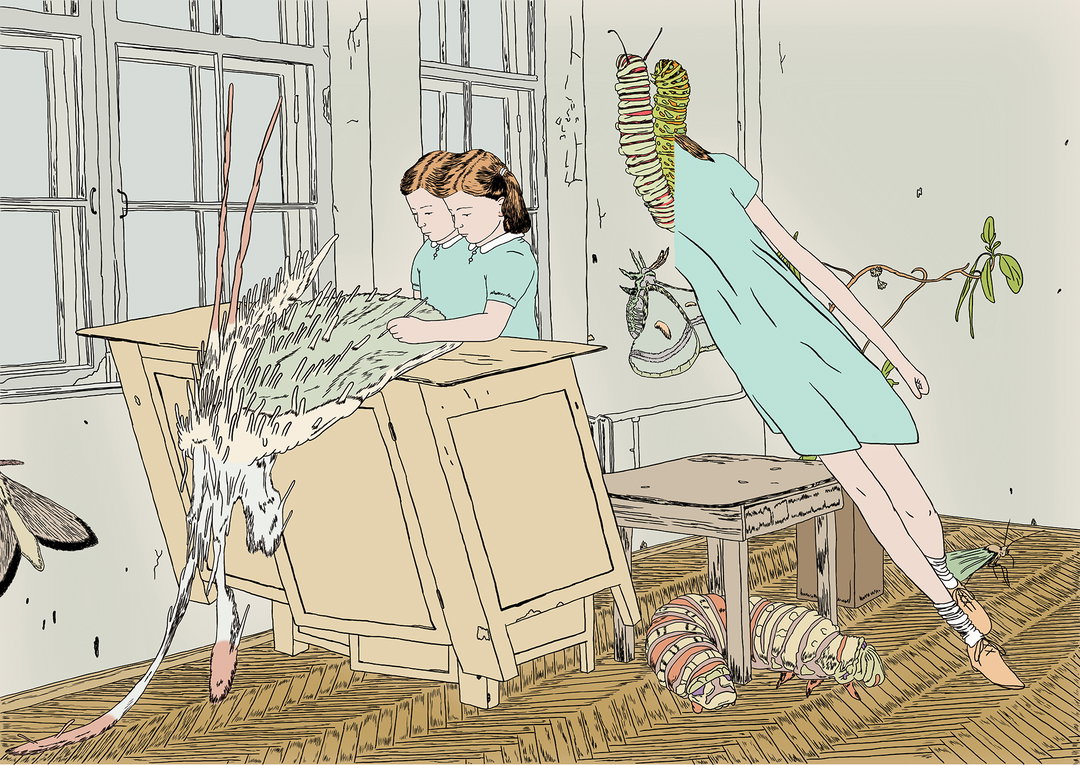
Insects (Copyright © Masha Krasnova-Shabaeva, 2010)
Studying again allowed Masha to revisit the work of the Moscow conceptualists, specifically Ilya Kabakov and Victor Pivovarox, who “earned money working as illustrators for Soviet children’s magazines, and in their free time they were making underground art, which made them famous not only in Russia, but all over the world.” Gradually realising “that it’s possible to be an illustrator, and also an autonomous artist, and there’s nothing weird about it," now Masha would even go as far to say: “I’ve become a big fan of illustration. I believe there is much more to it than people (and artists themselves) usually assume.”
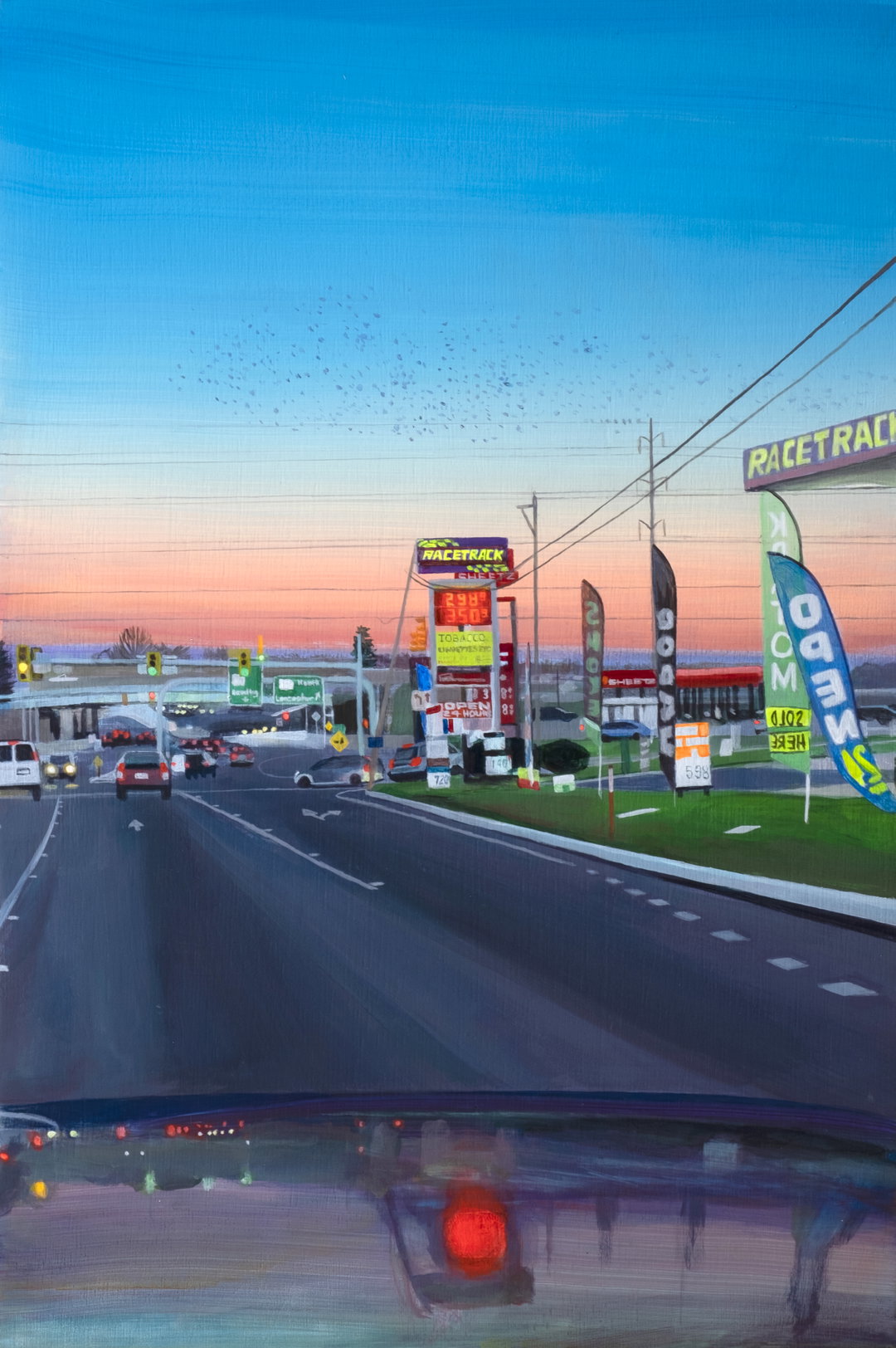
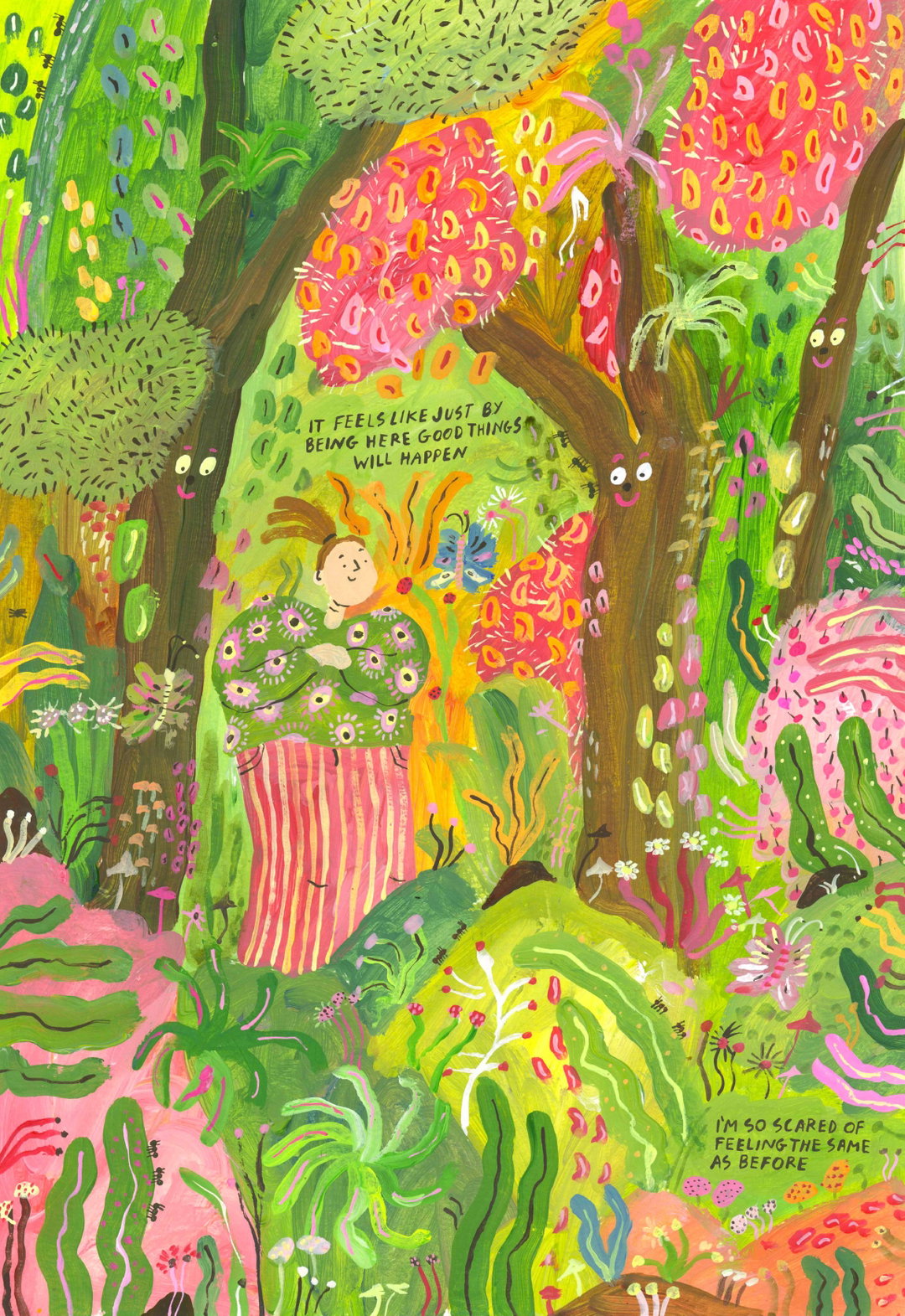
Now Masha’s found her own groove within the medium, largely working with magazines while steering clear of anything too commercial that might make her feel uncomfortable. Stylistically, her works are incredibly layered. Digitally created in their final iteration, at first Masha will often sketch something complicated before simplifying heavily, leaving the viewer with maximum detail, but at a level the eye can take in. “Line is very important to me,” whereas, “colour is secondary, I don’t think about it a lot.”
The busyness of pieces is also a reaction to Masha’s dislike for static images, in turn, her work sees her trying to “find some kind of imbalance in composition to make it more dynamic,” she explains. Influenced to build her own illustrative world through a love of childhood books, the work of Hieronymus Bosch and architectural drawings, an unlikely influence is also recurring dreams the illustrator has. It’s unsurprising when you zoom in on the details, angles and impossible interpretations her illustrations allow for, mirroring her dream experience of walking “through unknown landscapes and cities,” Masha describes. Channelling this into her work, she explains that architecture has become increasingly significant: “It’s important to create a landscape and atmosphere around my characters. And, sometimes, a building becomes a character.”
Recently joining agency Heart, who is helping “me a lot with finding commercial commissions that really fit me,” Masha also comments that the work she’s creating at the moment is her favourite to date. She finds fascination in the relationship between art director and illustrator as “usually there is a lot of communication going on, and sometimes the result is not quite your idea. However, I like the challenge of making an idea that I’m not particularly attached to my own.” Also working on a graphic novel – currently called Bubble “but that might change” – Masha adds that although it was never the plan, she is now happily “always consumed by work.”
GalleryMasha Krasnova-Shabaeva
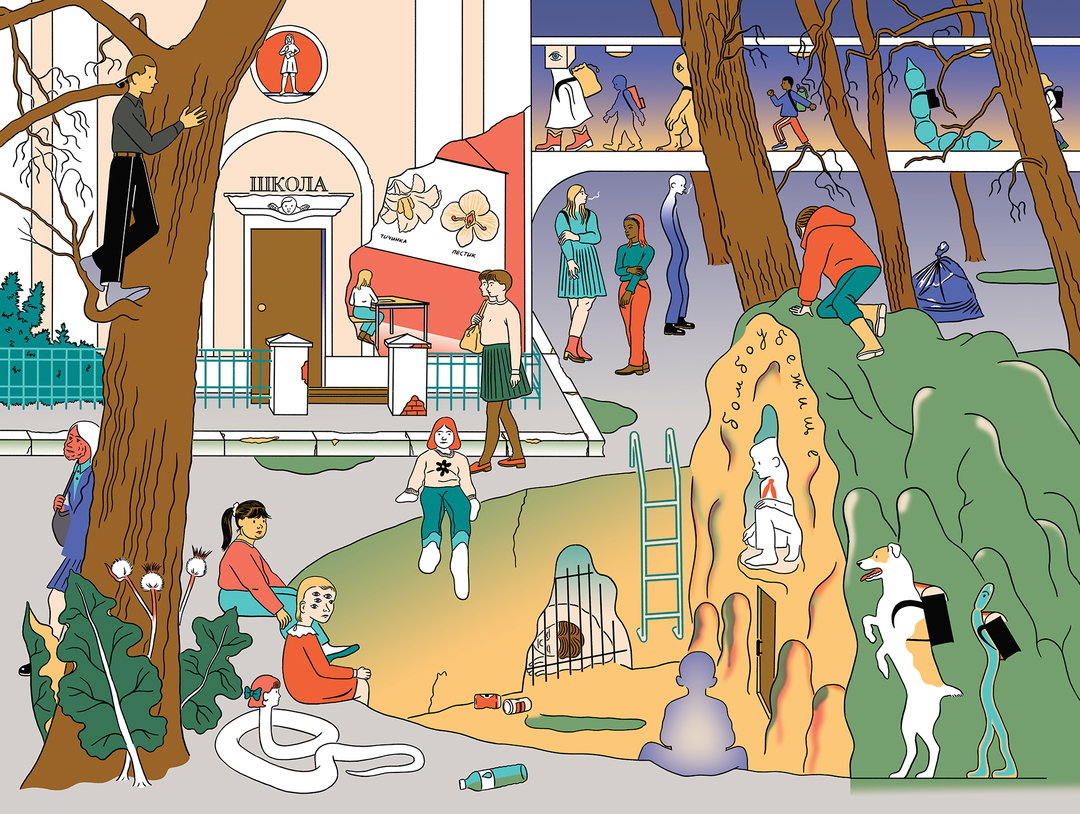
School, from my upcoming graphic novel Bubble (Copyright © Masha Krasnova-Shabaeva, 2019)
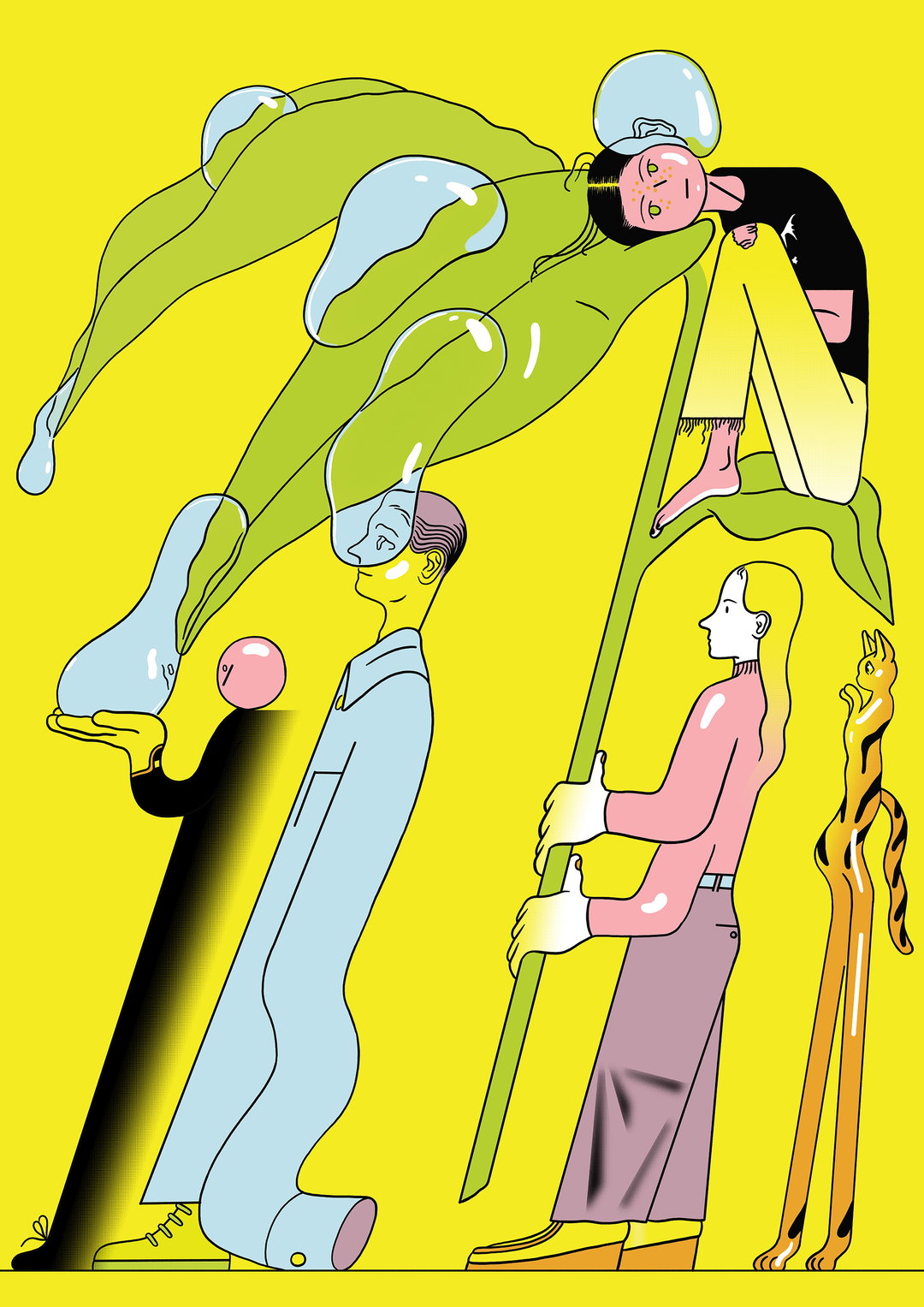
An image for a raincoat by Amsterdam-based designer MwM (Copyright © Masha Krasnova-Shabaeva, 2020)
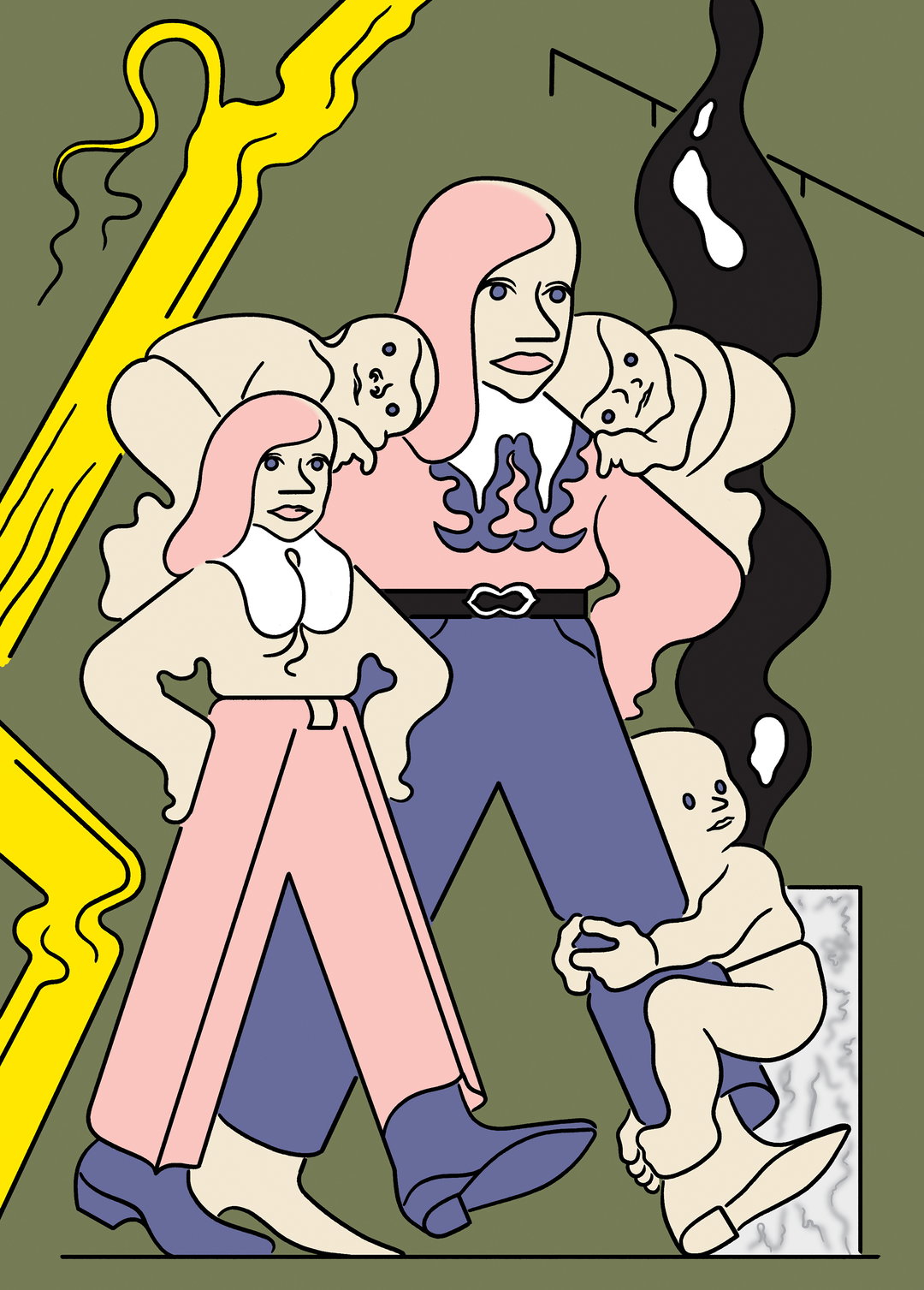
Mother (Copyright © Masha Krasnova-Shabaeva, 2020)
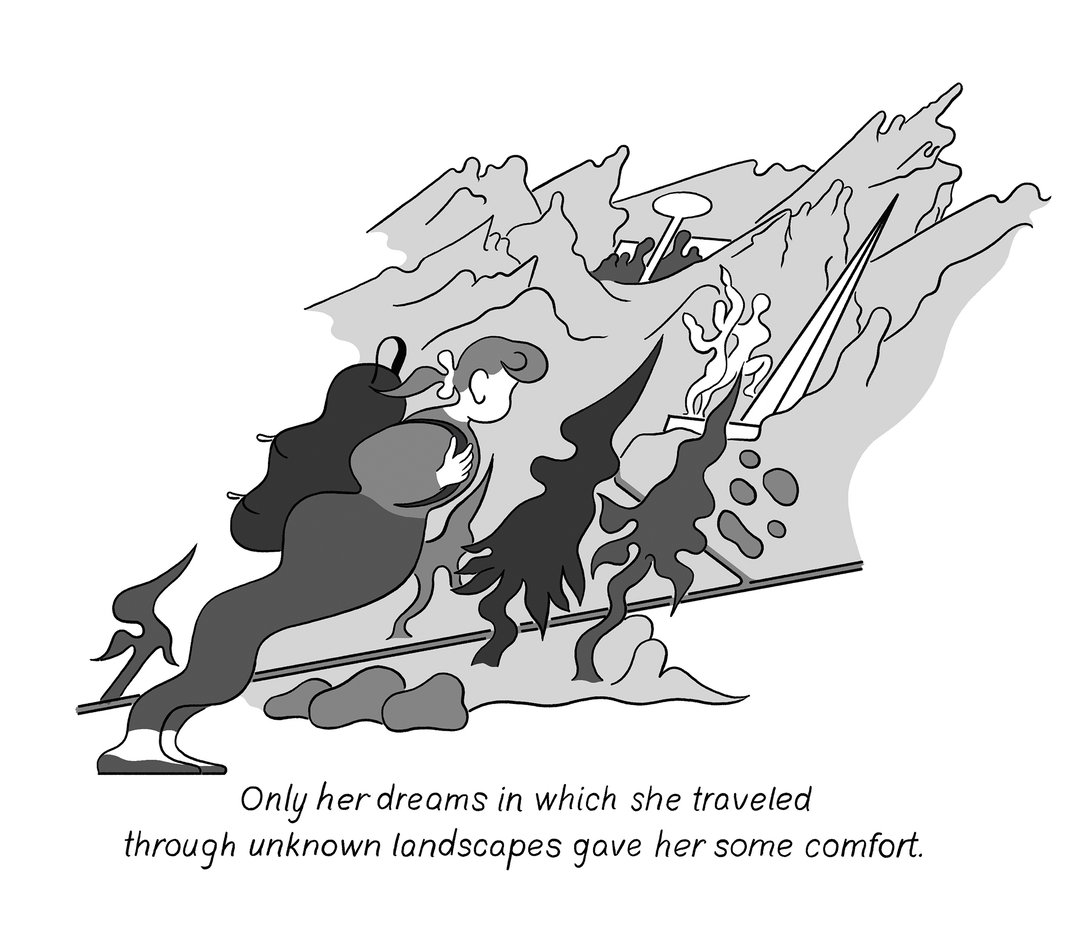
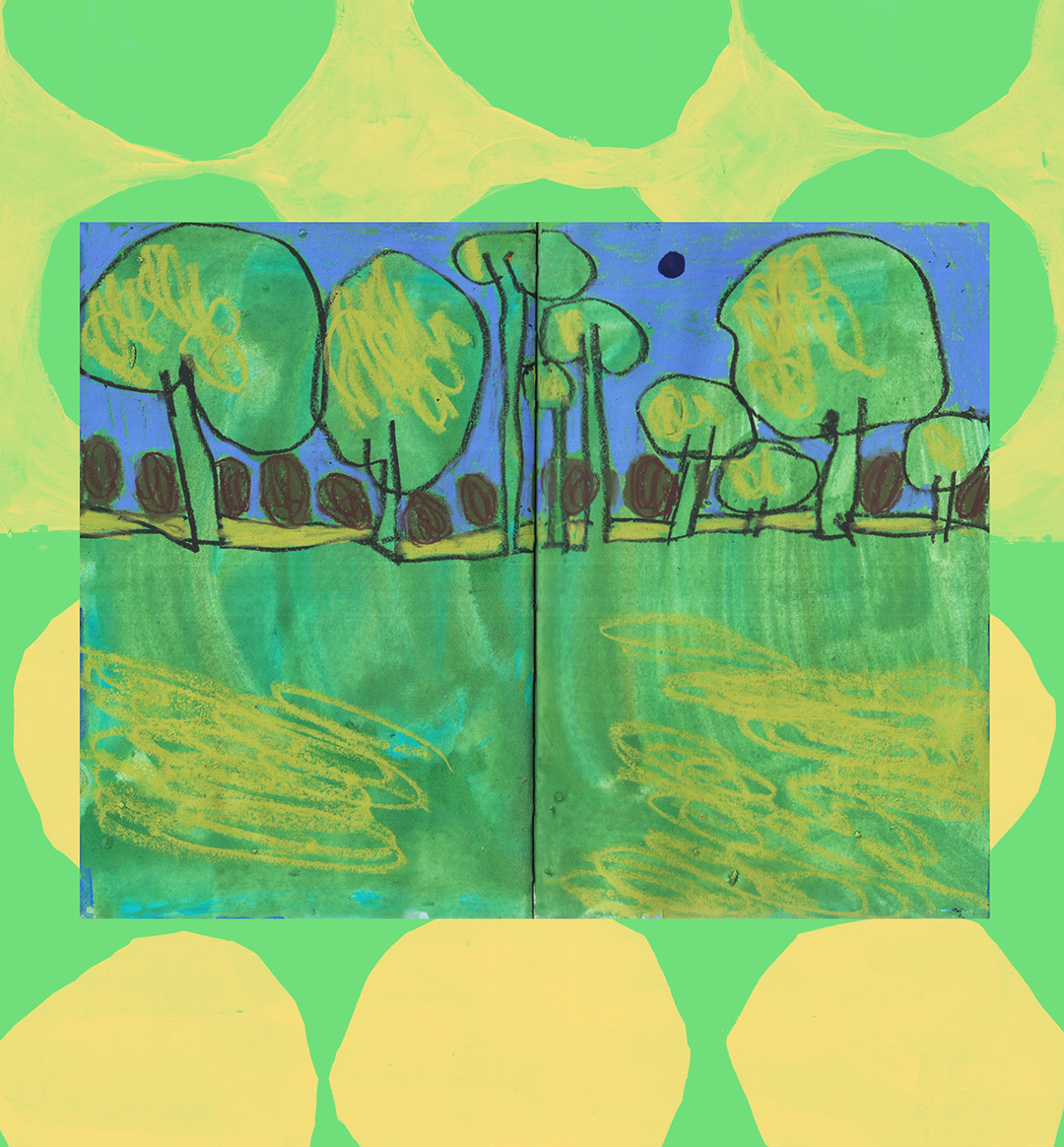
Landscapes, from my upcoming graphic novel Bubble (Copyright © Masha Krasnova-Shabaeva, 2020)
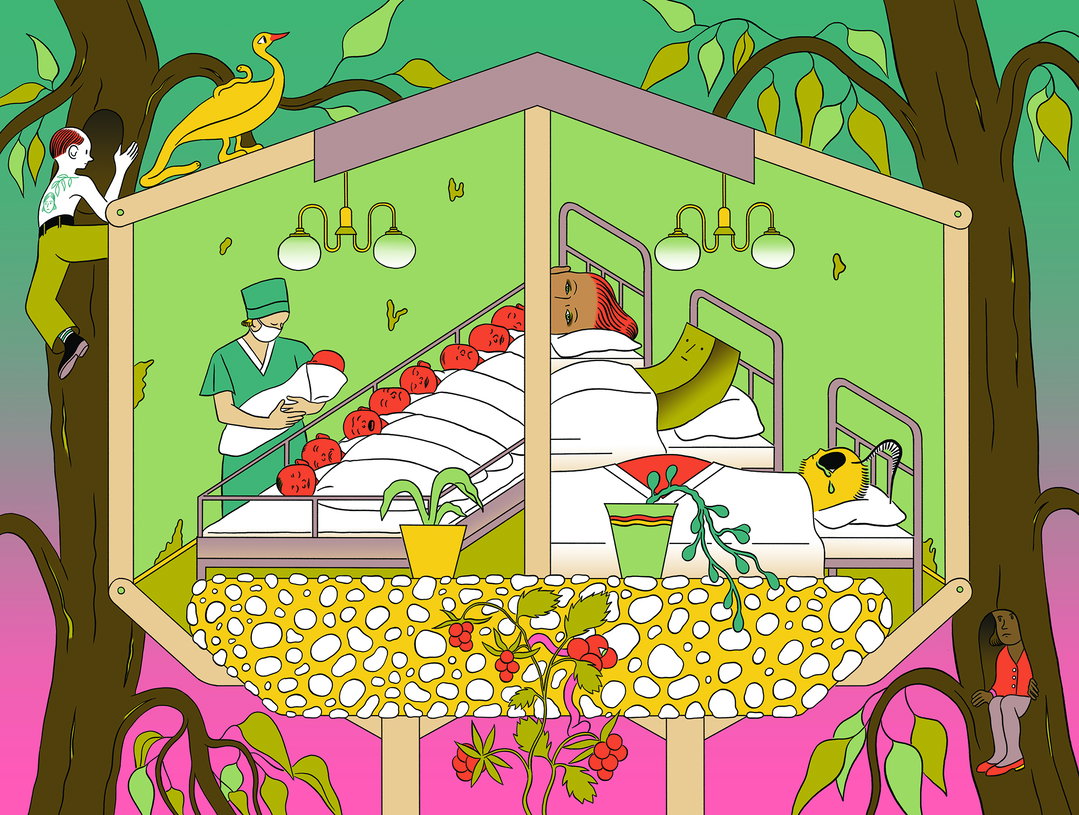
Hospital, from my upcoming graphic novel Bubble (Copyright © Masha Krasnova-Shabaeva, 2019)
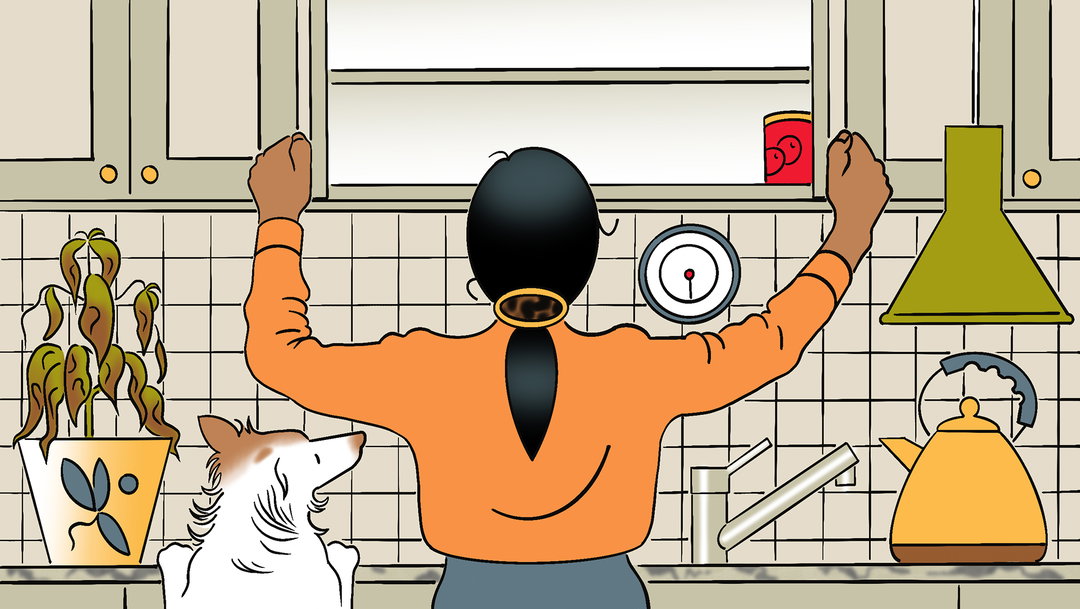
Illustration for The Guardian (Copyright © Masha Krasnova-Shabaeva, 2020)
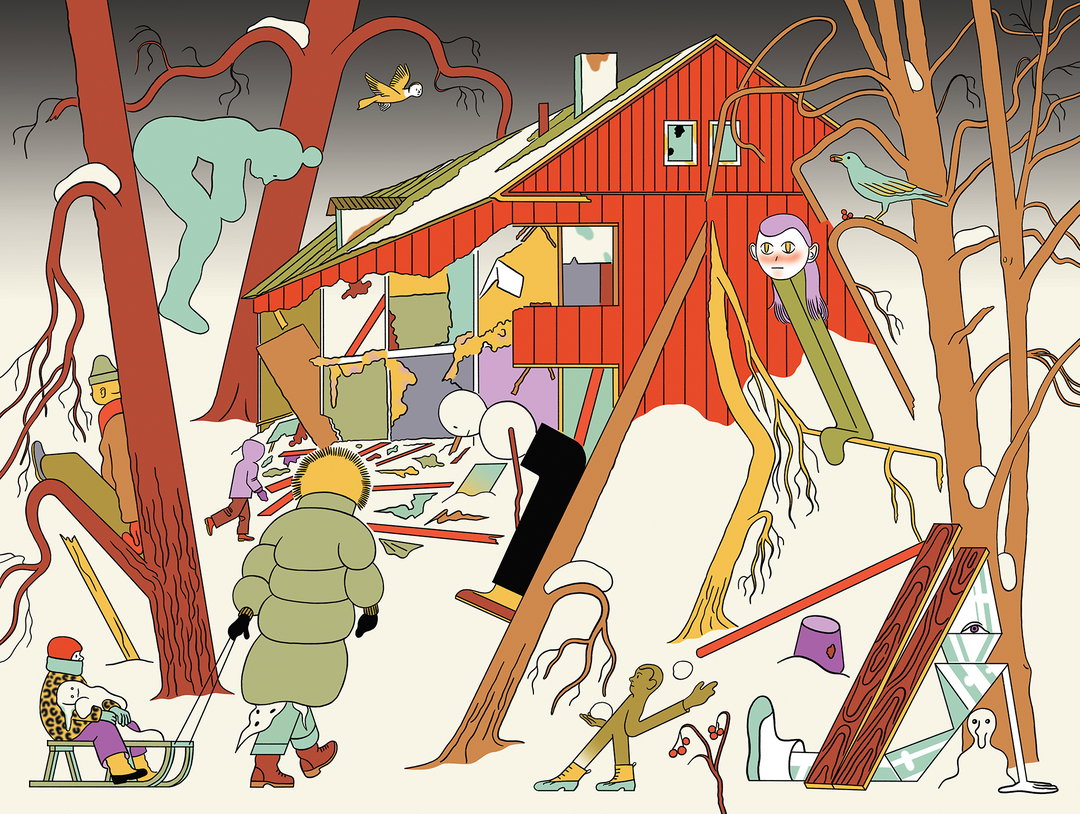
Childhood (Copyright © Masha Krasnova-Shabaeva, 2020)
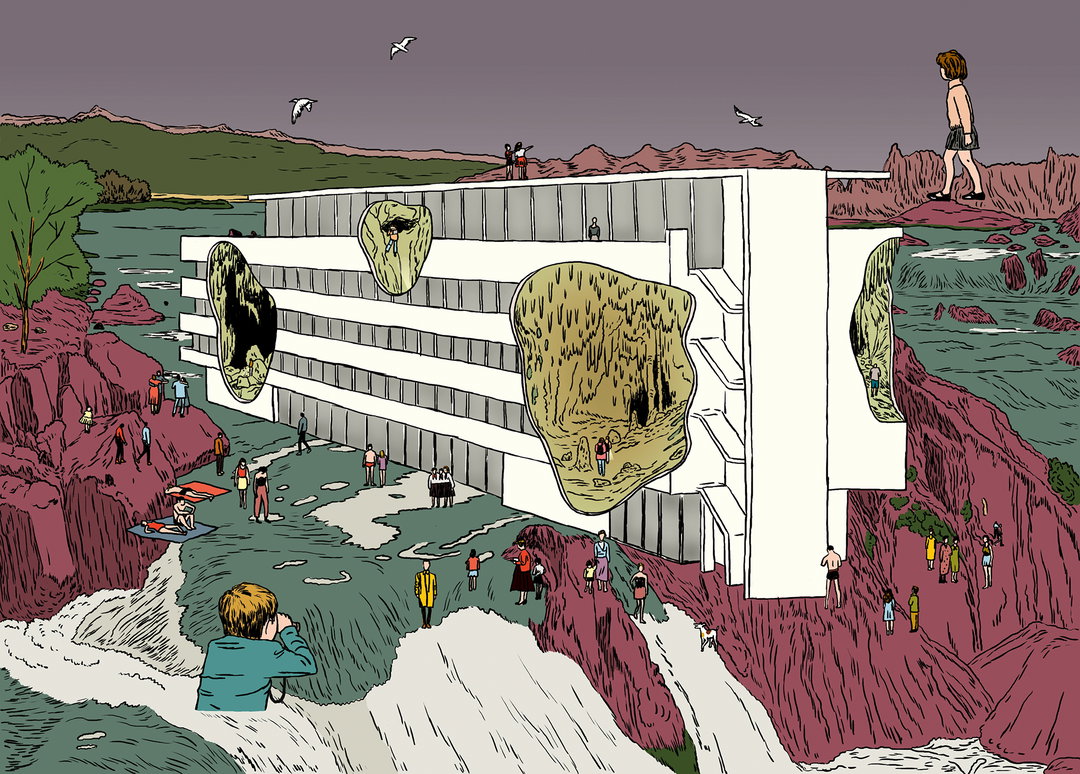
Cave house (Copyright © Masha Krasnova-Shabaeva, 2020)
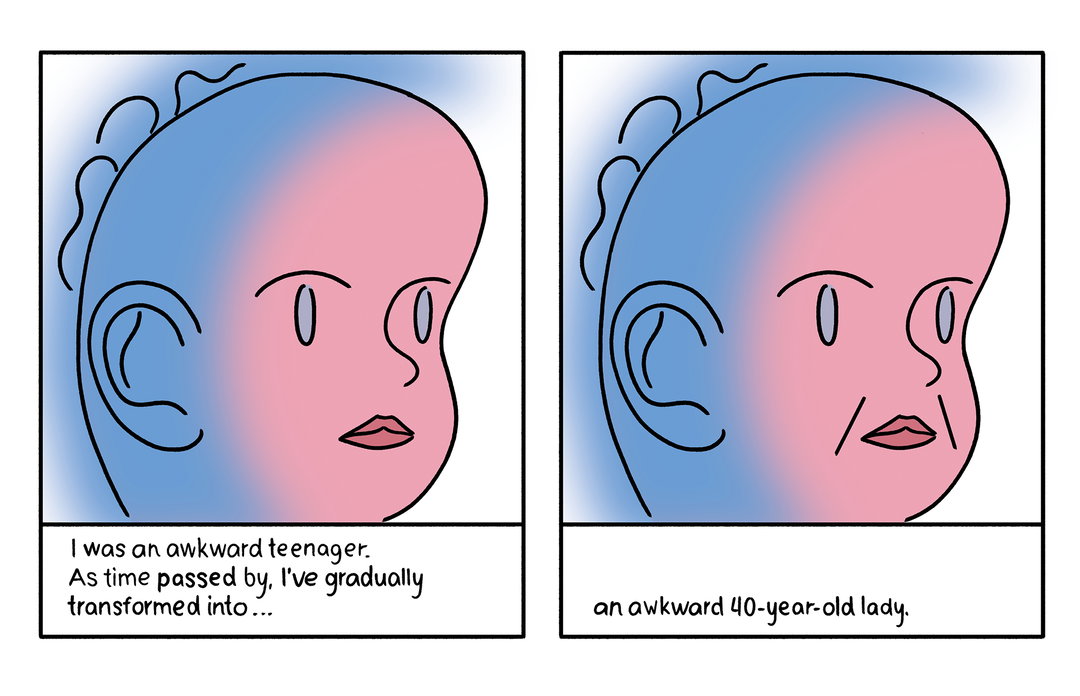
A small comic strip (Copyright © Masha Krasnova-Shabaeva, 2020)
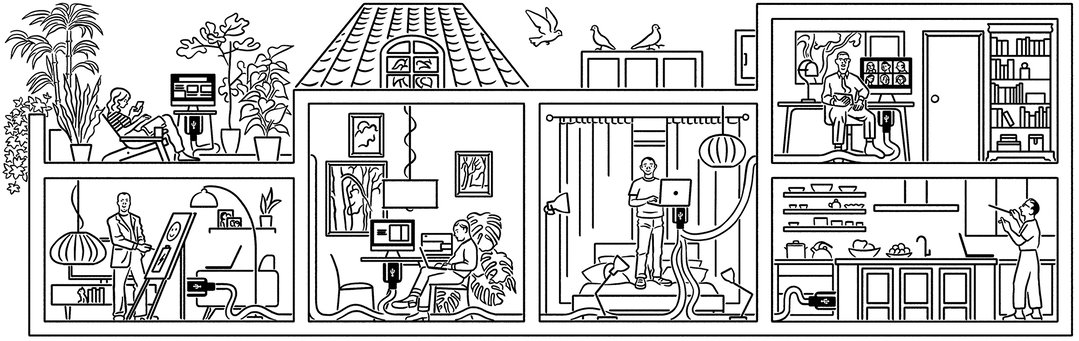
Illustration for ARM magazine (Copyright © Masha Krasnova-Shabaeva, 2020)
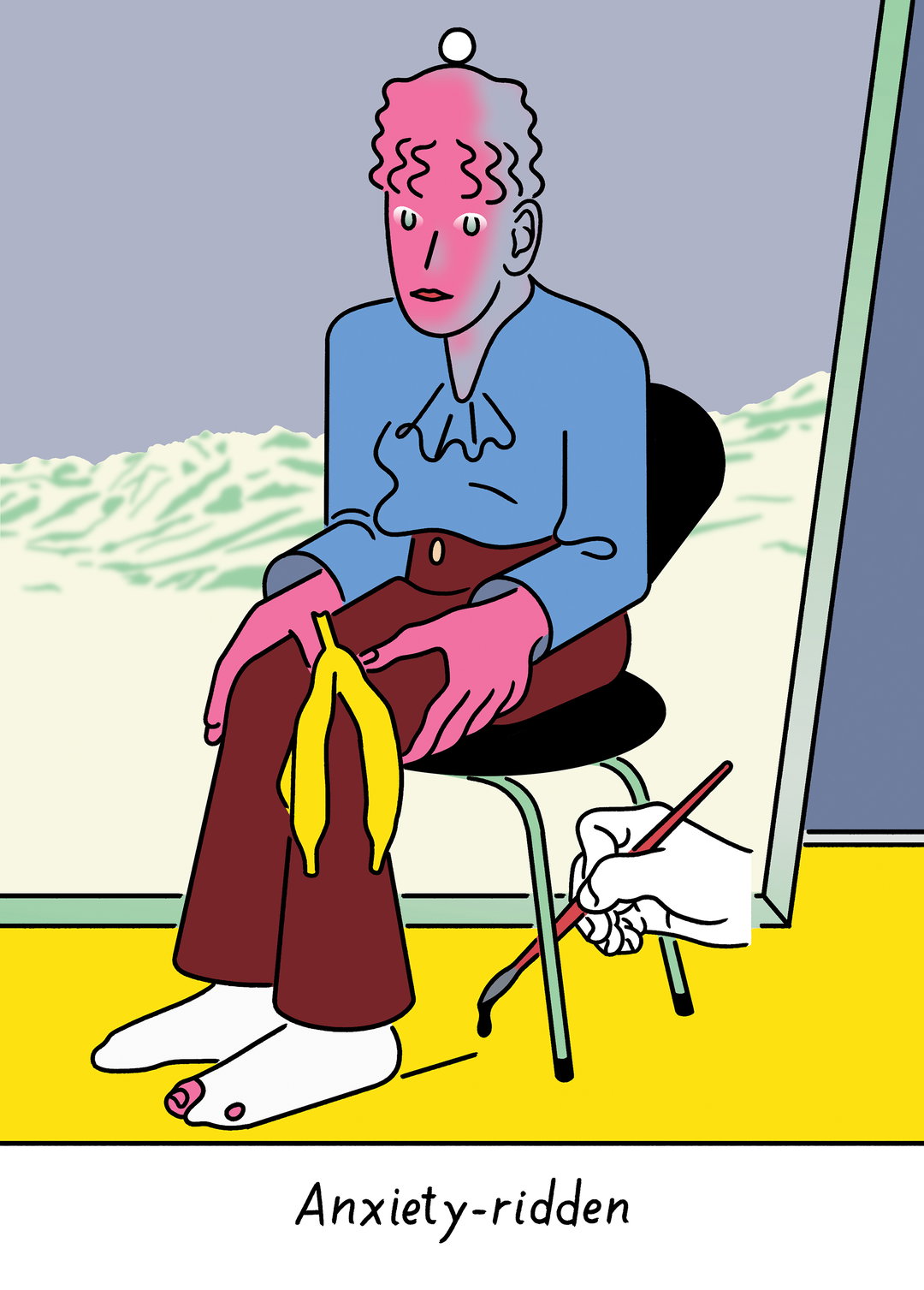
Anxiety-ridden (Copyright © Masha Krasnova-Shabaeva, 2020)
Hero Header
Masha Krasnova-Shabaeva: Teens, from my upcoming graphic novel “Bubble” (Copyright © Masha Krasnova-Shabaeva, 2019)
Share Article
Further Info
About the Author
—
Lucy (she/her) was part of the It’s Nice That team from 2016–2025, first joining as a staff writer after graduating from Chelsea College of Art with a degree in Graphic Design Communication, eventually becoming a senior editor on our editorial team, and most recently at Insights, a research-driven department with It’s Nice That.