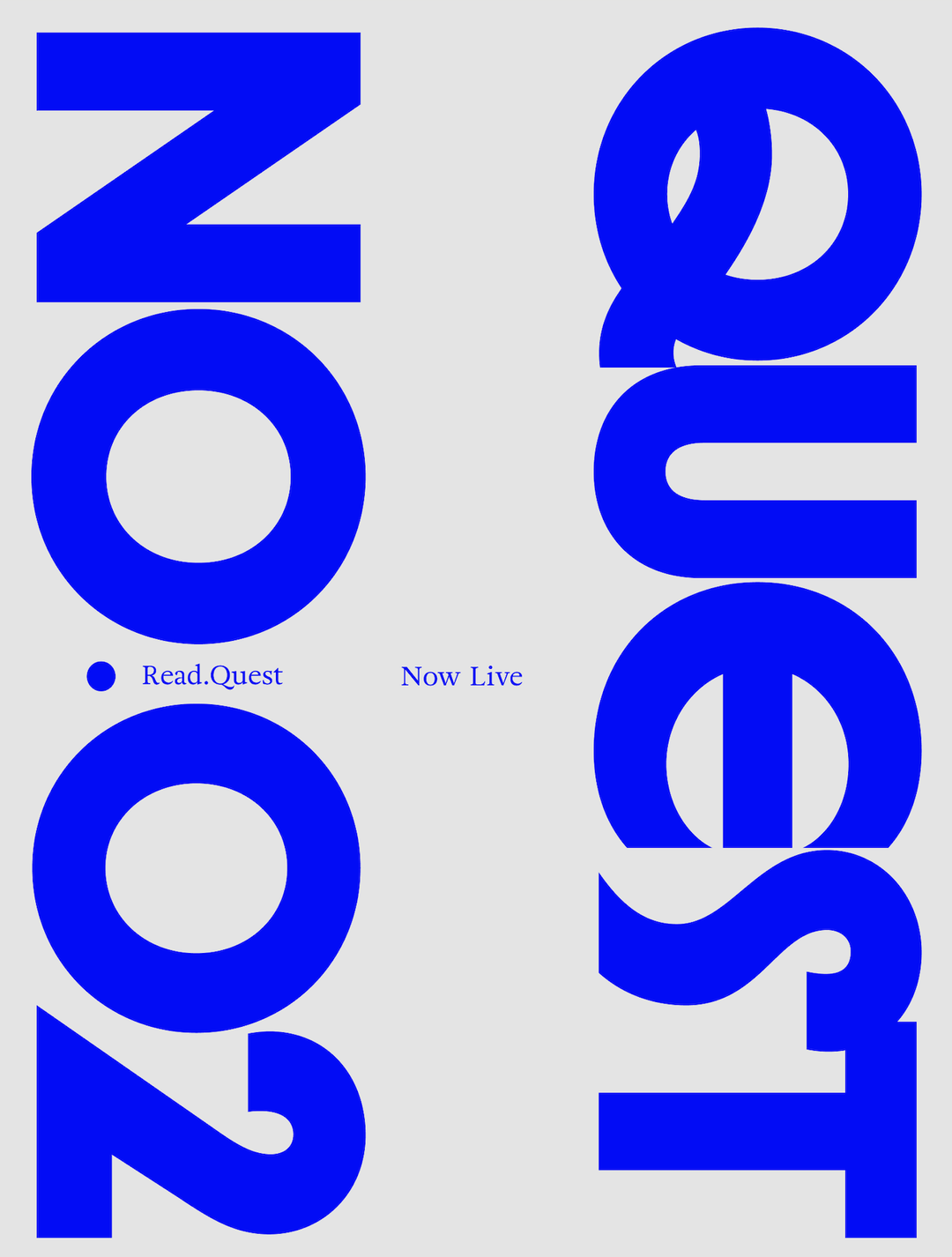
Inside Mildew magazine, the publication revelling in the “decay” of fashion
The annual magazine’s latest issue continues its quest to uplift a more sustainable fashion landscape alongside the characters and clothes behind it.
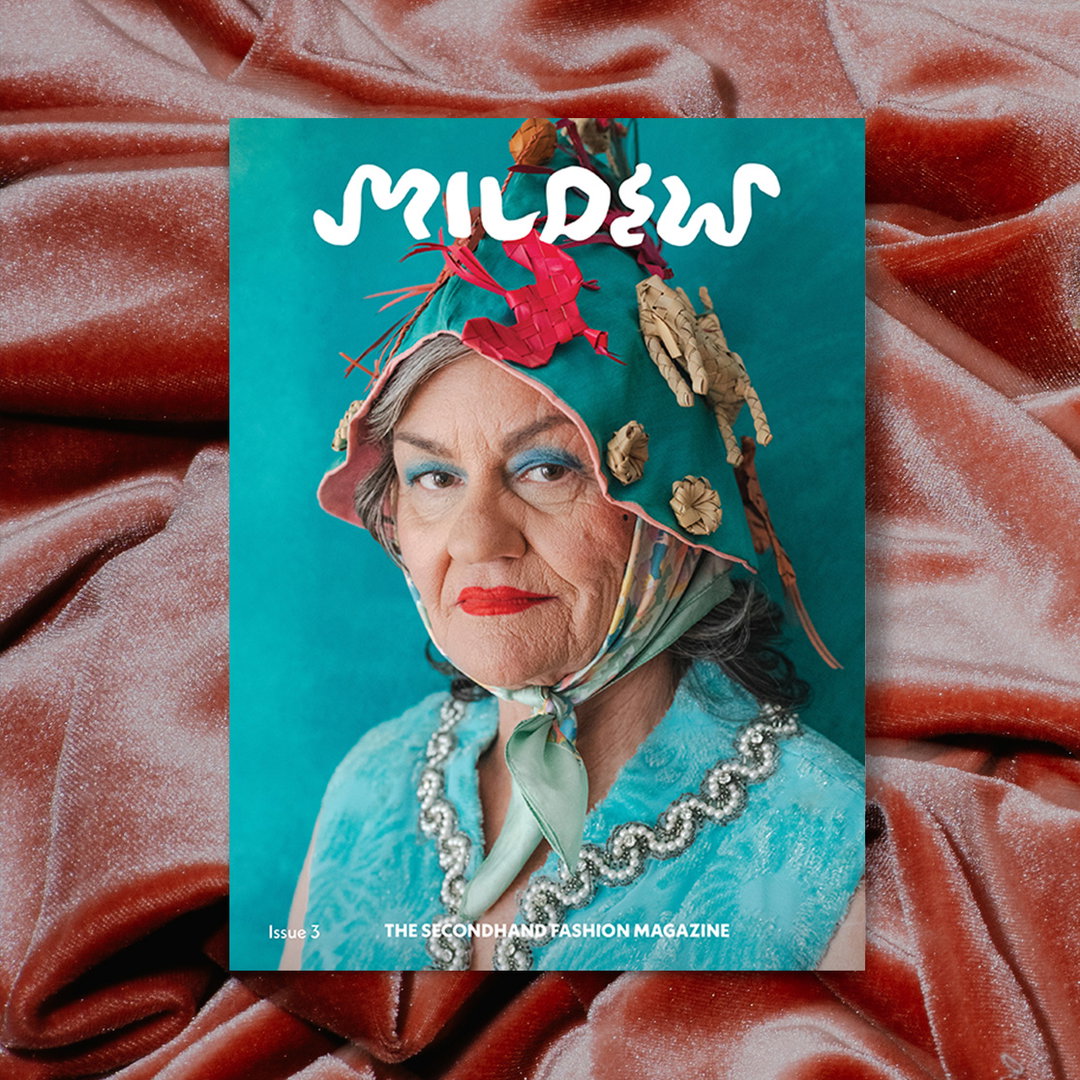
Ushering in its third issue, Mildew magazine continues to challenge our habits, opinions, and attitudes towards secondhand fashion – asking us to think of new ways to approach old stuff. “I stopped buying new clothes (except for underwear) a long time ago,” Mildew’s founder, Ellen Freeman, tells us. “First because I’m cheap, then later because I learned about how icky the modern fashion industry is, but mostly because I just think finding one-of-a-kind stuff to wear is so much more interesting and exciting.”
This intrigue, alongside the Mexico city-based writer and editor’s experience in publishing (her role as deputy editor spans across Broccoli, Mushroom People, Catnip, and Heartbeat) drove her to make a magazine that mirrored her perspective, having ceased to relate to the fashion editorials she once loved. “I decided to make my own magazine that would reflect the way more of us are actually dressing ourselves,” Ellen explains, “shopping at thrift stores, flea markets, clothing swaps, or online resellers.”
Mildew Magazine as an entity mirrors its content; discussing its interests whilst equally embodying them in its design and structure. You could describe it as an editorial thrift shop. Issue two of Mildew includes a feature on Rags, a countercultural street-style publication from the 1970s that became Mildew’s primary inspiration. “It was irreverent and insightful and published articles about clothes outside of what we think of as fashion,” Ellen says; including features on priest vestments and what corpses wear in open caskets, to rodeo style and chainmail vests made out of beer can tabs.
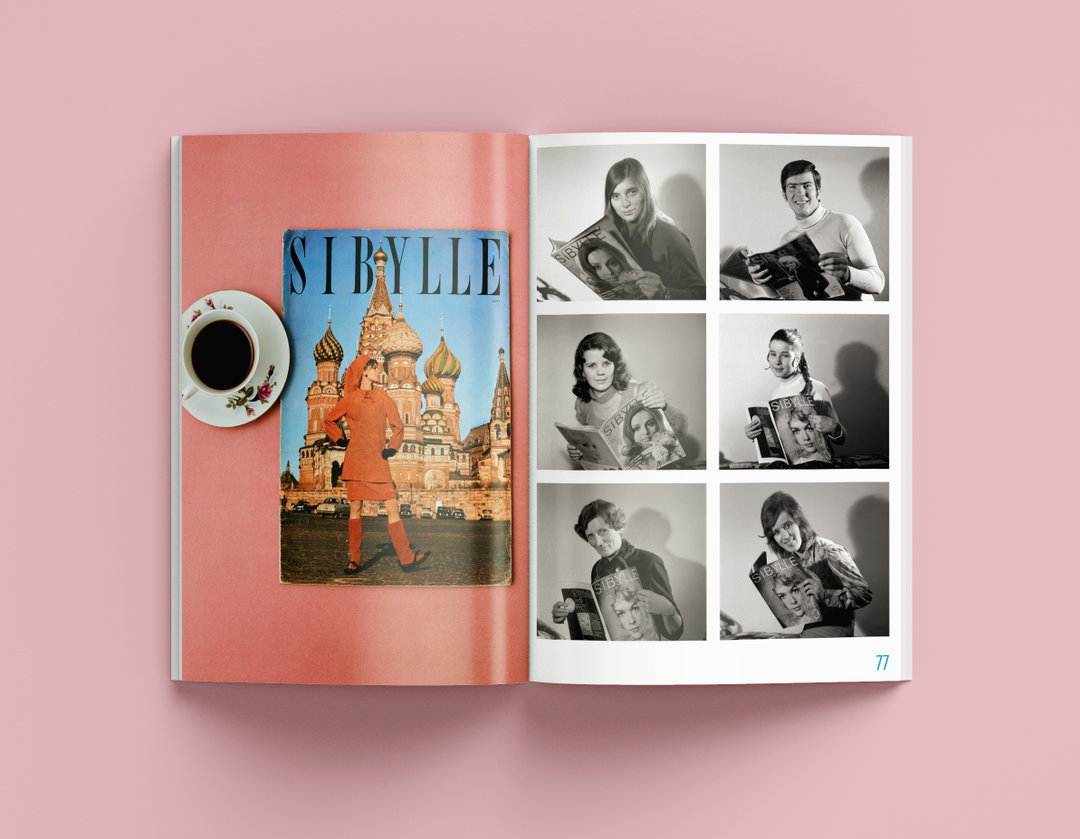
Mildew Magazine: Sibylle Magazine (Copyright © Mildew Magazine 2024)
“Then, making Issue 3, the writer Elle Carroll pitched us a story about Sibylle, an anti-capitalist fashion magazine from East Germany,” Ellen tells us, which ran from the 1950s all the way to the 1990s. “It was so interesting to me to learn about, because the question people always asked me when I first explained my idea for Mildew was: ‘But how do you make a fashion magazine that isn’t about selling stuff?’”. But, Ellen reasons, “a lot of us are no longer aspiring to what mainstream or high fashion is selling.” And so, Mildew’s existence became about “revelling in the decay of fashion”, telling stories that explore the possibilities of used clothes rather than telling people what to wear.
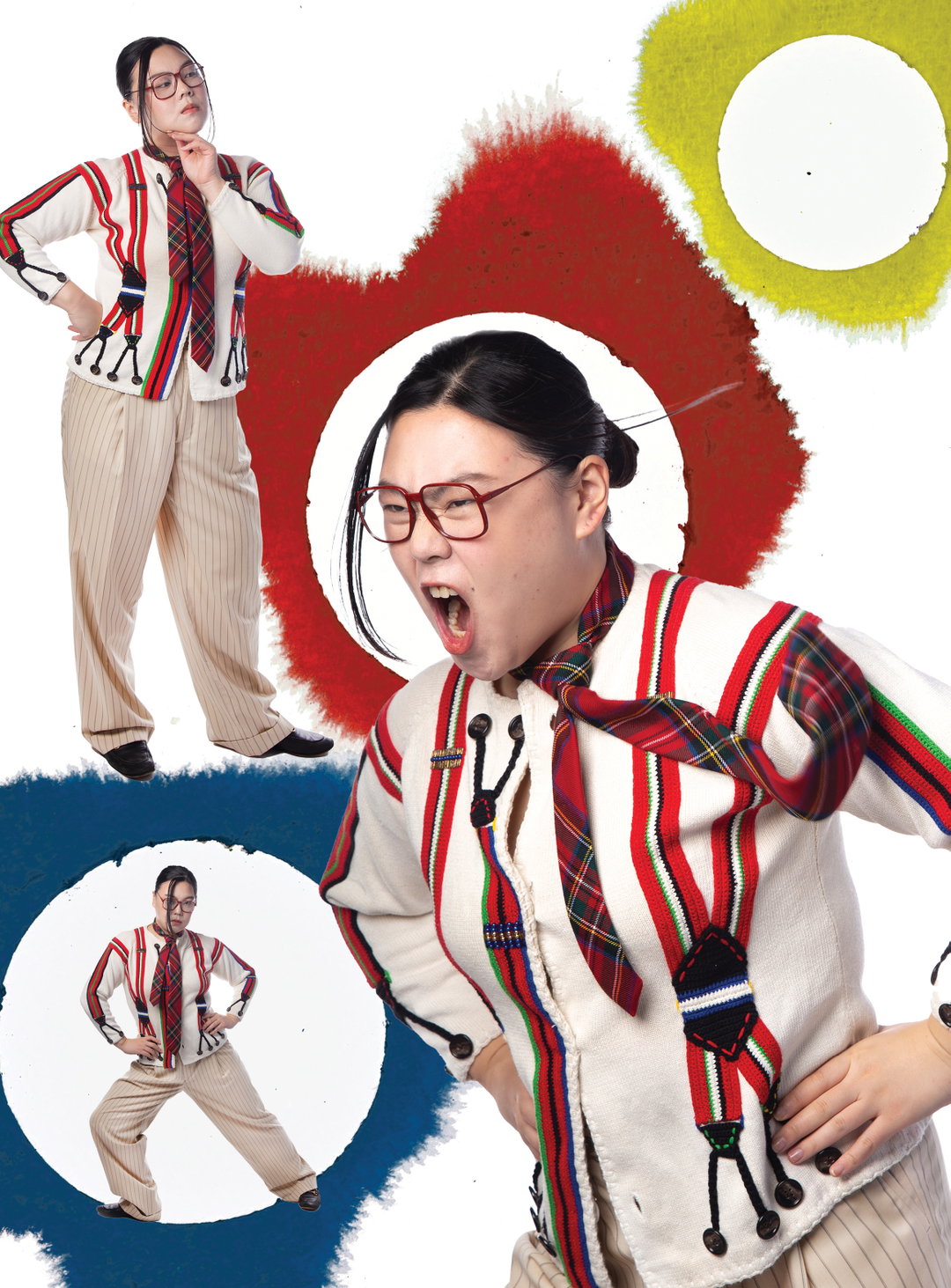
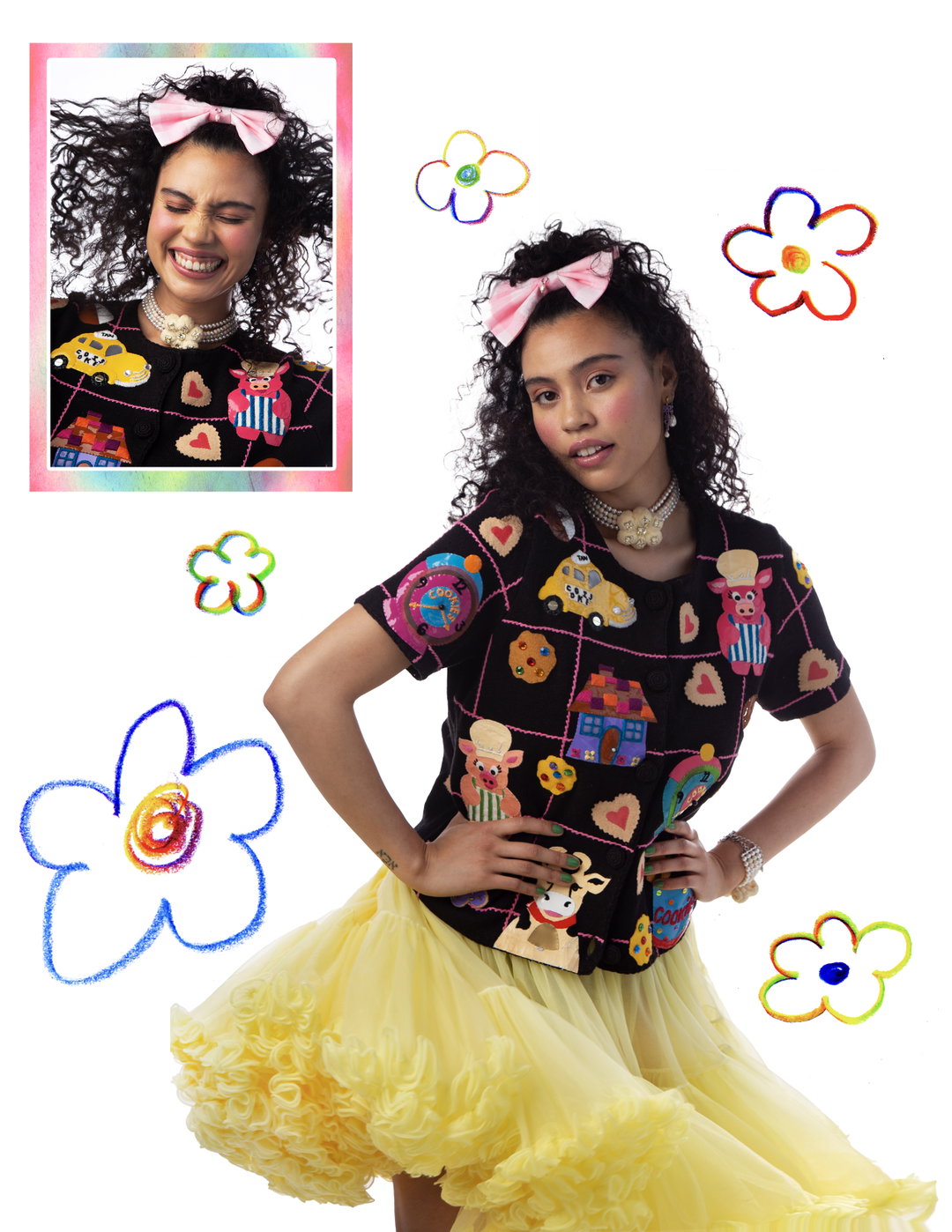
This notion is represented through the annual magazine’s editorial identity, whereby it subverts the format and intentions that you might expect from a fashion magazine. “I really don’t want the magazine to be preachy or explicitly didactic (fast fashion: bad!, used clothes: good!)” Ellen says, “but I think there’s something powerful about just putting thrift store stuff into the format of a traditional fashion magazine.” Such as a “high fashion-style” editorial photoshoot that exclusively showcases secondhand clothes. But Ellen also stressed the modern nature of the magazine: “I want people to see that wearing vintage doesn’t mean dressing like you’re in a period piece, so it’s not like we’re not doing pastiche either.”
When it comes to the design, Ellen tells us that the team opted for something jumbled, messy and wonderfully chaotic. “Our designer, Corbin LaMont and I, want flipping through the magazine to feel like browsing a thrift store rack, so we use a lot of clip art, photo cut-outs, different typefaces, and hand-drawn elements for texture,” Ellen says. “We don’t really do the classic magazine format with front-of-book, middle-of-book, and back-of-book sections either.” She continues: “I want it to be like a flea market where there’s underwear and a sequinned gown and athletic shorts all piled together, and you see what happens to catch your eye.”
As such, Ellen’s editorial focus prioritises eclectic, exciting stories that come from outside what we imagine ‘fashion capitals’ to be, all whilst making sure the pieces feel timeless rather than trendy. “We’ve featured an editorial from Lithuania, designers working in Seattle and rural Mississippi, an artist in Côte d’Ivoire, and reuse culture from the Philippines,” Ellen concludes. “I’m not really setting out to try to convince anyone of anything, but I think the best way for us all to move towards a more sustainable fashion landscape is to really see the people and stories behind our things,” a goal Mildew is tackling piece by piece.
GalleryMildew Magazine (Copyright © Mildew Magazine 2024)
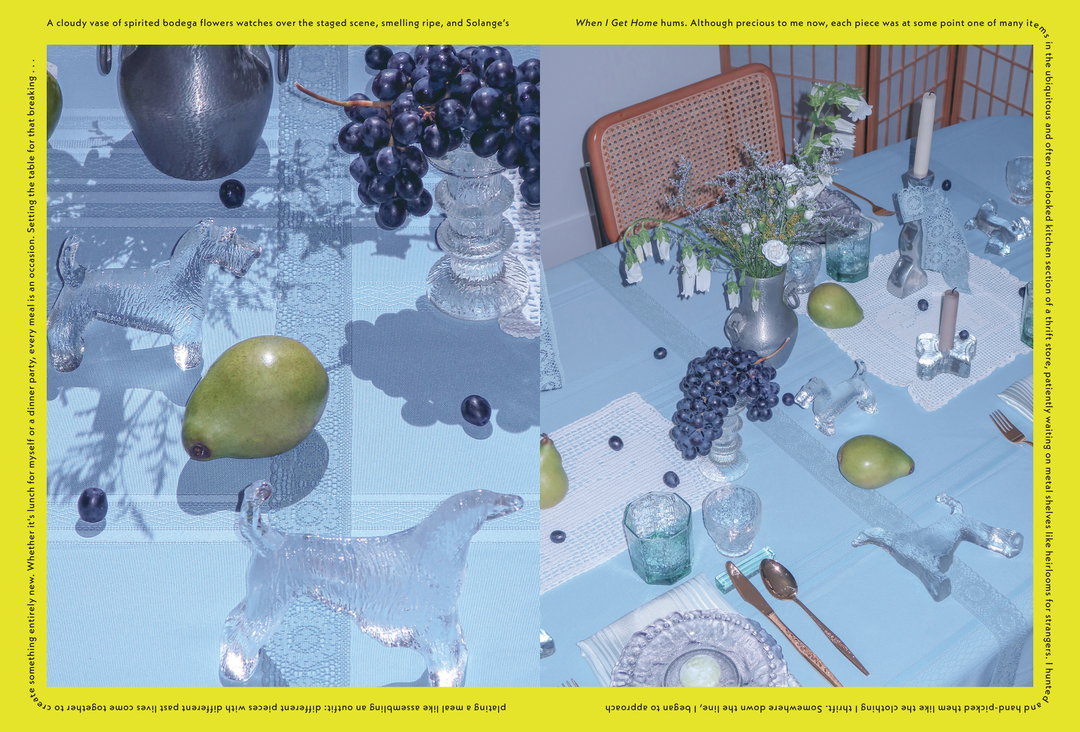
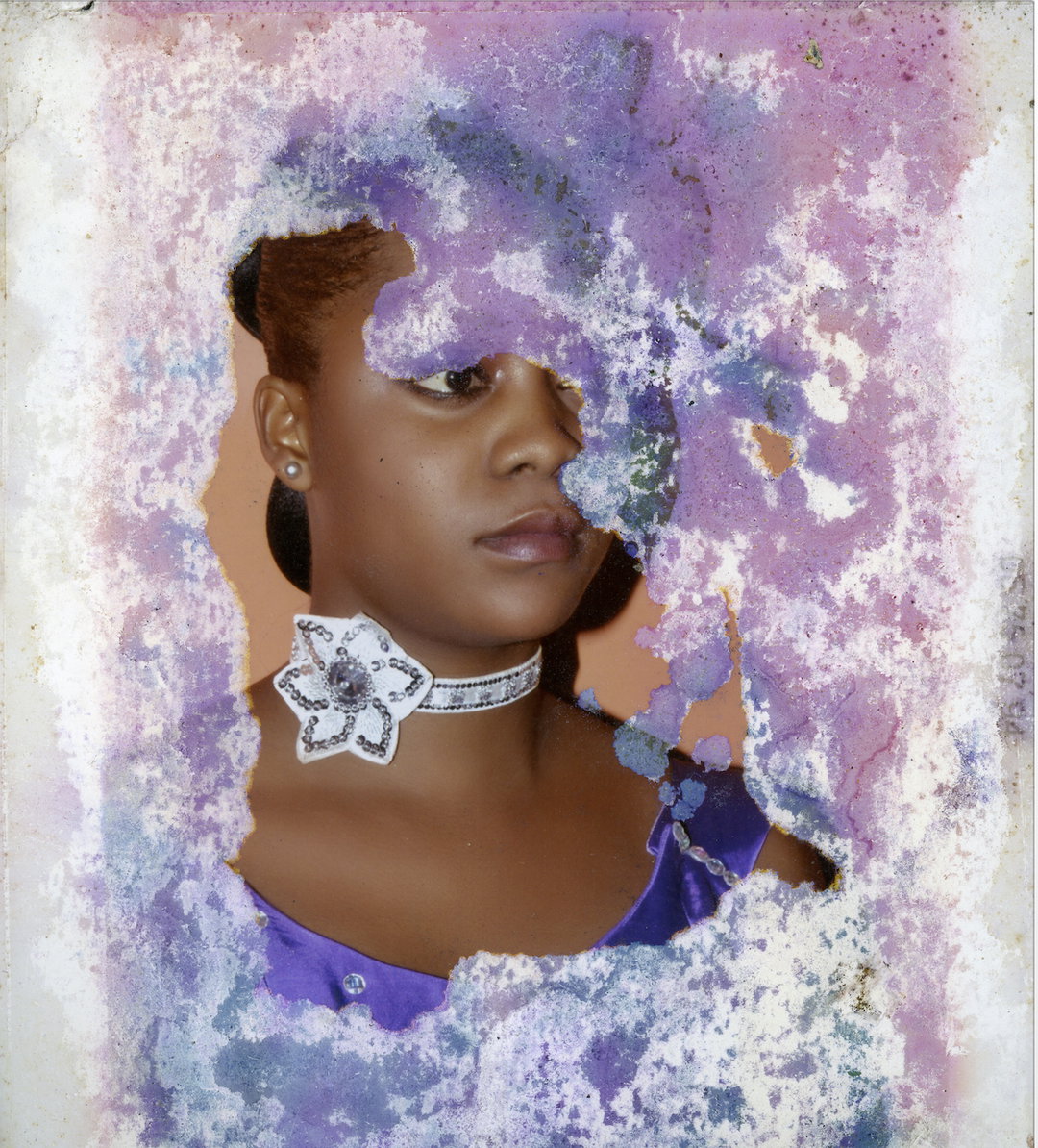
Mildew Magazine: Gifted Mould Archive (Copyright © Mildew Magazine 2024)
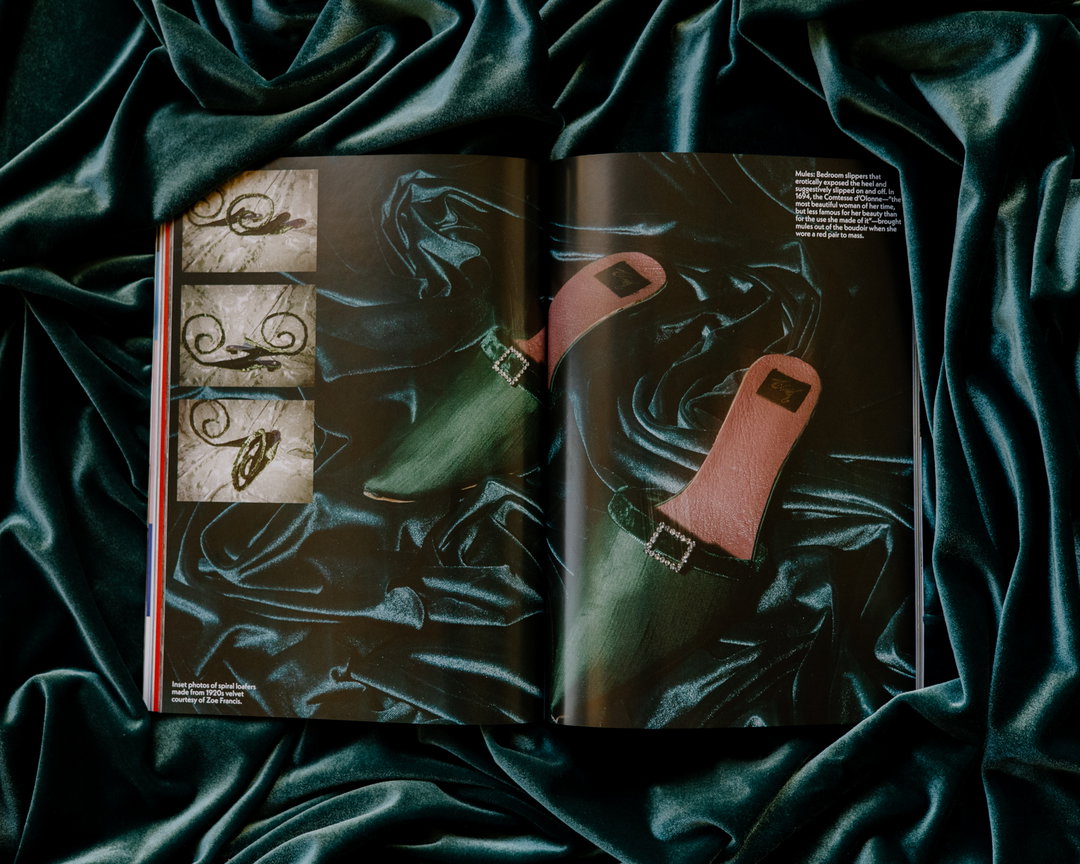
Mildew Magazine: Theodosias (Copyright © Mildew Magazine 2024)
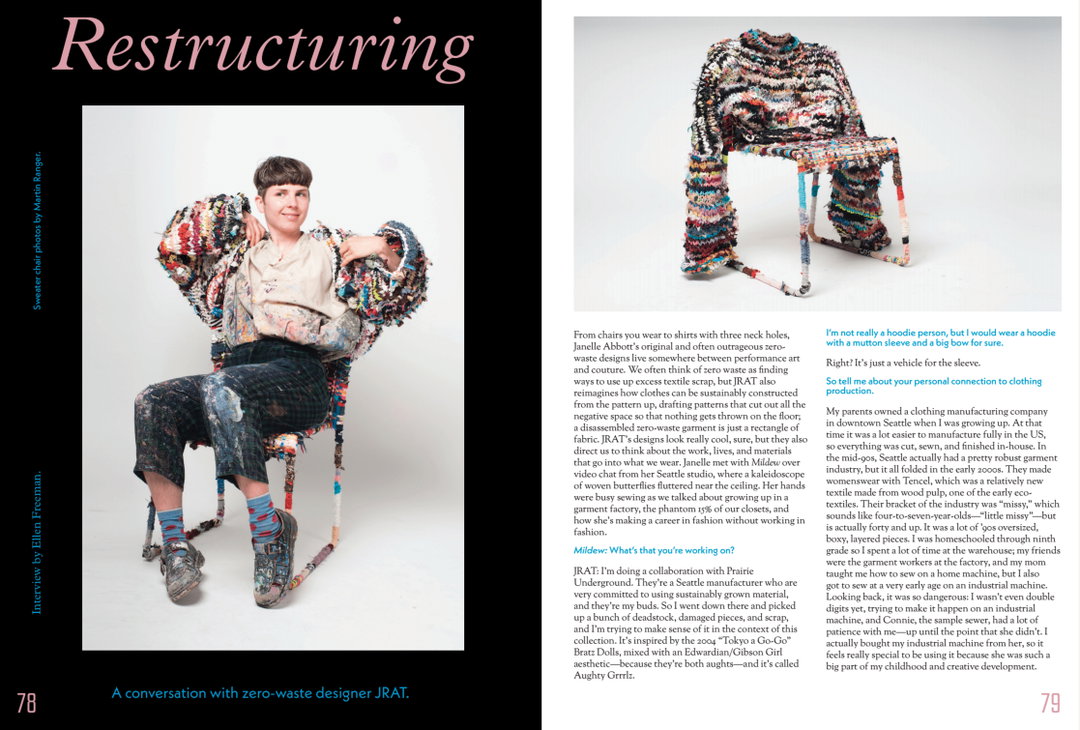
Mildew Magazine: JRAT (Copyright © Mildew Magazine 2024)
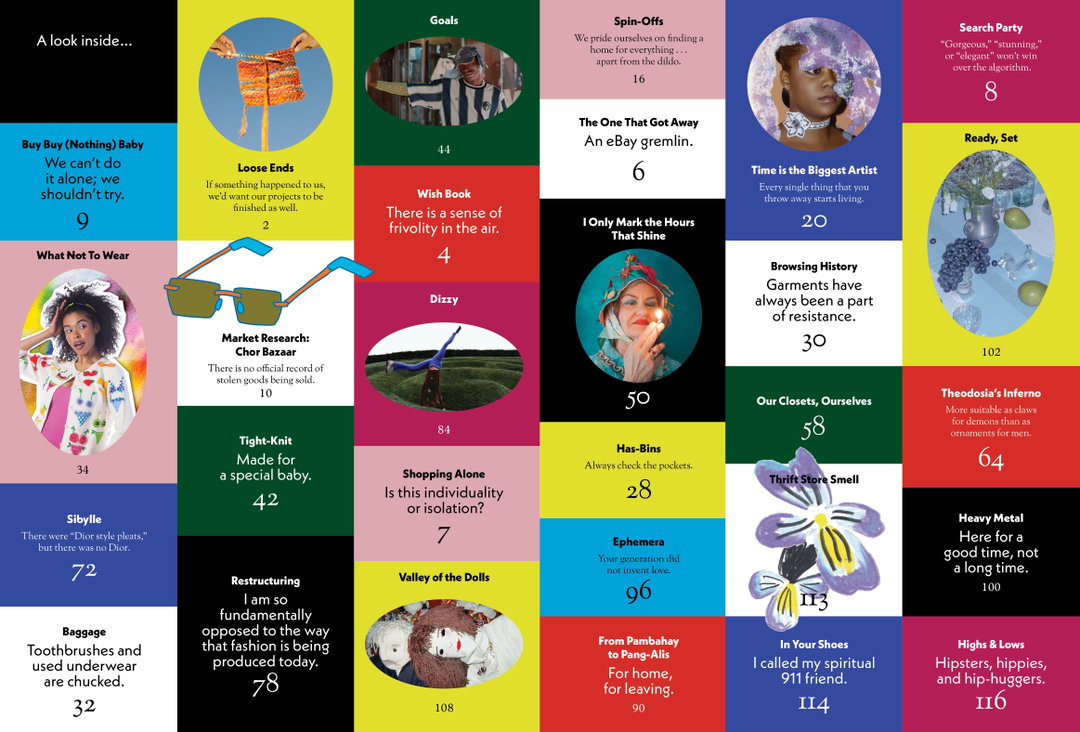
Mildew Magazine: Table of Contents (Copyright © Mildew Magazine 2024)
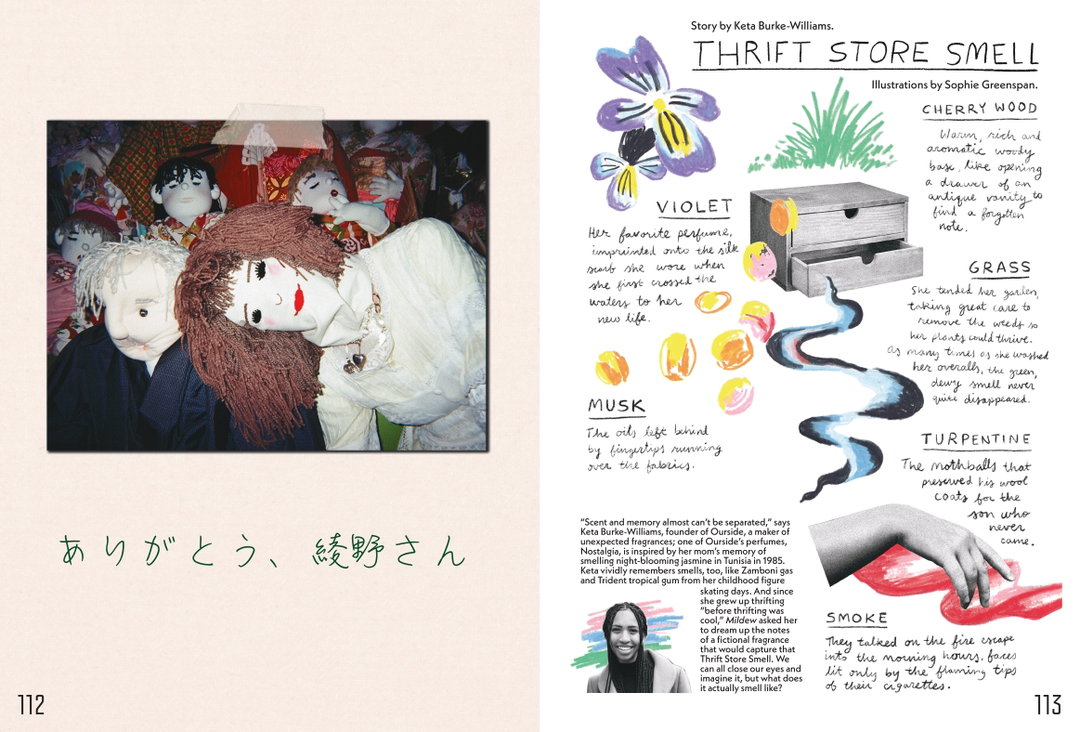
Mildew Magazine: Valley of the Dolls (Copyright © Mildew Magazine 2024)
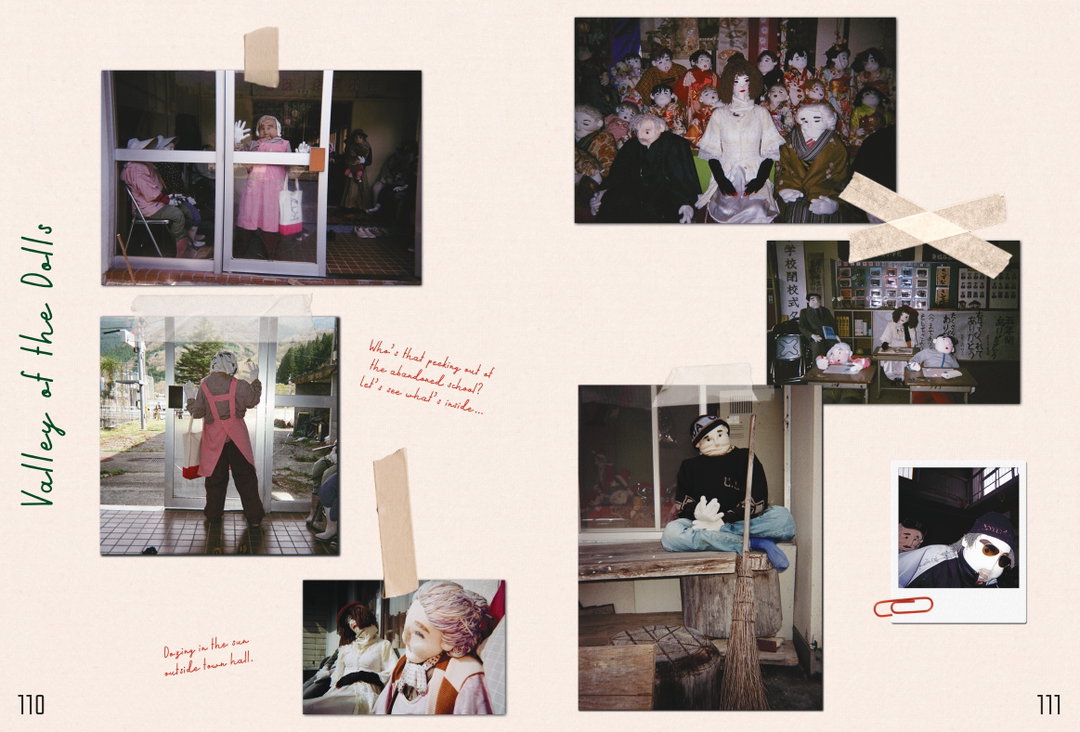
Mildew Magazine: Valley of the Dolls (Copyright © Mildew Magazine 2024)
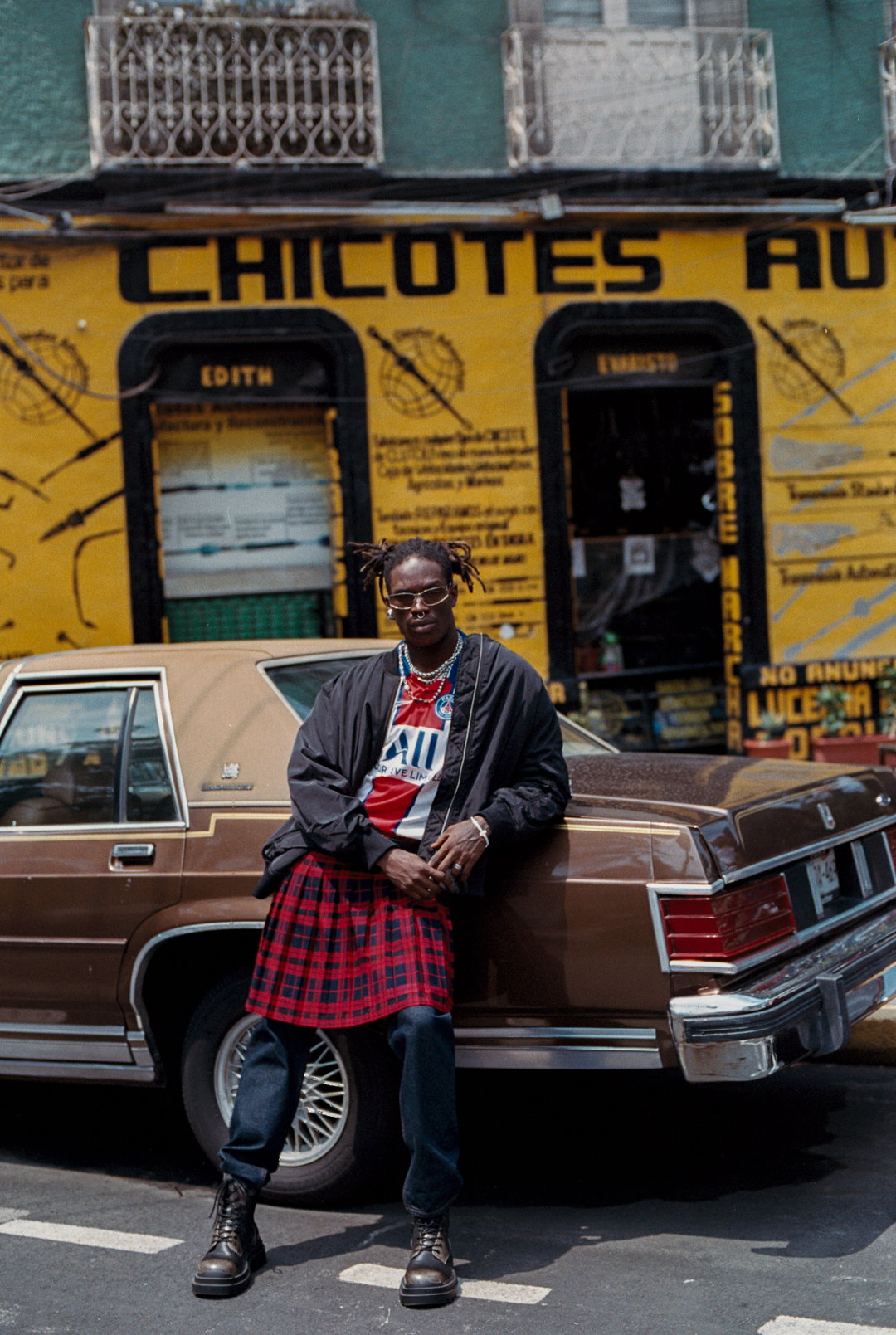
Mildew Magazine: Goals (Copyright © Mildew Magazine 2024)
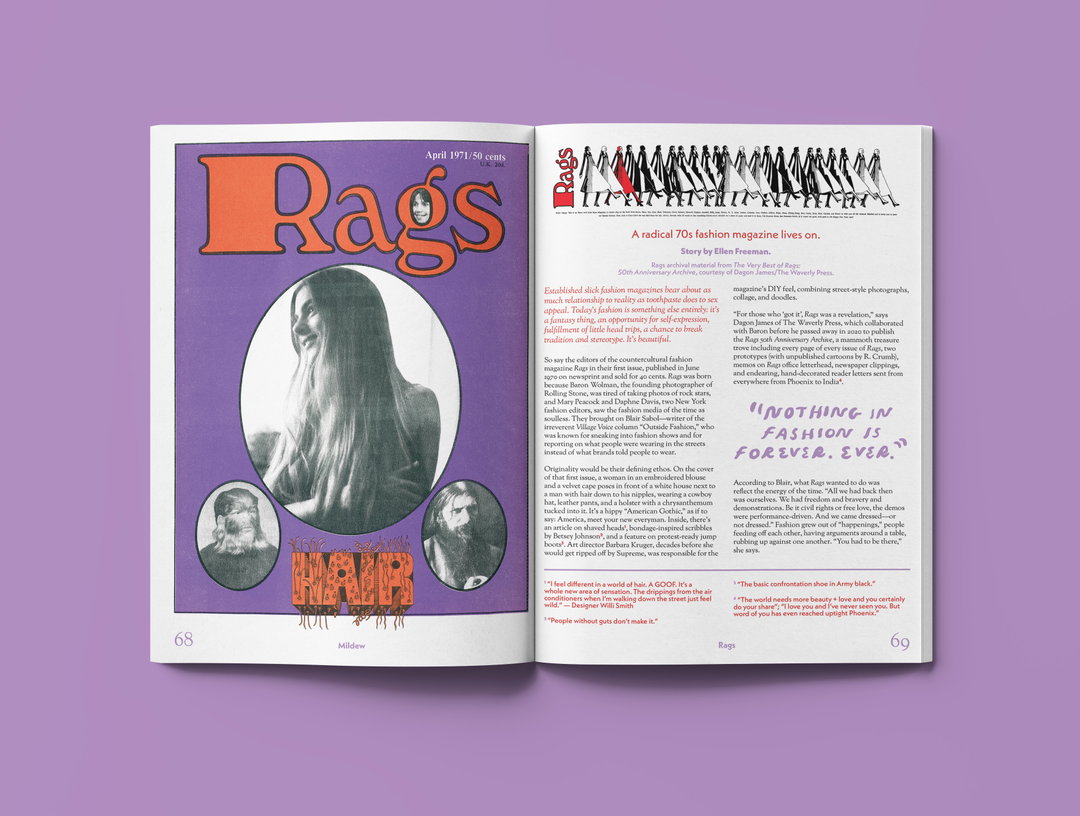
Mildew Magazine: Rags (Copyright © Mildew Magazine 2024)
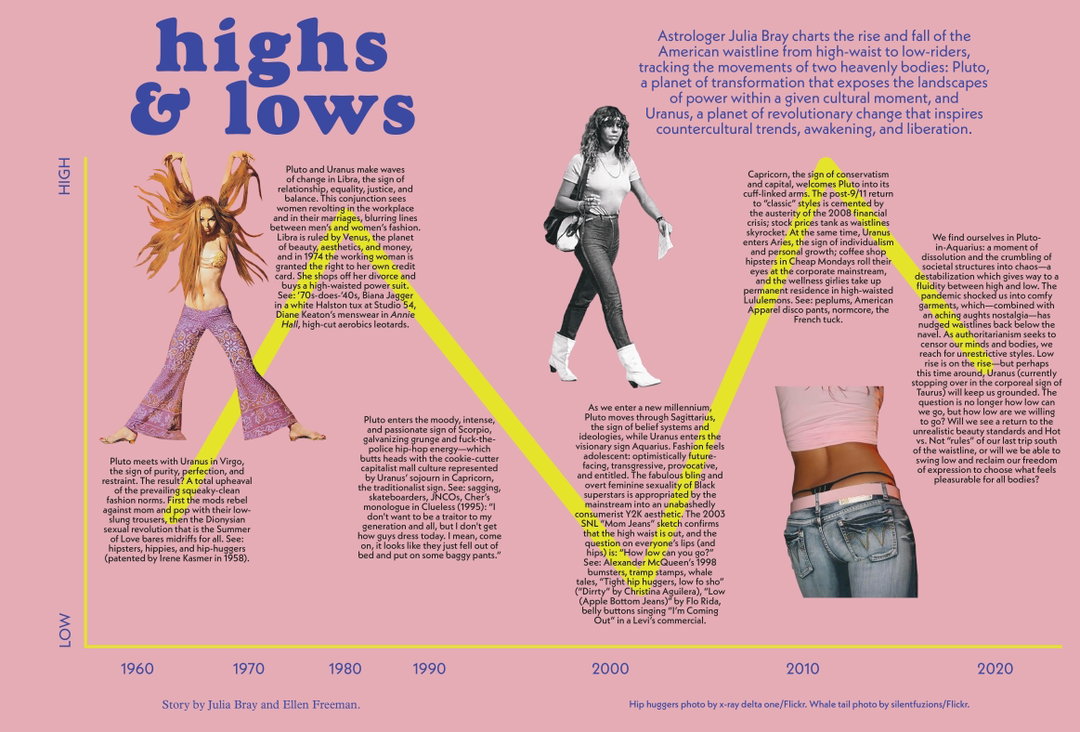
Mildew Magazine: Astrology (Copyright © Mildew Magazine 2024)
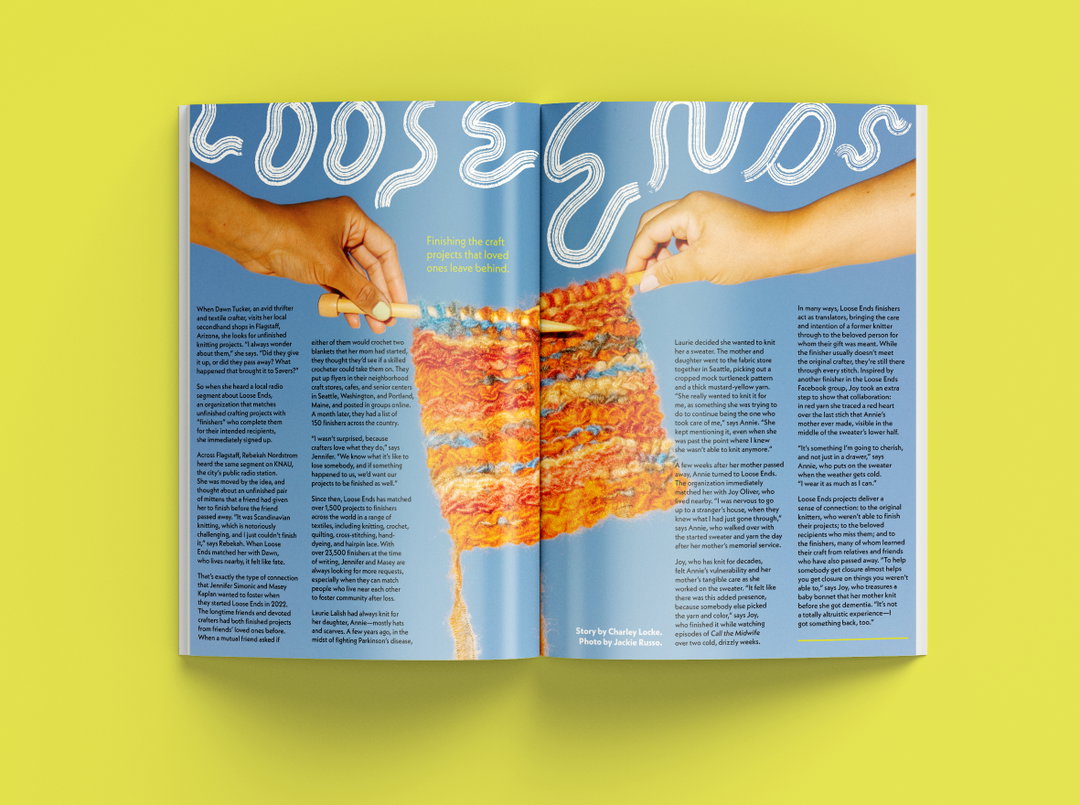
Mildew Magazine: Loose Ends (Copyright © Mildew Magazine 2024)
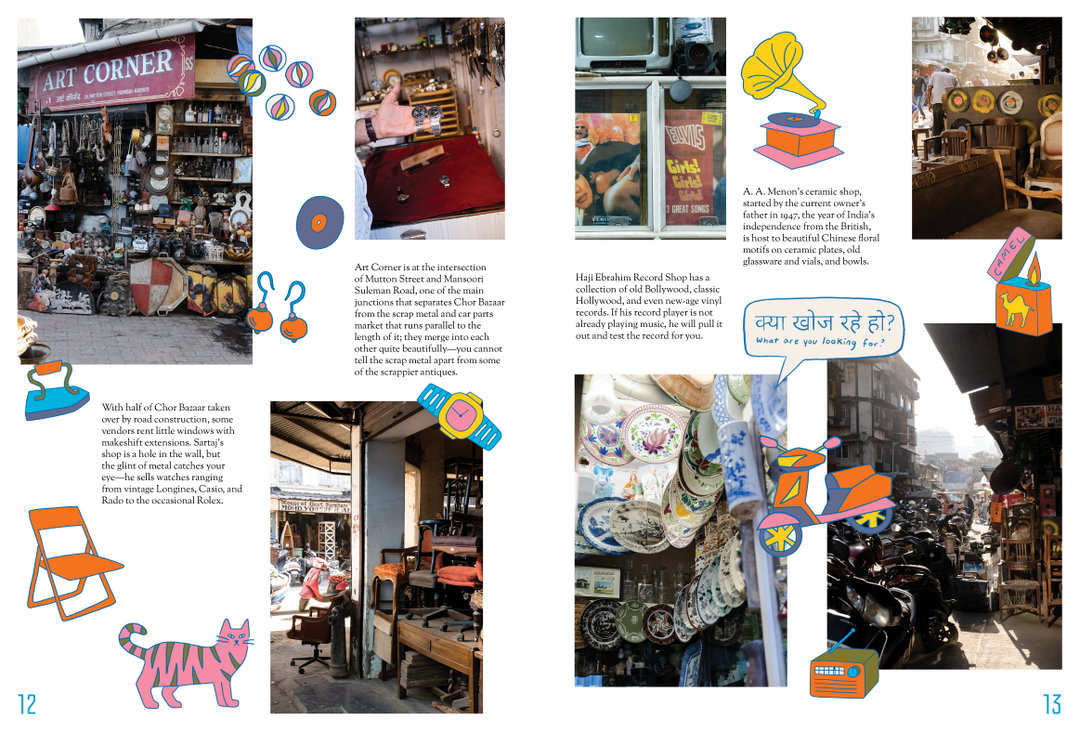
Mildew Magazine: Chor Bazaar (Copyright © Mildew Magazine 2024)
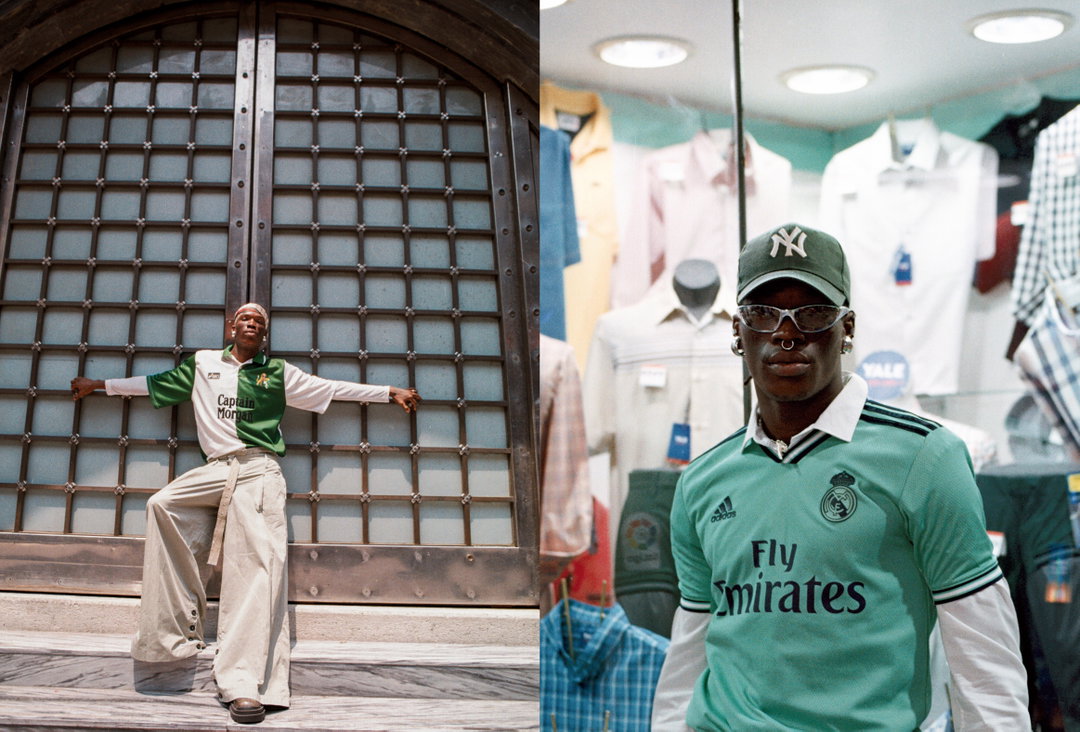
Mildew Magazine: Goals (Copyright © Mildew Magazine 2024)
Hero Header
Mildew Magazine (Copyright © Mildew Magazine 2024)
Share Article
Further Info
About the Author
—
Hailing from the West Midlands, and having originally joined It’s Nice That as an editorial assistant in March 2020, Harry is a freelance writer and designer – running his own independent practice, as well as being one-half of the Studio Ground Floor.