Never eaten a whole fish? This beautifully designed magazine will show you how to
The eclectic magazine from US-based studio Beams creatively curates the words of chefs, fishermen, fishmongers, and scientists. What are they talking about? Fish!
Beam studio has an interesting makeup. Based between Providence, Rhode Island, and Cambridge, Massachusetts, it was first founded in 2024 by RISD graduates Zoe Lee and Annie Chen before the introduction of Ryan Lettieri as its third director. The trio has already worked with huge institutions like NASA and MIT’s climate technology ecosystem, as well as smaller research organisations. The common factor is Beam’s future-facing approach and environmental focus; it’s directors want to come up with big ideas can actually help the world and everybody’s everyday. “There’s often a huge distance between planetary ambition and local action,” Zoe tells us, “that is, between the scale at which we study environmental problems or develop solutions, and the places where those changes ultimately play out.”
The role that design could play in this space interested the Beam team, culminating in remarkable scientific projects, publishing, expeditions, even touching on speculative design too. Zoe, Annie and Ryan hope to engage people to the point where audiences become curious about the world around them, rather than forcing any one specific POV. “What ties these projects together is an interest in the creative possibilities of subjects that are often treated as purely scientific or technical,” says Annie, “we think there’s a lot of room for wonder, play, imagination, and even humour in that process.”
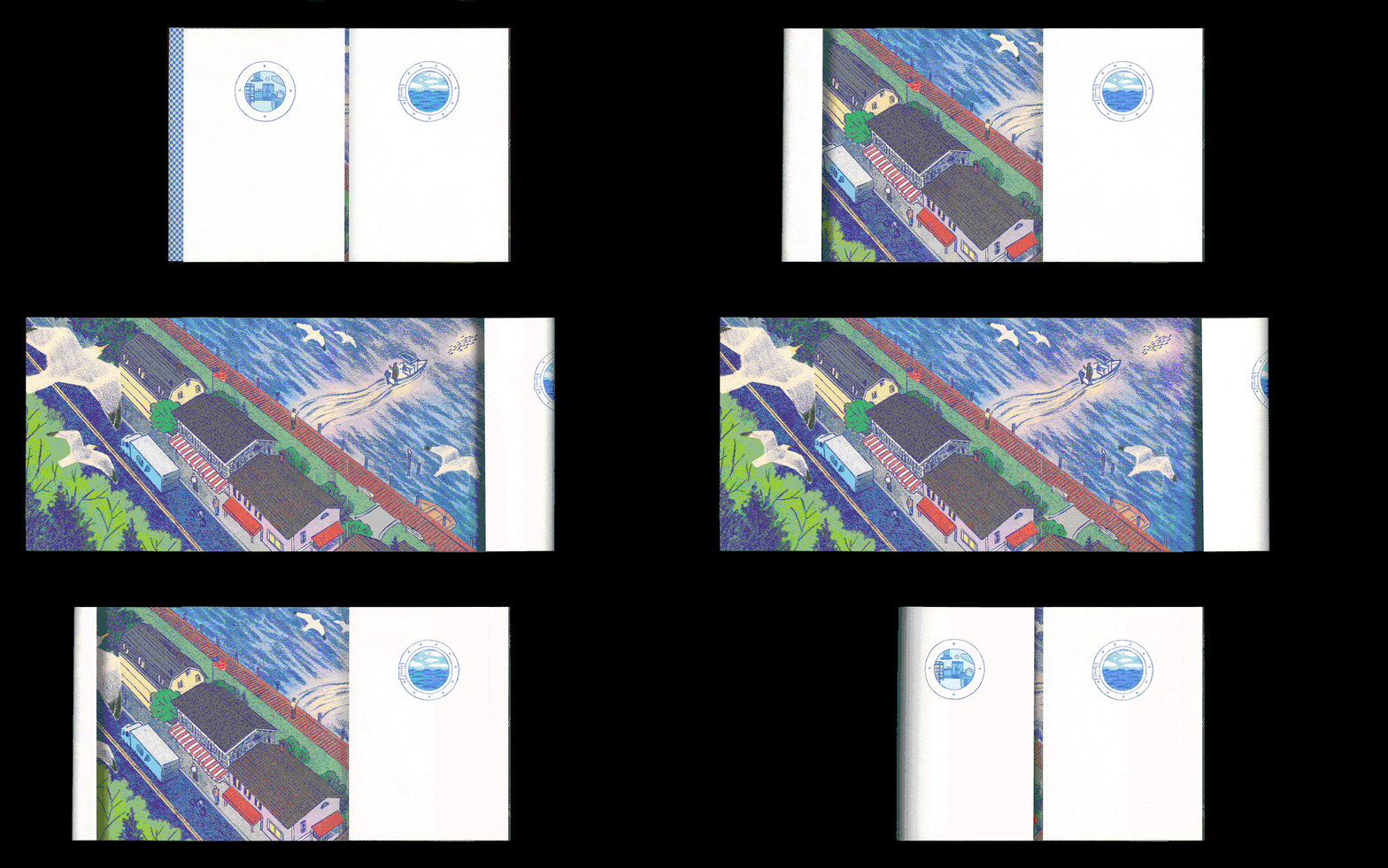
Beam: Eating the Whole Fish (Copyright © Beam 2026)
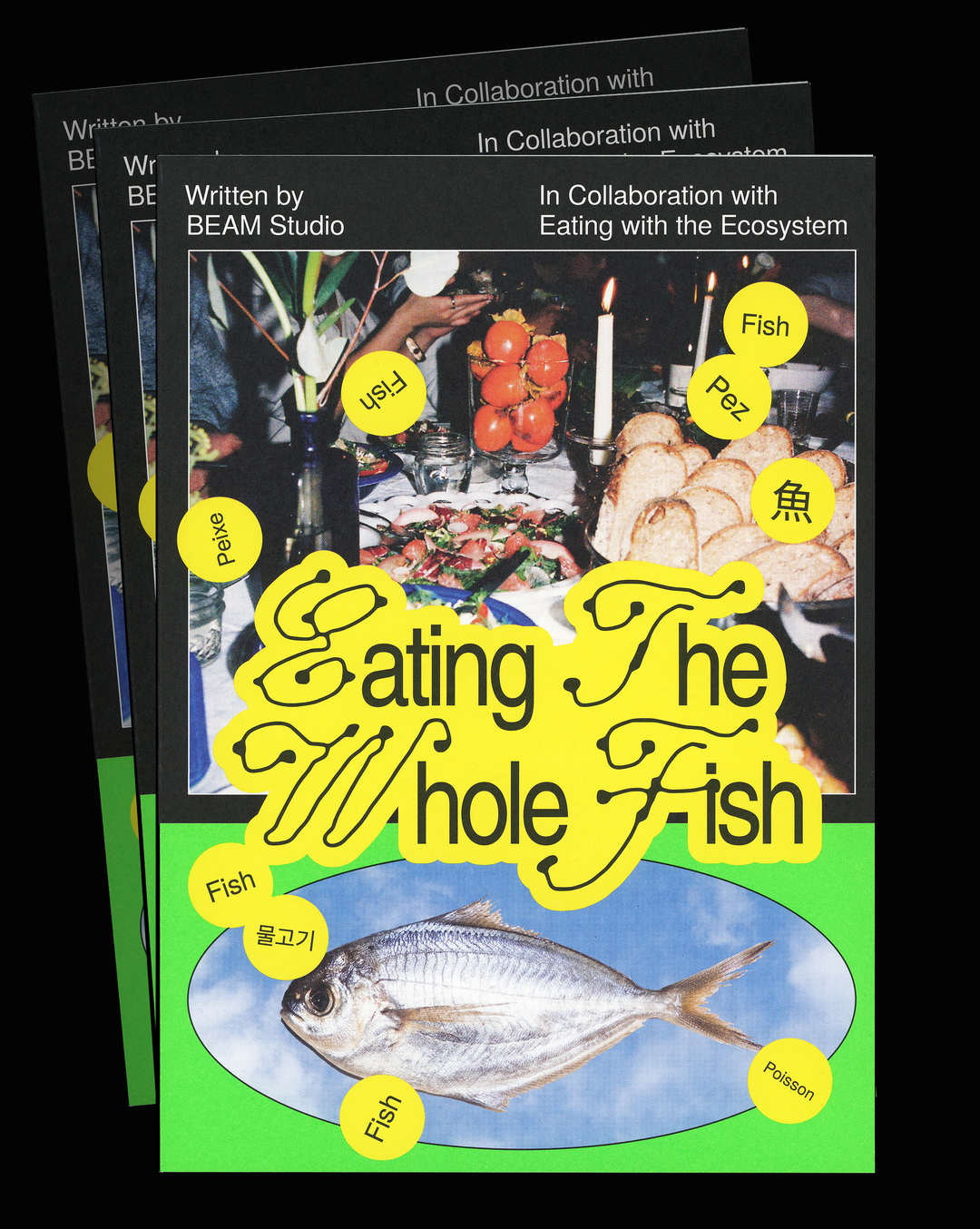
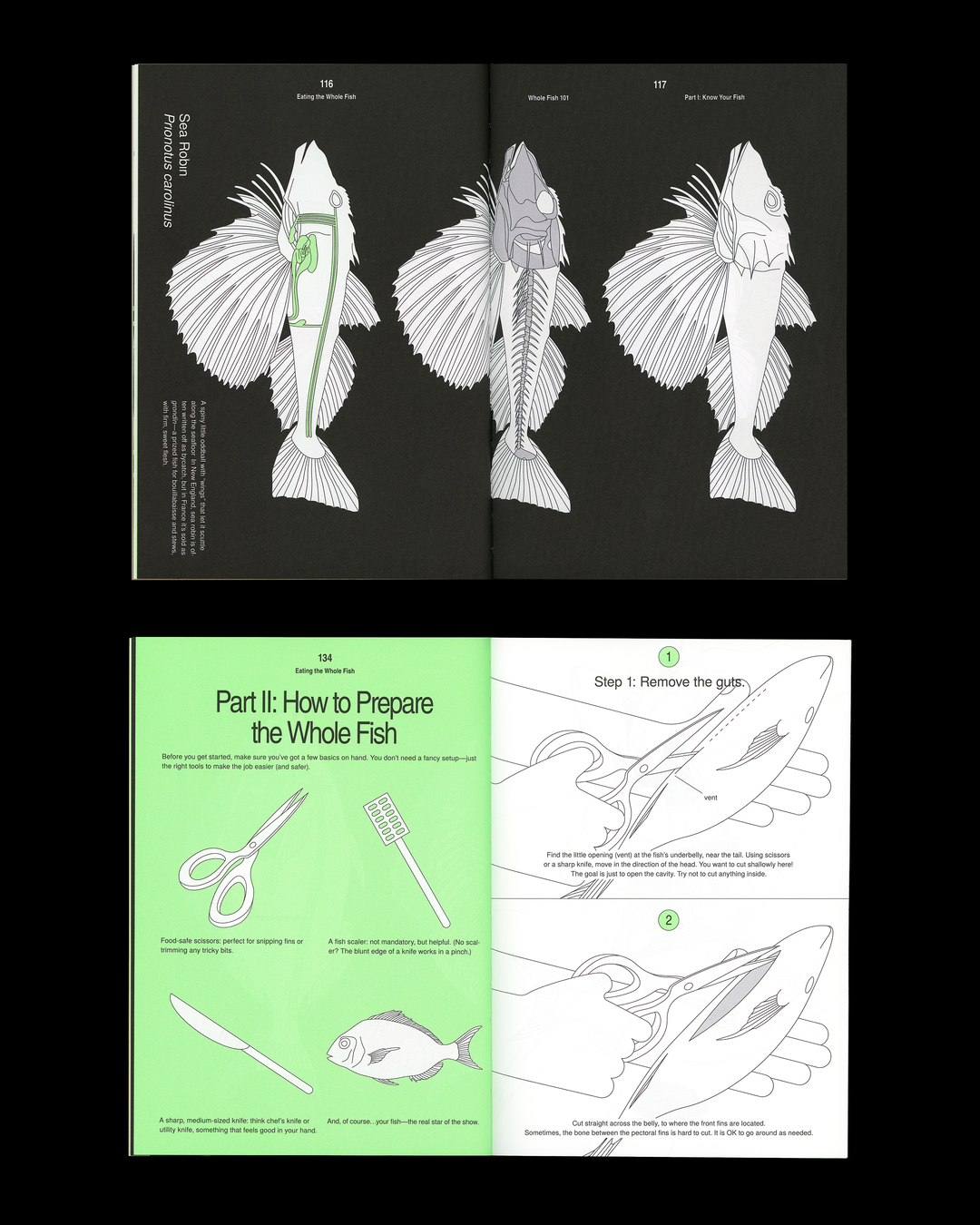
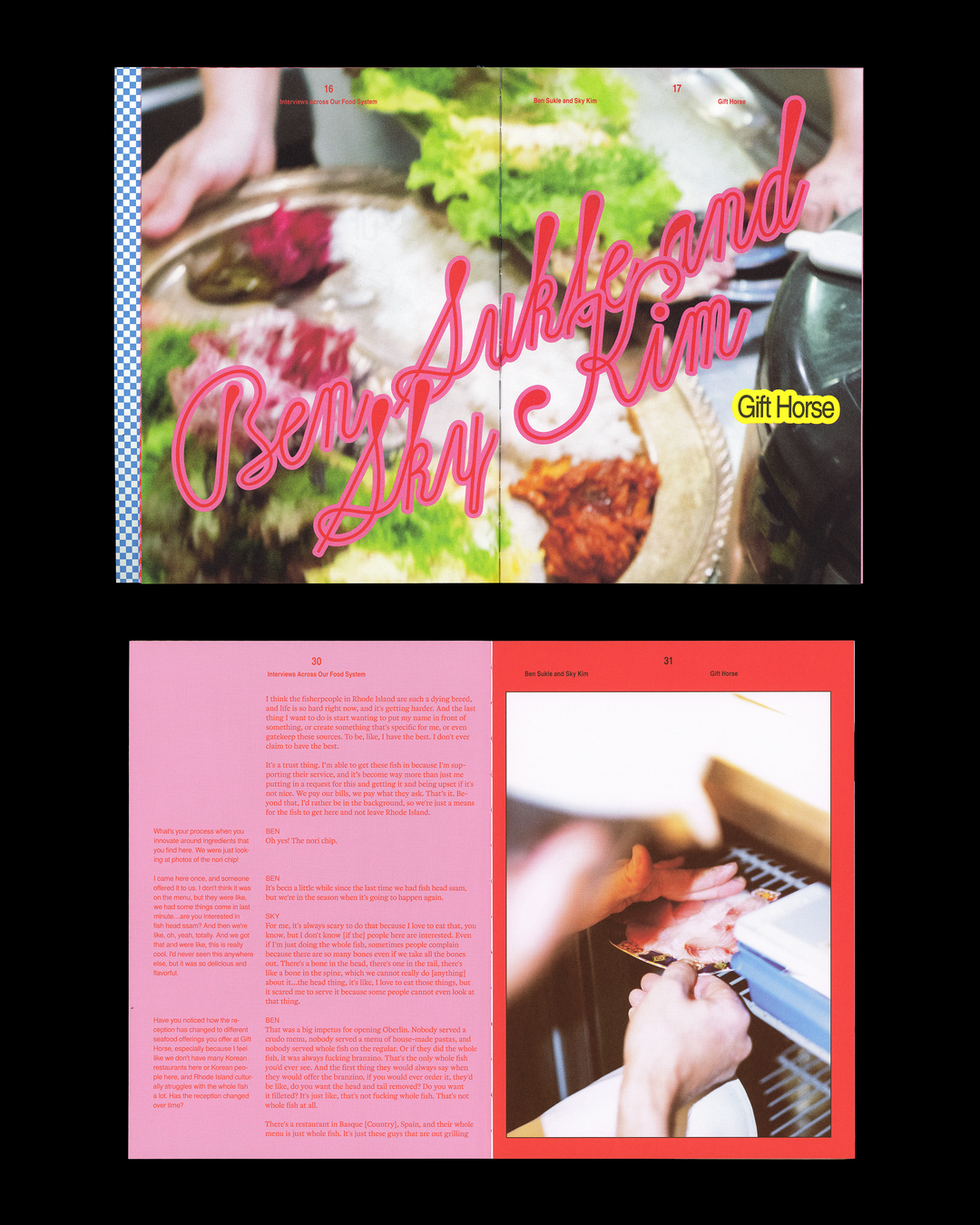
The studio’s magazine, Eating The Whole Fish, is an embodiment of this approach. The 200-page magazine-meets-cookbook-meets-cultural-archive-meets-research-paper curates dozens of practical guides, recipes and interviews to get people excited about one thing: fish! “Eating the Whole Fish began with a question from our partner Kate Masury, director of Rhode Island nonprofit Eating with the Ecosystem,” Ryan explains, “how could more people eat with their local waters?” After all, New England has an abundant marine ecosystem, yet most of its bounty is shipped elsewhere.
“One surprisingly simple barrier is that many delicious local species are better suited to being cooked whole,” Annie explains, “but people accustomed to boneless fillets don’t necessarily know what to do with them.” Hence, the project and its title. But the drive behind the magazine has an altogether more personal layer. “For us, this connected to knowledge passed down through our own immigrant families,” says Zoe, “we grew up eating fish with its head, skin, and bones intact. What might feel unfamiliar to some is, in many cultures, simply dinner.”
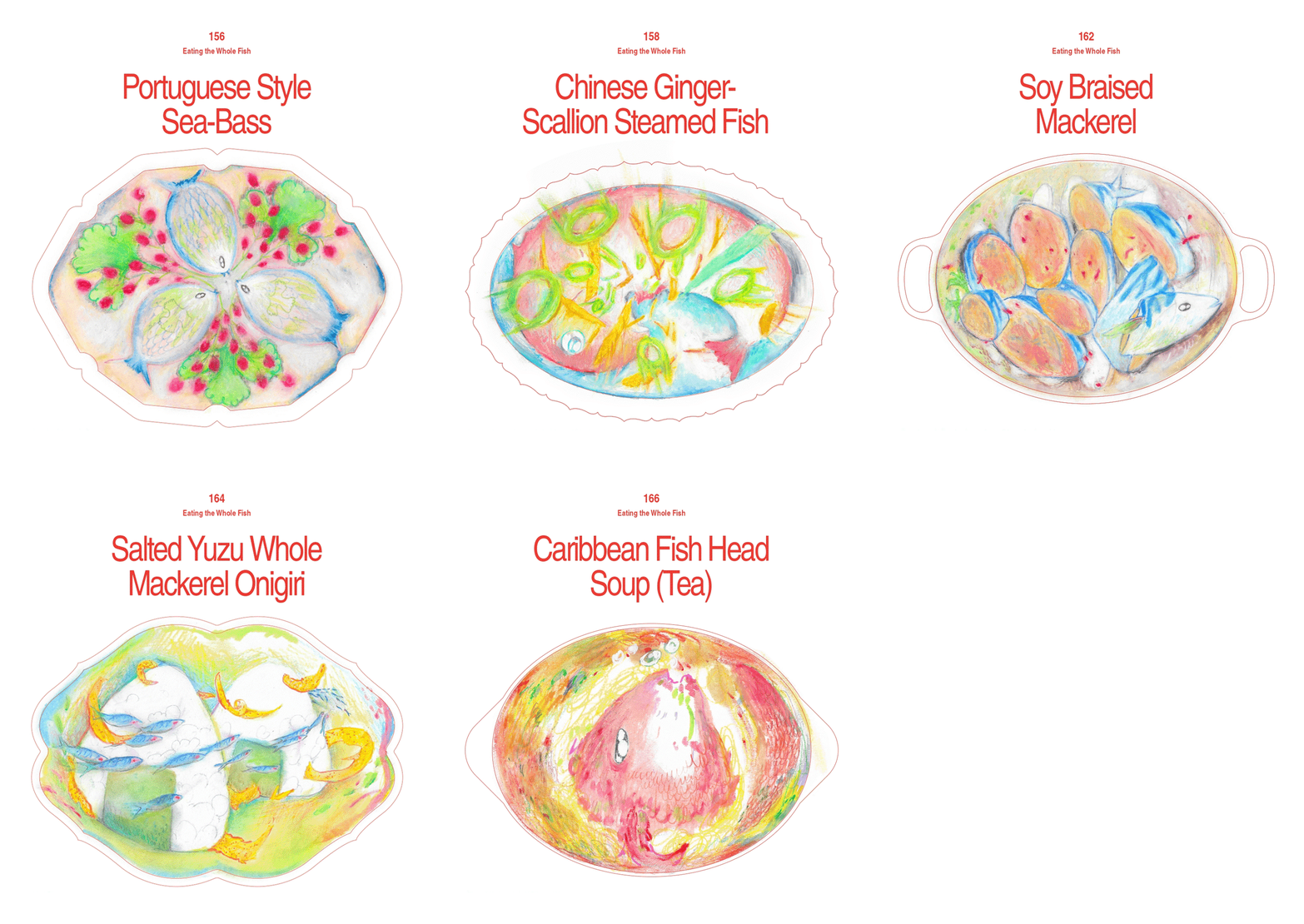
Beam: Eating the Whole Fish (Copyright © Beam 2026)
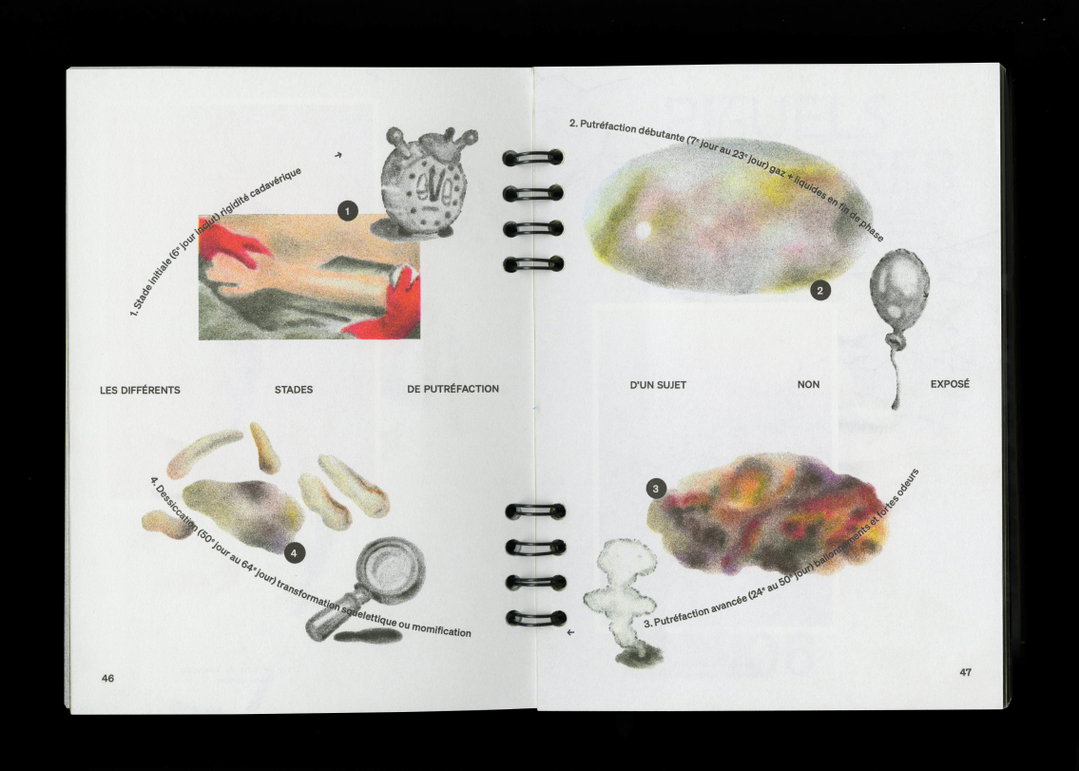
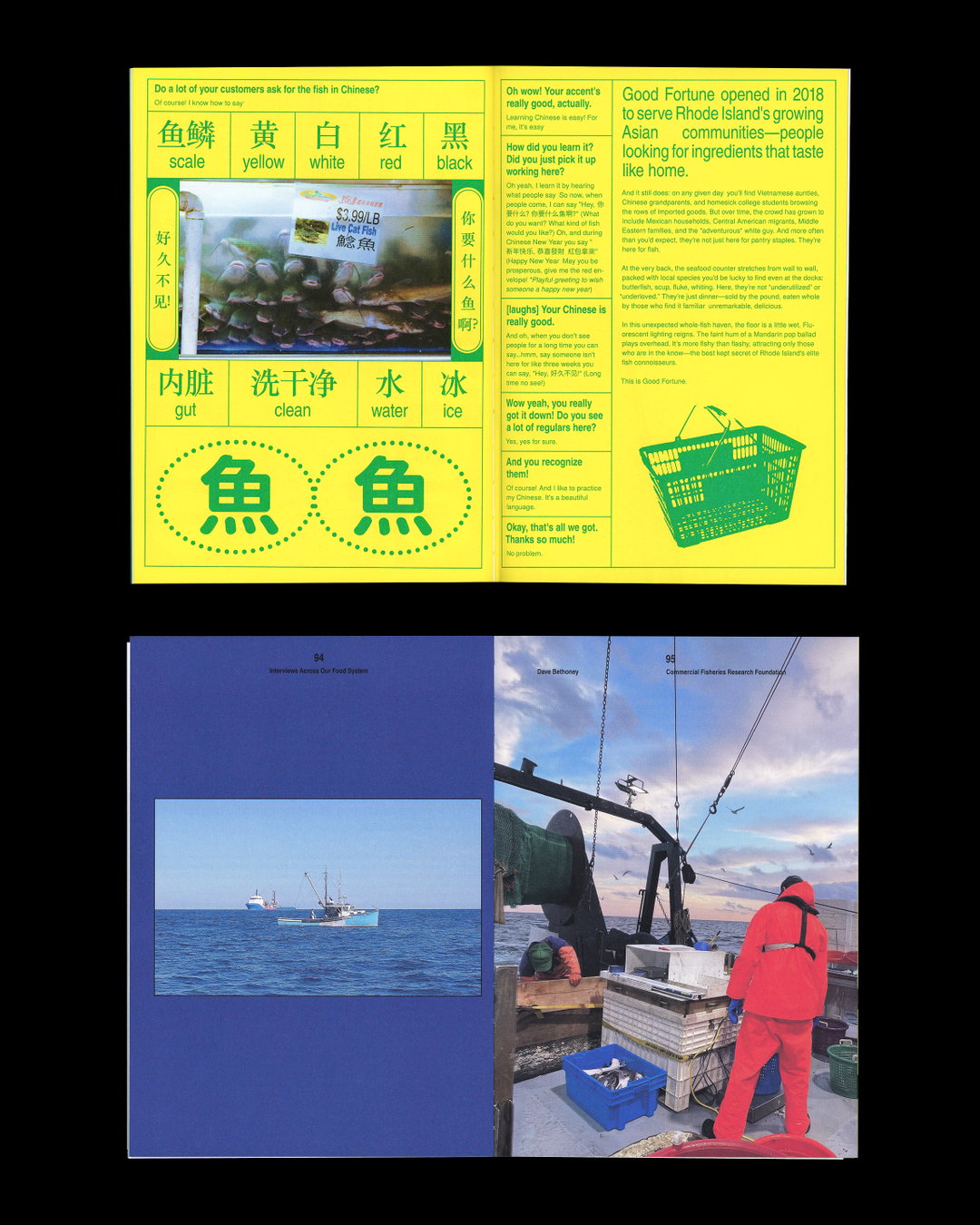
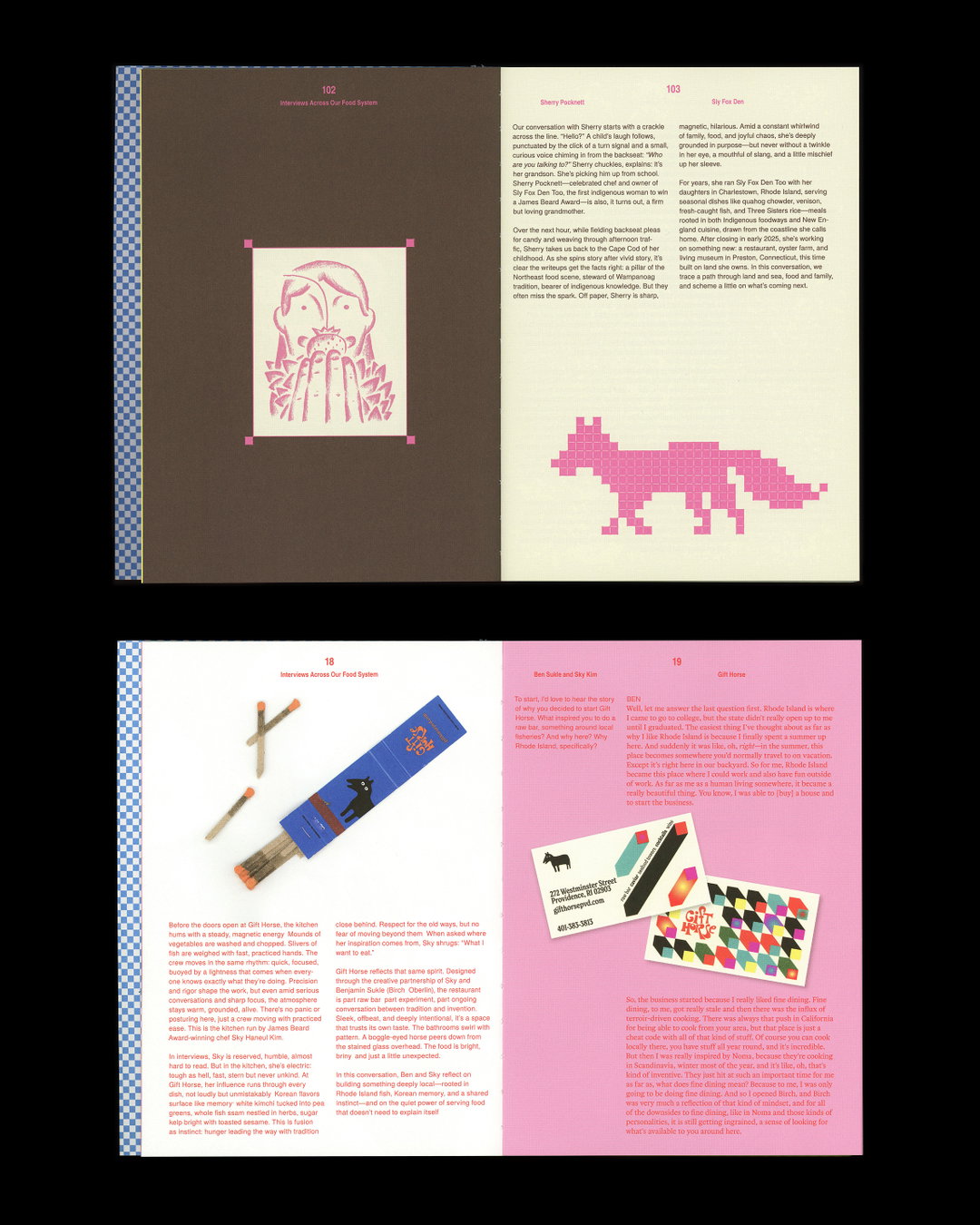
What started as an instructional zine – where the trio spoke to chefs, fishermen, fishmongers, and scientists – quickly grew into a bigger story, one about “culture, migration, supply chains, and ecology”, says Annie. This included a highly detailed, gatefold illustration of the relationship between a chef and a fisherman, hand-cut collages and a photo essay about a Chinese supermarket. This eclectic mix is mirrored in the editorial’s diverse design, featuring checkerboard patterns, anatomical diagrams and references to fish packaging, supermarkets and domestic craft. The influx of influences directly spoke to the magazine’s content too. “A lot of the fun came from seeing where these worlds could collide,” Ryan says, with the checkerboard motif that referenced familiar seafood shack tablecloths also reassembling pixel patterns, cross-stitch and data fields. “We wanted to strike a balance between playfulness and legibility without losing the personality of the book,” Ryans add.
Working with frequent collaborator Kayla Feng on Eating The Whole Fish’s design – who also studied at RISD – the magazine had a tremendous amount of love and care poured into its creation. “It’s a love letter to the diversity, eclectic kitsch, and heart of New England’s seafood culture,” Zoe says, and it’s one that doesn’t rely too heavily on nostalgia or New England tropes. “Beyond clam shacks and lobster rolls, are diasporic food cultures, Indigenous knowledge, and generations of different ways of catching, cooking, and understanding the fish in our waters,” Annie adds. This richness is what Eating The Whole Fish reflects. “The hope is to turn some of the curiosity and excitement around the book into real changes in how people buy, cook, and eat seafood,” Ryan ends, “while creating more opportunities for local fishermen and strengthening the connections between our coastal communities and the waters that sustain them.”
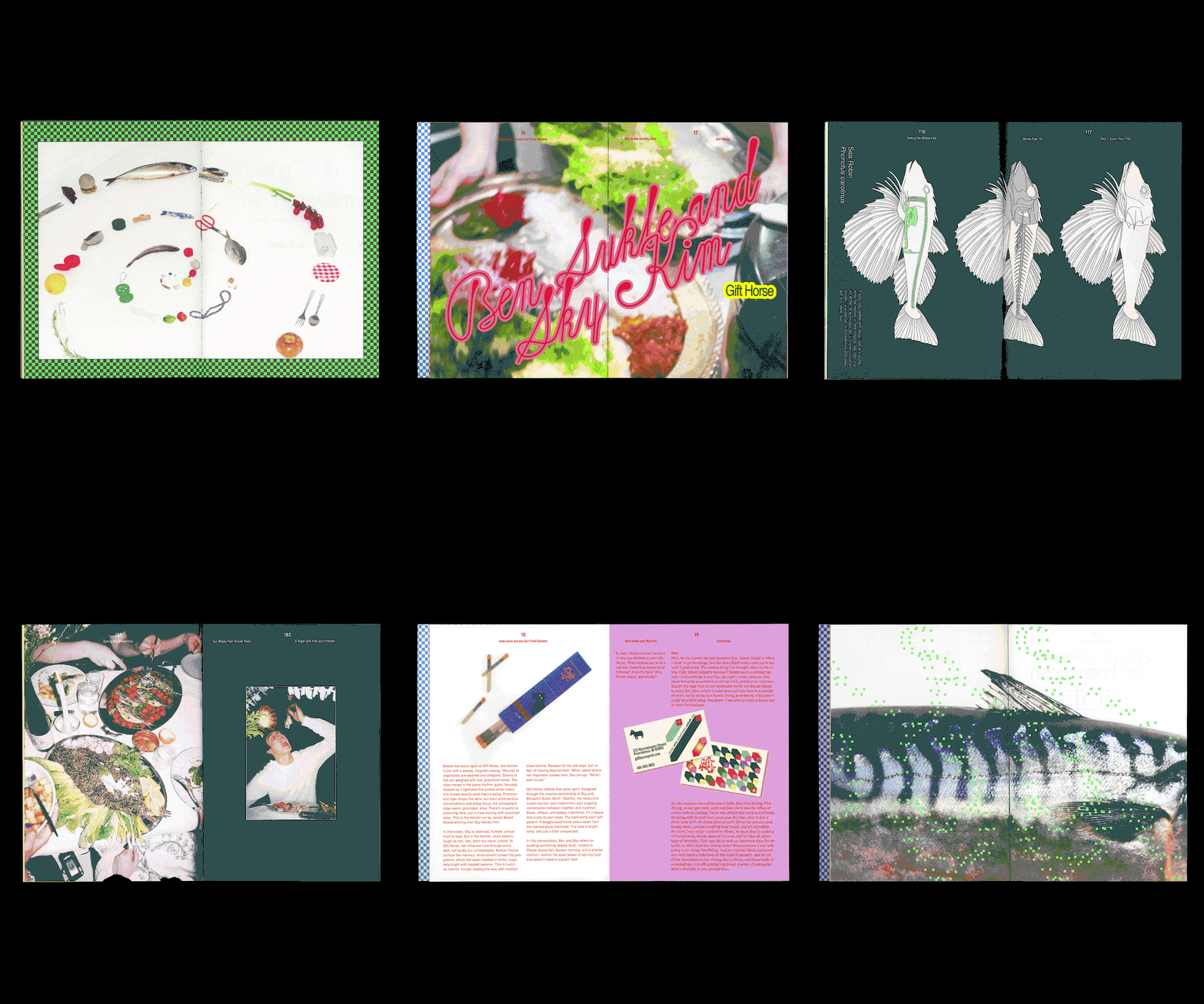
Beam: Eating the Whole Fish (Copyright © Beam 2026)
GalleryBeam: Eating the Whole Fish (Copyright © Beam 2026)
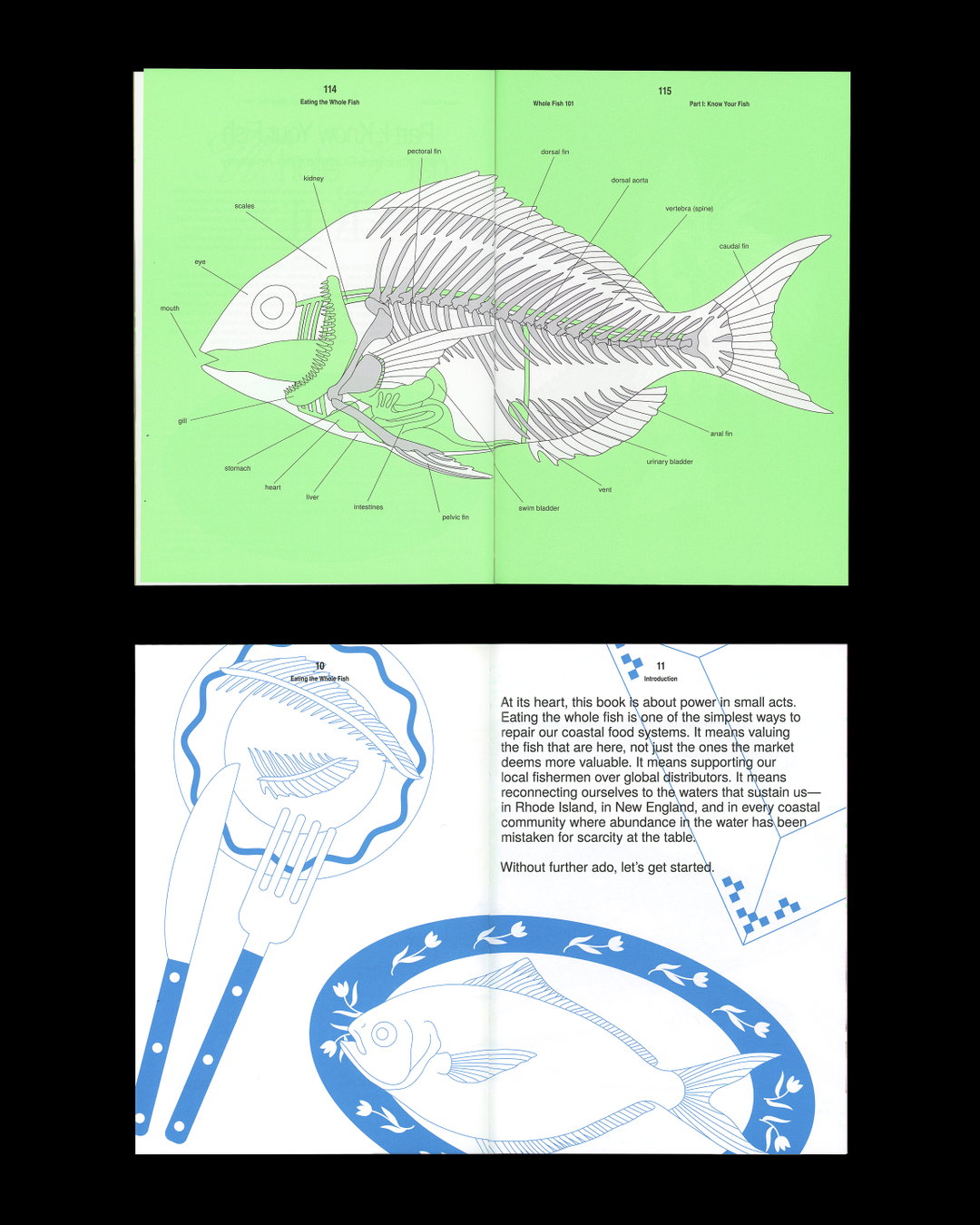

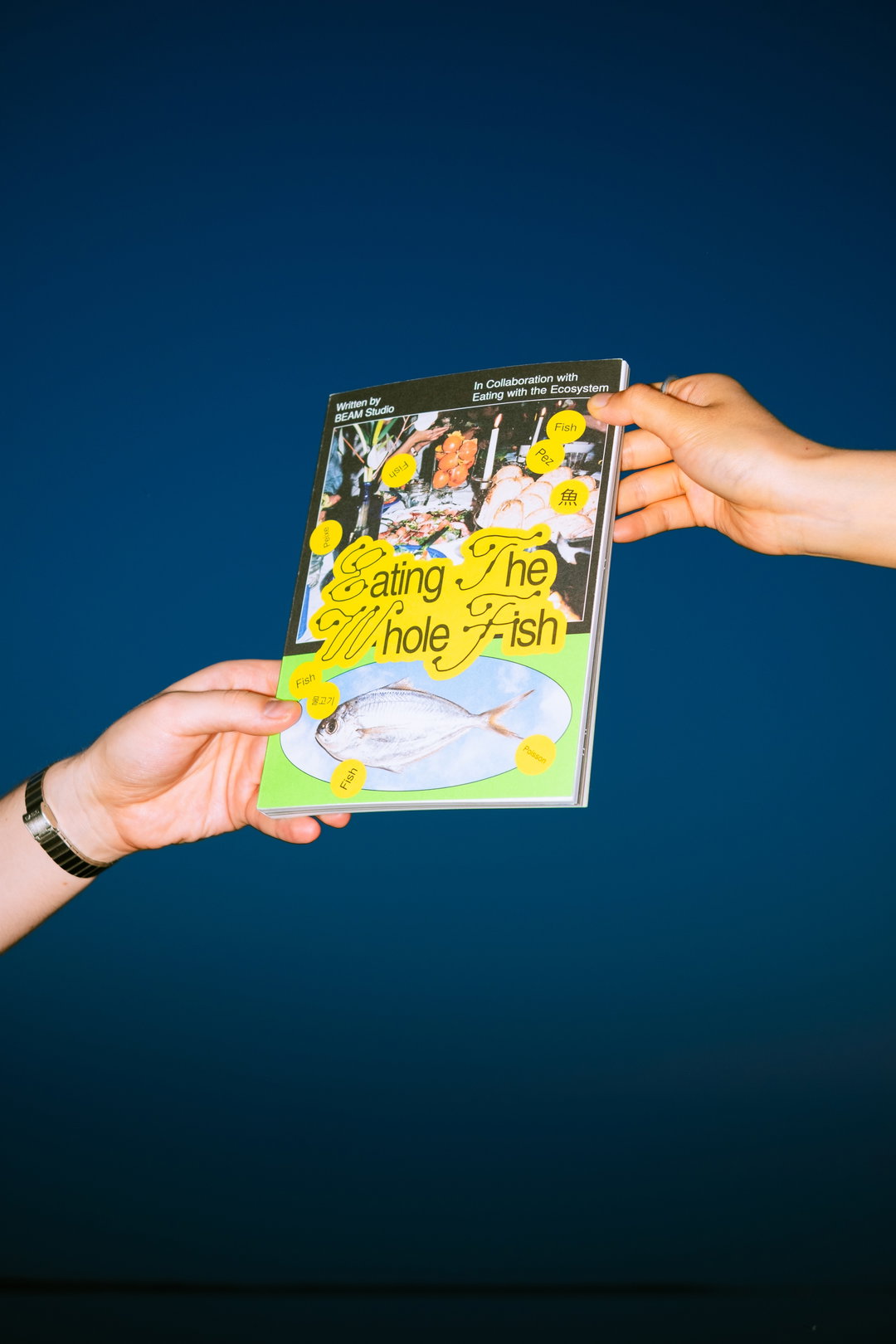
Hero Header
Beam: Eating the Whole Fish (Copyright © Beam 2026)
Share Article
About the Author
—
Hailing from the West Midlands, and having originally joined It’s Nice That as an editorial assistant in March 2020, Harry is a freelance writer and designer – running his own independent practice, as well as being one-half of the Studio Ground Floor.