
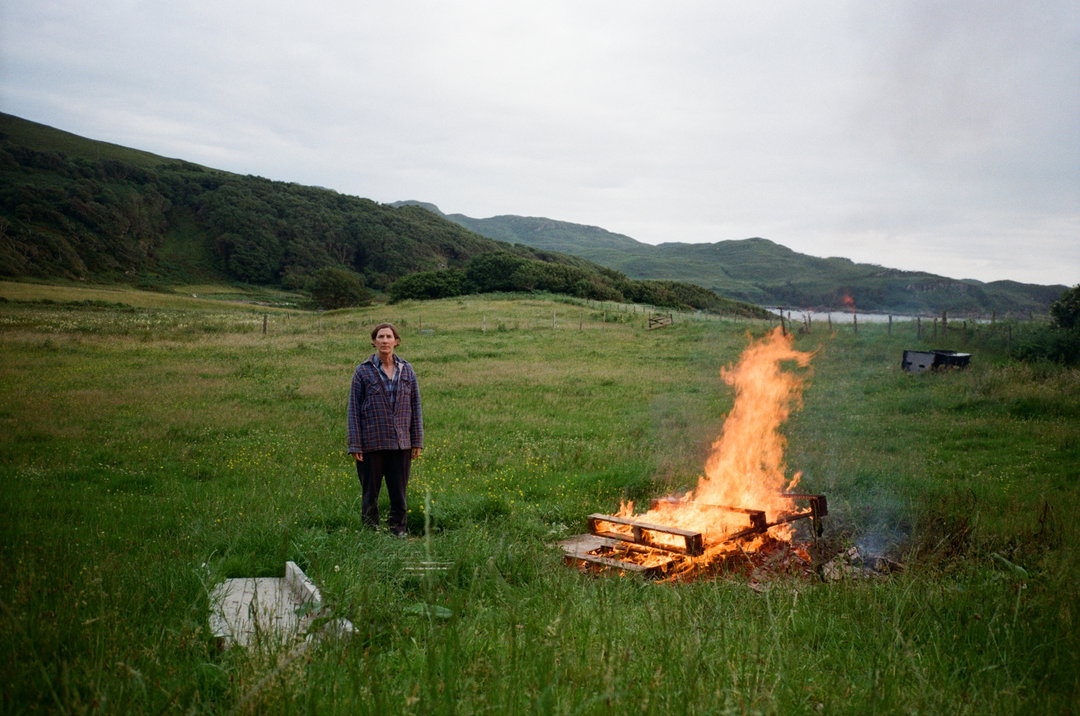
Vinca Petersen’s new photo series on the Isle of Skye is “an invitation to imagine an alternative future”
Nearly three decades after her landmark series No System, the photographer uprooted everything she knew and moved to the Isle of Skye to build a new life for herself – both physically and metaphorically. A meditative new series depicts this transition with raw beauty.
Share
It was when the photographer Vinca Petersen was approaching her 50th birthday that she realised a shift was imminent, or, as she summarises: “Sometimes in life you reach a moment where you recognise an opportunity for change.” Her son had turned 18 and a long-term relationship had come to an end; with one major milestone reached and one journey concluded, Vinca found herself itching for something new. Following a late-night conversation with close friends, an encounter with Barbara Jones’ self-build book Building with Straw Bales and a burgeoning interest in the Scottish system of land tenure crofting, Vinca soon made her decision. She was to sell her house and everything she owned to move to the remote Isle of Skye to build a whole new life for herself – both physically and metaphorically.
If you’re familiar with Vinca’s work, you’ll be aware that this penchant for living differently, outside the parameters of ‘normal’ existence, isn’t novel for the photographer – it’s embedded within her life and every fibre of her work. In 1999, Vinca published the now-iconic No System, a book which documents the decade she spent living on the road in the 1990s during her 20s, travelling with sound systems and fellow ‘techno travellers’ putting on free raves. The book has become a symbol of alternative living to artists and music lovers: a prime reminder of the power of diaristic creation, and the creative energy you can absorb from community and kinship.
Vinca Petersen: Hulala (Copyright © Vinca Petersen, 2026)
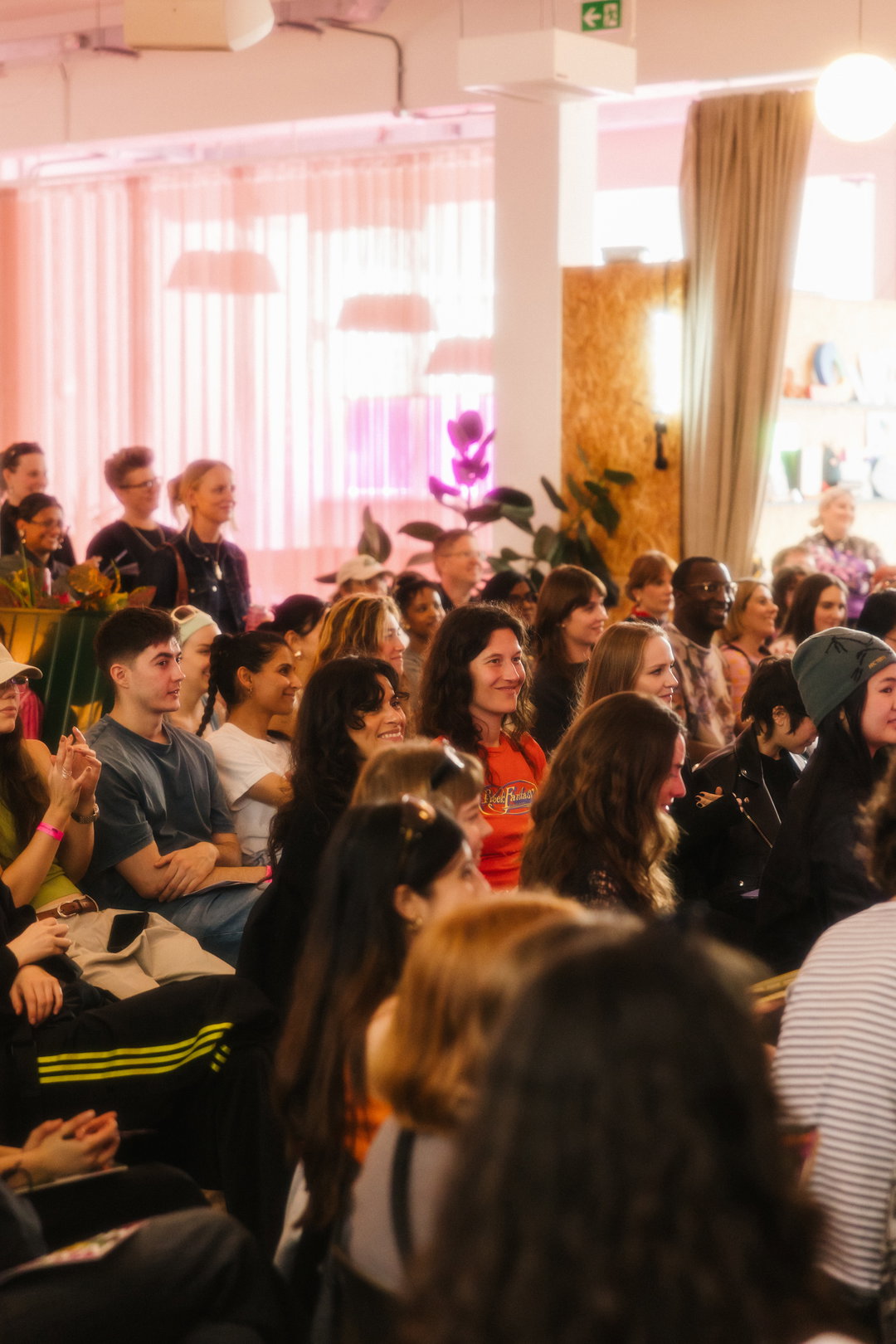
It was through No System that Vinca first met podcast host, writer and consultant Gem Fletcher eight years ago, when she was invited to write about the book. On what first drew her to No System, Gem says: “What the book does is capture an irrepressible intimacy that often goes unseen in the retelling of rave culture. Vinca’s photographs of Big Nick reading to the kids, Harry cooking dinner or Carol trying to sort out the living room are perhaps her most radical. They describe the reparative gestures that went on behind the scenes that cultivated a sense of unity, interdependence and belonging within the group.” For the past year, Gem and Vinca have been working together to develop Hulala, with a recent exhibition and talk at Peckham 24 in London, and further explorations into how it might exist as a book and film in the future.
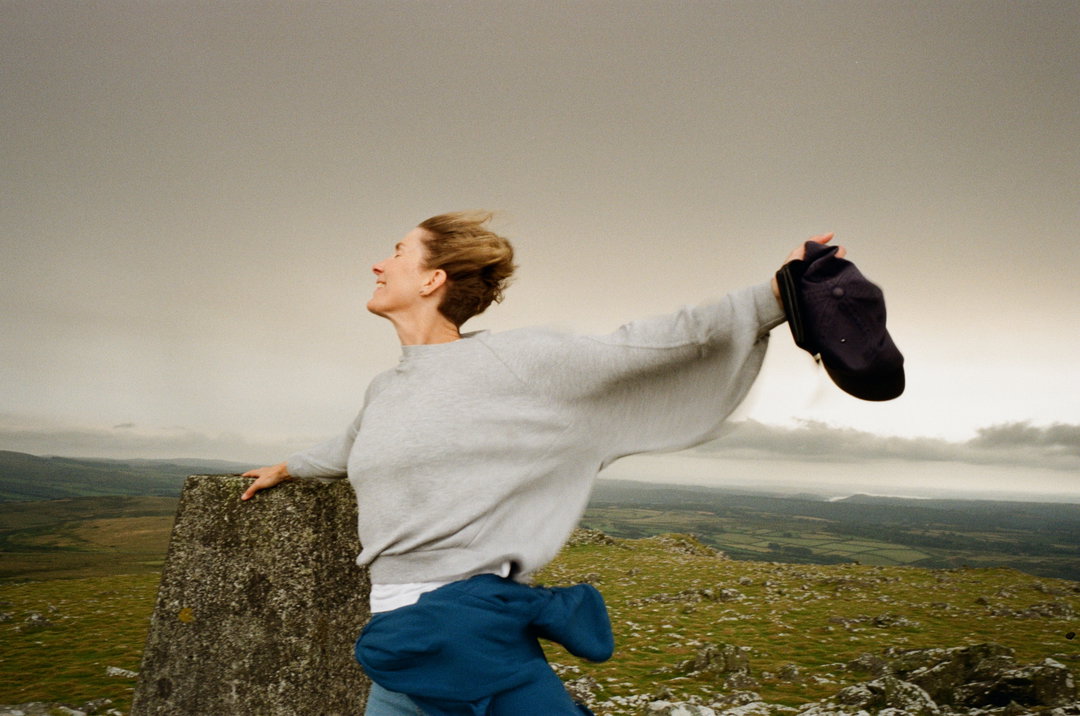
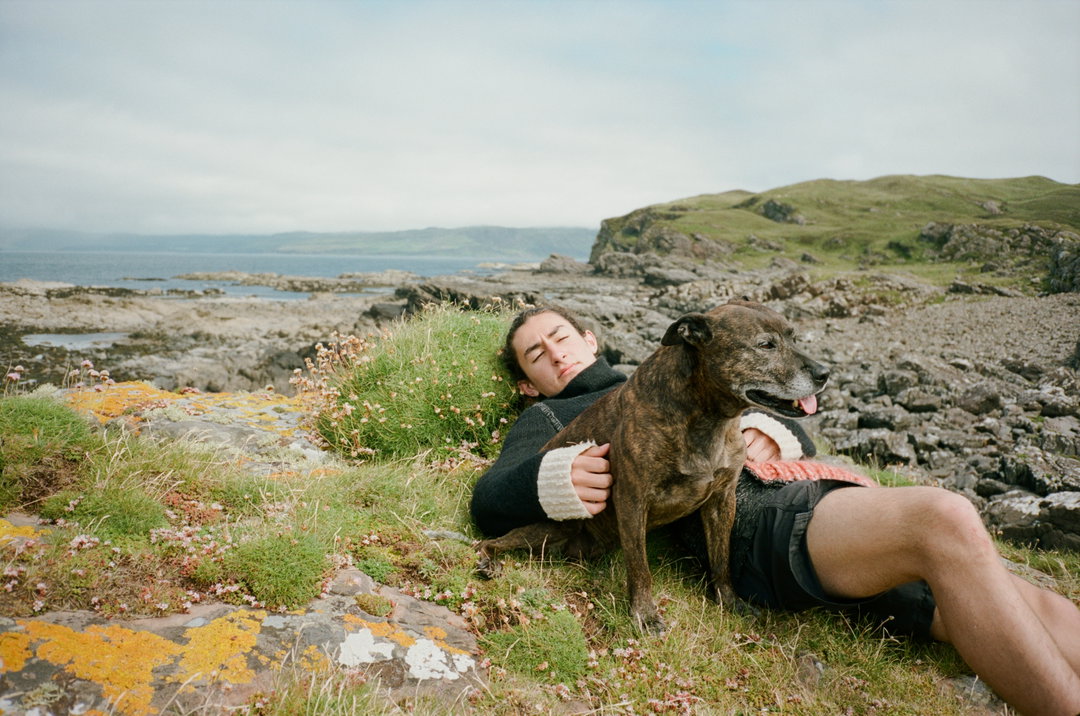
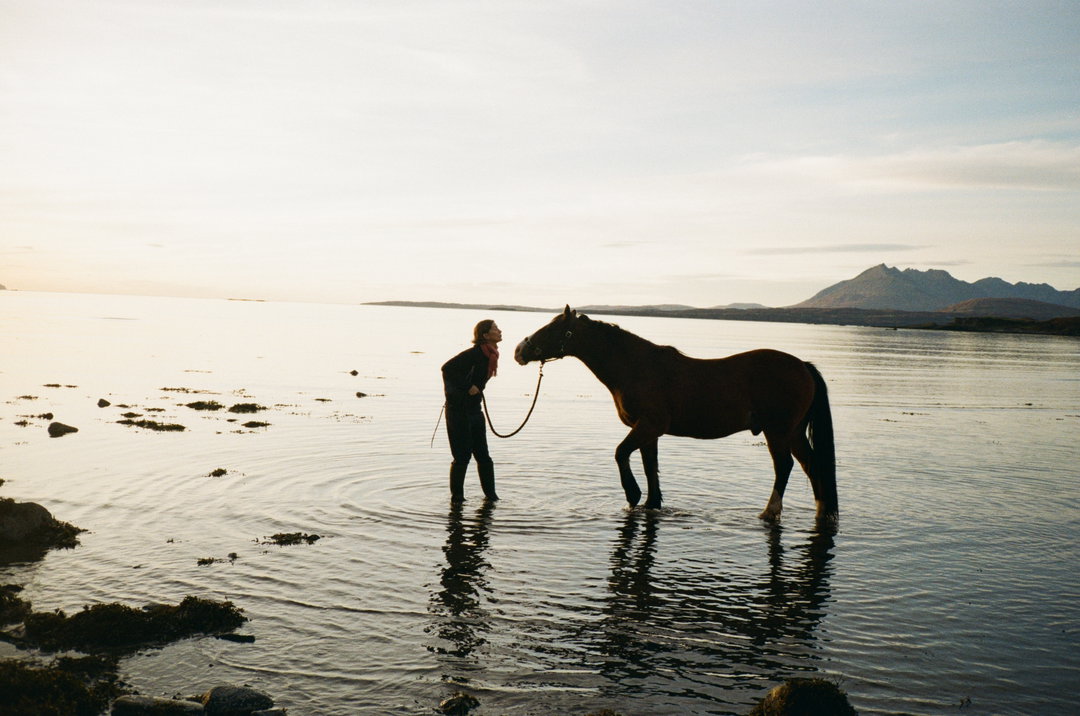
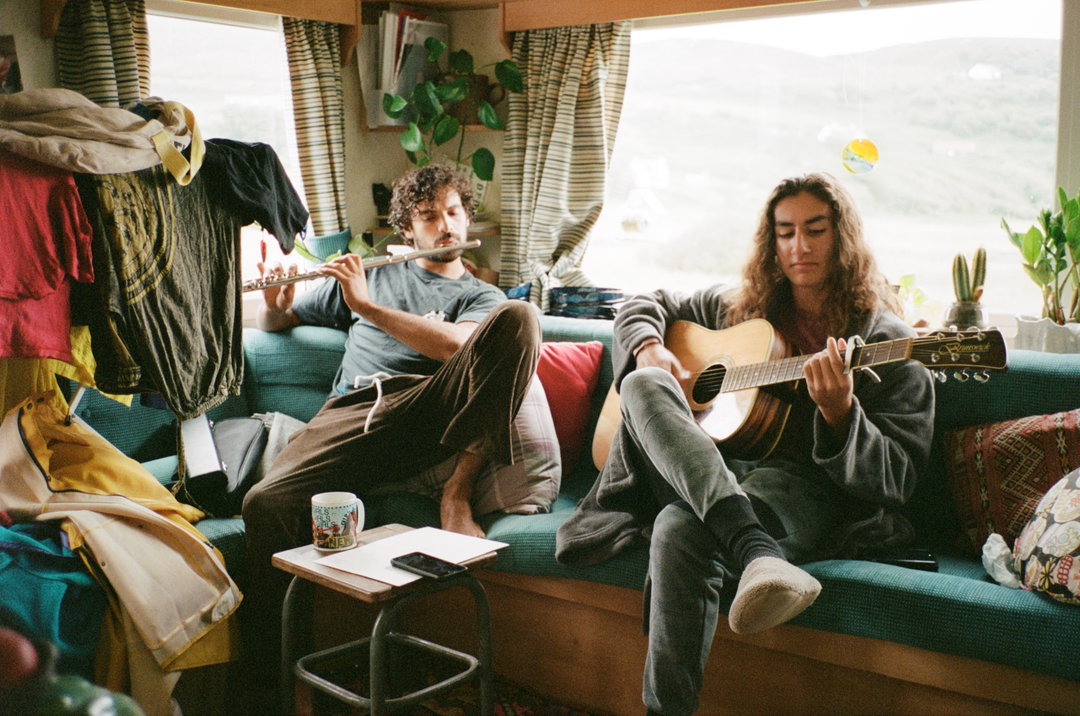
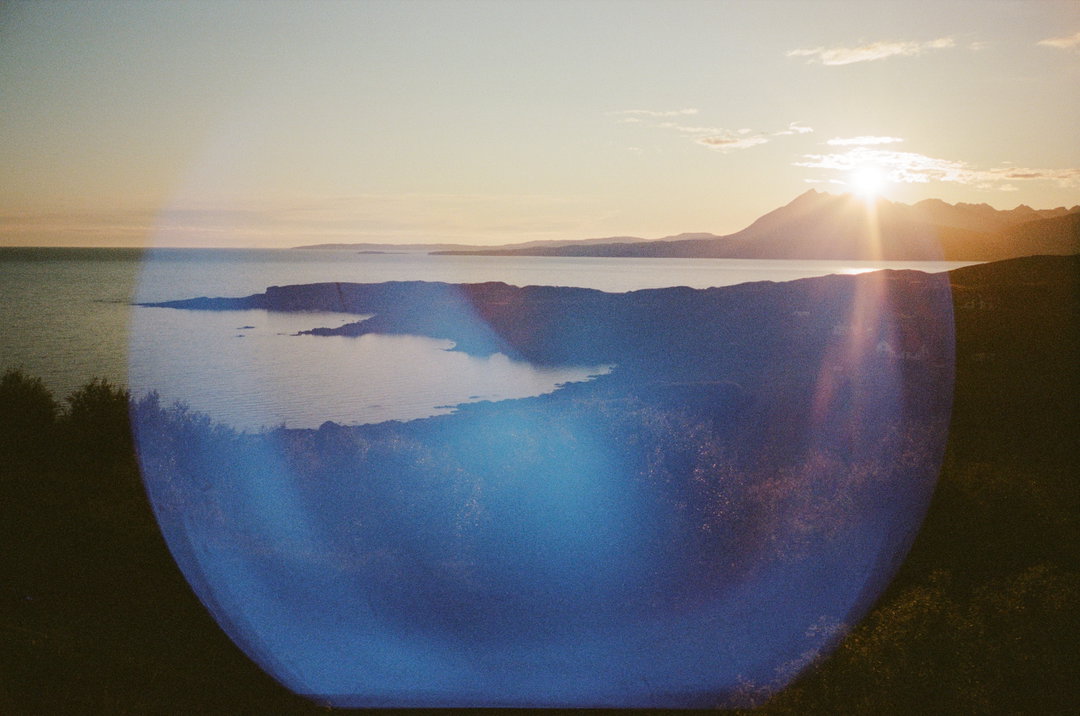
The works in Hulala (a rare Gaelic expression of good health) are ‘quieter’, than those in No System, both literally in audible terms, and more theoretically in the general cadence of life they depict. But the overall sensation and sentiment is the same: intimacy. Once again, you feel as though you’re being given a precious window into Vinca’s life, a view that feels less nosey, and more meditative. Maybe this is because the images are far from ‘snapshot’ in style, with the camera present at every waking second; at most, Vinca says she takes just one photo a day – led by the impulse to capture that very specific moment, and nothing more.
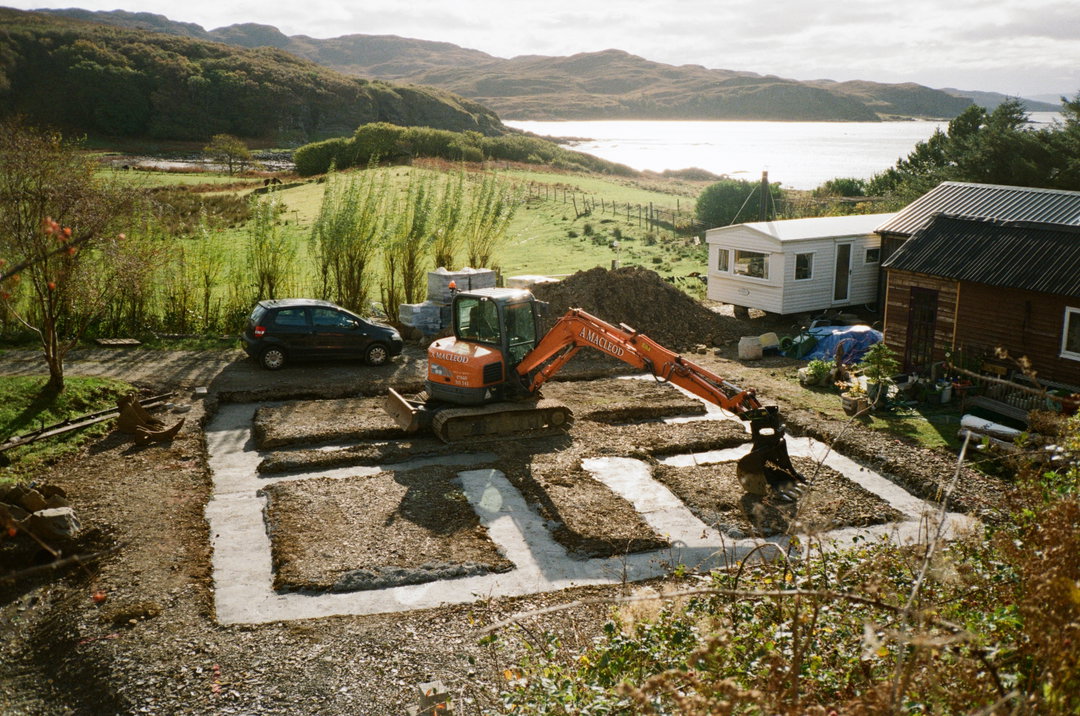
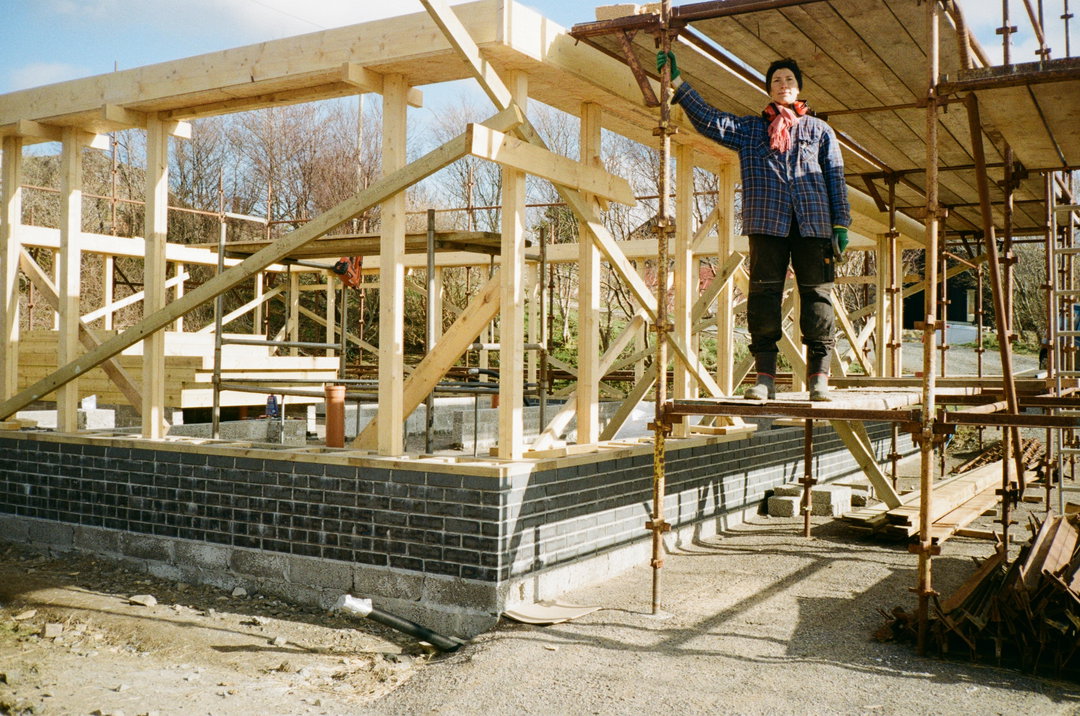
The beating heart of the body of work is Vinca’s building of a new home with the sustainable methods you’d find in Building with Straw Bales. Images show the process at various stages; a digger excavating foundations, wooden beams indicating the house’s skeleton and a hoard of people inspecting, lifting and securing straw bales. The latter image is one that speaks to a core intention – the home wasn’t to be one as we might typically know it, syphoned off for individual familial use, but a shared project and a communal space. Vinca invited friends, villagers, people from the School of Natural Building and art students to take part in the build, in exchange for board and skill sharing – giving feedback on their portfolio, for example. “The group worked together whatever the weather, bonded by the joy and pain of the challenging journey. Over time, the house built by many hands became a refuge for all,” says Gem. “Hulala shows all of this, from its original ambition, to its full collective realisation. It reflects back what’s possible when you think differently and work together.”
Vinca Petersen: Hulala (Copyright © Vinca Petersen, 2026)
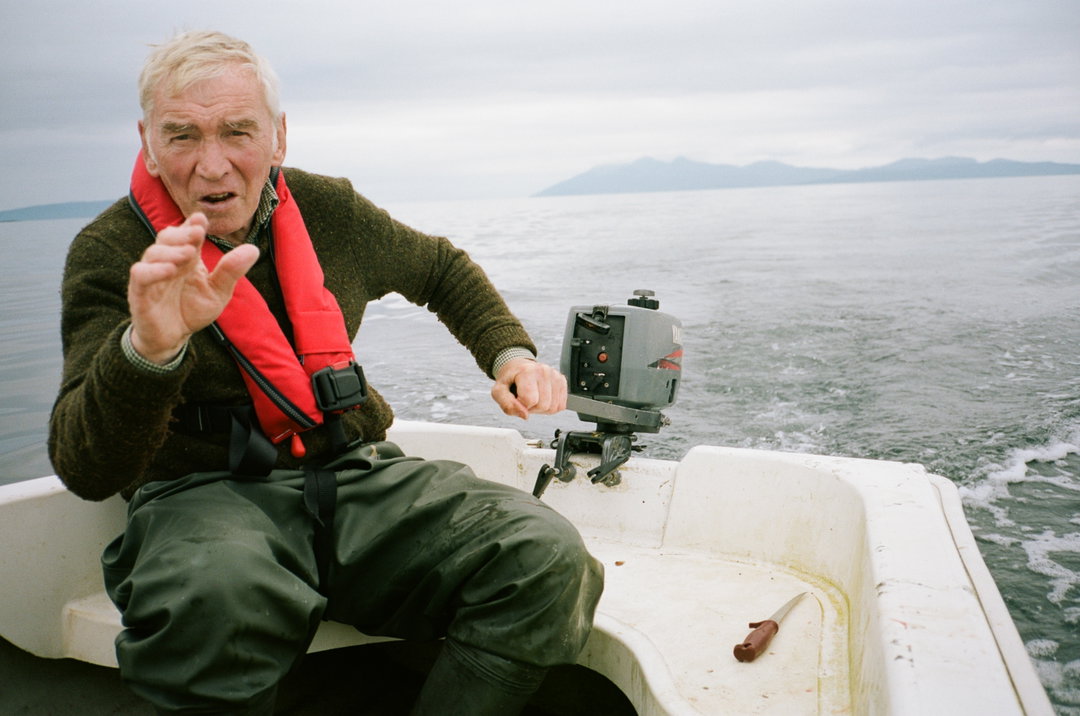
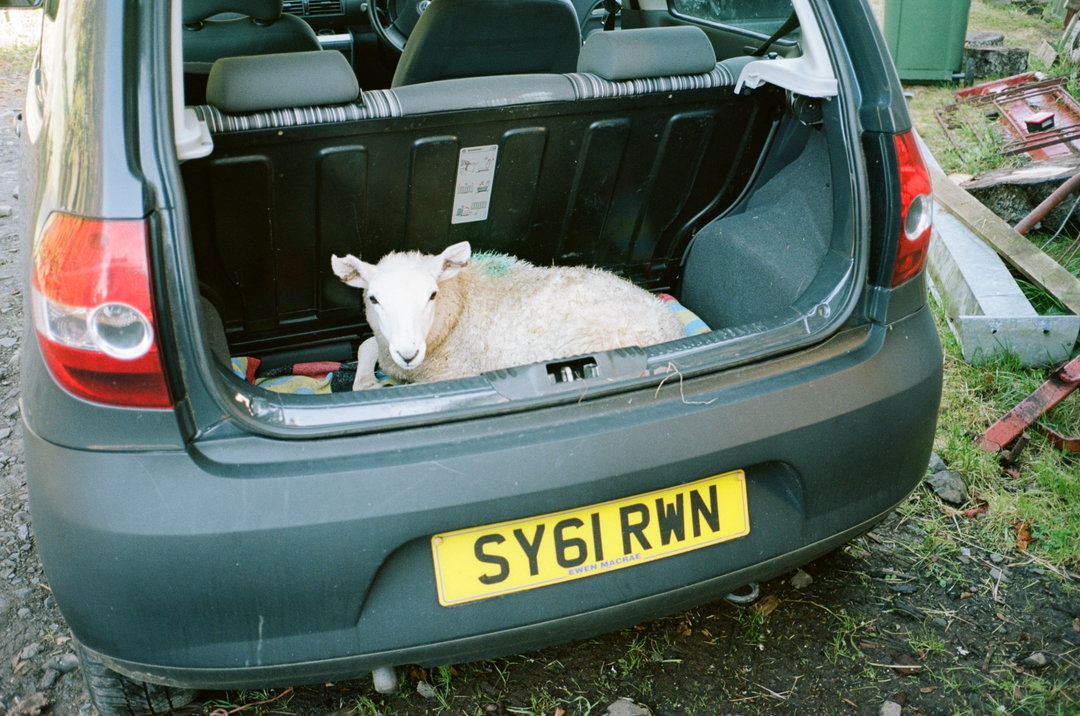
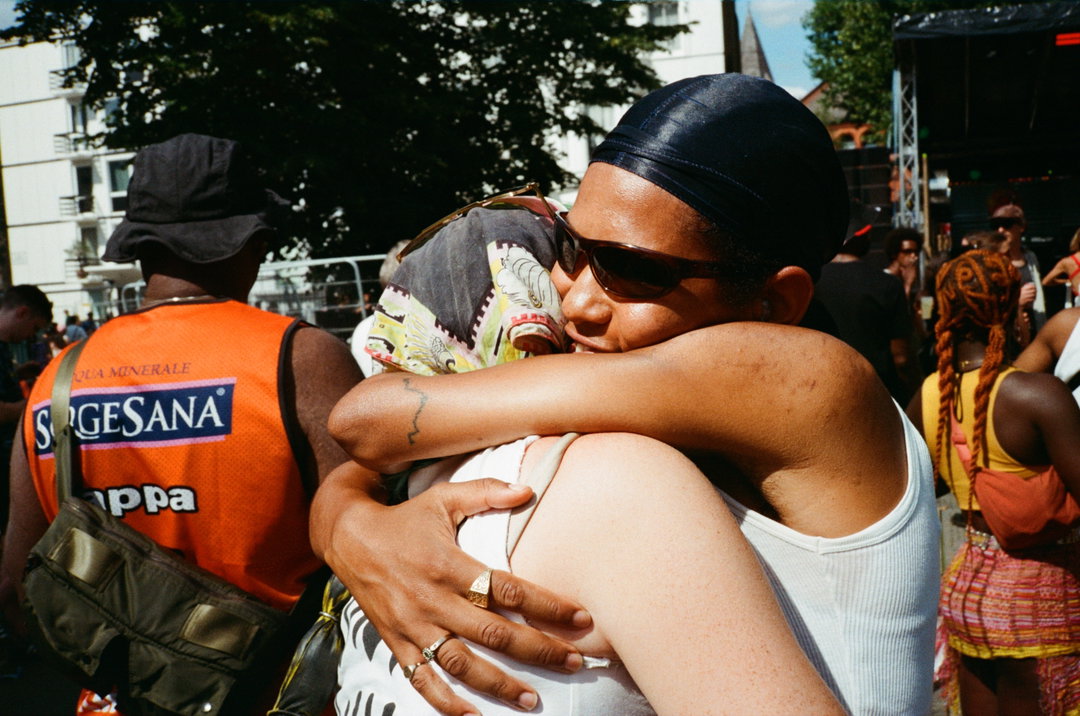
The relationship building extended beyond the house, and Vinca was dedicated to getting to know the local community she was going to be living next door to, introducing herself to everyone on arrival, taking a job at the local shop (a perfect way to encounter people in the milieu of the everyday), and striking up connections; one, for example, being a local farmer, whose “sidekick” she soon became. On becoming friends, these people naturally began to make their way into Vinca’s work, making some of the series’ most warming portraits. “I think there is a very different feeling in a portrait of someone you have an emotional connection to,” Vinca tells It’s Nice That. “It is something you cannot fake. It’s not only a look in the eye but very subtle, almost imperceptible body language.”
From No System to Hulala, clearly much has changed for Vinca, but, as Gem puts it, both display one key thing: “a new blueprint for living”. Her intention “is not to rebel against society so much as live outside the status quo,” continues Gem, “cultivating a life of subversive joy”. The new body of work is a welcome reminder of the beauty of companionship, in all its many manifestations, and the ability for us to think anew on the way modern life has us living; the business, the noise, the atomisation – it doesn’t have to be fact, and it’s in your hands to change it, with gestures both small and large.
GalleryVinca Petersen: Hulala (Copyright © Vinca Petersen, 2026)
Hero Header
Vinca Petersen: Hulala (Copyright © Vinca Petersen, 2026)
Share Article
Further Info
About the Author
—
Olivia (she/her) is associate editor of the website, overseeing the day-to-day editorial projects as well as Nicer Tuesdays events. She joined the It’s Nice That team in 2021. ofh@itsnicethat.com
To submit your work to be featured on the site, see our Submissions Guide.