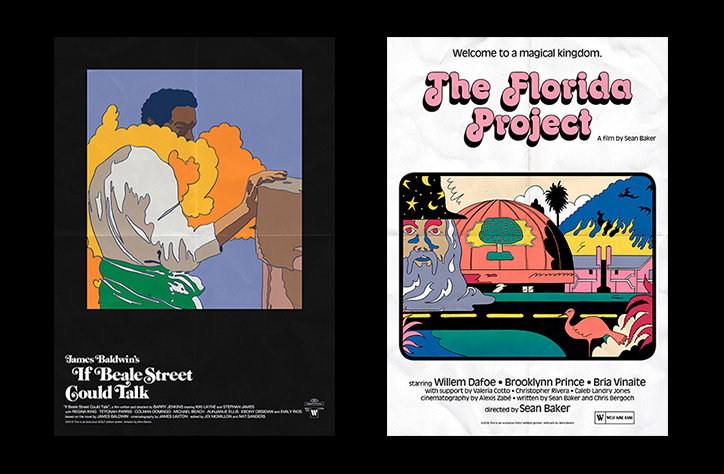
Miro Denck designs film posters for his local cinema using striking illustrations
When we last featured artist Miro Denck in 2017, he had just finished the final project for his Visual Communication MA at University of the Arts in Berlin. At the time, he was also balancing a job at his local independent cinema, Wolf Kino, which specialises in arthouse film. In an effort to promote the cinema’s special monthly program, Miro was tasked with producing custom posters for the movies, which would act as collectors’ items for customers.
Bringing his trademark warmth and nostalgia to the project, Miro’s posters are a beautiful combination of his illustrative style and typographic interests. Taking influence from seminal poster designers such as Milton Glaser, he says this golden age for the medium is a source of constant inspiration. “I am crazy about film poster design from the 1960s and 1970s, a time when I think much more effort and creativity was put into them than today,” he explains. “I have several books on vintage posters and spend a lot of time using them to research specific aesthetic zeitgeists.”
Starting the process, of course, by watching the film itself, Miro tells us that this is a blessing for a self-confessed cineaste: “It’s a wonderful privilege to get to see really interesting work before it hits the theatres.” Taking notes during his initial viewings that will later inform his design ideas, often it’s as simple as finding a striking motif, but occasionally it requires further study. He spent, for instance, much time reading about Jean-Luc Godard’s recent release The Image Book, before tackling a conceptual idea for the poster that, whether obvious to the audience or not, is important to him in taking the project seriously.
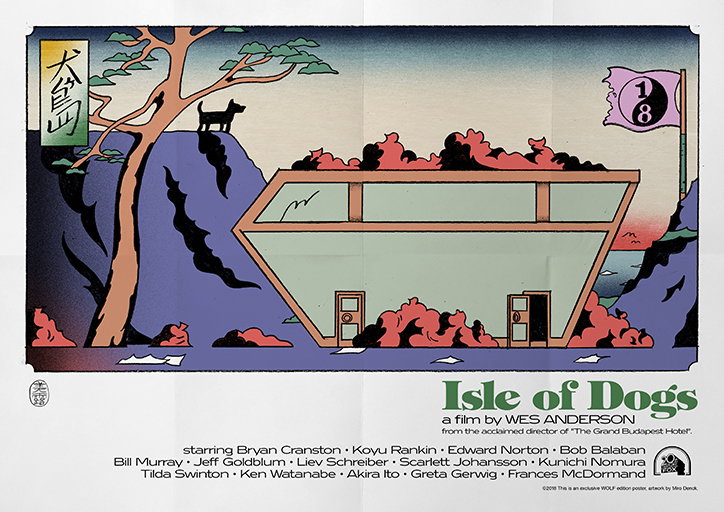
Miro Denck: Isle of Dogs
Working across a range of blockbuster films, Miro’s subjects so far include If Beale Street Could Talk, Isle of Dogs, The Florida Project and Suspiria, among others. Switching between focal points, his designs capture an iconic moment or merge distinctive elements of characters and scenes to create immediately recognisable visual associations. A wonderful synergy is established between the imagery and Miro’s bold, versatile colour palette which brings great life to his artistic interpretations.
Speaking on this crossover between his graphic design and illustration practices, Miro says the differences between them are not important to him, only the ideas driving them. “There’s no separating them for me, nor separating these forms of expression from any other. I write, I record music, I take photographs, I don’t really care what I do,” he tells It’s Nice That. “In the end they are all just different outlets for the same matter, for what fascinates me and what bothers me, which is ultimately the beauty of life and how it constantly changes. The damn mortality of everything, the thing we all try to process one way or another. Hence my obsession with the aesthetics of past decades.”
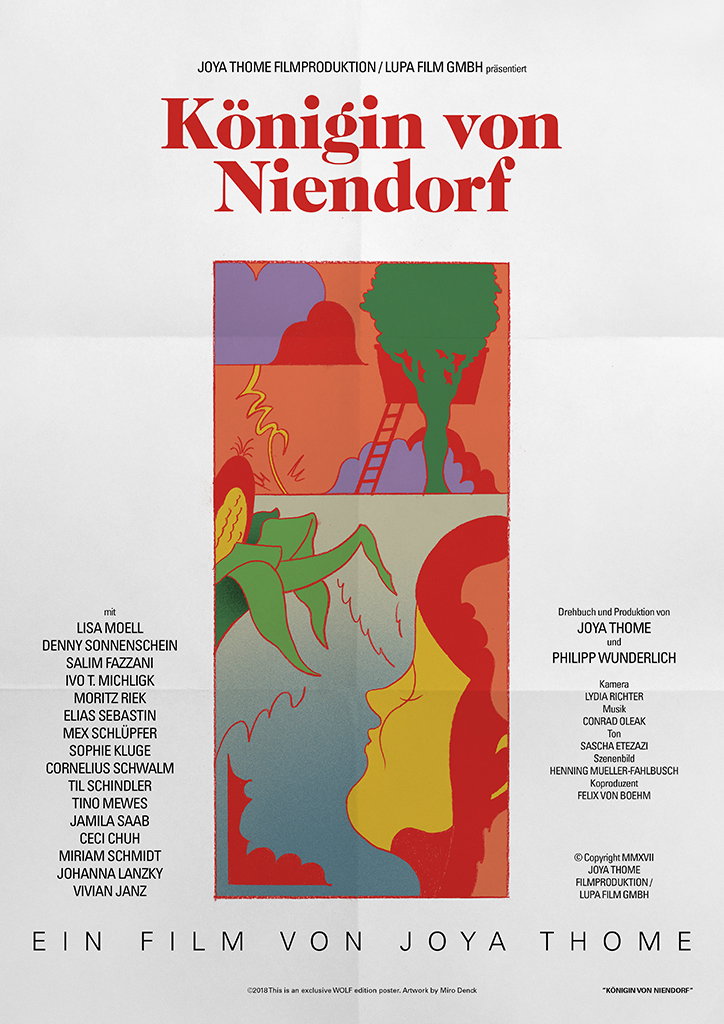
Miro Denck: Konigin von Niendorf
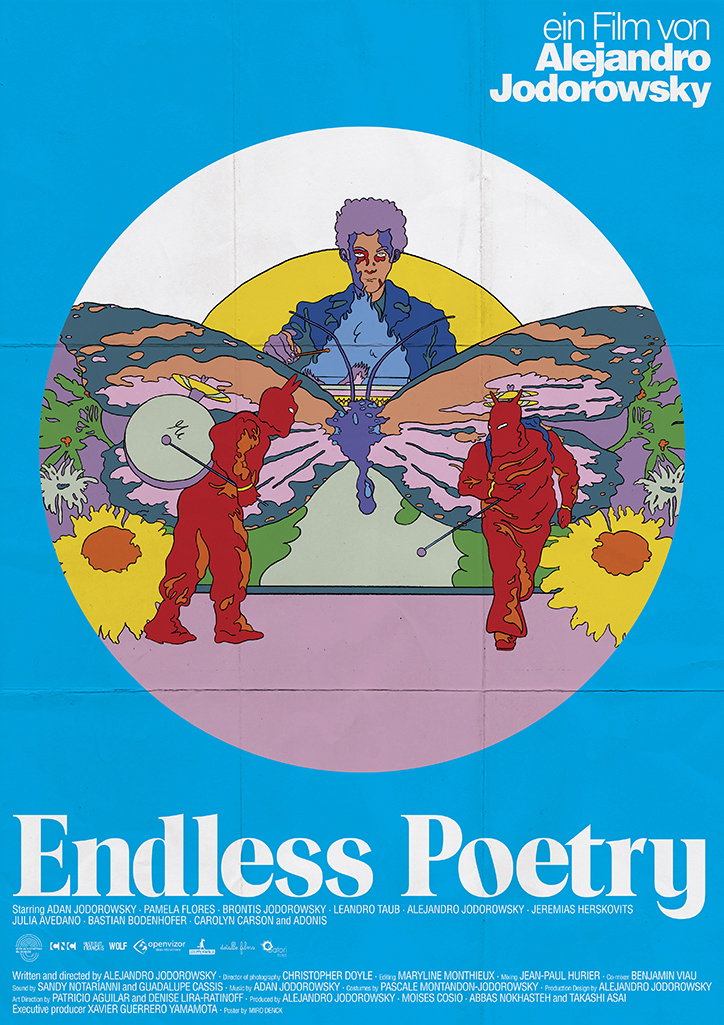
Miro Denck: Endless Poetry
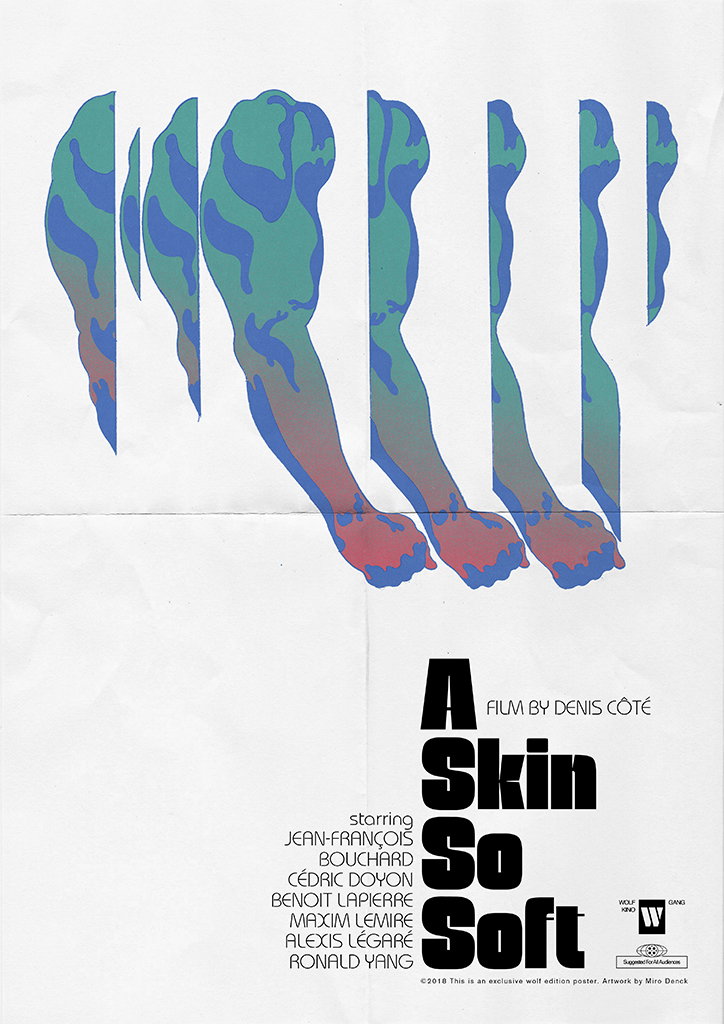
Miro Denck: A Skin So Soft
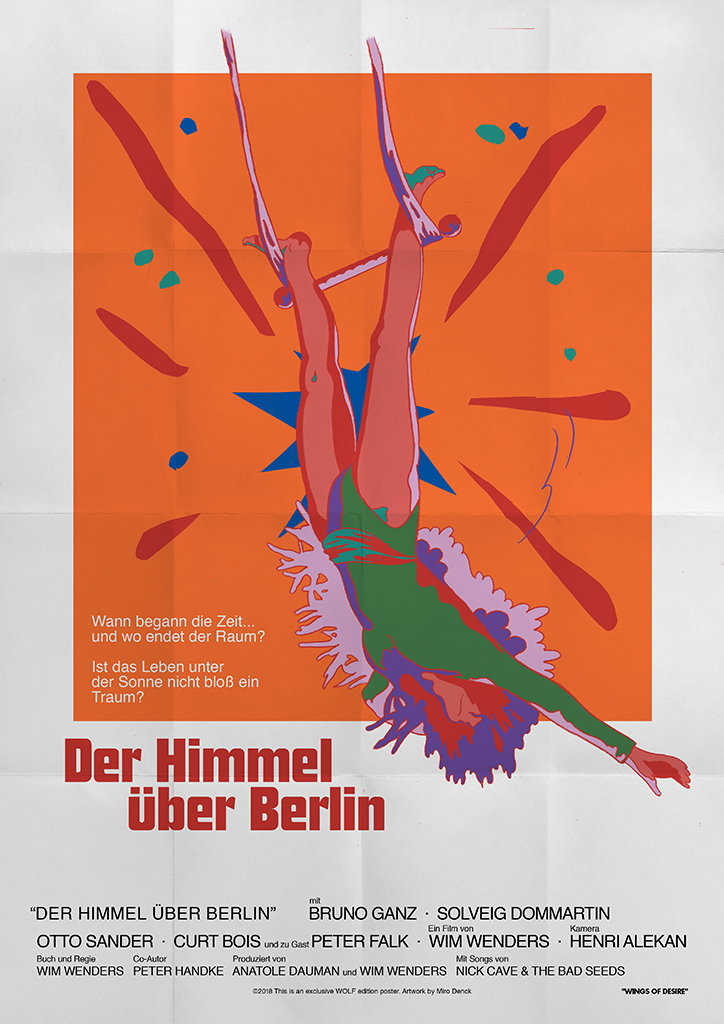
Miro Denck: Der Himmel über Berlin
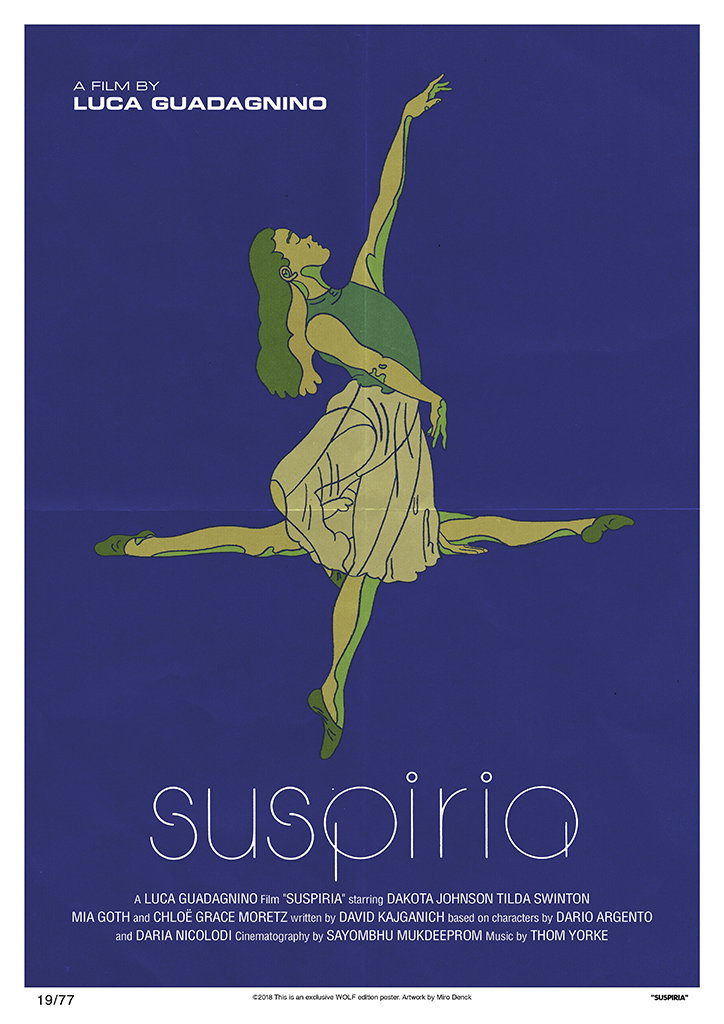
Miro Denck: Suspiria
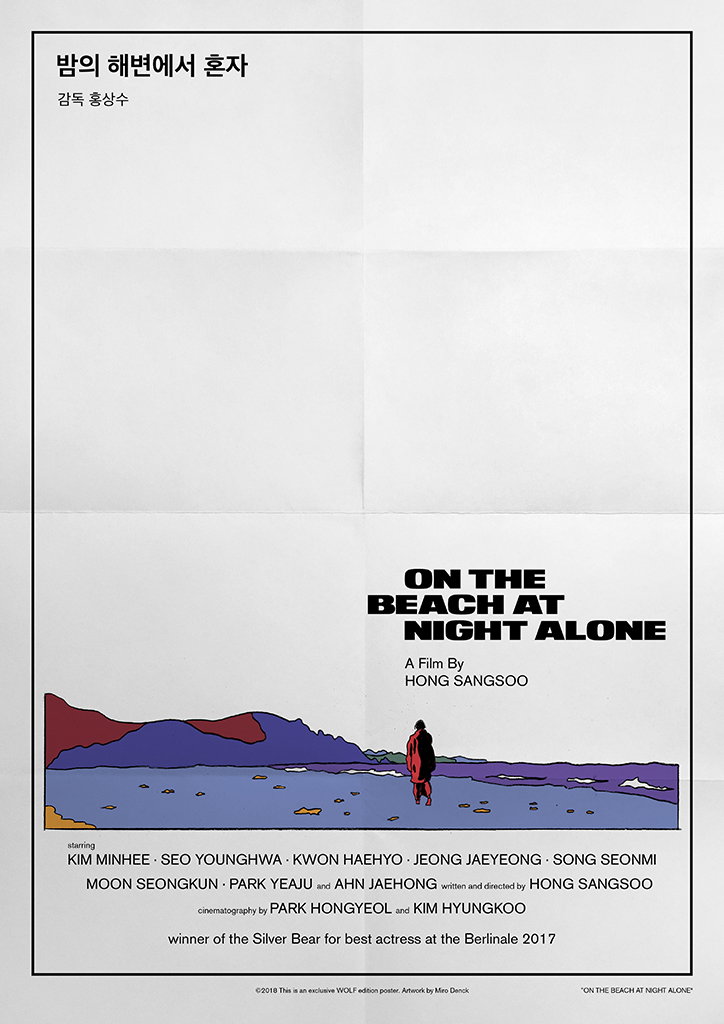
Miro Denck: On the Beach at Night Alone
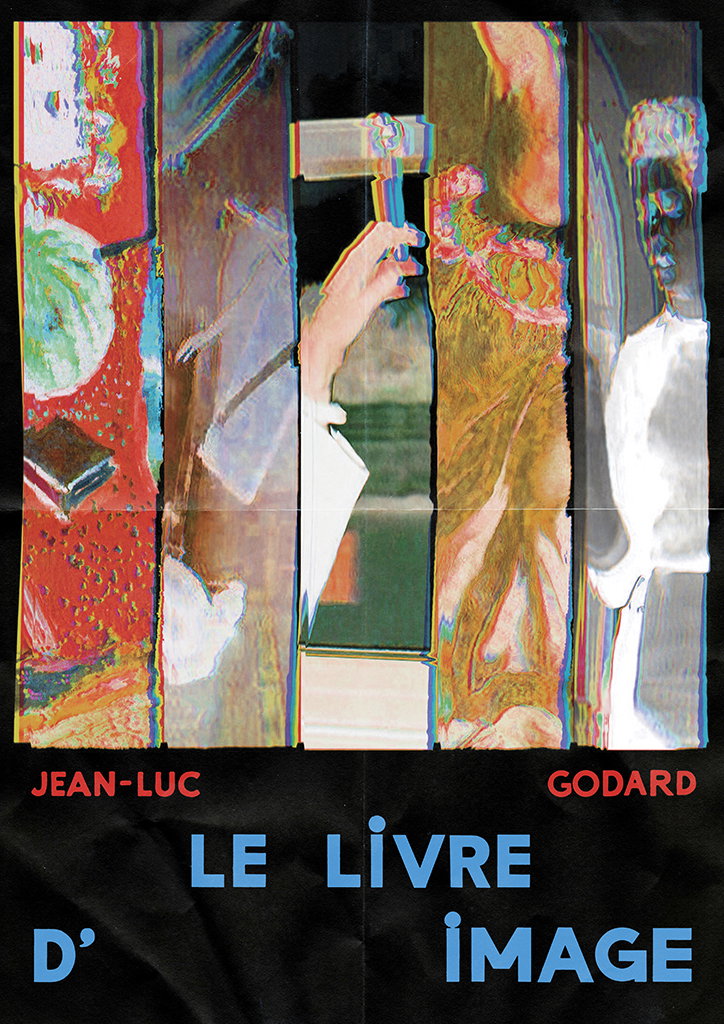
Miro Denck: The Image Book
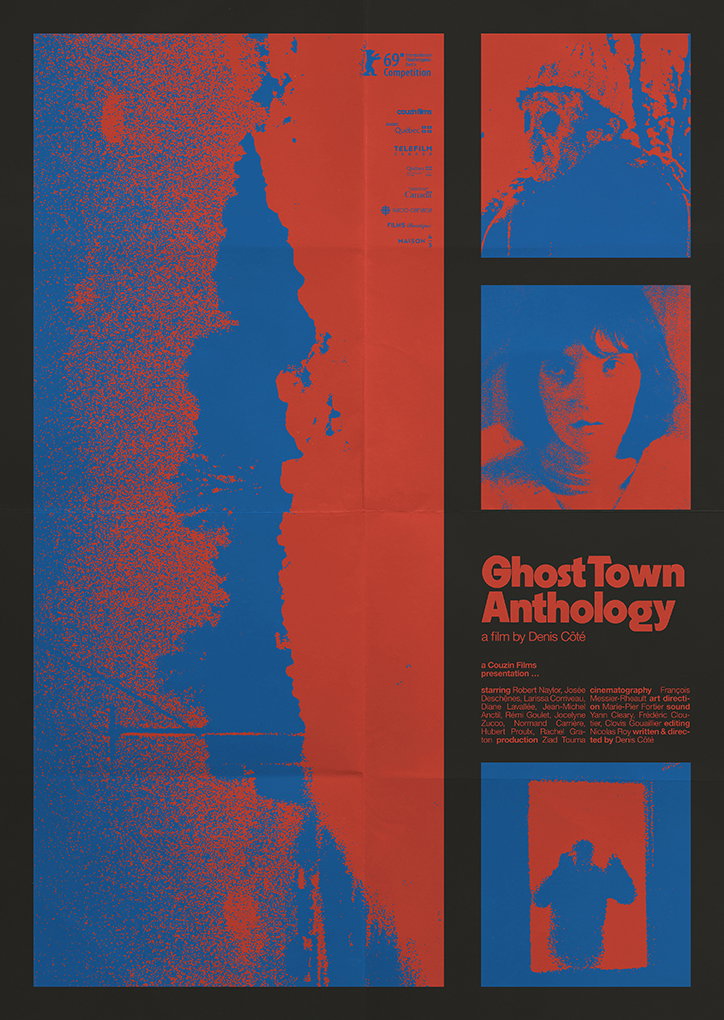
Miro Denck: Ghost Town Anthology
Share Article
Further Info
About the Author
—
Daniel joined It’s Nice That as an editorial assistant in February 2019 and continues to work with us on a freelance basis. He graduated from Kingston University with a degree in Journalism in 2015. He is also co-founder and editor of SWIM, an annual art and photography publication.