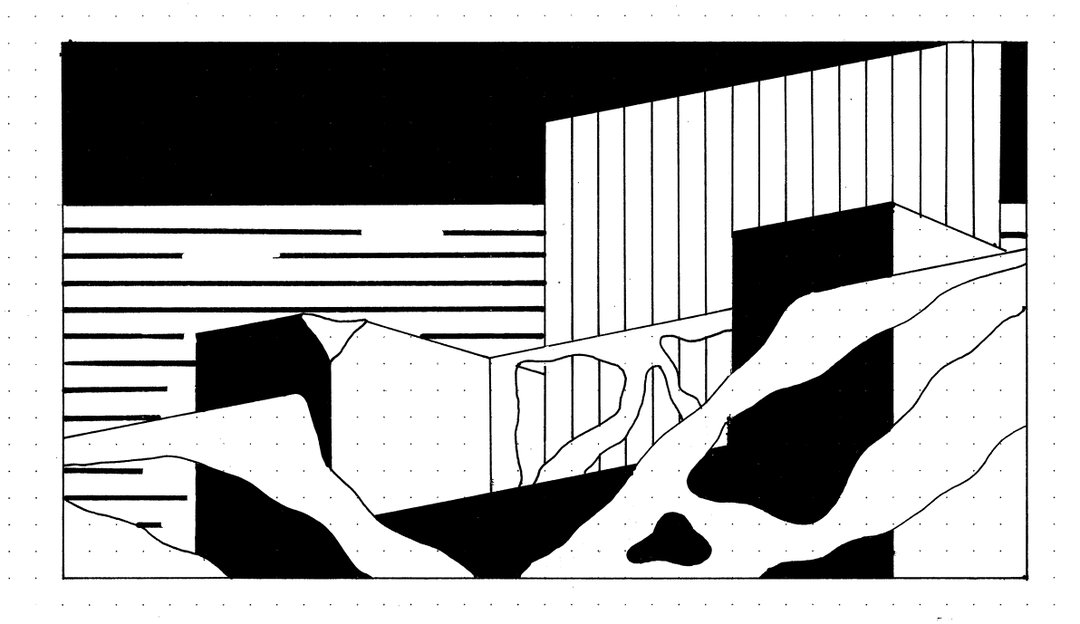
Nicolas Nadé on growing plants, spontaneity and his wonderfully sequential illustrations
The French illustrator has been keeping busy. Not only has he published a multitude of zines, but he’s also started to add a splash of colour to his usually monochromatic pieces.
Share
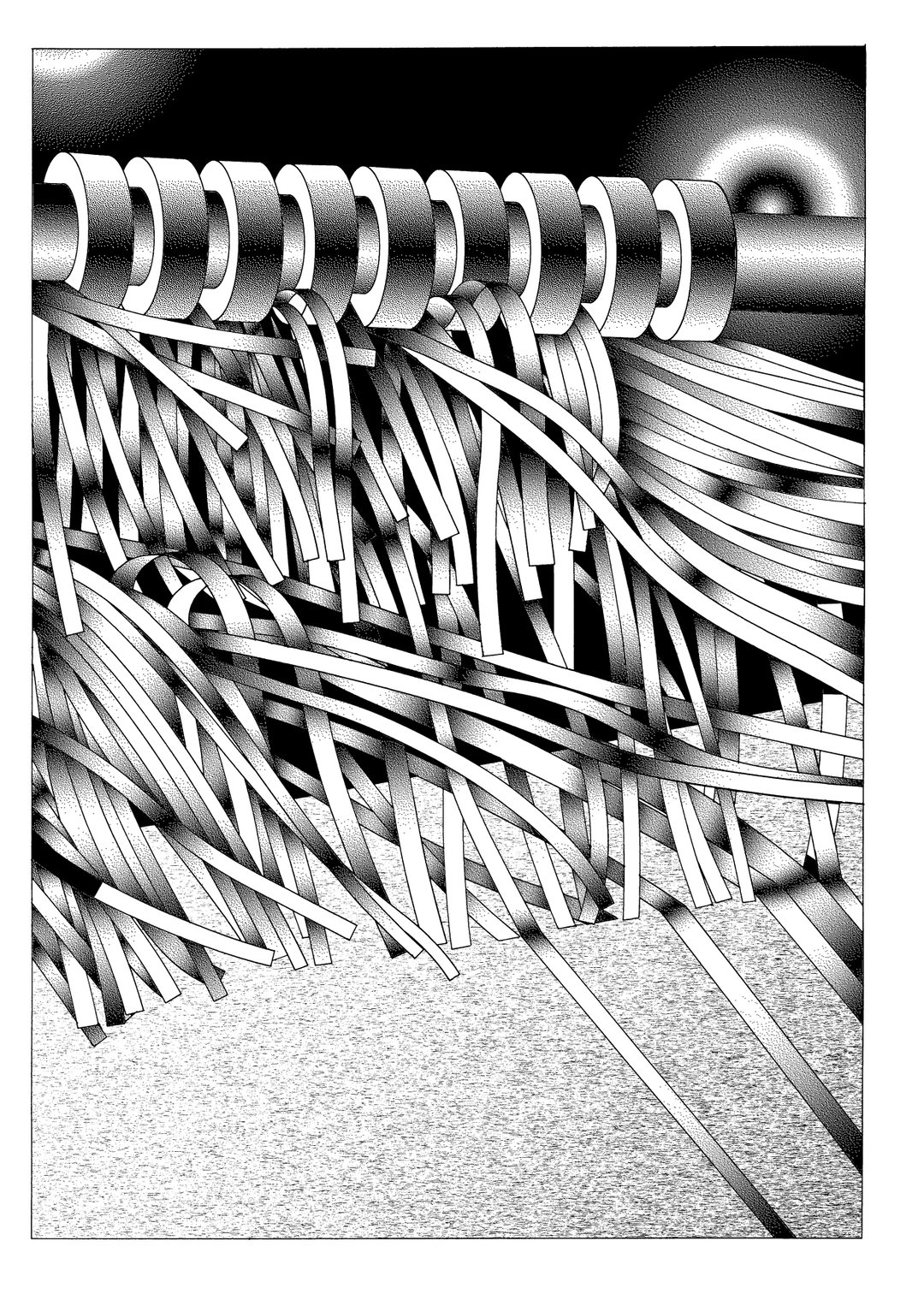
Since 2016, much has progressed for Nicolas Nadé. The French illustrator – who made his debut on the site with his monochromatic book Nobu – has published a multitude of fanzines, including personal endeavours and works for publishers such as Otto Press, Entropy Editions, plus collectives including Realms II, Le Petit Néants, and Belgian friends from Super-Structure. But that’s not it – Nicolas has also produced album artworks for Fulgeance and Bernard Grancher, and he’s published his first long-form comic with Editions Matière, titled Quelques Miettes à Géométrie Variable.
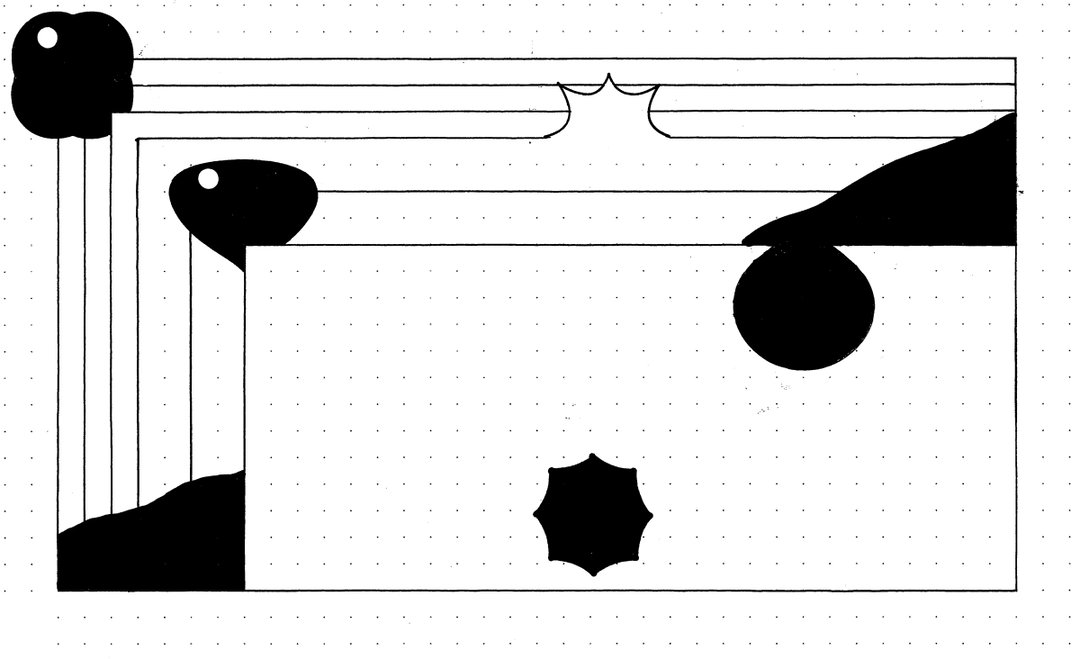
“I am very attached to the process,” Nicolas tells It’s Nice That, on the topic of how his style has evolved over the course of four years. “I like spending my time researching, testing, experimenting with new techniques, while trying to limit my tools. Therefore my style evolves in parallel with the process. Many things that I use are the result of an accident or variations because I improvise a lot.”
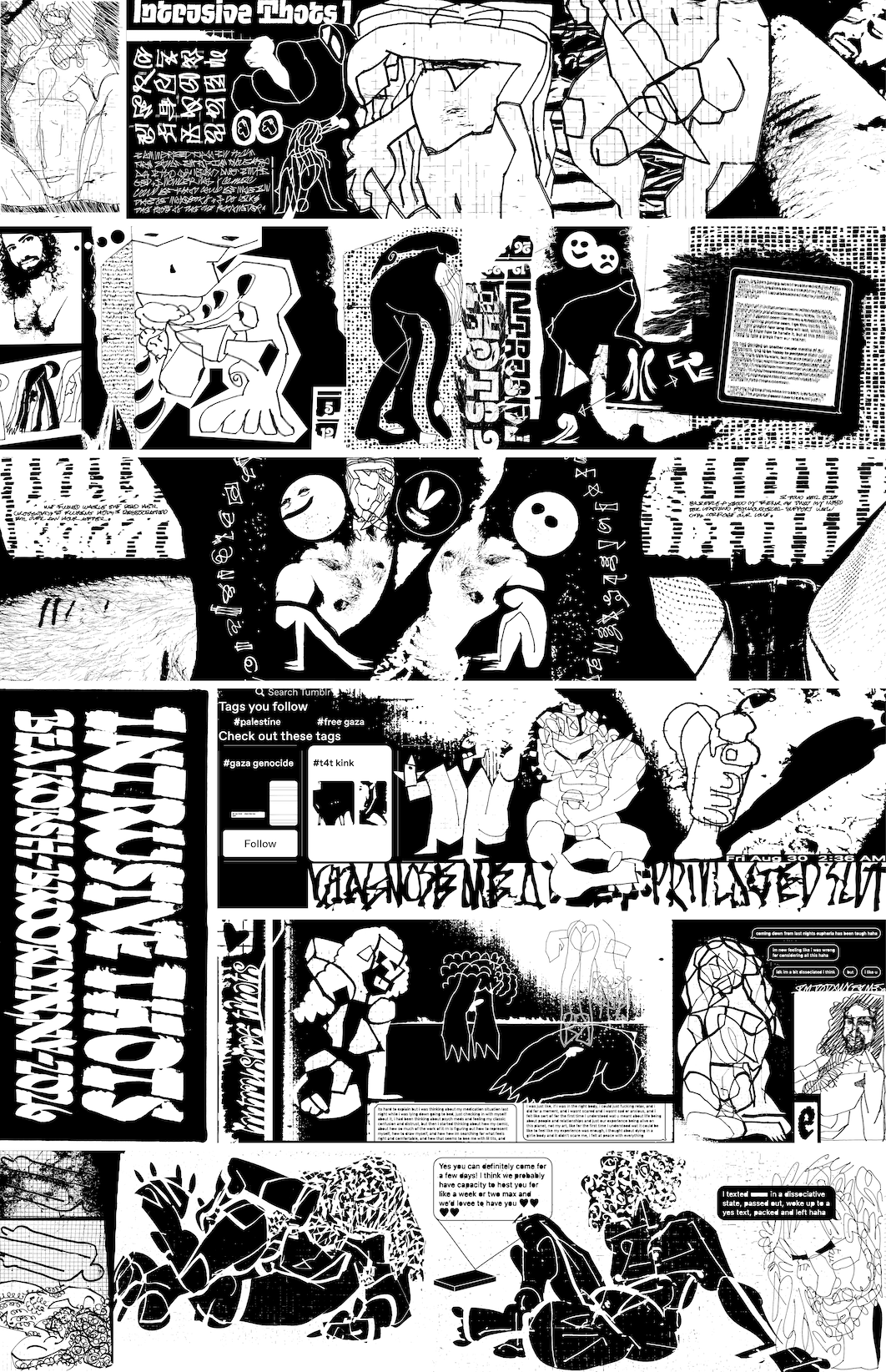
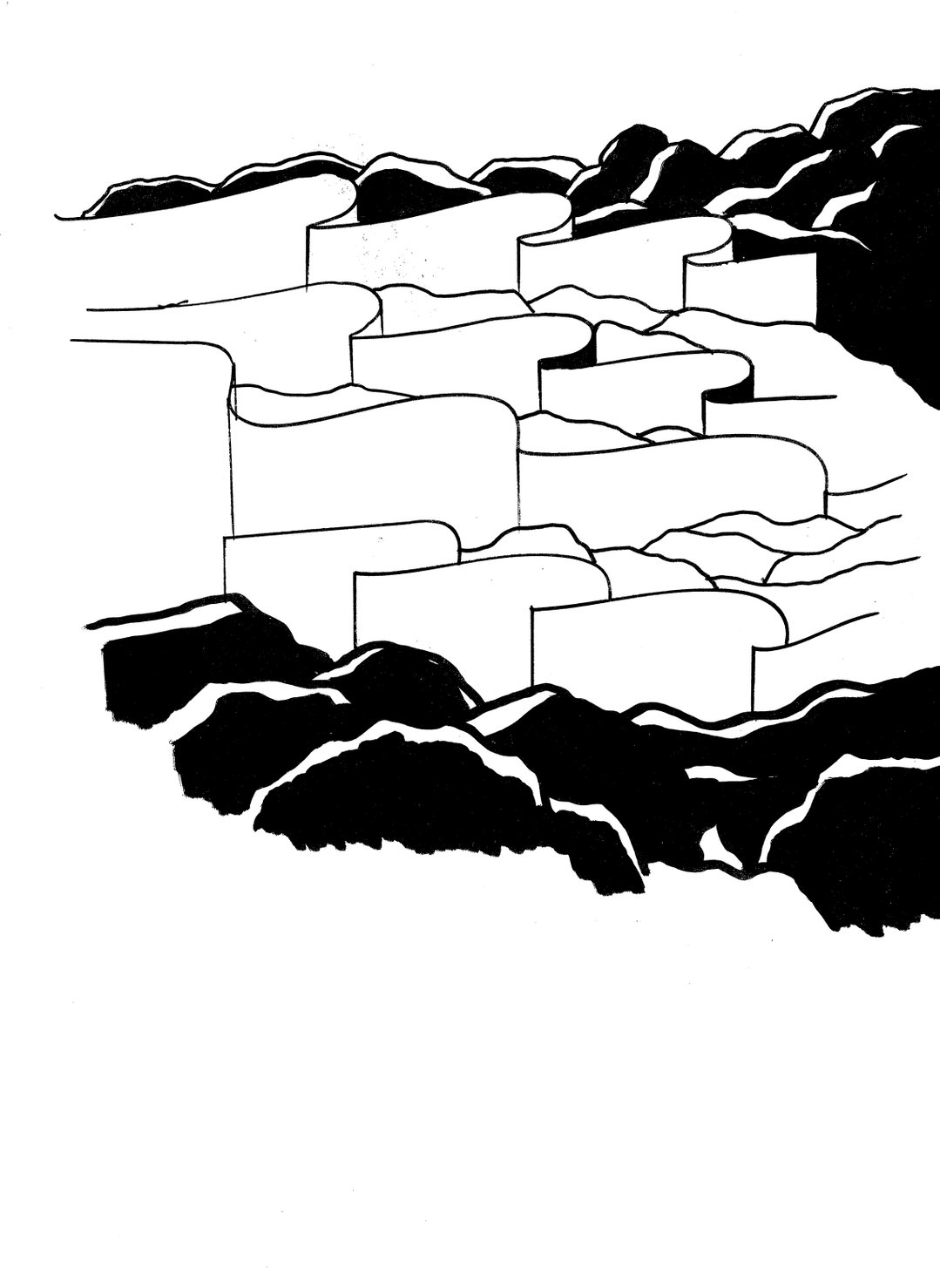
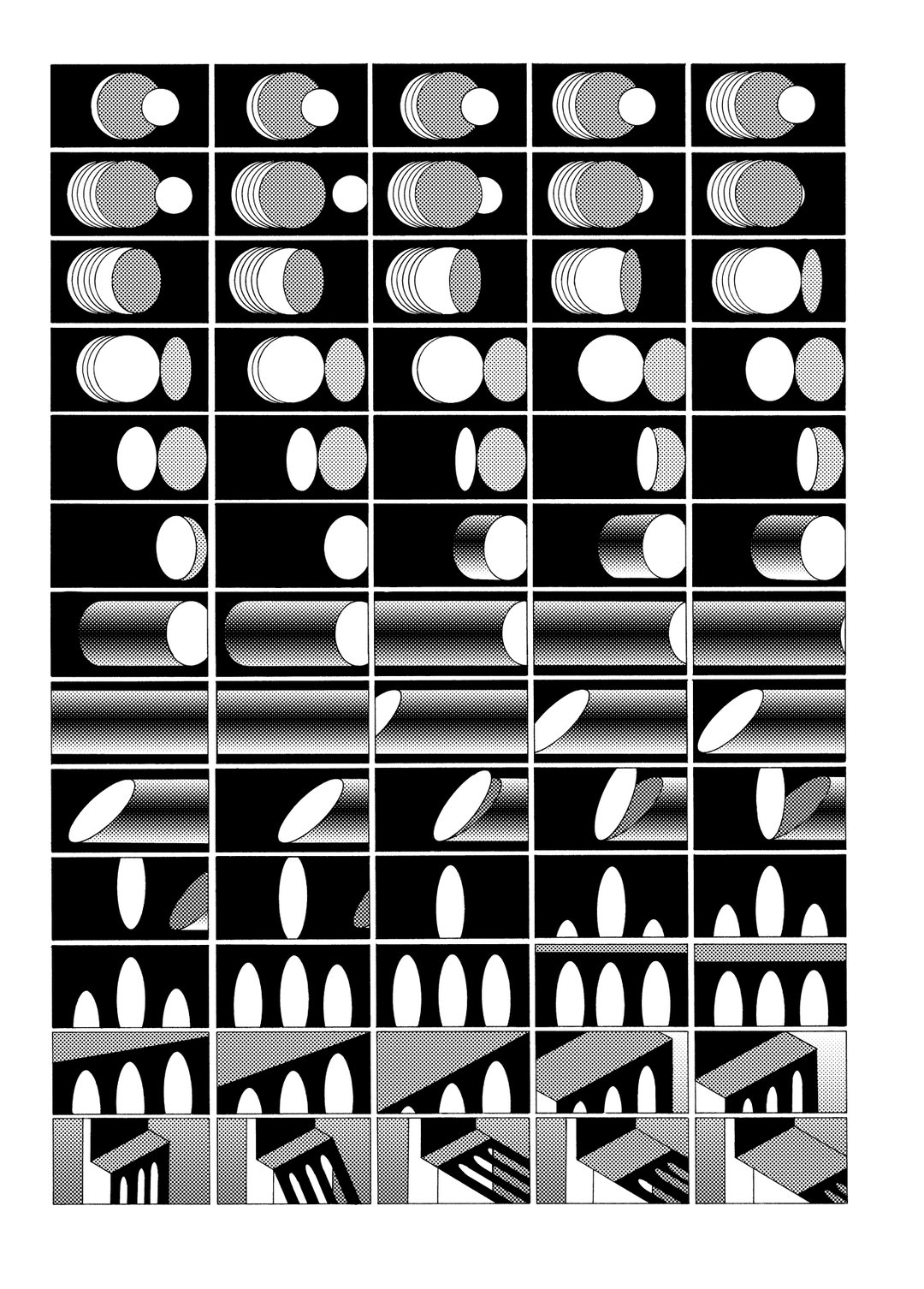
Still predominantly keeping to a black and white colour palette, it’s clear that Nicolas has landed on his aesthetic. Perhaps this stems from his long-standing relationship with the medium, driven by a need and desire to draw constantly. “I always draw,” he adds, “I try to draw every day, even if it’s a little sketch done in three minutes in a sketchbook.” Nicolas also studied art in school, which opened up his eyes to the experimental works of filmmakers Peter Tscherkassky, Peter Kubelka and Paul Sharits. “It was while studying them that I became interested in repetition and sequences; I found it fascinating watching them on film, they were like a comic strip on a 35mm stripe.” As for his technique, the self-taught illustrator adheres to the natural flow of things, spontaneously doing what he does without really thinking about it.
Nicolas Nadé
Alongside this, Nicolas is drawn to the everyday for his inspiration. This can be elements from architecture, music, photography, plants, user manuals, films, plans, models, board games or video games. “I make up a glossary of forms,” he says, adding how he grows caudex plants in order to harness his creativity. “I love to see their roots when I put them in a larger pot. Caudex roots are the most important part of this plant. Like an iceberg, the roots are the biggest part of these kinds of plants; it’s like an invisible life, an invisible sequence conducted by the soil and pot.”
Once inspired, Nicolas gathers his Rotring tools, his template or laser cutter and screen tones. Then, he builds on an idea that’s been patiently brewing in his sketchbook and he lets the process guide him. “I never know in advance what it will be – I sometimes have unrelated drawings and I try to draw the connections between them.”
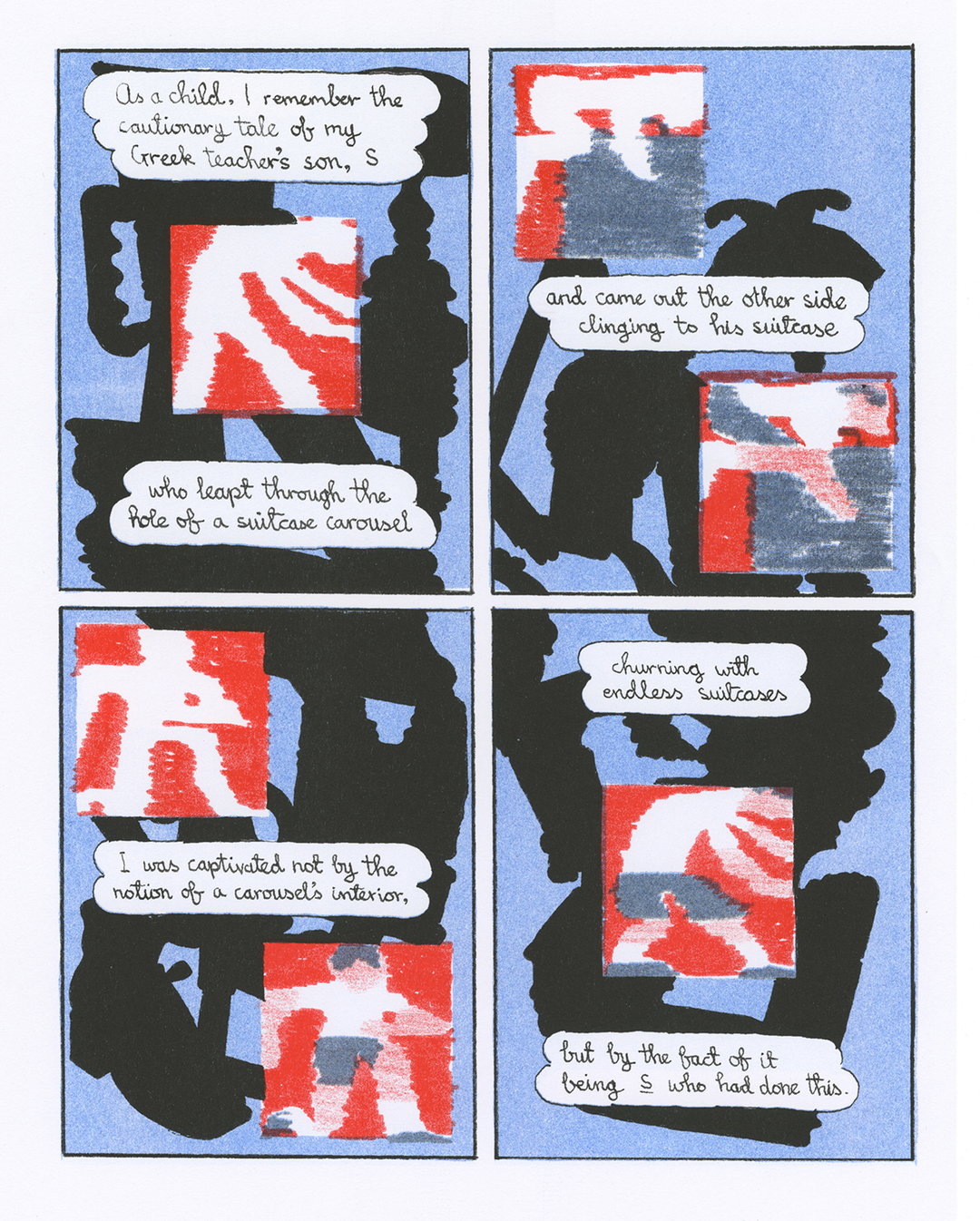
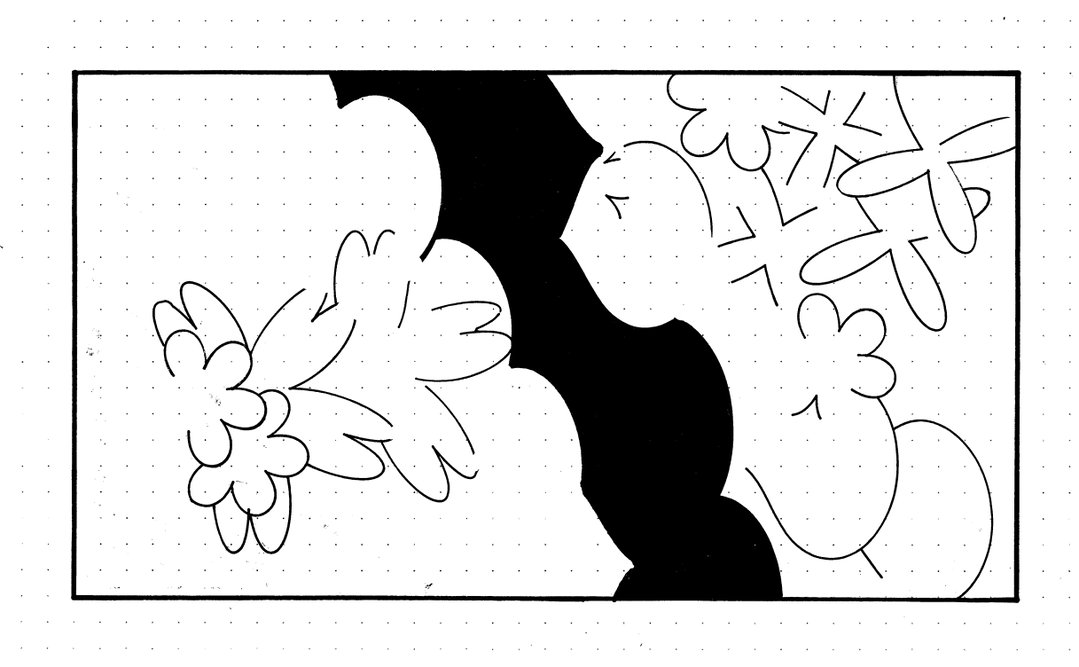
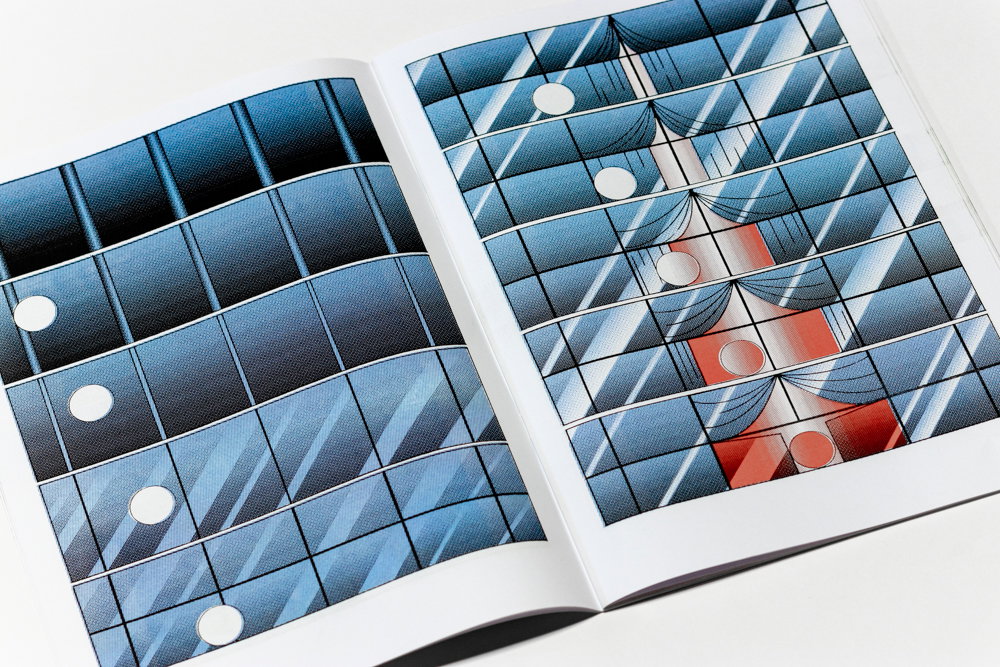
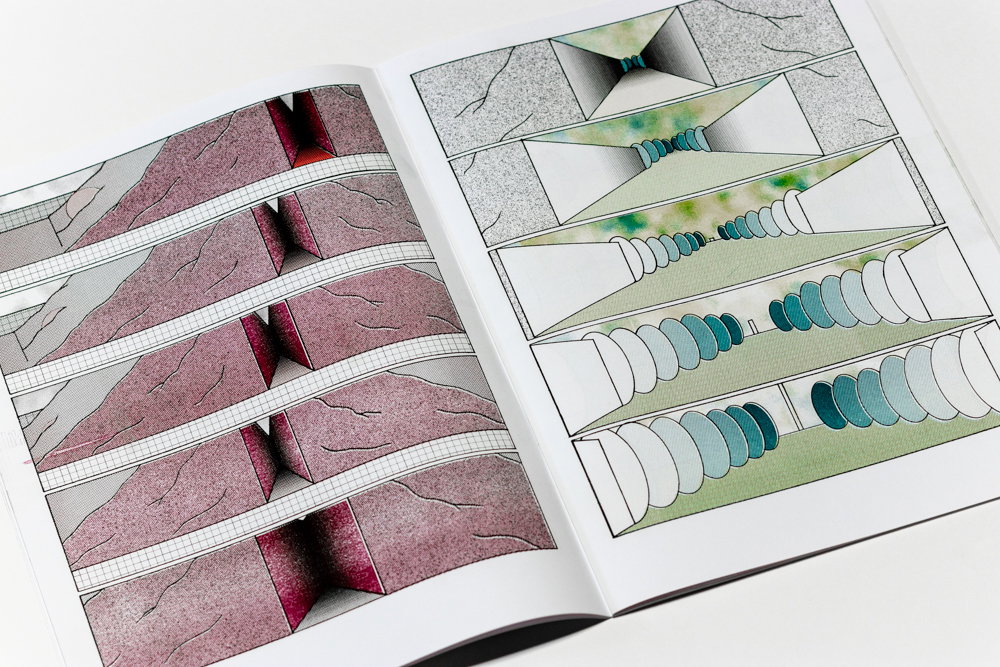
Ringing true to his improvised way of working, Nicolas has taken a brief step away from his usual style and has completed a colourful array of illustrations for his Distance fanzine, published via Otto Press. Sitting alongside his monochromatic panels, the colourful spreads are a nice turn for Nicolas. “I’m a huge fan of Basil Wolvertone’s Scacehawk, especially his colours and his work on inking and weft. I was very inspired by him for this book,” he adds on the matter, before telling us how this “ben-day dots technique” – a commercial printing technique that uses small dots of colours – is what really drove him. “You can switch from one colour to another by simply doubling the density of a coloured screen tone.” Although working sporadically, the addition of colour was in most part an intentional decision. As we speak, he concludes: “I’ve realised that I should make more coloured drawings!”
GalleryNicolas Nadé
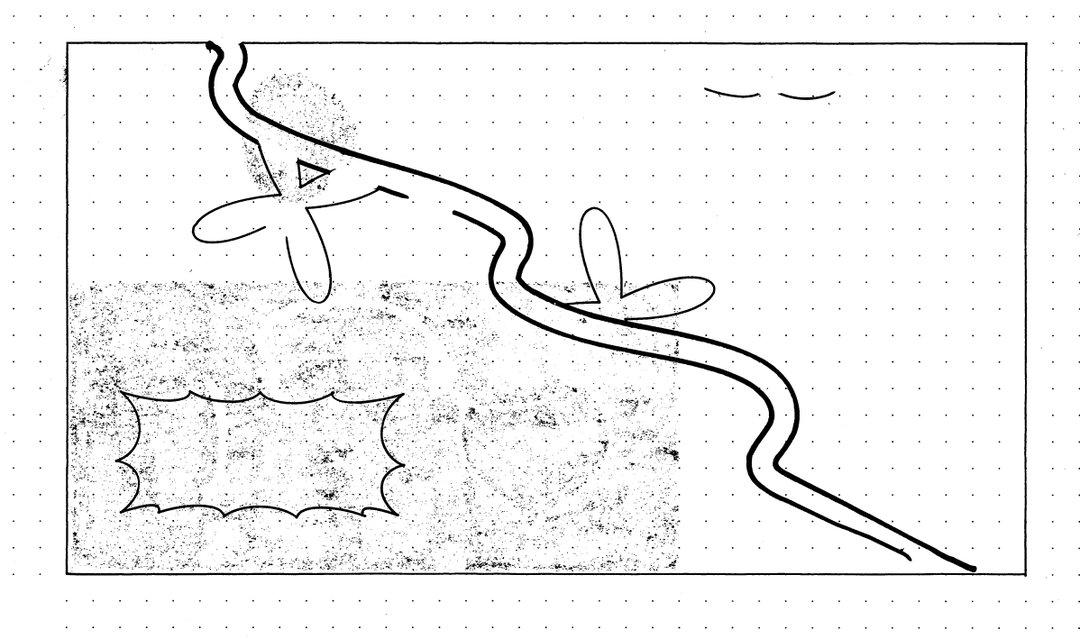
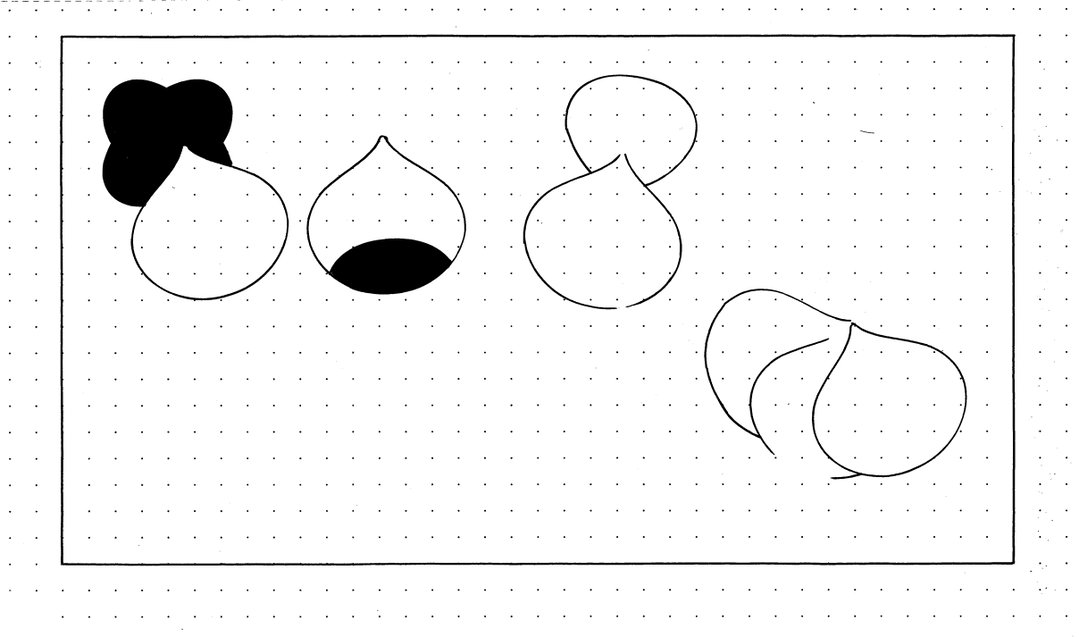
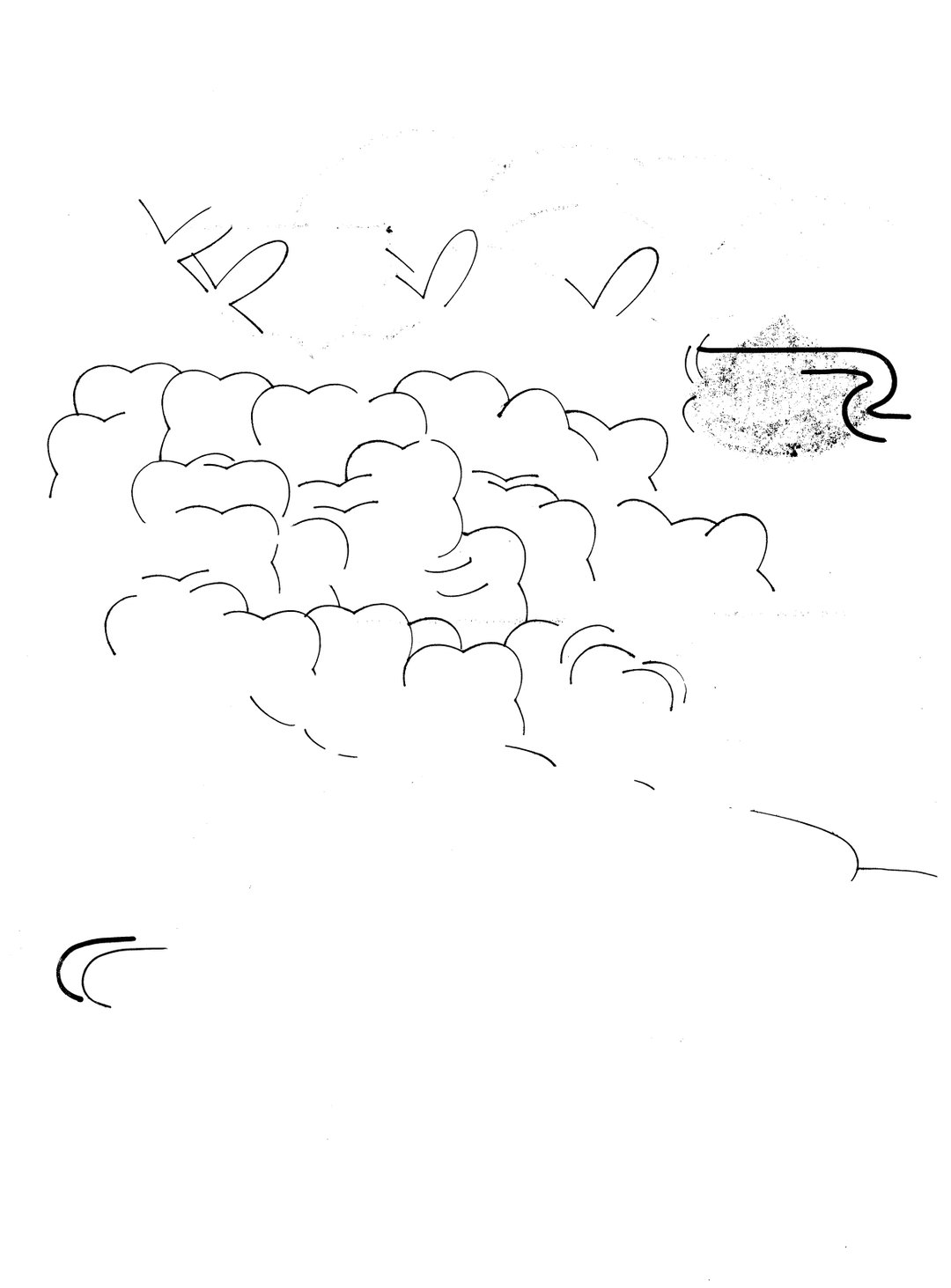
GalleryNicolas Nadé: Parallelisme
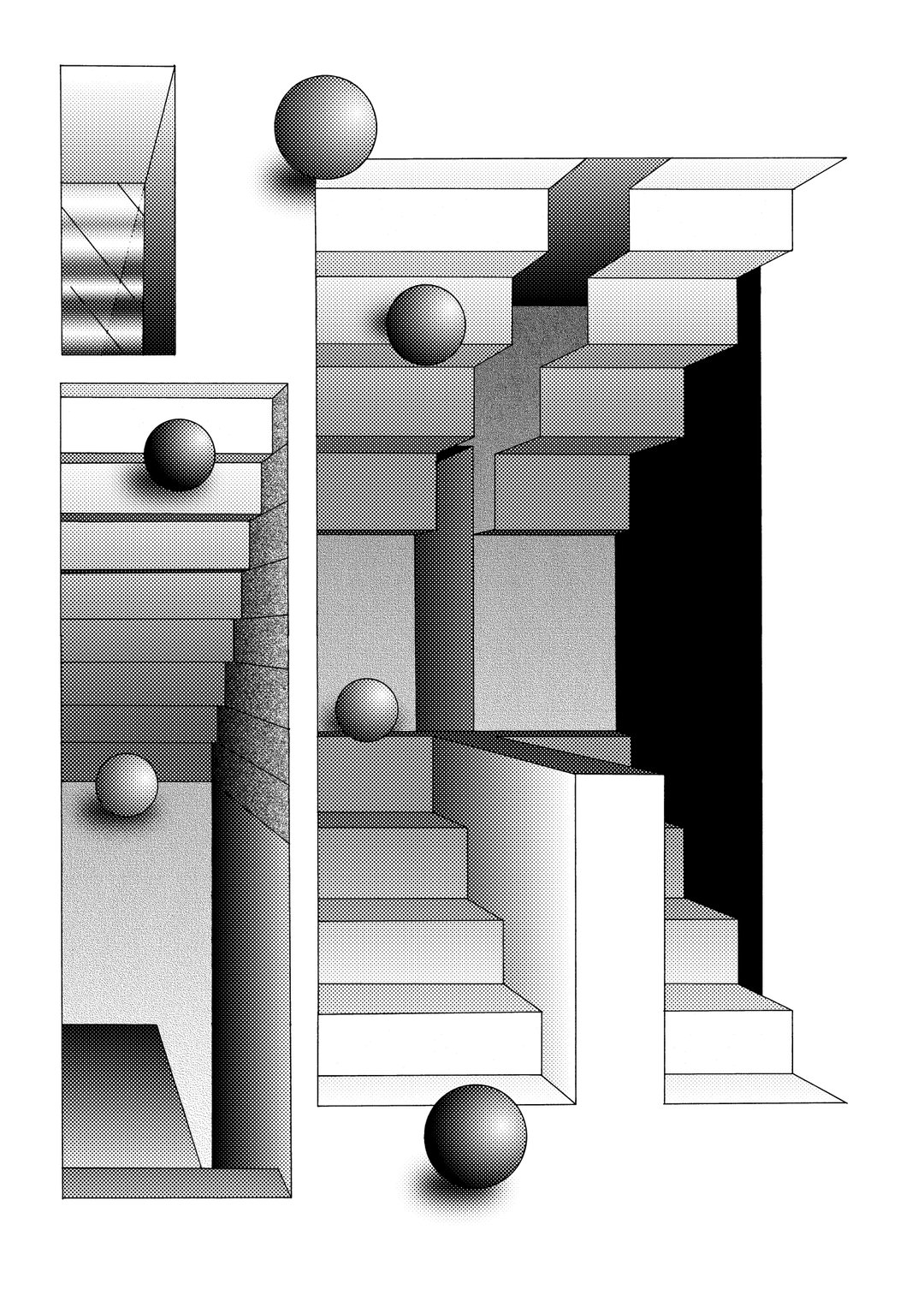
Distance
Distance
Share Article
Further Info
About the Author
—
Ayla is a London-based freelance writer, editor and consultant specialising in art, photography, design and culture. After joining It’s Nice That in 2017 as editorial assistant, she was interim online editor in 2022/2023 and continues to work with us on a freelance basis. She has written for i-D, Dazed, AnOther, WePresent, Port, Elephant and more, and she is also the managing editor of design magazine Anima.