The first step: an open foundation course at OCA could hold the key to a creative career
Before splitting off into myriad disciplines and unique areas of design and art, a huge proportion of creatives have one thing in common – a foundation course. It’s the time of experimentation, evolving raw creative potential, and importantly finding out specific, relevant information about the creative sector that grabs their interest. However, not everyone has the time or funds to take a year off to do so. At the Open College of the Arts, part of the University for the Creative Arts, there are Open Foundation courses available that allow the flexibility for anyone to access the opportunities the courses can offer – and set them up for pursuing a degree and career in their chosen subject.
At OCA there are Open Foundation courses in Drawing, Photography, Re-approaching Photography (for those with more experience behind the lens), Textiles, Music and Creative Writing. Each takes eight hours per week over twelve months, so it can fit around a job or other commitments. Each course is £875 – cheaper than most mainstream art colleges and payable in instalments. And you get many of the same perks of a full-time course, such as one-to-one tuition from creative practitioners who can offer professional experience, plus access to the student site, online resources, and a network of other students and professionals across the country via online forums.
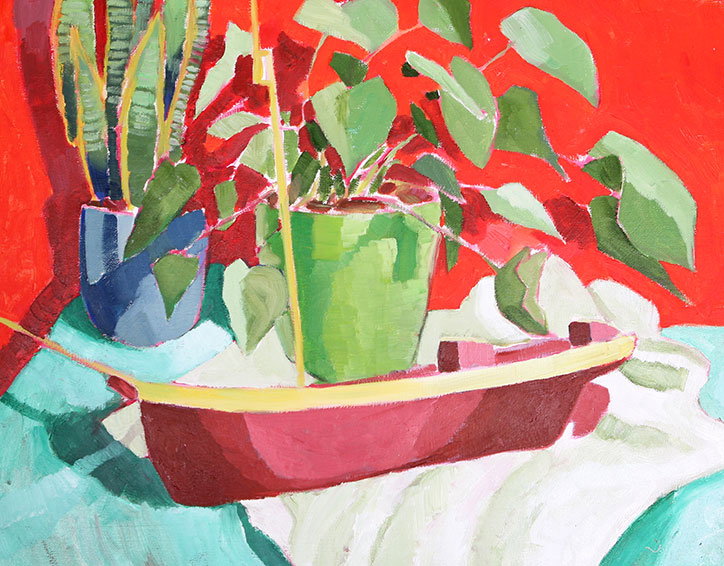
On the drawing course, you’ll explore different techniques and materials, learn core skills and awareness of contemporary drawing practice ideal for starting a creative career. The photography course equally gives you fundamental technical and visual skills, setting practical tasks that allow for creative flair and expression, as well as building awareness of the niches of the main photographic genres.
By comparison, the course in re-approaching photography is aimed at those with professional experience who want to develop their critical and academic skills in order to study at degree level. This encompasses critical analysis of one’s work, asking students to consider the photographic image in all the ways it is used and consumed, and helps bolster each creative’s critical opinion and voice in the area of contemporary photography.
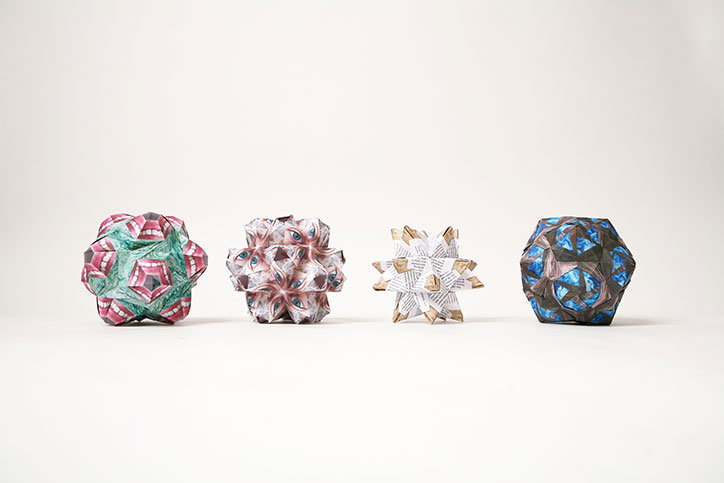
The textiles course also supports students in growing their creative approach and technical ability. It features lessons on mark-making, collage, materials and tools, and the historical context of textiles, that will prepare you for further study in higher education and eventually a career in the sector.
These courses can be studied anywhere, in the UK or internationally, and have flexible deadlines with no formal exams – rather relatable feedback and support from practitioners. Aside from the key learnings, this also includes admissions advice relating to higher education study, and optional extra curricular activities – like gallery visits – for an added sense of community and critical discussion. There is the possibility for bursary funding too. Whether you’re keen to try out a creative subject or build knowledge in your chosen career path, this could be the first step.
David Fewell
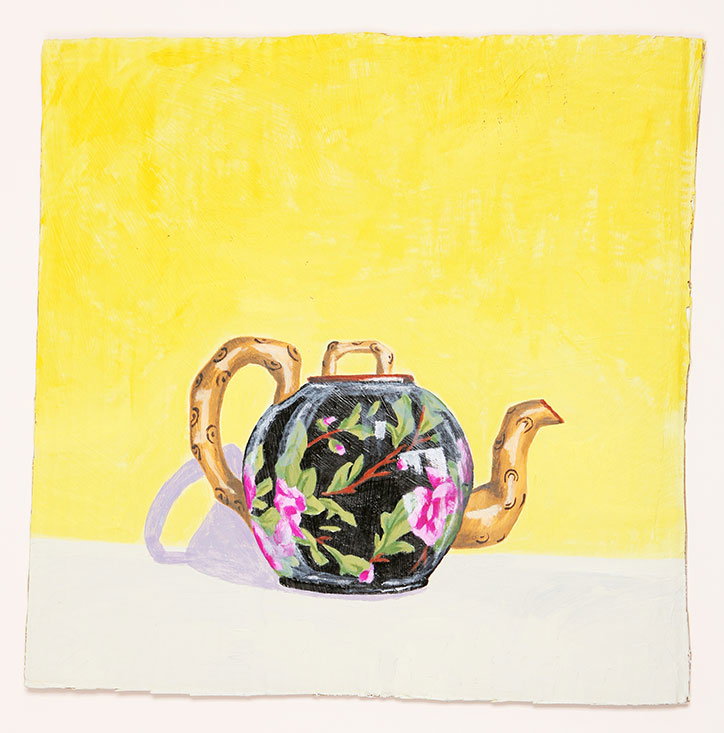
Selina Taylor
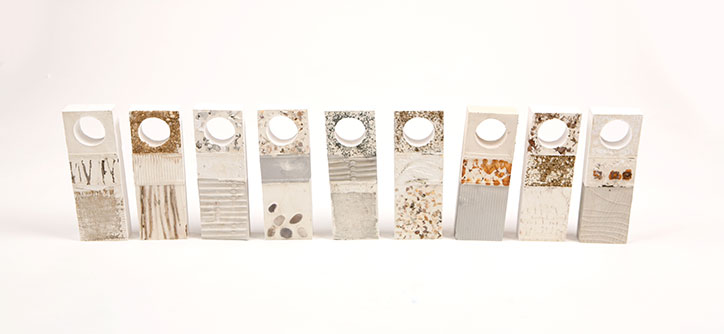
Michelle Jeffreys
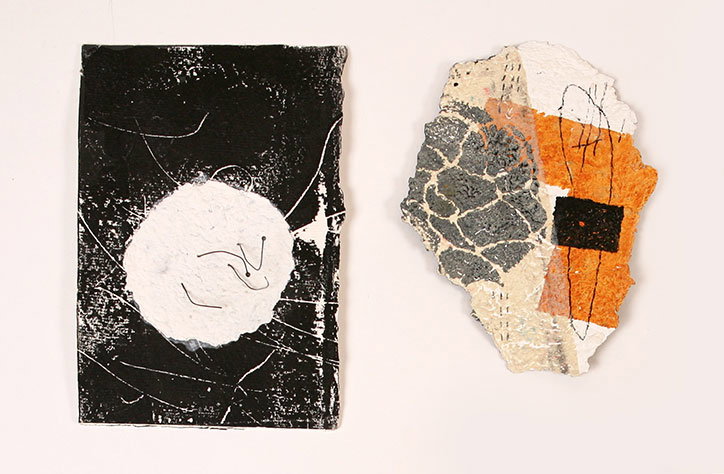
Paola Uberti
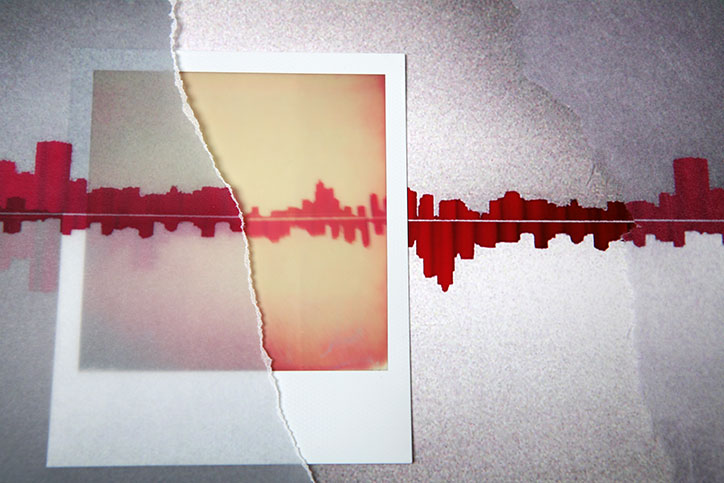
Stephanie D’Hubert
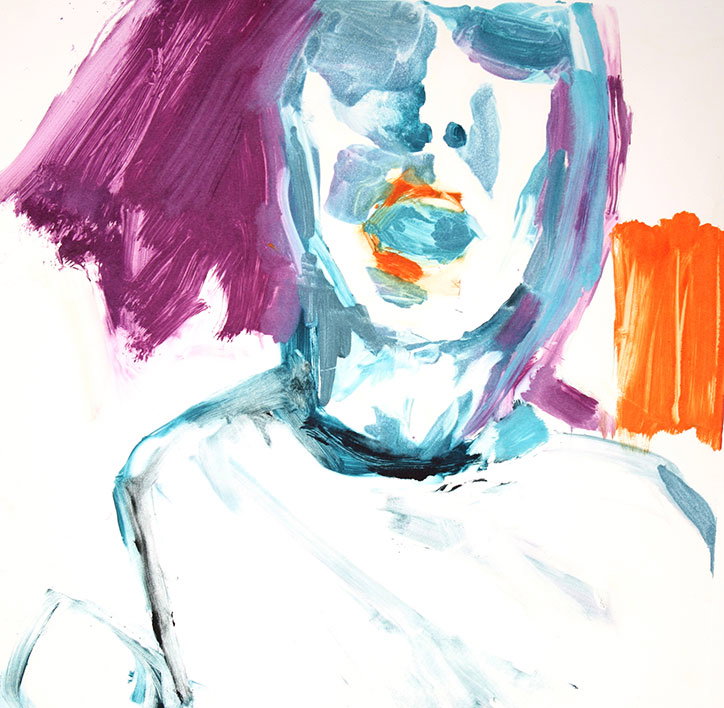
Angela Johnson
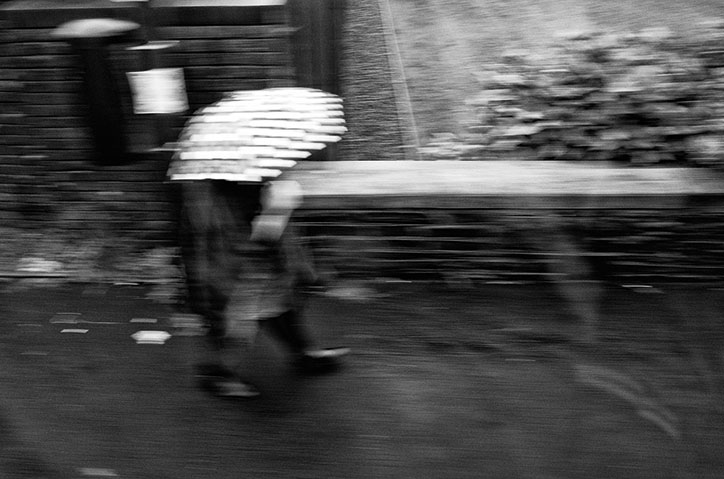
Matthew Roberts
Share Article
Further Info
About the Author
—
This article was sponsored by a brand, so is marked up by us as Sponsored Content. To understand more about how we work with brands and sponsorships, please head over to our Work With Us page.