




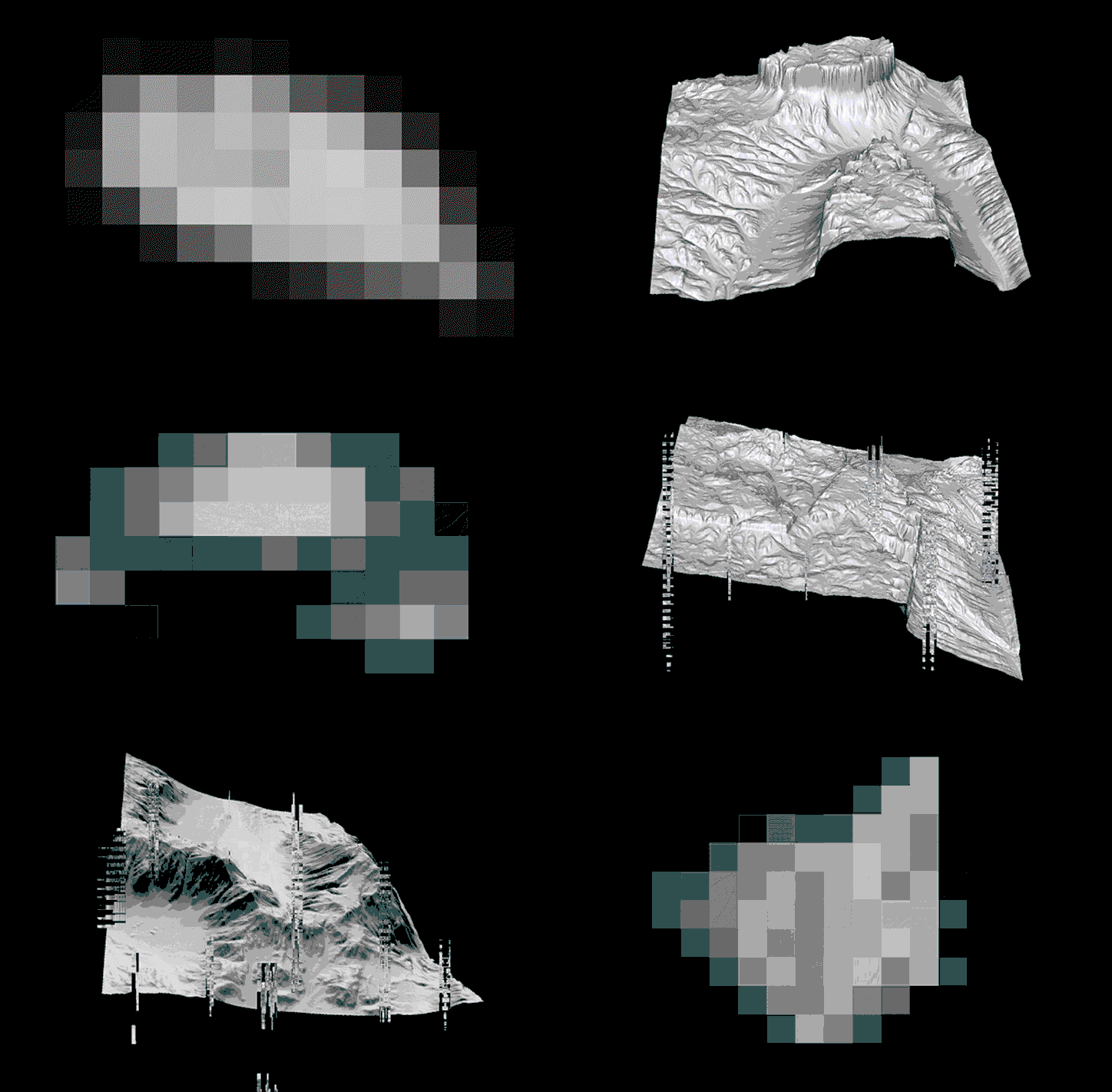
Artist Paulo Arraiano envisions a symbiosis of nature and technology
The work of Lisbon-based multimedia artist Paulo Arraiano draws an eclectic and interdisciplinary range of influences and references. With studies in linguistics, philosophy, communication and visual arts under his belt, packed in next to his professional experiences working in art direction, as well as the fashion and music industries, Paulo now cultivates a research-based practice of making visual, installation-based and digital works which merge both synthetic and natural elements.
To condense the staggering complexity of his work into terms intelligible (almost) to us mere mortals, Paulo states: “I work between a triangle of body-landscape-technology.” Or, in more detailed terms: “I’m interested in the concepts of transhumanism, ecology, climate change, the anthropocene and other aspects related to a moment in time where human existence and landscapes are transforming by our own actions and a new paradigm is being created. Visual art works most of the time as a visual seismograph, so I’m interest in raising visual and conceptual questions regarding this present age of technologic and biologic exponential change and sensorial revolution, where magic is becoming science fact.”
The tension between nature and synthetic matter, as well as between what exists physically and what exists digitally as code, is a constant in Paulo’s work. Having grown up in proximity to the ocean and the natural landscape, he tells us: “My main influence comes directly from natural elements; everything else is processed information.” One body of work, titled Sensorial Divinities, based on “the primordial reference of water”, reflects on the apparent paradox of ecology and technology, reframing this seemingly oppositional relationship as, in fact, symbiotic. The sculpture and video works envision technological media and organic material flowing together in a harmonious marriage of biological anatomy and synthetic machinery.
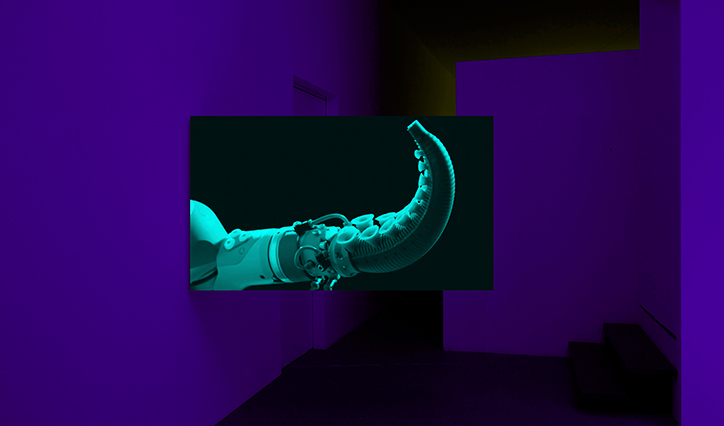
Paulo Arraiano: Sensorial Divinities
As Paulo describes Sensorial Divinities: “Here, synthetic and natural elements collide towards a moment in time where body as well as landscape will transform into a new physical and even spiritual paradigm – a place where we shall decide what is machine and what’s human. Using found footage, digital renders from satellite images and robotic or industrial objects, versus natural elements such as corals, glass or stones, I create a dialogue towards the possibility of digital immortality where DNA revolution, artificial intelligence, augmented intelligence, biotechnology, nanotechnology, cyborgism and transhumanisn will all be present in our daily life performance.”
For Paulo, the perpetual flux of emerging technologies entails a complete transformation of the ways in which we interact on a sensorial level with the natural environment. As he puts it: “The digital act contrasts and coexists with our human nature in eternal cross-communication.” We are, he says, experiencing “a particular moment where human bodies create a physical distance from the importance of the object towards dematerialisation,” and we are on the cusp of an age “where the speed of a post-digital generation dictates time, and the artificial replaces the natural, contributing to a transformation of human perception.”
These are the concepts behind Paulo’s As Always a Matter of Perspective, a research process and series of works that explore the digital prostheses – mobile phones, laptops, satellites – which connect us artificially, via electronic information, to the world. He states: “These entities, through digital registration, connect us in a pictorial way to the landscape, and in that sense to flora, body and skin. Technology and the digital will be the element that remembers and re-connects us to the the elements that were here before our physical presence.”
Speaking of the place of digital technologies in contemporary art and creative culture, Paulo says: “We are in moment where both natural and technological elements are inhabiting the same space and reality, so this eventually affects all areas, including contemporary art.” For Paulo, the future of digital technologies is not one that will arise in opposition to, or as a destruction of, the natural environment, but as an augmentation of our perceptions and understanding of it. He is, he tells us, “always trying to create a dialogue between matter and non-matter elements, and natural versus synthetic,” in a visualisation of how nature and technology might coexist as we enter a “new paradigm” for human existence.
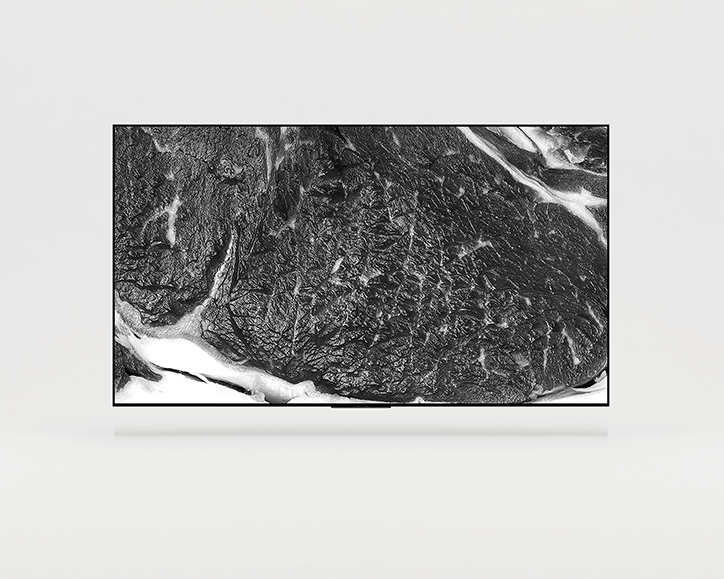
Paulo Arraiano: As Always a Matter of Perspective
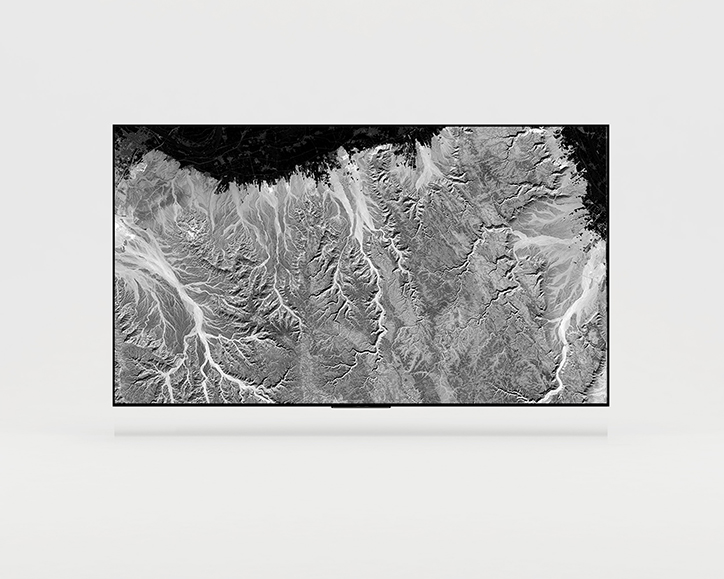
Paulo Arraiano: As Always a Matter of Perspective
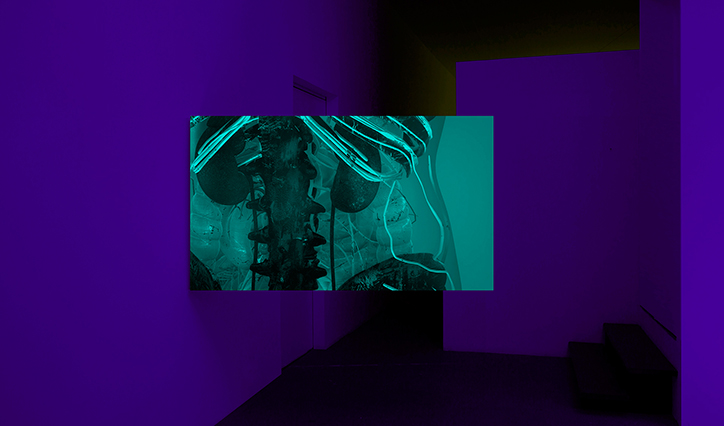
Paulo Arraiano: Sensorial Divinities
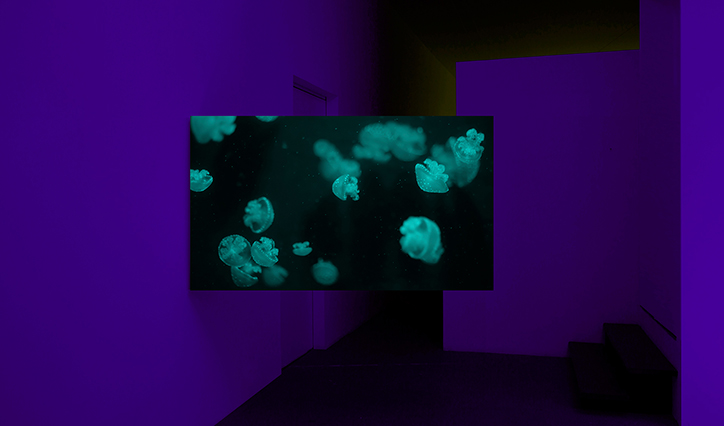
Paulo Arraiano: Sensorial Divinities
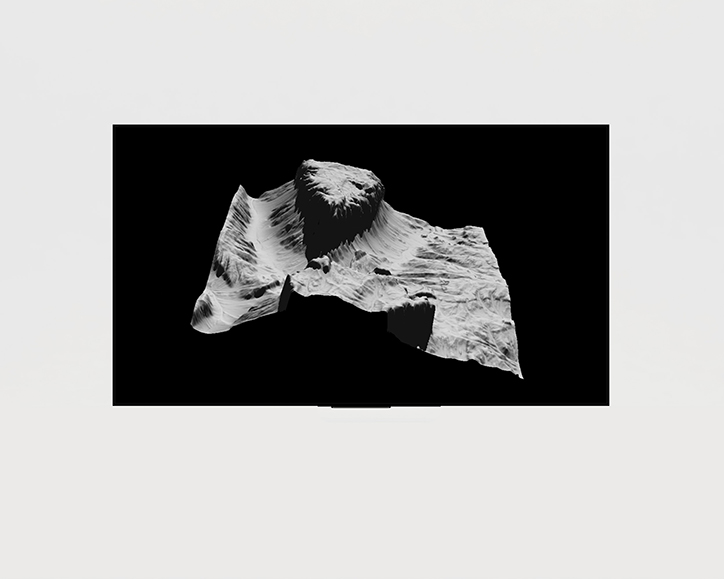
Paulo Arraiano: Skin Metadata
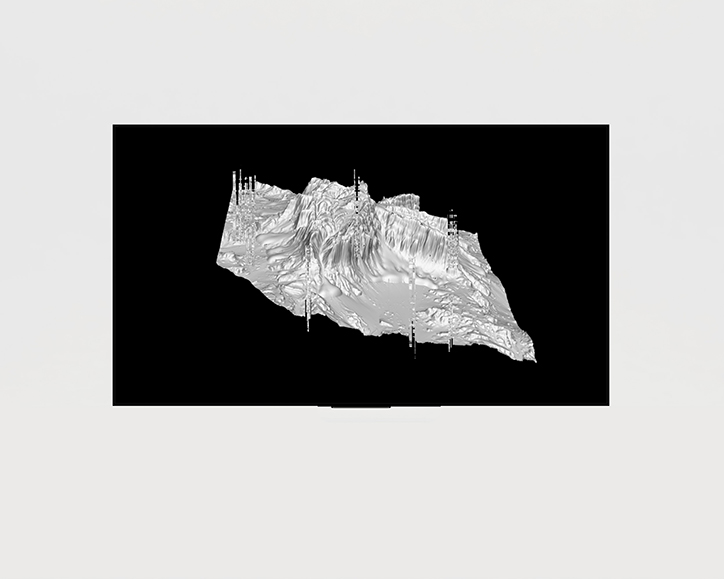
Paulo Arraiano: Skin Metadata
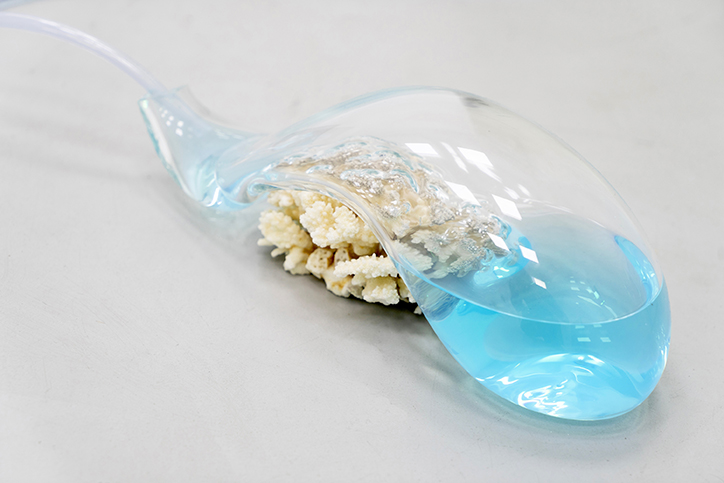
Paulo Arraiano: Sensorial Divinities
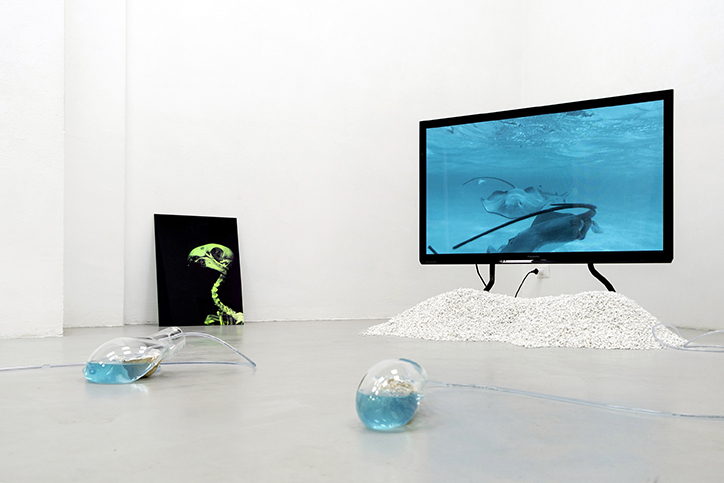
Paulo Arraiano: Sensorial Divinities
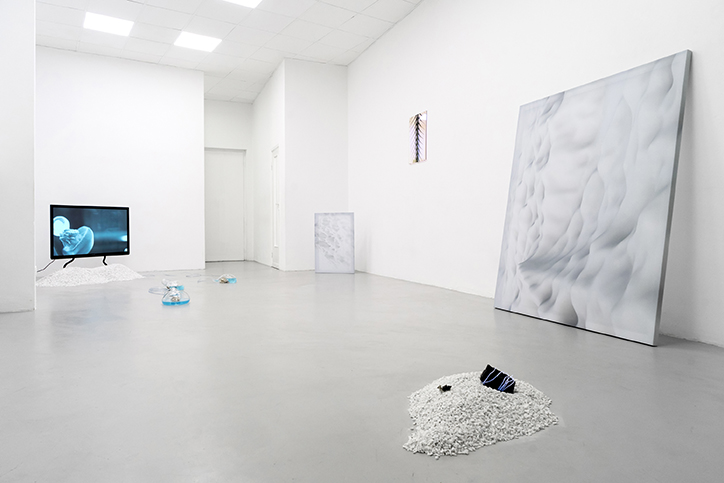
Paulo Arraiano: Sensorial Divinities
Share Article
Further Info
About the Author
—
Rowe joined It’s Nice That in the summer of 2019 as an editorial assistant. She wrote many fantastic stories for us, mainly on hugely talented artists and photographers.