Congo Tales offers an alternative to fear-based environmental messaging
The world’s second largest rainforest, second only to the Amazon, is the Congo Basin. Known to ecologists as “the world’s second lung”, the Congo Basin stretches across 500 million acres, spanning six nations, and is home to some of the most biodiverse species today. Congo Tales, a new book published by Random House, raises awareness around the ecological importance that this African rainforest provides.
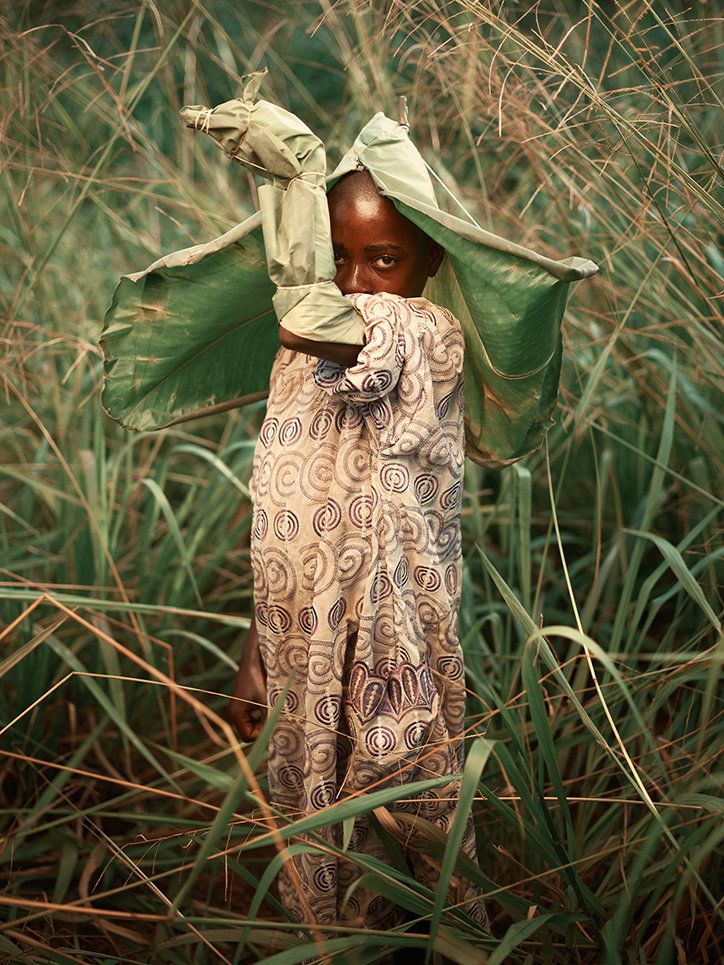
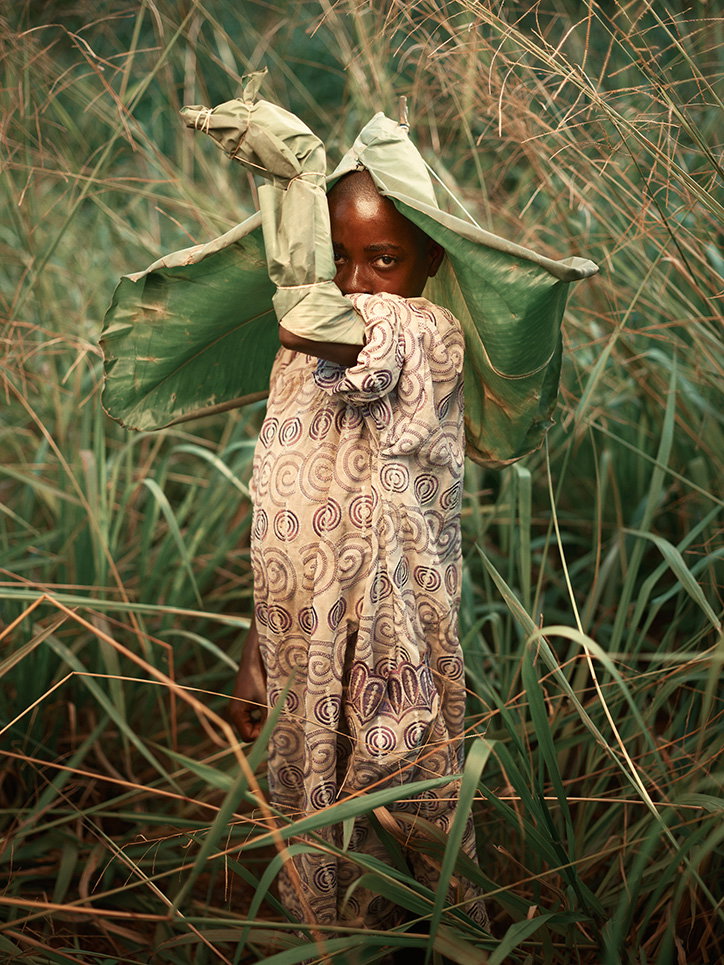
With the Odzala Kokoua National Park as its crown jewel, the rainforest is a major contributor to the Earth’s environmental well-being. The photographic series captures the “cathedral of nature’s treasures” over a five year period. Involving the local Congolese communities in the Mbomo district of the Congo Basin, photographer Pieter Henket not only photographs the beauty of the Congolese landscape, but also its culture and people through Congo Tales.
The Congo Basin is vulnerable to the ecological catastrophe of deforestation and poaching that threatens many natural environments today. To voice this concern, the book intends to “create a conservation infrastructure” in place to protect our world’s ecological balance. It upturns the convention of “fear-based environmental messaging” as well as “the portrayal of Africa solely as a place of plague and war”. In turn, the series documents the abundant wonders of the Congolese region and takes a completely different approach in visually communicating the urgency of conservation efforts in the area.
The editor of Congo Tales, Eva Vonk, developed the concept of the series in 2013 and subsequently spent three years working closely with the people in the Mbomo District of the Congo Basin. This first record of the community’s mythologies was photographed by the renowned Pieter Henket, whose seductively lit images “trigger the viewer to use their childlike imagination and question their own versions of what they see in the image”.
“I try to draw people in with lighting and composition, making a reality into a fantasy,” Pieter tells It’s Nice That of his creative process behind his photographic angle. I hope it sticks with them and makes them curious about the actual story and what is behind it.” Pieter’s artistry with the camera frames the fragile narrative of Congo Tales: “lighting draws you in and makes you pay attention to details that are important; leaving small things out or highlighting details within the composition”, adds Pieter. Undoubtedly a challenge to work amidst the natural phenomena of a rainforest, but Pieter still believes the project still became “the most amazing thing [he has] ever done.”
Pieter is a photographer known for his fine art portraits, creating staged scenes to try and find a natural way for the person in front of the camera to tell a story. Having shot celebrities such as Lady Gaga and Mary J. Blige, Congo Tales was “like a dream” for Pieter as he could bring his cinematic approach to the natural environment. “I was working with people who are not familiar with acting in front of a lens, so the expressions I got from them were utterly without a pretentiousness of any kind. This was mind-blowing and at times, very emotional for me”, the photographer adds.
This being said, Eva points out how “managing protected areas can often become a double-edged sword.” She has witnessed first-hand how efforts to protect the forest have negatively impacted the local community’s lives. For instance, through assuring the conservation of undisturbed areas in the Odzala Park, the nearby communities have been inadvertently excluded from their natural resources. “Parks have to be protected from logging by foreign companies and illegal ivory poaching, but isolating people from their own land where they hunt and gather means they can no longer feed and support themselves.” Fundamentally, Eva deduces that “it is not a sustainable way for the community to make ends meet nor facilitate their basic needs”. Although the solutions to these issues are uncertain, Congo Tales nonetheless celebrates the inter-dependent relationship between the Congo Basin and its surrounding communities that mutually benefit from one another.
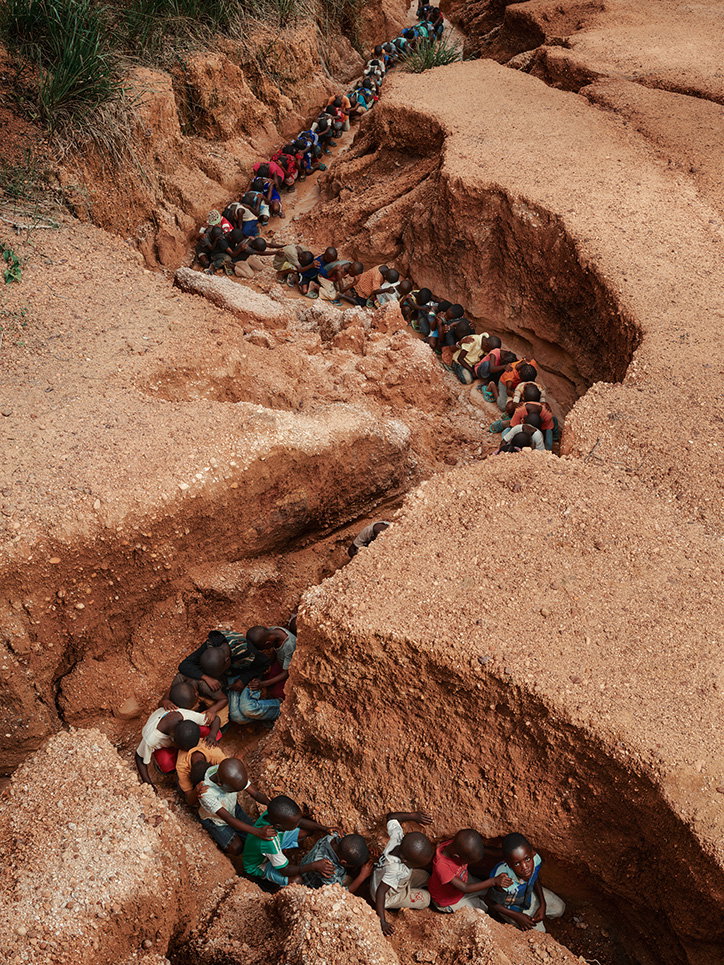
Pieter Henket: Congo Tales
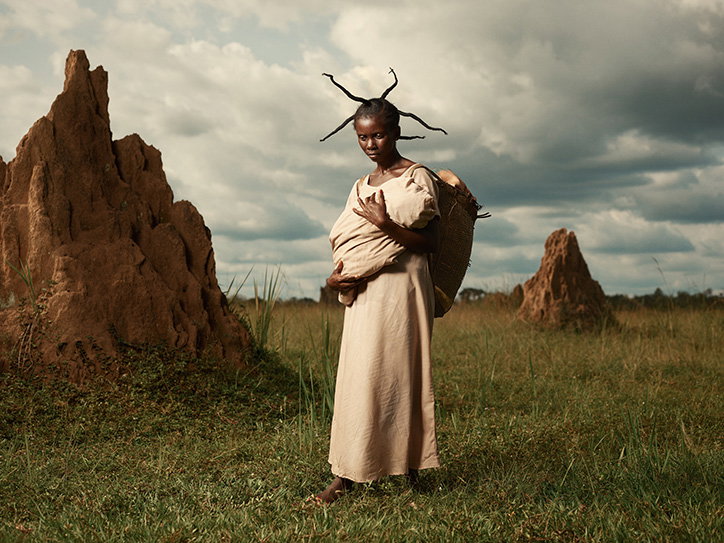
Pieter Henket: Congo Tales
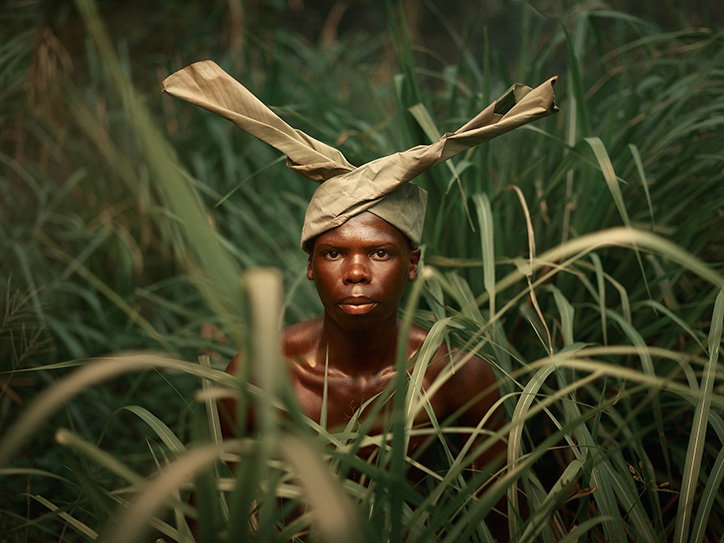
Pieter Henket: Congo Tales
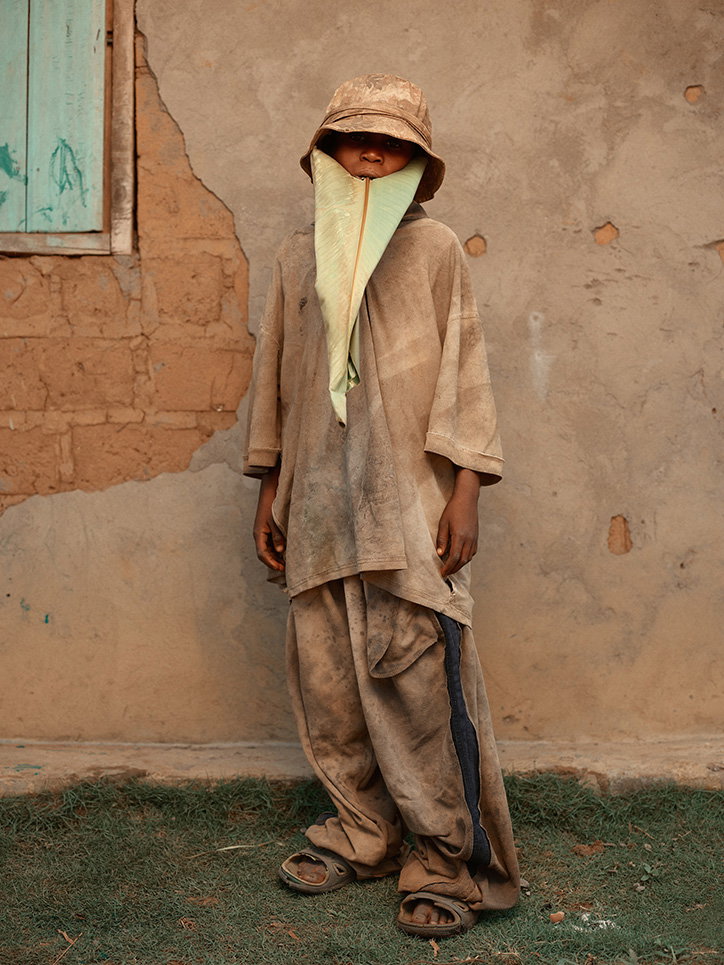
Pieter Henket: Congo Tales
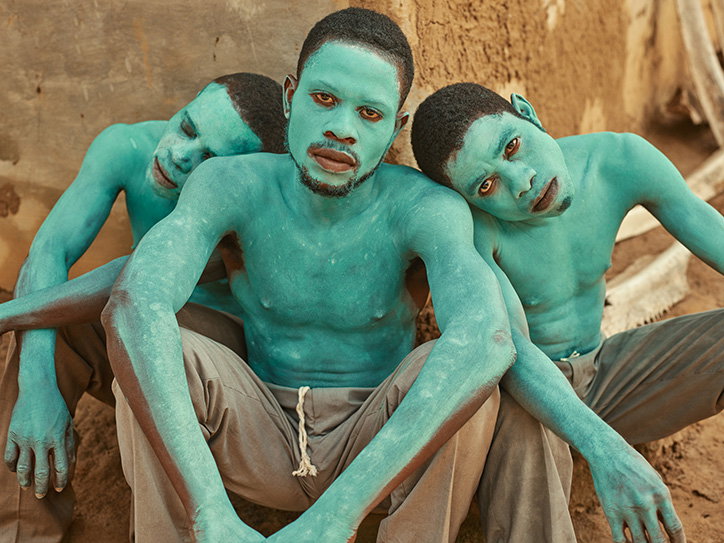
Pieter Henket: Congo Tales
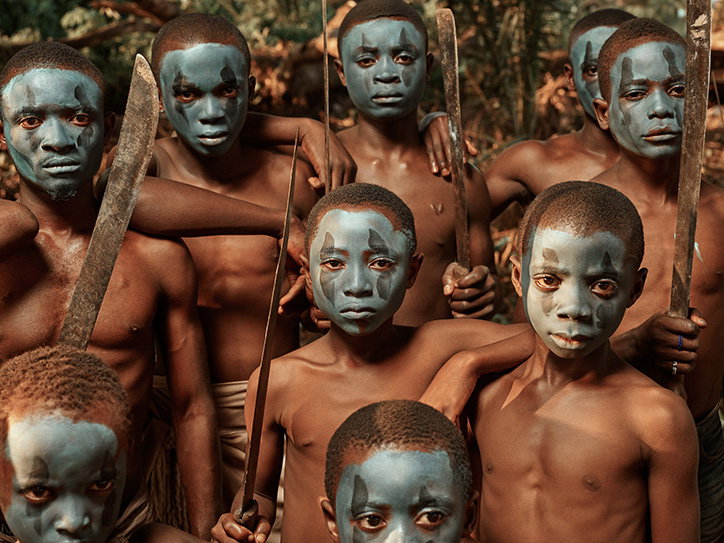
Pieter Henket: Congo Tales
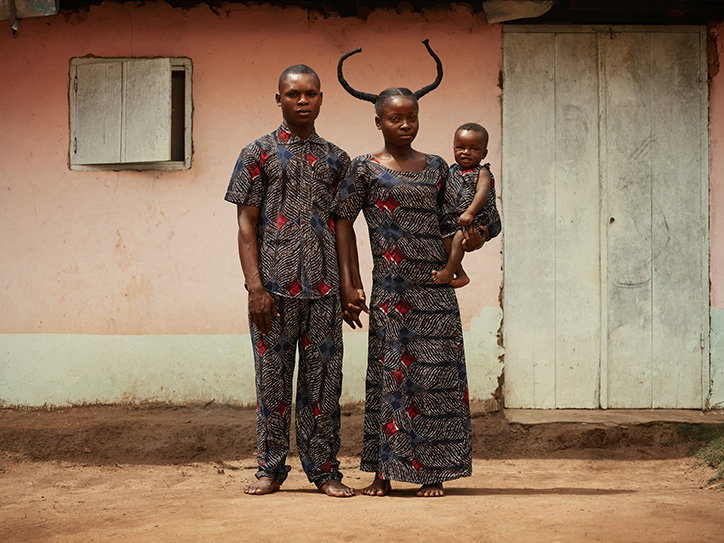
Pieter Henket: Congo Tales
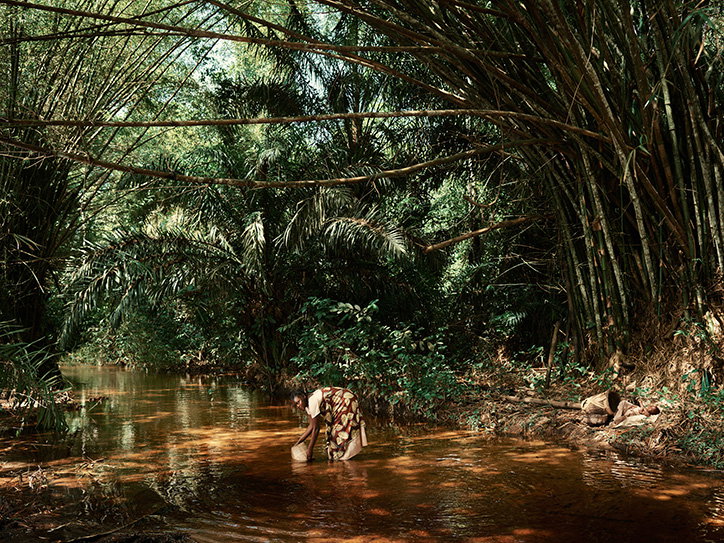
Pieter Henket: Congo Tales
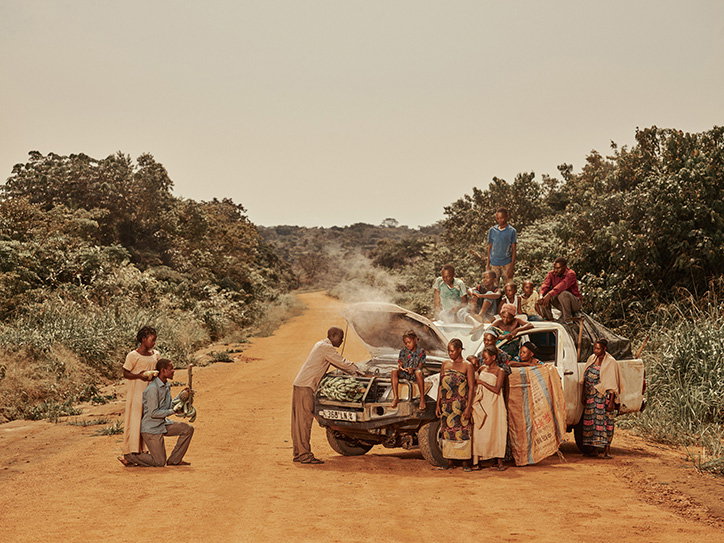
Pieter Henket: Congo Tales
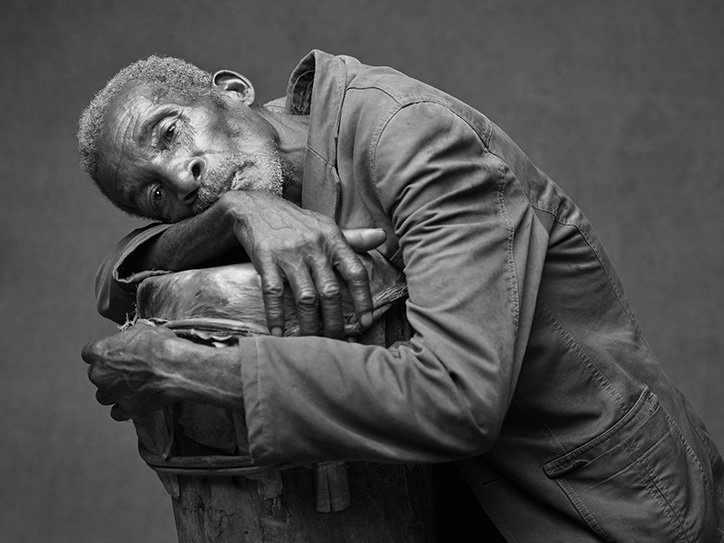
Pieter Henket: Congo Tales
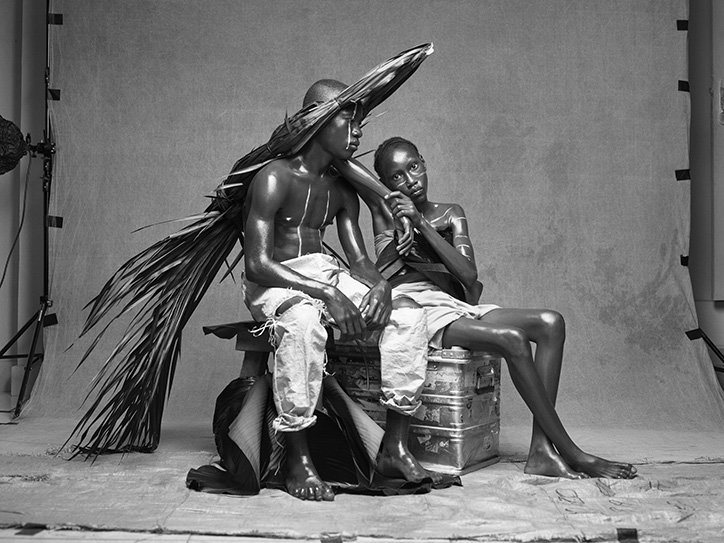
Pieter Henket: Congo Tales
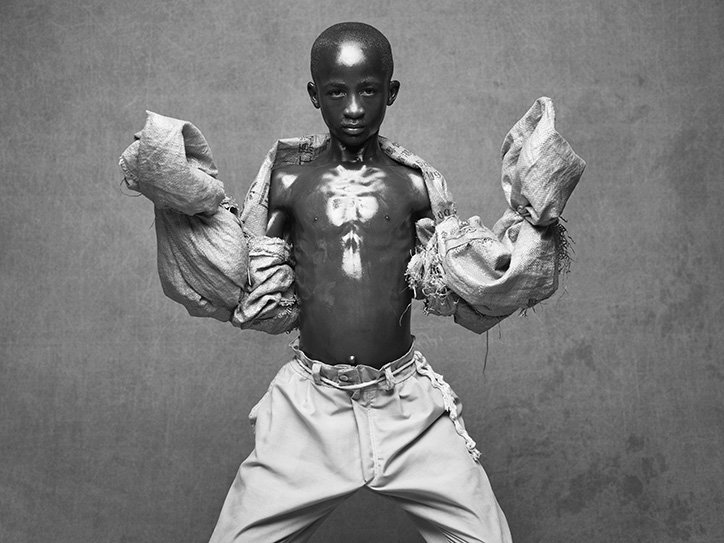
Pieter Henket: Congo Tales
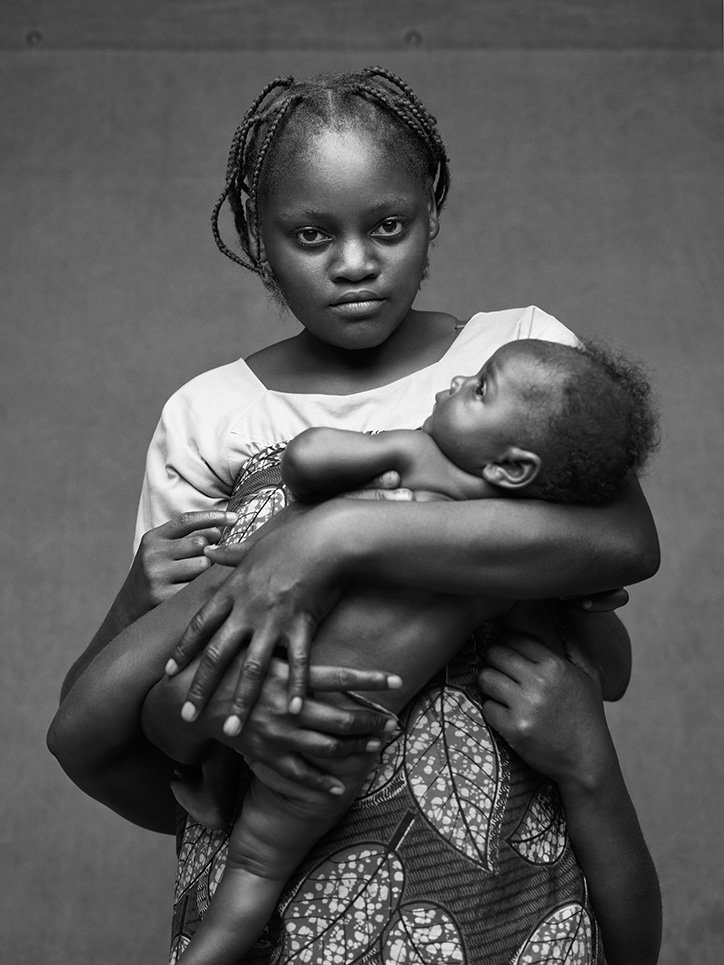
Pieter Henket: Congo Tales
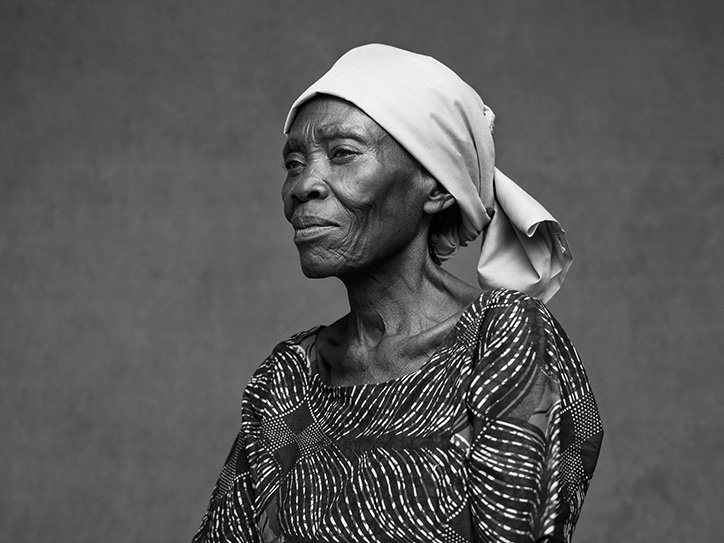
Pieter Henket: Congo Tales
Share Article
About the Author
—
Jynann joined It’s Nice That as an editorial assistant in August 2018 after graduating from The Glasgow School of Art’s Communication Design degree. In March 2019 she became a staff writer and in June 2021, she was made associate editor. She went freelance in 2022.