Polytechnic’s publication design for Hospital Rooms amplifies its impact on mental healthcare through art
The book explores the charity’s diverse artist commissions (such as Hurvin Anderson, Yinka Ilori and Shepherd Manyika) and celebrates its important work.
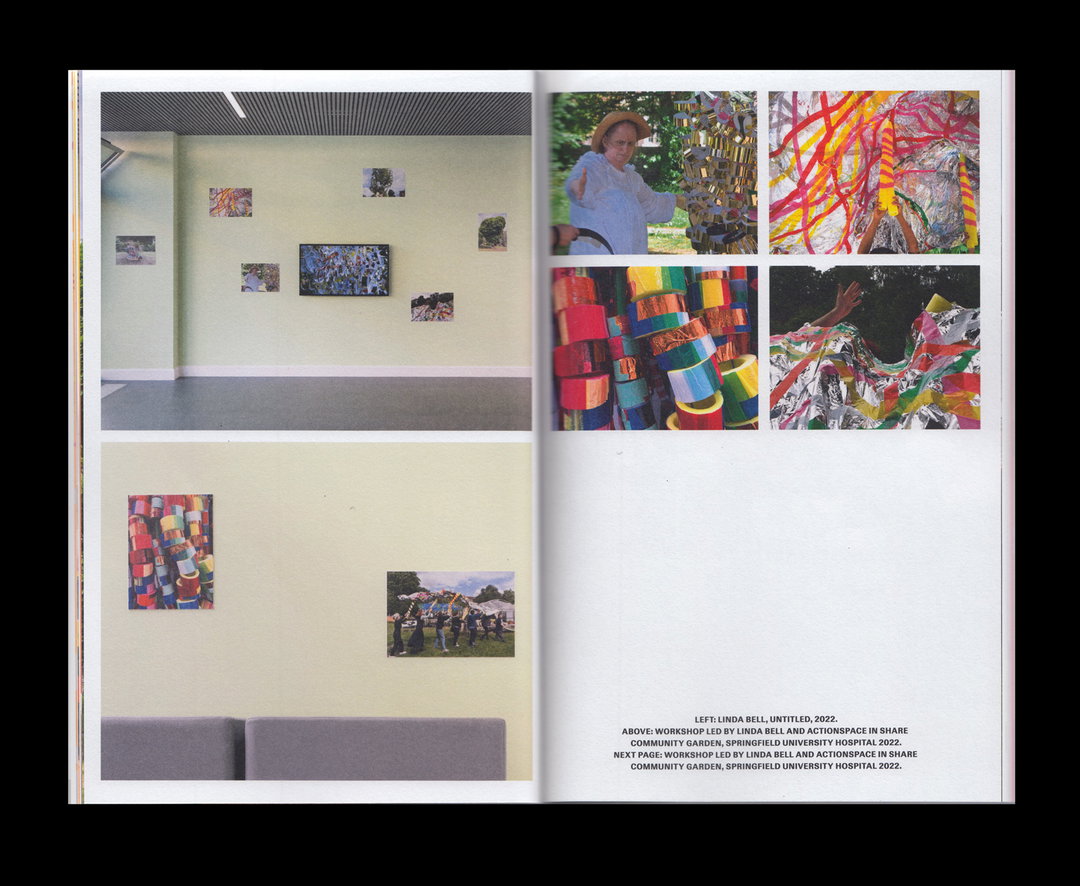
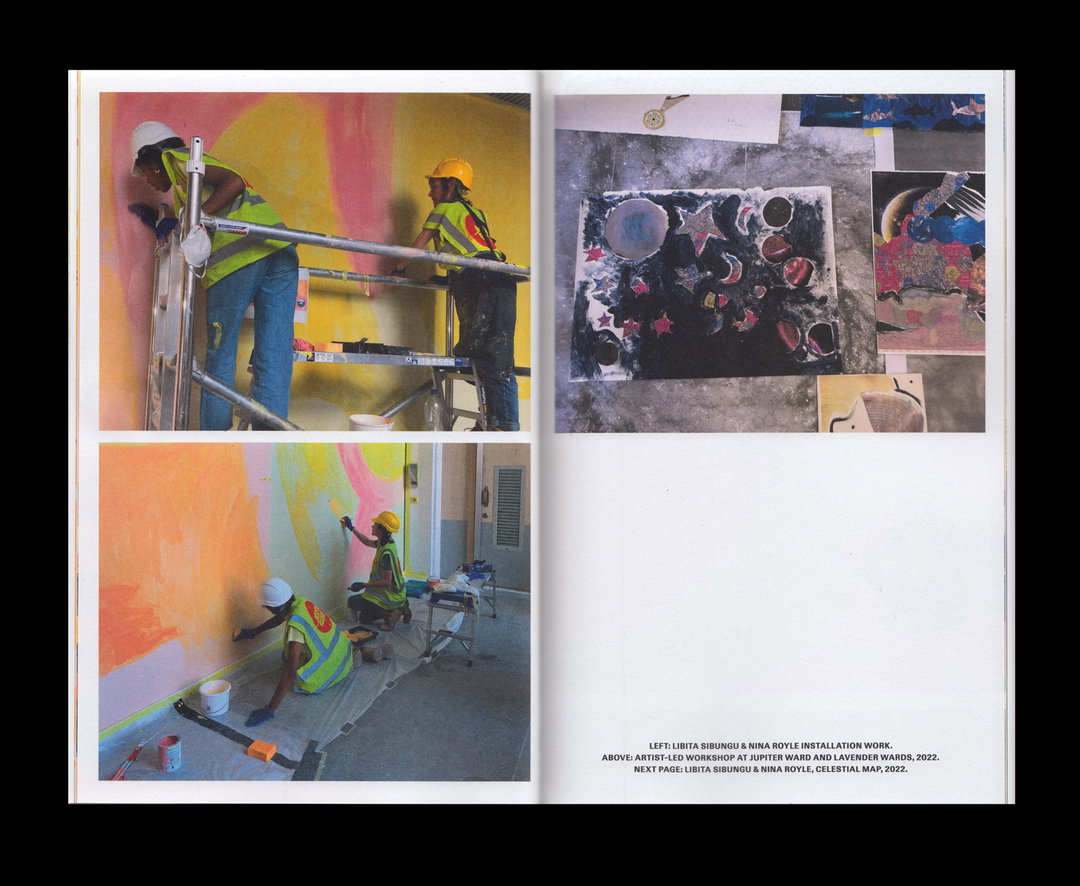
We first covered Hospital Rooms in 2017 after it conducted a project at The Maudsley Hospital. The charity, founded by artist Tim A Shaw and curator Niamh White, transforms the walls of mental health hospitals, elevating the space from its dreary and clinical feel. Working closely with hospital staff, patients and service users, it has since seen incredible growth in requests from hospitals far and wide, resulting in projects such as the recent display of 20 major artworks at Springfield University Hospital in Tooting, South London. Only this time, the collaborative graphic design studio, Polytechnic, has created a book, allowing those unfamiliar with the hospital walls to revel in its new beauty.
Polytechnic first interacted with the Hospital Rooms team through a friend and long-time studio collaborator, Charlotte Flint. At the time, the curator and researcher showed one of France-Lise McGurn’s large-scale paintings at The Workshop at Northside House Social Hub and the studio decided to follow the charity’s work and see if there was any way to support it. Both the studio and charity’s ethos’ aligned, in-large due to Georgia Cherry, co-director at Polytechnic, immersion in the Helen Hamlyn Centre while studying at the Royal College of Art. “It has greatly shaped the studio’s interests in the use of graphic design that shapes public perception, promotes social concerns and furthering the impact and reach of organisations like Hospital Rooms,” Arthur Carey, the other co-director, tells us. “So we were really pleased when its project curators Tim Steer, Siphiwe Mnguni, Louis Caseley and Matilda Hartley presented the opportunity to collaborate.”
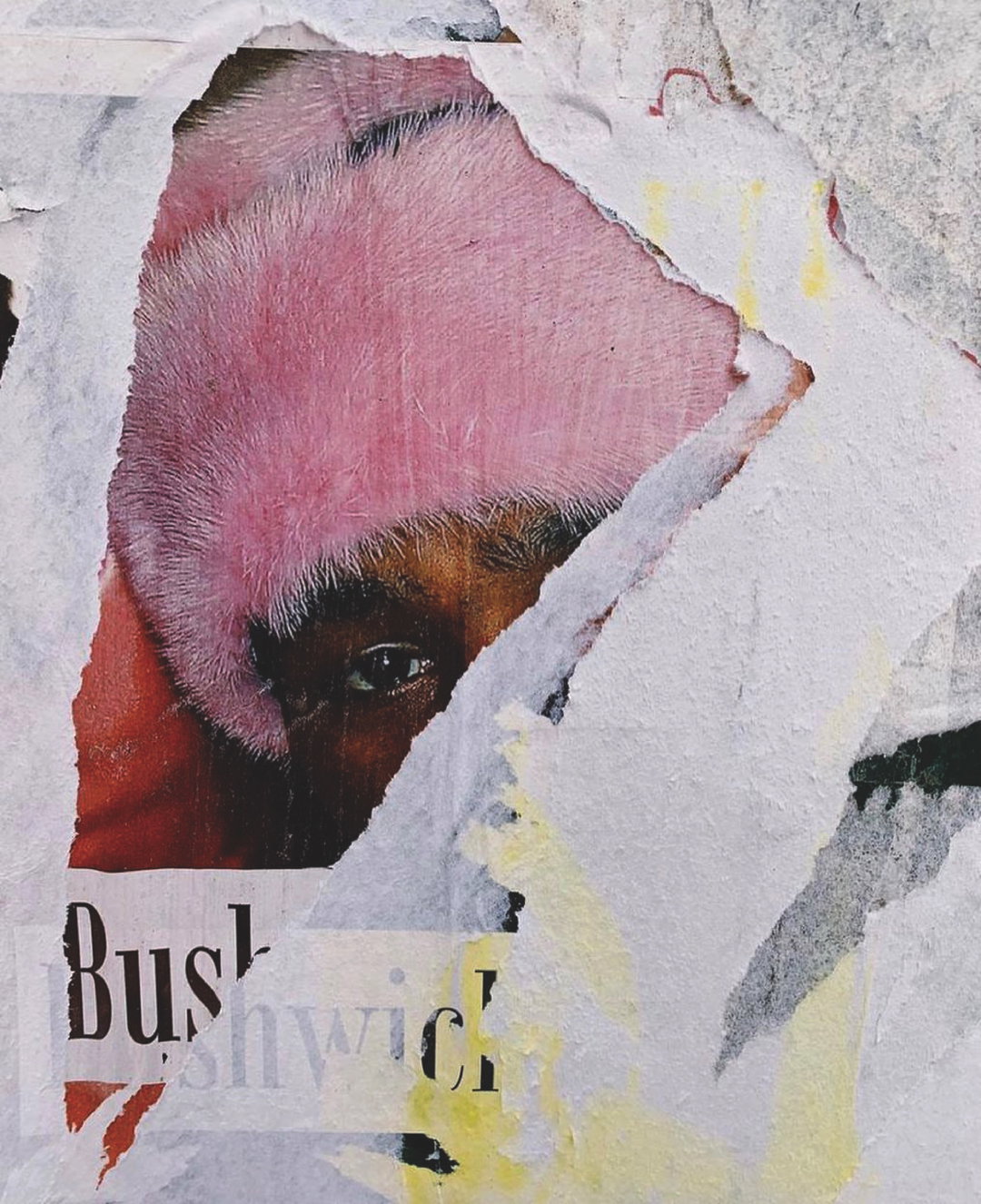
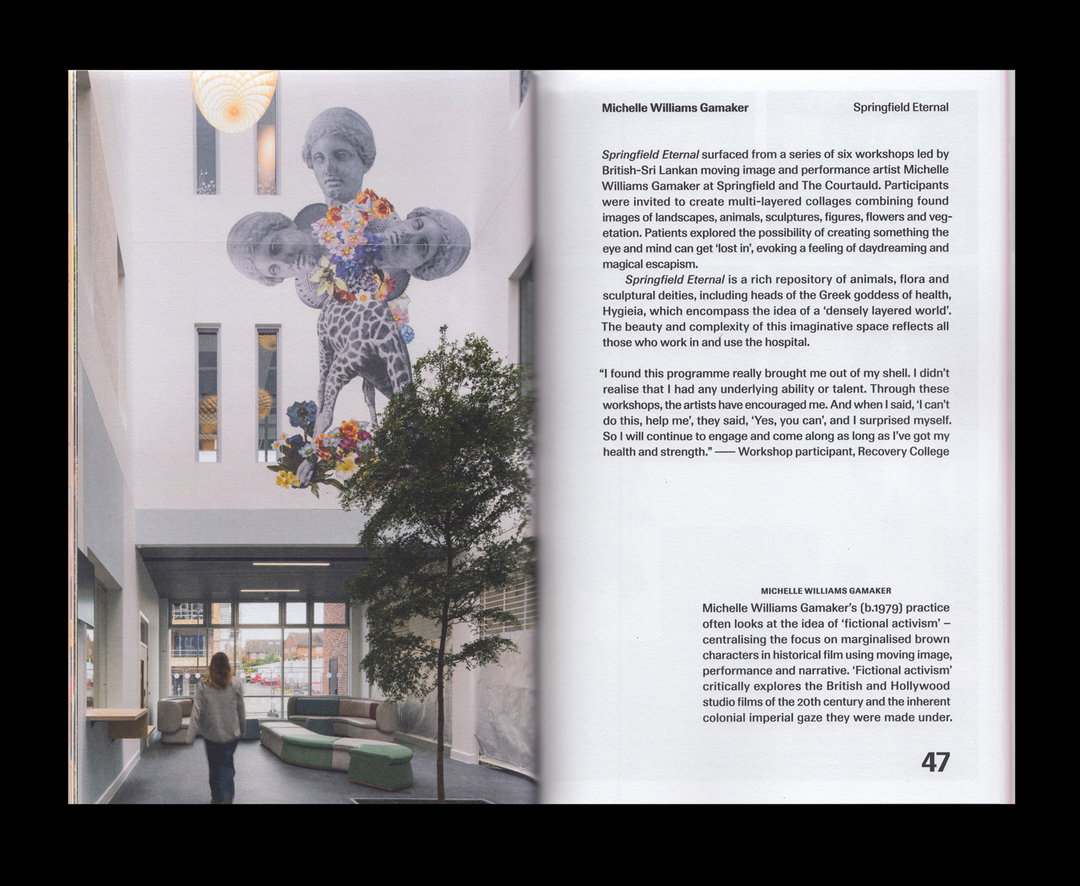
Polytechnic: Springfield: A Hospital Rooms Publication (Copyright © Polytechnic, 2024)
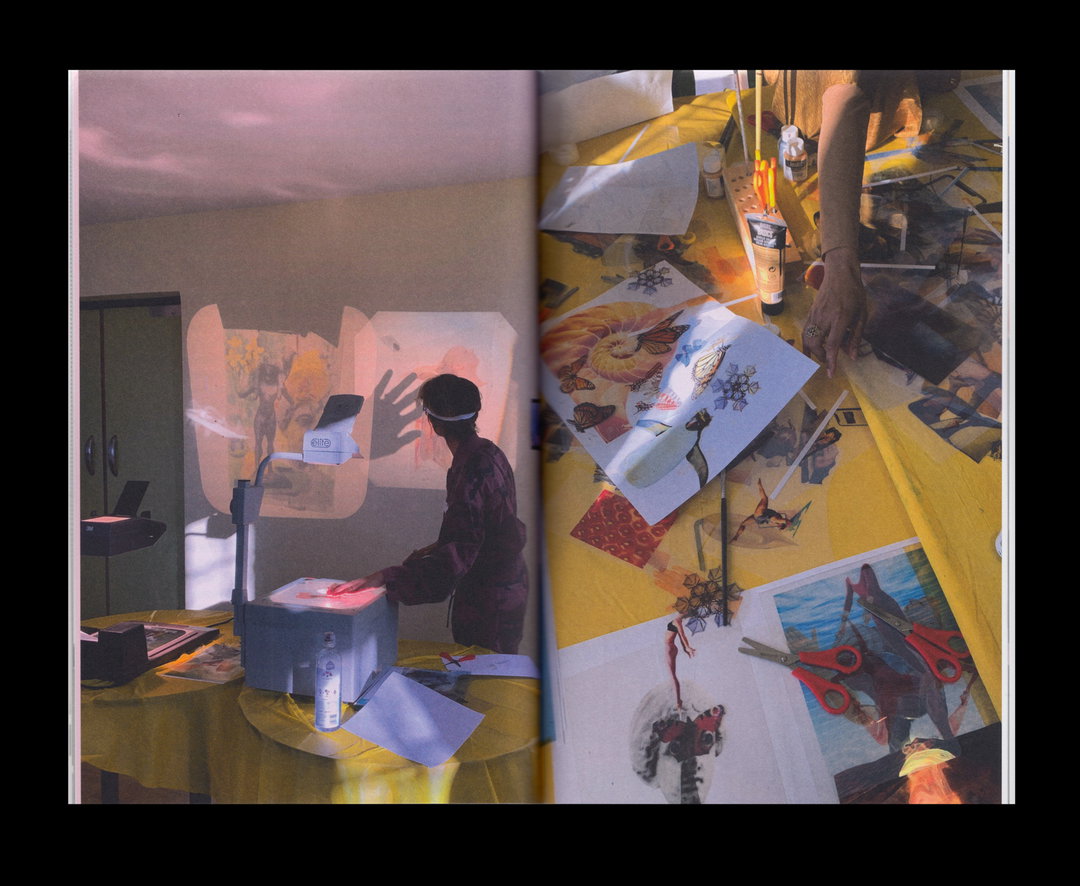
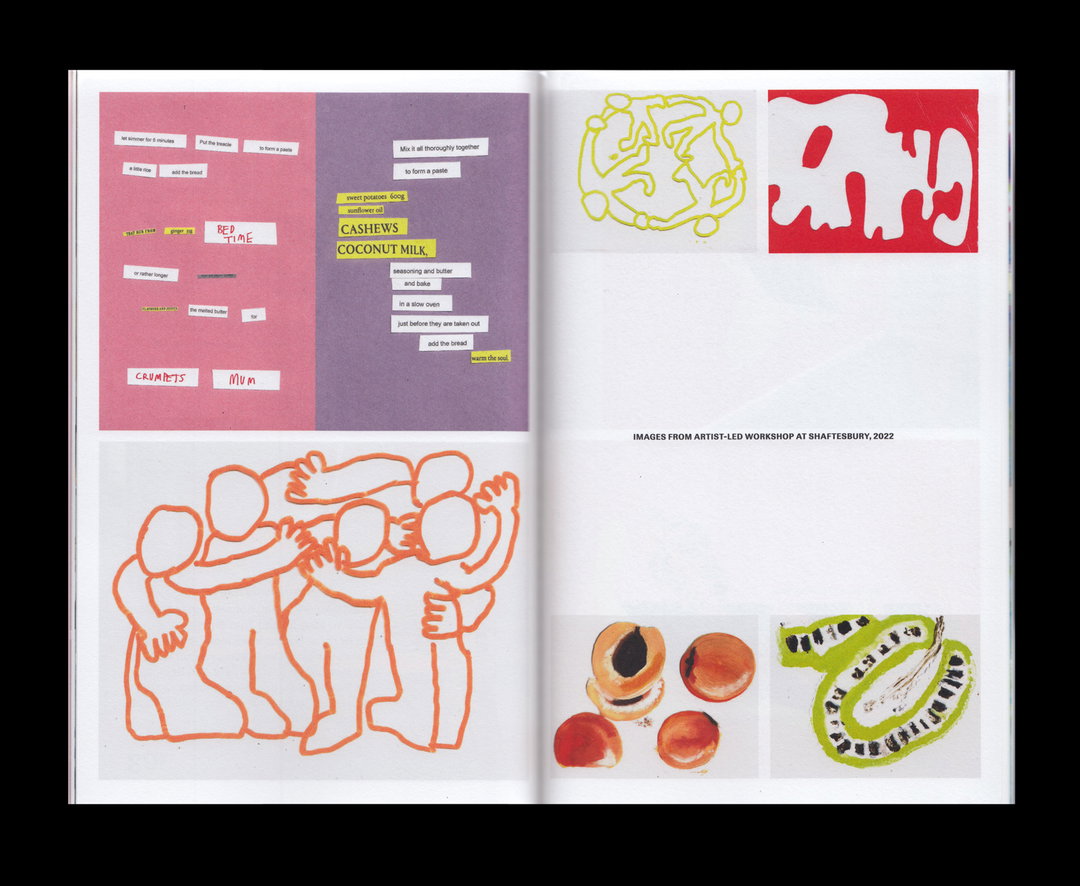
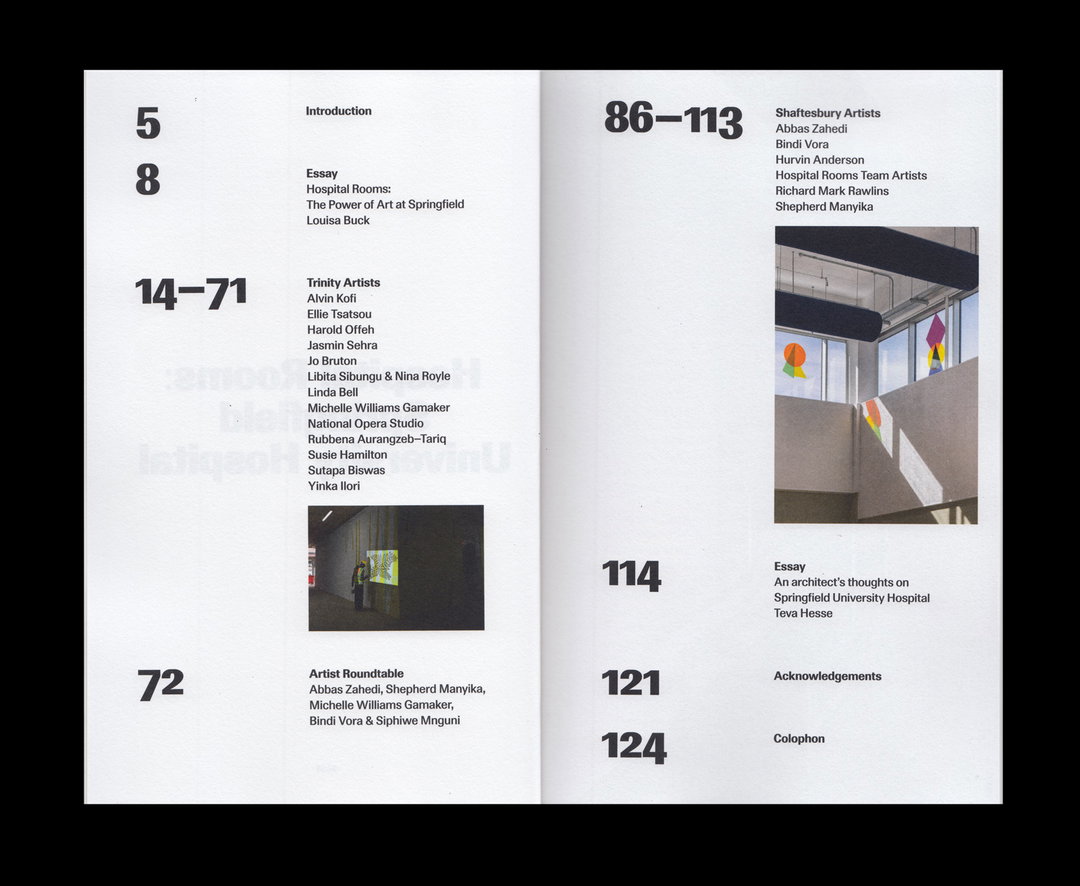
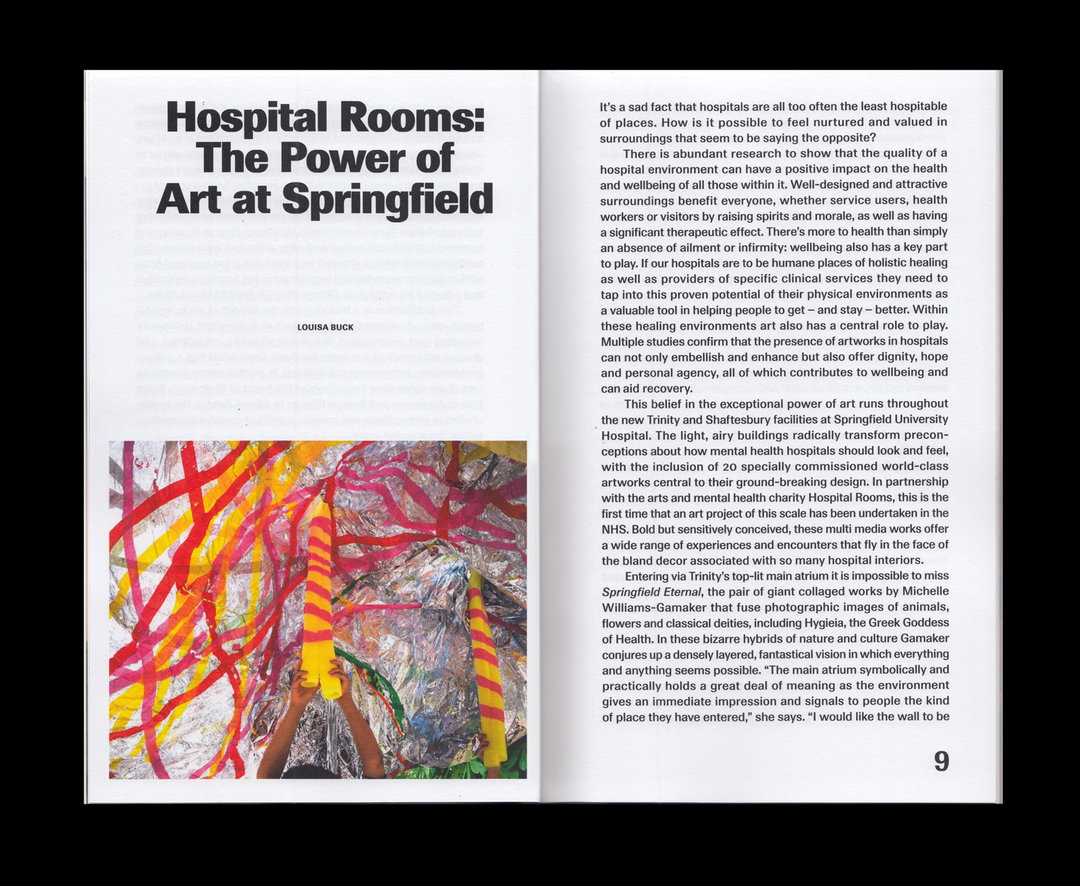
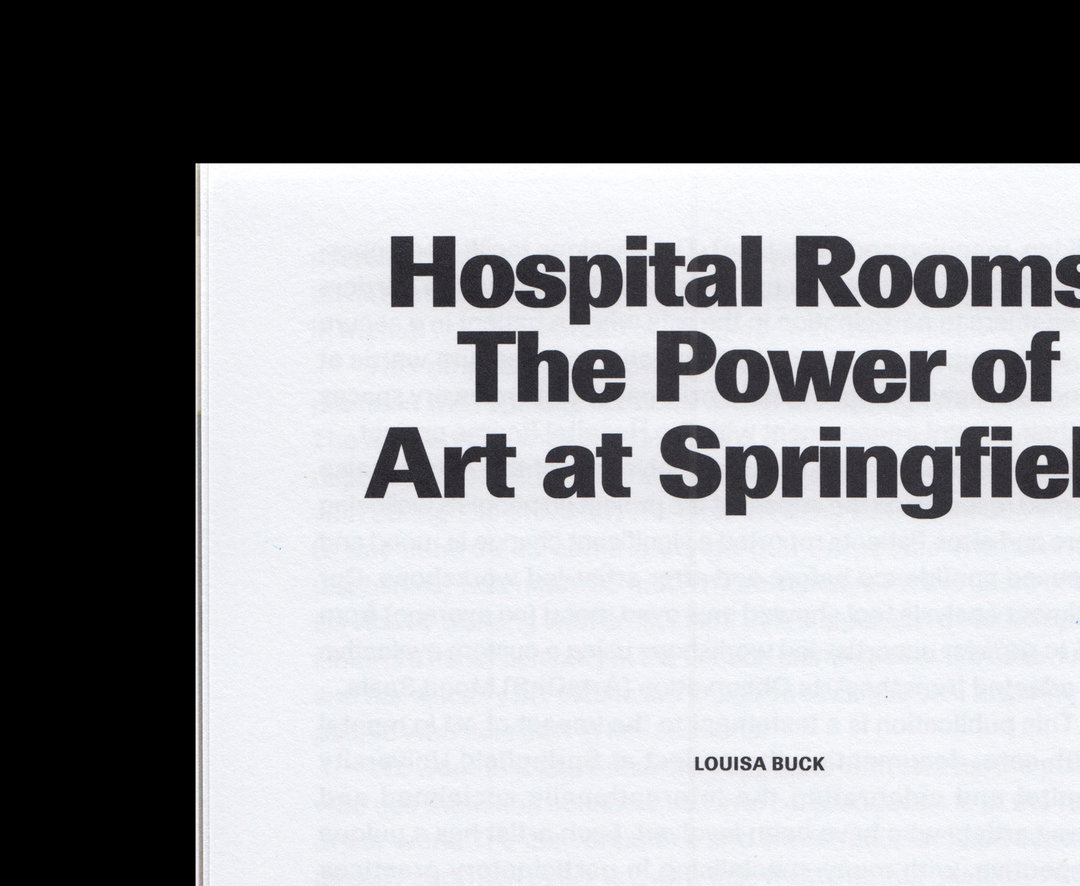
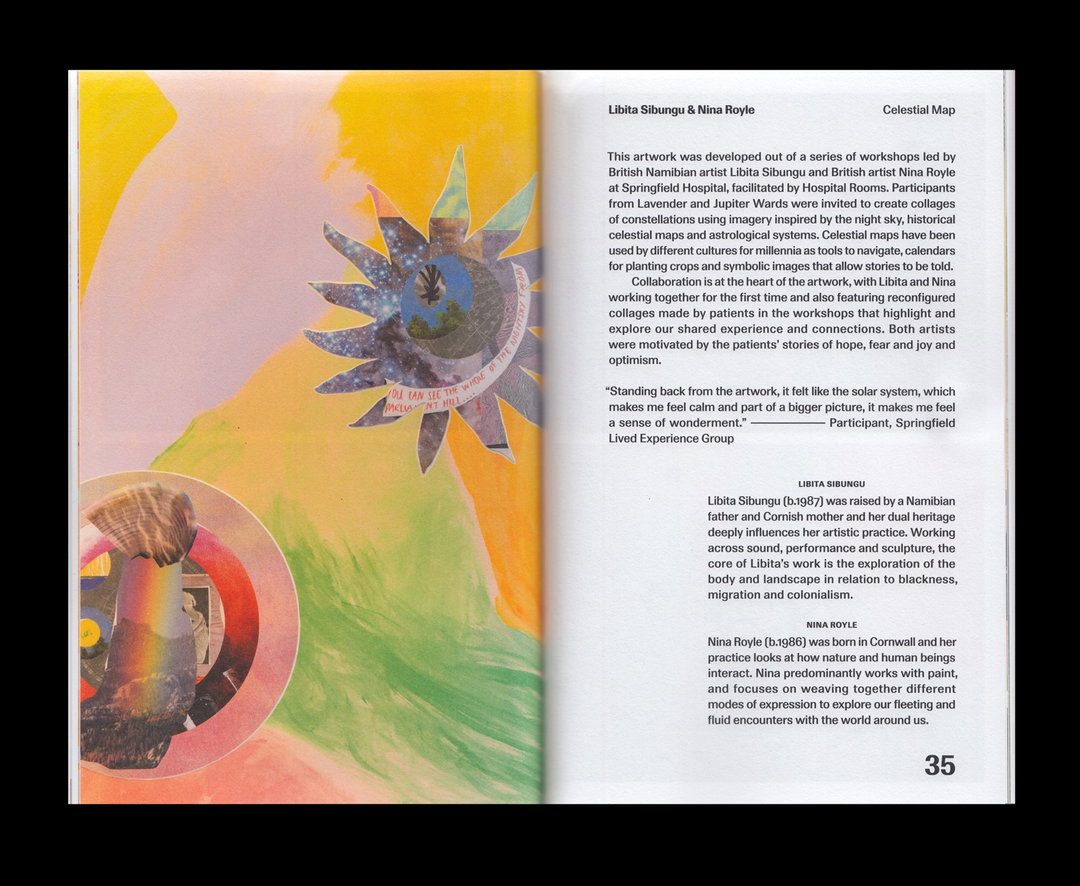
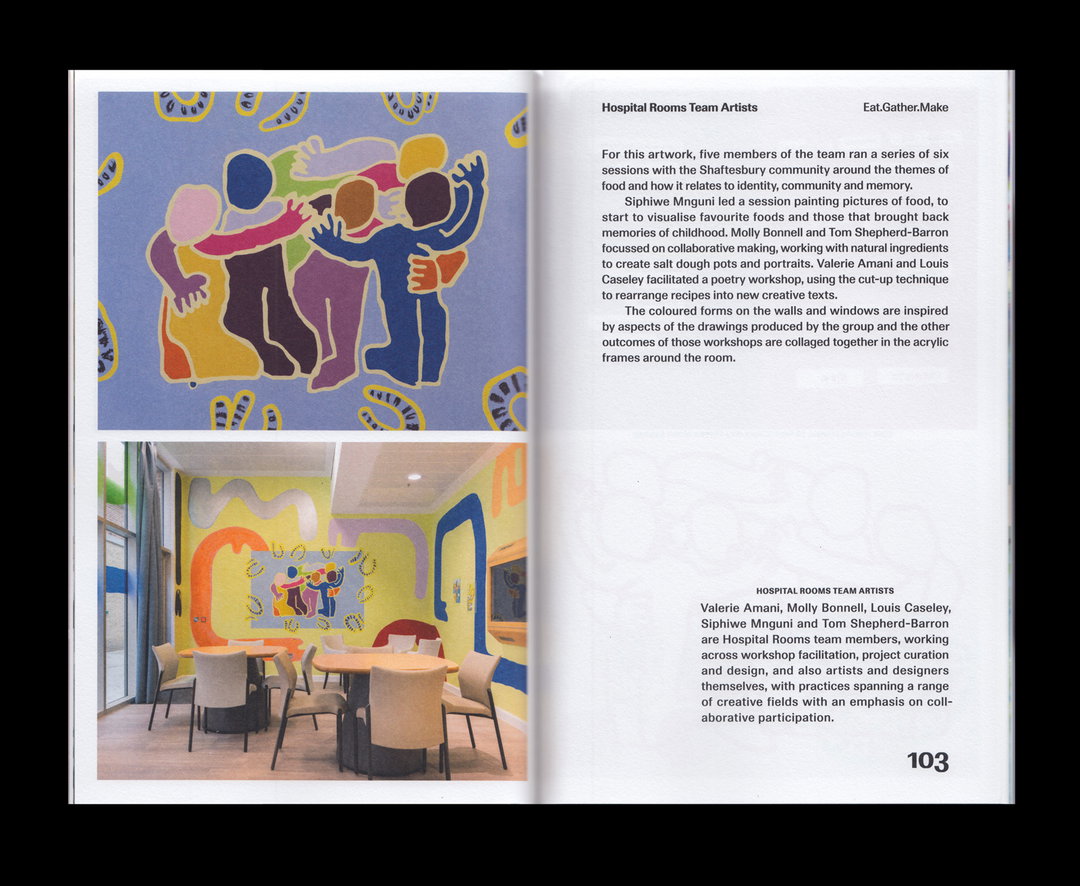
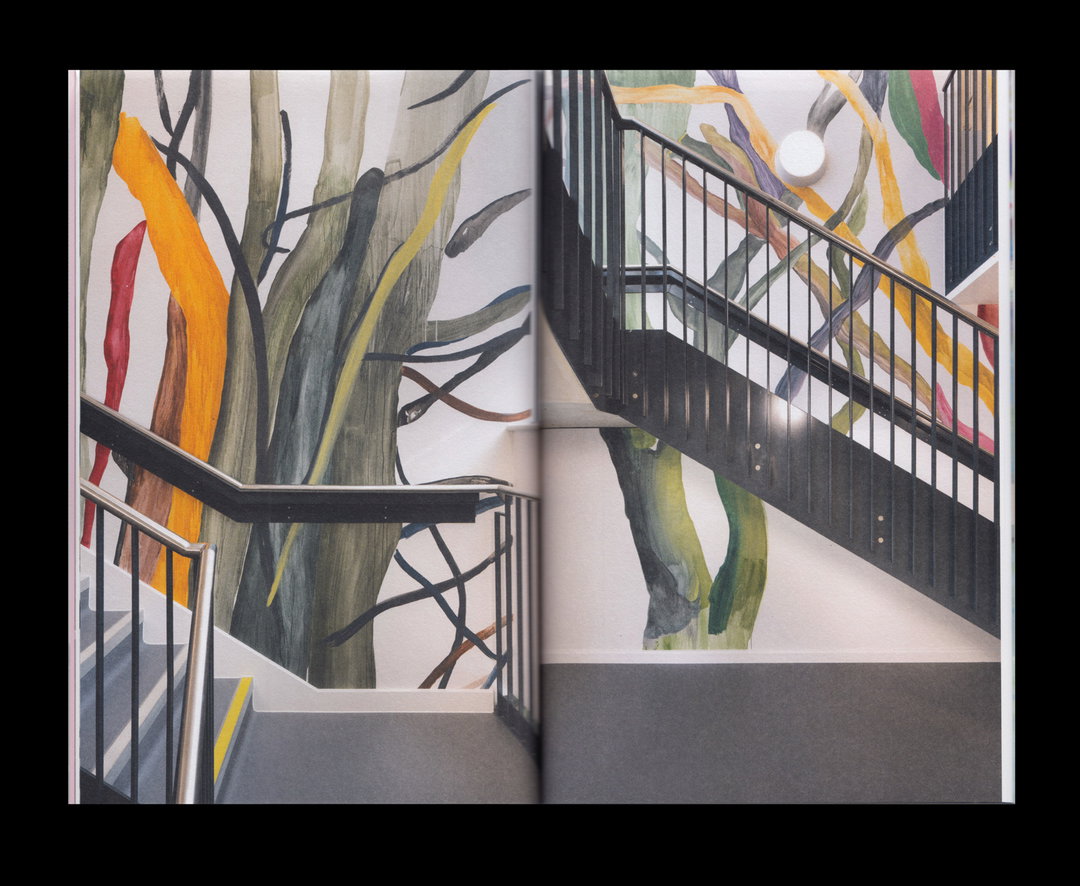
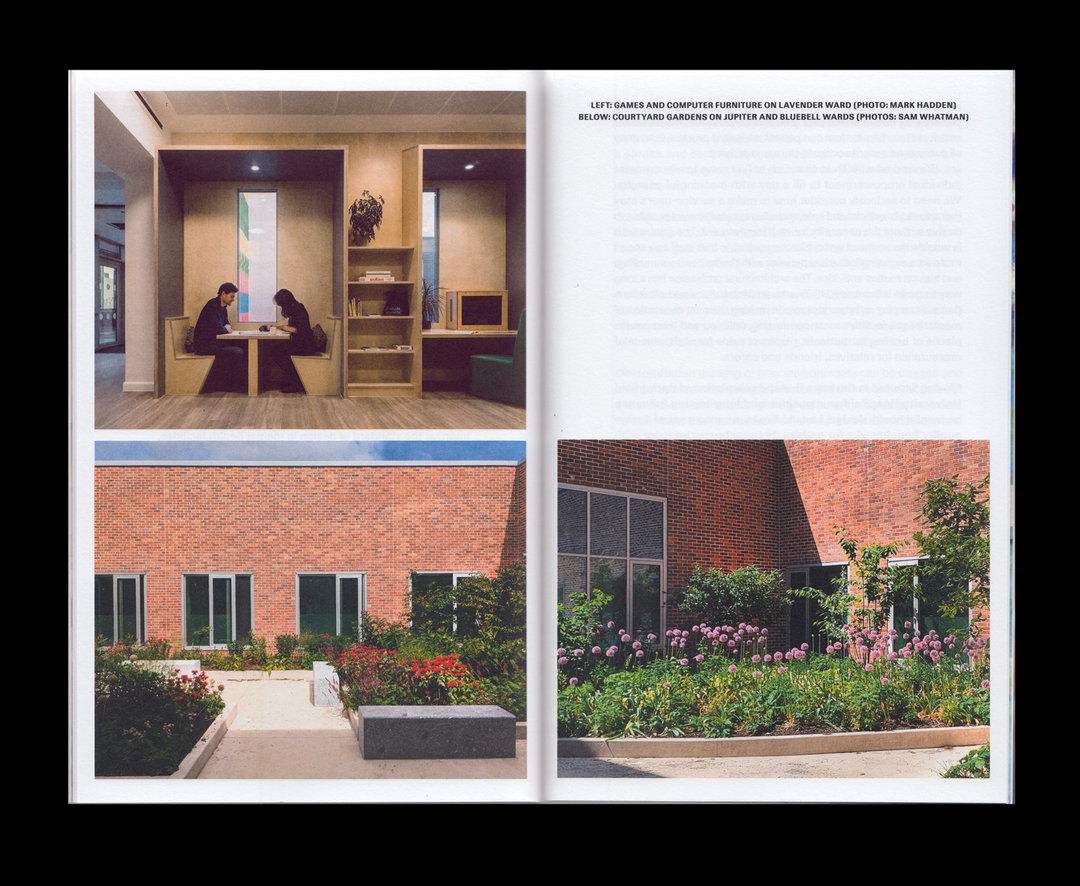
For Polytechnic, the most important aspect of the Springfield project was focusing on Hospital Rooms’ transformative nature. “It’s encountered through the form and content of the artworks they commission and the representation of the communities who use the services, so as a guide for the service users we wanted the publication to embody this ethos and the design to be developed out of those discussions,” Arthur shares. As the project progressed, the studio’s primary role was to establish the visual and typographic direction of the publication, as well as support in image selection, from a pool of installation shots taken by photographer Damian Griffiths and workshop images documented by the Hospital Rooms team.
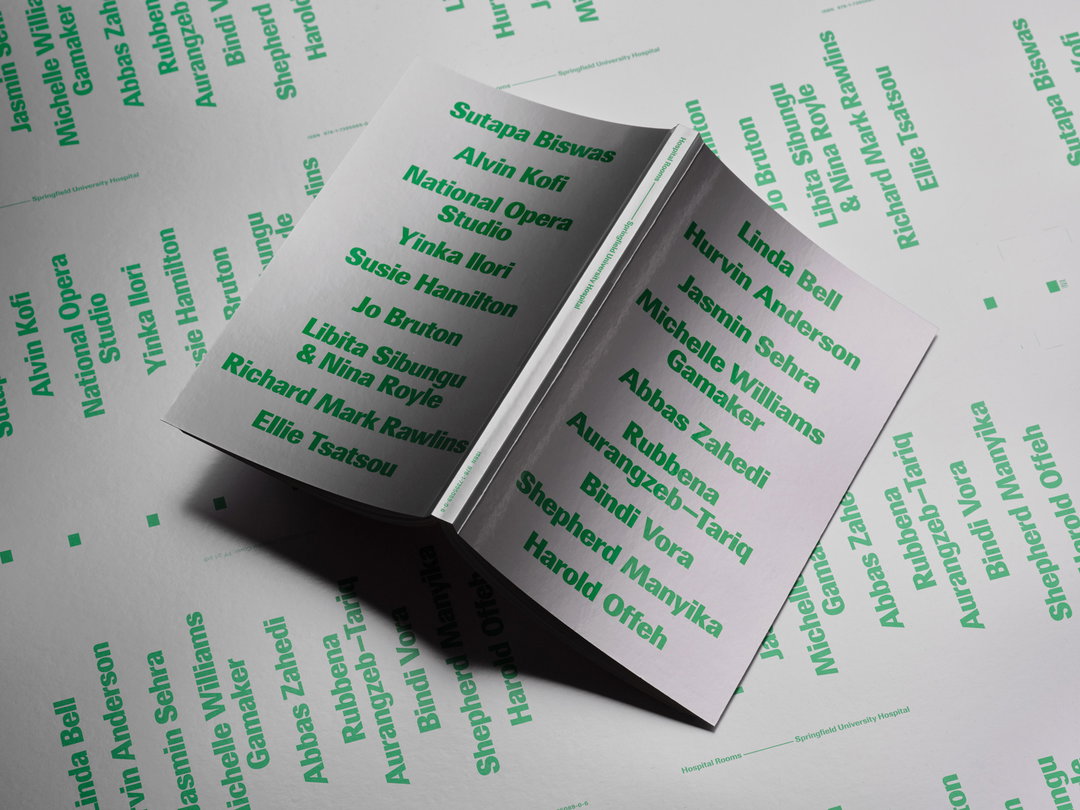
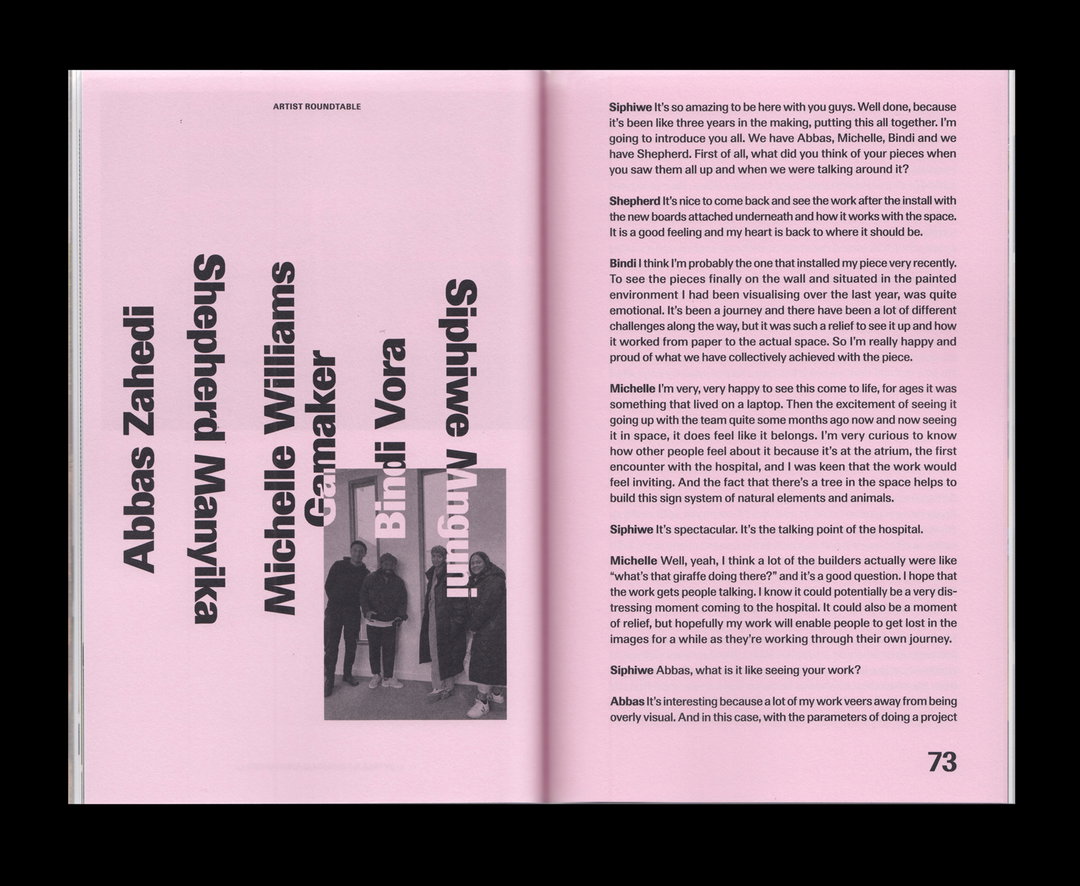
When it came to designing the cover for the book, Arthur says: “it was so visually rich and wide ranging, that we were particularly careful with choosing a suitable one”. The team wanted it to be enticing enough to pick up while not compromising on the Hospital Rooms ethos; reflective of the diverse commissioning while sending a clear message; and representative of the variety of communities receiving care from the hospital, especially when it came to ethnicity. “'The decision to lead with the artists names celebrates the prestige of the commissions, but is intended to evoke the broader personal, social and cultural connections that we ascribe to names as a open, relatable entry-point to the publication.’ ” Arthur adds.
On the cover you have Hurvin Anderson, whose work conveys a walk through his Jamaican heritage and upbringing in Birmingham; Shepherd Manyika whose work largely centres on experimental and socially engaged projects; and the filmmaker Michelle Williams-Gamaker, who focuses not only on themes of gender, capitalism and migration, but, aptly, mental health. The names on the front aren’t a mere ploy to attract others to the publication, they reflect Hospital Rooms’ commitment to commissioning the best and most resonant artists for the spaces the work will inhabit.
The project also utilises early versions of the David Einwaller’s Flatspot typeface throughout. The decision to use this particular typeface was because of “its “warmth, familiarity and assuredness”, Arthur tells us. “The early version we opted to use has a less refined nature compared to the final production version, and it was working amongst these rawer details that we found there to be a more appropriate character and warmth that reflected the content.”
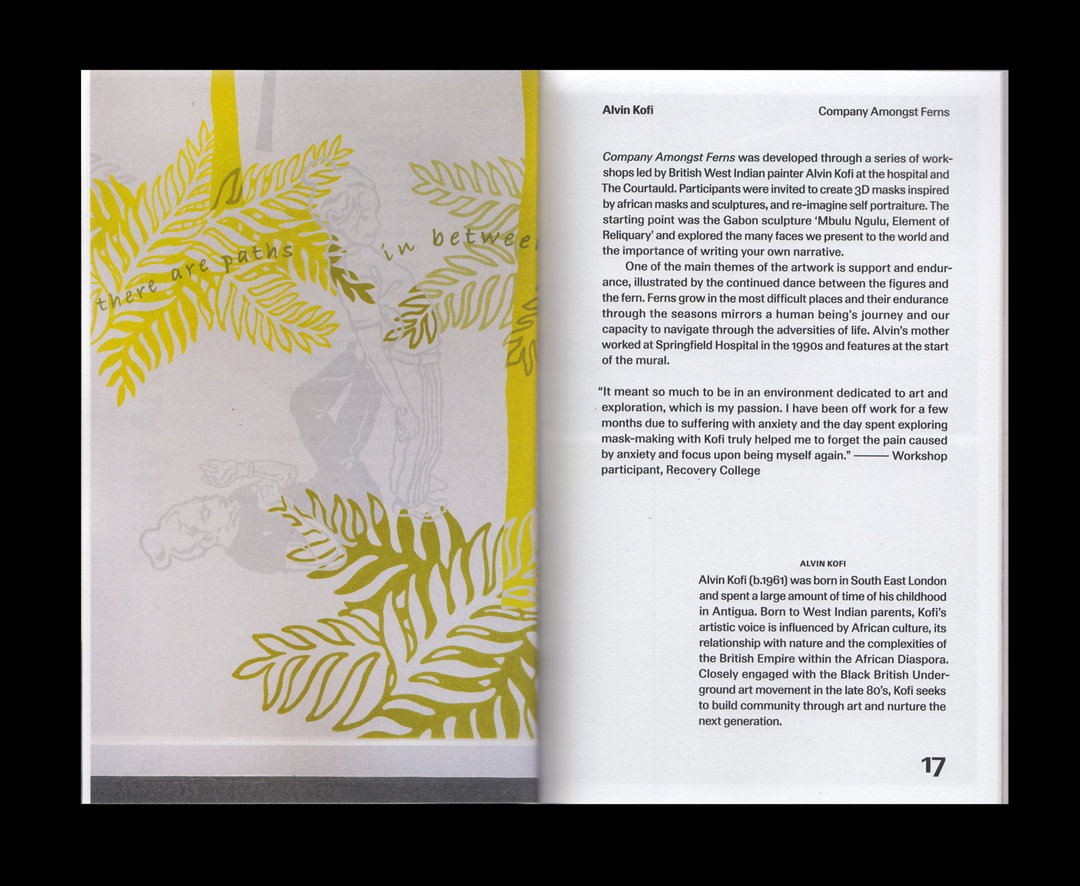
Polytechnic: Springfield: A Hospital Rooms Publication (Copyright © Polytechnic, 2024)
As Springfield: A Hospital Rooms Publication is being distributed first throughout rooms within Springfield Hospital, Arthur and the team look forward to its circular impact and the ways in which it will act as an extension of the charity’s work. “But beyond that we hope it helps to promote what Hospital Rooms and the artists involved are doing to address the visual impact of healthcare settings, and the profound effect it has on people in recovery.”
Springfield: A Hospital Rooms Publication is available to purchase here.
GalleryPolytechnic: Springfield: A Hospital Rooms Publication (Copyright © Polytechnic, 2024)
Hero Header
Polytechnic: Hospital Rooms (Copyright © Polytechnic, 2024)
Share Article
About the Author
—
Yaya (they/them) was previously a staff writer at It’s Nice That. With a particular interest in Black visual culture, they have previously written for publications such as WePresent, alongside work as a researcher and facilitator for Barbican and Dulwich Picture Gallery.