Through archival imagery, Revers sheds a light on 50 years of diverse communities in France
Revers is one of a kind in its depiction of French culture through documentary photography. Its founder, Elsa Seignol, is also a photographer and started the publication when she couldn’t find a suitable photographic reference on France. “I actually lived in London for a few years and was very influenced by the visual and printing culture, as well as the independent publications,” the founder tells It’s Nice That.
Drawn to the “sensation of collecting and being able to discover a body of work” through a simple yet powerful zine, Elsa created Revers as a cheap and accessible way to share an unseen depiction of France “when you can’t afford to buy an expensive photo book”. With an aim to present France in a different light, full of “life and diversity”, completely devoid of the whole “baguette cliché”, Elsa started Revers last summer and has since produced an impressive four issues.
Each issue tells a story of a different place, era and way of life “so we can have a different view of our territory”, explains Elsa. In collaboration with the designer Matthieu Becker, the two creatives devised a suitable format for Revers to match its affordable price and poignant content. The design “leaves the biggest space for photography, allowing the reader to come back to the text (or not) and also references archive cards that you find in libraries.”
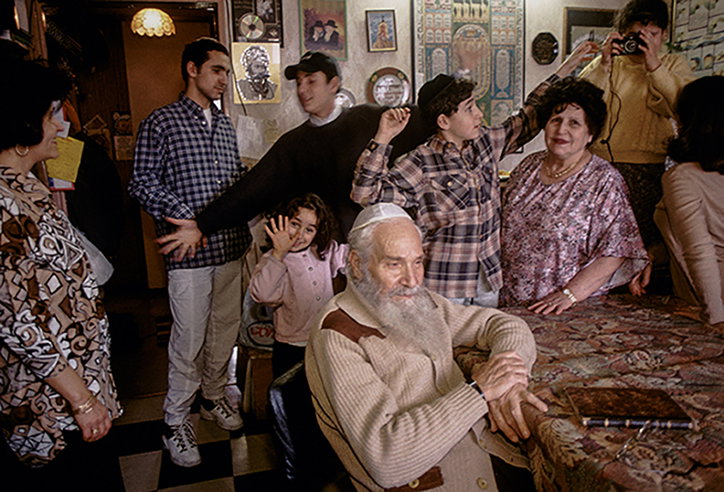
Revers: Laurence Kourcia, Origine Sefarade: 1995-1997
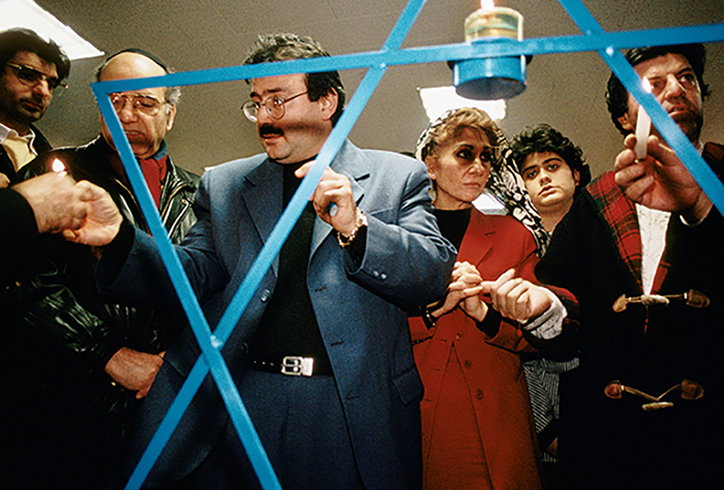
Revers: Laurence Kourcia, Origine Sefarade: 1995-1997
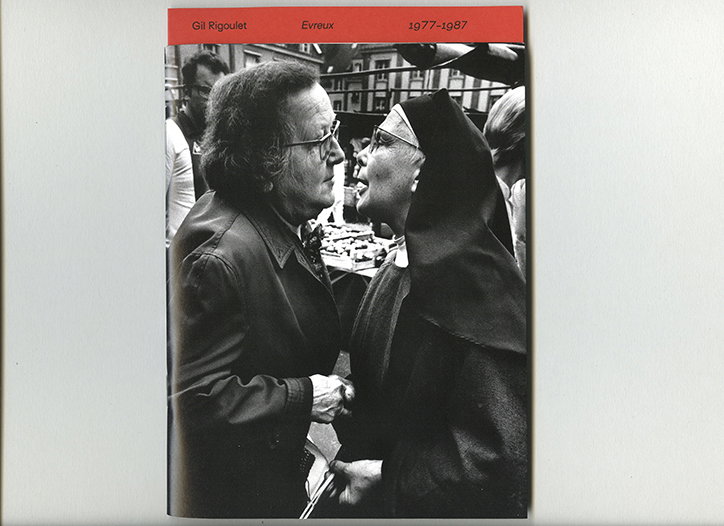
The photographer Gil Rigoulet shares his series Evreux 1977-1987 for the first issue of Revers. Gil’s photographs show the daily life of a small French town over ten years, capturing stark moments through black and white photography. Take, for example, the publication’s front cover. A nun converses with a man and the suggestion of their intense closeness hints at something un-Christian and sensual. In the second issue, Revers showcases Jean-Marc Armani’s series Les Homos 1990. It photographs the gay community during the 90s and is an enlightening glimpse into the community following the “act up” movement during the AIDs crisis.
In Revers’ third issue, Laurence Kourcia shares a more personal project. Delving into her Sephardi Jewish origins, the photographer explores his heritage. Titled Origine Sefarade: 1995-1997 the series documents the Jewish ethnic division that arose from Sepharad in Spain and the Iberian peninsula. And finally, Jacques Windenberger documents immigrant life in Marseille over 20 years in his series Marseille 1973-1993. Elsa explains how Revers works directly with the photographers and “lets them have space to explain how they did the series without being journalistic or even telling a story necessarily.” She adds, “I meet most of the photographers and take time to go through their archives with them.”
Currently working on the next two issues that will be published before the summer, Elsa also hopes to push towards a bilingual publication to increase its visibility internationally. A beautiful publication showcasing the essence of various French communities, Revers feels like a must-have, not only in its historical value, but also its aesthetic vision.
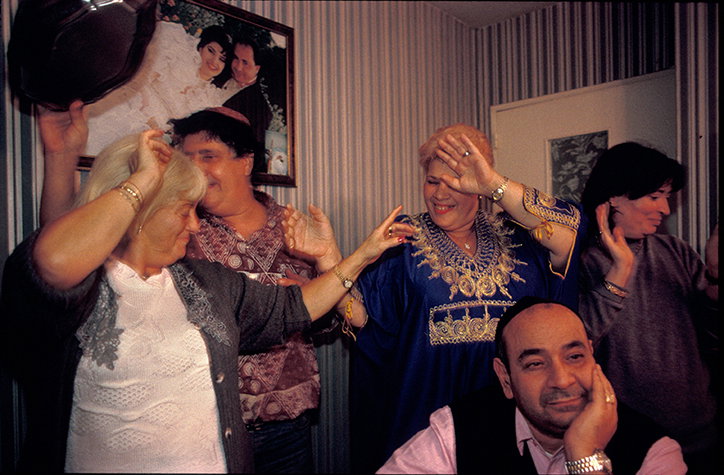
Revers: Laurence Kourcia, Origine Sefarade: 1995-1997
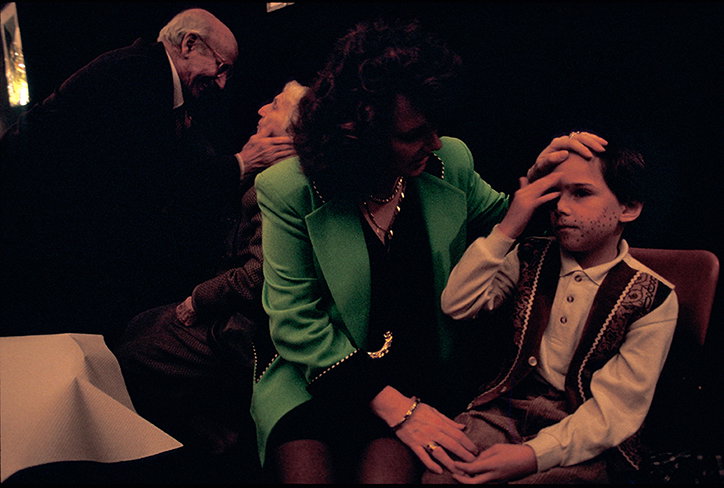
Revers: Laurence Kourcia, Origine Sefarade: 1995-1997
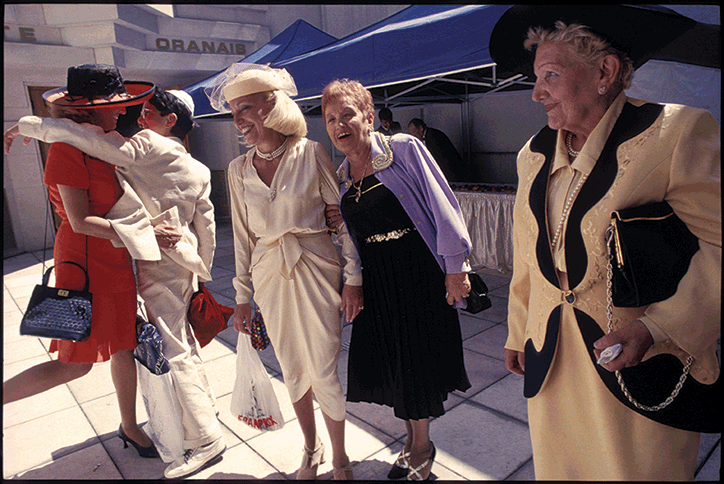
Revers: Laurence Kourcia, Origine Sefarade: 1995-1997
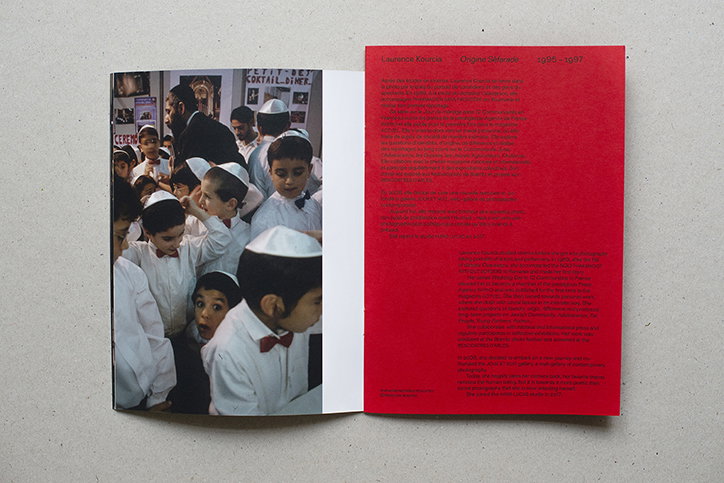
Revers: Laurence Kourcia, Origine Sefarade: 1995-1997
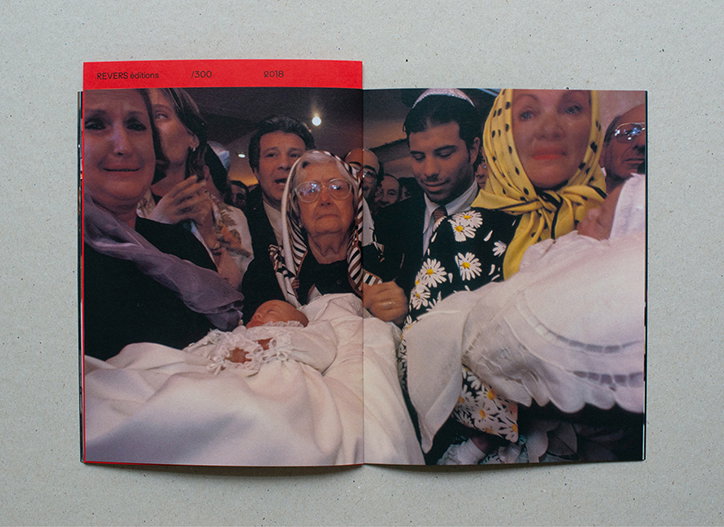
Revers: Laurence Kourcia, Origine Sefarade: 1995-1997
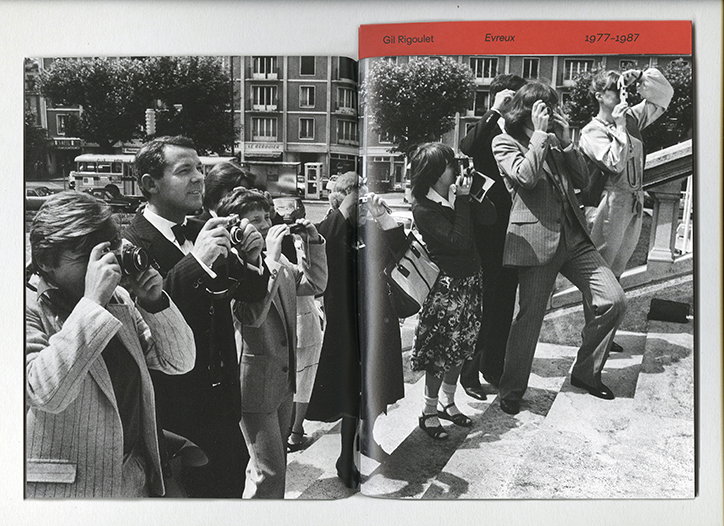
Revers: Gil Rigoulet, Evreux 1977-1987
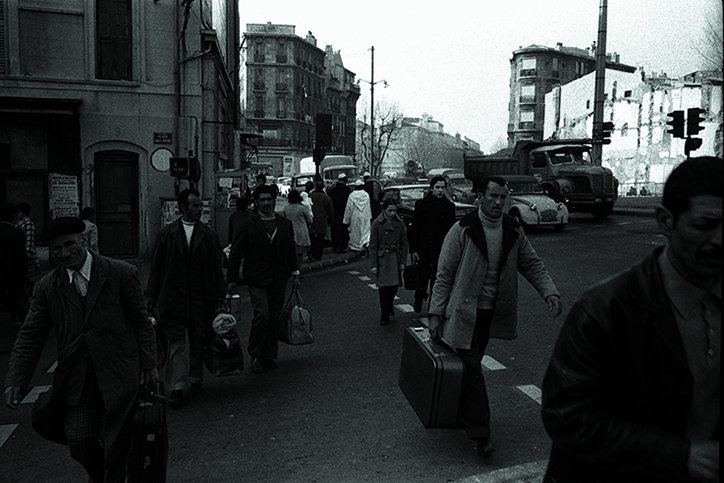
Revers: Jacques Windenberger, Marseille 1973-1993
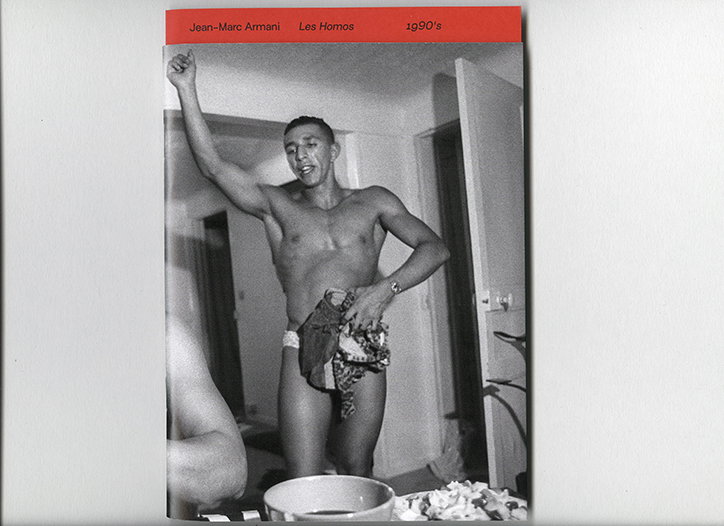
Revers: Jean-Marc Armani’s, Les Homos 1990
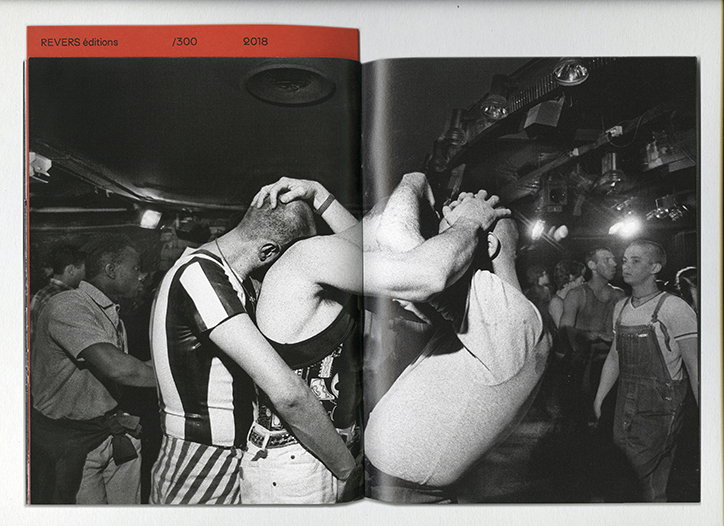
Revers: Jean-Marc Armani’s, Les Homos 1990
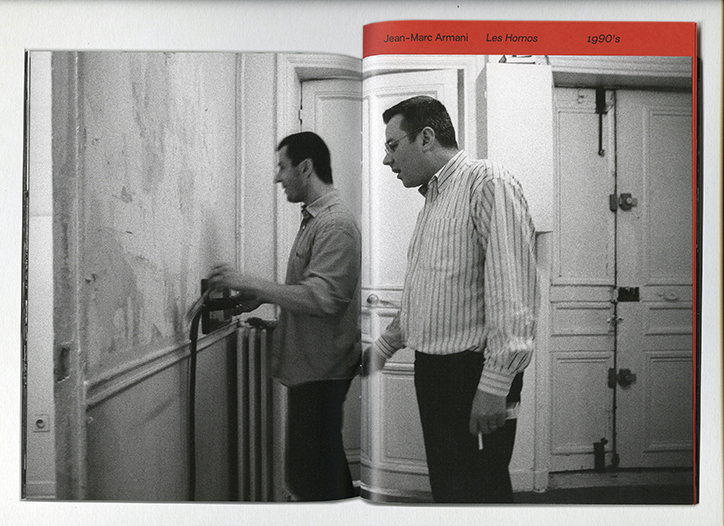
Revers: Jean-Marc Armani’s, Les Homos 1990
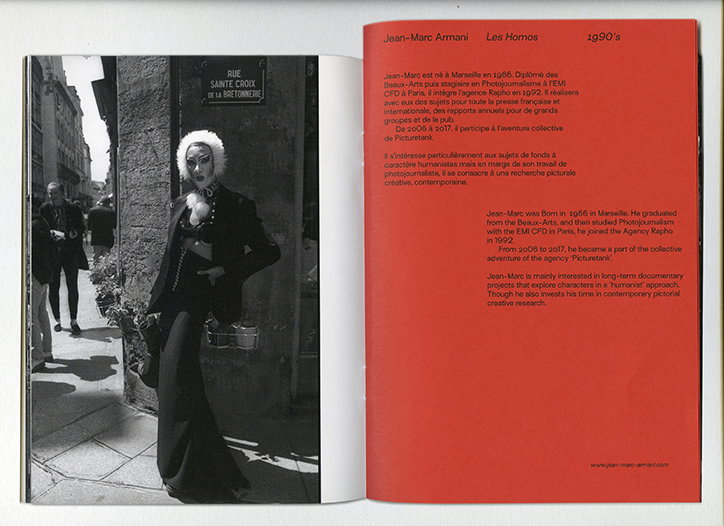
Revers: Jean-Marc Armani’s, Les Homos 1990
Share Article
Further Info
About the Author
—
Jynann joined It’s Nice That as an editorial assistant in August 2018 after graduating from The Glasgow School of Art’s Communication Design degree. In March 2019 she became a staff writer and in June 2021, she was made associate editor. She went freelance in 2022.