Photographer Sage Sohier's vision of 80s America
Over the past few years, American photographer Sage Sohier has published several books, covering everything from facial problems to adult fairytales, family dynamics and same-sex couples in 80s America.
Now, the photographer is preparing for the release her upcoming book Americans Seen, which will be published early 2017 by Nazraeli Press as part of its NZ Library editions. The book is a portrait of American life in and around Boston during 1979 –1986. We spoke to Sage about how life, and her process, has shifted in the years since.
You made the images in the late 70s to mid 80s as a young photographer, living then in Boston. What was life like in the city at that time?
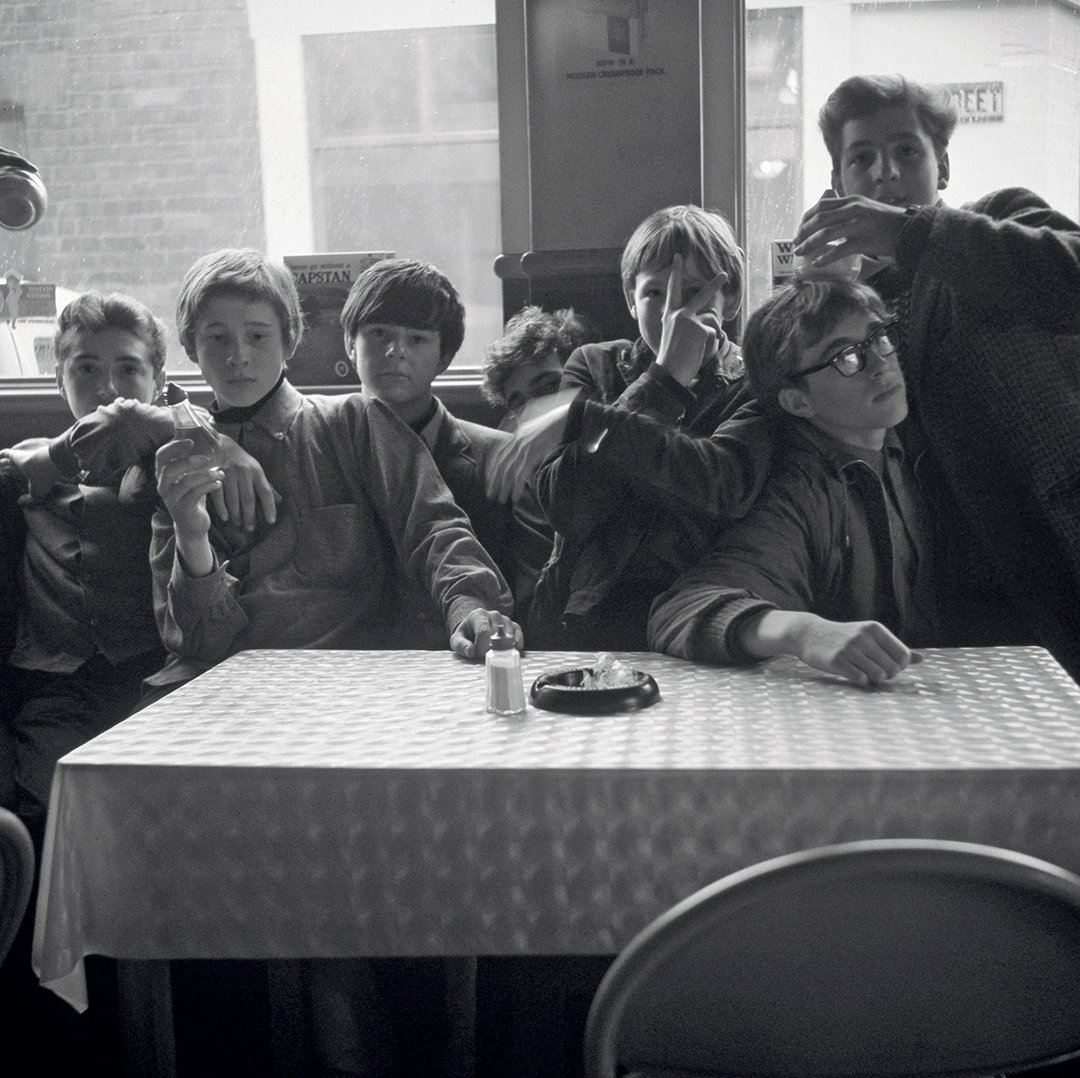
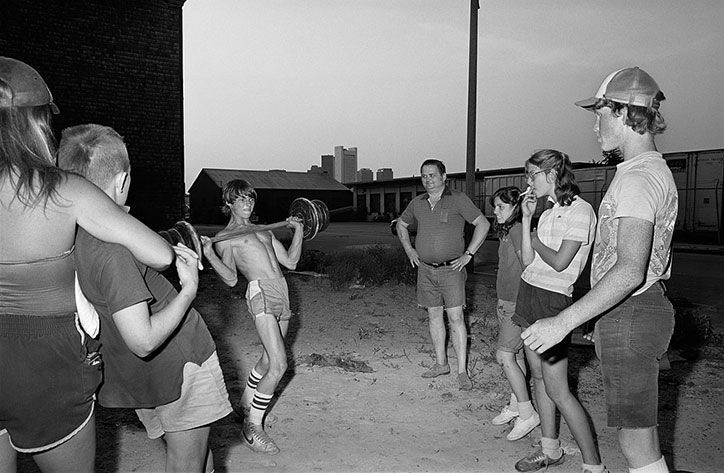
Boston has changed a lot since the 80s. That was the pre-digital era, when children and teenagers still hung out in their neighbourhoods and parents were a bit less paranoid. Life was lived outside in public more, and I found the kind of theatre-of-the-streets that emerged intriguing.
What are the underlying themes that connect the images in your mind?
I was interested in creating a portrait of the contemporary American landscape with people in it. I was obsessed with making the best complex pictures that I could, of people hanging out in neighbourhoods and in their homes. I was thrilled when I came upon an interesting situation, and I loved the challenge of collaborating with strangers until something compelling emerged from the interaction.
Over the seven years I made these pictures, I was drawn to many different scenarios and tried various approaches. Because I was using a wide-angle lens, I became fascinated with scale and its narrative possibilities in a photograph. I was interested, at different times, in family groups and picnickers, fathers and daughters, teenagers hanging out together and also with their parents. I photographed large French-Canadian families in Berlin, New Hampshire; families whose houses had been flooded in Slidell, Louisiana; and elderly friends of my grandmother on the north shore of Massachusetts.
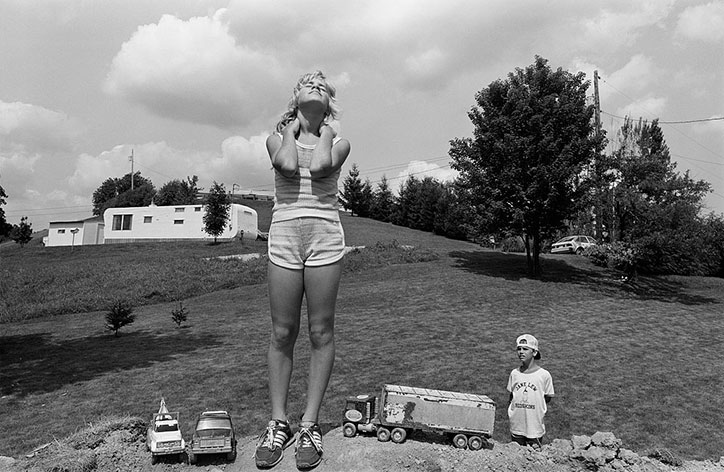
Sage Sohier: Americans Seen, Buckhannon WVA, 1982
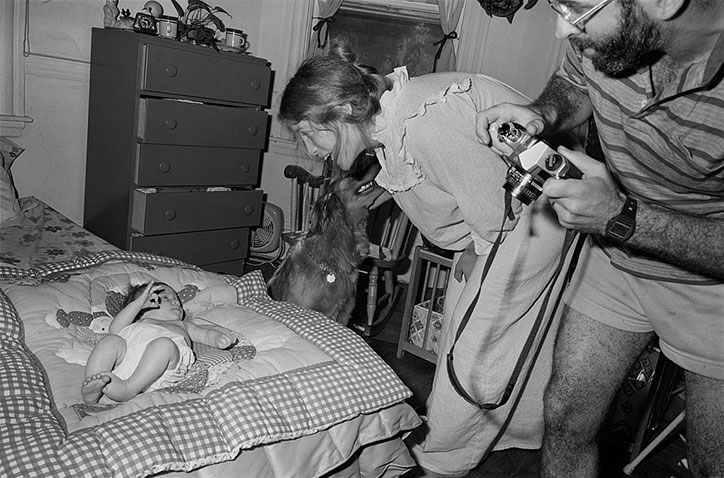
Sage Sohier: Americans Seen, Brookline, MA, 1982
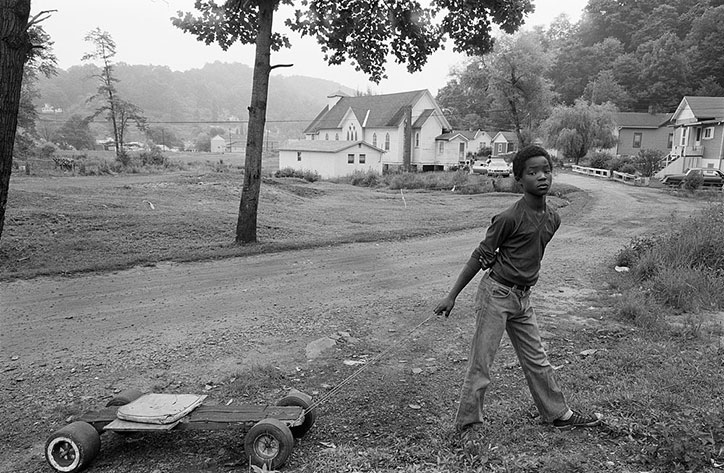
Sage Sohier: Americans Seen, Glen White, WVA, 1982
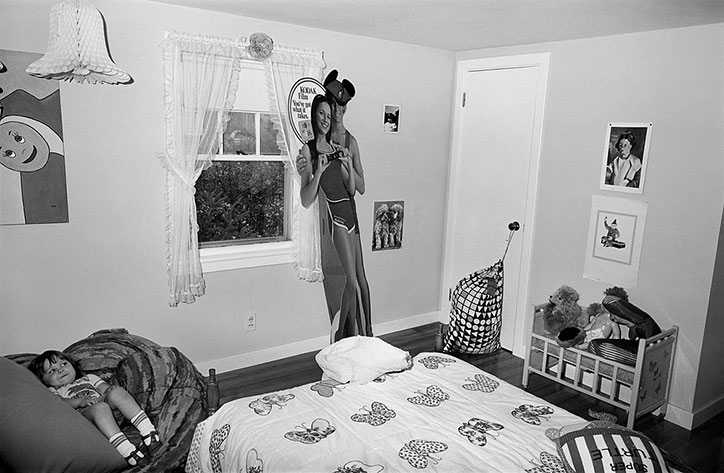
Sage Sohier: Americans Seen, Berlin, NH, 1979
Why did you decide to publish the photographs now, in 2017?
There has been a resurgence of interest in my “vintage” prints and I think also that enough time has passed that the pictures provide a kind of portrait of the era. When I was a young photographer, it was hard for me to stop photographing for long enough to bring closure to projects. I was always moving on to the next new project. So, this work was never published as a book back then, and I always regretted not having pursued that goal at the time. I’m very grateful to Chris Pichler at Nazraeli Press for making it happen now.
How has your image-making process changed since the 80s?
I’ve worked in colour for the past 17 years, and my recent projects tend to have more definite conceptual frameworks. Though there’s still a lot of visual complexity in my pictures, I work a little closer in and tend to have fewer people in each photograph. I still seem to be interested in many of the same things, though – in making portraits that are psychological and that are often about relationships between people.
When you look back over the images now, what strikes you about them?
They are very complex, and in many there is a kind of relaxed sensuality, perhaps because they were taken on hot summer days. Now the only people who seem to spend time outside in public places are families of recent immigrants. Everyone else is inside on one of their devices.
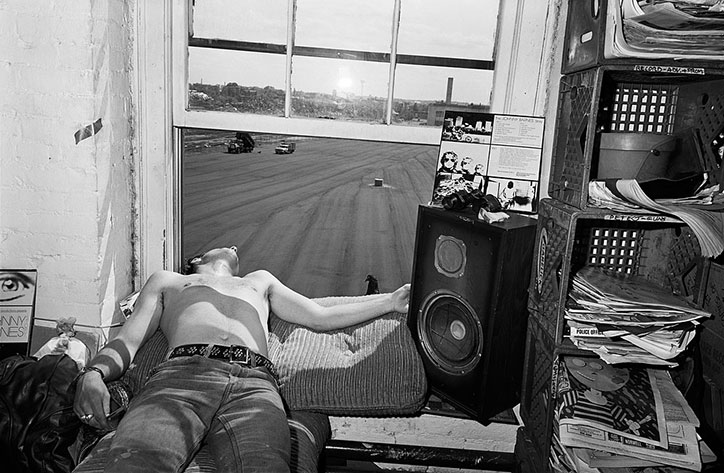
Sage Sohier: Americans Seen, Bosto, MA, 1980
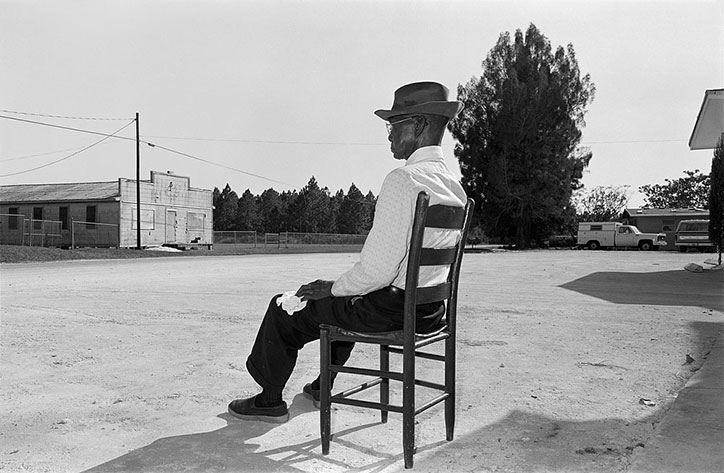
Sage Sohier: Americans Seen, Immokalee, FL, 1981
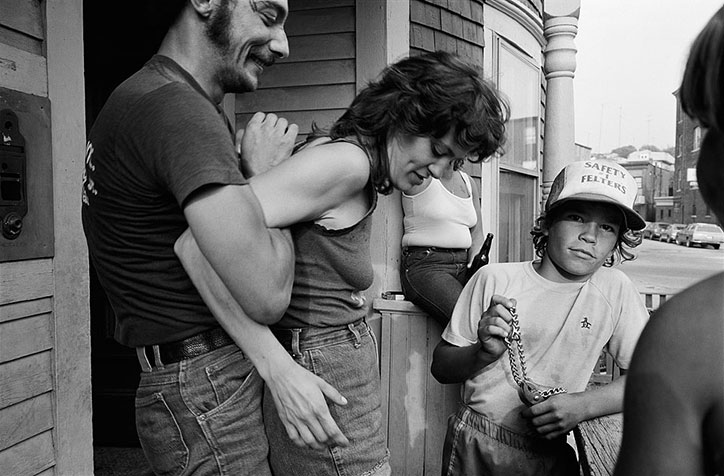
Sage Sohier: Americans Seen, Worcester, MA, 1983
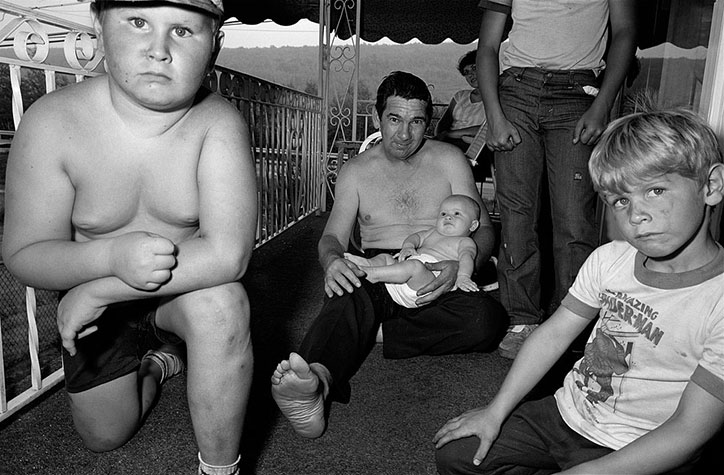
Sage Sohier: Americans Seen, outside Mahanoy City, PA, 1983
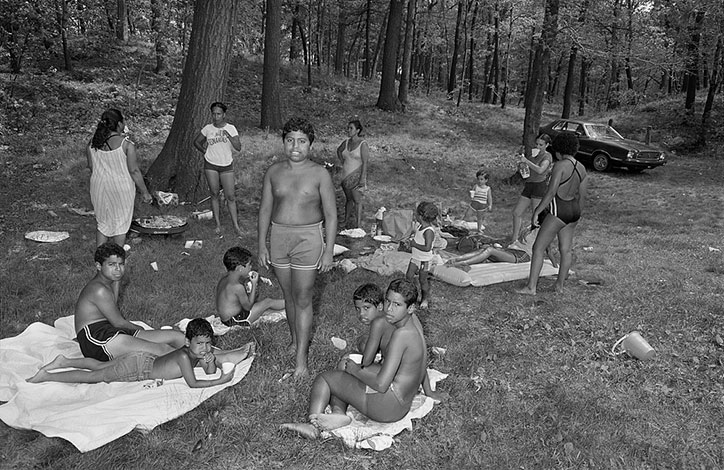
Sage Sohier: Americans Seen, Framingham, MA, 1981
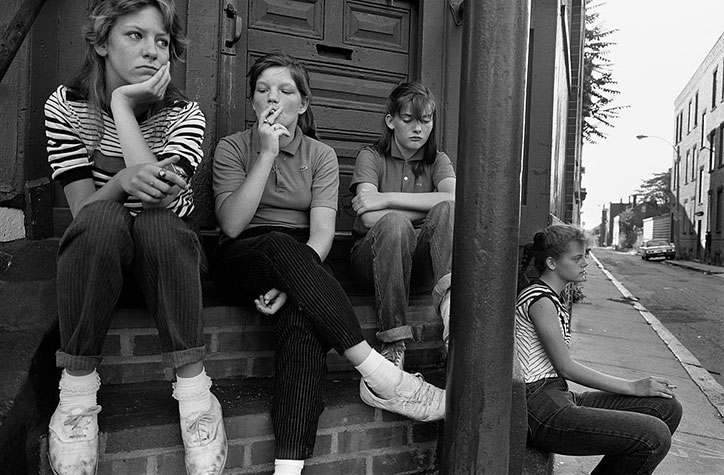
Sage Sohier: Americans Seen, South Boston, 1983
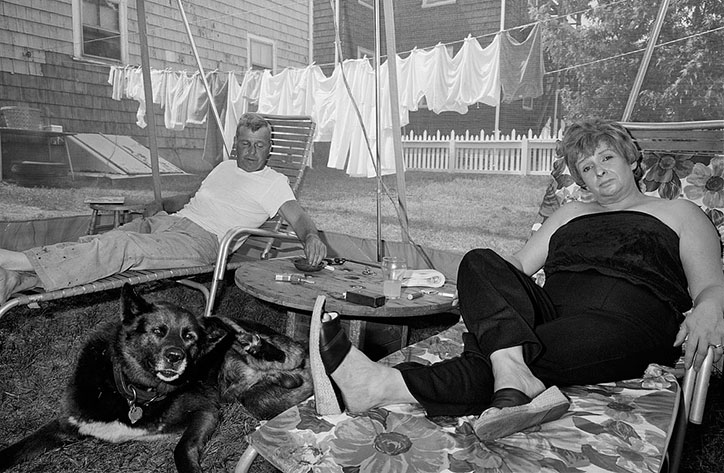
Sage Sohier: Americans Seen, Brighton, MA, 1981
Share Article
Further Info
About the Author
—
Bryony joined It's Nice That as Deputy Editor in August 2016, following roles at Mother, Secret Cinema, LAW, Rollacoaster and Wonderland. She later became Acting Editor at It's Nice That, before leaving in late 2018.