19th Century French vegetable catalogue paintings reproduced in all their painstaking glory
Imagine a time when vegetables could stop you in your tracks, when the very sight of a weird and wonderful foodstuff could cause you to gawp and gasp. You can’t can you – what with your Tesco-infused metropolitanism and your exotic-fruit snack packs.
But there was a time when people weren’t as gastronomically savvy as you and so in those days it was important for certain pioneers to catalogue and document things like vegetables. Grain merchant Philippe Victoire de Vilmorin and his father-in-law Pierre Andrieux, botanist to the King, together formed Vilmorin-Andrieux & Cie and produced their first seed catalogue in 1766.
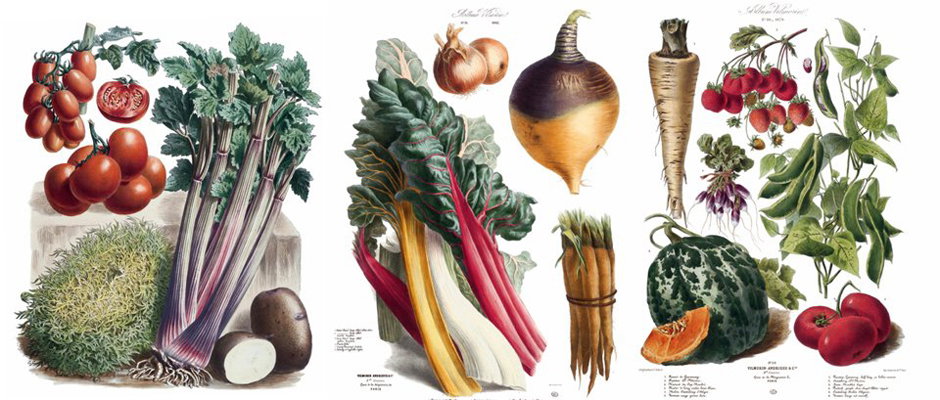
As the business grew they became hugely respected botanical experts and a series of publications followed, culminating in arguably the company’s most famous work Album Vilmorin. Les Plantes potagères (The Vegetable Garden, 1850–1895). For this stunning tome of “agro-botanic iconography” 15 painters were hired to render fruits and vegetables and these illustrations have been collated and republished by pharmaceutical historian Werner Dressendörfer.
It’s clearly a significant record of botanical history but it’s also just ruddy beautiful, with skill and flair poured into this fairly prosaic topic.
Album Vilmorin. Les Plantes potagères is out now from Taschen.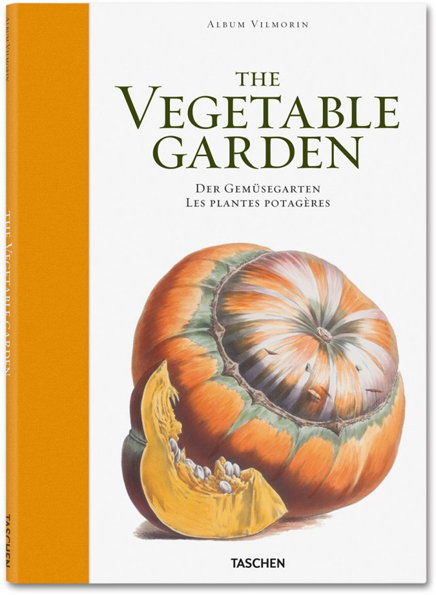
Werner Dressendörfer: The Vegetable Garden, 1850–1895 (COurtesy of Taschen)
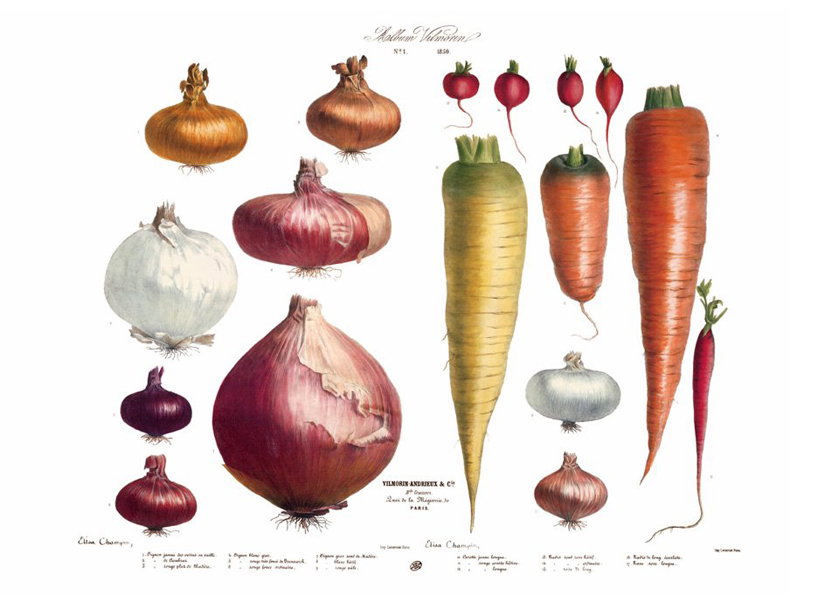
Werner Dressendörfer: The Vegetable Garden, 1850–1895 (COurtesy of Taschen)
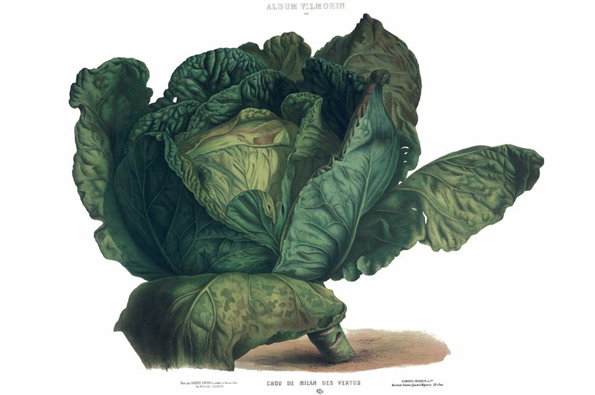
Werner Dressendörfer: The Vegetable Garden, 1850–1895 (COurtesy of Taschen)
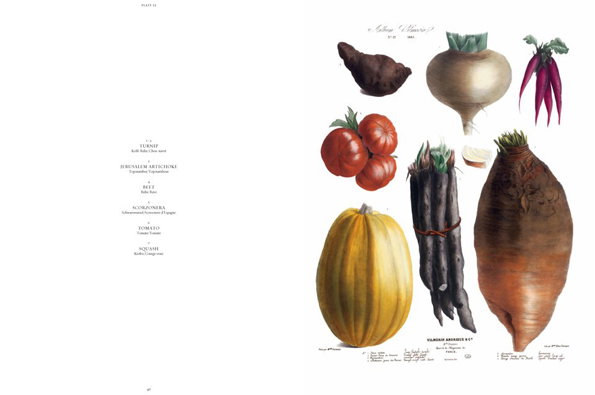
Werner Dressendörfer: The Vegetable Garden, 1850–1895 (COurtesy of Taschen)
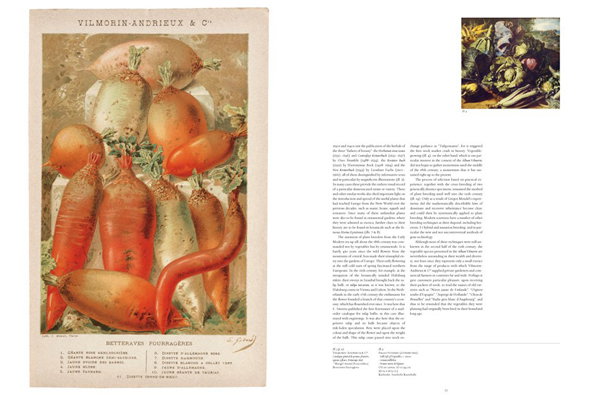
Werner Dressendörfer: The Vegetable Garden, 1850–1895 (COurtesy of Taschen)
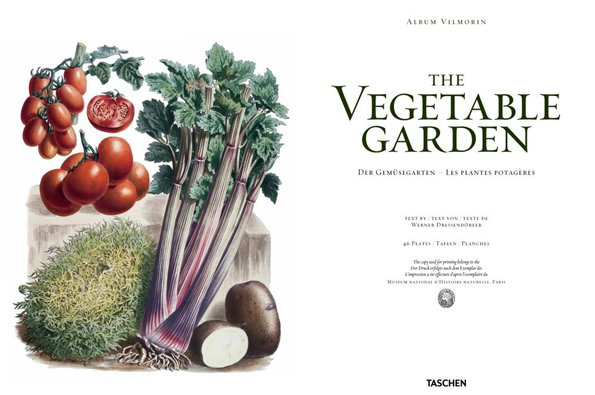
Werner Dressendörfer: The Vegetable Garden, 1850–1895 (COurtesy of Taschen)
Share Article
Further Info
About the Author
—
Rob Alderson is a freelance writer, editor and strategist. He was previously editor-in-chief of It’s Nice That and WePresent, and editor of Design Week. He publishes the newsletter Undo, which tries to make sense of how AI is changing design work, the design process and the design industry.