William Miller turns damaged polaroids into fascinating and beguiling abstract artworks
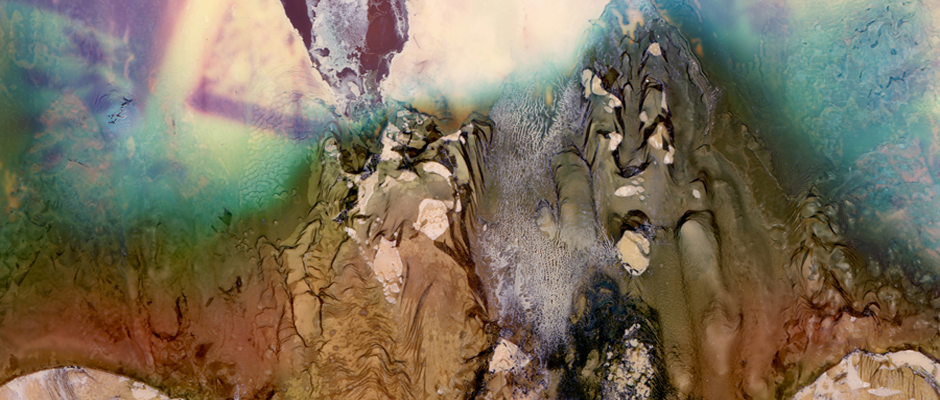
Finding the silver lining on that frayed, grey cloud definitely helps brighten the day – even better when it provides you with a project. Photographer William Miller had this happen to him after buying a polaroid camera at a yard sale. Every photo he took was warped from failing mechanisms and over-exposure, but fear not for the results of these chemical reactions are beautiful, psychedelic and random. Ruined Polaroids are like snapshots of abstract landscapes or unreal rock formations rich with colour and unrepeatable singularity. Here’s the photographer himself to tell us more about the process..
So William, how did you first discover this technique?
These pictures are taken with a camera that is, by most definitions, broken – an old Polaroid SX-70 camera that I rescued from a yard sale last year. With its first use I realised the camera wasn’t functioning properly. It sometimes spills out two pictures at a time and the film often gets stuck in the gears, exposing and mangling them in unpredictable ways. In a way this is not a unique event.
Anyone who has ever worked with Polaroid has had a similar experience. I figure about five per cent of all polaroids fail for one reason or another. We all tend to throw them out. They’re a statistical anomaly of such a complicated technology. My slightly broken SX-70 camera inverted the statistics. I was getting ruined pictures almost all the time.
Have you managed to perfect a method of controlling the results?
Sometimes I’ve thought that I was controlling the process but it’s hard to judge. I could accentuate some of the stress that the camera was putting on the film. My wrestling to free the film from the camera had certain effects on it. Much of it, I found was in the editing – that’s where I could have the most say.
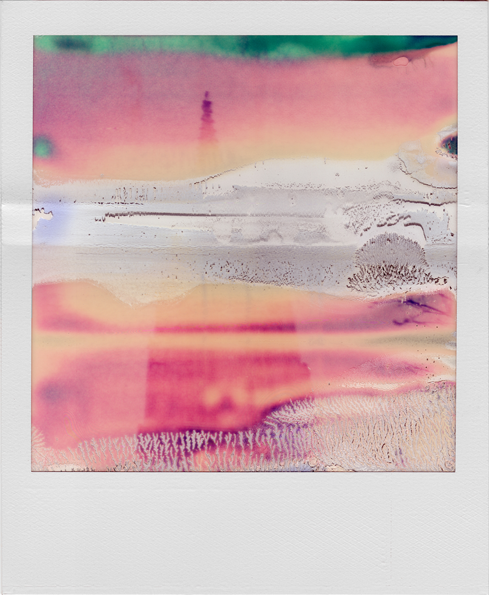
William Miller: Ruined Polaroids
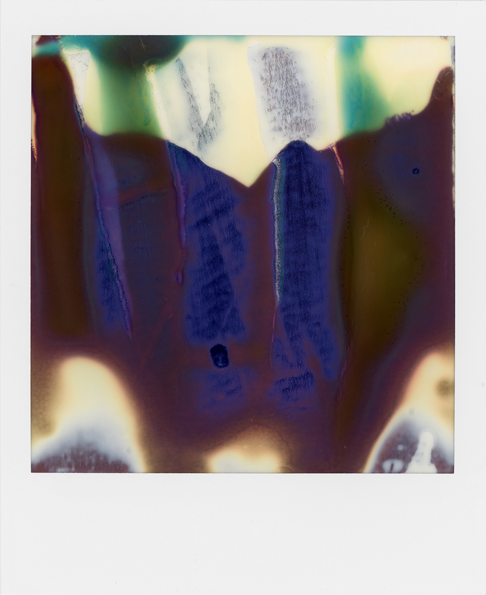
William Miller: Ruined Polaroids
What do you see when you look at the polaroids?
I see a lot of things when I look at these. Firstly I see the anthropomorphic things, I see topographic maps and hard-to-describe patterns. I also see what clearly look like paintings. But what really interests me is that these things are all coming out of this fascinating old technology – this envelope with a plastic window in it showing pictures made from dried chemicals. I feel like you can’t really see what’s there until you see the physical nature of the polaroid itself.
What do you enjoy about experimenting with an unpredictable approach in your photography?
This project was a fluke. I’m a photojournalist by trade and I happened to come across this broken camera. With it came pure abstraction. There was light and photographic chemistry but no discernable image as seen through the camera lens. The image emerging in the Polaroid was the physical nature of the chemistry itself colored with unfocused light and crushed, violently in the imprecise gears of a ruthless machine.
Yet, somehow they were beautiful. I was impressed with the old technology’s resilience.This flaw that has given the camera that extra dimension has also robbed it of its initial purpose. When the narrative elements are removed from the photographs one can concentrate on the details of its abstraction. Any representational remnants of the original image as well as any hint of the will of the photographer become re-contextualised inside this new dynamic. This doesn’t happen in journalism.
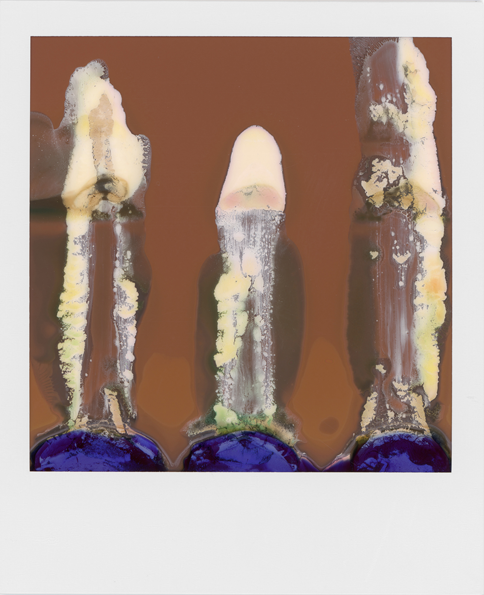
William Miller: Ruined Polaroids
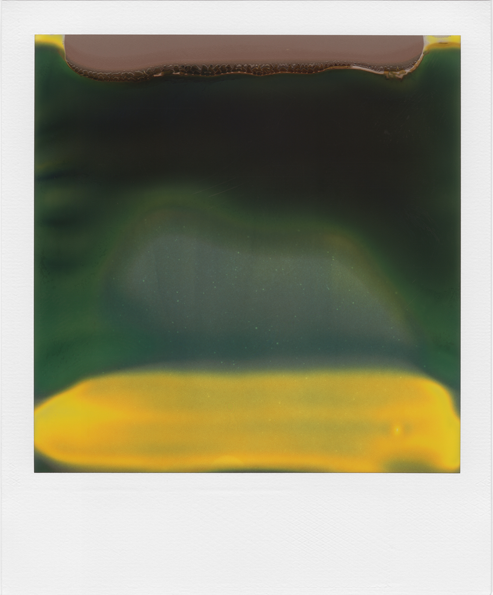
William Miller: Ruined Polaroids
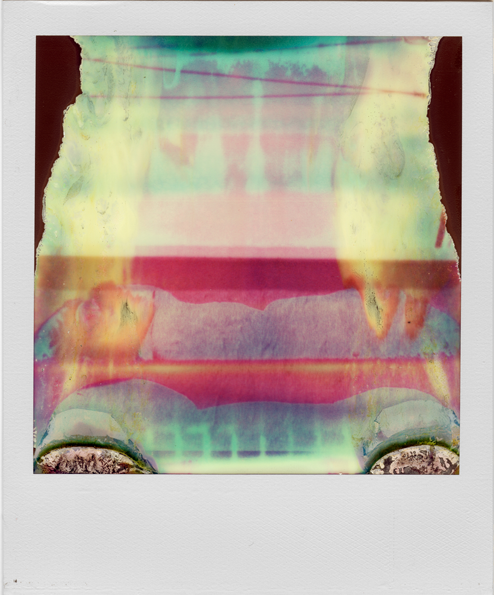
William Miller: Ruined Polaroids
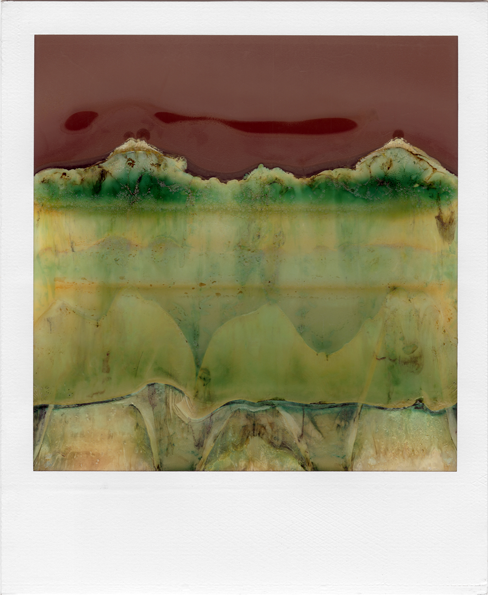
William Miller: Ruined Polaroids
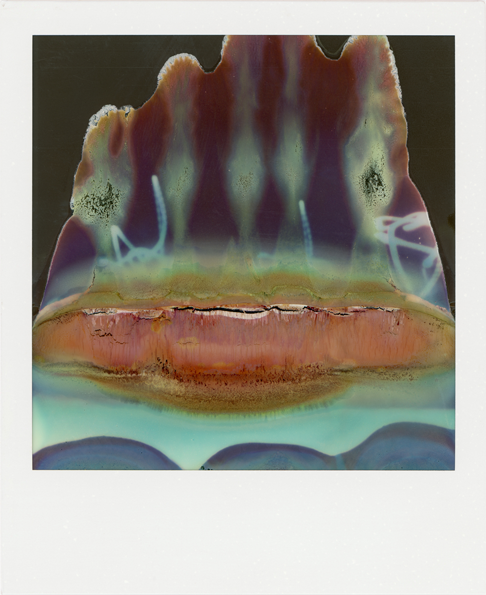
William Miller: Ruined Polaroids
Share Article
Further Info
About the Author
—
Rebecca Fulleylove is a freelance writer and editor specialising in art, design and culture. She is also senior writer at Creative Review, having previously worked at Elephant, Google Arts & Culture, and It’s Nice That.