The anti-communist electronic music studio of the Cold War
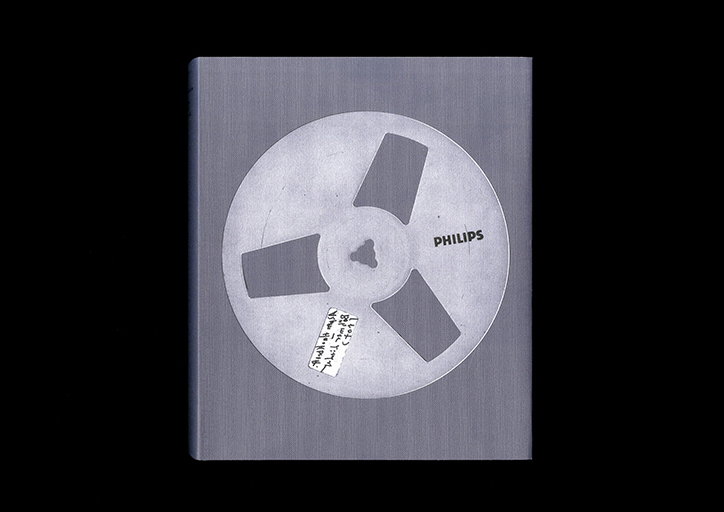
“The Cold War was a time where the global superpowers divided the world on all fronts: science, technology but also culture,” explains Hannover-based graphic designer and art director Yevgeniy Anfalov. In his recent book Rotary. History of the studio for electronic music WDR 1951–1981 Yevgeniy considers the wider context and rapid progression of arts and culture through the lens of one music studio in West Germany.
Although it would be incorrect to state that the CIA invented abstract impressionism or serial music, “there has been enough evidence of the US government supporting avant-garde movements across the world to demonstrate the loyalty towards anti-authoritarian attitudes,” Yevgeniy tells It’s Nice That. This was described by the curators of a recent exhibition (November 2017), Parapolitics: Cultural Freedom and the Cold War at HKW, as: “Shoring up the anti-Communist consensus.”
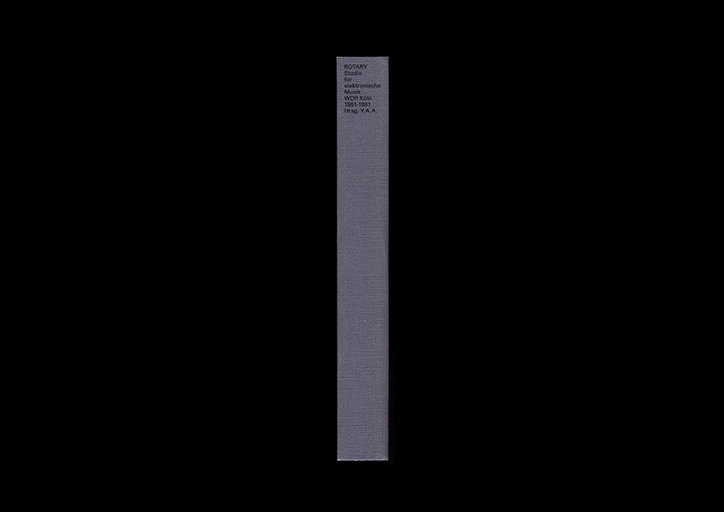
Yevgeniy Anfalov: Rotary. History of the studio for electronic music WDR 1951–1981
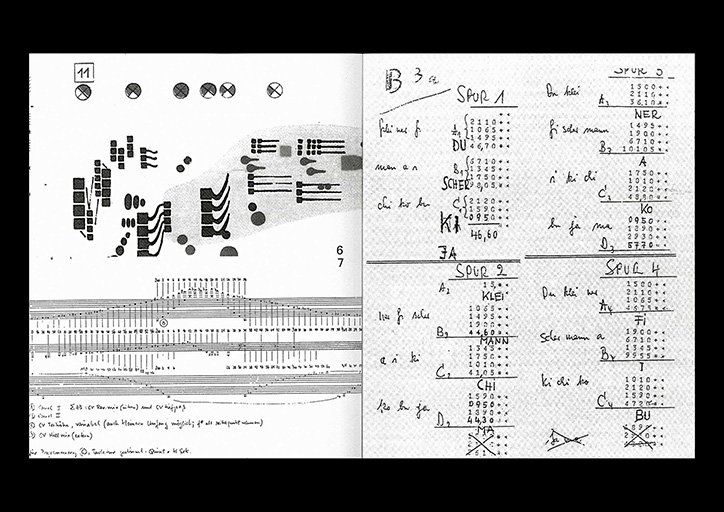
Yevgeniy Anfalov: Rotary. History of the studio for electronic music WDR 1951–1981
Whilst working on his thesis for his Masters on Swiss advertising agency GGK, Yevgeniy discovered that one of its founders, Paul Gredinger, had previously made music with esteemed German composer Karlheinz Stockhausen at the electronic music studio at WDR (West German Radio). “I hadn’t seen any contemporary books on this topic, so I decided to begin researching it, thinking about making this lesser-known story more accessible for a broader audience,” he explains.
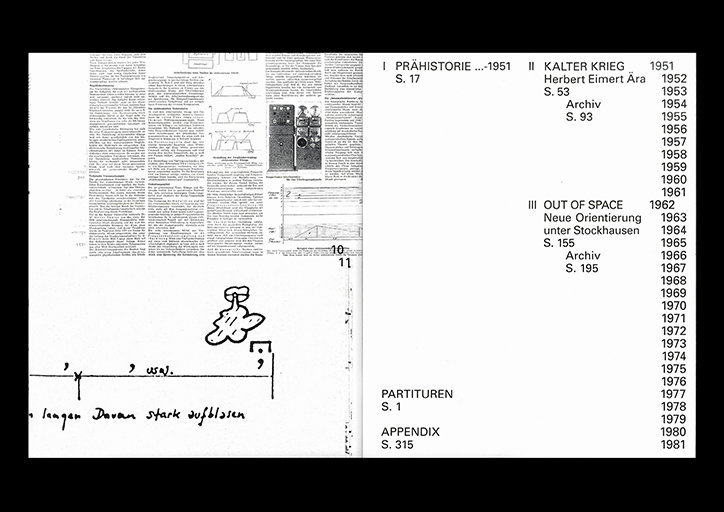
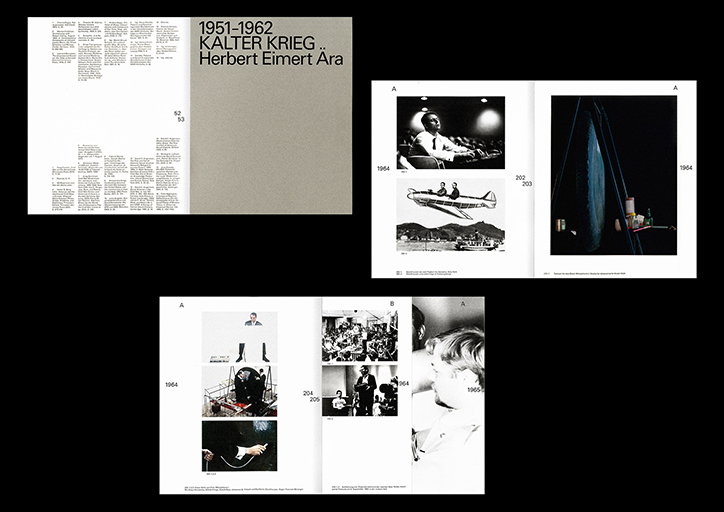
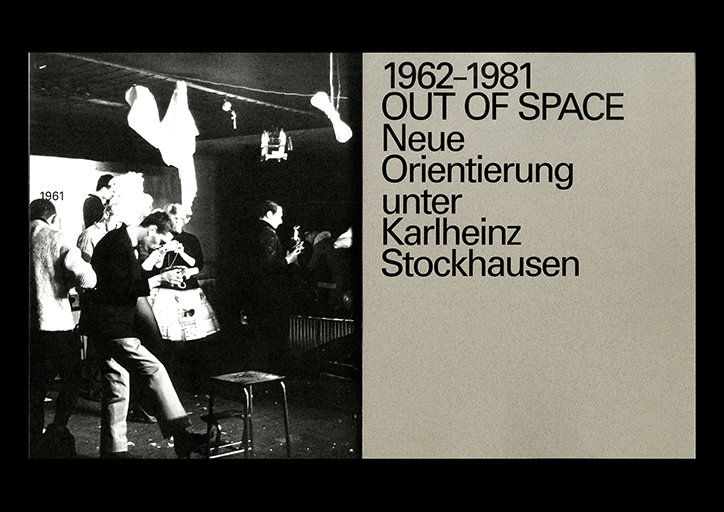
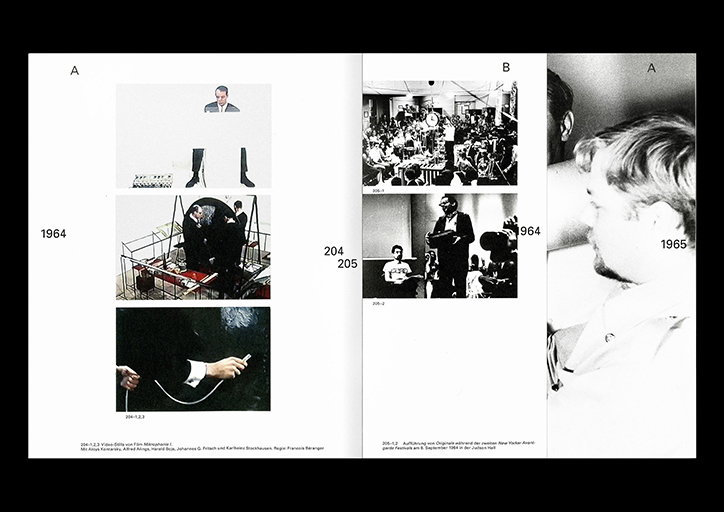
The book is dictated by its visual material with a mix of archive photography, original documentation and current-day images of the studio’s equipment (partly taken by Tobias Faisst). As a means of examining where the technology, composers and their ideas and influences came from but also the studio’s wider impact on popular culture and politics, Yevgeniy created a system of navigation that sees text and imagery running parallel. With a timeline running from the top to the bottom of each page, readers can easily contextualise the information they are reading in terms of the studio and the wider world.
Yevgeniy Anfalov: Rotary. History of the studio for electronic music WDR 1951–1981
Yevgeniy Anfalov: Rotary. History of the studio for electronic music WDR 1951–1981
Yevgeniy Anfalov: Rotary. History of the studio for electronic music WDR 1951–1981
Much of the imagery in Rotary. History of the studio for electronic music WDR 1951–1981 hails from the countless folders at the Stockhausen Foundation in Kürten (a small village near Cologne) where Yevgeniy spent some time. “I was also lucky to meet Werner Scholz and Volker Müller, two sound engineers who had worked with Stockhausen,” he explains. Volker kept the studio intact after its official closing, meaning Yevgeniy was able to listen to the original recordings and also photograph the machines.
In what could be considered a nod to the designer who first initiated the project, the book’s headlines – as well as its navigation system – feature clean Swiss-style sans-serif typefaces. This used in conjunction with original hand-drawn elements of archival documentation only furthers the book’s didactic presentation of information.
Inspired by the likes of Omniverse Sun Ra and John Cage’s 4’33” – Silence Today in its presentation, Rotary. History of the studio for electronic music WDR 1951–1981 is a rare project in its triumphs. Whilst maintaining intriguing visual qualities, it also manages to inform its readers on a niche subject in a digestible and accessible way.
Yevgeniy Anfalov: Rotary. History of the studio for electronic music WDR 1951–1981
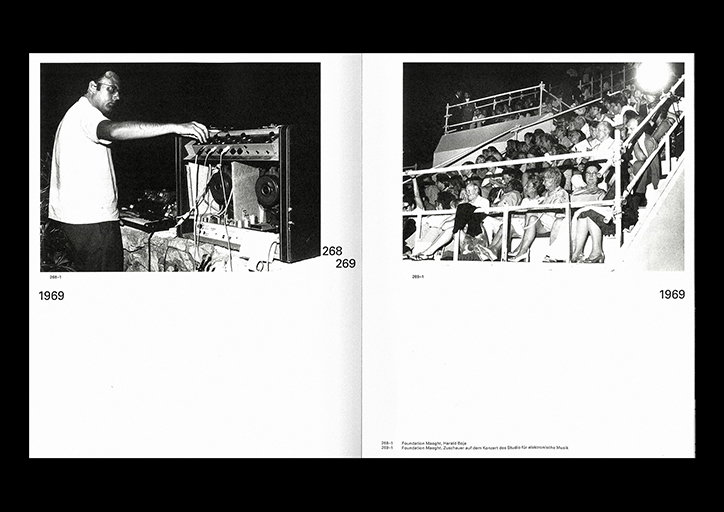
Yevgeniy Anfalov: Rotary. History of the studio for electronic music WDR 1951–1981
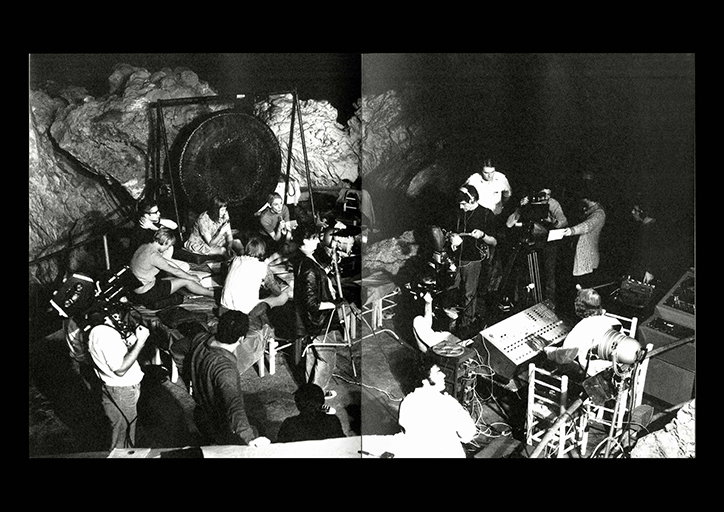
Yevgeniy Anfalov: Rotary. History of the studio for electronic music WDR 1951–1981
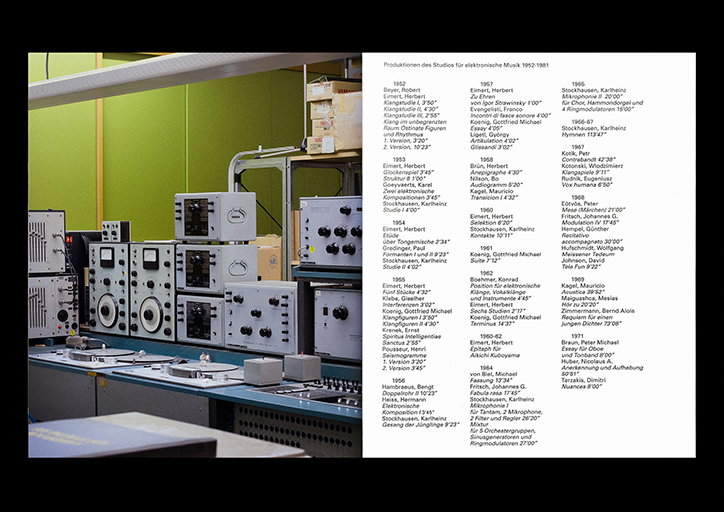
Yevgeniy Anfalov: Rotary. History of the studio for electronic music WDR 1951–1981
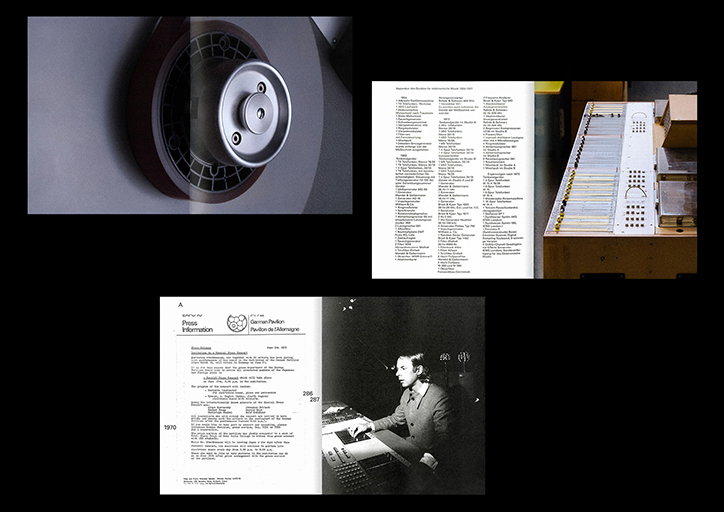
Yevgeniy Anfalov: Rotary. History of the studio for electronic music WDR 1951–1981
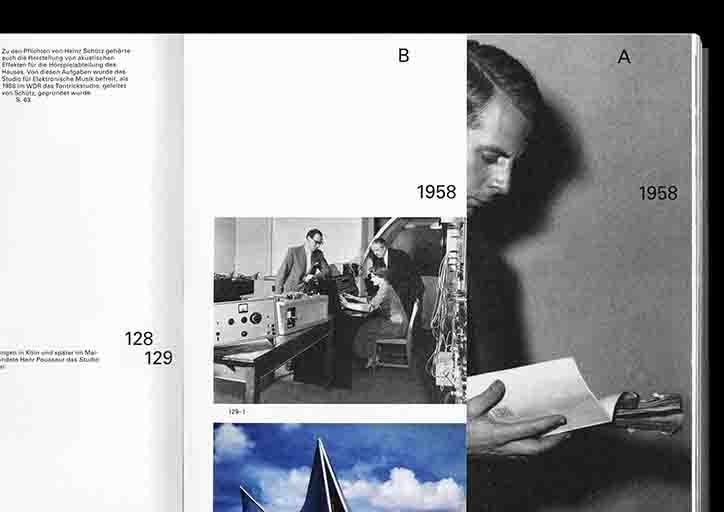
Yevgeniy Anfalov: Rotary. History of the studio for electronic music WDR 1951–1981
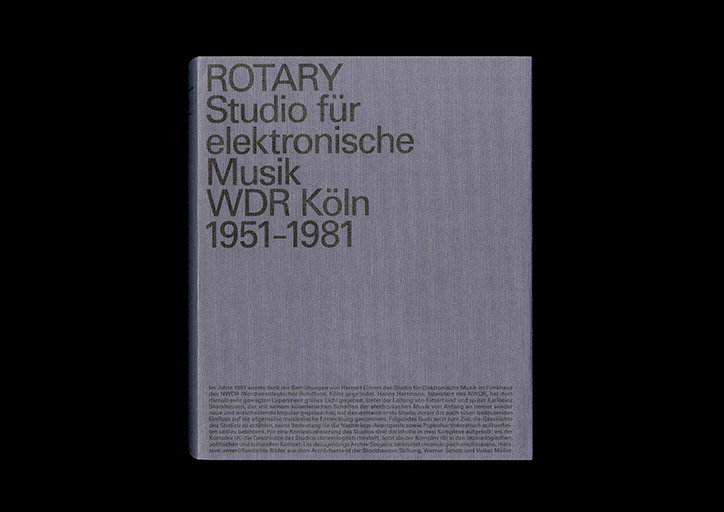
Yevgeniy Anfalov: Rotary. History of the studio for electronic music WDR 1951–1981
Share Article
Further Info
About the Author
—
Ruby is Senior Creative at It's Nice That, overseeing our visual output across platforms and projects. Before that, she was associate editor on the editorial team, after joining in September 2017 following graduation from Central Saint Martins.