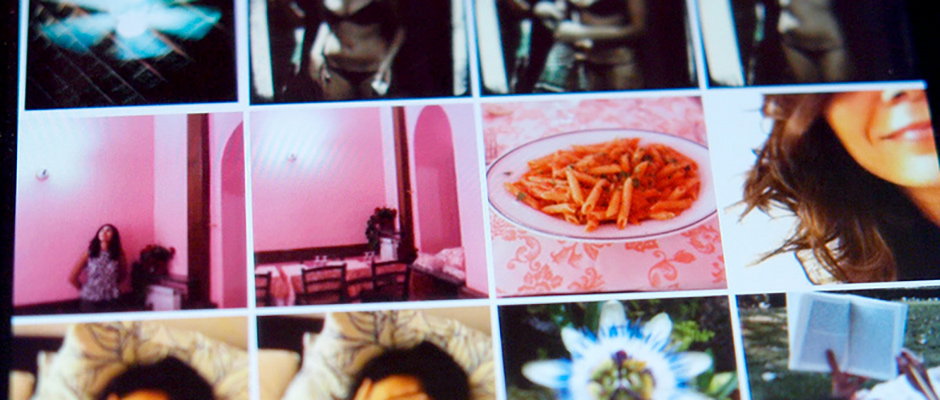
Yolanda Domínguez lets people scroll her personal phone snaps
Several artists have attempted to respond to the nude photo scandal, in which private photographs of a number of celebrities were hacked from Apple’s iCloud software and leaked on sites like 4chan and Reddit earlier this year, but few have had any success in harnessing the sense of shock and the eery echo of “have you seen them?” which rippled through the internet in the aftermath.
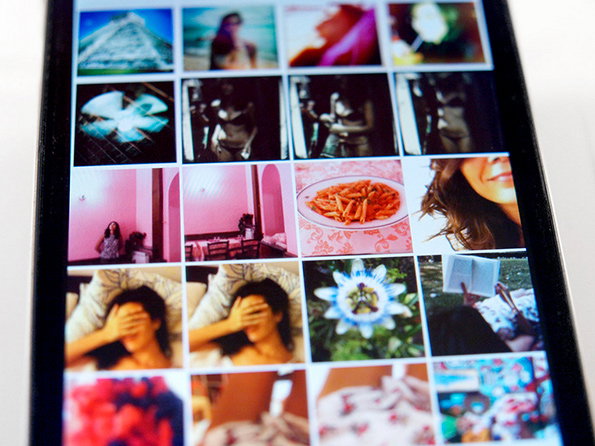
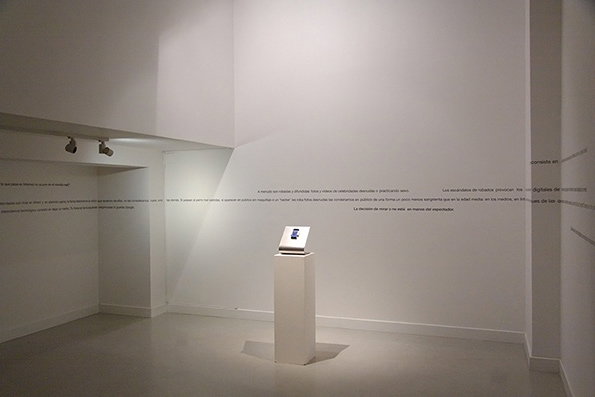
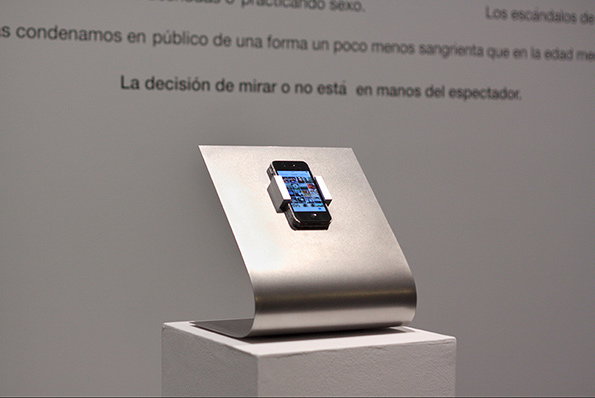
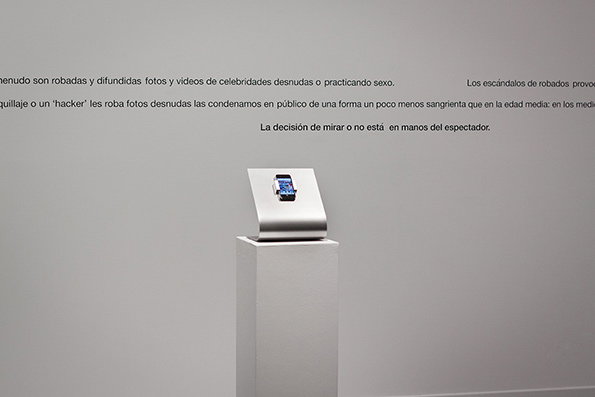
Yolanda Domínguez is one artist who chose to take a more considered approach. For her exhibition Gallery, held from Wednesday to Friday last week at Madrid’s Twin Gallery, Yolanda placed an iPhone containing her personal photo gallery in the centre of an empty room and invited guests to peruse her images. The photographs included personal shots of her spending time with her family, walking in the park and crying at home alone, as well as nude shots and pictures of her with a lover. The show forces the viewer to make a conscious decision about whether or not to scroll through the photographs, actively participating in an invasion of the artist’s privacy, and tests their determination to stay away.
It’s not the first time Yolanda has created a timely response to a breaking news story; last year her series Fashion Victims acted on the collapse of a textile factory in Bangladesh in which more than 1,000 factory workers were killed by photographing women in the garments being made in this factory under piles of rubble in Madrid’s shopping district.
While Gallery might not provoke the same visceral response over the internet that I imagine it does it real life, it certainly raises some hard-hitting questions regarding the invasion of privacy and our behaviour online, in a liminal space in which we don’t seem to feel any shame for our actions. It’s a tricky topic to broach in a gallery setting, but by refusing to shy away Yolanda proves that at the very least it’s one that deserves our attention.
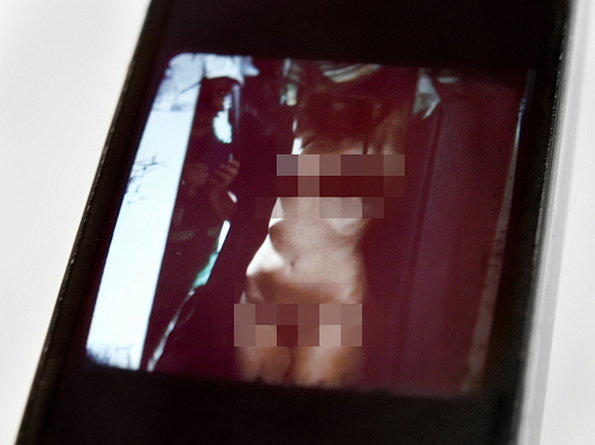
Yolanda Domínguez: Gallery
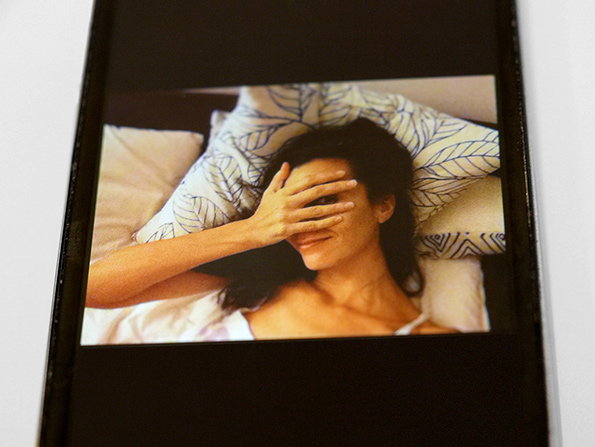
Yolanda Domínguez: Gallery
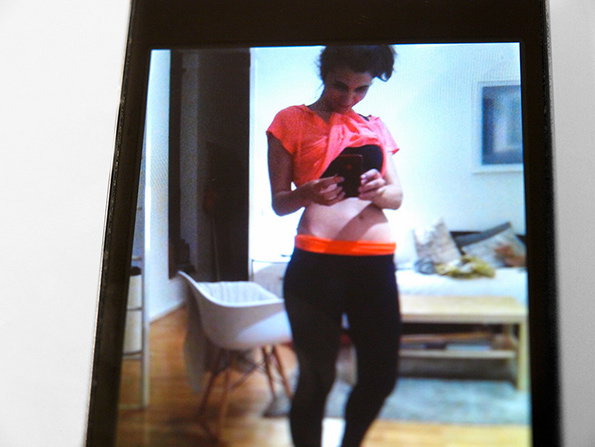
Yolanda Domínguez: Gallery
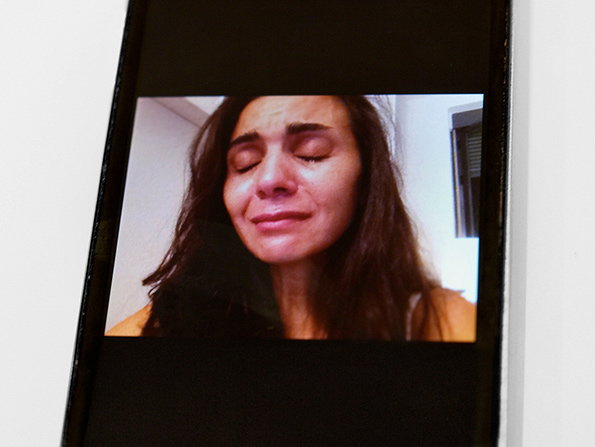
Yolanda Domínguez: Gallery
Yolanda Domínguez: Gallery
Yolanda Domínguez: Gallery
Yolanda Domínguez: Gallery
Yolanda Domínguez: Gallery
Share Article
Further Info
About the Author
—
Maisie joined It’s Nice That fresh out of university in the summer of 2013 as an intern before joining full time as an Assistant Editor. Maisie left It’s Nice That in July 2015.