

- Words
- Ellis Tree
- —
- Date
- 12 January 2026
- Tags
The graphic trends you’ll want to bookmark for 2026
From images that look like they’ve been made on an office printer, to pick-and-mix lettersets and cut-out trinket collections, we highlight five new design tendencies we’ve been keeping track of.
Share
Share
In partnership with

Residence is a network of world-class, independent creative specialists uniquely united to produce work that stirs hearts, changes minds, drives business, and moves the world.
There’s a reason why old iPod Shuffle prices have been hiking up on eBay over the last year: they are what seems to be a very distant symbol of simplicity now. Whether part of the natural cycle of Gen Z becoming nostalgic for the cultural touchstones of their youth, or a sign that we are all digitally drained and looking for something altogether different to consume, the same spirit behind the resurgence of early-2000s tech showed up quite tangibly in our design work in 2025.
Approaches that counteract an increasing fatigue from current hyper-digital design processes continued to shape a layered, imperfect and naively analogue approach to work last year: a symptom of the many ways we might be pushing back against fast-moving tech. It’s as if we’re realising design work can’t be separated from the hands that make it – that’s why people are turning back to scanning, scrapbooking, collecting and collaging to make things feel mismatched where polish is otherwise making the work feel flat.
At the start of 2025 we reflected on the idea of the anti-trend, and this new stock-take for 2026 looks at five visual waves that still seem to be swelling in a similar space. But we’ve zoomed in on the formal details a bit more this year. Taking a closer look at five key areas that show up in many practices in graphic design today: typography, logo design, print, editorial design and image production, we’ve seen techniques that underline this emerging taste for a more mixed-media approach.
The reality is that our findings were quite widespread this time; work that’s passed through our platforms and our Instagram saved folders was diverse in concept, subject, purpose, and style. In pinning down our very own collection of trends you might want to bookmark for the year ahead, we’re also highlighting an overarching concept or process that’s welcomed a number of interesting approaches. This is not a strict forecast of what’s to come, instead, this breakdown of our year-long trend research at Insights for Forward Thinking is a reflection of how creatives are responding visually to our current times, and a few of the most exciting approaches that got caught in our net.
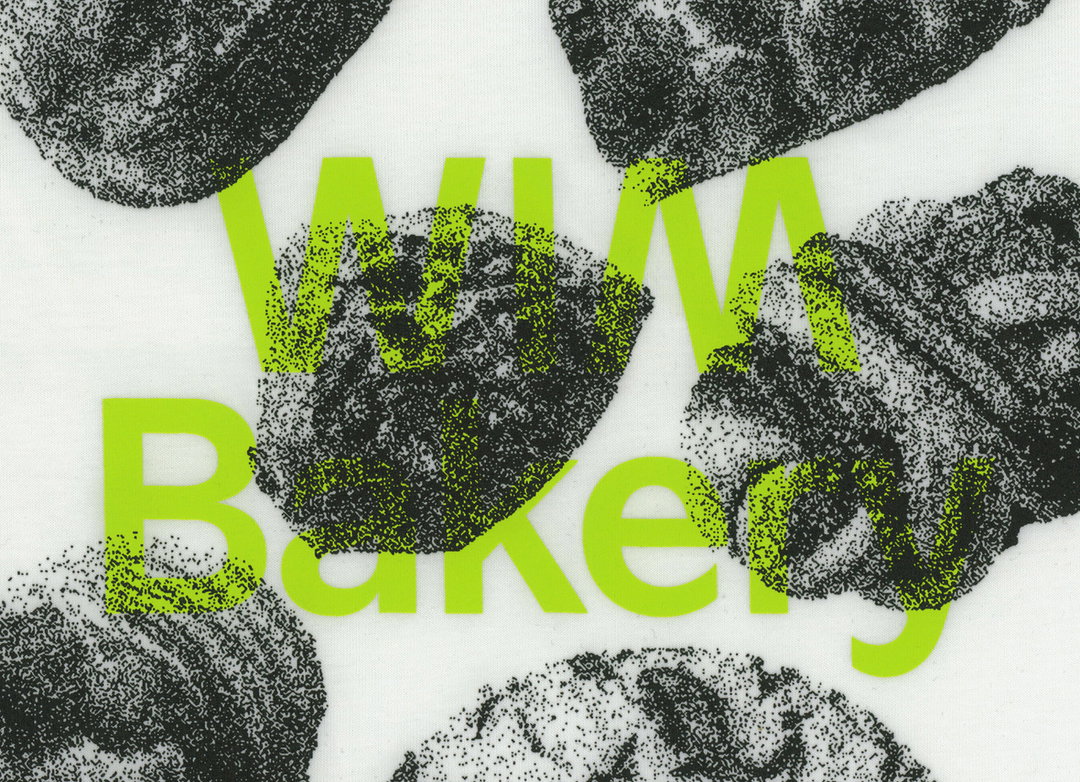
Kevin Högger: WIM Bakery (Copyright © Kevin Högger, 2025)
1 of 5
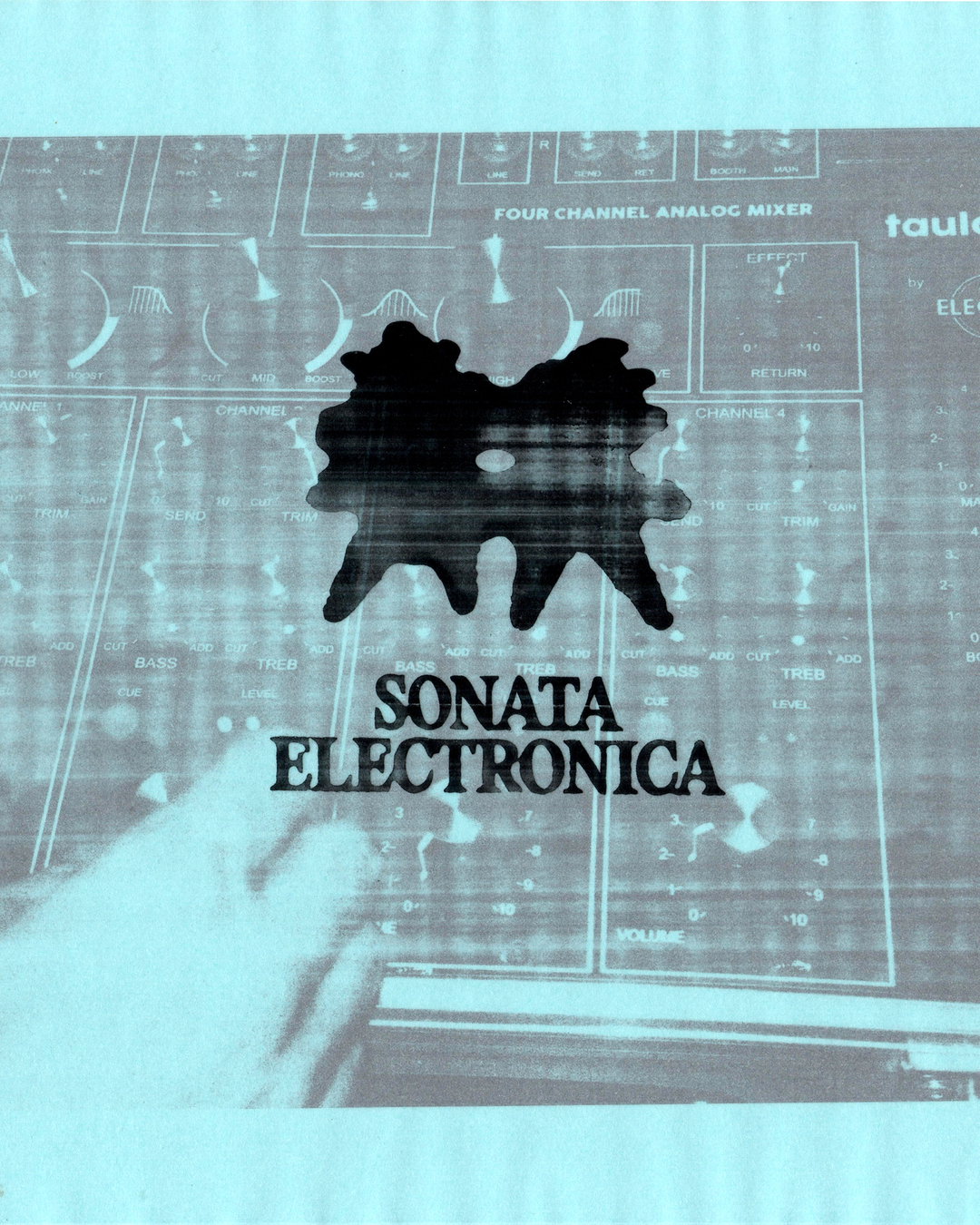
Louis Garella: Sonata Electronica (copyright © Louis Garella, 2025)
1 of 5
Louis Garella: Sonata Electronica (copyright © Louis Garella, 2025)
In Print: Make me a copy
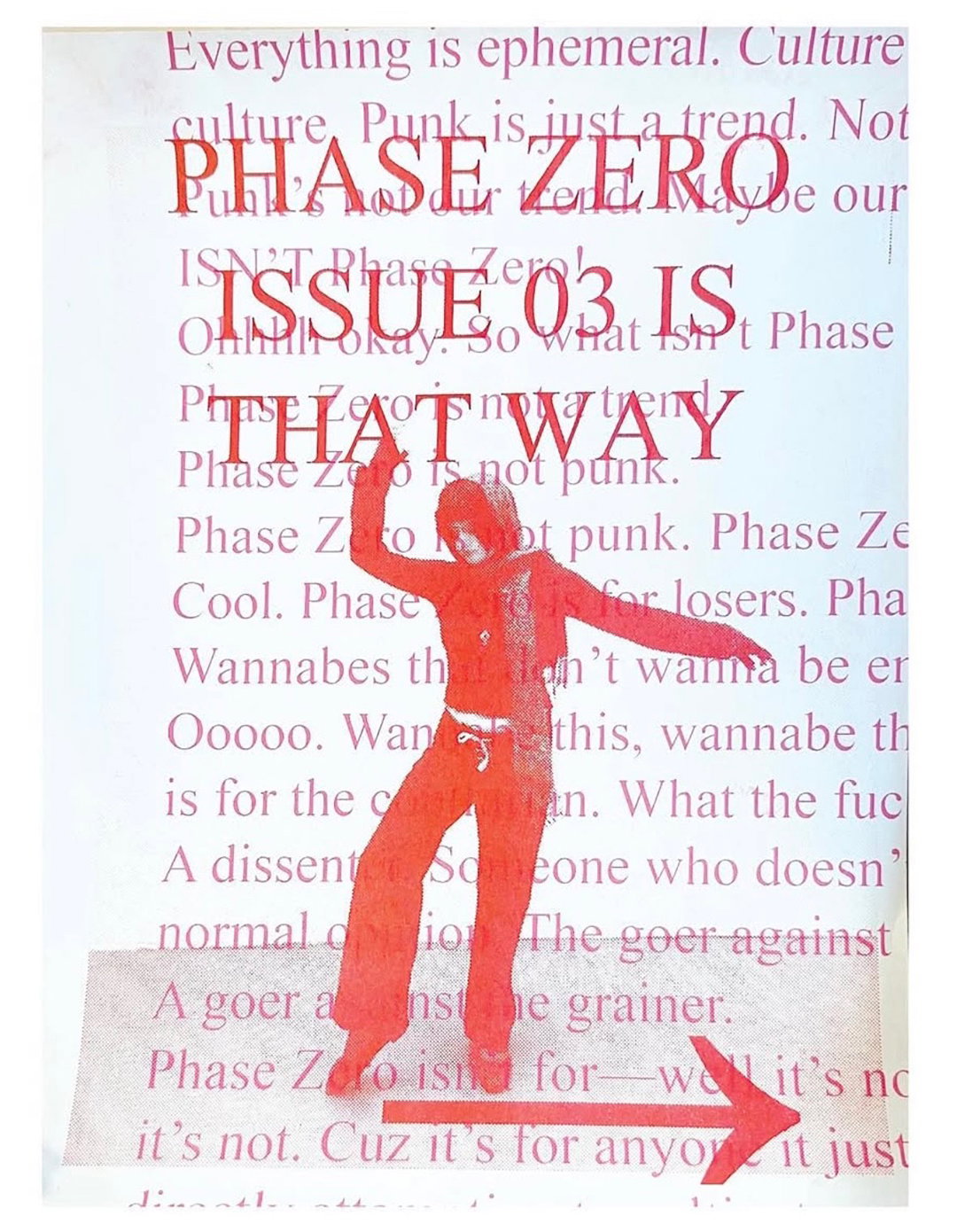
Errors – like a soft layer of low-resolution grain or the surprise appearance of debris stuck to the platen glass – are unique embellishments that come as a free addition to your images when using a Xerox printer. These are quirks that made quite the design feature at the tail end of 2025.
With ties to punk, grunge and independent publishing, the humble home or office printer has seemingly been forgotten as techniques like Risograph have taken over the print scene in the last decade, giving us something raw and deliberately lo-fi in full colour. But we’ve seen a slow and deliberate return to pared down greyscale pages, adopting some of the more unpolished qualities of this everyday print technique as a statement of style: a raw gritty look that’s come back around again.
What we’re calling the *warning low ink* look was a defining feature of type designer Charlotte Rohde’s launch of Oficía Mono last year, showcased in an office-photocopier-style campaign for the typeface. It’s also shaped a number of brand identities – Louis Garella’s logo for electronic music duo Sonata Electronica, being one of them. Low ink coverage made the designer’s new brand mark appear as if it were shifting, dissolving (or dancing) as colour runs out.
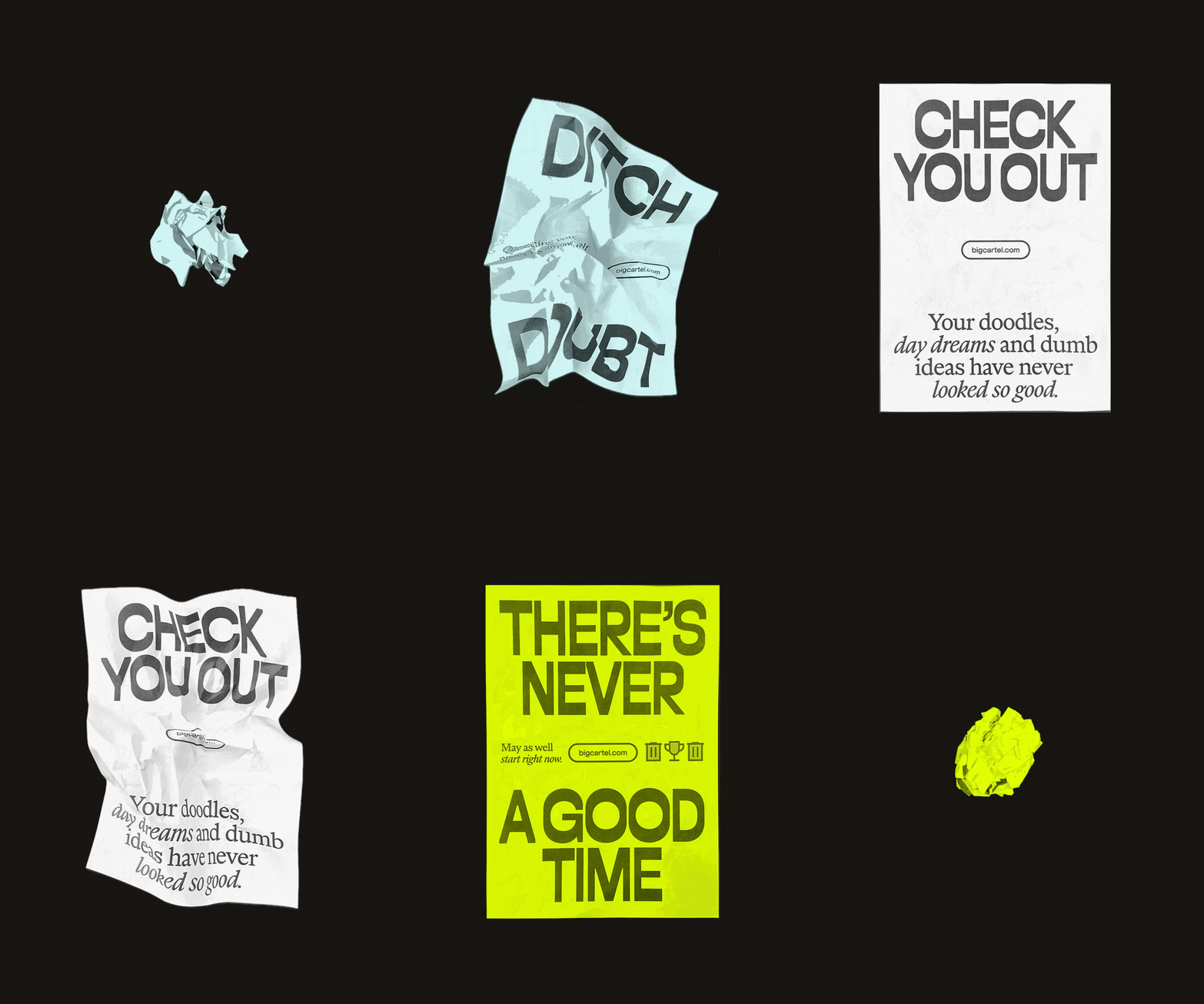
The scrappy visible imperfections of the scanning bed were also adopted for How&How’s branding for Big Cartel, with a scrunched A4 printout that nods to the platform’s independent, DIY roots. This soft, flattened effect is even seeing photographers scanning their prints back in, for the nostalgic 1980s magazine feel that seemingly everyone is aiming for at present. Think of this trend as the print equivalent of the return to Y2K digi cams for photography.
As current AI image generators still struggle with authentically replicating the nuances of a layered, mixed-media style, we think that an overworked, scanned or heavily textured approach to image-making will only grow in 2026. The collage work of artists like Alice Isaac and Andrzej G’s is a perfect example of this kind of dense visual stacking, where compositions start with scans and cut-outs but they emerge into something much more dynamic digitally. Animation work like Tala Schlossberg’s makes the designers’ generic texture pack look dead, and scanning itself is becoming more experimental – designers, like Jacob Hutch, are taking things outside with this handheld number to capture things a sterile office photocopier could only dream of seeing.
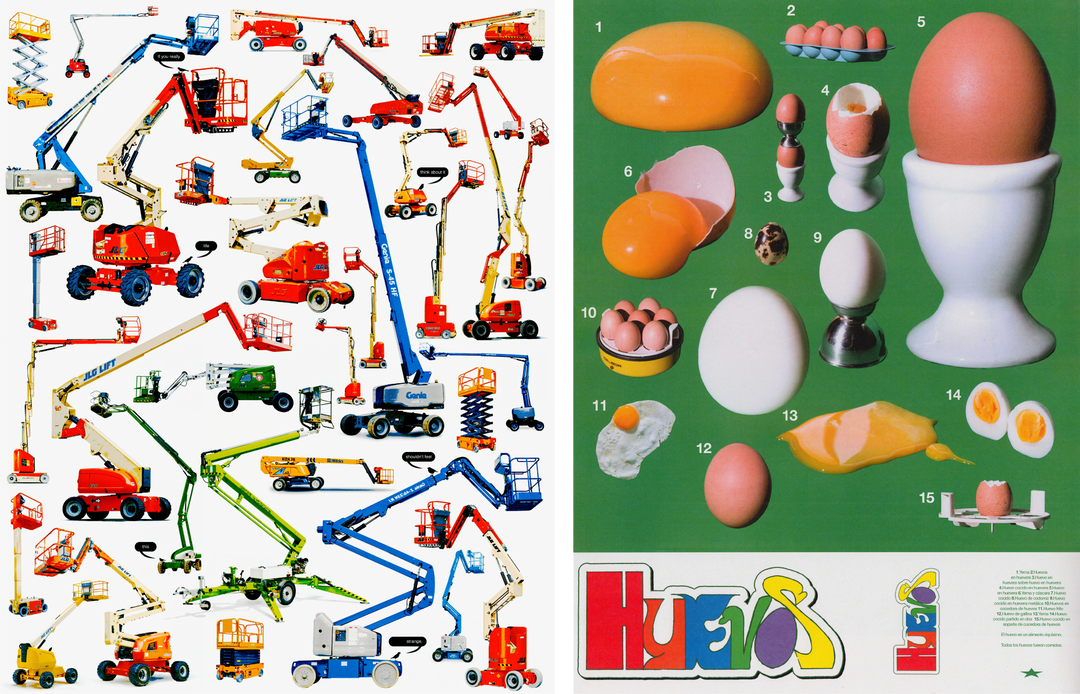
Left: Jean Pierre Consuegra: a strange life (Copyright © Jean Pierre Consuegra, 2024) Right: Miguel Vides: Huevos (Copyright © Miguel Vides, 2022)
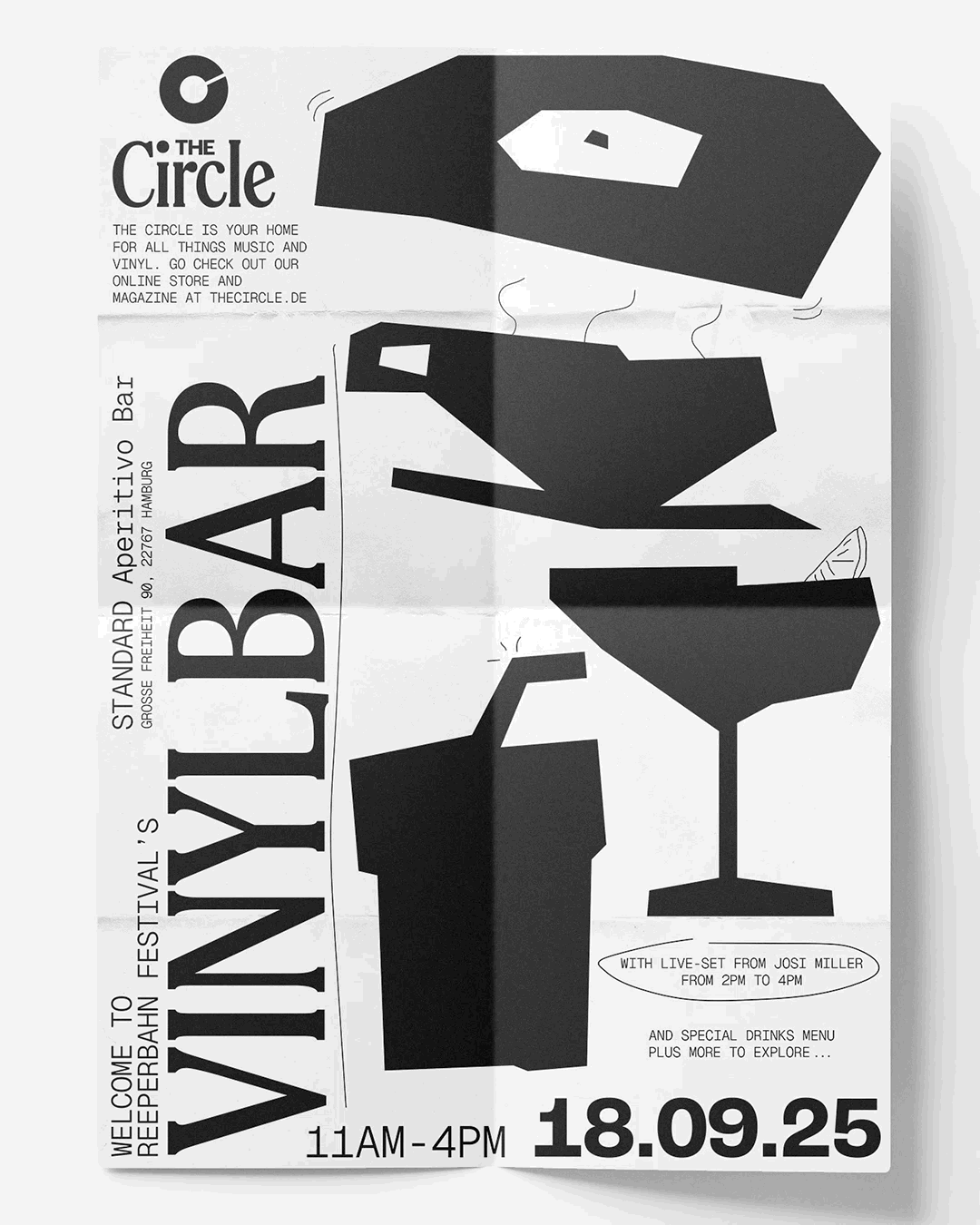
Studio Neville: Poster for Universal music The Circle (Copyright © Studio Neville, 2025)
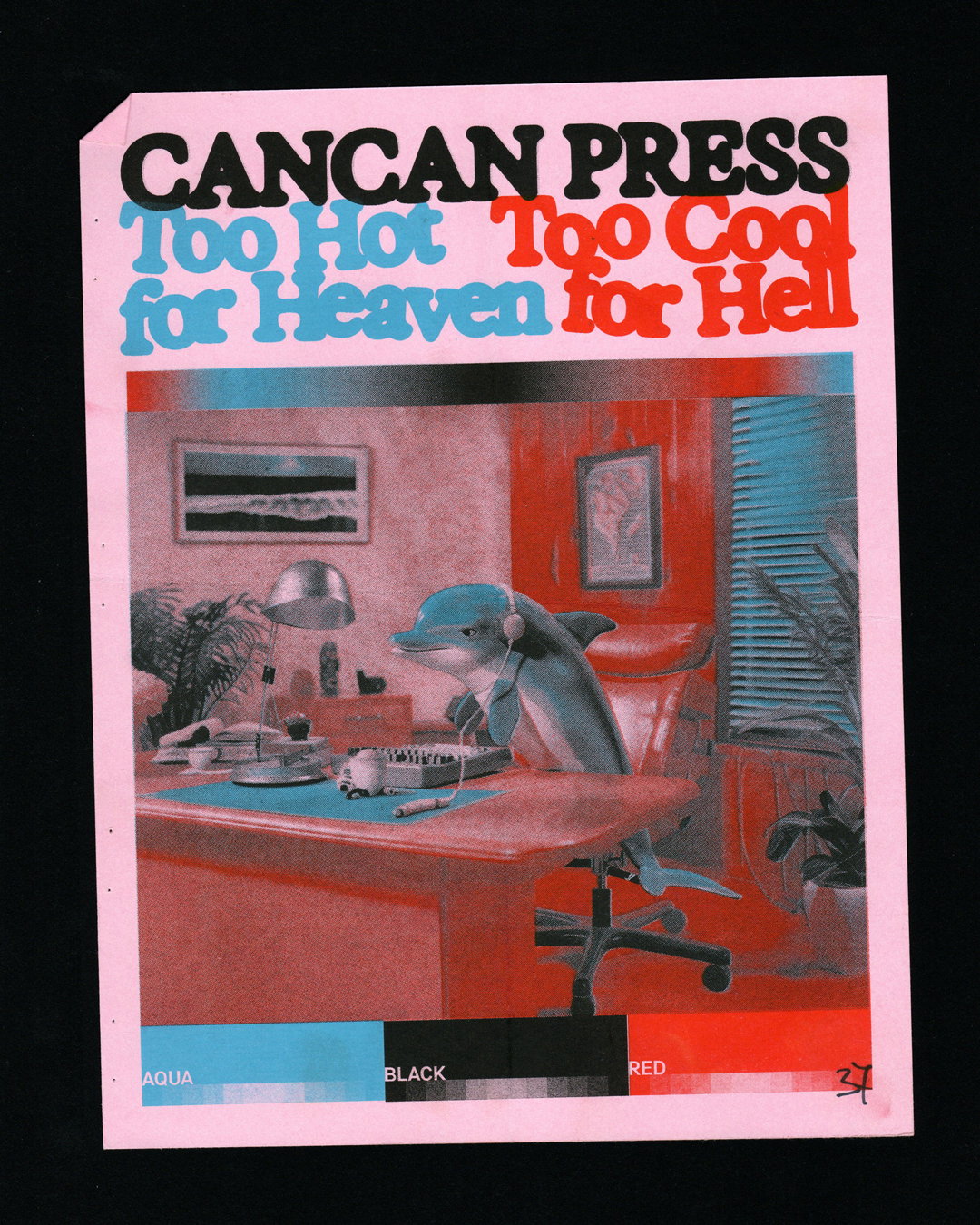
Sunroom: Risograph flyer 54 (Copyright © Sunroom, 2025)
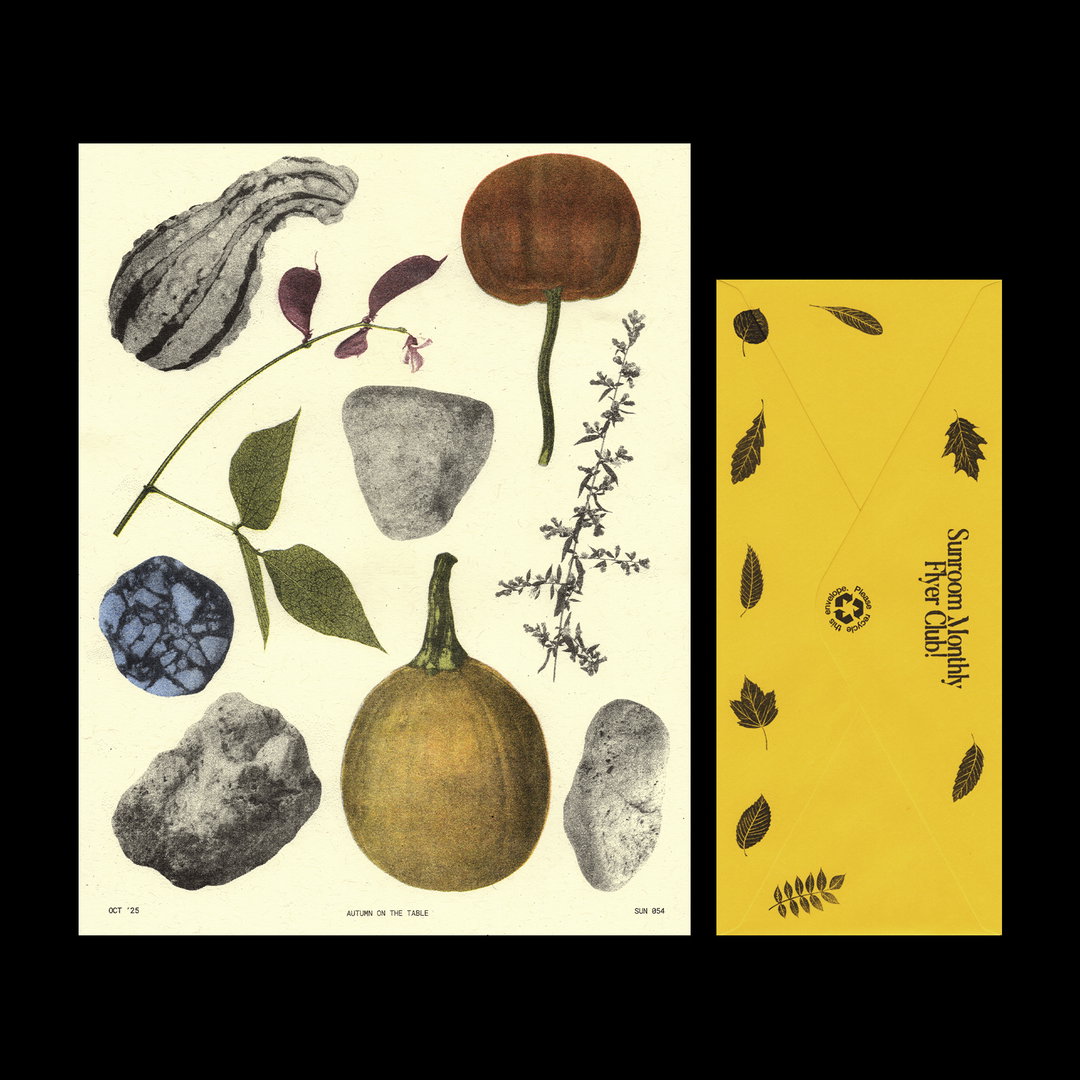
Sunroom: Risograph flyer 54 (Copyright © Sunroom, 2025)
In Assets: The visual index
Last year we observed a tendency in the display of assets that we called “The Library” – motion design that shuffled through images for our viewing like a deck of cards. Well now they’re being laid out in one neat run.
The act of collecting has become a bit of a visual format in itself, and as 2025 came to a close, we saw more and more designers gather their assets in cut-and-paste inventories of eclectic shapes and forms, like ornaments one might keep for display in a wall-mounted letter case. This impulse towards inventory has cropped up as a trend in visual culture before, but this time items feel a bit more like scientific specimens – like entomology display cases exhibiting pinned-down bugs and butterflies.
Flattened, numbered and ironed out with no real sense of scale or proportion, these cut-outs are collaged and isolated from their context in Sunroom’s snail mail and Miguel Vides posters alike. The technique brings together all kinds of typologies in Jean Pierre Consuegra’s work too; like a collection of cranes, for example. It’s not clear what’s more joyful with these works, the act of collecting or composing.
We have a sneaky feeling that Gen Z’s obsession with “cute little things” (the trinket revival) has brought about this visual need to order and organise items like the stickers sheets we once kept as kids. Perhaps that explains why a more simplistic, illustrated take on the trend shaped Wonderhood’s identity for Parish Primary School so beautifully. The inherent sense of nostalgia within this visual ordering also defined aspects of From Form’s 2025 Museum Night identity, harking back to the early 2000s with reference to collecting distinct to the era: tamagochis, football cards and keyrings.
Whether detailed photographic assets or more angular cut-outs, these miniature archives of objects can be colourful, nostalgic and playful, or more didactic and utilitarian, like the spreads of visual artist Hyejin Song’s book of sushi utensils where objects are laid out across spreads like a table of tools for the cooking class you’re about to commence.
Seeing everything all at once is a perfect fit for instructions but this trend isn’t all about function, it’s also about the joy of ownership and curation. It’s acting as a fun framing device for our visual hoarding that we’re expecting to see much more of in 2026 as a culture of collecting continues.
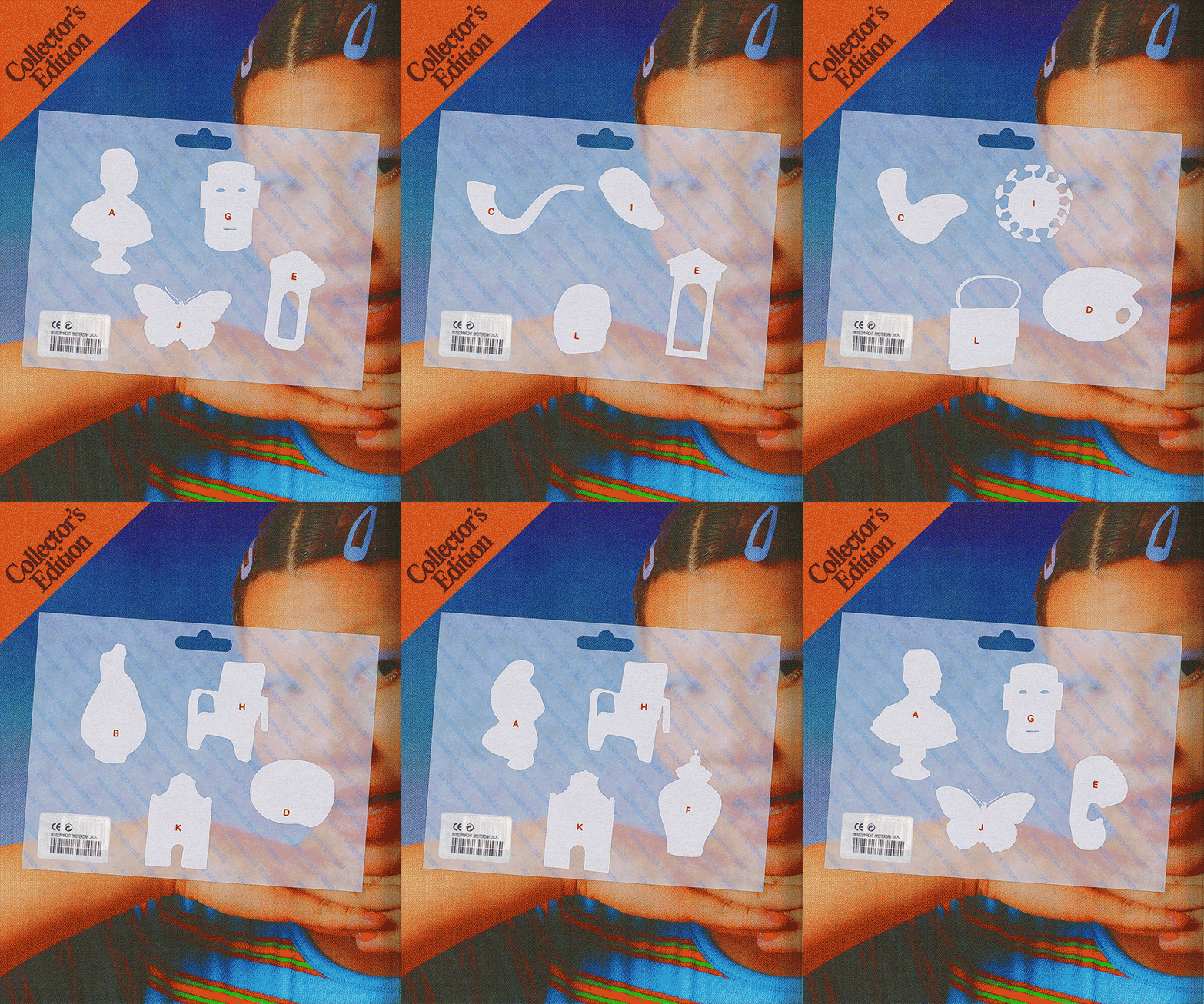
From Form: Amsterdam Museum Night Campaign 2025 (Copyright © From Form, 2025)
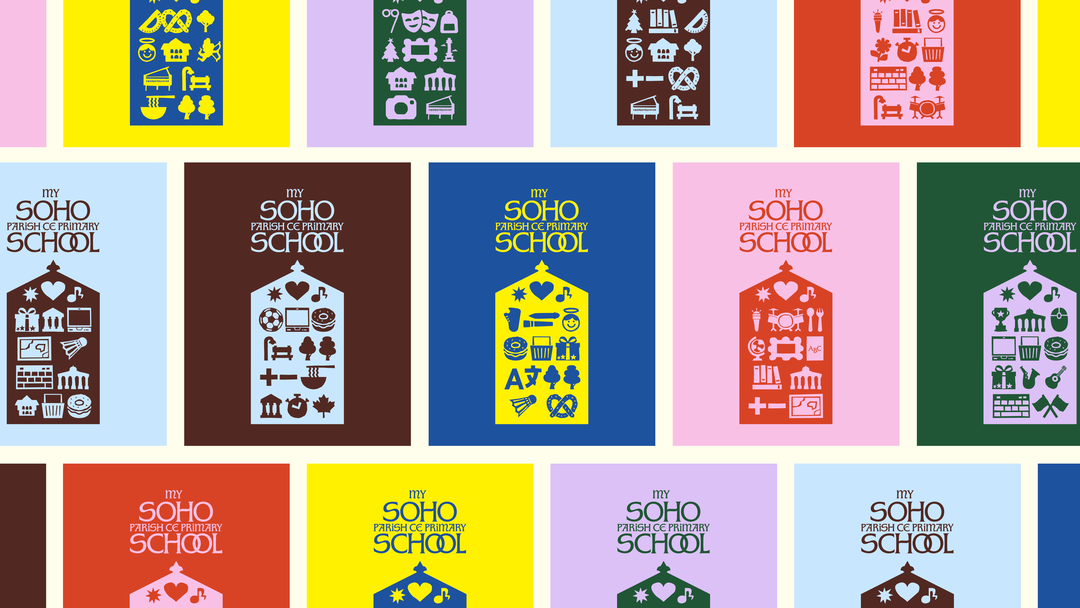
Wonderhood Design: Soho Parish School rebrand (Copyright © Wonderhood Design, 2025)
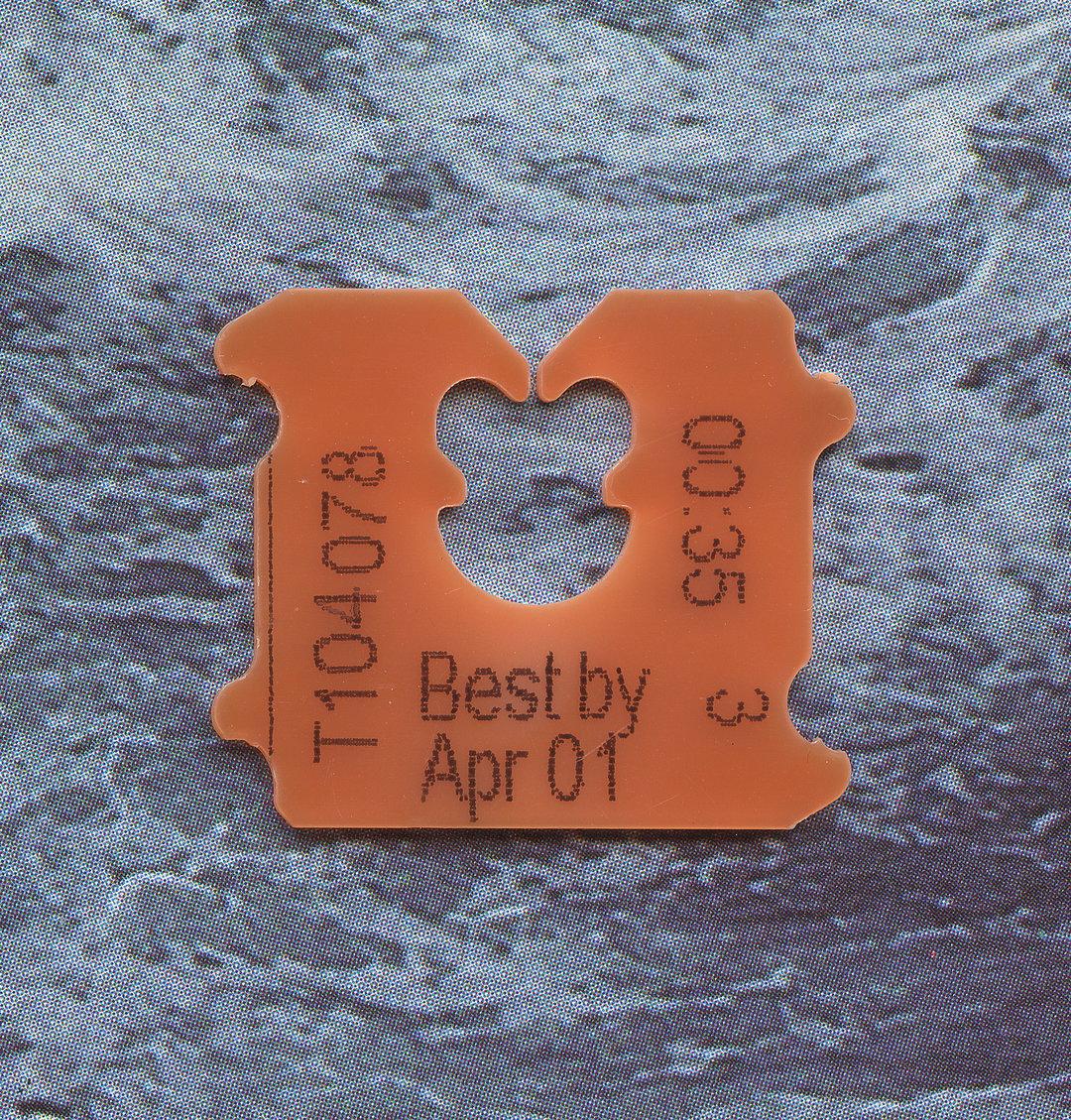
(Copyright © Zak Jensen, 2024)
Atio Studio: Typography Exploration “ATIO” Mario and Folder Font designed by Edoardo Benaglia and Luca Devinu (© Atio Studio, 2025)
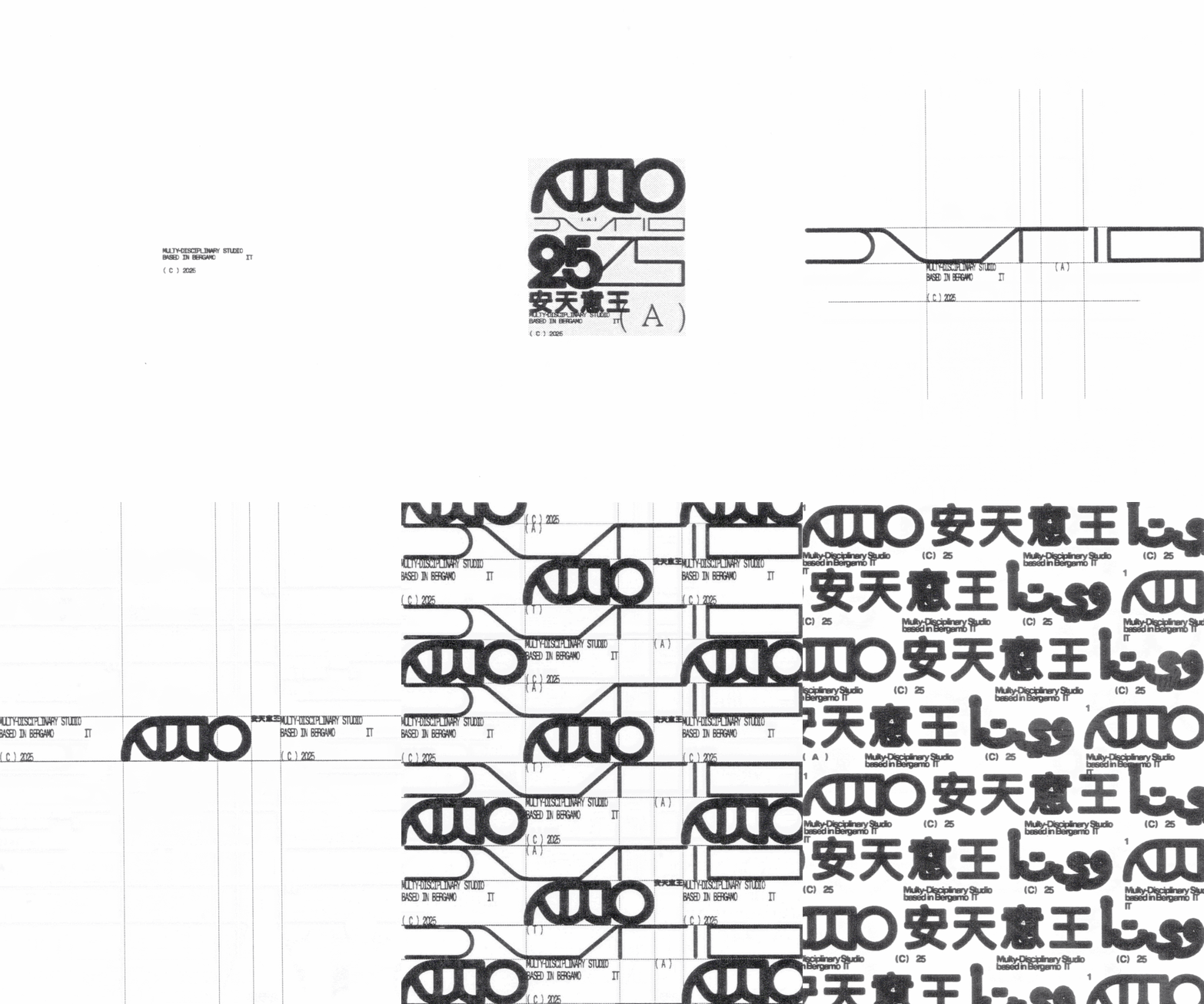
Atio Studio: Typography Exploration “ATIO” Mario and Folder Font designed by Edoardo Benaglia and Luca Devinu (© Atio Studio, 2025)
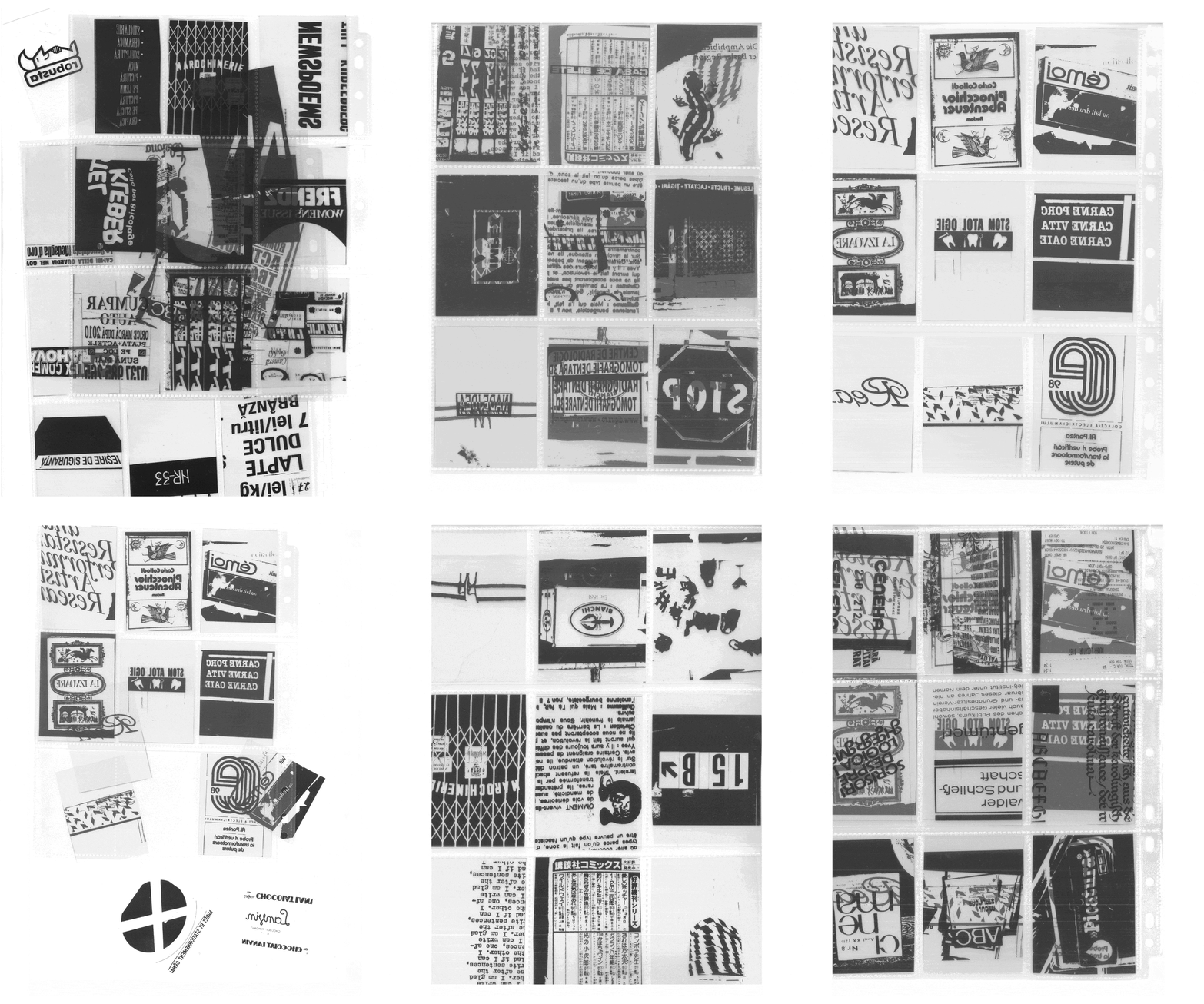
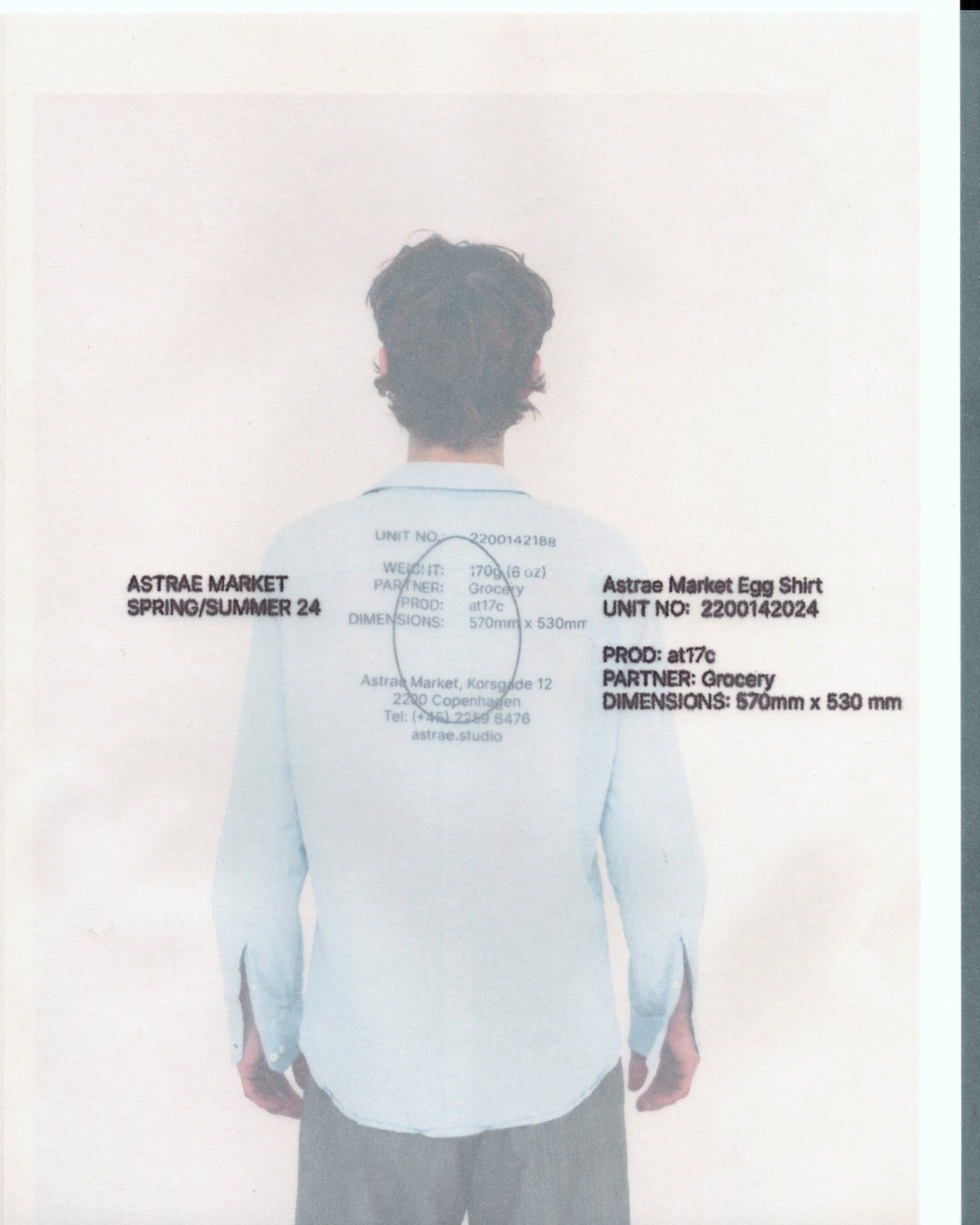
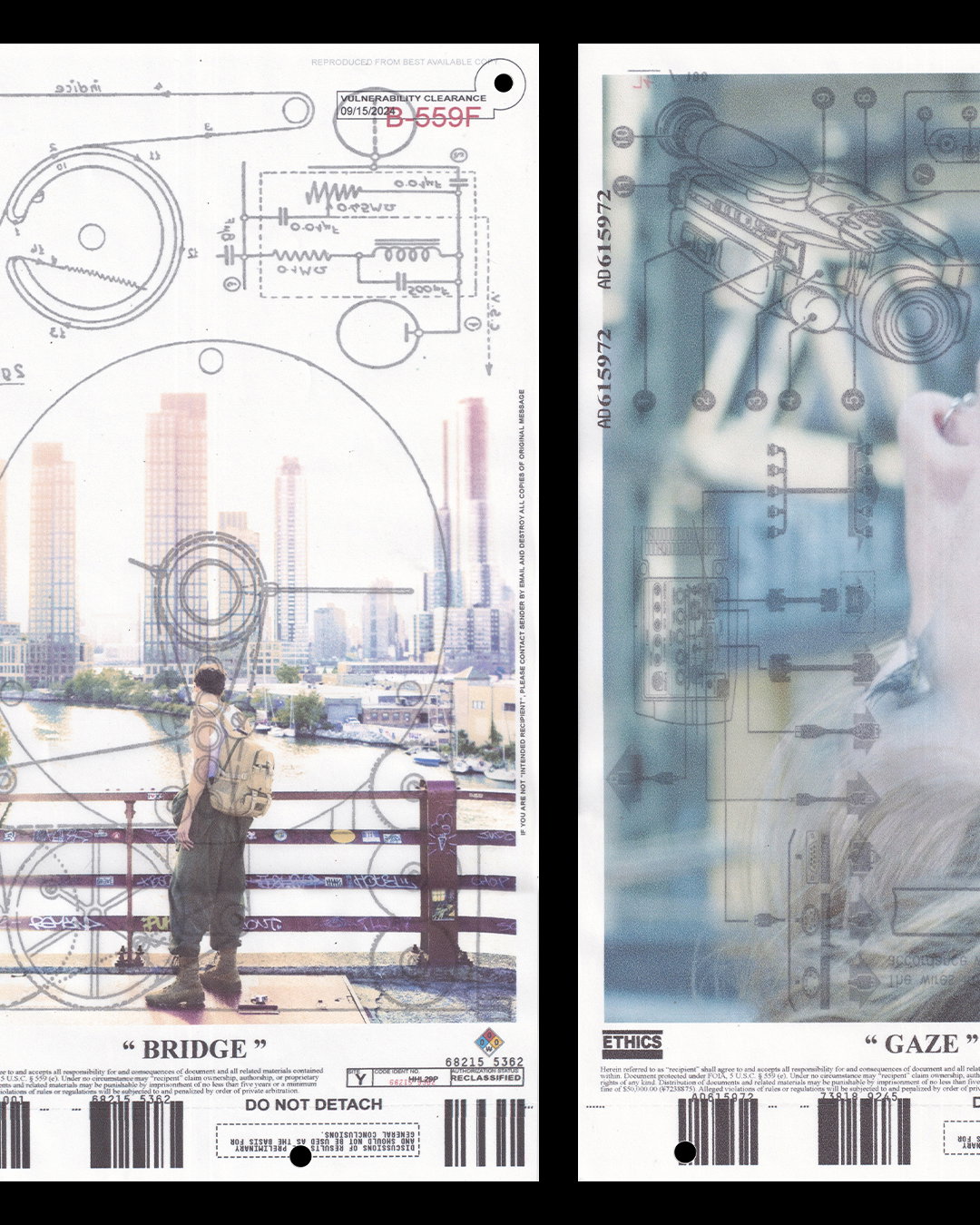
1 of 5
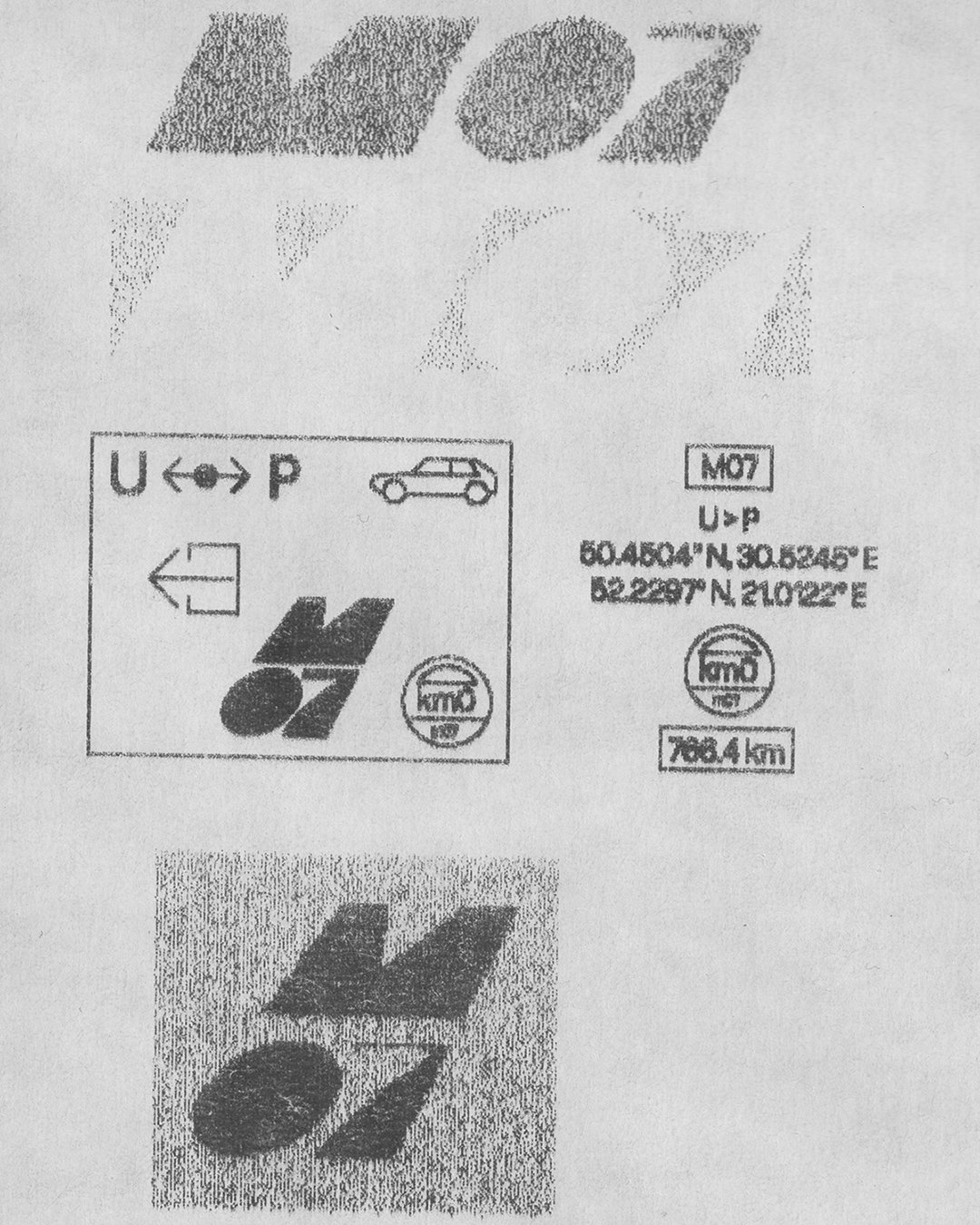
Day Night Company: M07 visuals behind the scenes (Copyright © Day Night Company, 2025)
1 of 5
Day Night Company: M07 visuals behind the scenes (Copyright © Day Night Company, 2025)
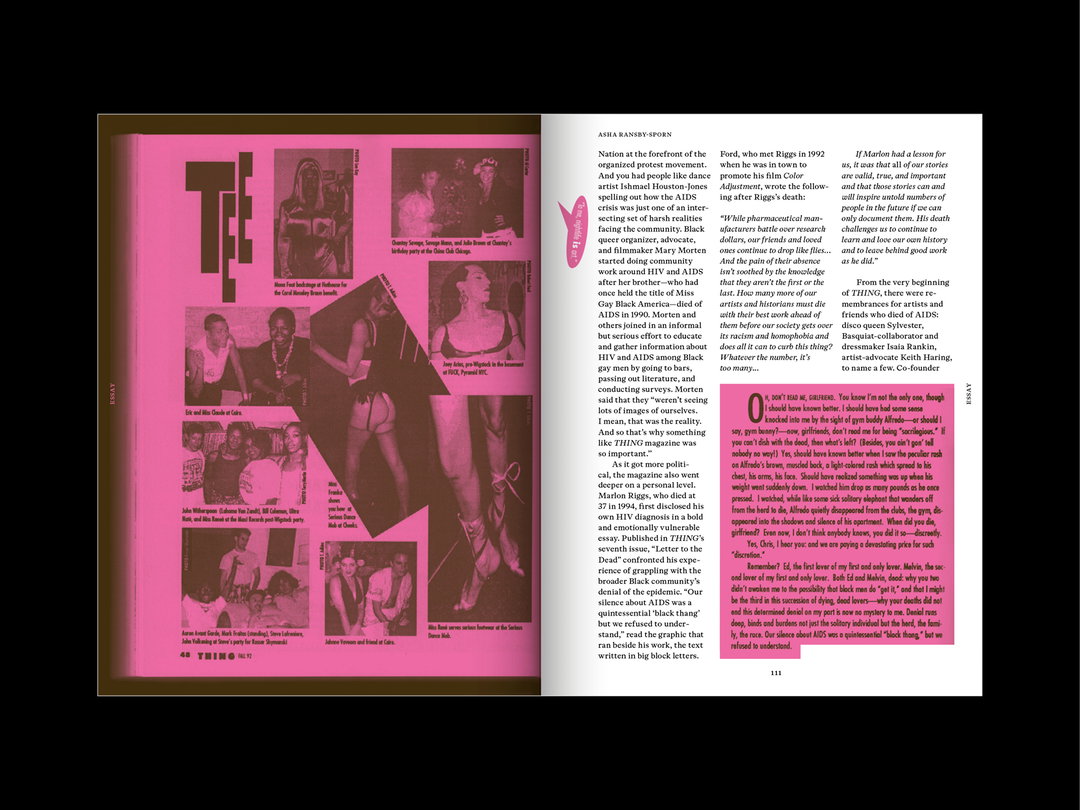
In layout: Micrographics
The markings that sit on labels or the microscopic copy found on food packaging has always been a bit of a background texture – one that’s easy to ignore. Objectively, these designs don’t look very stylish; they are pure function over form, and “were never meant to look good”, according to content creator Brandon Wang. But we’ve seen what Brandon terms as “the aesthetics of technical information” cropping up a lot across the graphic design scene of late. More commonly referred to as micrographics, this utilitarian visual language is becoming somewhat of a centre piece in the designer’s page furniture.
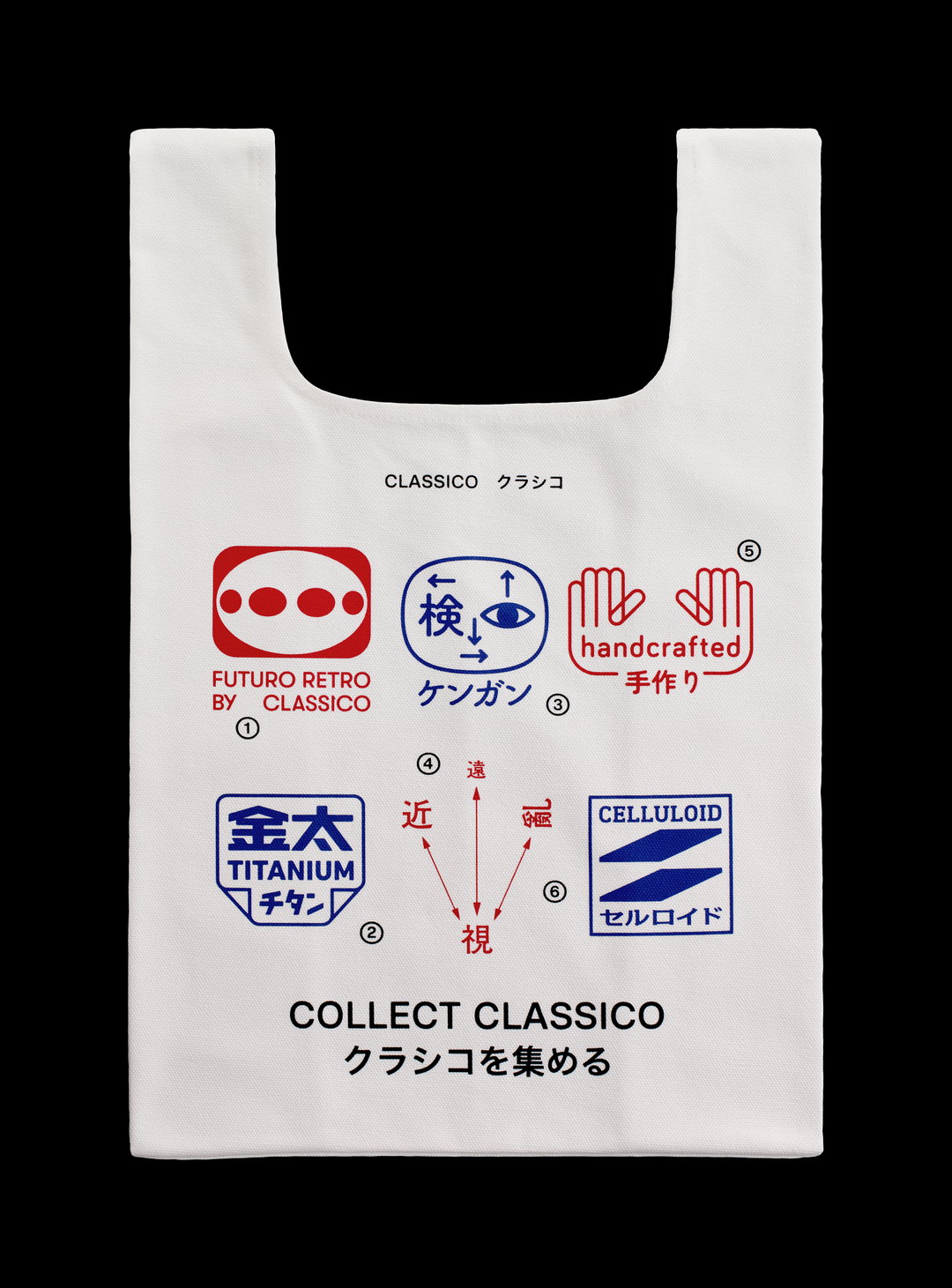
Chemistry diagrams have popped up in billboard campaigns by Uncommon, packaging is being stamped with minimal metrics and some of the biggest sportswear brands are treating technical information like texture. Akin to industrial diagrams, data or blueprints, these miniature layouts are packed with symbols and typography that might be found imprinted on the underside of our tech items. But unlike the stamps that are hidden in the fabric of the everyday, designers are bringing these smaller textures and details to the fore.
Astrae Studio is big on the grids and symbols that make up this kind of page furniture. It’s an approach that has shaped campaigns for the likes of Nike but also its own identity for Astrae Sports, the studio’s new sportswear brand. An attention to everyday micro graphics that we might miss is something that also comes to the fore in Zak Jensen’s work – the art director zooms in on tiny details, like the typography printed on your bread-bag clip, and makes it the main event.
We think this hidden language of hyper functionality might just be at the start of something in 2026, not only as a visual element but an overarching vibe in graphic design. Work grounded in expertise is on the rise, and our corresponding visual systems are becoming suitably complex. Even branding projects are now including contract layouts as evidence of identity work.
Designers are adopting these tight typographic overlays, grids and timestamps as visual devices that imply technical depth and a more specialised knowledge in projects – that’s why we’ve seen this trend crop up in sports so much. There is sometimes more of a simple, practical advantage of working with more technical material in our compositions though. We’ve all been guilty of adding an extra line of type to a poster to balance out a layout, but, like anything, if extra details are being put in for the sake of it, they aren’t really operating at their best. These easter eggs can make us feel like the more we look the more we find, just like the surprise of tiny doodles that were once etched into circuit boards.
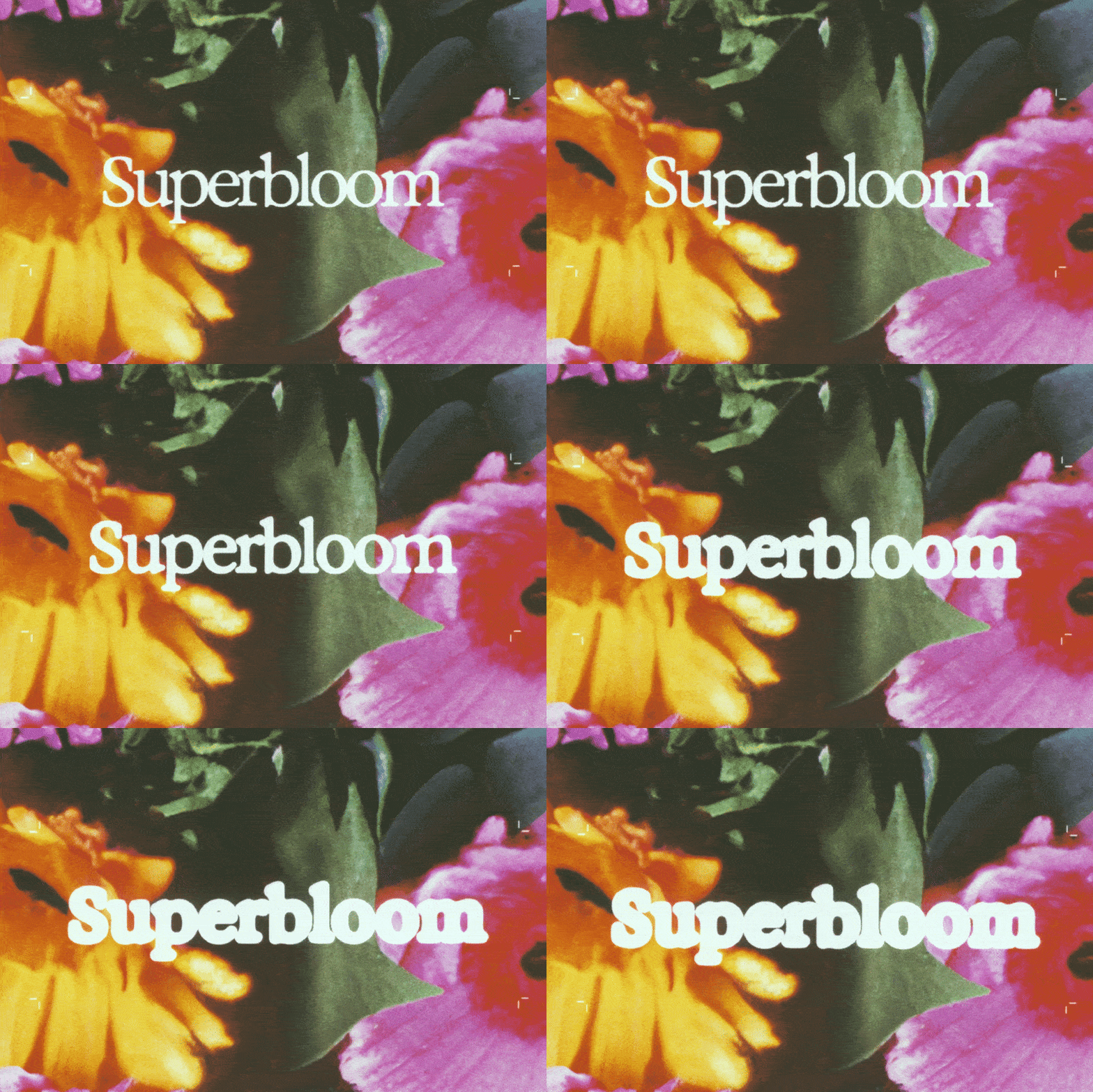
Evan Gendell: Superbloom (Copyright © Evan Gendell, 2025)
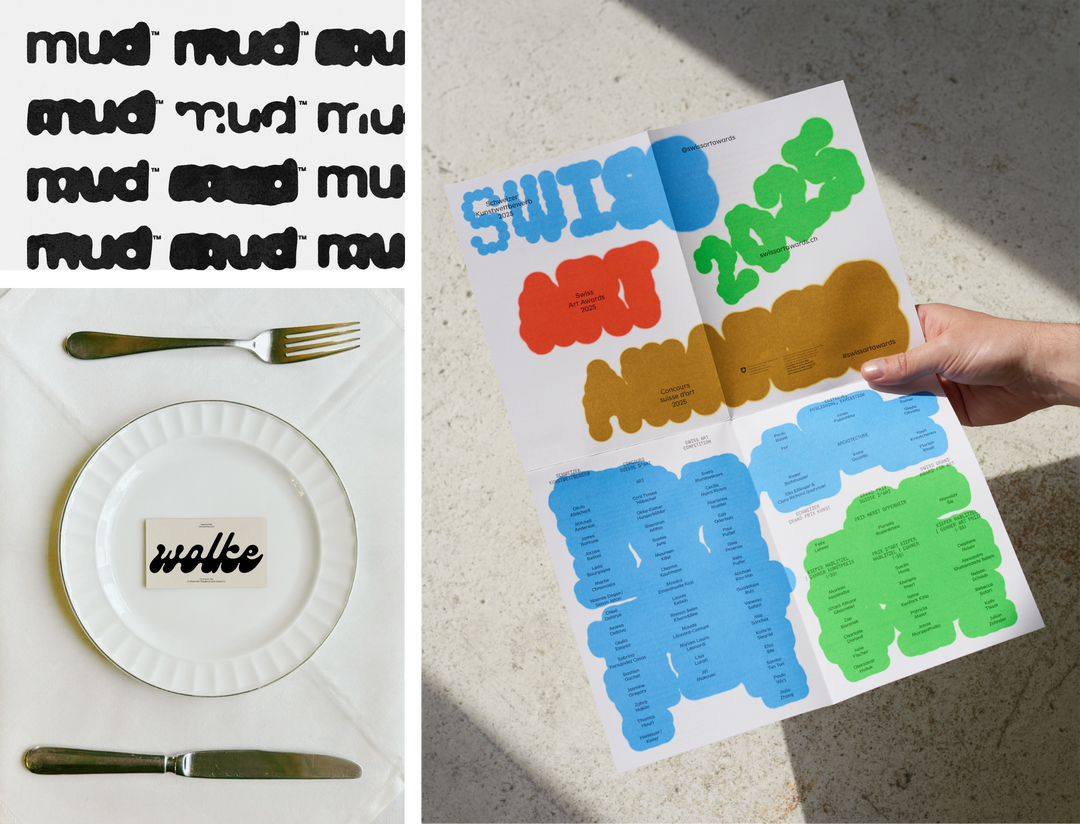
Top Left: Angelina Pischikova, Karina Zhukovskaya: mud™, moremud.co (Copyright © Angelina Pischikova, Karina Zhukovskaya, 2025) Bottom Left: Caramba Agency: Wolke Branding (Copyright © Caramba Agency, 2025) Right: Clio Hadjigeorgiou, Studio Clemens Piontek: Swiss Art Awards identity (Copright © Clio Hadjigeorgiou, Studio Clemens Piontek, 2025)
In Logos: Blotch
We’ve been noticing a shift in logos of late that’s making everything look a bit like King & Partner’s slightly melted-looking wordmark for Skims that’s held firm since 2019. There’s not really any other way to say it – logos are looking more blotchy, but not in a bad way.
Quite the contrary to the permanent, gilded feel of the monk-approved logos we bookmarked last year, we’ve noticed a move to more variable, fluid forms in logos. This has cropped up in a couple of ways across brand categories. In projects like Angelina Pischikova and Karina Zhukovskaya’s award winning identity for Mud – a dog-wash brand that called for making a bit more of a mess than your usual sans serif – and Cash and Carry’s animated wordmark for wine brand Other, which led to a logo fluid enough to be poured.
One look that’s being played with are forms that feel like they have been drawn out with a marker that’s leaking: blurry, naive and volatile. This really came to a head in Clemens Piontek and Clio Hadjigeorgiou’s identity for the Swiss Art Awards last year where they turned blotches of type into forms that resembled abstract paintings.
Even though Barkas didn’t work with letterforms for its illustrated brand mark for Common Goal, its two running figures have a similarly organic outline. But things don’t have to spill out in all directions, some of these logos are a bit more specific with their softness, like Caramba Agency’s recent identity for Wolke, where the base of the logo is where things start to melt, or the identity behind 2025’s International Poster Competition, which didn’t prioritise legibility but felt distinctly electronic.
There is something wonderfully useful about the fluidity of these forms in an age where motion touches all corners of a brand’s expression – they look like they are already on the move. Whether it’s bubbles floating up under water or butter melting off a pancake stack, we want to see them shift, shrink or expand. Take Monotype’s “shape-shifter” logotype for lingerie brand Chantelle Pulp, for example: its letterforms delicately stretch out to “celebrate all shapes and sizes”. We think we’ll see far more of these organic forms moving in the digital space this year as the need for “shape-shifter” logos continues.
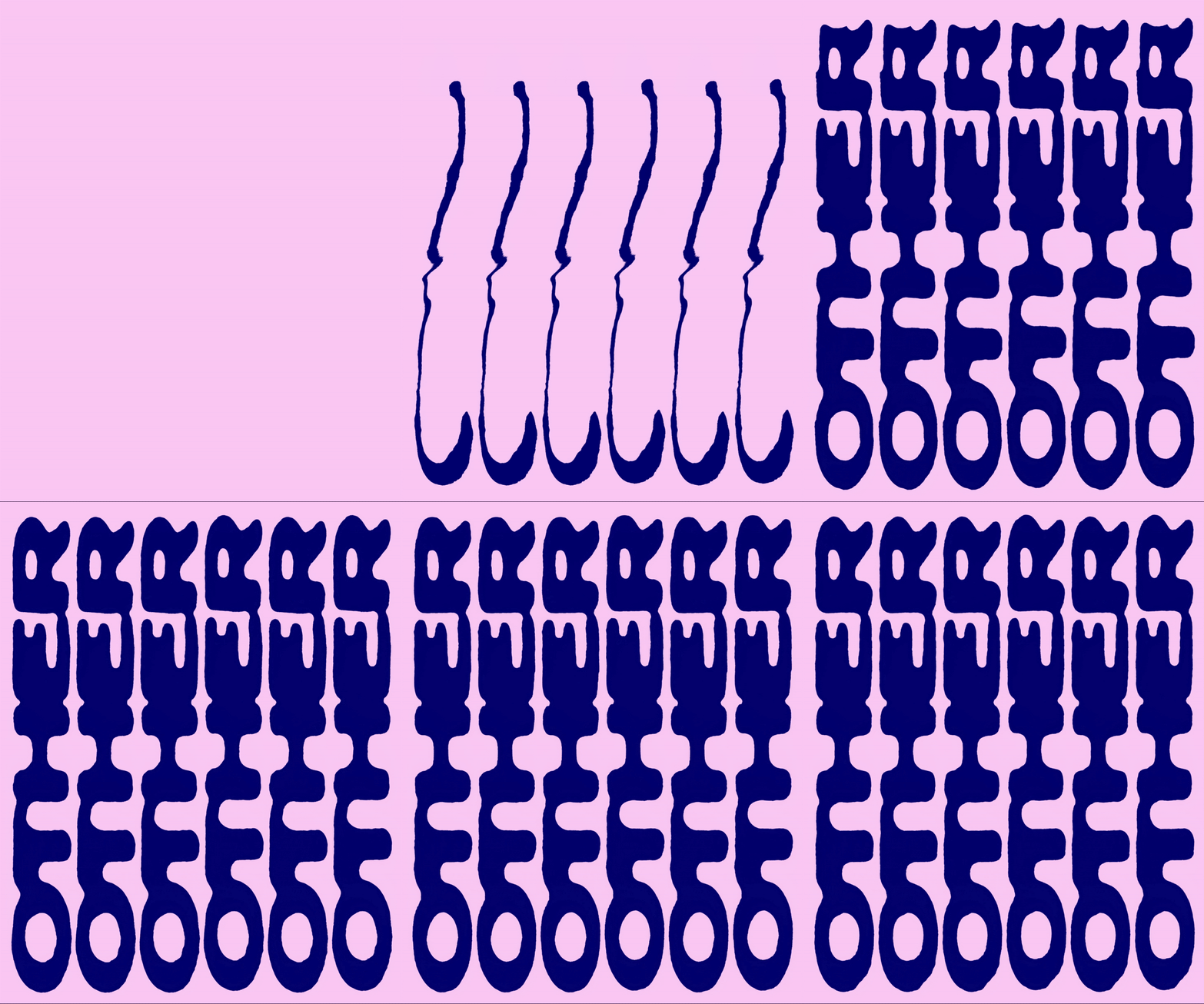
Cash & Carry: Other (Copyright © Cash & Carry, 2025)
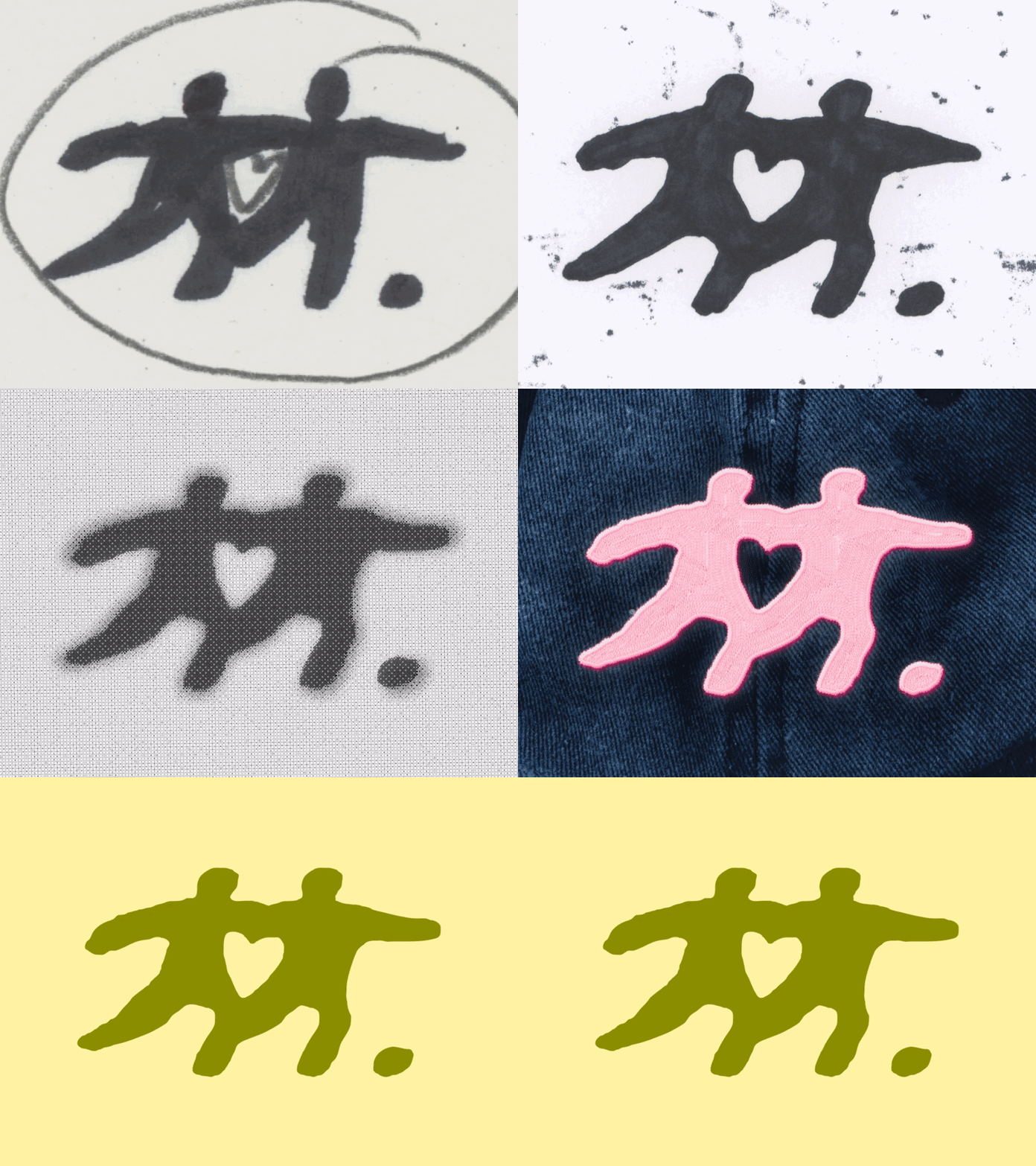
Barkas: Common Goal (Copyright © Barkas, 2024)
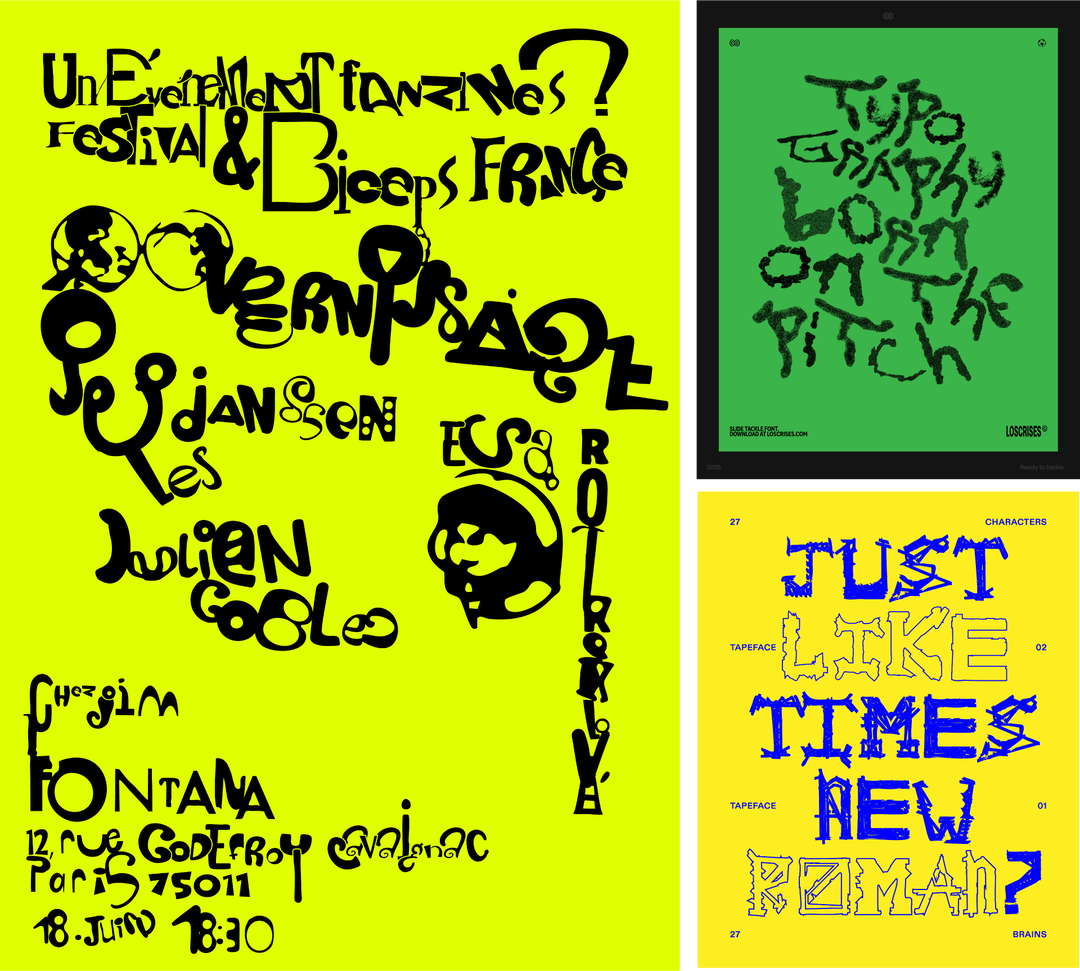
Left: Eva Rotreklová: Vernissage Fanzines (Copyright © Eva Rotreklová, 2025)Top Right: Los Crises (Cristian Burgos, Christhian Hurtado): Slide Tackle Font (Copyright © Los Crises, 2025) Bottom Right: Varada Rege: Tapeface (Copyright © Tapeface, 2025)
In Typography: Pick and Mix
A letterset is usually defined by a comprehensive collection of rules to ensure some level of consistency across its characters. You can, of course, choose not to subscribe to such regulations, and we think there’s a growing sense that designers are less interested in doing so. Berlin-based designer Jasmina Begović’s publication Font Feelings recently questioned: What does a font look like when it can do whatever it wants? When legibility is out the window and expression comes first, a more patchwork approach to using typography becomes possible and we’ve been seeing lettersets that lean into a more collaged, ransom note feel.
We saw several intuitive and experimental lettering approaches surface across prints at the International Poster Competition at the end of last year, like Eva Rotreklová’s poster for Vernissage Fanzines Festival or Juliette Dupont Duchesne’s poster for Nouveau Poem. A lot of this leans into the natural errors and variability that comes with the hand-drawn but this approach to type isn’t just defined by loose lines, letterforms are being unconventionally sourced, scavenged or handmade. Take Design Office Fun’s brand identity for Trobar for example: the type found for the venue’s logo was made using a jumble of scavenged letters from secondhand bookshops and stationary stores that came together to create quite an offbeat set.
Performance artist Harriet Richardson recently collaborated with F37 Foundry in this spirit to make a typeface from her own handwriting. The typeface is a jumble of confessional writing from the artist’s own diaries from the age of 13 to 30, with an amalgamation of glyphs formed from scribblings found in between their pages. It’s safe to say that everything having a perfect X height would not have pushed the humour or narrative of a project like this, each letter had to be slightly more individual and off kilter.
Other adventurous methods to produce typefaces have ensued, such as designer Varada Rege’s Tapeface, which disrupts typographic tradition with unruly lines of tape and Los Crises Slide Tackle Font made up with a collage of tracks left on a FIFA pitch by virtual players with the worst track record for fouls. Some might not have a taste for this kind of experimental disorder, or even think a typeface is not doing its job if it’s not clear enough to be read, but these letterforms place expression above function at all costs, and we’re keen to see where more wobbly and mismatched approaches to lettersets are taken in 2026, legible or not.
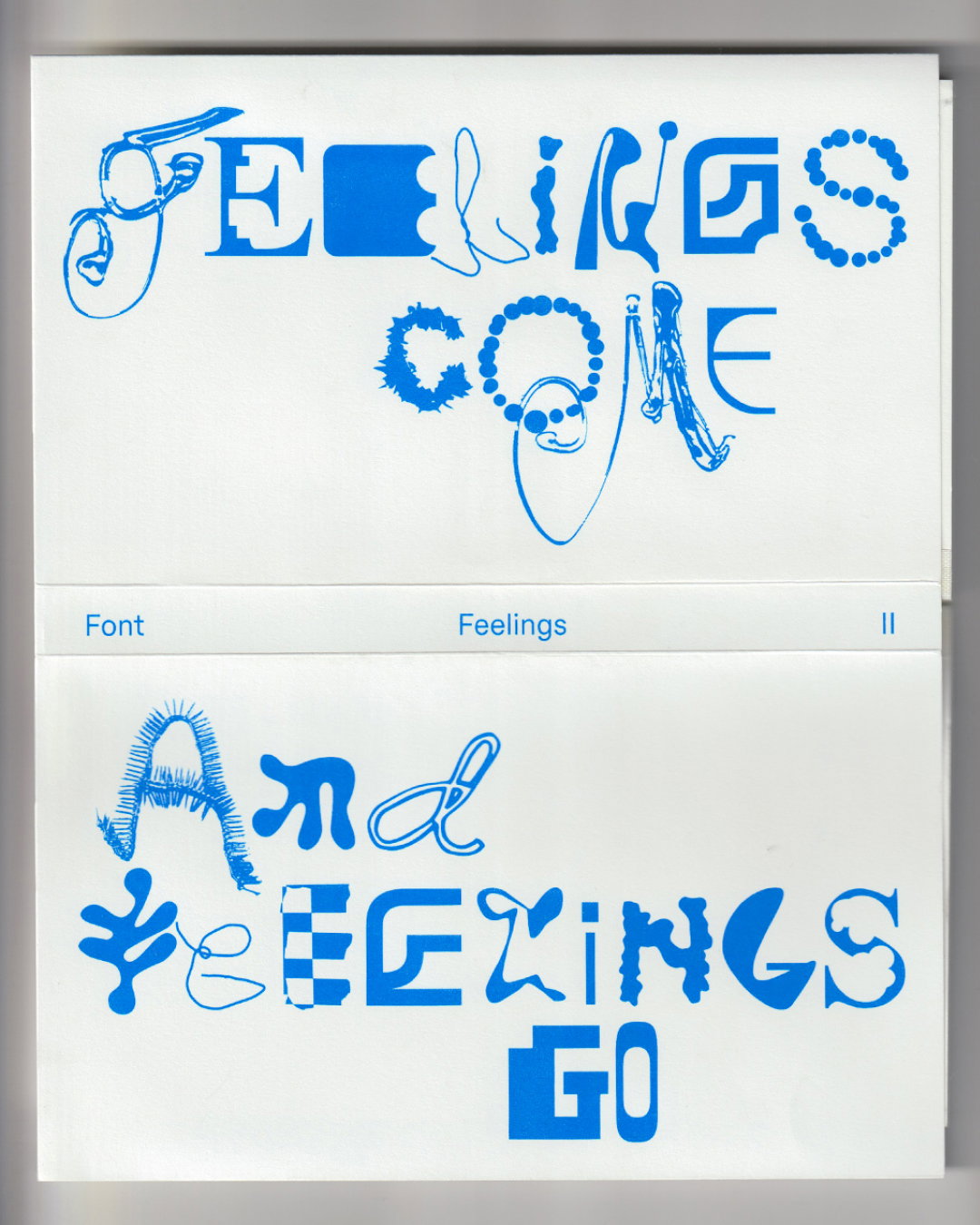
Jasmina Begović: Font Feelings II seminar printed publication (Copyright © Jasmina Begović, 2025)
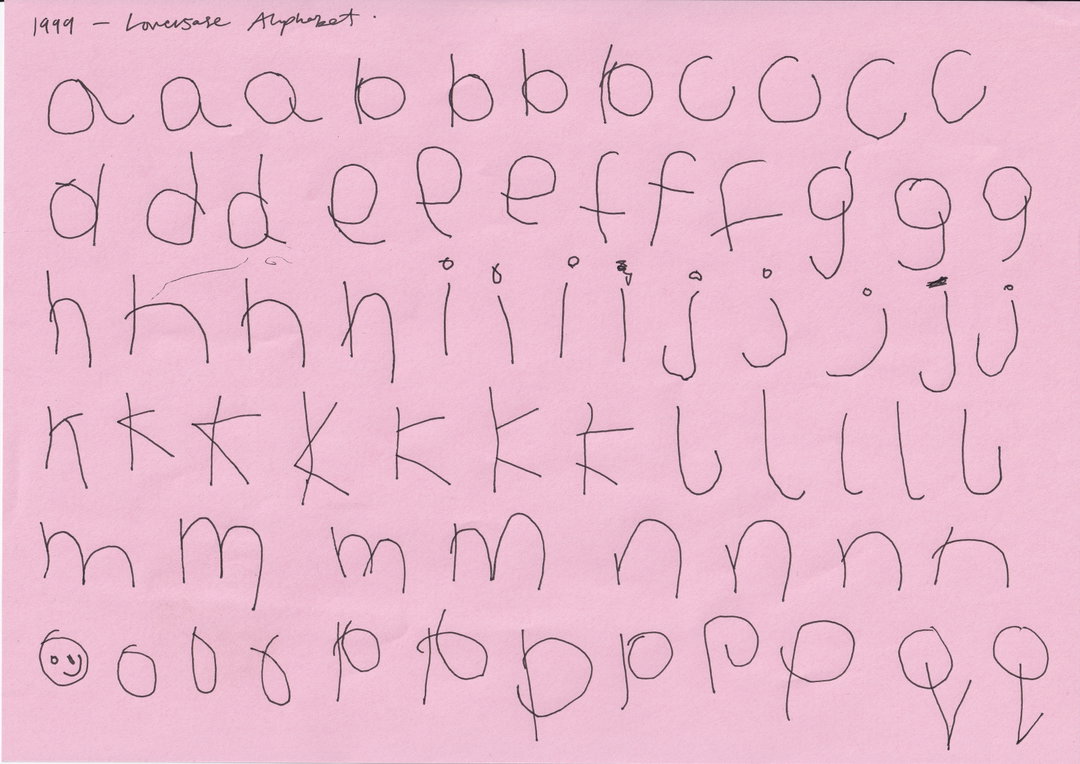
F37 and Harriet Richardson: F37 Harriet (Copyright © F37, Harriet Richardson, 2025)

Share Article
Further Info
About the Author
—
Ellis Tree (she/her) is a staff writer at It’s Nice That. She joined as a junior writer in April 2024 after graduating from Kingston School of Art with a degree in Graphic Design. Across her research, writing and visual work she has a particular interest in printmaking, self-publishing and expanded approaches to photography. ert@itsnicethat.com
To submit your work to be featured on the site, see our Submissions Guide.