

- Words
- Poppy Thaxter
- —
- Date
- 12 January 2026
- Tags
I’m not a robot: why showing your workings has never been more important
What is the price of the ‘human touch’ in creativity? Brands are deciding whether to choose ‘real’ or artificially generated content, and audiences are weighing in. For some, the proof is literally in the process – which means behind-the-scenes content is no longer optional.
Share
Share
In partnership with

Residence is a network of world-class, independent creative specialists uniquely united to produce work that stirs hearts, changes minds, drives business, and moves the world.
It’s 2026, and we’re clamouring for a morsel of authenticity and soul; audiences want real thought, real effort, and real people.
When an innocent em-dash or yellow filter can lead to accusations of AI, behind-the-scenes content isn’t optional anymore. People want proof you made it. In a similar vein to schools AI-proofing essay writing by having students write them in class, by hand, or products having ‘inside the factory tours’, the creative world is being asked to show its workings.
But this current push for behind-the-scenes transparency isn’t entirely new. The Arts & Crafts movement of the late 19th century championed the value of visible process and the maker’s hand, rebelling against mass-produced uniformity.
Artisans took pride in showing the marks of human workmanship – tool marks, hand stitching, visible signatures – as proof of authenticity. Today’s hunger echoes that ethos: proof that real people, not machines, are thinking and feeling, experimenting and creating.
Just as the Arts & Crafts movement once responded to industrialisation by celebrating the maker’s touch, today’s creatives are using behind-the-scenes content to reclaim authenticity in the AI age.
A new creative currency
So brands have made the handmade process part of their story, reinforcing value through visible effort. The BTS doubles as marketing itself because, by showcasing the human rigour behind the work, it reassures audiences that the brand is genuine and committed to quality, strengthening perceived value.
“For brands, it also builds trust,” says Priscilla Ong, a Singapore-based brand photographer and stop motion artist. “People appreciate knowing there’s real care and intention poured into the visuals they put out. That level of craftsmanship and authenticity helps extend the brand’s presence beyond the original deliverable.”
Brands like Ffern have made the handmade process part of their story, reinforcing value through visible effort. Bespoke craftsmanship for the brand is a key narrative device.
When the new Apple TV ident launched – a brief five-second animated graphic – there wasn’t much initial buzz. That changed, however, when a short behind-the-scenes video was revealed, showing that the central logo was crafted entirely by hand from glass. The production deliberately avoided using AI, CGI, or 3D modelling techniques. Instead, it relied on meticulous manual manipulation of light, colour, and reflection to achieve its striking visual effect.
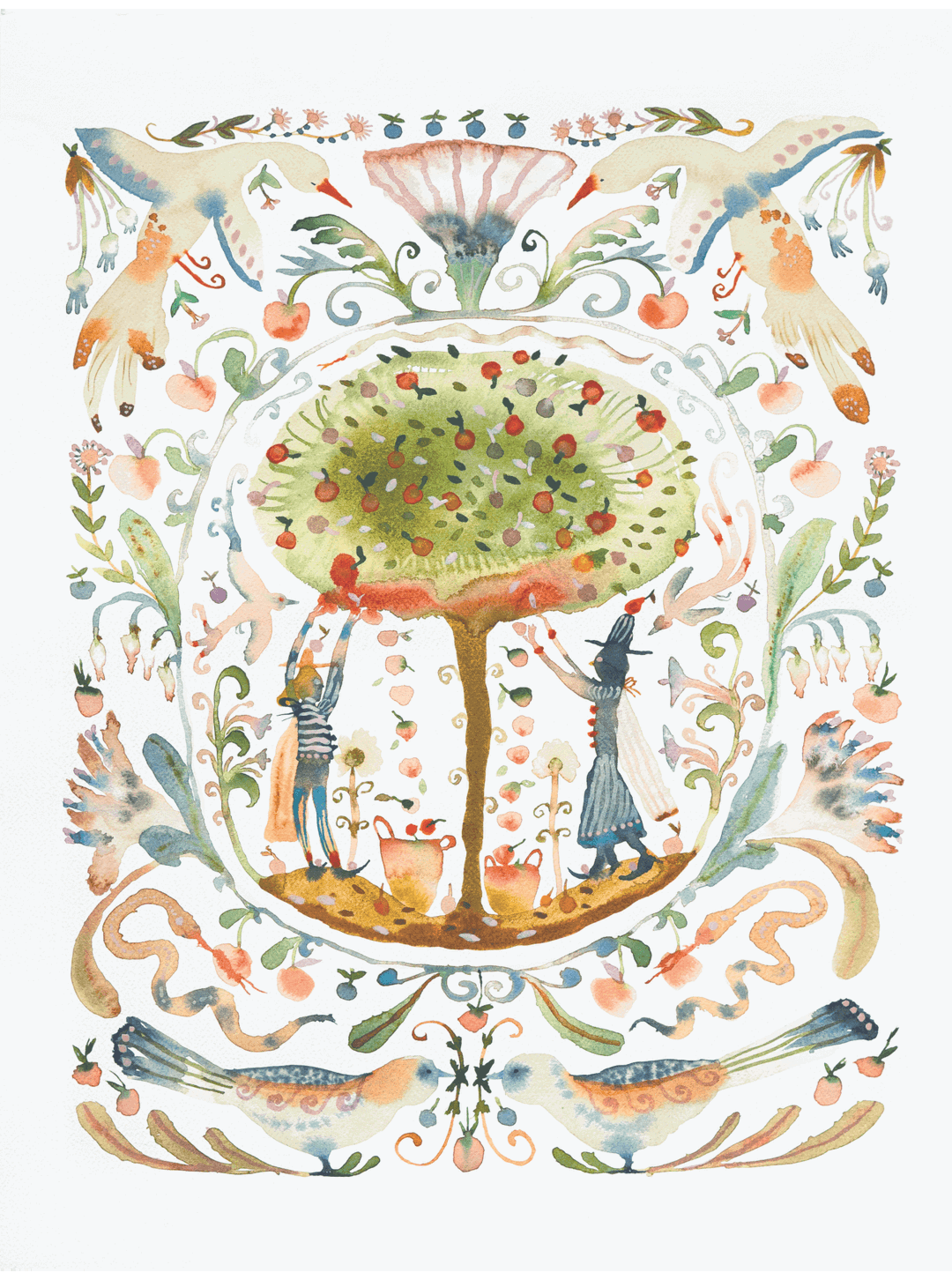
Azzurra Galatolo: Ffern, Autumn 25 (© Ffern, 2025)
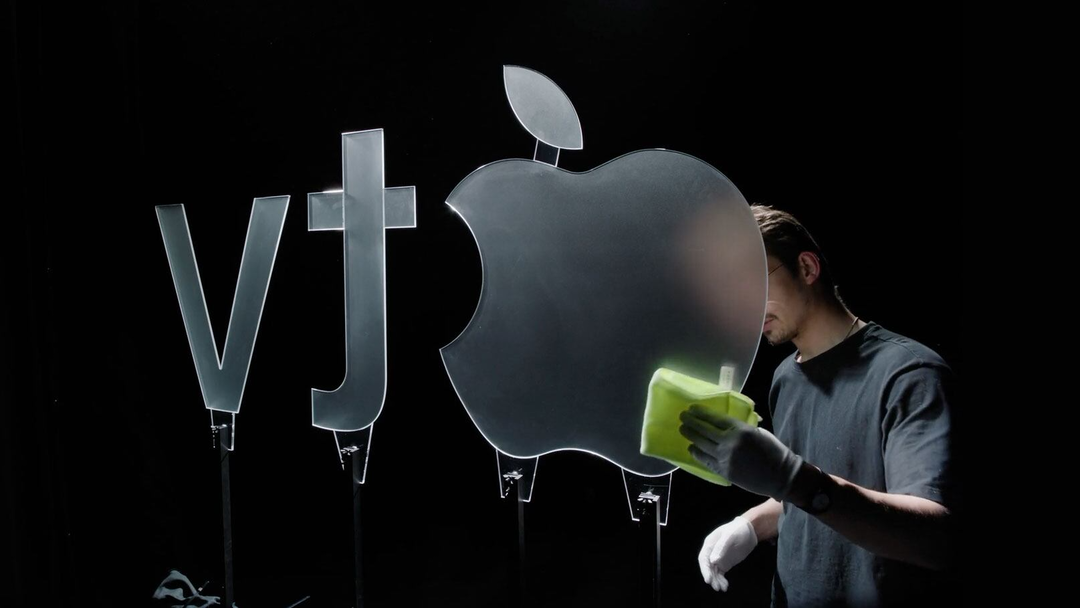
TBWA\Media Arts Lab: Apple TV ident (Copyright © Apple, 2025)
The spectacle of the craft
Human-made (bespoke, labour-intensive, time-consuming) is valued more, in theory. But, as the industrial revolution taught us, in practice, that doesn’t always translate into profit. In contrast to the Apple TV ident, which says ‘for a five-second clip, why NOT make something real?’ The Coca-Cola Christmas adverts instead ask, ‘Why SHOULD we make something real, when we can just use AI?’
For a company like Coca-Cola, with the budget to make something, as well as produce a snappy behind-the-scenes film that doubles as marketing, the decision to produce its renowned Holidays are Coming Christmas ads with AI was met with backlash. Something once famous for symbolising the magic of Christmas, its saccharine blend of festive warmth, joy, and nostalgia – something real – now reduced down to an AI-sludge clone.
The interesting part is, understanding the appeal of BTS content and wanting to capitalise on it, Coca-Cola decided to throw its hat in the ring. It not only gave us an insight into its AI-created advert, but also opted to use an AI voiceover too. Had this been a few years ago, we could have expected to see actors, film crews, costumers, sets, and a whole lot of red trucks.
The dark side? Performance and ‘proof’
Because the concept of bespoke work carries implications of quality and exclusivity, the ability to invest in craft and to pay for creative labour becomes a marker of brand values – sometimes even luxury. Does effort make output more meaningful? Or is this something brands are taking advantage of – the backlash against AI-slop – to double down on the integrity of their brand?
Creatives are increasingly challenged to constantly ‘prove’ their value, with their work subjected to cost analyses that demand justification beyond artistic merit. BTS content is another layer of that, adding extra labour to already-demanding schedules, often without any extra budget.
Design – and other disciplines in the humanities – have long been undervalued by governments and broader society, despite their profound influence on culture, communication, and innovation. With this in mind, why should the onus be on creatives to signal that their work matters? Or, in a time when online content – from photos to videos – becomes increasingly difficult to distinguish what’s ‘real’, maybe this is our new reality.
At least, as the creatives I spoke to confirm, there are various ways to be ‘transparent’ within a creative practice, with many positive side-effects for the wider creative community. Whether it's a case study written with heart or a snappy Instagram story, these gestures are helping to bridge the gap between creator and audience.
1 of 8
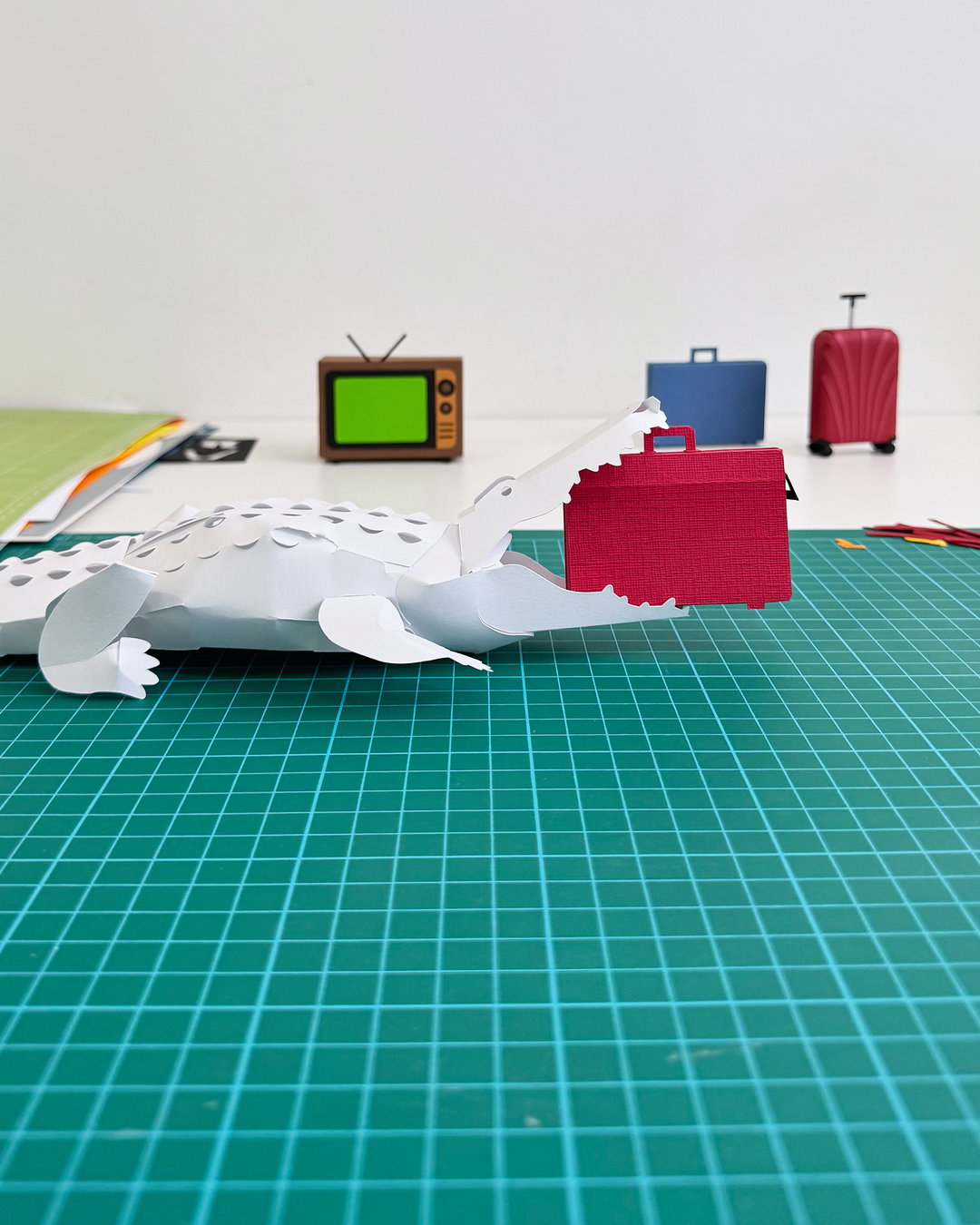
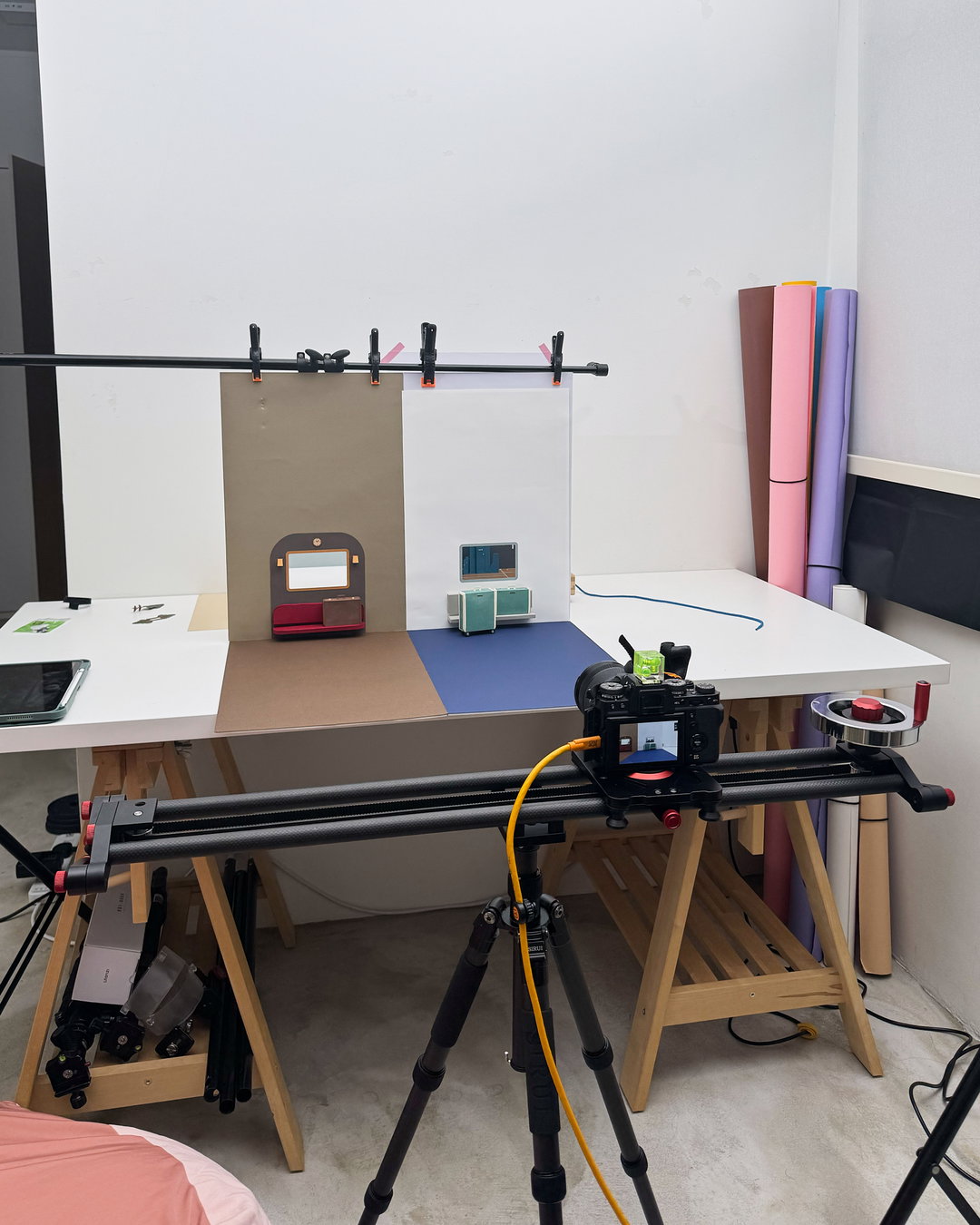
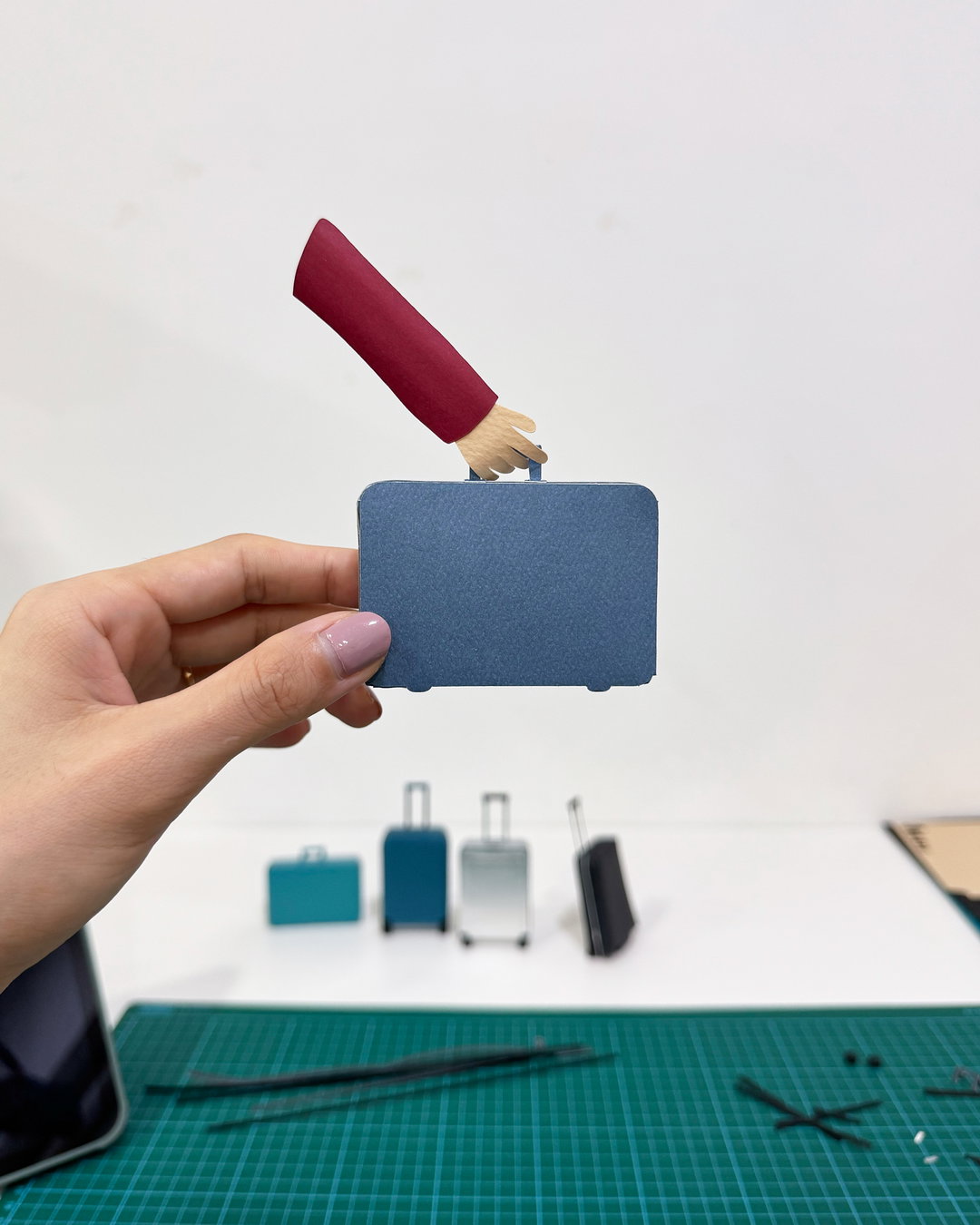
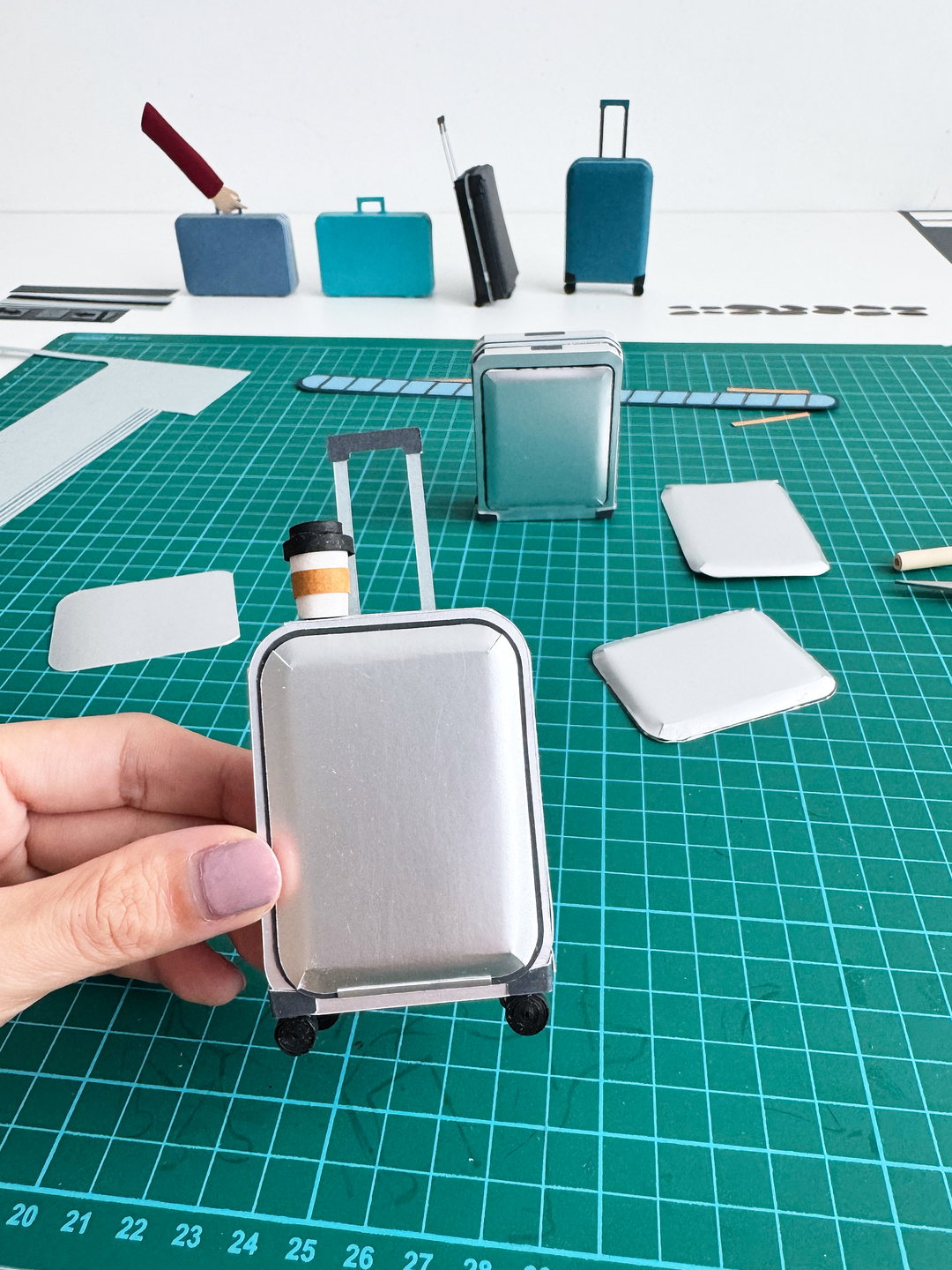
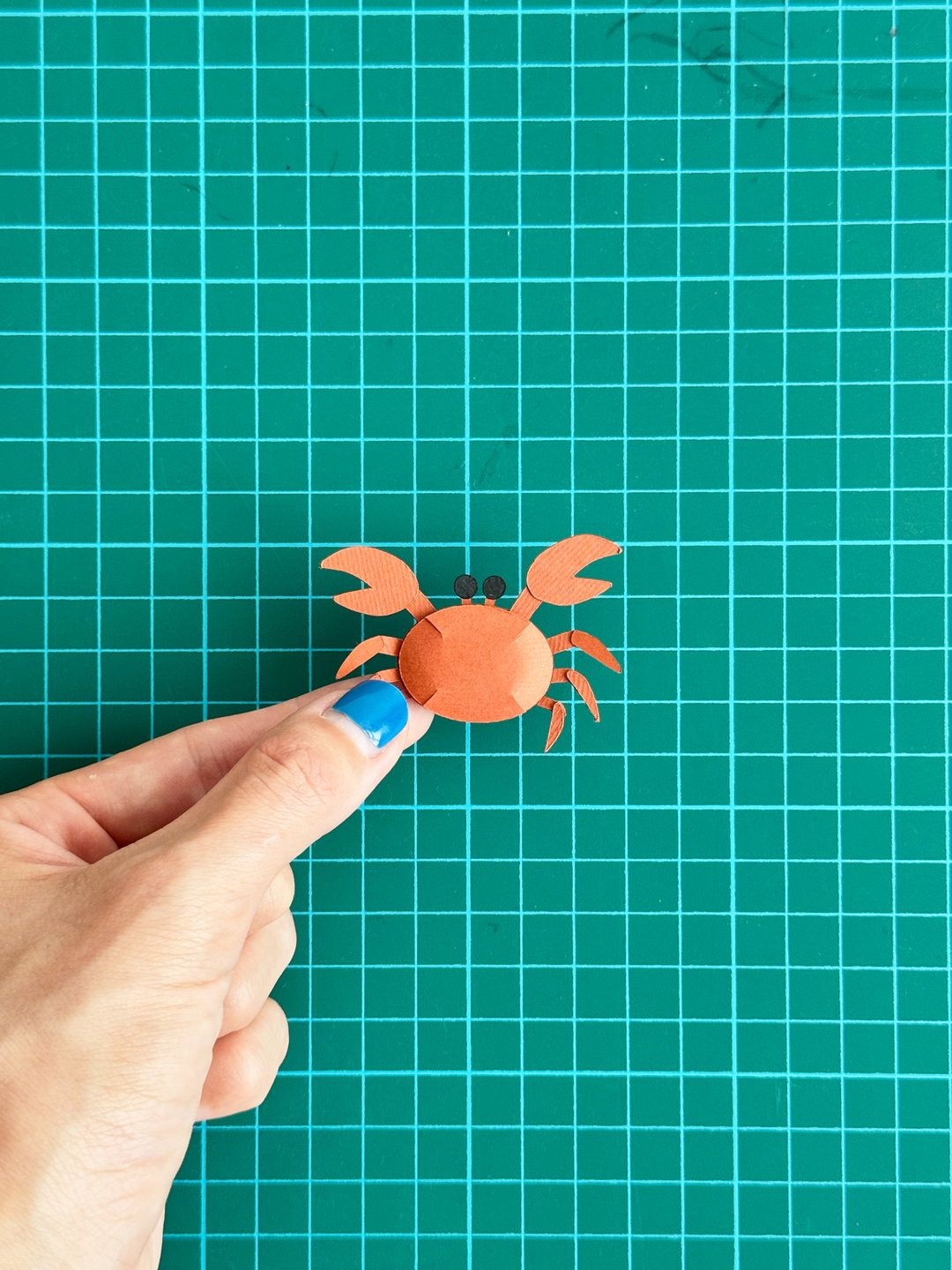
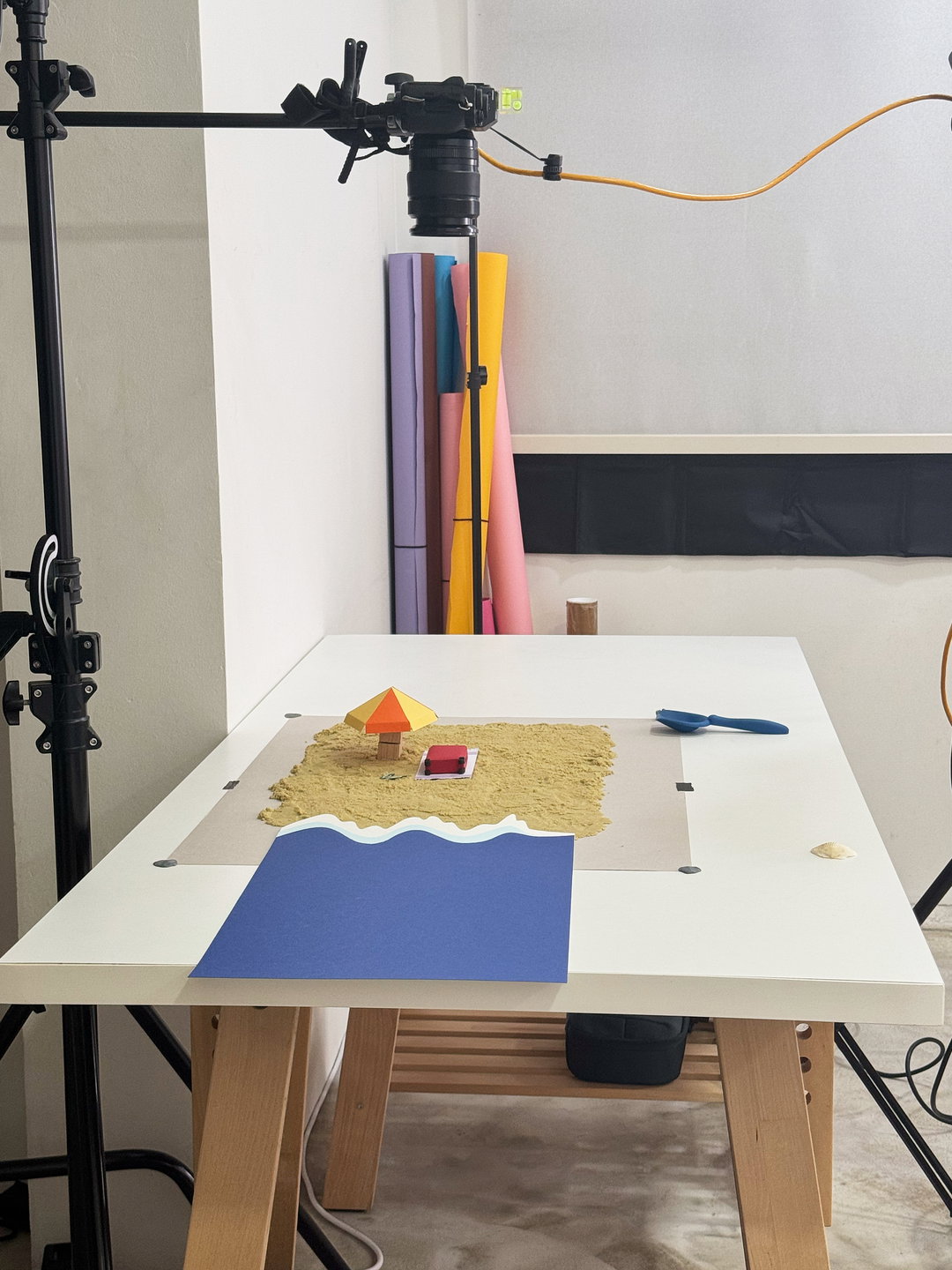
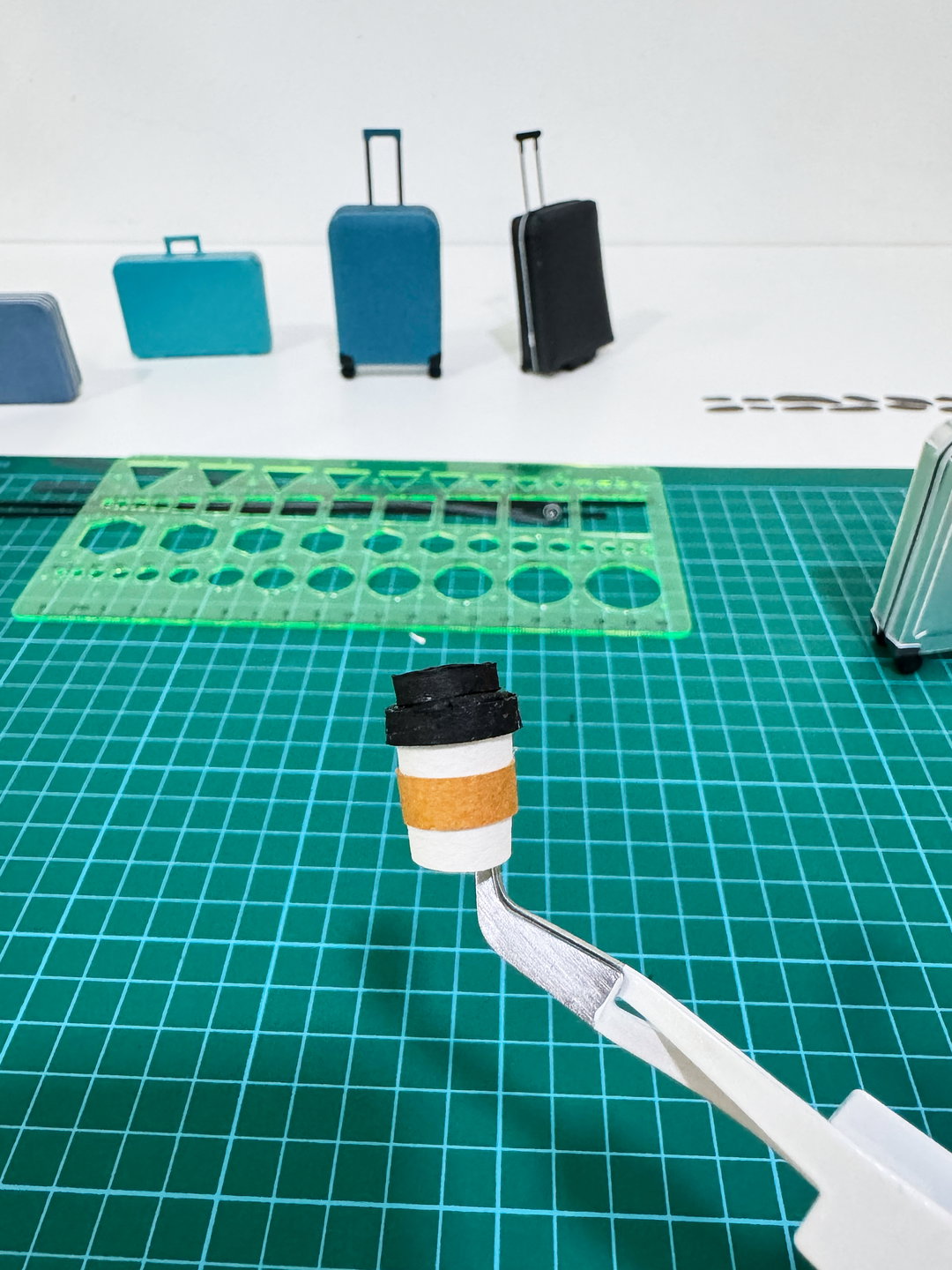
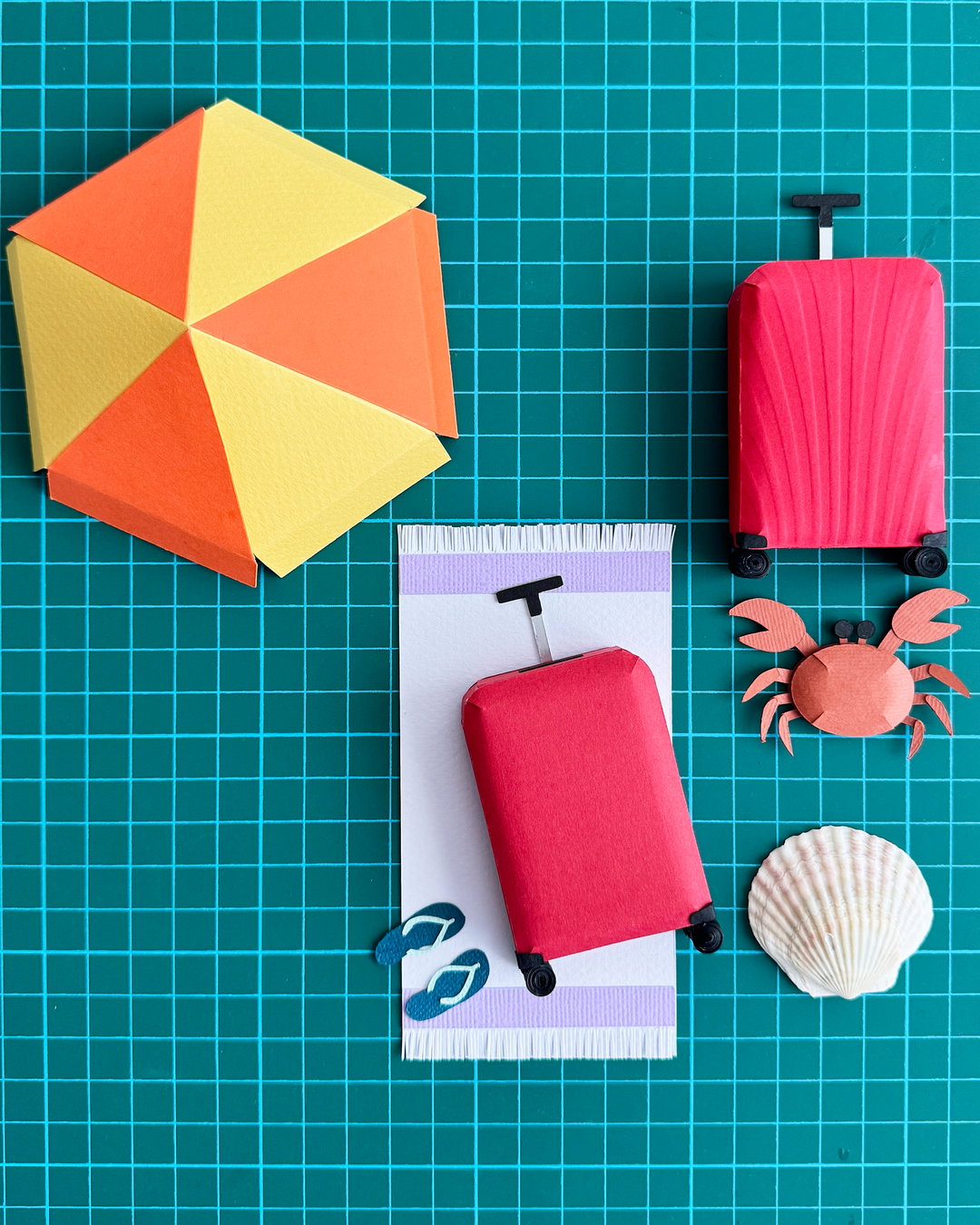
Priscilla Ong: behind-the-scenes on a campaign for Samsonite (Copyright © Priscilla Ong, 2025)
1 of 8
Priscilla Ong: behind-the-scenes on a campaign for Samsonite (Copyright © Priscilla Ong, 2025)
The benefits of revealing your process
It honours the artistry and effort behind the work
Brand photographer and stop-motion animator Priscilla Ong has embraced BTS as a core part of her creative practice, posting time-lapse videos, tips and advice, and project break-downs on social media. “It’s my way of honouring the artistry behind the work,” she says, where every prop is handcrafted, and every idea is brought to life, one nudge at a time. To her, showing the human process – from the tiny decisions and problem-solving to the hands that shape every frame – feels more important than ever. Especially as this is a form of making that, like many other practices, centres around tactility, patience and precision – and deserves to thrive, not be wiped out by ‘faster’ alternatives.
This emphasis on the creative journey parallels the perspective of Emilie Chen, who believes that sharing the process helps people see that creativity is more than aesthetics. “We are people coming up with ideas to answer problems through visuals,” she says.
Emilie, a graphic designer and art director who has worked with some of the UK’s most prestigious theatres, chooses to highlight not only the finished production posters but also the unseen aspects of her work, often through Instagram reels or stories.
“Working in theatre poster design,” she says, “people just don’t understand it.”
Her work with productions carries the responsibility of capturing audience’s imaginations and conveying the essence of each story. The hard part? Emilie is working months in advance, with poster designs based on ideas and cues from the director or playwright.
“There is only a script; there’s no place; there’s no set design; and there’s no costumes, and often there are no actors. When Instagram started doing the Stories format, I thought, ‘Oh, I could try it’ and the response has been amazing.”
Providing clarity and explanations educates potential customers on why all stages of the creative process matter – it’s not just about the final result.
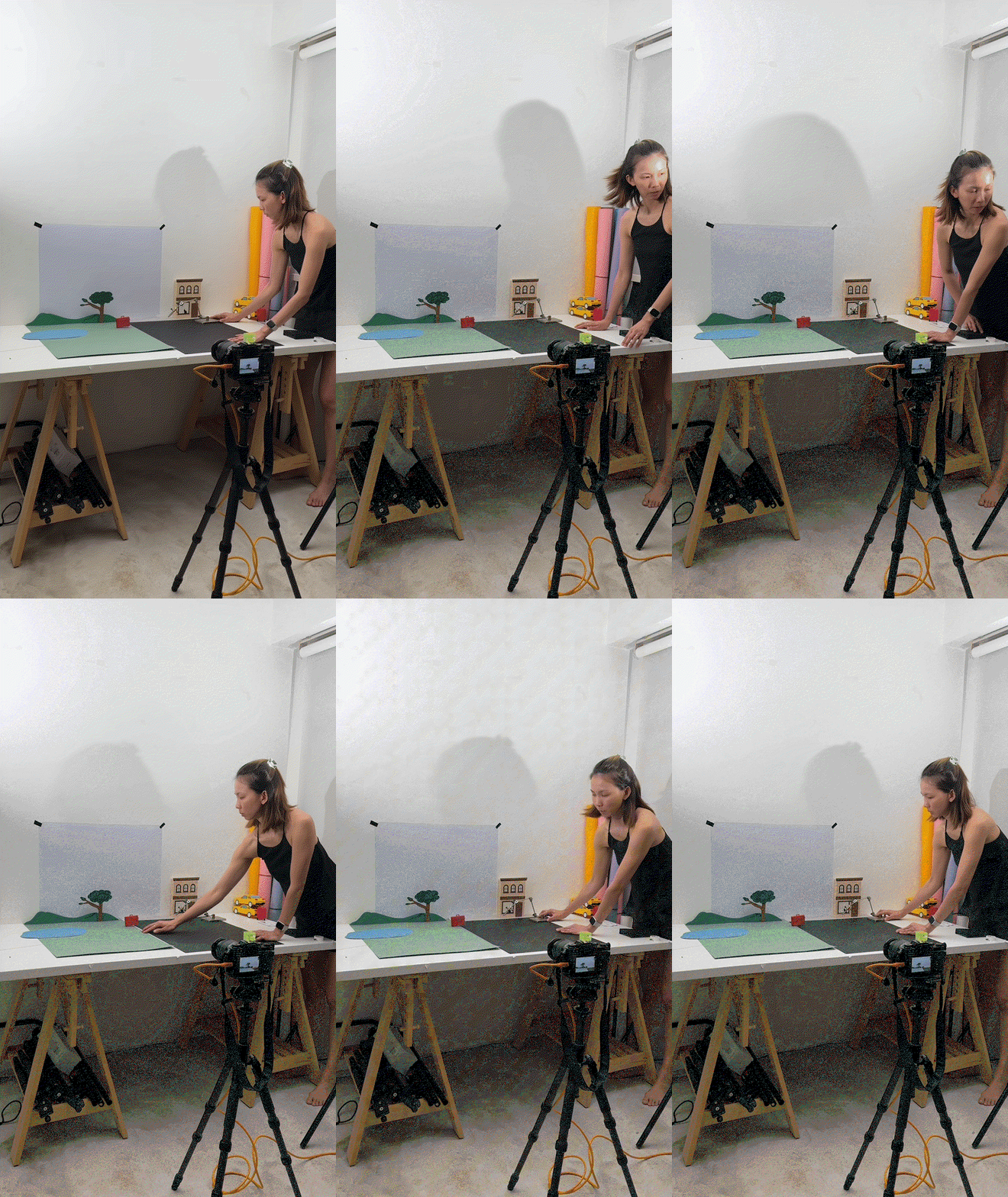
Priscilla Ong: Behind the scenes of Samsonite project (Copyright © Priscilla Ong)
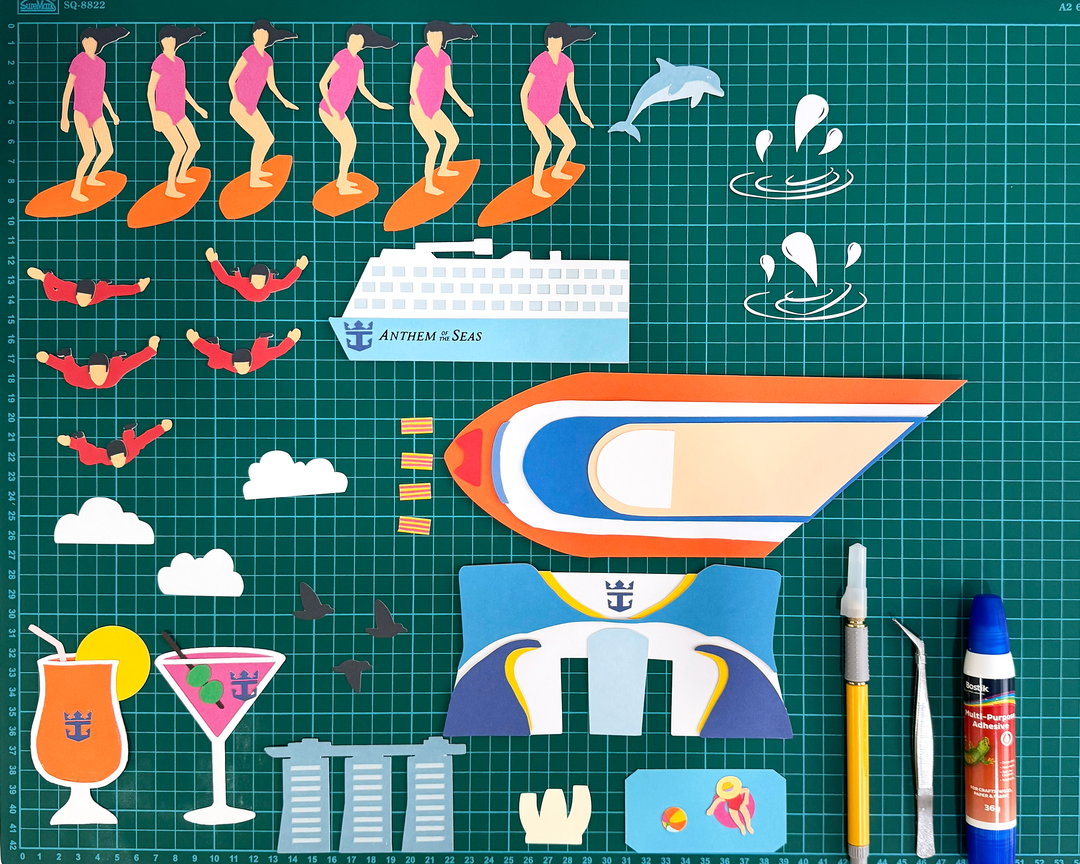
Priscilla Ong: Behind the scenes of Royal Caribbean project (Copyright © Priscilla Ong)
It showcases your personal brand and personality
One way Super Keen – a New York-based brand strategy and design studio – is achieving this is with its game-changing approach to case studies. To address the challenges in showcasing strategy work (“A lot of it is either too confidential to share directly or too complex to keep people’s attention in written form”), the team started using video formats, embedding reel-style videos in case studies, with co-founder Lauren Wong literally explaining the thinking to you.
“We know that the reason people work with Super Keen is that they want to work with us as people,” Lauren and co-founder Gabby Lord tell me. “It was important to us to show our work, to explain our thinking, and to explain the logic that led to the work on the page.”
Many folks in the creative community, and beyond, have been drawn towards the work of Philadelphia-based studio Smith&Diction, not just through its design work but its Medium page – a candid arena of co-founder Mike Smith’s in-depth thoughts and summaries of project narratives. “I try to write in a style that when you read it, it doesn't feel like reading,” he says. “It feels like you’re just having a conversation with a friend, not some sort of stuffy textbook.”
Written in Mike’s engaging, conversational voice, these pieces – while entertaining – are also thorough proof of a brand’s identity development, adding layers to its ‘story’.
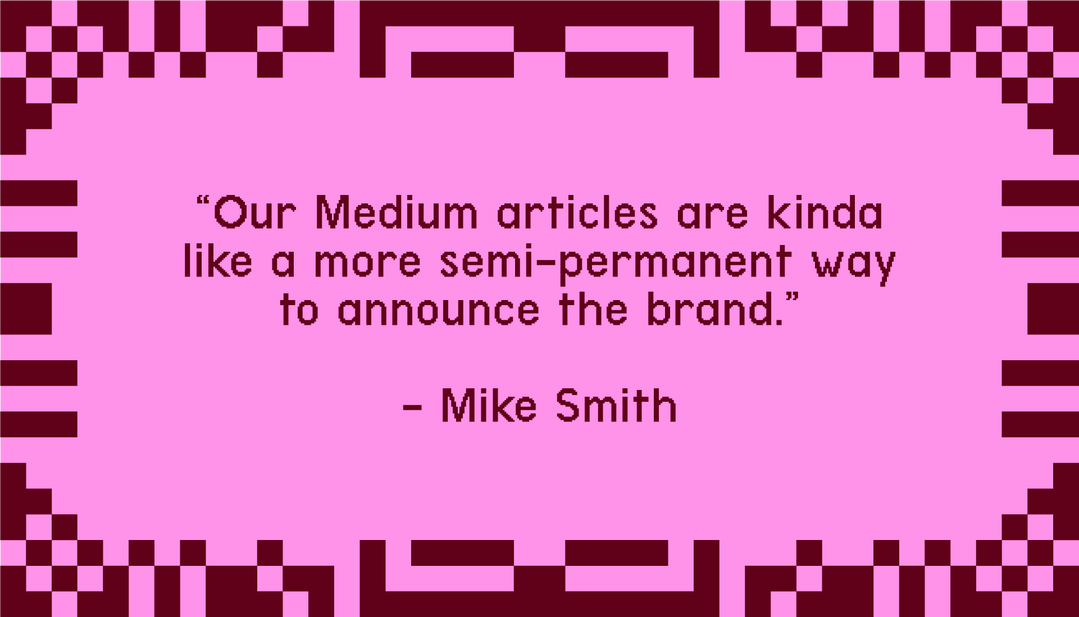
“Some clients have started making our case studies part of their brand announcement strategy,” Mike tells me, with the unique format providing a boost. Most social platforms, like Instagram and Twitter, have been diluting the studio’s reach lately, making it harder for posts to be discovered after the initial buzz or viral moment fades. “Our Medium articles are kinda like a more semi-permanent way to announce the brand,” he adds.
Initially starting as Mike’s personal design blog, it later evolved into “living records” of project decisions. For the studio, sharing shows “There’s no secret machine here. Just six people working really hard to make work that resonates,” says Smith. “I’m a real person trying my best.”
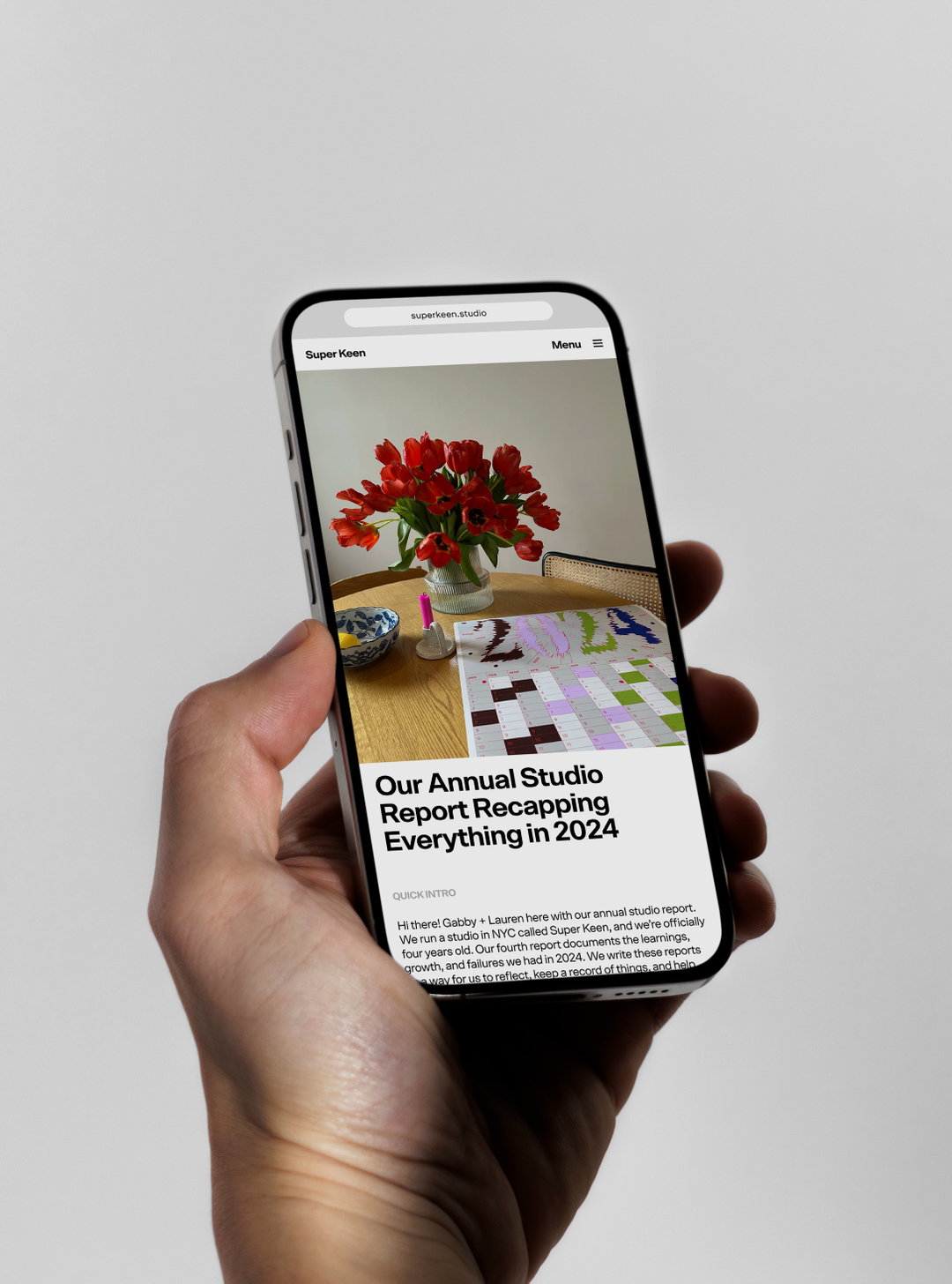
Super Keen: website reports, mobile (Copyright © Super Keen, 2025)
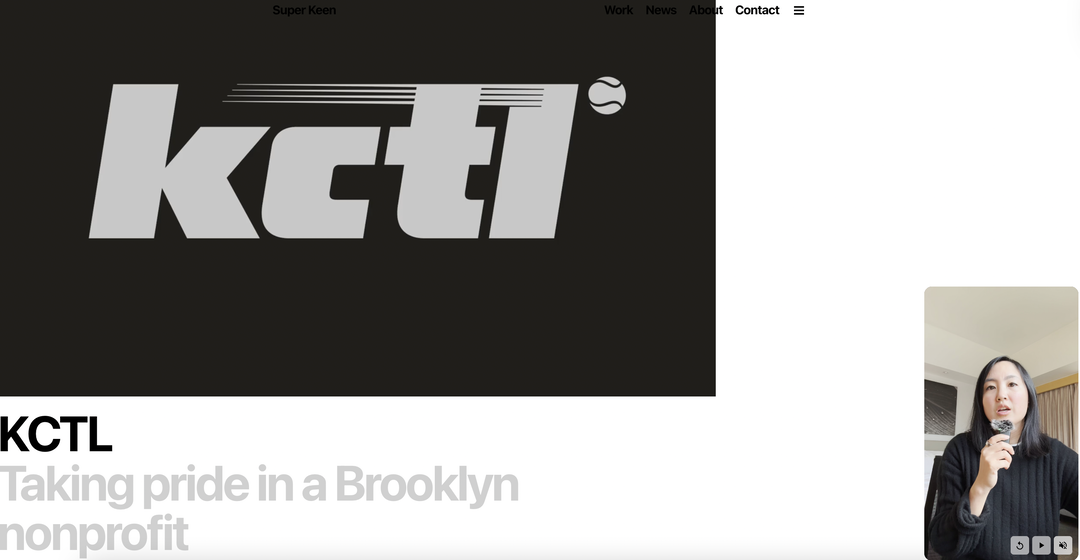
Super Keen: KCTL Project case study video, screenshot (Copyright © Super Keen, 2025)
Transparency helps share technical details, historical research and knowledge
US type foundry Sharp Type, like many foundries, put a lot of care into its case studies. Twilio Sans and Rosalie, for example, covering all stages of the project from initial contextual inspiration to sketches and development/production.
“We at Sharp Type believe it’s important to share the process behind a project, as there is so much more work, questions, inspiration and experimentation than people could guess by seeing only the final result,” says My-Lan Thuong, a designer at Sharp Type. “That’s especially true for a typeface, simply because it takes so long to make one! We’re excited to share what we learn with other creatives.”
A medium loaded with history, rigorous theory, and technical advancements, typeface design is an intricate process – a combination of artistry and functionality – so sharing is a way to contribute not only to the type design community but also to the wider design world. Beyond conferences and workshops, these insights allow creatives to continue “learning” from real client/commercial projects outside the university/education bubble.
“I aim to always give more than I take from the community,” says Mike Smith. “If I can get designers to read a 20-minute-long case study and they walk away with a tip or a strategy that can help them, then my job is complete.”
For emerging creatives, adds Priscilla Ong, “I certainly hope it inspires people to explore the stop motion art form and reminds them that creativity is a journey – slow, intentional, and built with heart.”
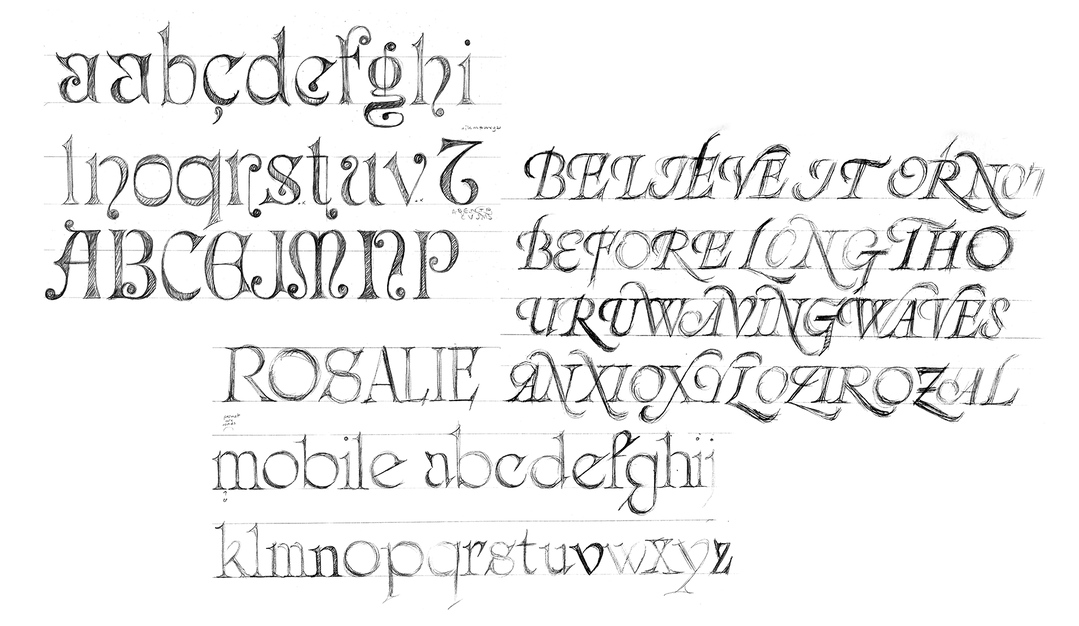
Sharp Type: Rosalie by My-Lan Thuong (Copyright @ Sharp Type, 2024)
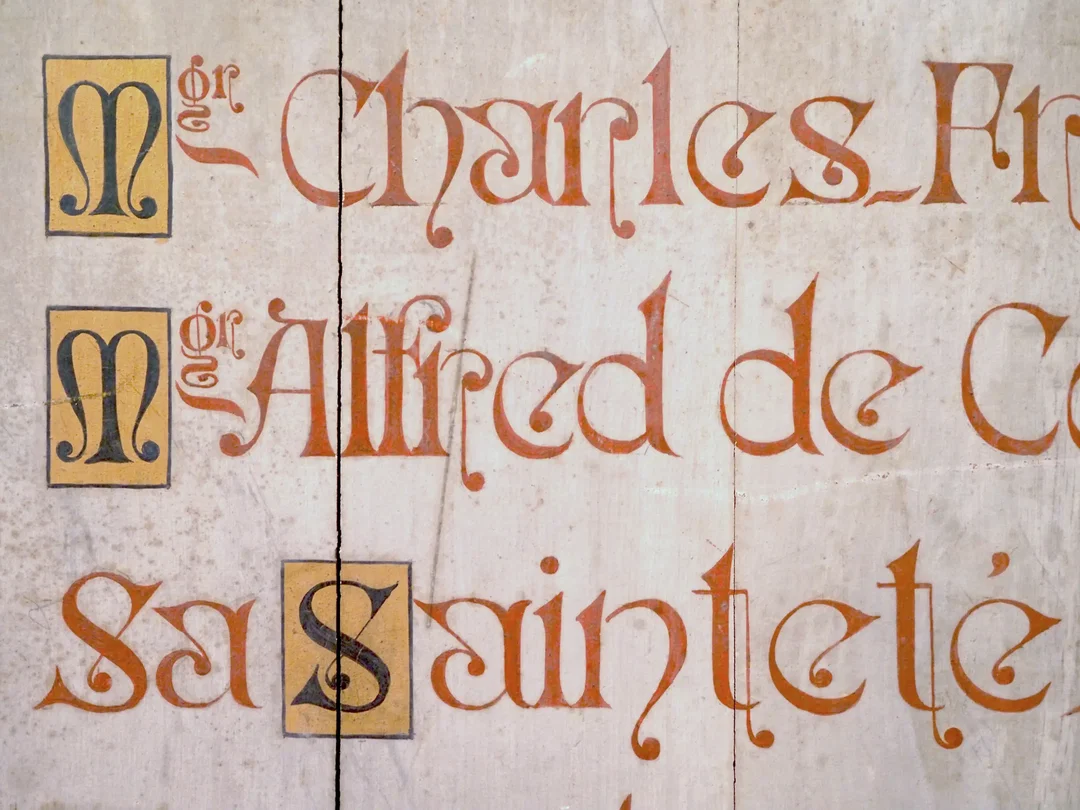
Sharp Type: research reference for Rosalie by My-Lan Thuong
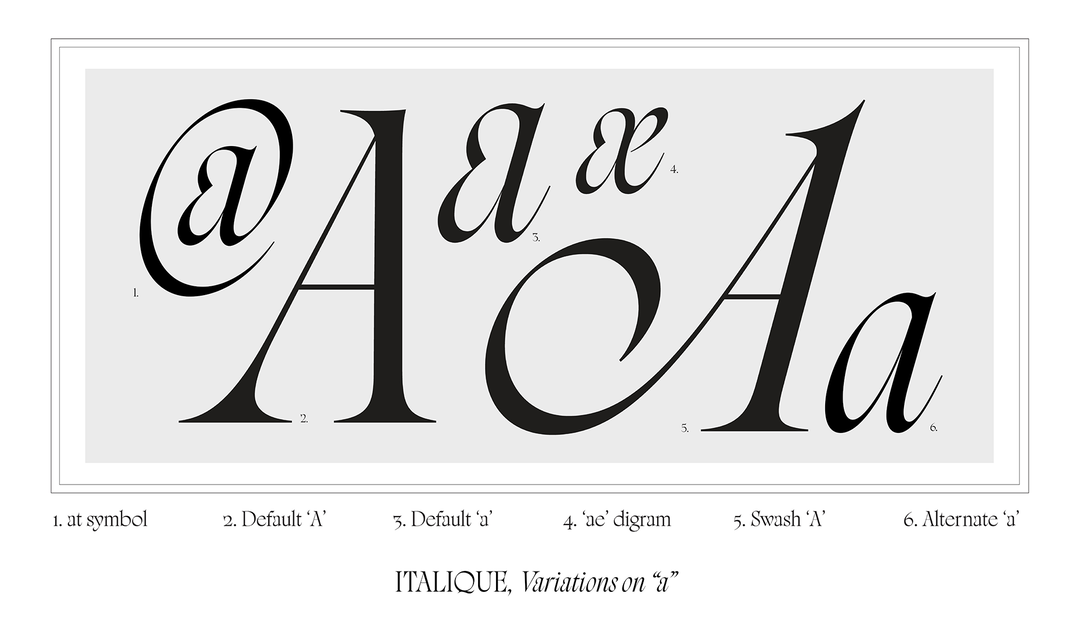
Sharp Type: Rosalie by My-Lan Thuong (Copyright @ Sharp Type, 2024)
No shortcuts
When automation and generative AI are rapidly transforming creative industries, sharing your process is the new marker of what’s real. And, beyond marketing and publicity, it matters. Despite what tech-bros and CEOs might say, people have always, and will always, want to support work that’s clearly shaped by human hands, judgment, and care.
Transparency reinforces the value of creative labour and helps audiences discern between surface polish and genuine craft. For brands, it therefore builds long-term trust and sustains authenticity in the marketplace.
For creatives, sharing the process can be deeply validating. It also serves as ongoing education – reminding us and others that creativity is a journey of problem-solving, iteration, mistakes, and breakthroughs, not something that appears instantly from a prompt or an algorithm.
Importantly, showing the human elements – the challenges, experiments, even the failures – paves the way for new kinds of honesty. It creates opportunities for creatives to connect, learn, and empathise with one another, building a sense of community in a field often marked by competition or isolation.
And maybe we’re seeing a new dynamic surrounding creative work: sharing the journey can be as important as the creative result, generating connection and engagement that no AI or automated output could rival.

Share Article
Further Info
Pull quote typeface: Terminal Grotesque by Raphaël Bastide, with Jérémy Landes, for Velvetyne Foundry.
About the Author
—
Poppy Thaxter is a freelance writer based in the South West of England, specialising in graphic, branding, and type design. She’s contributed to publications such as TYPE01, The Brand Identity, Imperfect Index, and Frontify.