

- Words
- It's Nice That
- —
- Date
- 12 January 2026
- Tags
Shut your laptop! Ways to find inspiration offline
We asked seven creatives to set mini-briefs to get you motivated and spark your creativity in the new year.
Share
Share
In partnership with

Residence is a network of world-class, independent creative specialists uniquely united to produce work that stirs hearts, changes minds, drives business, and moves the world.
We get it. You’re probably sick to death of people, in one way or another, telling you to shut your laptop, get off your phone and go outside. But sometimes it’s good to be reminded…
Recently we spoke with iconic children’s book illustrator Helen Oxenbury, and when we asked the octogenarian – following such a successful decades-long career – what her biggest piece of advice for aspiring illustrators was, she said, quite candidly “keep away from the bloody computer!” To her mind, if you want to get real people, real emotion and real ideas into your work, they’re best found in the real world.
Now, we’re not suggesting that you need to go and drop your electronic devices in the nearest body of water – you need to do your job! (and how on earth would you continue to read It’s Nice That?). But getting off screens, just for a bit, can be the answer to creative block, work fatigue and motivation drought. It’s also important to diversify your inputs. While Explore pages and algorithms may give us a steady stream of filtered content, they’re often feeding everyone the same things (who wants to exist in an echo chamber?), and – importantly – they’re not that reliable. We’ve heard horror stories of well curated Instagram Explore pages that took years to build with strong graphic design work, suddenly being awash with The Summer I Turned Pretty fan edits after engaging with just one reel…
But, it’s easier said than done, especially in January. So rather than just wagging our finger at you, we thought we’d give you some actionable ways to effectively spend time offline and find new inspiration beyond your screens. We’ve asked seven creatives (including From Form, Liang Jung Chen and Tala Rae Schlossberg) to set a mini-brief: a quick and fun creative activity anyone can do, to dust off the cobwebs and see ideas differently. So, get ready to shut that laptop lid (just read the article first).

Jose Flores: Shut your laptop! for It’s Nice That. © 2026 Buck Design, LLC.

Become a design detective
For many, the Explore page is where content finds us. “I don’t chase, I attract”, as goes the often repeated yet strangely empty wisdom of TikTok spiritualists. To counter this culture of acting as sitting ducks to fleeting epiphanies and the attention economy, how about we actively search for what inspires us? Fascinations and fixations are the driving forces of curiosity; the headspace where we feel most playful and most fulfilled. These creatives offer antidotes to slowing down in a fast-moving industry.
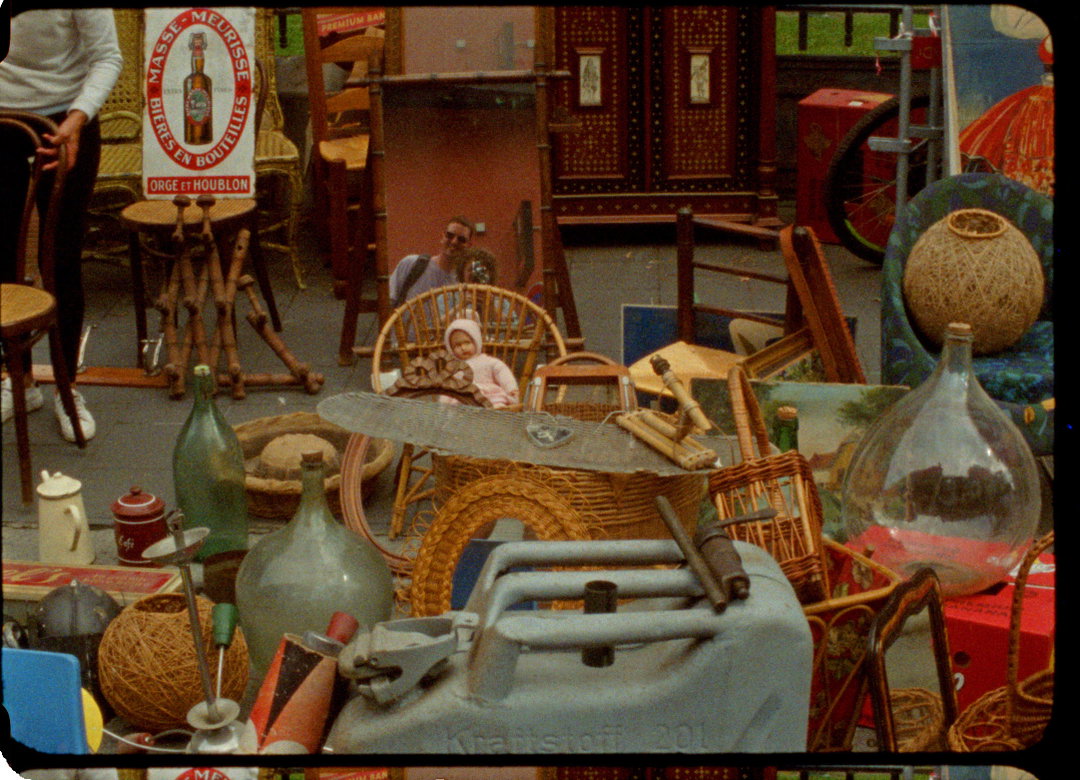
From Form: “a photo from one of our flea market strolls”
MINI-BRIEF:
Flea market foraging with From Form’s Ashley Govers and Jurjen Versteeg.
“To us, flea markets are the perfect antidote to the steering algorithms of the online world. They are unorganised, cluttered, and messy. Amid this beautiful chaos, untouched by trends, there may be the thing.
Go find your local (or not so local – sometimes we drive hours for more exotic stuff, thank you Brussels!) flea market, and simply follow your instincts. Pick up a thing that speaks directly to you. The smaller, the better.
Don’t skip the boxes with old paper things (postcards, stickers, labels, flipbooks). Take your time and dig. If it’s love at first sight, take the thing home. When in doubt, leave it and make another round. If you come back and it’s gone, it chose another journey.
Back home or at your workplace, give the thing its own corner so you walk past it every day. Don’t force yourself to use it for a project. Slowly, the thing will nest itself in your unconscious. Who knows when and how it may end up in one of your projects? The thing decides when it’s time.”

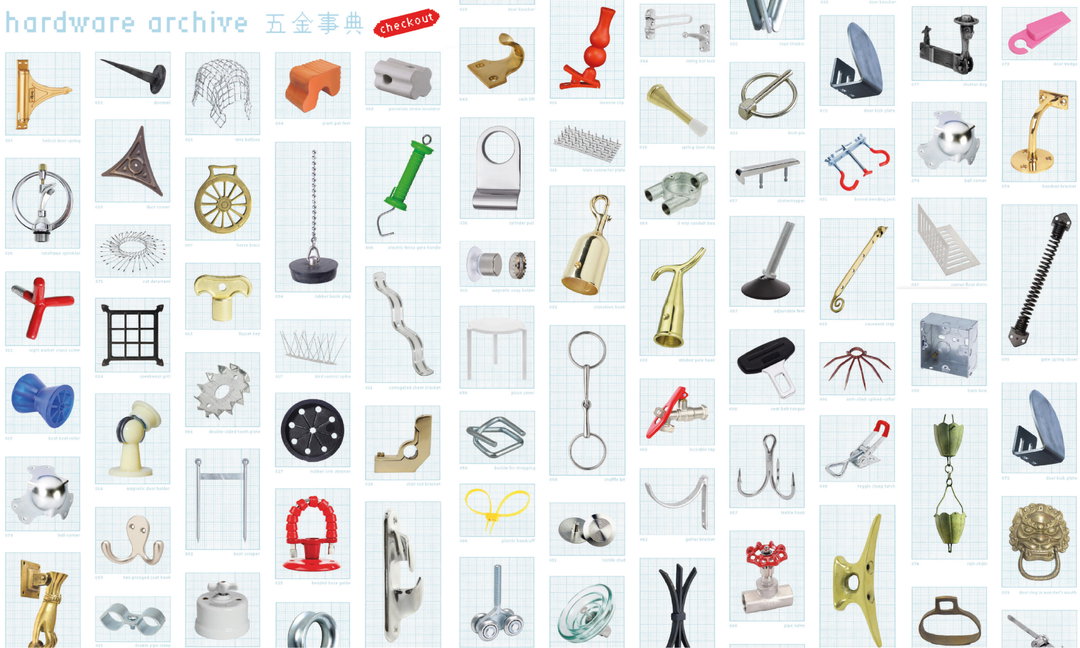
Liang-Jung Chen: The Hardware Archive website (Copyright © Hardware Archive, 2024)
MINI-BRIEF:
Hardware archaeology with artist and designer Liang Jung Chen, founder of The Hardware Archive.
“Here are five simple exercises to help you see your surroundings anew by paying attention to the overlooked language of hardware:
- Enter a local or faraway hardware shop you’ve never visited. Drift without purpose. Pick up an object you genuinely don’t recognise. Guess its function. Ask the staff for answers.
- Pass some abandoned pieces of furniture. Inspect them like a field archaeologist. If they have some spare components that you can safely remove, take them with you and give it a second life.
- Go home (or to someone’s home) and dig out the drawer where miscellaneous hardware tends to accumulate. Spend a moment rediscovering what’s inside and notice which items spark your curiosity.
- Gather all the hardware you own or have collected today. Lay everything out on a table. Rearrange, group, scatter. Notice how the display sheds a new light on these hardware items.
- Take a photo of your layout. If you’d like to share it with us, send it to @hardware_archive. Contribute your findings to a growing archive of overlooked, unnoticed hardware items.”
"Flea markets are the perfect antidote to the steering algorithms of the online world." - From Form
Look again
The benefits of walking and pausing have no virtual substitutions. People have been doing it for years to get creative, from Virginia Woolf to Patti Smith. In her novel The M Train, photographer, writer, and musician Patti writes fondly of her daily ritual of walking to her local cafe (Cafe ‘Ino in NYC’s West Village) – “I was looking forward to sitting at my corner table and receiving my black coffee, brown toast, and olive oil without asking for it.” She returned so often the server knew her order. It’s this devotion to the daily practice that fed into her stream of consciousness style of “writing about nothing”.
Both freedom and structure have the power to dig up the curiosities that lie within. Neurodivergent creator Alora Young says in a recent video, “The best strategy when you’re doing a project and the spark has completely run out is to find another way to tie it to something you actually care about.” The example she uses is doing taxes. However, neurodivergent creatives can hit a wall and feel uncaring towards design projects they know they care about at-large – just not in that moment.
A variety of forces can stall curiosity to a halt, like decision paralysis. In our recent interview with Jerkcurb, the musician shares, “the freedom from choice is almost more creative”. Infinite possibilities can cripple our momentum. This makes intentional exploration and daily rituals that fill our cups all the more important. Balancing structure and release creates a tethered freedom, where you can follow the thread back to the dreams you want to truly devote yourself to.
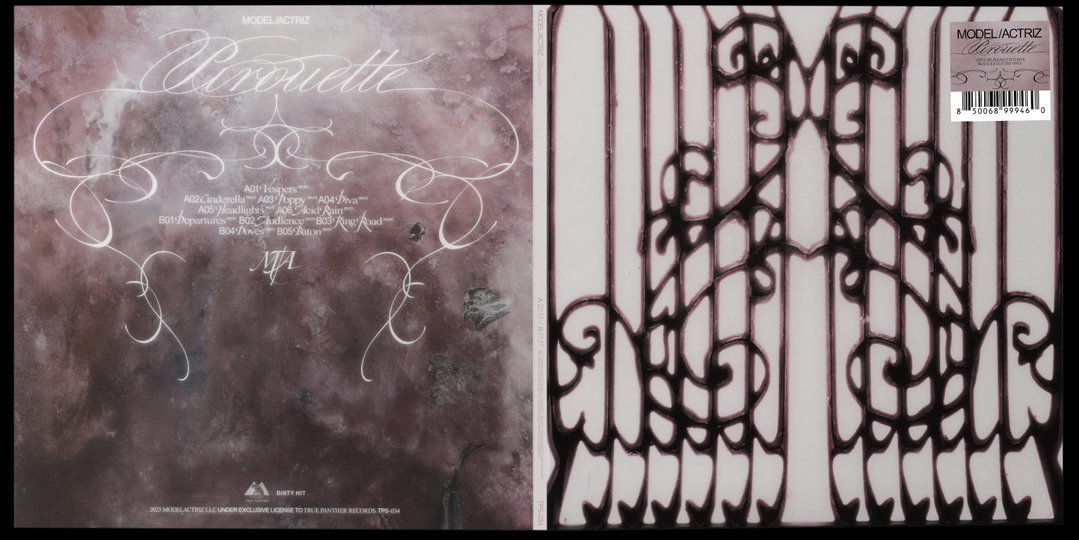
Metals: Model/Actriz “Piroutte” Vinyl Packaging – Jacket (Copyright © True PantherRecords 2025)
MINI-BRIEF:
Walk alternate routes with Metals studio’s Eddie Mandell and Chase Shewbridge.
“Pick a destination. Somewhere you go a lot. This could be a park, a friend’s house, your favourite cafe. But take a different route than you normally do. In addition to this, choose a different method of how you’re going to get there. Along your route, pay attention to all of the small nuances and tiny details that make up that journey from point a to point b that would be easy to miss. Oftentimes, we get used to the routes we take to places that are close to our hearts.
We don’t often look very closely at things we’ve seen countless times. It’s important and inspiring to acknowledge the ephemera all around us. Make a mental image of those moments. Take photos. Hold them close. There’s beauty in the mundanity. Think about your new collection of photos and what you can do with them. How can they be pushed to become something else?”

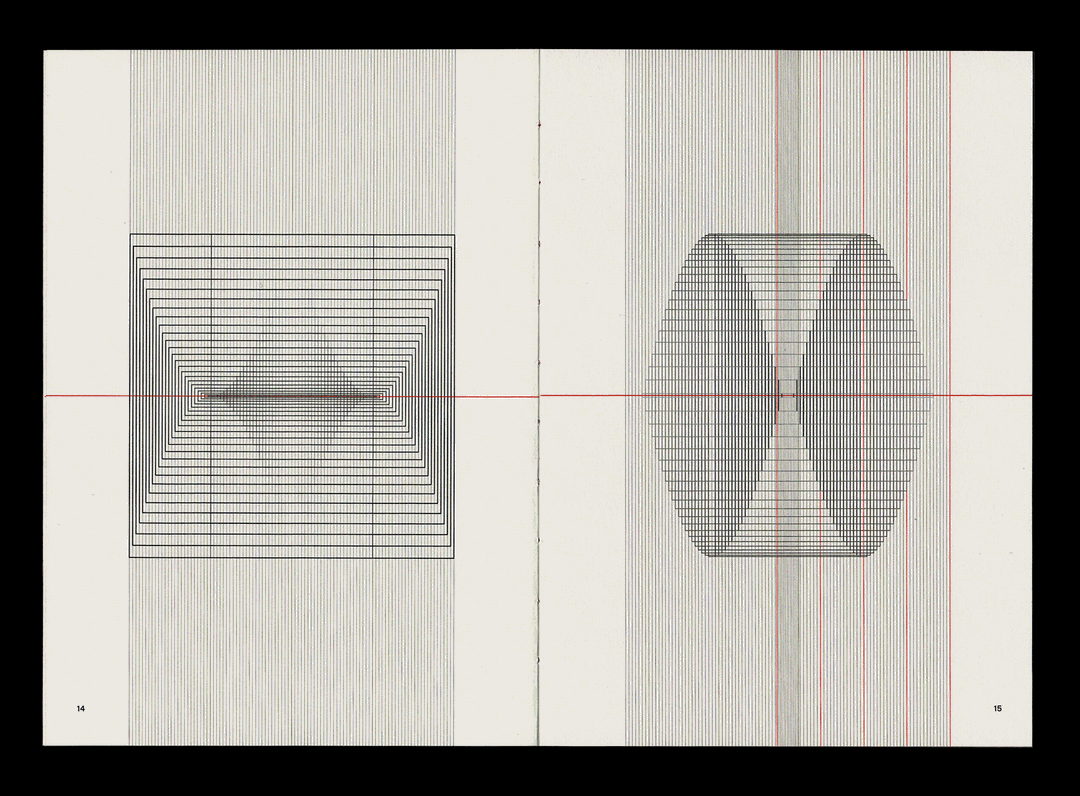
Joyce N. Ho: Exploration Book (Copyright © Joyce N. Ho, 2025)
MINI-BRIEF:
Find inspiration close to home with Buck creative director Joyce N. Ho.
“Your home is your inspiration. If you’re anything like me, home is your sanctuary – a place built slowly, lovingly, over years. A space shaped by your memories, your taste, and the little things that make you feel safe, and joyful. Every object has a story and is intentionally chosen.
So look around your home. Like really look. Crack open that coffee-table book you picked up on your recent trip. Pick up the throw cushion on your couch and notice its patterns. Open your closet and pull out that piece you save for special occasions.
Find those forgotten treasures. What echoes across the things you keep close? What repeats? What stands out? Chances are, your inspiration is already right there in front of you.
Now choose:
- One texture. Maybe the fabric of your favorite coat or the grain of your kitchen stools – notice its weave, its finish, its character.
- One form. A sturdy table leg, the curve of a room divider, the shape of your lamps.
- Two colours. One primary, one accent – a pairing that just feels like you.
No matter how you create, this becomes your jumping-off point. An IRL moodboard from the things you’ve curated around you. Something rooted in what makes you feel at home.
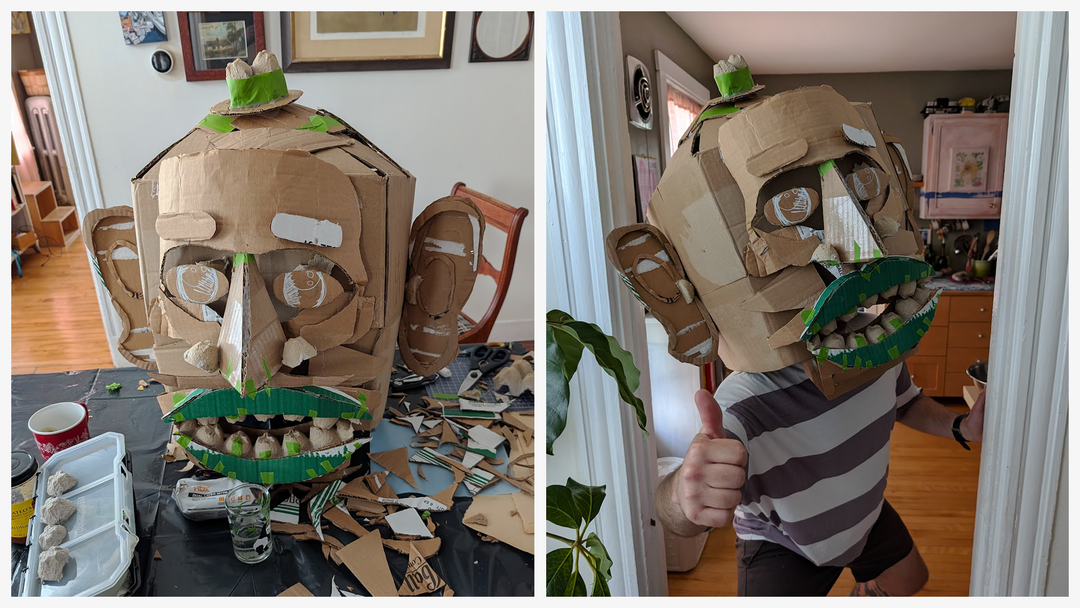
Phil Sierzega: “A project I did away from the computer recently”
MINI-BRIEF:
Slow skills with Buck creative director Phil Sierzega.
“Lately, my creative practice has shifted toward mediums that get me away from feeling like I’m still doing ‘work’ work. Working away from a screen exposes your habits and assumptions in a new way. When you can’t undo, copy-paste, or rely on familiar software guardrails, you start to see how you approach constraints, how you adapt, and where your creative instincts naturally lead you.
So take the principles you rely on in your practice – whether it’s composition, iteration, problem-solving, or systems thinking – and apply them to something completely outside your usual skillset. Pick an activity that’s physical, slow, or unfamiliar: gardening, woodworking, cooking, or repairing something. As you do it, pay attention to the overlaps and the gaps. What translates easily? What feels uncomfortable, inefficient, or surprising?
Use this as a reset – as I often do – to observe how you plan, improvise, and respond when the material doesn’t behave as expected. Pay attention to what changes, what becomes clearer, and how the shift in medium sharpens the way you think. Then bring those insights back to your practice. The goal isn’t to master a new craft – it’s to notice your own creative process from a fresh perspective. Take this opportunity to experiment, explore, and see what it teaches you about how you make, create, and ideate.”
"It’s important and inspiring to acknowledge the ephemera all around us." - Metals Studio
Analogue making
So what happens when we get to making? We think back to beloved objects, we sit at our sacred spaces, and we follow the white rabbit until we reach an exciting hole to burrow into. You just keep digging. Alora Young says, “For neurodivergent people, creating consistently is not always the goal, it’s creating persistently.” Showing up for yourself, and your craft, is a step in the right direction. Feel the paper you want to draw on. Touch the objects that connect to your project.
Zine maker and community facilitator Zoë Thompson, founder of the printed sweet-thang zine, posits that “taking stock of what I’m consuming” is how she finds physical balance countering the virtual infinity at her fingertips. “I make a note to myself to inquire about a topic I want to learn more about,” Zoë shares.
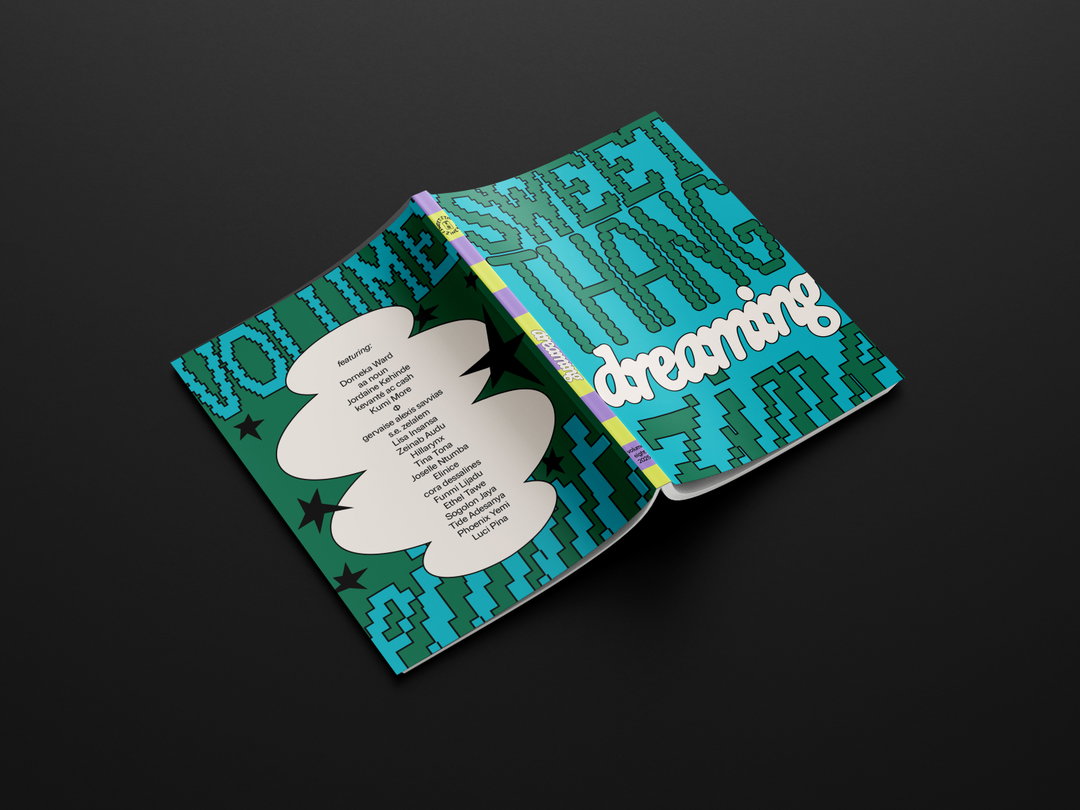
sweet-thang zine issue 8: Dreaming (Copyright © sweet-thang zine, 2025)
MINI-BRIEF:
Alphabet Side Quest Zine series with Zoë Thompson.
“One topic for every letter of the alphabet – from silly to serious, mundane to obsessively niche.
Materials needed:
- 24 sheets of A4 or A3 coloured paper
- A pair of scissors
- Tools to write with
- (Optional) Collage materials such as newspaper or magazine scraps
- Glue
Make a classic A7 or A6 pocket book zine. Once folded, your brief is to pick a subject, theme or concept for each letter of the alphabet. Once chosen, fill your zine with information about those topics. You can choose to make your zine purely informative, designed for a reader to increase their knowledge of the topic. Or you can respond to the topic creatively. Perhaps P is for Poetry, and you finally free that poem from your notes app. The (paper) floor is yours!”
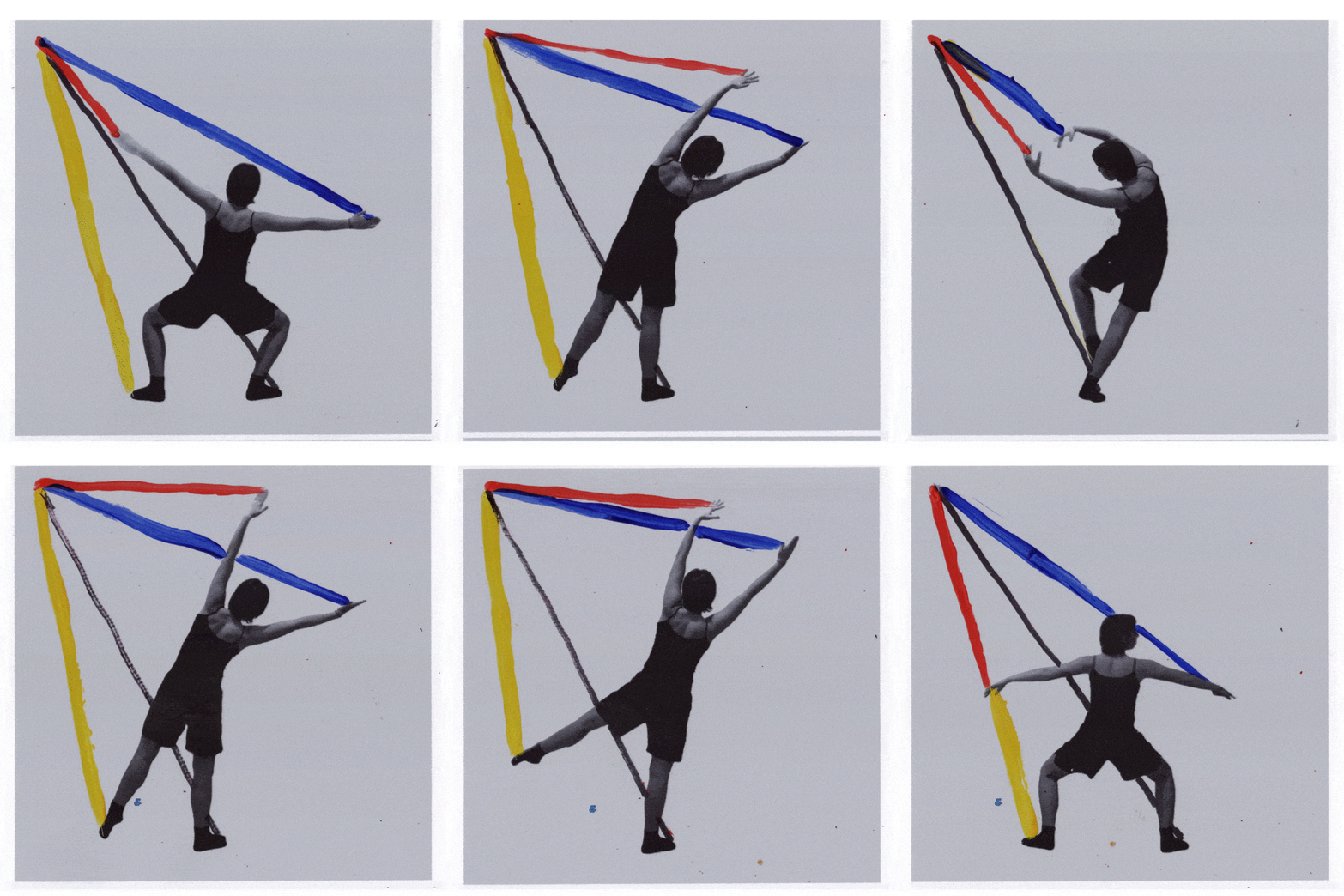
Tala Rae Schlossberg: Strings (Copyright © Tala Rae Schlossberg, 2024)
MINI-BRIEF
Book of Mistakes with Tala Rae Schlossberg.
“Book of Mistakes is an activity I invented for when nothing feels like it’s working.
To make a Book of Mistakes you first need to make a book, which per the nature of this exercise should be very simple and not complicated at all (fold some paper, staple or stitch the edge).
The next step is to take paint, markers, pencils or any art supplies that are available to you and go through the book making a mistake on each page. This can be a creative exercise in and of itself – try to legitimately spill, rip, drop, pour, smash, burn and soak to simulate all potential accidents.
Once every page is covered in a horrible mistake, use this book as your new sketchbook. Start from the beginning and use all of the skills you have developed in regards to seeing, caring, thinking, fixing, and solving unexpected challenges to approach each page as its own unique assignment. Instead of starting with a blank page, practice starting with a messy one. This is our role as artists: to turn the pieces of the old world into something that we actually really like.”
Share Article
Further Info
Pull quote typeface: Terminal Grotesque by Raphaël Bastide, with Jérémy Landes, for Velvetyne Foundry.
About the Author
—
This article was written by the It’s Nice That team. To find our editors and writers, please head over to our Contact page.