
- Words
- It's Nice That
- —
- Date
- 20 March 2026
- Tags
Laika’s 20 years of stop-motion carry lessons aplenty in craft and storytelling
The groundbreaking stop-motion film studio celebrates its 20th anniversary with not only its latest feature, Wildwood, but also a comprehensive new book reflecting on the studio’s two decades of moviemaking.
Share
Share
In partnership with

LAIKA’s Missing Link, Kubo and the Two Strings, The Boxtrolls, ParaNorman and Coraline were all Oscar®-nominated; Kubo took the BAFTA and a VFX Oscar® nomination and Missing Link won the Golden Globe. LAIKA was awarded a Scientific and Technology Oscar® for its innovation in 3D printing. Wildwood’s release date is October 23, 2026.
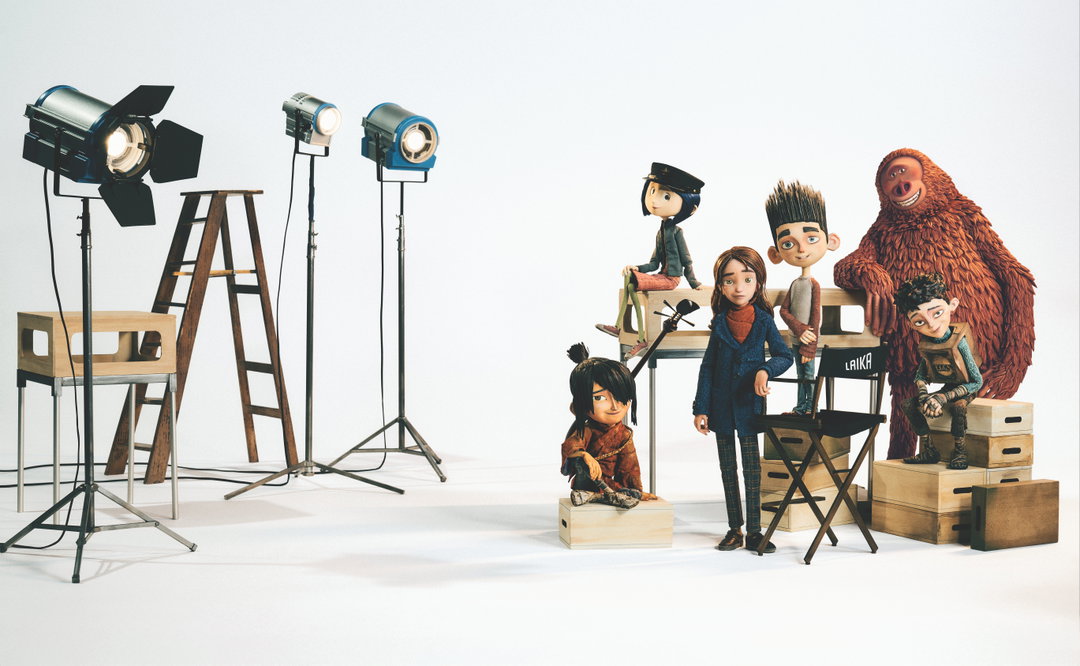
We can list the facts, figures, and statistics about Laika. It’s a Portland-based stop-motion animation studio. It has made five feature films – Coraline, ParaNorman, The Boxtrolls, Kubo and the Two Strings, and Missing Link – since its launch and, in 2025, celebrated its 20th anniversary. The thing is, these stats don’t do justice to what Laika truly represents. Since Coraline, the studio hasn’t missed a beat in producing fan-favourite after fan-favourite, scrupulously creating cinematic treats that mean so much to so many. This is certainly what sits at the heart of the company, as chief marketing and operations officer, Dave Burke, says, “My job is making sure the work created inside the studio finds the audience it deserves.”
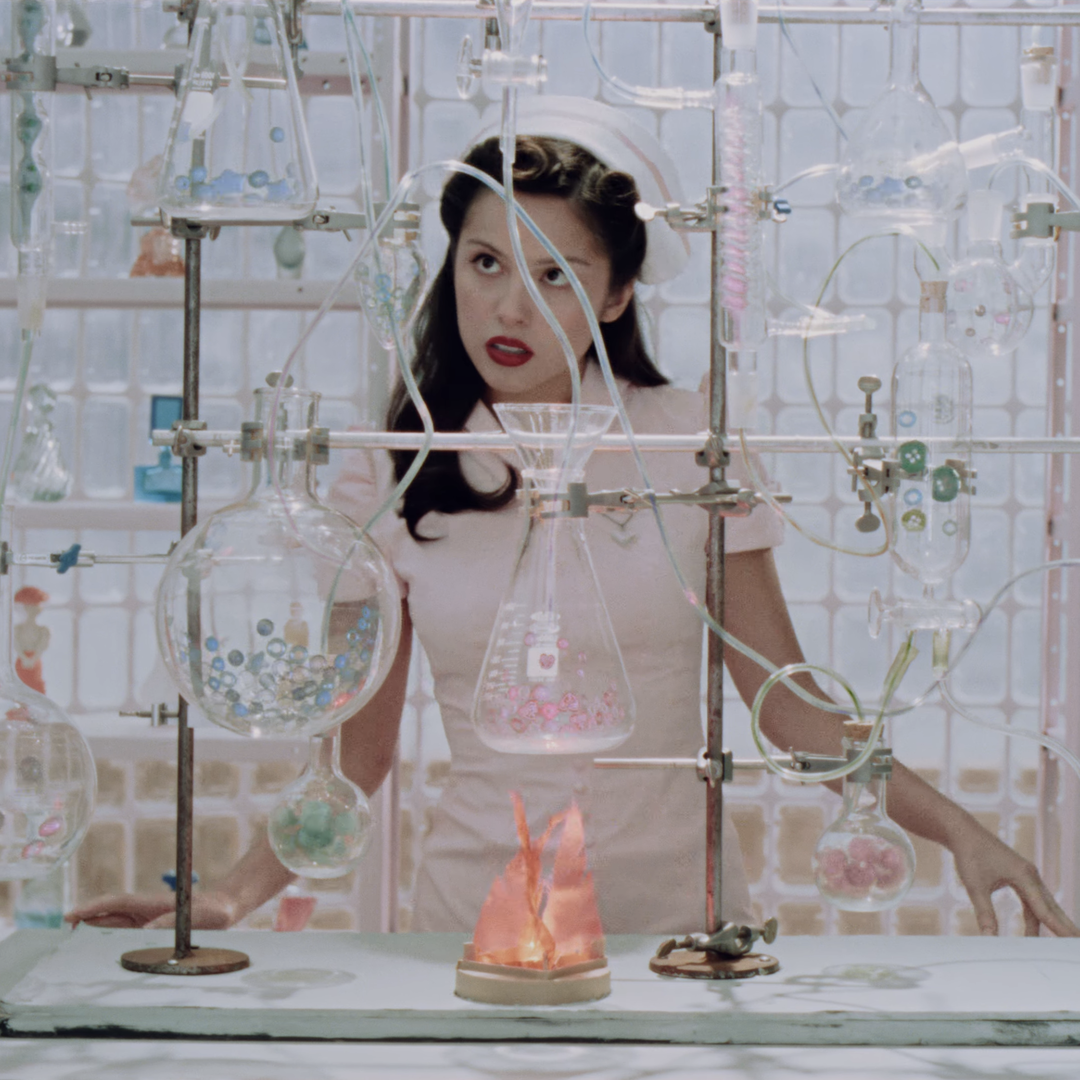
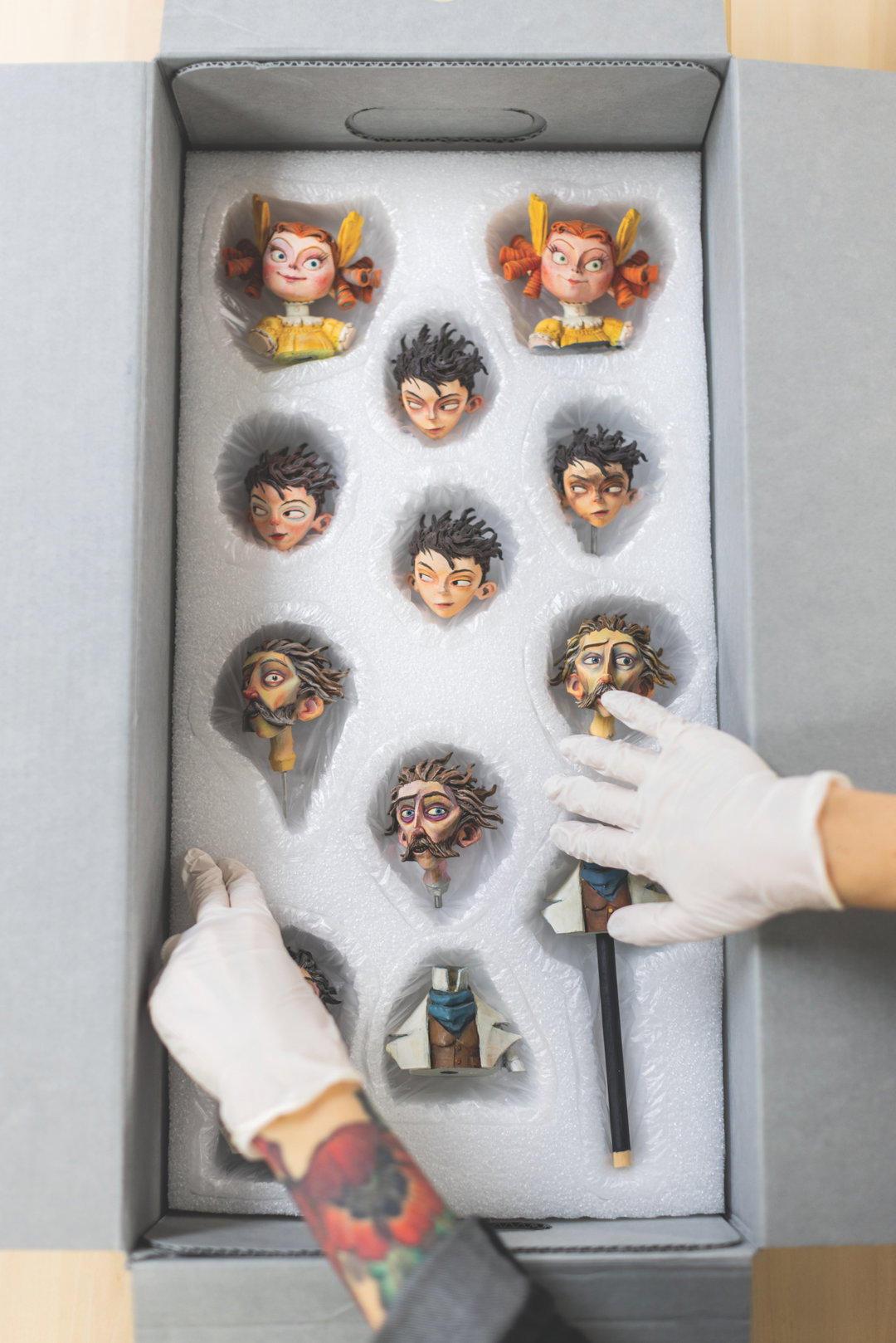
People can’t help but feel drawn to Laika’s films, not simply due to the stories the studio tells, but the original craftsmanship behind them, with every character, set and movement built individually and shot frame by frame. “It’s painstaking work,” Dave says, “but that physicality gives the films a texture and authenticity audiences immediately feel.” Here, through the use of real materials, light and objects interacting within a real space, we feel a close physical connection. “You can feel the human hand behind every frame,” he adds, “at a moment when so much imagery is created digitally, that tactile quality feels more relevant than ever.”
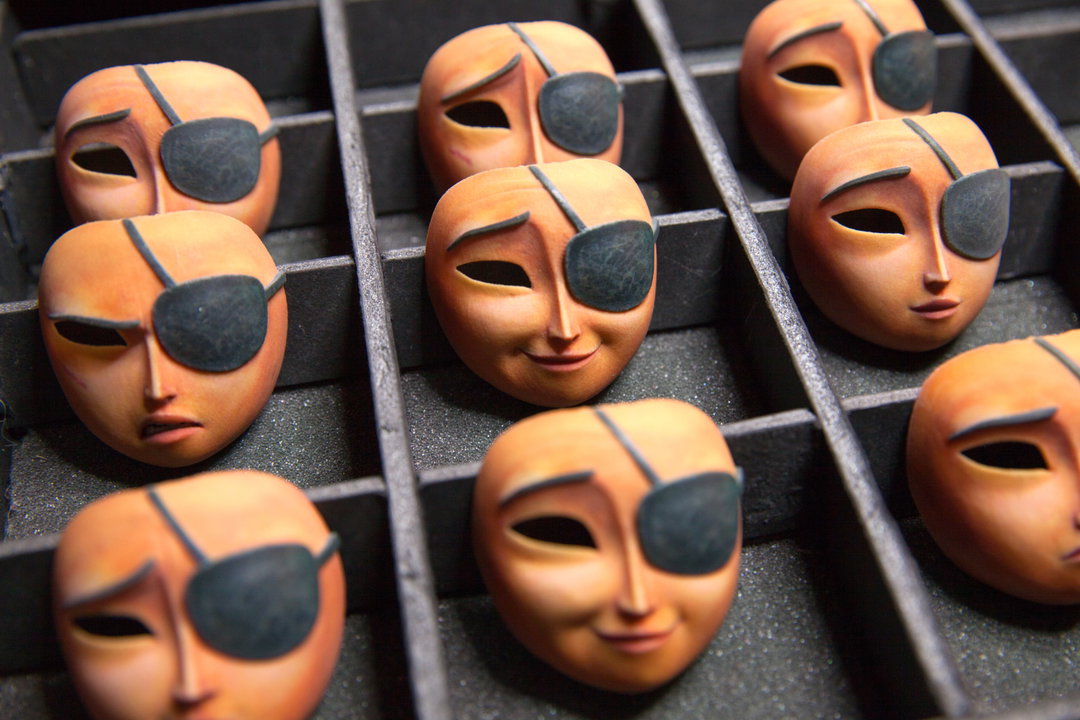
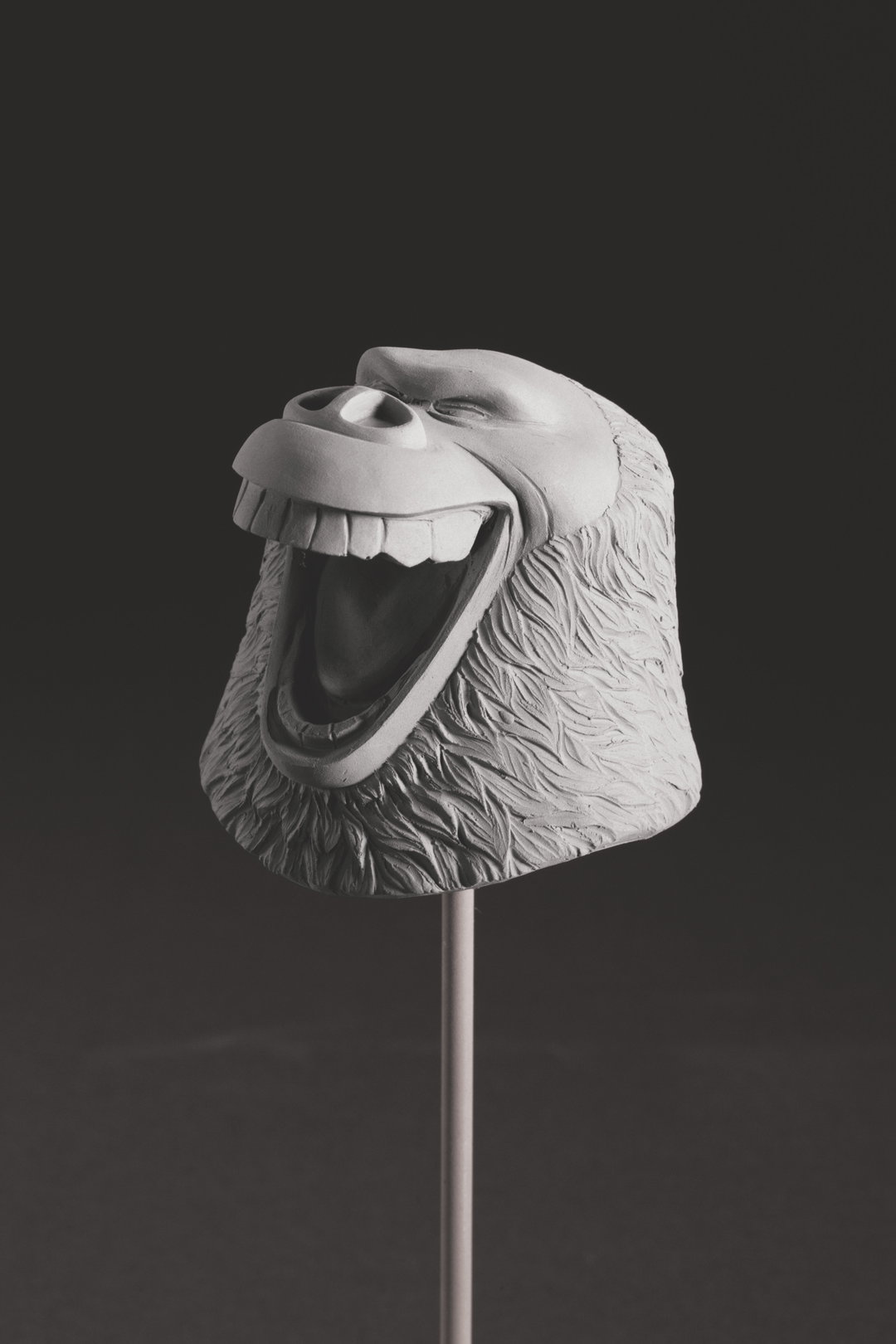
Kubo faces, Kubo and the Two Strings (Copyright © Laika 2026)
Having joined the company seven years ago, Dave sits in a unique position at Laika, straddling both its creative and business sides, overseeing how films connect with their audiences. For Laika’s 20th anniversary, Dave has the treat of releasing its first feature-length film since he joined – after all, Laika’s films often take five to seven years to make from start to finish. The film in question is Wildwood, directed by Travis Knight, who’s animated on every Laika film since Coraline, and also directed Kubo and the Two Strings. It marks, as costume designer Deb Cook puts it, “a tectonic shift” for the studio. “Wildwood is an ever-widening view from the ambitious eye it’s always had,” Deb says. “It’s the coming of age and celebration of the studio’s loyal and committed artisans.”
With this in mind, even before the film’s release, it already carries a lot of sentimental weight for those involved. “Laika’s handmade approach to filmmaking has always been at the heart of my passion for working here,” Tim Garbutt, Laika’s creative director of marketing, says, “and Wildwood presents that craft at a level never seen before.” This film sees the studio going far beyond what it has attempted before practically, or in-camera. “It’s a story and ambition that feels perfectly of the moment for Laika,” Tim adds, celebrating 20 “well spent” years of making movies.
The very nature of Laika’s films – being stop-motion – is certainly important to the industry too, as production designer Nelson Lowry says, “Only one per cent of motion pictures are made with stop-motion, so we are definitely bucking the system by simply existing.” Discussing his work with Travis, Nelson says, “[His] message to the company is to embrace all technical advances to elevate this nearly 130-year-old art form, and we have.” In adopting new techniques, Laika has furthered the stop-motion industry – and the film industry as a whole, too – without losing the material qualities that make its films so engrossing. One major result of that innovation was the Scientific and Technology Oscar® that Laika was awarded for its advances in rapid prototyping, an innovation that has been utilised across the studio. Costume designer Deb Cook says: “We’ve always embraced a collaborative philosophy across all departments. The techniques we use in making the textiles to promote animatability in our costumes have been embraced in other departments.”
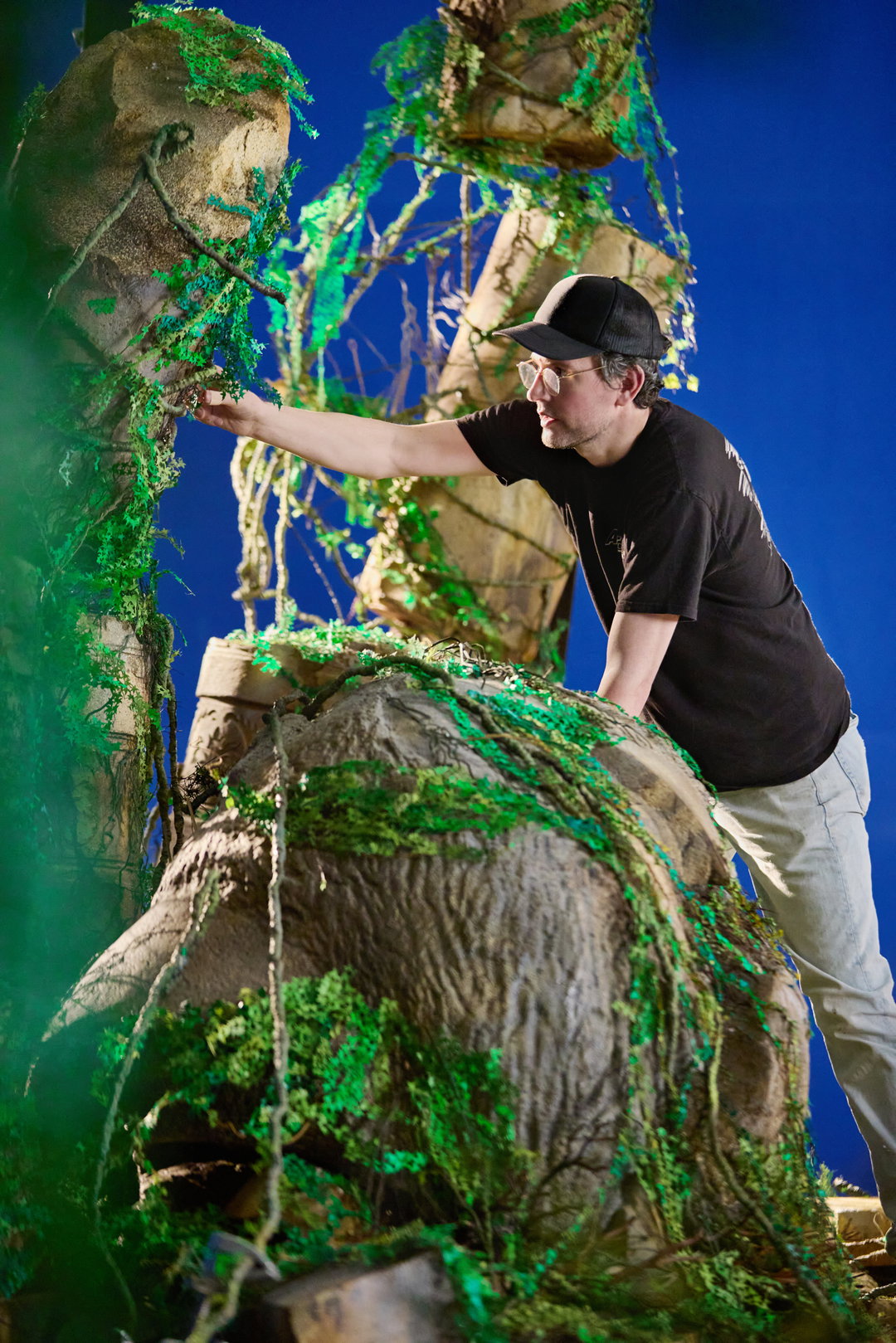
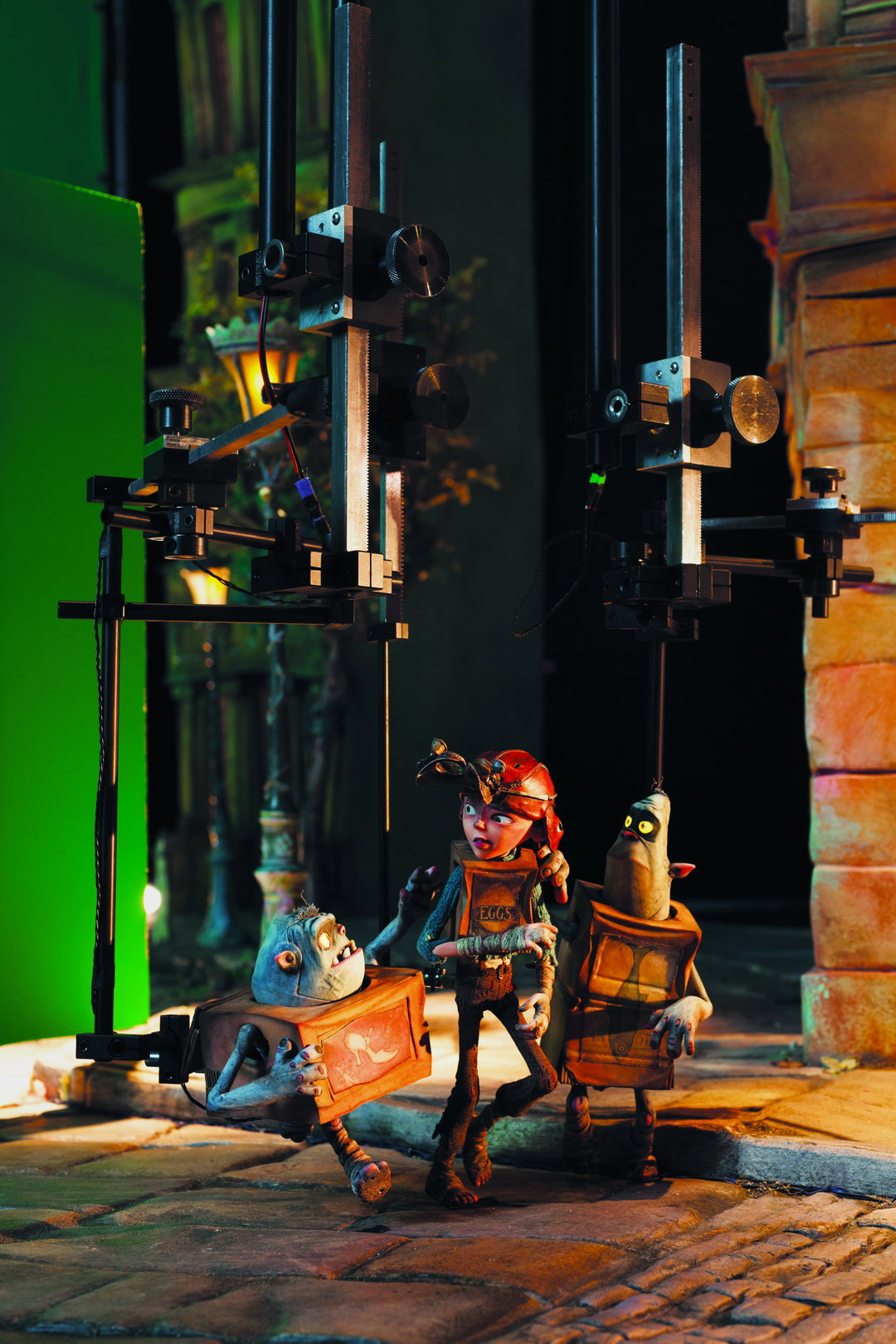
Set dressing (Copyright © Laika 2026)
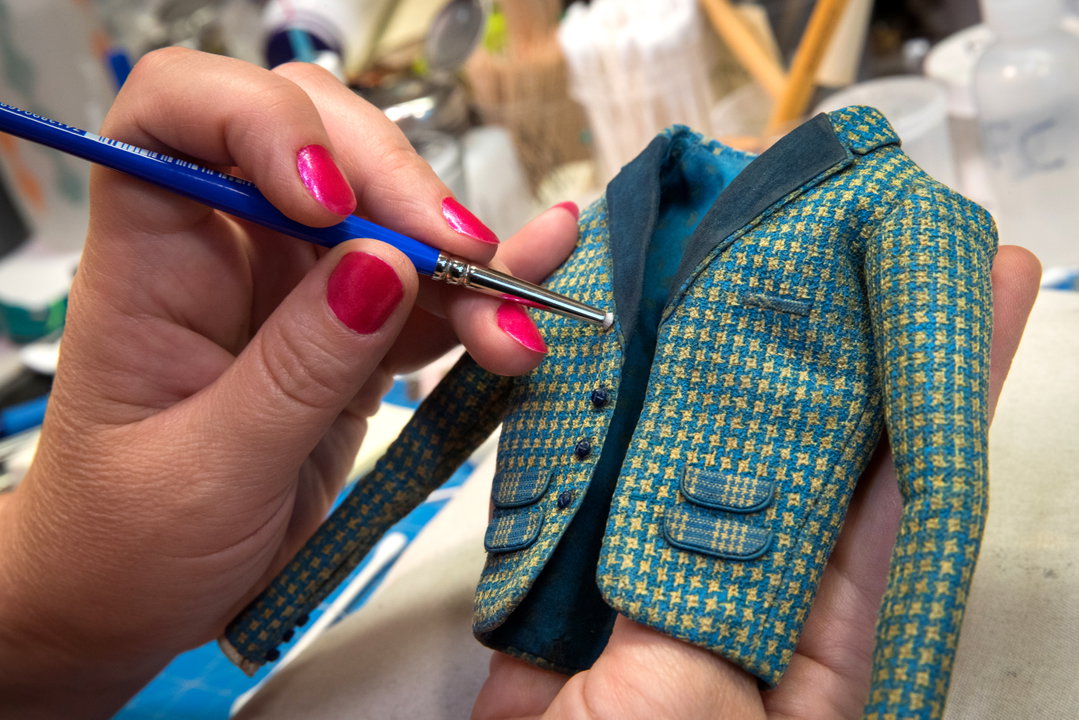
1 of 5
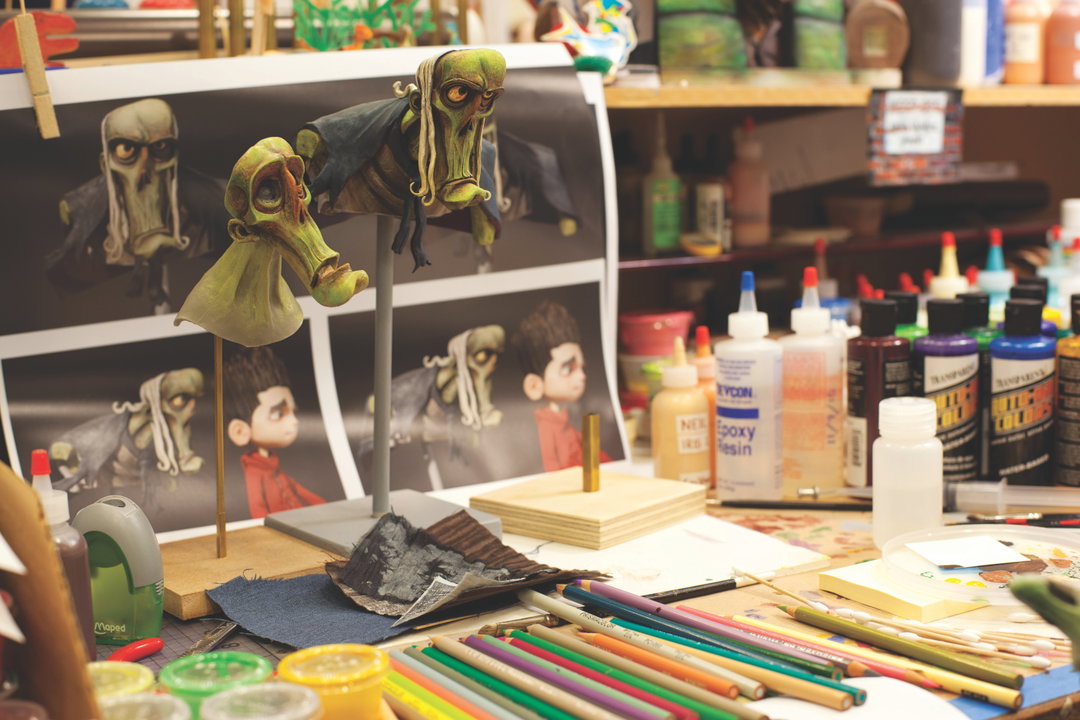
Costume design (Copyright © Laika 2026)
1 of 5
Costume design (Copyright © Laika 2026)
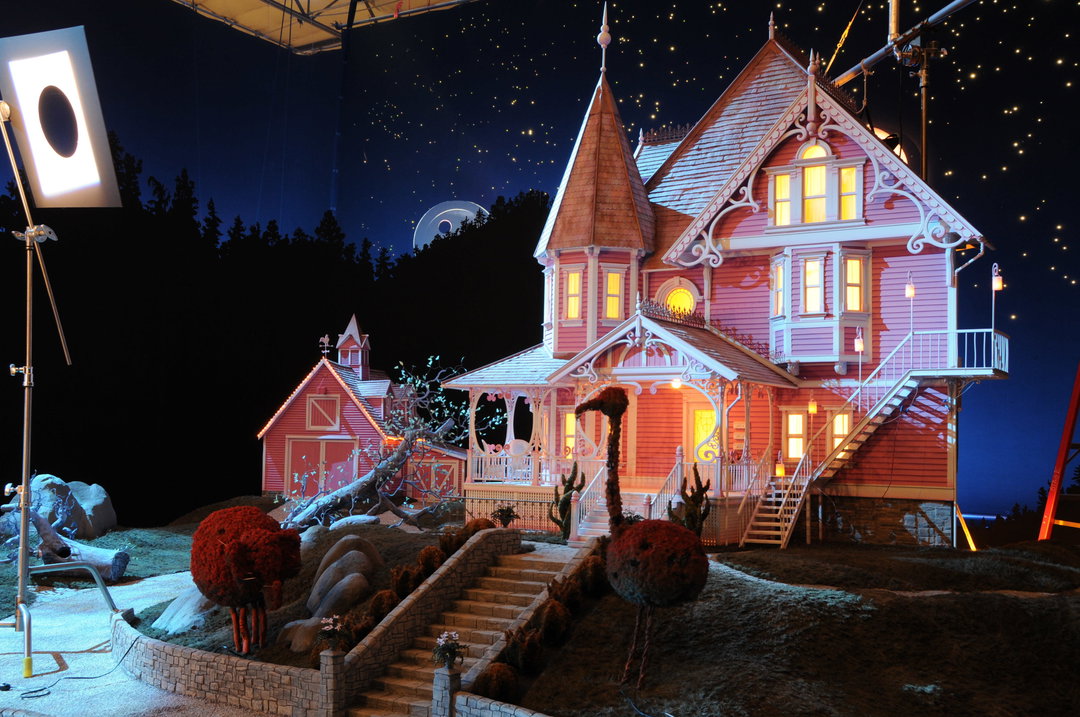
The Pink Palace apartments, Coraline (Copyright © Laika 2026)
“Creating a film that is essentially handmade tethers it to the physical world,”
Nelson Lowry
Meanwhile, Nelson stresses the importance of physicality in motion, and how central it is to Laika. “Creating a film that is essentially handmade tethers it to the physical world,” bringing inanimate objects, puppets and scenes to life, “the audience may not be thinking about that while watching the film, but they can feel it.” The tangibility and tactility of stop-motion, Nelson suggests, tie us to our childhood selves, when we perhaps played with toys, wooden blocks, and action figures. Likewise, Laika’s animators play with props, characters, and buildings. “I think of it as a highly refined childhood play.”
It’s clear that Wildwoodembodies the studio’s latest evolution – one that has taken 20 years to arrive at. “In many ways, Wildwood feels like the moment where everything the studio has been developing over the past 20 years comes together,” Dave says, marking, yes, advances in technical proficiency but also big steps in the creative choices they make. One such choice is the scale of Wildwood, with the film featuring hundreds of characters and over 130 locations. “Bigger isn’t always better,” Nelson says, “but the film needed to be this big to tell this epic story,” with the film taking place in an ancient magical forest, playing with the themes of getting lost and finding your way back. “20 years ago, a stop-motion production of this ambition would be impossible to pull off,” Tim says.
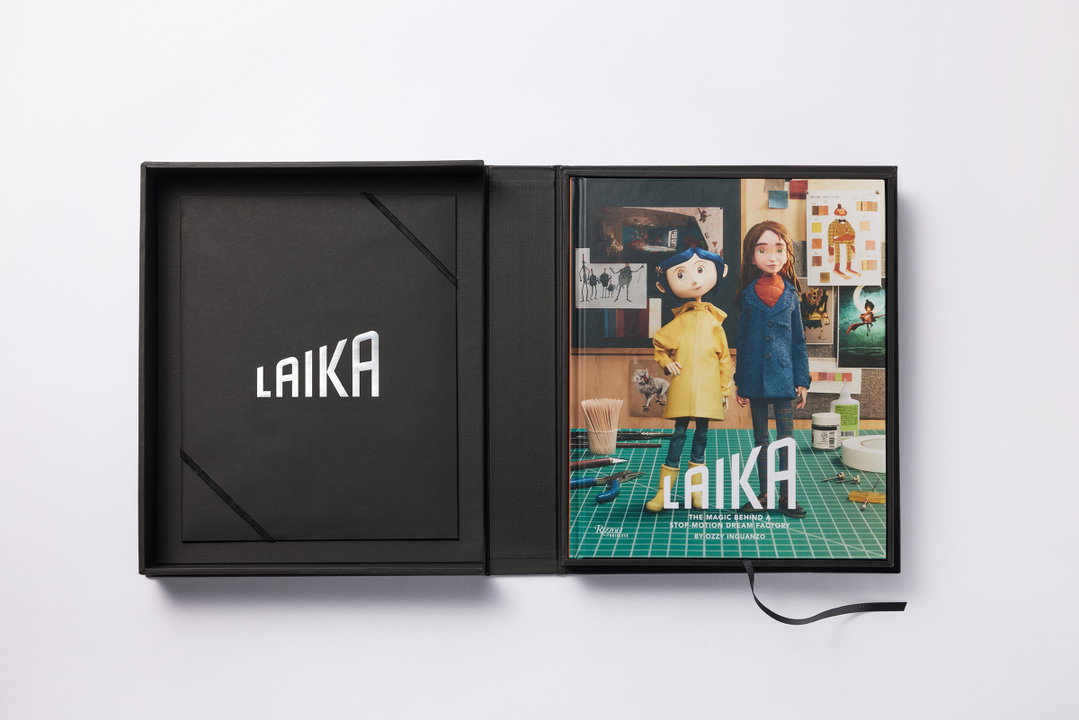
Laika: The Magic Behind a Stop Motion Dream Factory (Copyright © Laika 2026)
To honour and showcase Laika’s history, the studio has also produced Laika: The Magic Behind a Stop-Motion Dream Factory, a fascinating book reflecting on two decades of animation. Welcoming people into the rather unfathomable tasks, time and attention required to make the films they do, the Rizzoli-published volume opens the archives and, as Tim suggests, “the 20 years of grit” behind the groundbreaking studio. “Within these pages is a handcrafted form of filmmaking that has grown from niche tabletop productions into immersive cinematic worlds,” he says, whilst also championing the devoted craftspeople shaping the indelible art form.
The book carries within its pages plenty of lessons, with one of the major ones being how much time is needed to make meaningful work. “Stop-motion is an incredibly demanding medium,” Dave says, “and these films only happen because hundreds of artists are willing to commit years to the same vision.” Likewise, other lessons learned include Laika’s approach to restrictions. “Limitations exist,” Tim says, “but they shouldn’t deter creative ambitions.” The minds at Laika are diligent problem solvers as well as creatives, and will also opt for the best answer, not the easiest one.
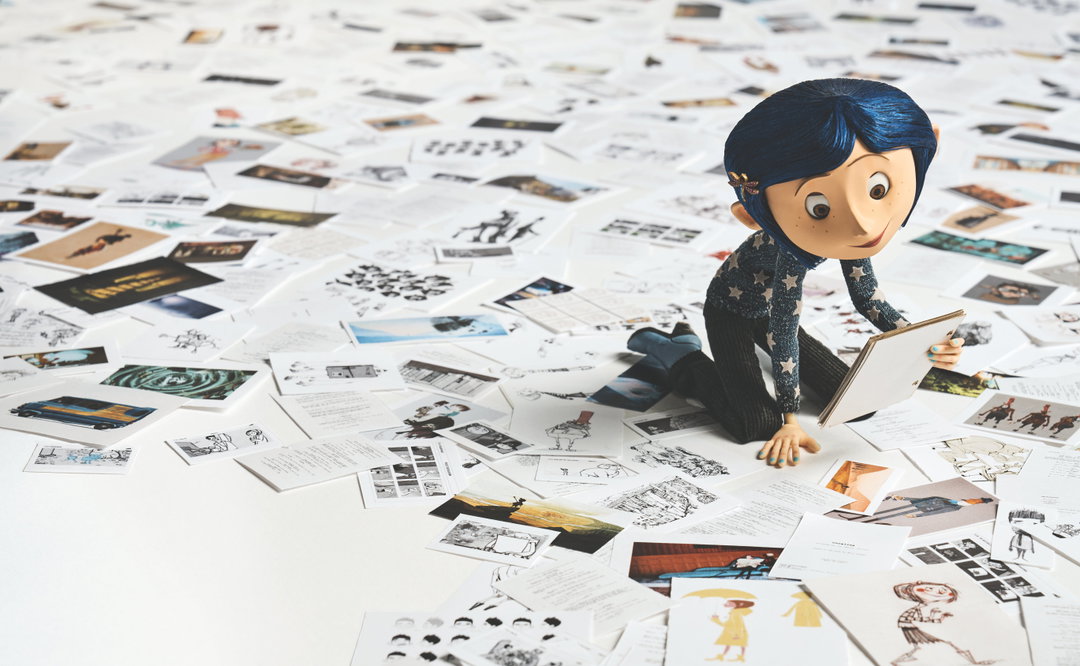
Laika: The Magic Behind a Stop Motion Dream Factory (Copyright © Laika 2026)
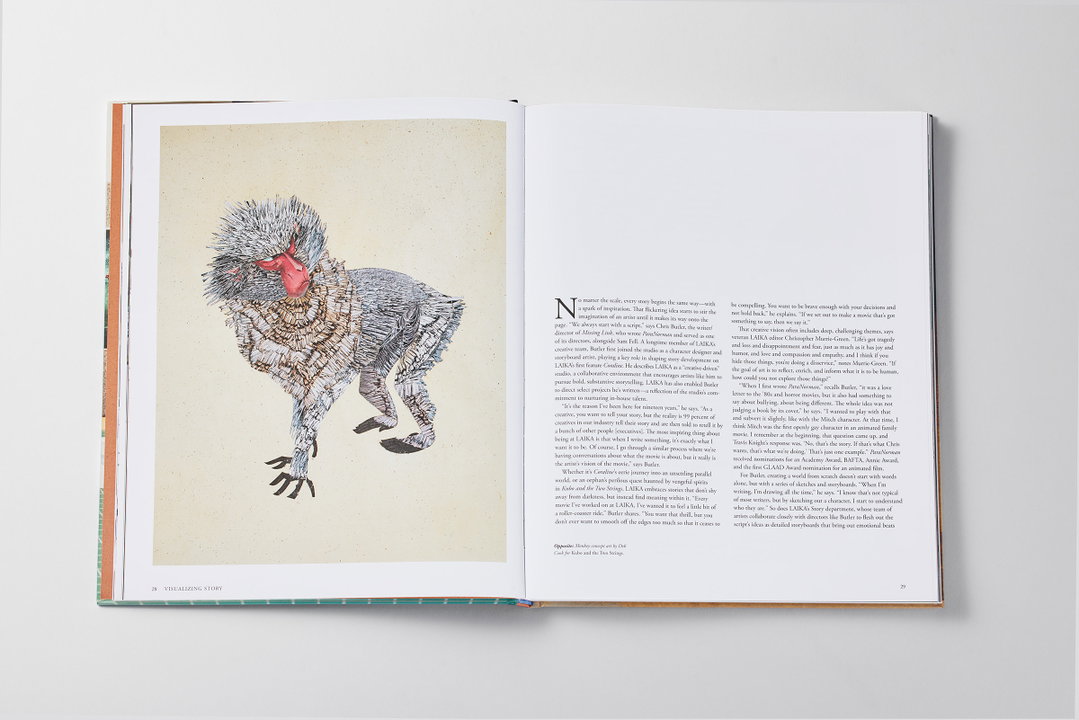
Laika: The Magic Behind a Stop Motion Dream Factory (Copyright © Laika 2026)
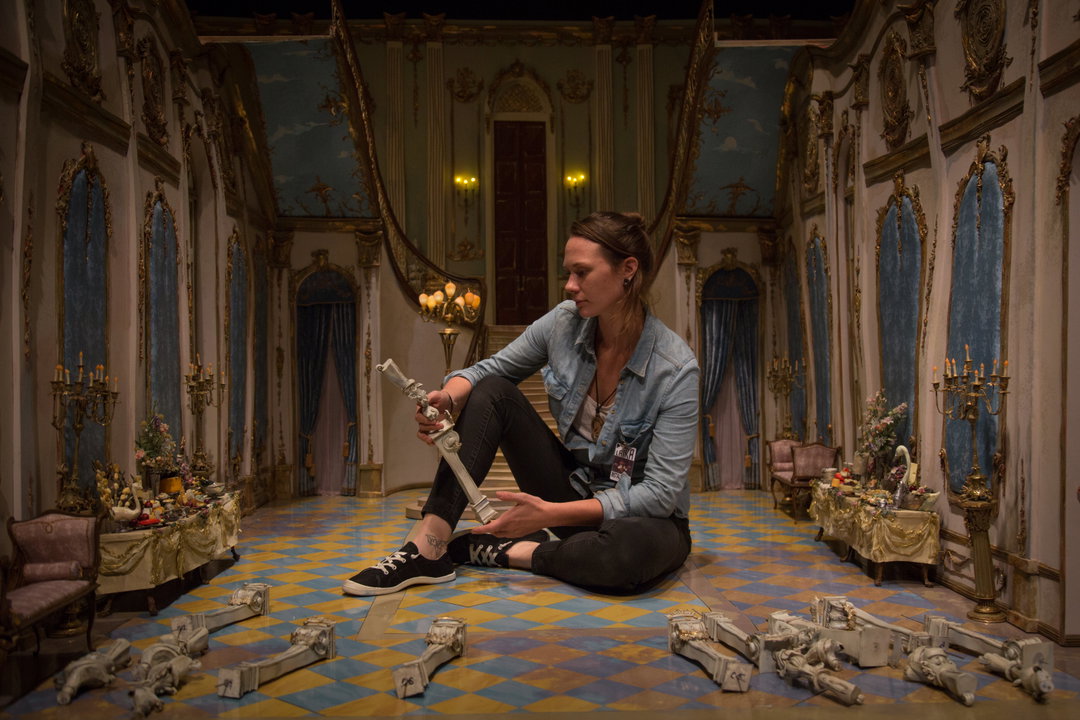
Set dressing (Copyright © Laika 2026)
The challenge of even starting a book that reflects on 20 years of a studio’s practice wasn’t lost on Tim, but it was a worthy task. “Recognising the value in the craft, Laika’s archives and media services teams have grown over the years,” – they preserve the studio’s individual film assets, both digitally and physically. “As interest in the art form has expanded,” he continues, “it has led to curated international exhibitions, cultural events, and now this book,” with each offering a new space for fans to interact with the worlds they admire.
Laika: The Magic Behind a Stop-Motion Dream Factory is quite a retrospective and, in the hands of Dave, a moving one. “It’s both surreal and very gratifying,” Dave says, “when you’re in the middle of making films, you rarely stop to reflect on the bigger picture,” nor take stock of one’s success. “In that sense, it’s less a retrospective and more a record of how a creative community develops over time,” acting as a reminder that the studio carries more than just the films on its shoulders, but a dedication to craft and storytelling.
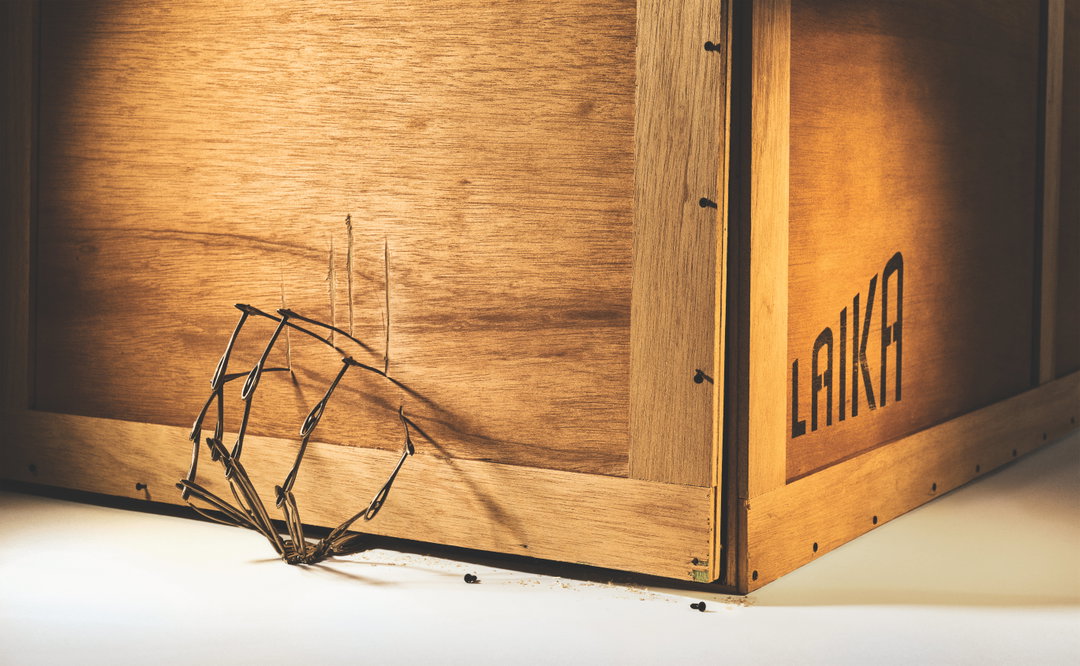
(Copyright © Laika 2026)
Share Article
About the Author
—
This article was written by the It’s Nice That team. To find our editors and writers, please head over to our Contact page.