Ruya Foundation to re-stage Venice Biennale show inside Iraq for first time
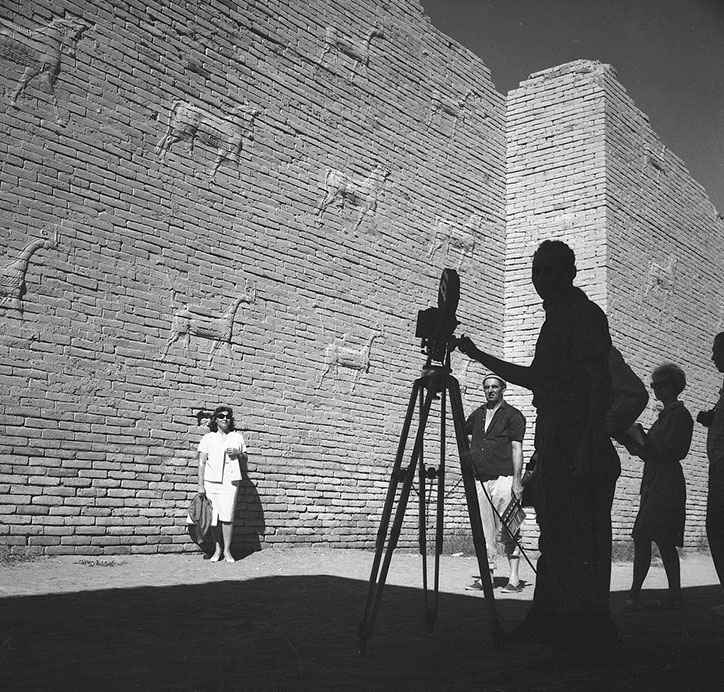
Latif Al Ani, Untitled 3, c 1960 – 65, 25 × 25 cm
The Ruya foundation has announced two new projects centred around Iraq.
On 19 January, the Ruya foundation will oversee the first re-staging of Invisible Beauty inside Iraq at the 18th Century Erbil Citadel. The exhibition attracted an audience of more than 20,000 when it was originally shown at the National Pavilion of Iraq at the Venice Biennale in 2015 and last year made its way to Ghent’s Museum for Contemporary Art.
In 2014, the Erbil Citadel joined UNESCO’s World Heritage List. The Invisible Beauty exhibition will become the first international show in the space. The show has been reworked to fit the space, with works displayed on locally-made furniture. Curated by S.M.A.K’s artistic director Philippe Van Cauteren, Invisible Beauty features the mixed-media work of five artists from Iraq and the diaspora as well as a display of more than 500 drawings by refugees in northern Iraq. The named artists are photographers Latif Al Ani, and Akam Shex Hadi, multimedia visual artist Rabab Ghazoul, ceramicist and sculptor Salam Atta Sabri and painter Haider Jabbar. The exhibition will run until 16 February.
Invisible Beauty also heralds the launch of the second project, a new educational publishing initiative, Ruya Notebooks. Ruya Notebooks will publish two titles yearly. In each Notebook, a curator or critic will select five texts which played a crucial role in their creative development. The texts will be available in Arabic, and the Notebook will be made free to creative communities in Iraq and the wider Middle East.
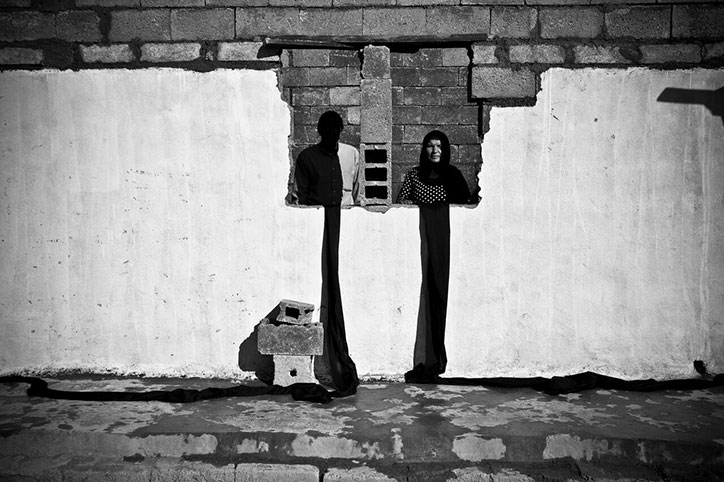
Akam Shex Hadi, Kubani
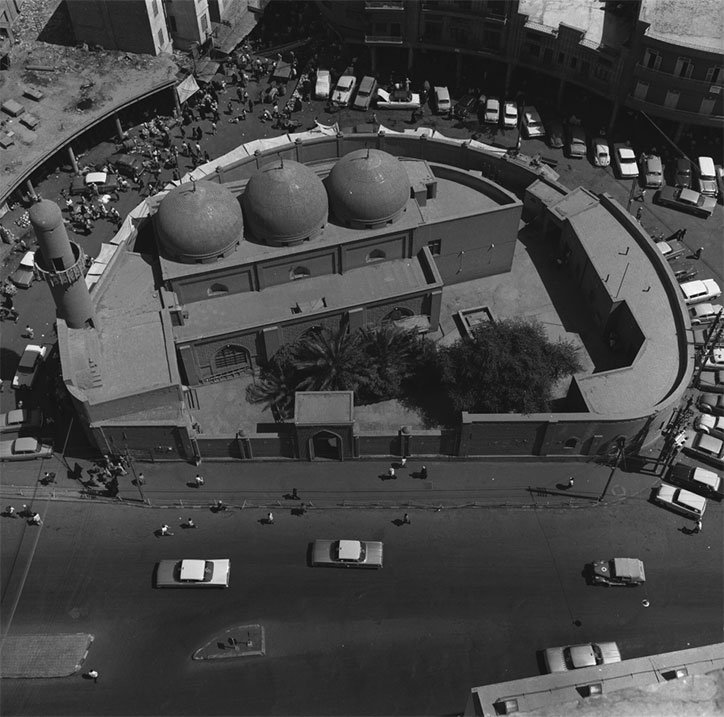
Latif Al Ani, Untitled 2, c 1960 – 65, 25 × 25 cm
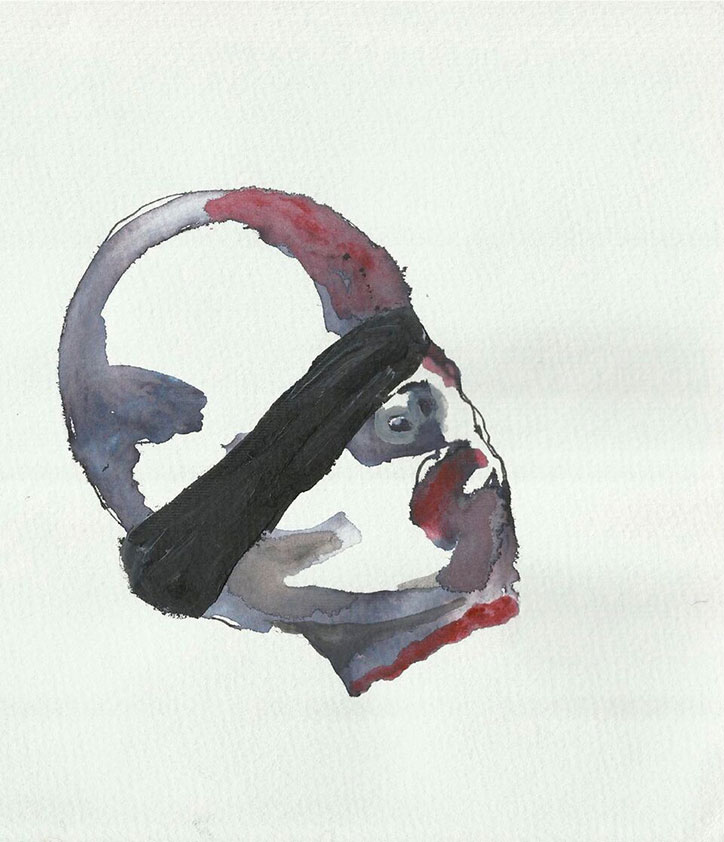
Haider Jabbar, Case
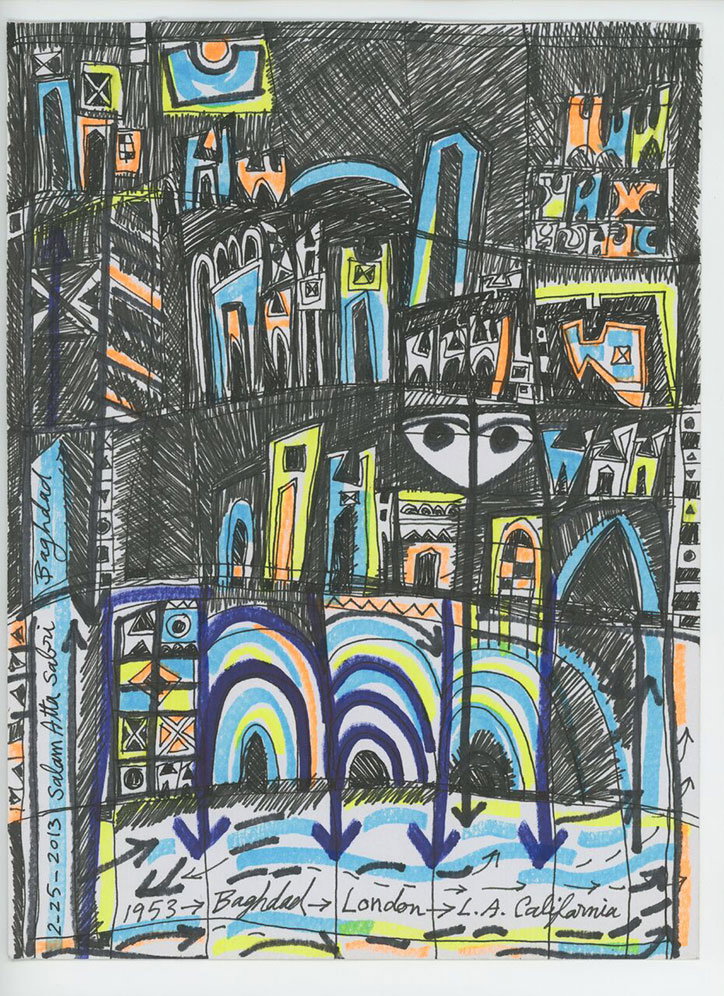
Salam Atta Sabri
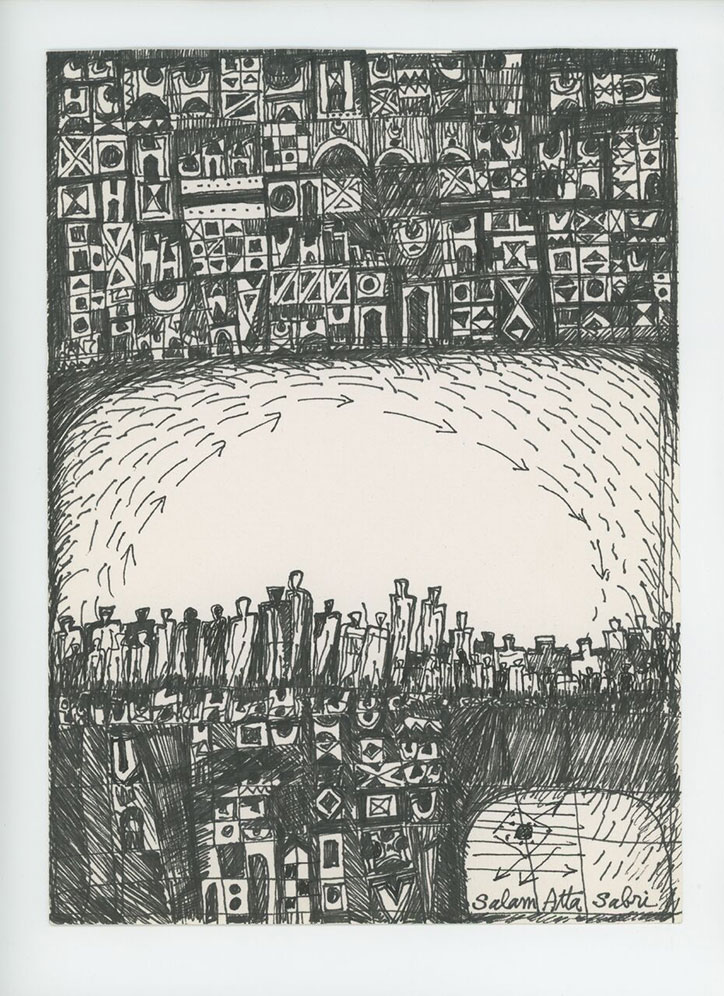
Salam Atta Sabri
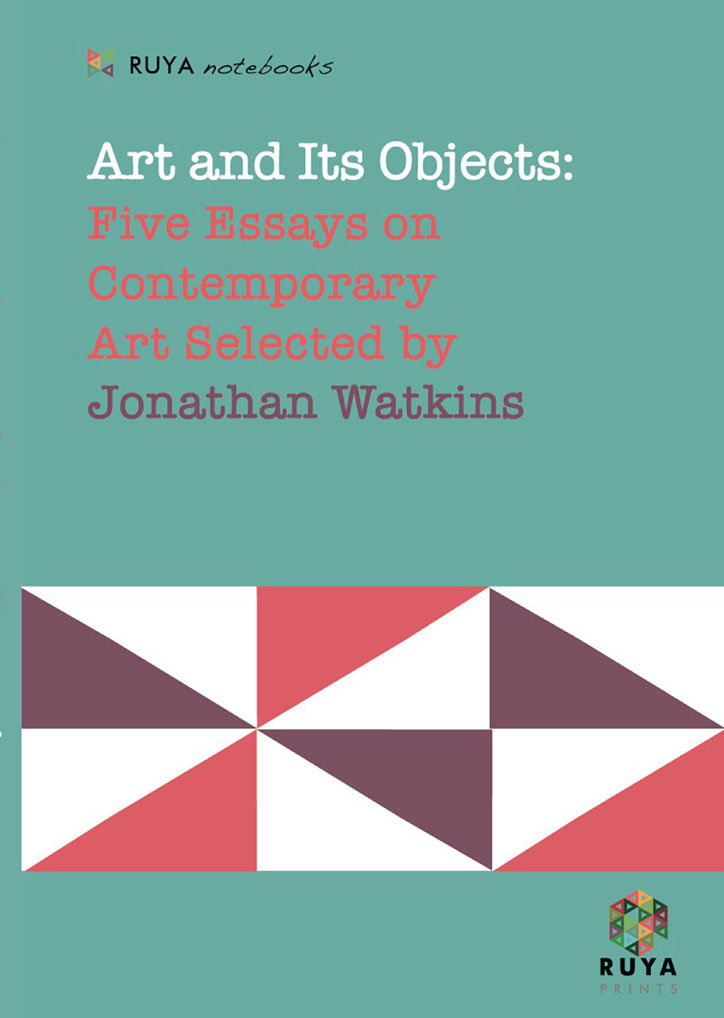
Ruya Notebooks
Share Article
Further Info
About the Author
—
Bryony joined It's Nice That as Deputy Editor in August 2016, following roles at Mother, Secret Cinema, LAW, Rollacoaster and Wonderland. She later became Acting Editor at It's Nice That, before leaving in late 2018.