What happens when kids get behind the camera? A bold new book explores
Under-documented and under valued for centuries, a new book from Four Corners on children’s photography shows the creative freedom that can flourish when adults are out of the picture.
The world is very well documented – millions of photos are taken everyday. Photography as a practice is well celebrated and critiqued, and the ‘truth’ told through the photographic lens is being challenged now more than ever. But there’s one area of photography that remains rather neglected: children’s. But it’s an area that caught the interest of Annebella Pollen, a professor of visual and material culture at the University of Brighton. “I’ve spent a long time researching the history of photography, which is often concerned with ‘firsts’,” Annebella tells It’s Nice That. “But I found myself wondering about different kinds of firsts – people’s first photographs and first cameras.”
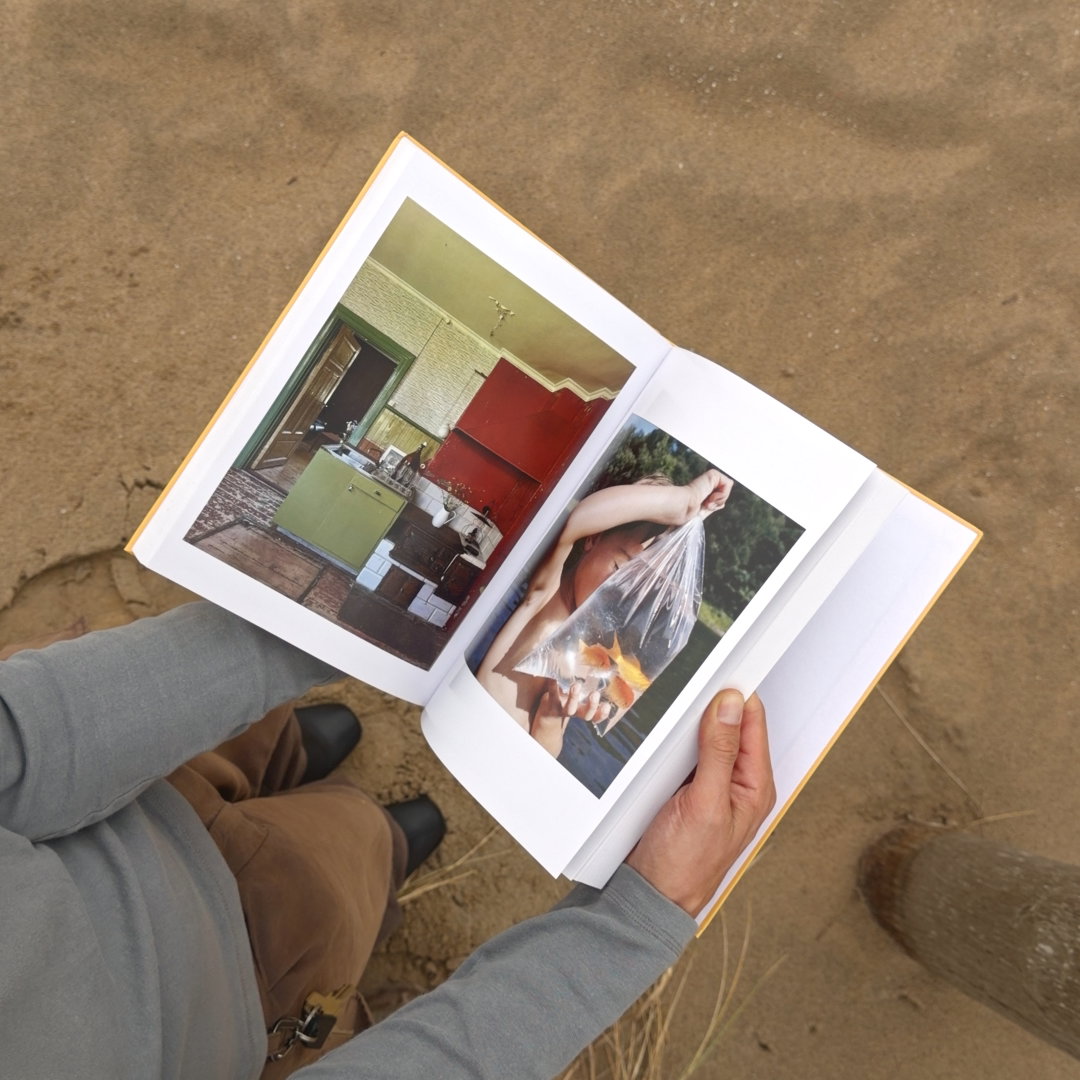
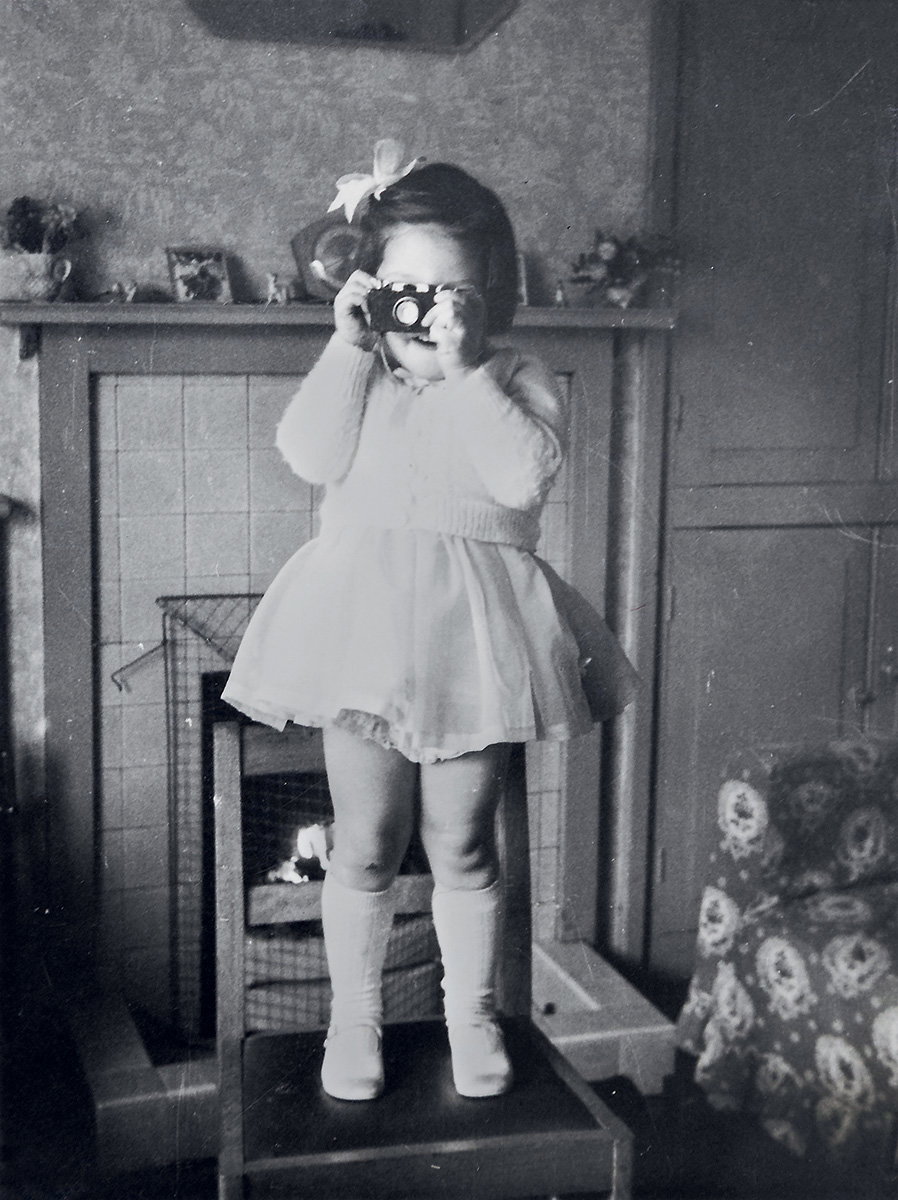
Annebella’s Four Corners-published book, Whippersnappers, beyond having an absolutely fantastic title, is an exploration of this, and depicts child photography across the ages – from the more recent history of digital cameras to late 19th-century school societies. Within that timeline, we see a microcosm of society’s shifts; whereby what once was a hobby practiced by very few became more and more accessible, to the point of abundance that we now see, all through the eyes of children. “Unlike painting or drawing by children, which has been championed by avant-garde artists for over a century, children’s photographs, where they have been considered at all, have been largely seen as inept, amateurish and inconsequential,” Annebella says. In a sense, the youth have often been overlooked in the art form, and Whippersnappers platforms a creative perspective that should be reevaluated. After all, “photography is a learned behaviour,” as Annebella explains. Most of us never formally train in it, therefore, it’s an instinctive, democratic act. And perhaps the earlier it’s explored, the less burdened or self-conscious the images are.
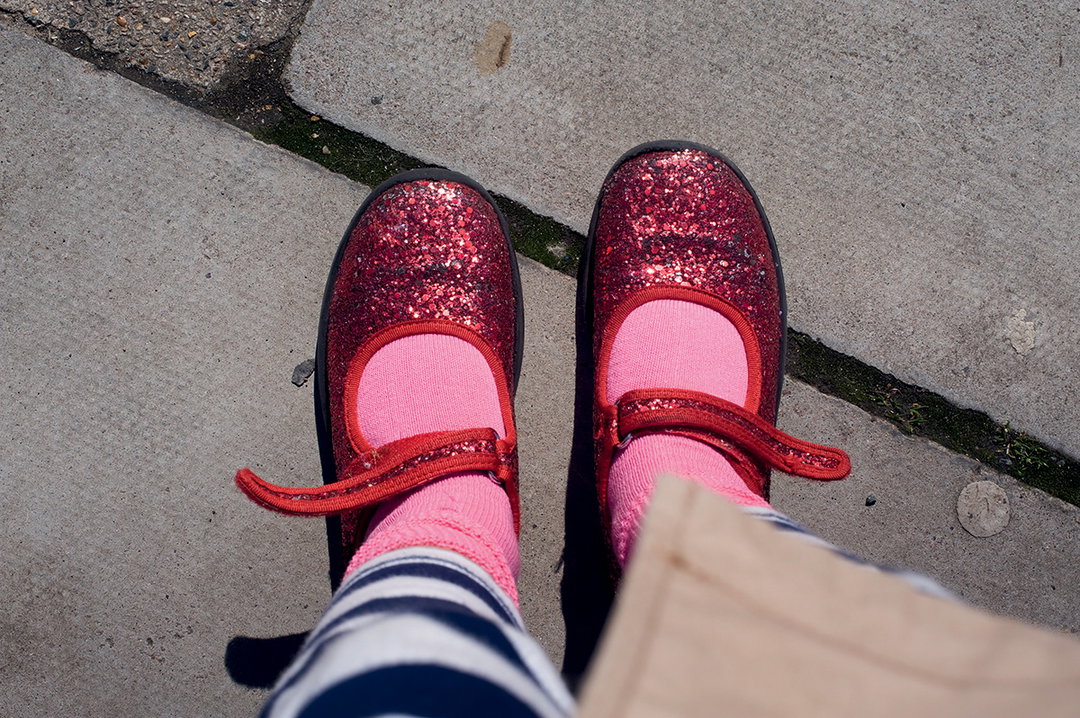
Whippersnappers: Carmen Soth
The project began when Annebella started looking for the photographs taken by children at the turn of the 20th century, after Kodak released the Box Brownie camera, which was specifically advertised and sold to children. The hunt led her to museums and school archives across the country, where she was often met by dead ends. “Museums, for the most part, have not tended to value children’s photos,” with some exceptions, she explains. “A lot of the material in the book comes from my own collection, built through decades of very cheap purchases in secondhand markets or from house clearance finds.”
Building upon this, Annebella read a lot of children’s comics and reached out to older photographers for their early images, which brought about thousands of never-before-seen childhood photos. “These offered me life stories that put photo narratives at their heart,” she says, “their photos showed me how children used cameras to express themselves as autonomous beings, separate from their parents and other adults.” With a camera, it seems that most children were left to their own devices, which granted them the space and freedom to play and make mistakes.
In 1999, children aged seven, 11 and 15 were recruited by Kodak for a research project, where they were freely given disposable cameras that they could do whatever they wanted with. “Those children spoke about the photos they took,” Annebella says, “with friends flicking V-signs and baring their bottoms; dogs dressed up in sunglasses and hats.” In this project alone, we see how children, when granted the space, positioned themselves in opposition to adults, “whose photography they found too ‘proper’,” she suggests. “The permissiveness meant that they felt enabled to dispose of planning, posing and other parental photographic norms, their excitement, spontaneity and play remain inspiring,” Annebella ends.
Whippersnappers: How Children Became Photographers by Annebella Pollen, is published by Four Corners Books.
Snap Happy! How Children Became Photographers curated by Annebella Pollen, is at The Photographers’ Gallery from 14 October 2026 – 21 February 2027.
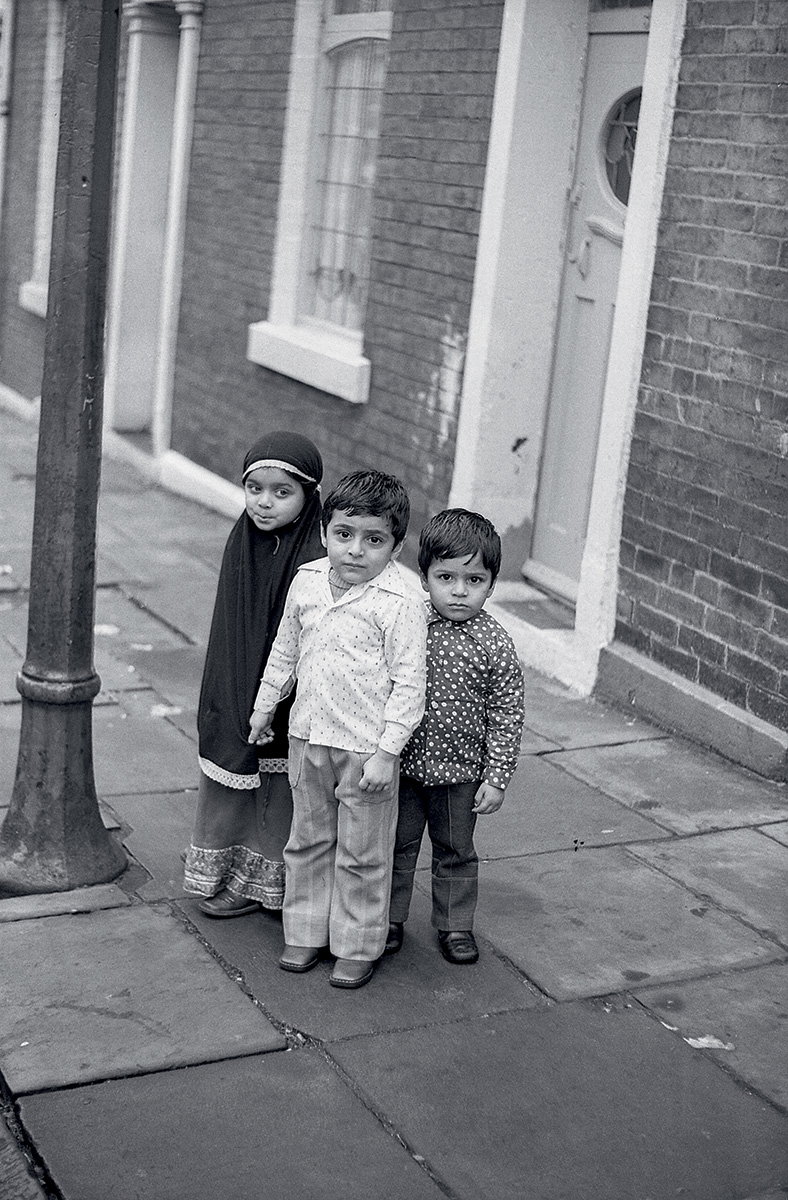
Whippersnappers: Roger Bracewell, Photo from Cotton Town series Blackburn
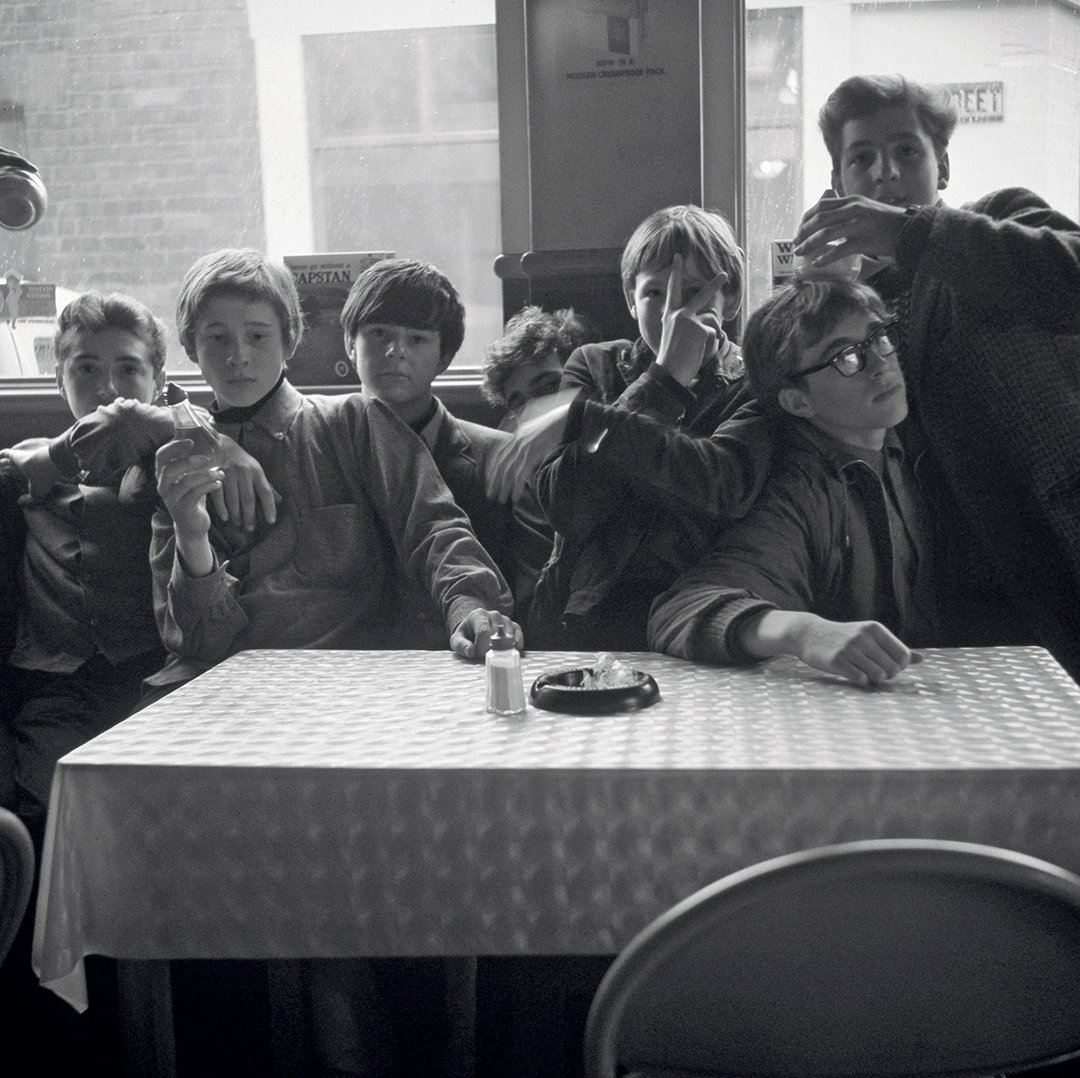
Whippersnappers: Robert Cooper, untitled
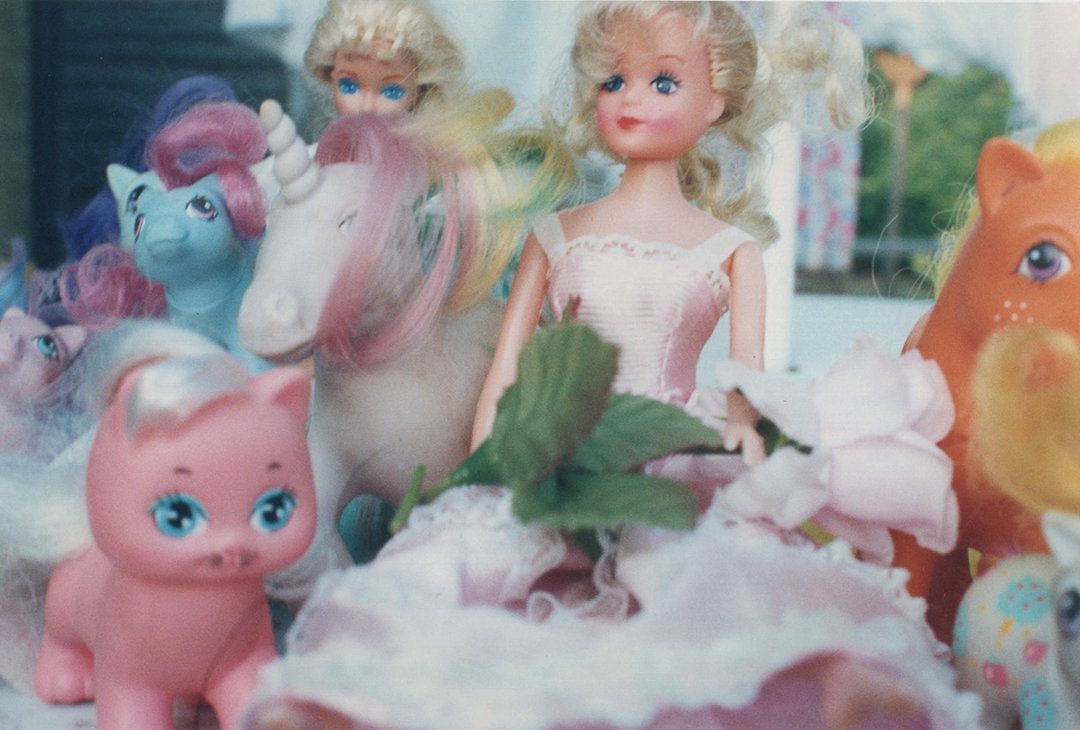
Whippersnappers: Astrid Boorman, Toys
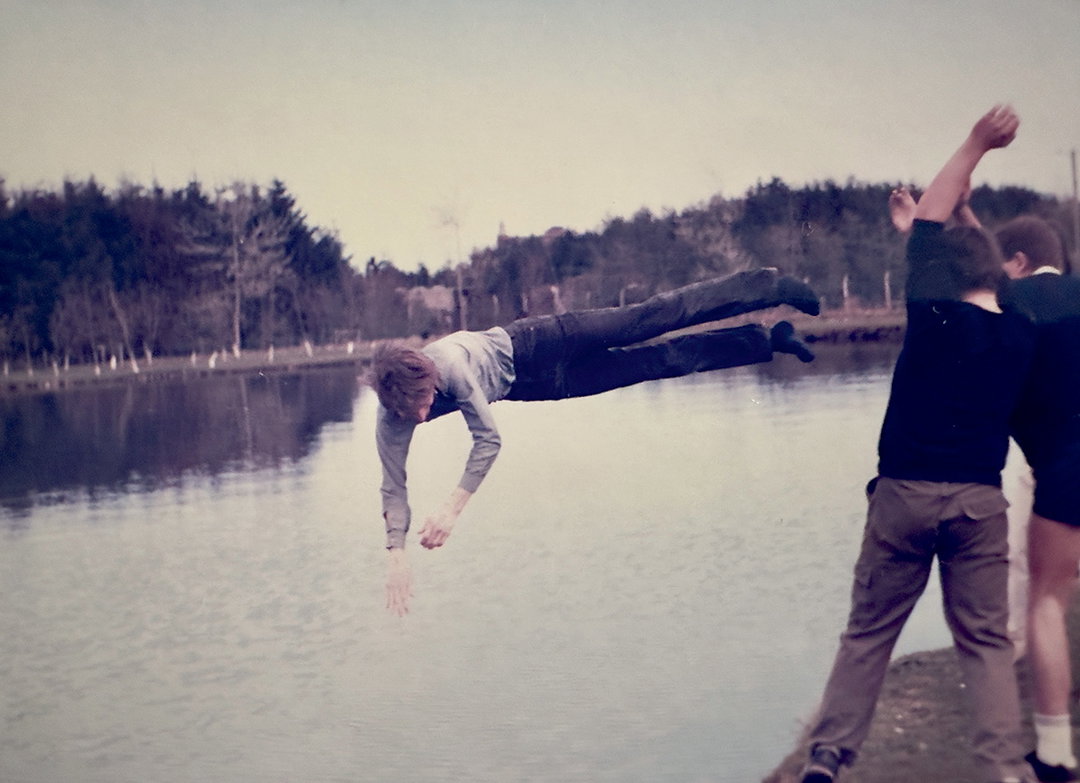
Whippersnappers: Clive Watkins, Thrown in the Pond
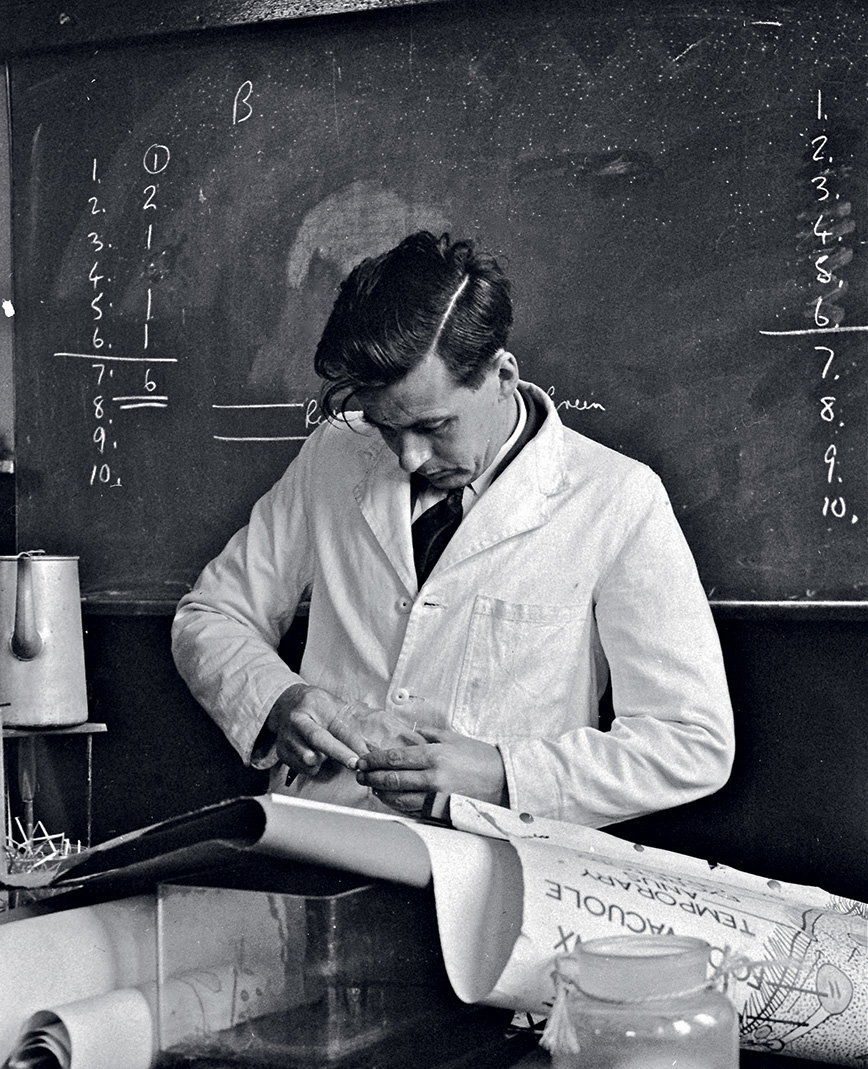
Whippersnappers: Allan Dodds, Teacher portrait, 1950s
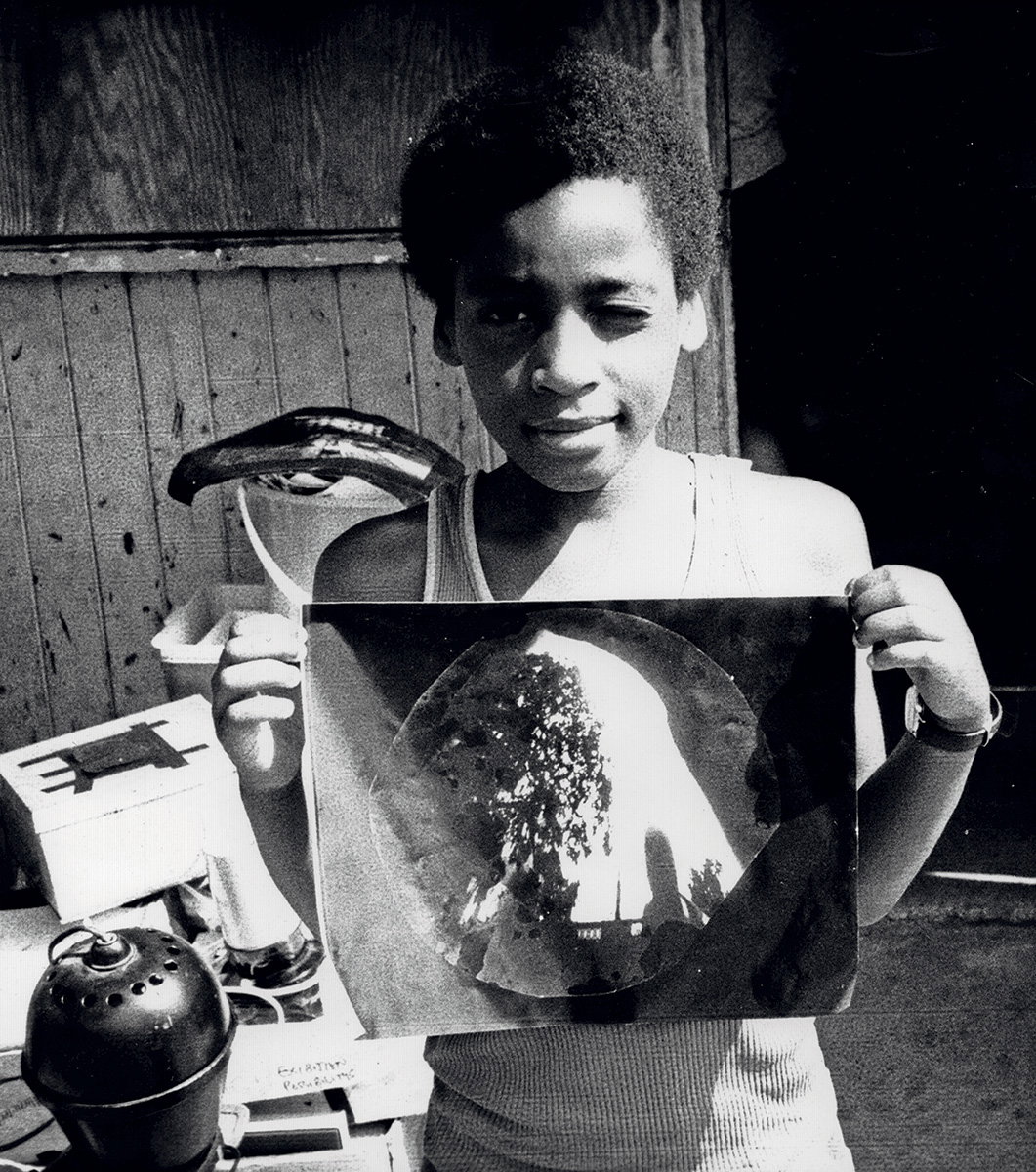
Whippersnappers: South Island, pinhole, 1970s
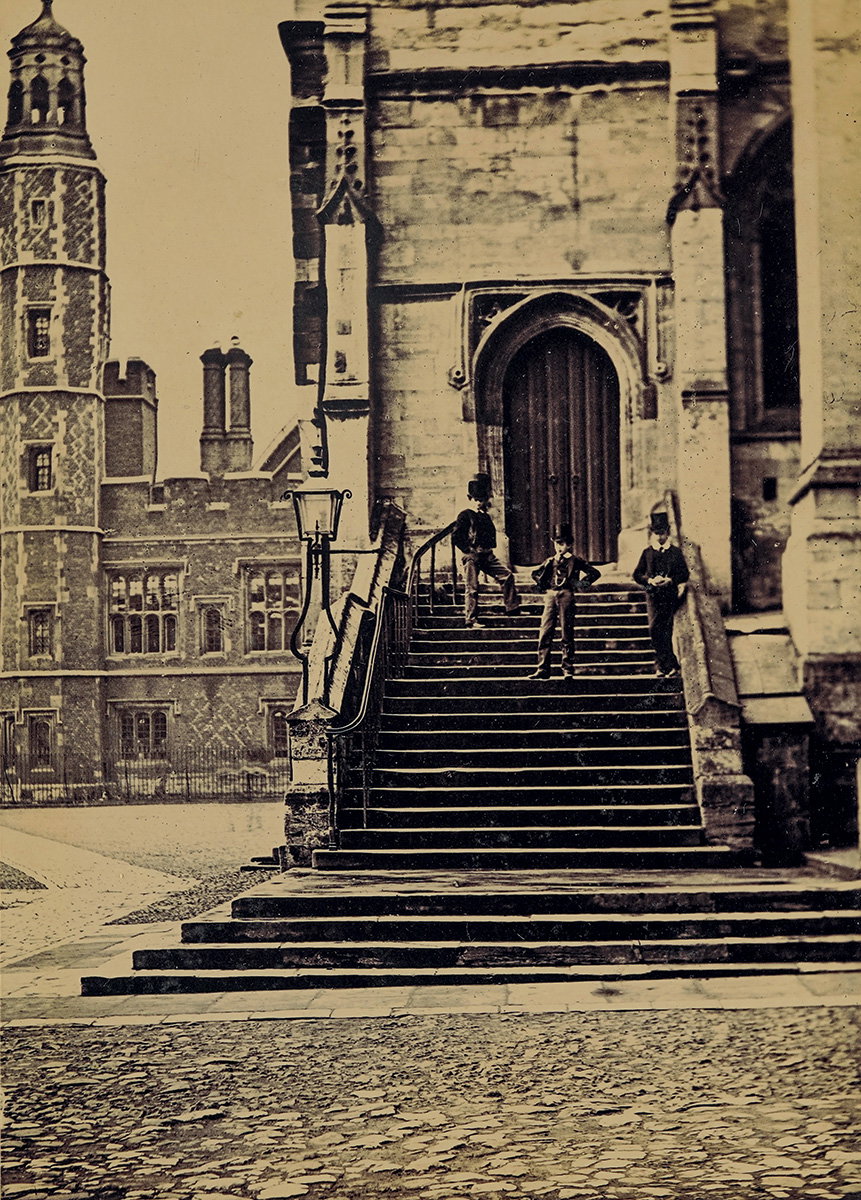
Whippersnappers: RH Porter, Eton, 1892
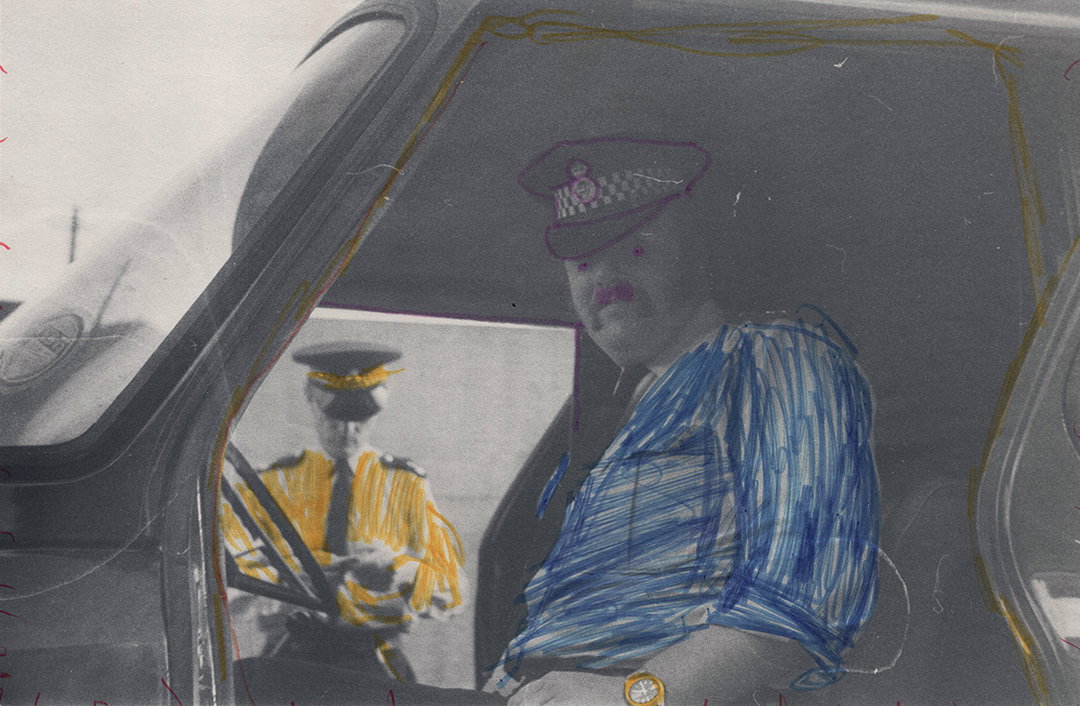
Whippersnappers: South Island, hand coloured, 1970s
Hero Header
Whippersnappers: Photograph of Rose Atkinson, taken by her father, 1963
Share Article
About the Author
—
Hailing from the West Midlands, and having originally joined It’s Nice That as an editorial assistant in March 2020, Harry is a freelance writer and designer – running his own independent practice, as well as being one-half of the Studio Ground Floor.