Gary Grimes on the poisoned chalice of fictionalising artists on the big screen
As Kid Cudi announces yet another cinematic retelling of Basquiat’s life, It’s Nice That’s culture columnist Gary Grimes examines why artist biopics rarely seem to fly as high as the subjects they deal with.
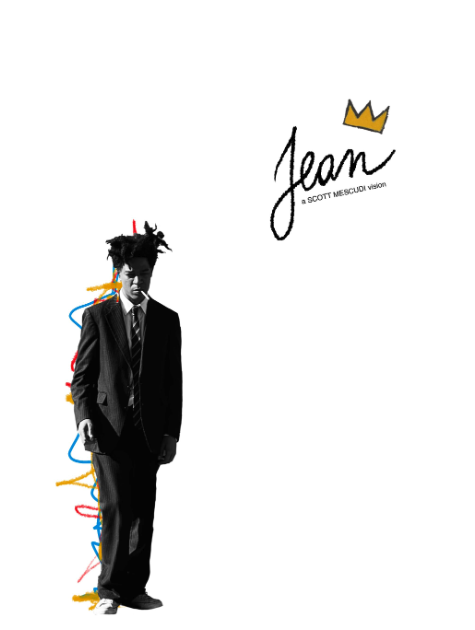
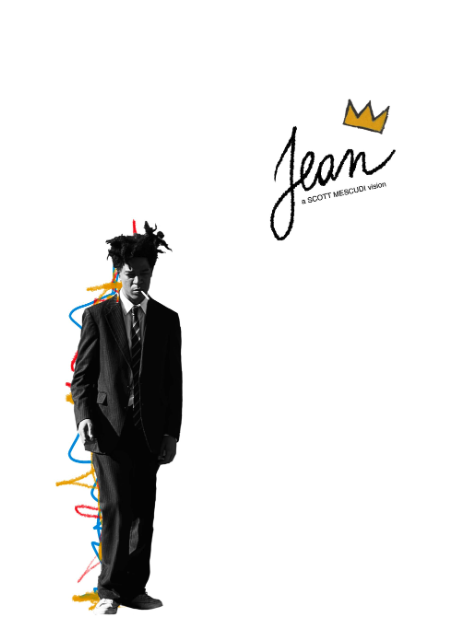
When Kid Cudi announced in late October that he will write and star in an upcoming biopic of the late artist Jean-Michel Basquiat, he did so with an Instagram post in which he wrote: “I know a lot of yall gon be like finally.” The rapper seems to be referring to the fact that, so he claims, he has been asked to play Basquiat on screen for years. Ever the optimist is Cudi, but I can’t help suspect that many people’s reactions to news of the film may have been more along the lines of: ‘Another one?’.
Basquiat, who rose to fame in the 1980s New York art scene, first as a graffiti artist and later as a celebrated painter, has been the subject of numerous films since his untimely death at the age of 27 in 1988. In the preceding years, there have been six documentaries. The most recent, Jean-Michel, directed by Quinn Whitney Wilson and Viridiana Lieberman, premiered just months ago at the Tribeca Film Festival and is set to land on Netflix next month. Perhaps more astonishingly, at the time of writing, there are no fewer than four yet-to-be-released biopics in the pipeline, now including Cudi’s hopeful auteur statement on the artist.
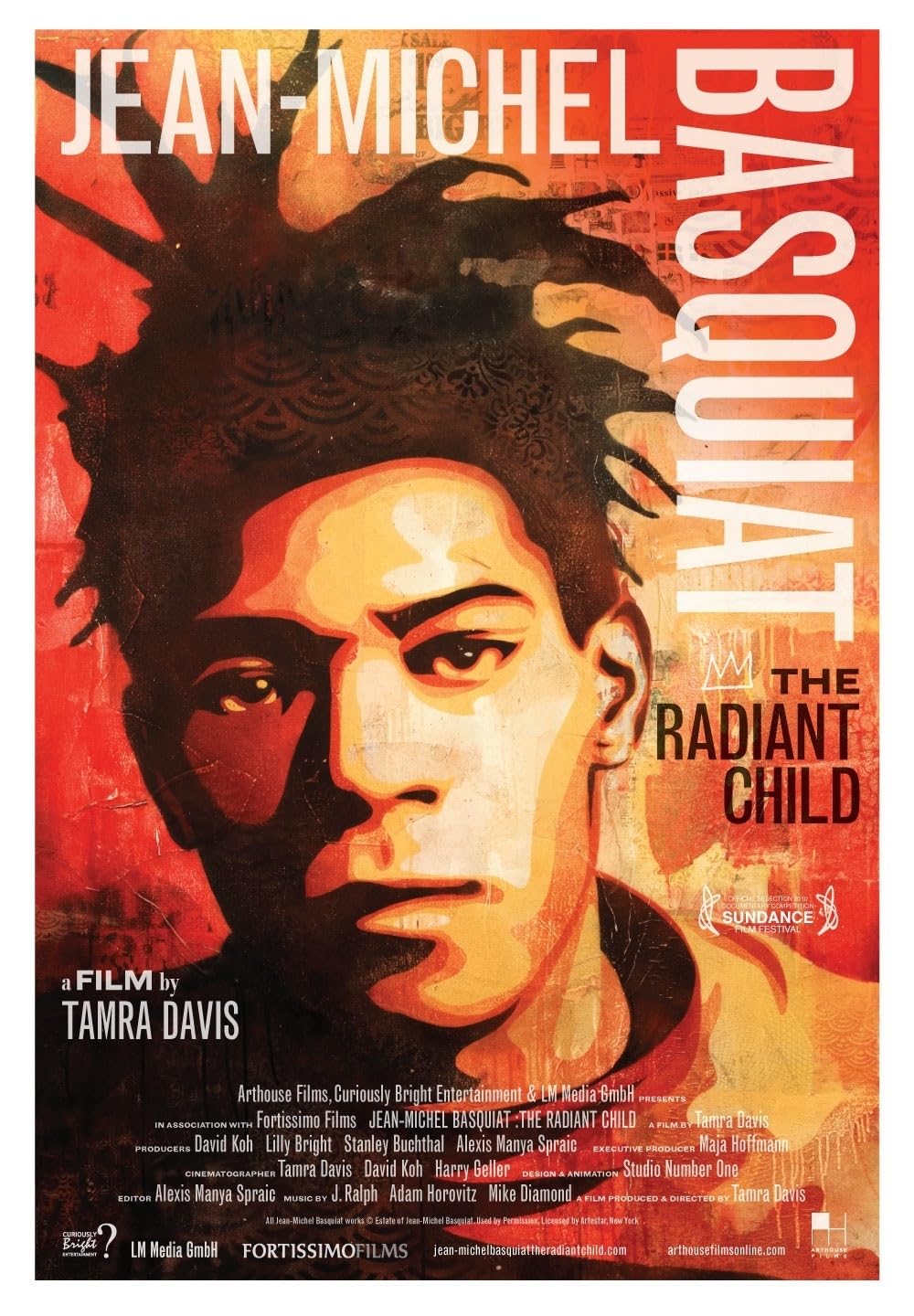
Jean Michael Basquiat (Copyright © Netflix)
Basquiat (Copyright © Miramax Films)
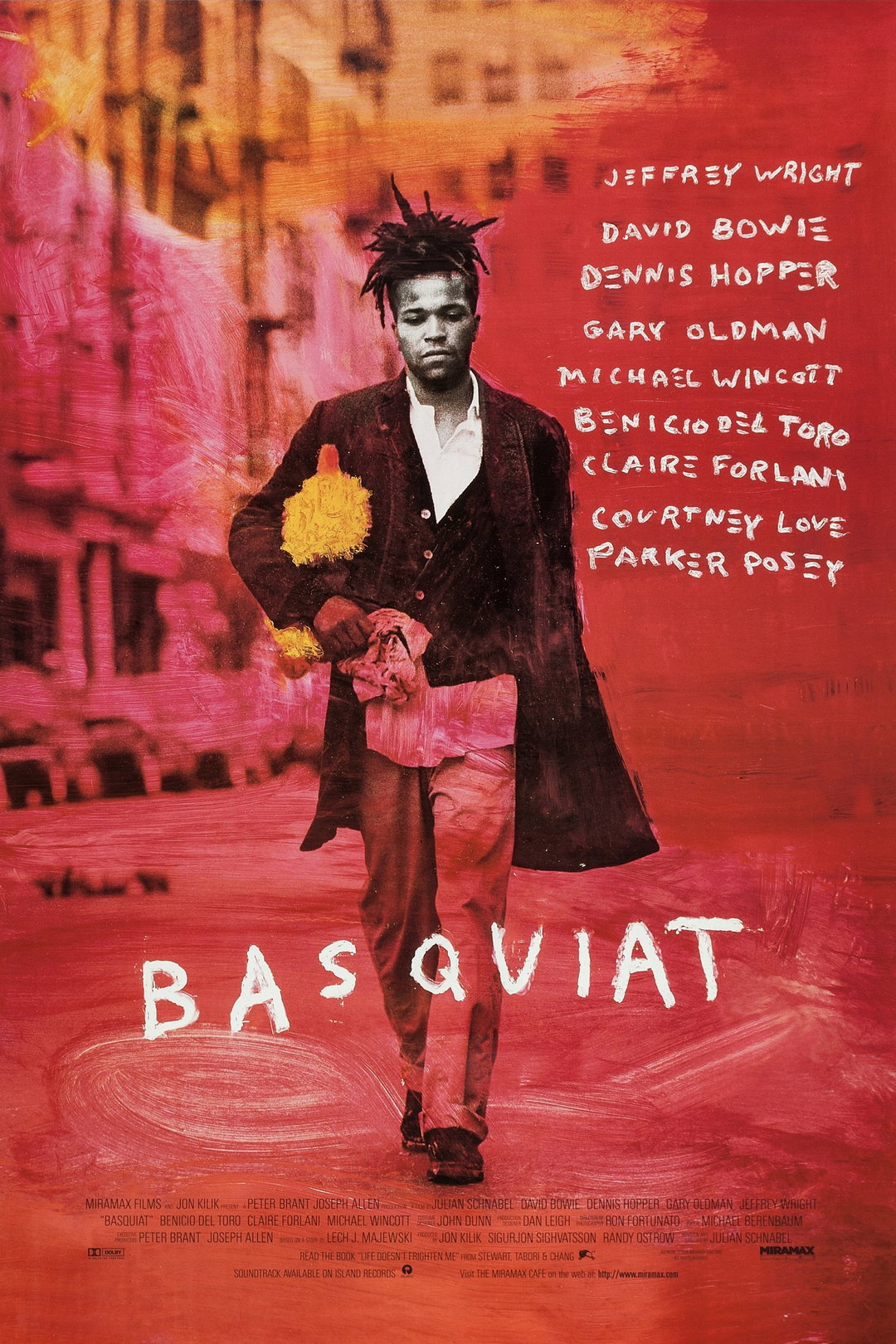
Basquiat (Copyright © Miramax Films)
All of these will follow Basquiat, the first film based on the artist’s life, written and directed by his contemporary, the famed painter Julian Schnabel, starring a young Jeffrey Wright as Basquiat and David Bowie as his friend and mentor Andy Warhol. Schnabel’s stylish but oft-criticised telling of the artist’s life is arguably one of the most famous films about an artist, released in 1996. Around the time of the film’s premiere, Roberta Smith, then-art critic for The New York Times, argued that if the 80s required the art world to get used to seeing itself reflected through profiles in ‘glossy’ magazines, the 90s called for it to become “accustomed to seeing itself ascend to the big screen”. She certainly had a point, as later that decade, and beyond, we saw Hollywood attempt to tell the stories of countless visual artists… to varying degrees of success.
“If you’re electing to make a film about Basquiat or Warhol, you’re automatically inviting a cavalcade of potentially scene-stealing stars, eager for the opportunity to play the icons who orbited these luminaries.”
Gary Grimes
From Salma Hayek’s take on Frida Kahlo, to Colin Firth’s interpretation of Johannes Vermeer to truly endless depictions of Andy Warhol, it seems tinsel town can’t get enough of the art world – though it is not always easy to know why, as these films seldom transpire to be box office gold. So what gives? What accounts for the enduring allure of the visual artist to filmmakers, and why do these films so rarely do justice to their rich subjects?
Part of what attracts directors to artists is the cast of colourful, eccentric and sometimes glamorous characters which typically surround them. Most of history’s most iconic artists are part of a broader ‘scene’ and so by selecting a lynchpin of the scene to focus on, so too comes the chance to depict their contemporaries. If you’re electing to make a film about Basquiat or Warhol, you’re automatically inviting a cavalcade of potentially scene-stealing stars, eager for the opportunity to play the icons who orbited these luminaries. Suddenly, supporting roles like Madonna, Edie Sedgewick, Lou Reed, Keith Haring, Mick Jagger or Candy Darling are up for grabs. It’s an enticing prospect for an actor who might possess the good wisdom to decline a starring role in a potential box office bomb, but a strong enough desire to flex their good taste and appreciation for art to warrant a day’s work on a Factory-style set. Dalíland, the 2022 Salvador Dalí biopic starring Ben Kingsley, is a great example of this. It afforded director Mary Harron (who previously directed the 1996 Warhol flick I Shot Andy Warhol) the chance to depict stars like Amanda Lear and Alice Cooper in all their glory.
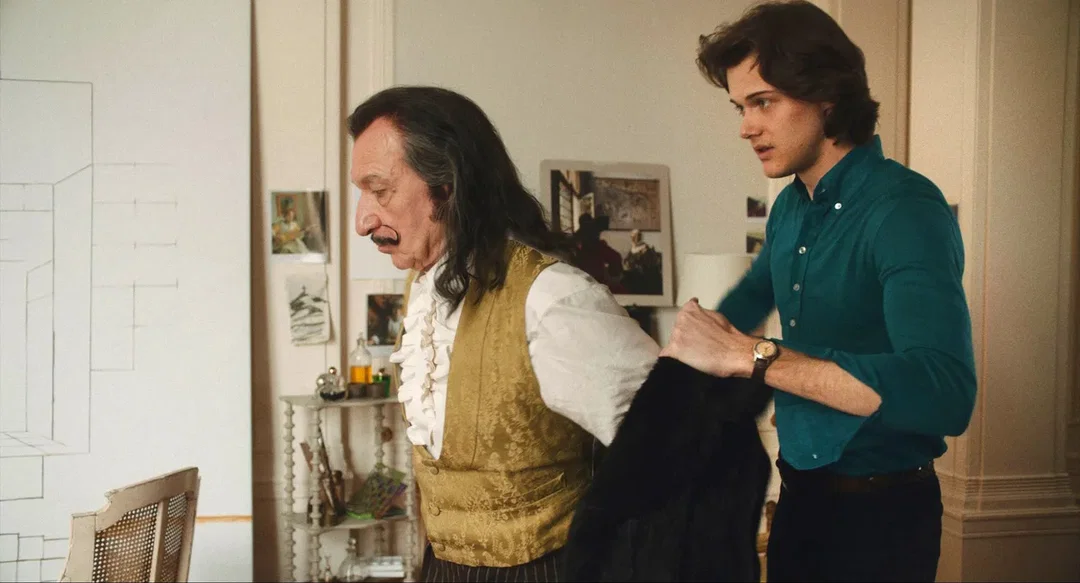
Dalíland (Copyright © Pressman Films)
“Biopics of revolutionary artists give actors and directors the chance to [...] forever associate themselves with the visionaries they immortalise on screen.”
Gary Grimes
The artist biopic also presents the opportunity to experiment with structure and style, though often these experimentations present their own challenges. Filmmakers can either attempt to tackle an artist’s entire sprawling life, or, a specific vignette, sometimes centred around the creation of one particular work. The latter approach was seen in the recent Lucian Freud film Moss & Freud, which covers only the months the British painter spent working on a portrait of a pregnant Kate Moss. The trouble with this approach is that the creation of most forms of visual art is slow, quiet, and, at least in cinematic terms, rather dull. In Peter Hujar’s Day, also released this year, Ira Sachs used a transcript of the late photographer recounting just one random day of his life to friend and writer Linda Rosenkrantz. While it makes for a cosy, stylish watch, it is unlikely to inspire repeat viewings.
Of course, the film industry is powered by egos and career-savvy actors, which undoubtedly play a part in driving these projects to the big screen. Like pop stars who employ painters to create their album covers, biopics of revolutionary artists give actors and directors the chance to place their work on a plinth, and forever associate themselves with the visionaries they immortalise on screen. Salma Hayek spoke on many occasions about her desire to play Frida Kahlo in the 2002 film Frida, which she also produced, in part because of her desire to be taken more seriously as an actress and dig herself out of the buxom Latina temptress pigeonhole, where the sexist film industry seemed determined she ought to remain. Ed Harris said he saw himself in the famed tortured artist Jackson Pollock, who he played and directed himself in Pollock, the 2000 film for which he won an Oscar, as he recognised a shared low self worth and a troubling relationship with alcohol.
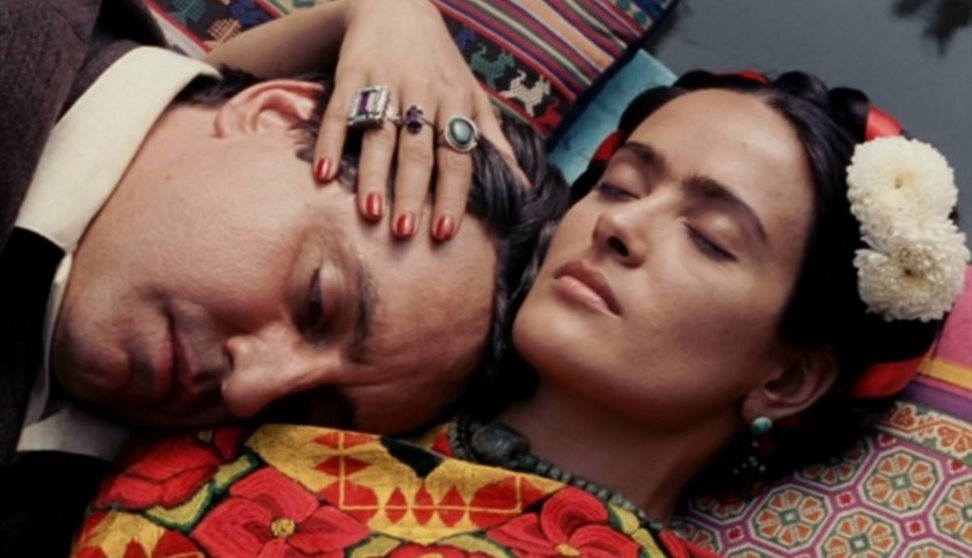
Frida (Copyright © Miramax Films)
“If Schnabel’s film was a picture of an artist by an artist, Cudi’s will be a picture of an artist by a fanboy.”
Gary Grimes
When it came to Julian Schnabel tasking himself with telling Basquiat’s story, he didn’t need to draw vague lines between himself and his subject as he was a legitimate peer of Jean-Michel’s, with both artists being born out of the same downtown NYC epicentre of contemporary art in the 80s. Even so, he did not escape the scoffing of critics, some of whom accused the multidisciplinary artist of revealing an inherent envy for his subject. This was evidenced by his choice to include a deified, but fictionalised, version of himself in the script, in the character of Albert Milo, and feature his own paintings throughout a film which purported to honour his friend. “In every shot Schnabel worked hard to dismantle the Basquiat aura,” wrote the acclaimed art critic Okwui Enwezor in a 1997 issue of Frieze. “Rubbing it out with each frame of the picture as if to punish his ‘friend’ for having died young and claimed the trophy of immortality first.”
If Schnabel’s film was a picture of an artist by an artist, Cudi’s will be a picture of an artist by a fanboy, of which he is now one of many amongst his peers in contemporary music and film. Thanks in no small part to Basquiat becoming something of an obsession of Jay-Z’s in recent years, the artist’s fame and legacy has swollen to unprecedented heights in the 21st century. In 2017, his Untitled painting of a skull sold for $110.5 million, the highest price ever paid at auction for a work by an American artist at that time. With more eyes on Basquiat than ever, and stiff competition, I hope Cudi knows what he’s up against as he attempts to tackle this complicated artist’s life story. As many before him can attest, it is often quite a thankless task.
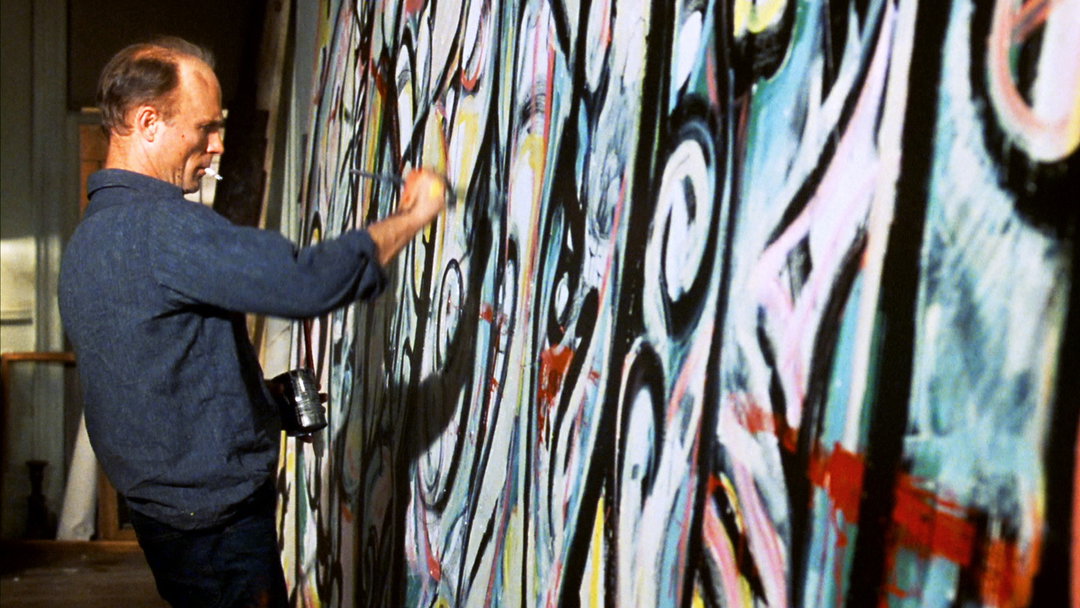
Pollock (Copyright © Sony Pictures Classics)
Hero Header
Jean (Copyright © Kid Cudi)
Share Article
Further Info
About the Author
—
Gary Grimes is a writer and publicist based in London. He typically writes about visual art and pop culture, and his work has appeared in titles including British Vogue, Rolling Stone, W, Interview, The Economist, TimeOut, The Fence, Wallpaper* and more.