In northern India, Bharat Sikka photographs the Khasi people’s deep understanding of nature
From weaving canes of bamboo to the roots of giant trees, they know how to work with and as part of their local ecosystem.
Share
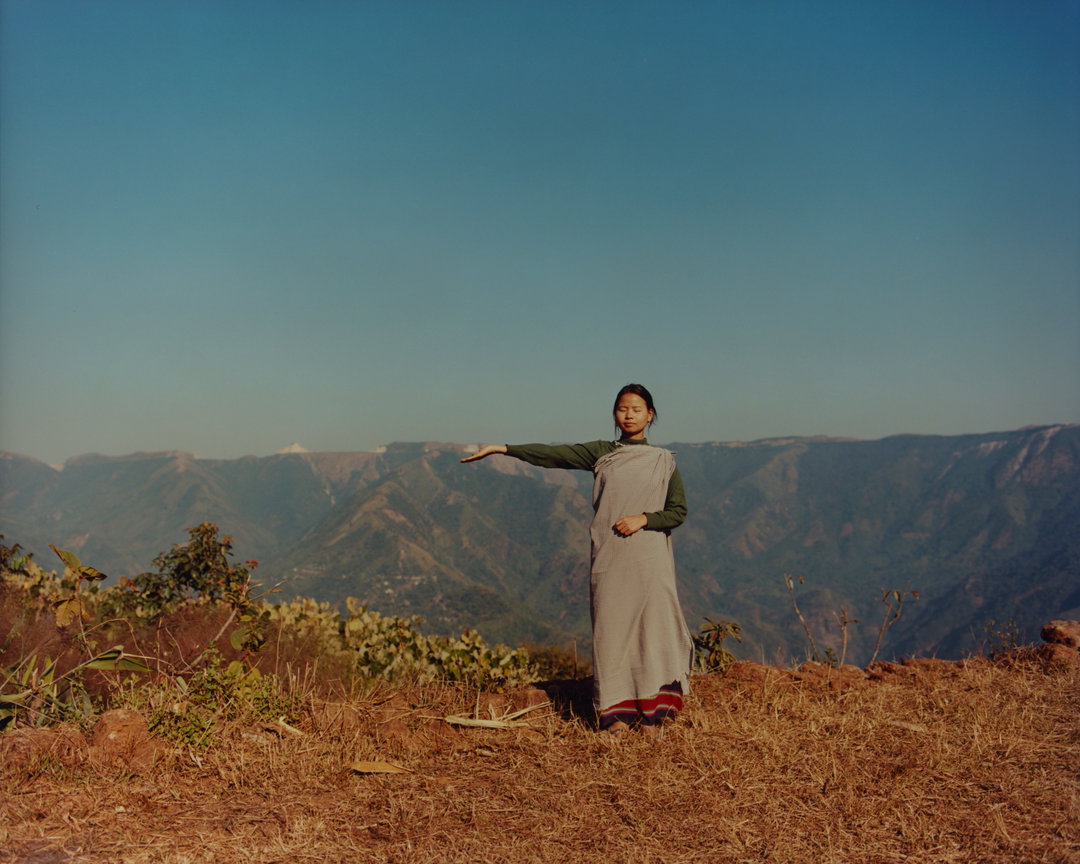
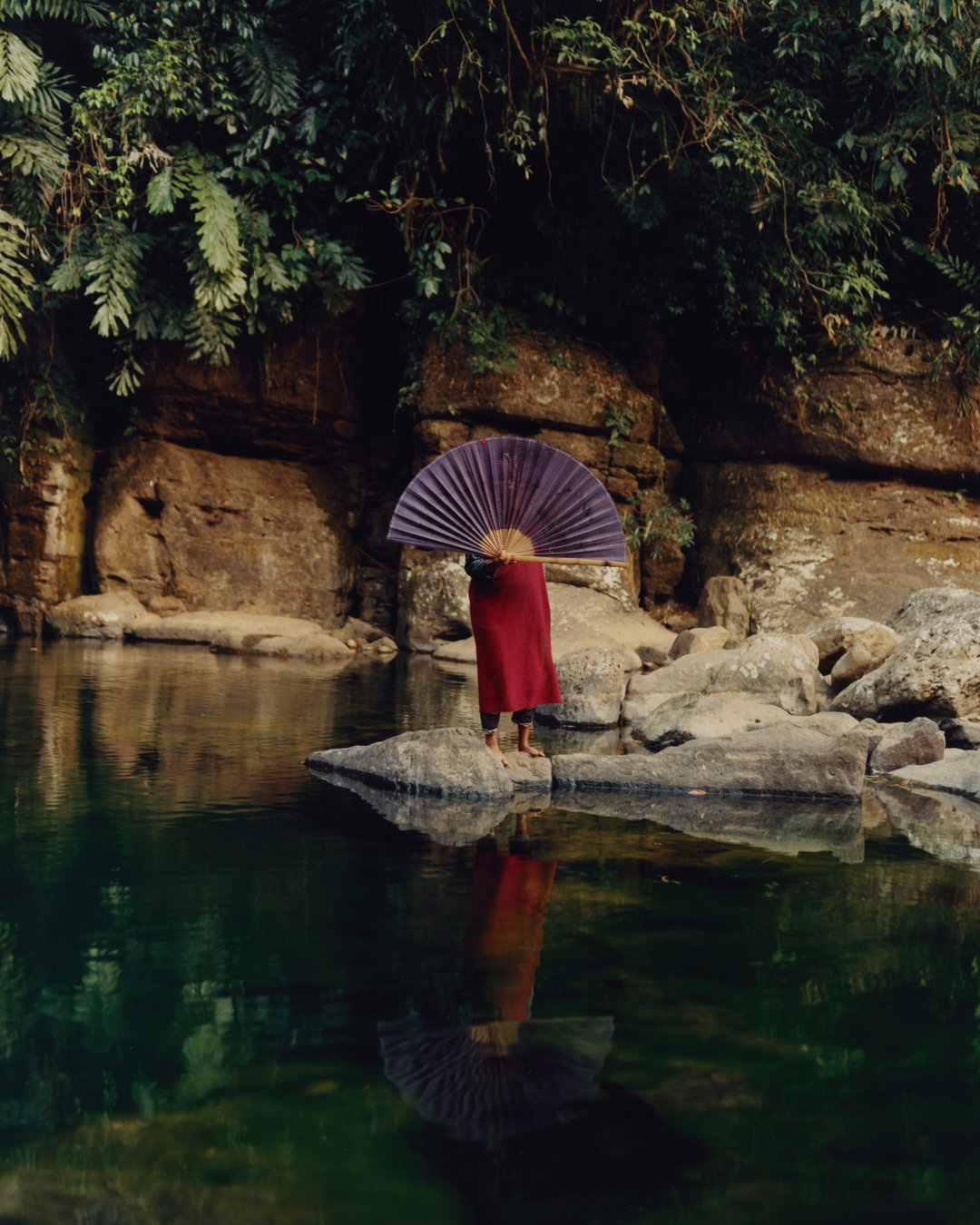
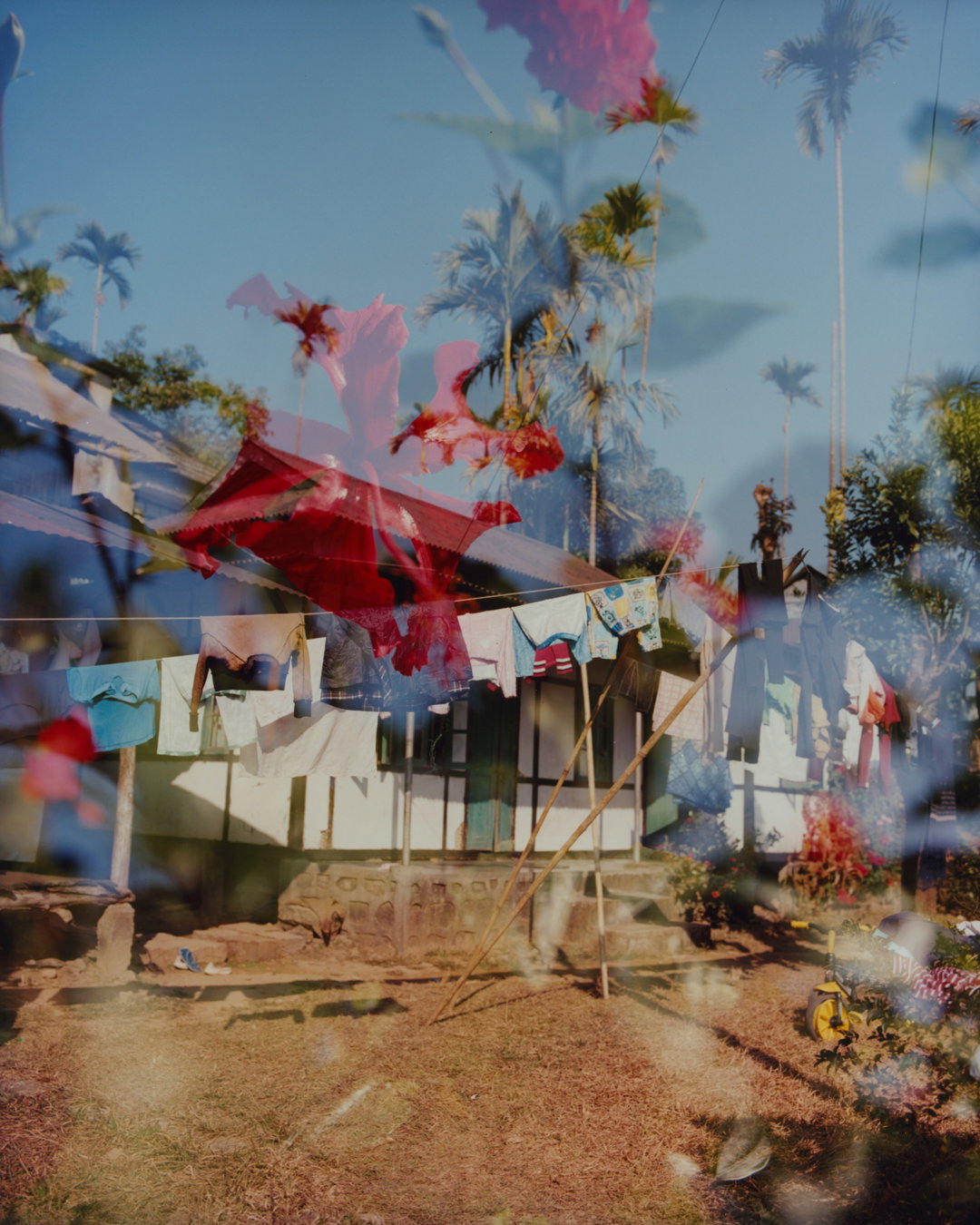
For Volume 8 of Atmos, a magazine about climate and culture, Indian photographer Bharat Sikka shot a series on the ancient Khasi tribes of his country. Located in the state of Meghalaya in northern India, the Khasis are one of the world’s few remaining matriarchal tribes, passing property and last name down from the mother. In Kongthong, a village in Meghalaya that Bharat visited for the series, residents even refer to each other using a tune that is given to them by their mother at birth, creating a melodic exchange between members of the tribes.
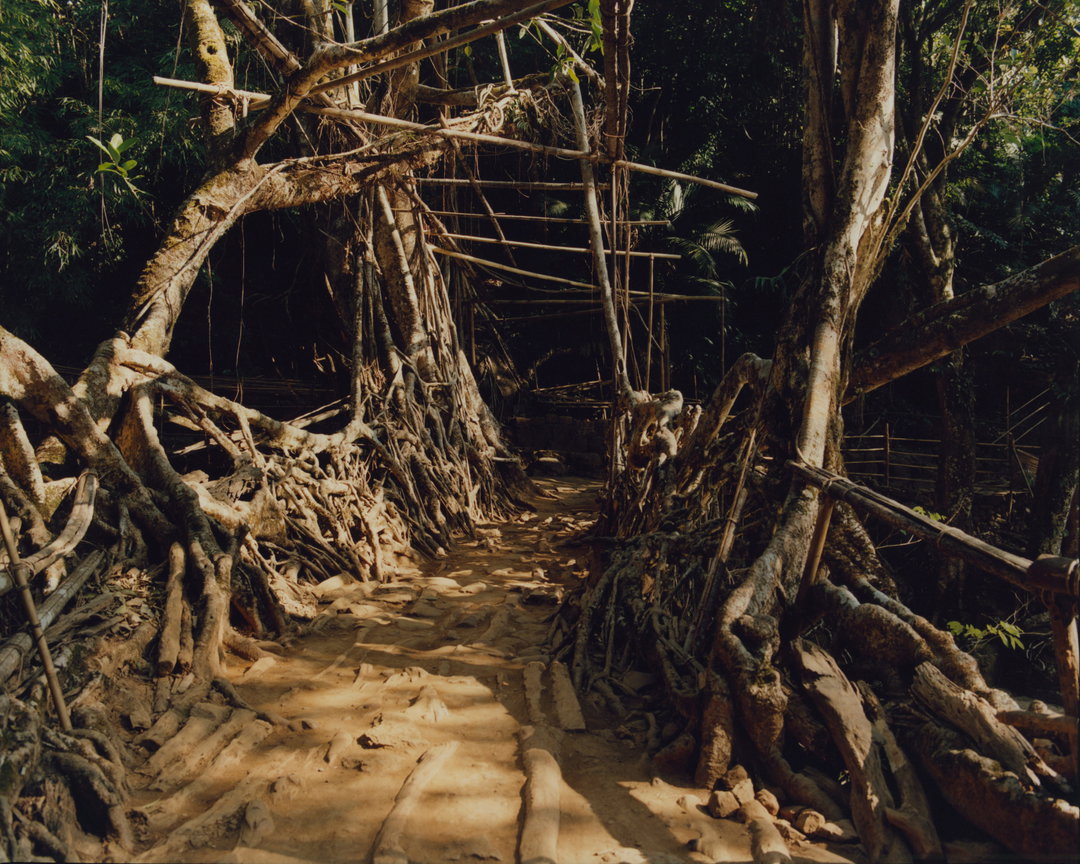
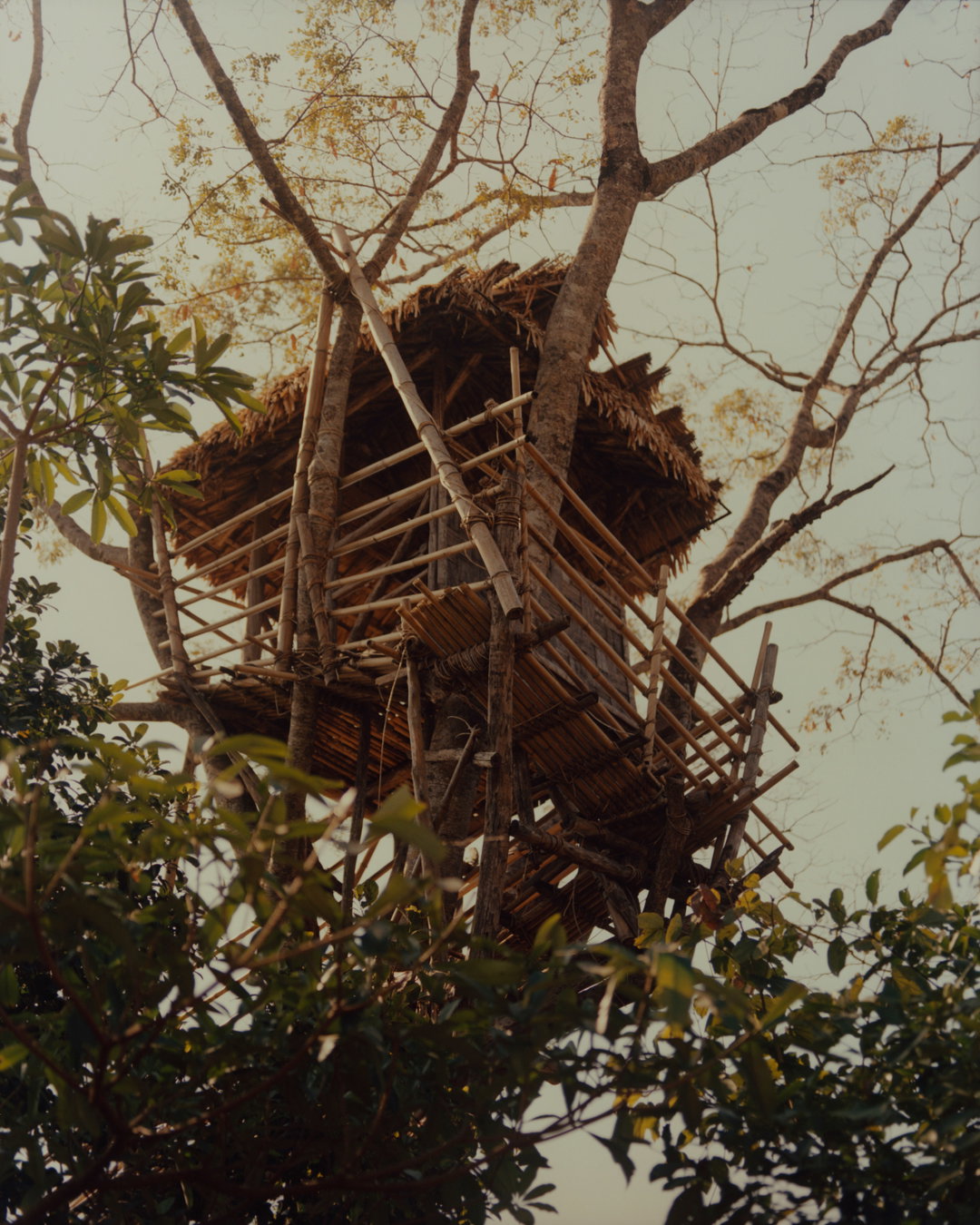
Beyond this, the Khasis, like many indigenous peoples, are known for their intimate connection with nature and their surroundings. Most notably, the tribes in the area engage in an age-old tradition of tree shaping. As the name would suggest, this craft involves using living trees and other plants as a medium for creating structures and works of art. This method is shared by many groups and communities around the world, however in Meghalaya, it has resulted in particularly astonishing displays of craftsmanship.
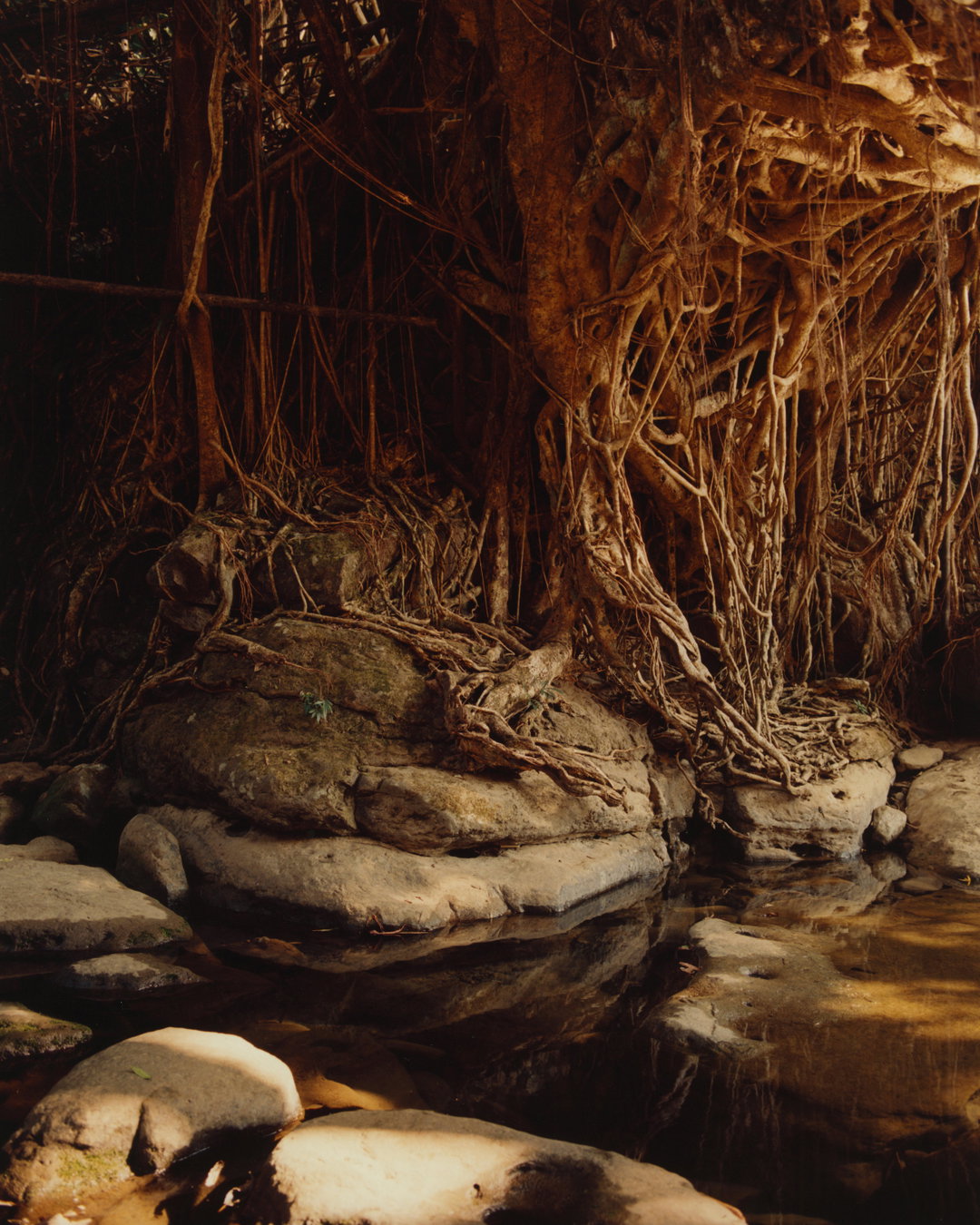
Nestled deep in the state’s ancient forests are beautiful living root bridges which have been carefully shaped over the course of hundreds of years. Made from the aerial roots of rubber fig trees, they provide safe passage over rivers that can be otherwise difficult to cross. This ingenious practice has been passed down from generation to generation, though the Khasi people cannot recall exactly when it began. However, according to their mythology, their ancestors descended from a living roots ladder that bridged the gap between heaven and earth long ago.

Bharat Sikka: Sylvan Symphony for Atmos (Copyright © Bharat Sikka, 2023)
These fascinating bridges were one of many traditional aspects of Khasi life and culture that Bharat wanted to capture for the series. Recalling the experience, he says “I wanted to immerse myself in the subject matter, capturing various aspects of the Khasi tribes’ way of life and their harmonious relationship with nature. The duration of the series spanned around a week to 10 days, and I strived to cover as much ground as possible and authentically represent their culture, but this is not really possible in such little time.”
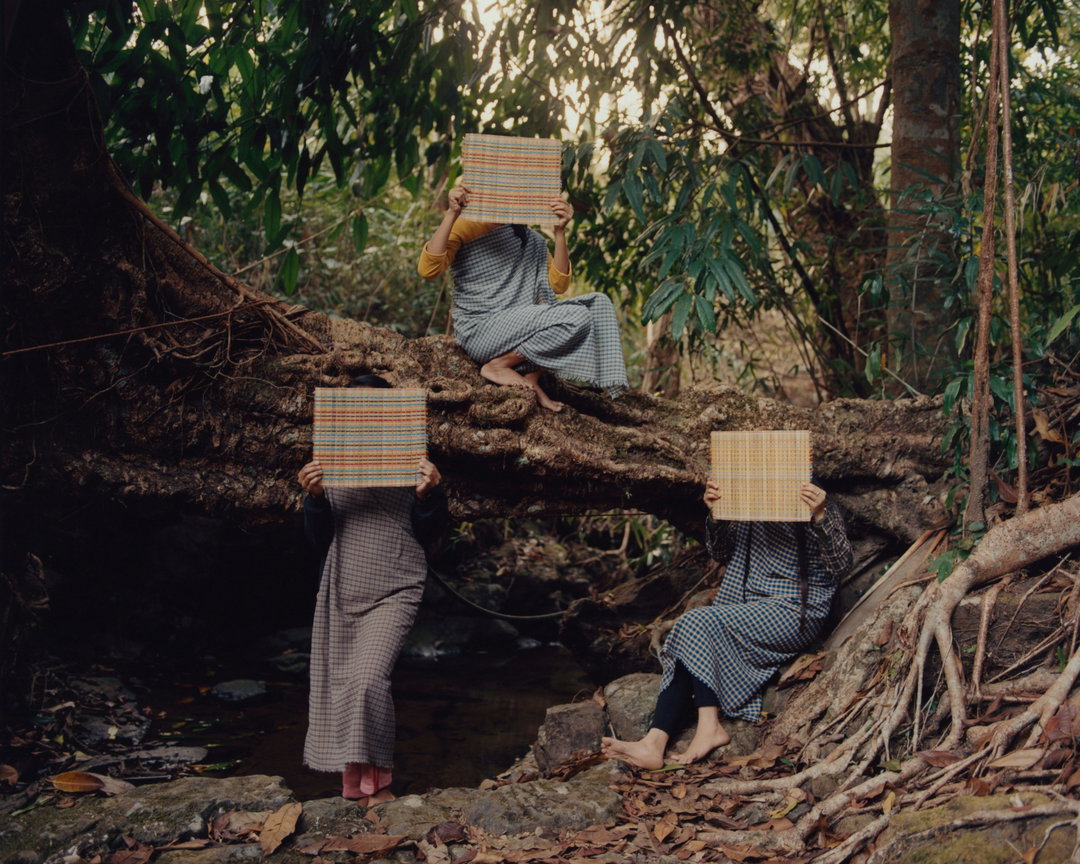
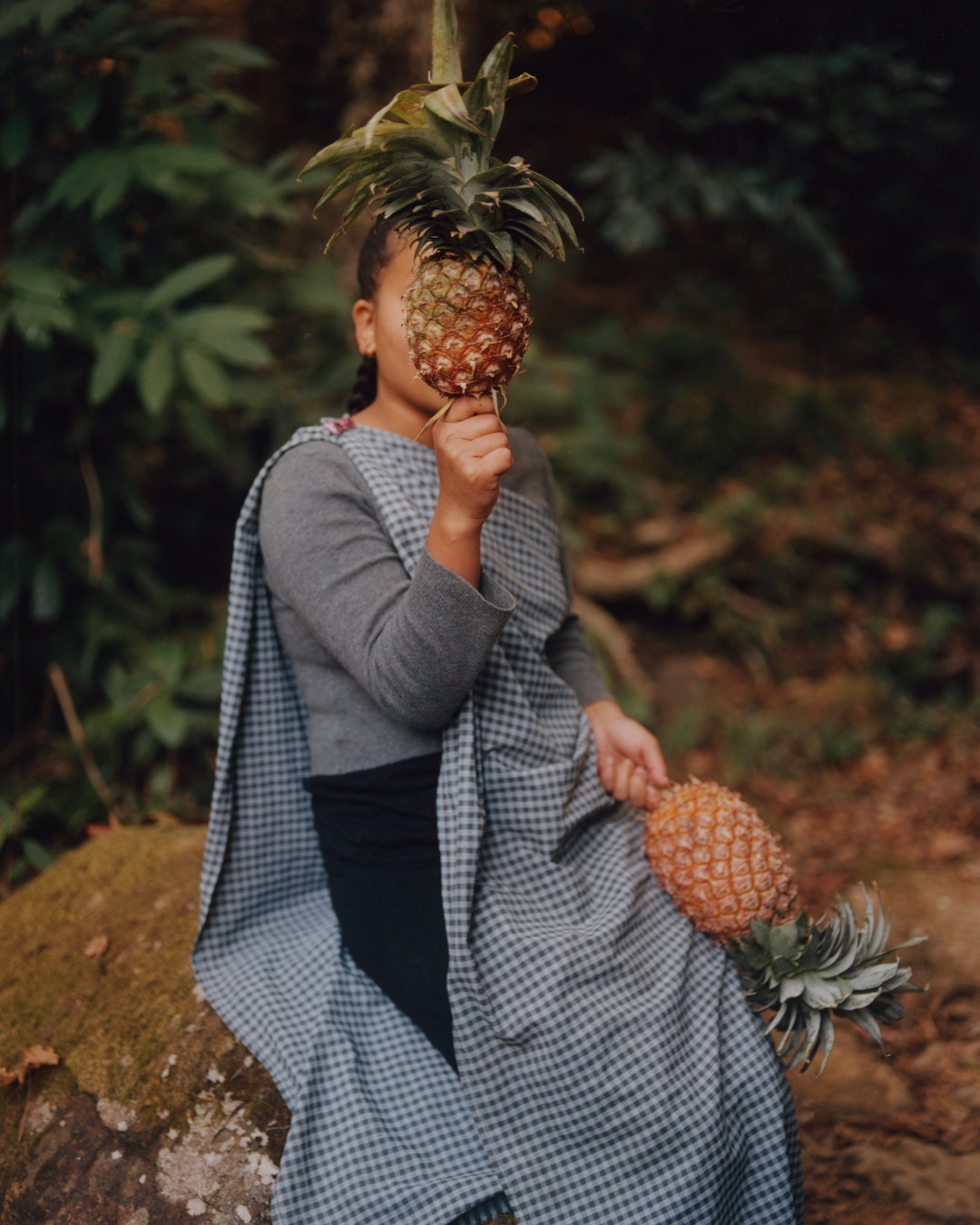
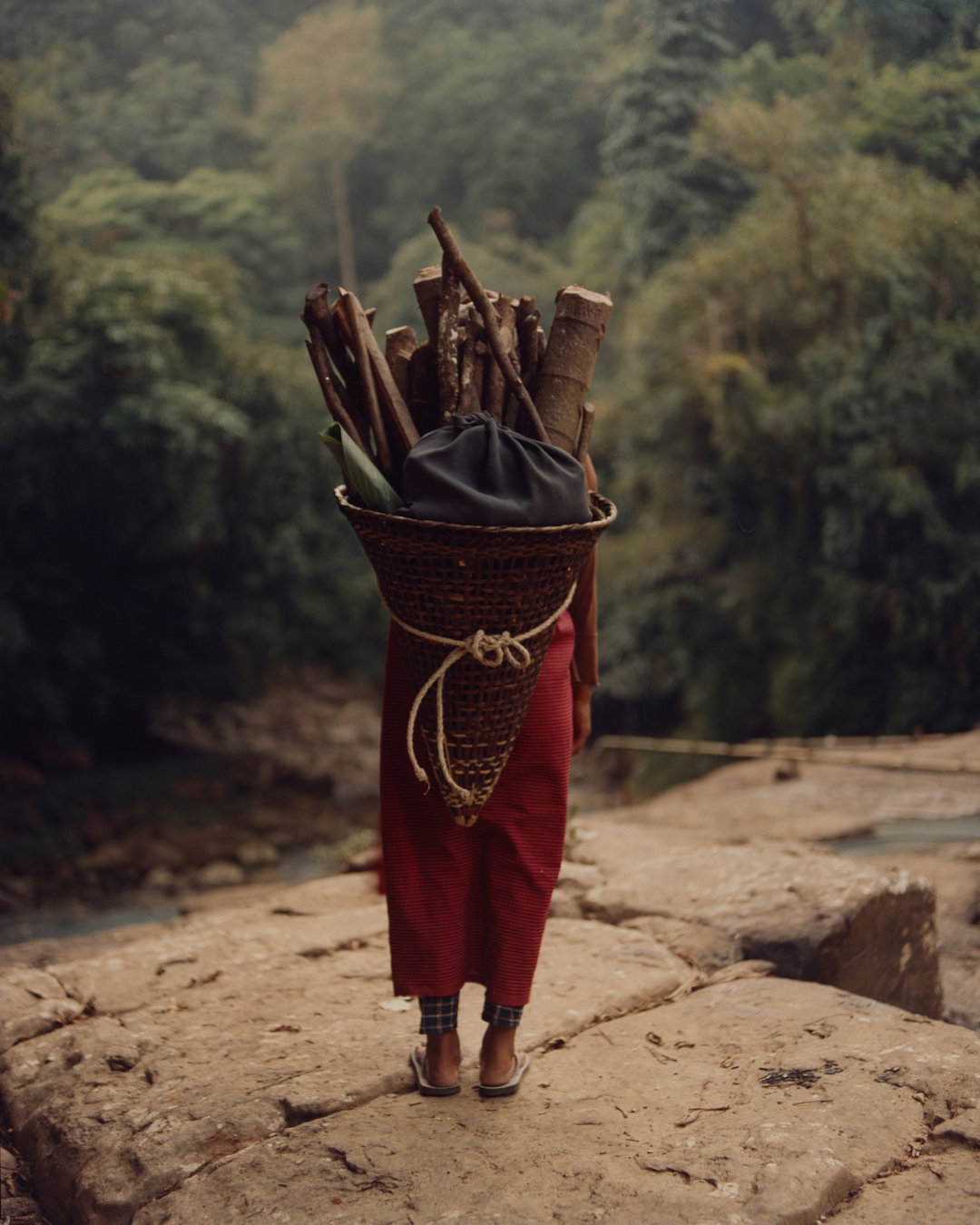
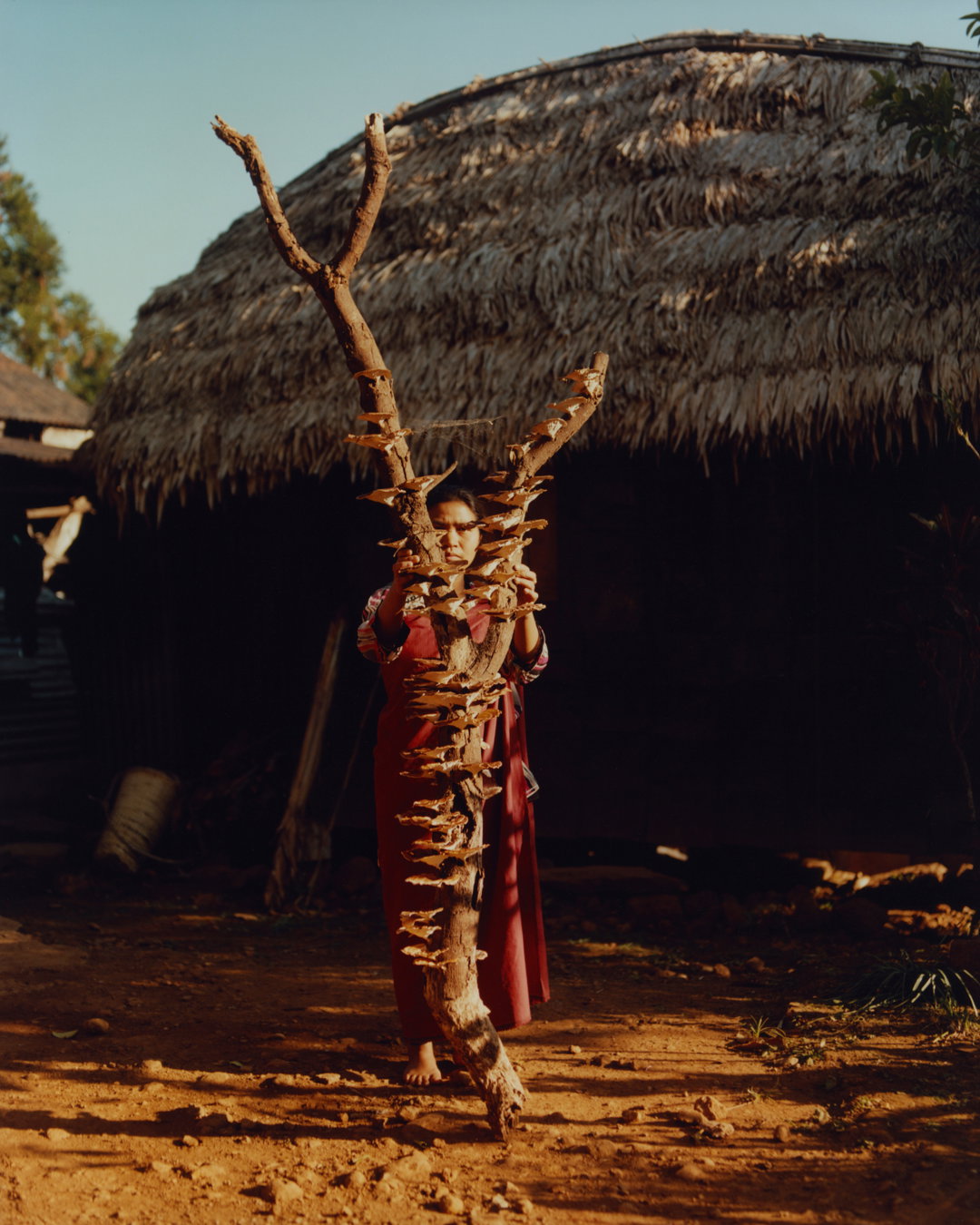
Though merely scratching the surface, Bharat’s photographs do offer unique insights into these communities that he says feel “a part of our society, yet so distant.” In the images, we see how they still engage in crafts such as weaving, which they use to create chairs, stools, baskets and special sturdy cane mats called ‘tlieng’. We also see their skill in woodworking, carving both decorative structures and more functional ones, from toys and combs to houses and other buildings.
Bharat Sikka: Sylvan Symphony for Atmos (Copyright © Bharat Sikka, 2023)
But most of all, we witness their intimate connection with nature. Relying on the materials they find nearby, in the forests that have provided shelter for millennia. Through the photographs of the living root bridges, the handcrafted objects and the locally sourced food, we come to appreciate just how much knowledge they have of their home and their ecosystem, and how, over generations, they have learned to take and to give back.
“The story of the Khasi tribe is essential as it reflects the delicate balance between societal progress driven by Western culture and the preservation of indigenous traditions that are able to thrive despite this influence,” says Bharat. “By shedding some light on their sustainable way of life, we are encouraged to contemplate our own connection with nature and the impact of the capitalist world around us.”
GalleryBharat Sikka: Sylvan Symphony for Atmos (Copyright © Bharat Sikka, 2023)


Hero Header
Bharat Sikka: Sylvan Symphony for Atmos (Copyright © Bharat Sikka, 2023)
Share Article
Further Info
About the Author
—
Daniel joined It’s Nice That as an editorial assistant in February 2019 and continues to work with us on a freelance basis. He graduated from Kingston University with a degree in Journalism in 2015. He is also co-founder and editor of SWIM, an annual art and photography publication.