Brandon Tauszik’s latest series delves into familial alienation and the epidemic of loneliness
In Fifteen Vaults, the photographer captures the frustration, pain and catharsis of clearing out a late family member’s belongings.
In May of last year, the US surgeon general Dr. Vivek Murthy warned that the country’s next public health crisis was widespread loneliness. He argued that its incidence rate – as exacerbated by the covid pandemic – had risen dramatically, and that its impact should be treated as damaging as substance abuse and tobacco. Brandon Tauszik’s recent publication Fifteen Vaults, delves into this epidemic of loneliness through a uniquely personal lens – the belongings left behind by his late grandmother.
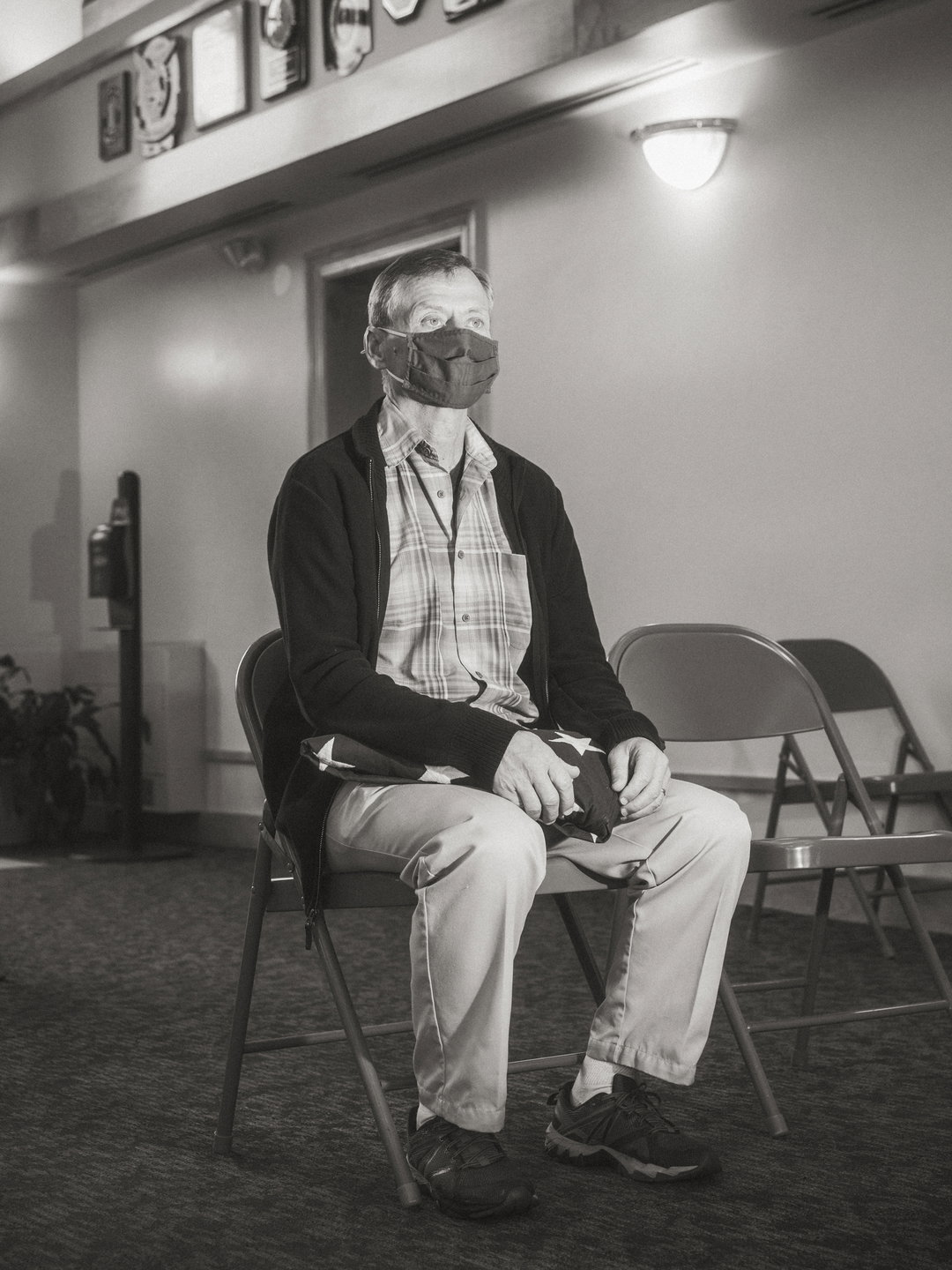
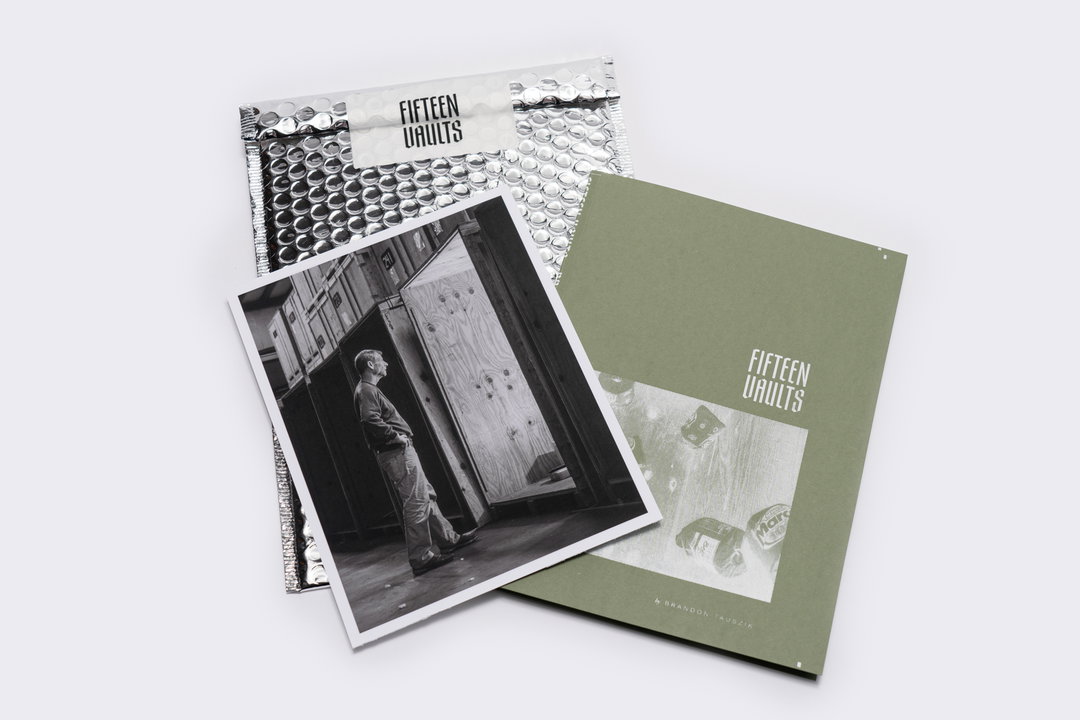
Published by Eggy Press, Fifteen Vaults is Brandon’s first diaristic body of work and follows the week he and his father spent sifting through a storage facility full of the possessions of his grandmother, who passed away in 2020. The project not only touches on the loneliness experienced by his grandmother – she lived alone in YMCA lodgings for decades before her death – but also his father’s tricky relationship with her. “We exist in an age of increasing loneliness and I think the life of my grandmother unfortunately epitomises that,” says Brandon. “By unpacking my father’s empty grief of estrangement, I hoped to somehow uncover an alienation that runs through the contemporary family experience.”
GalleryBrandon Tauszik: Fifteen Vaults (Copyright © Brandon Tauszik, 2023)
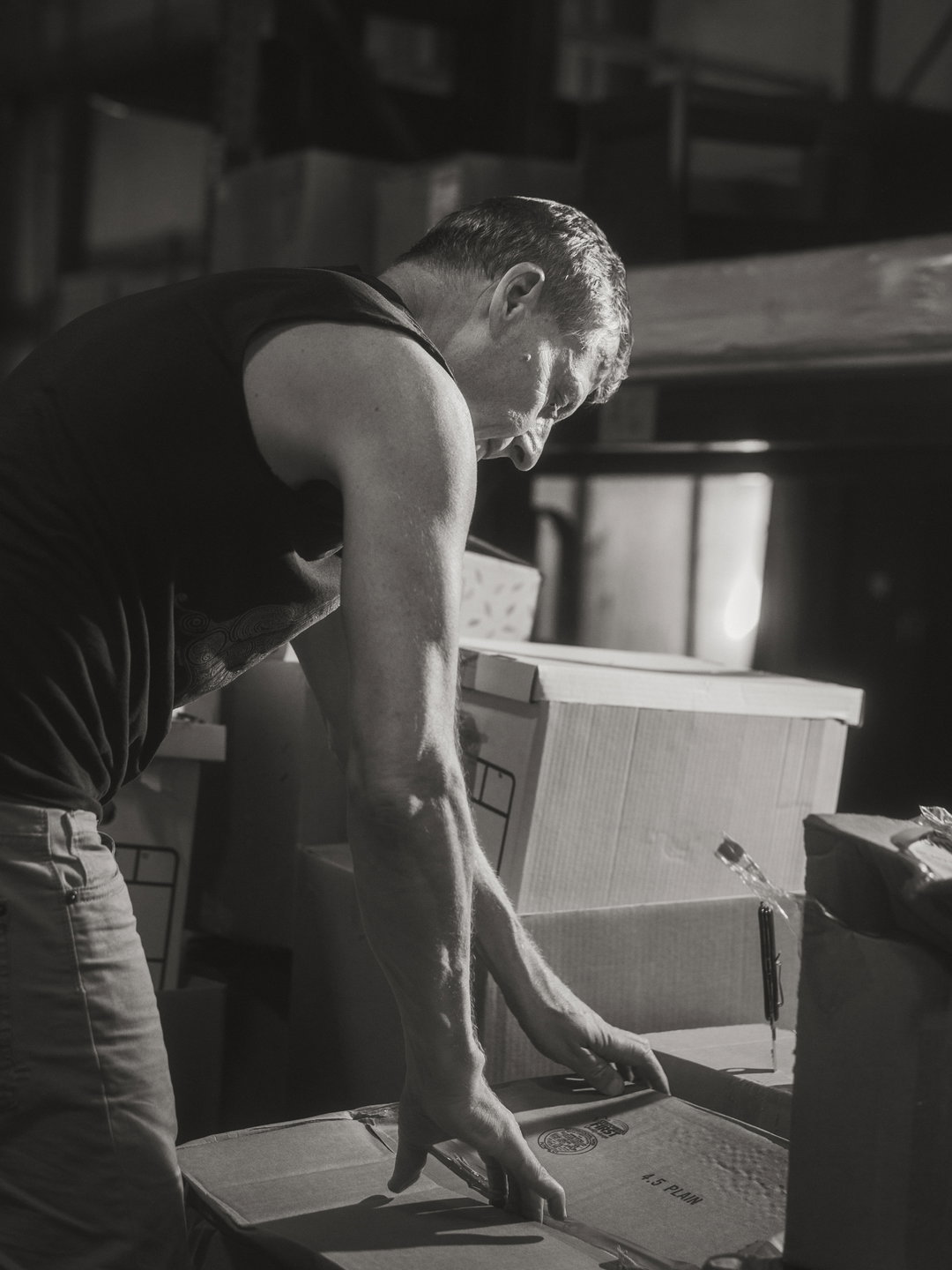
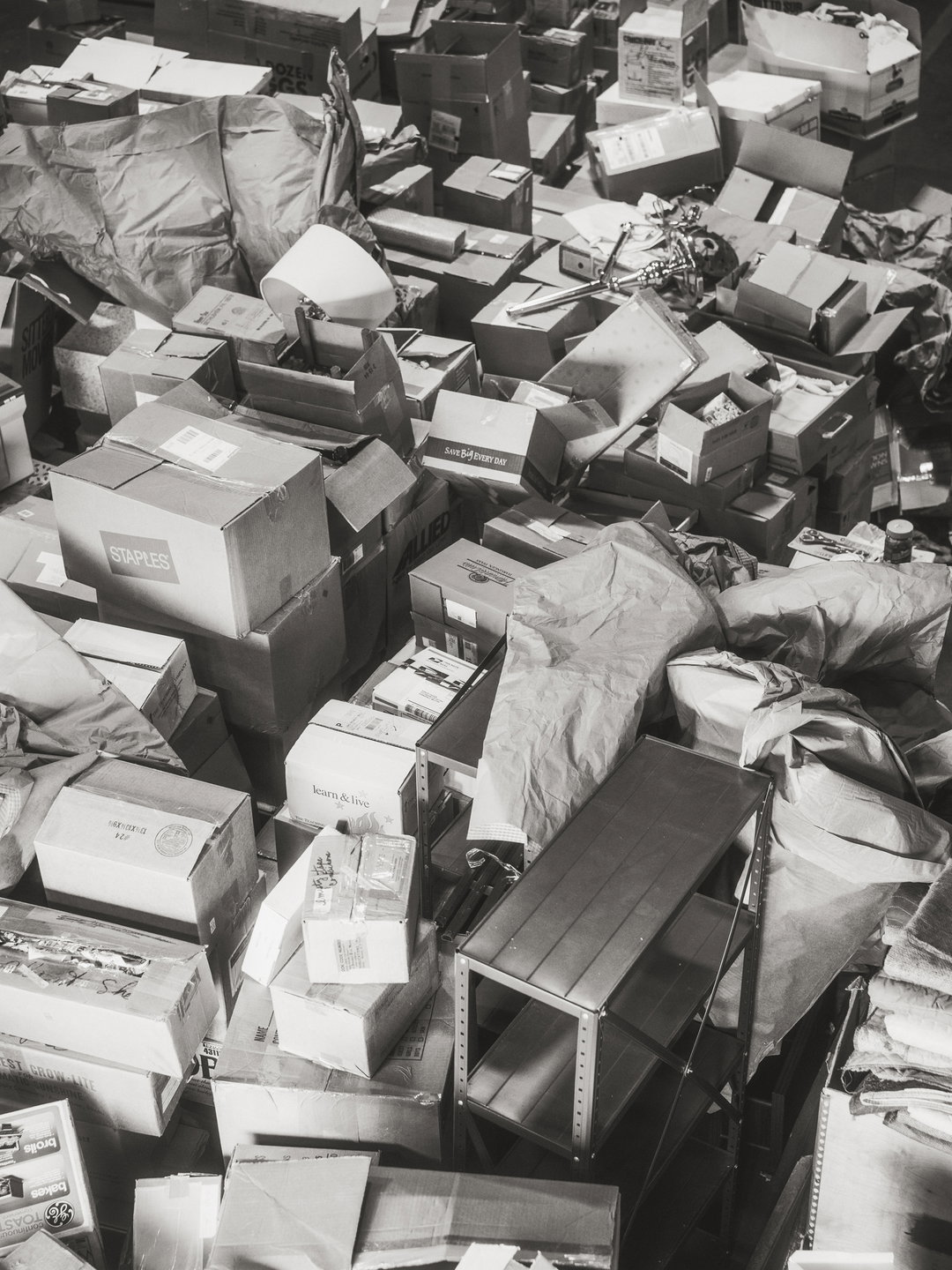
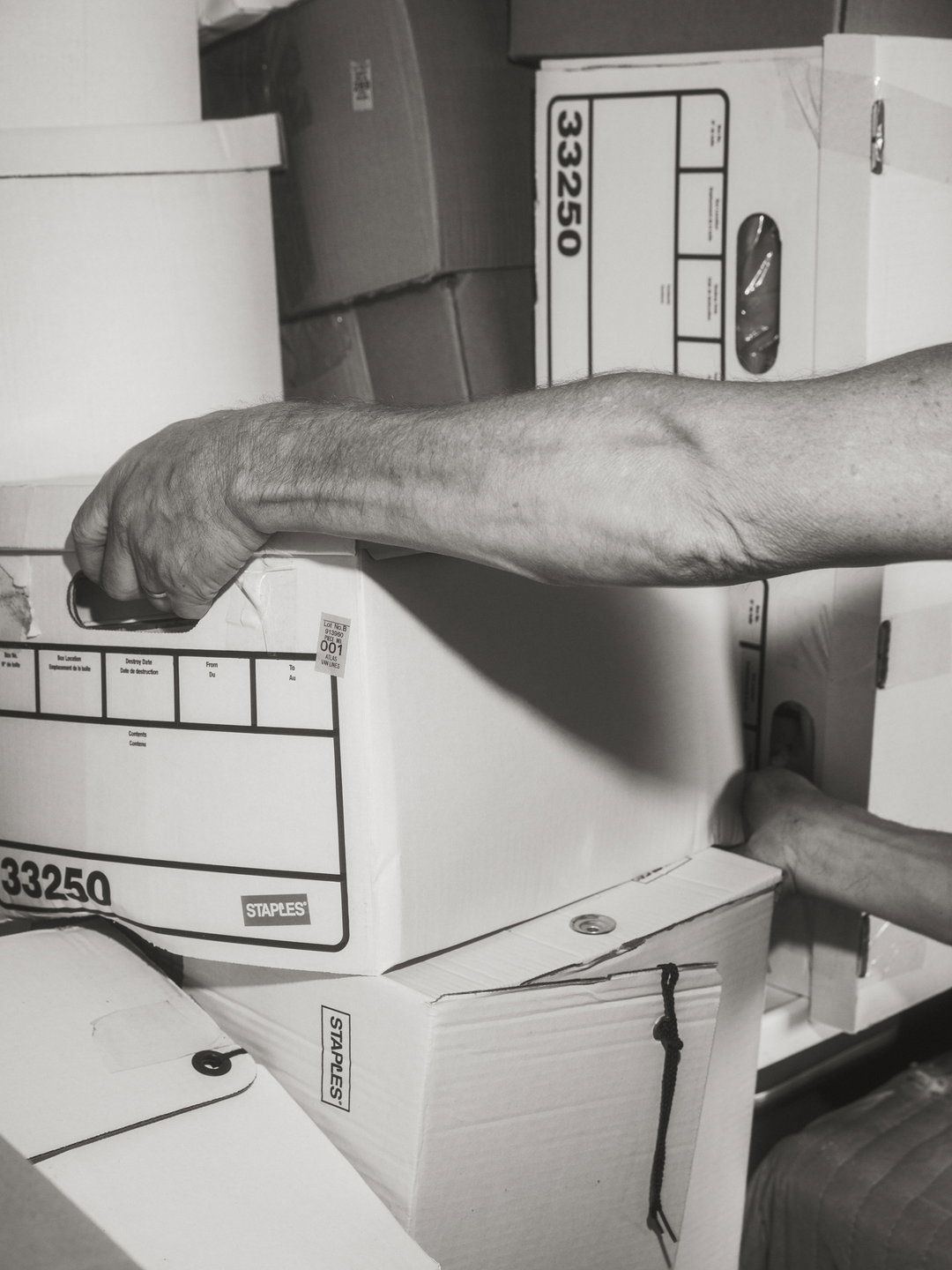
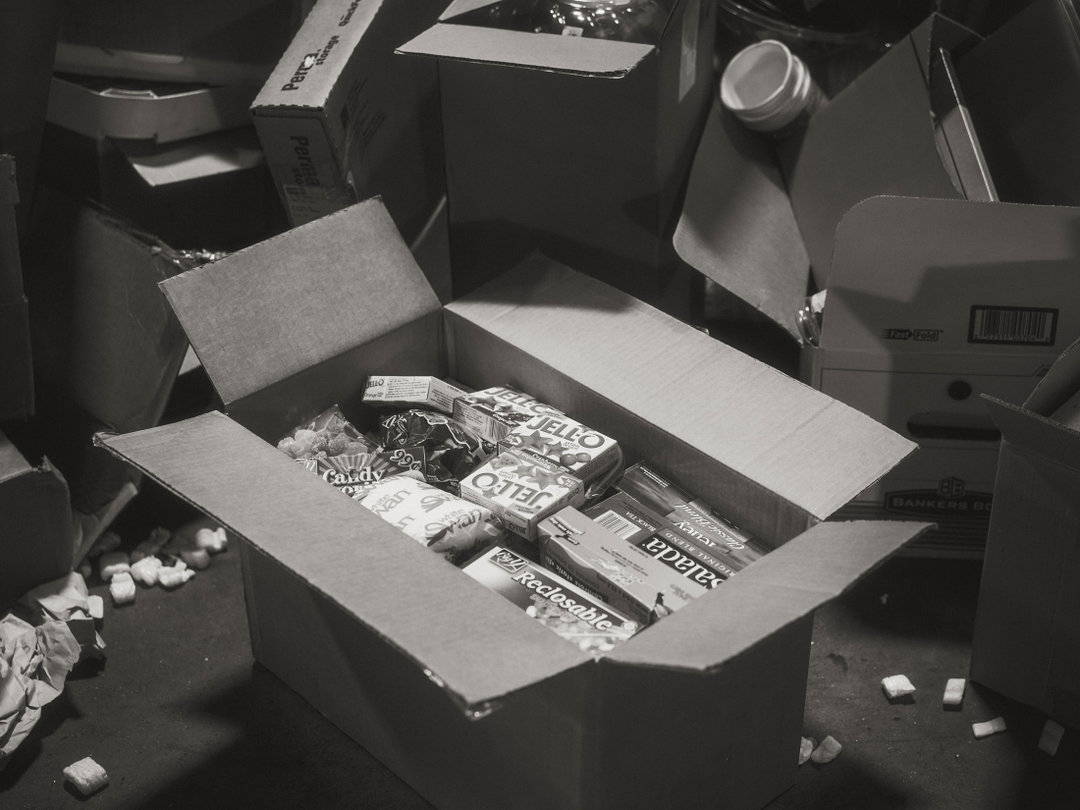
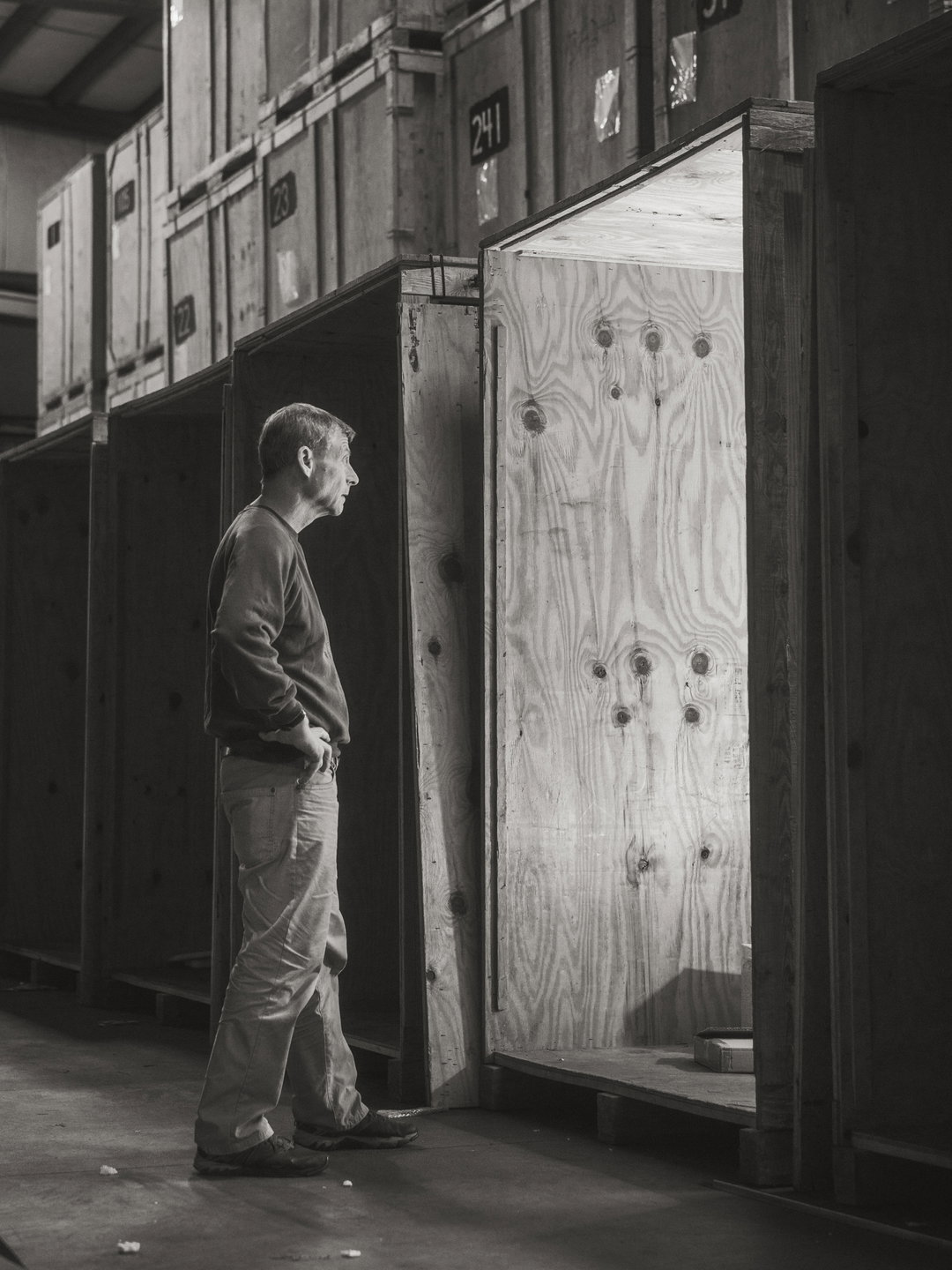
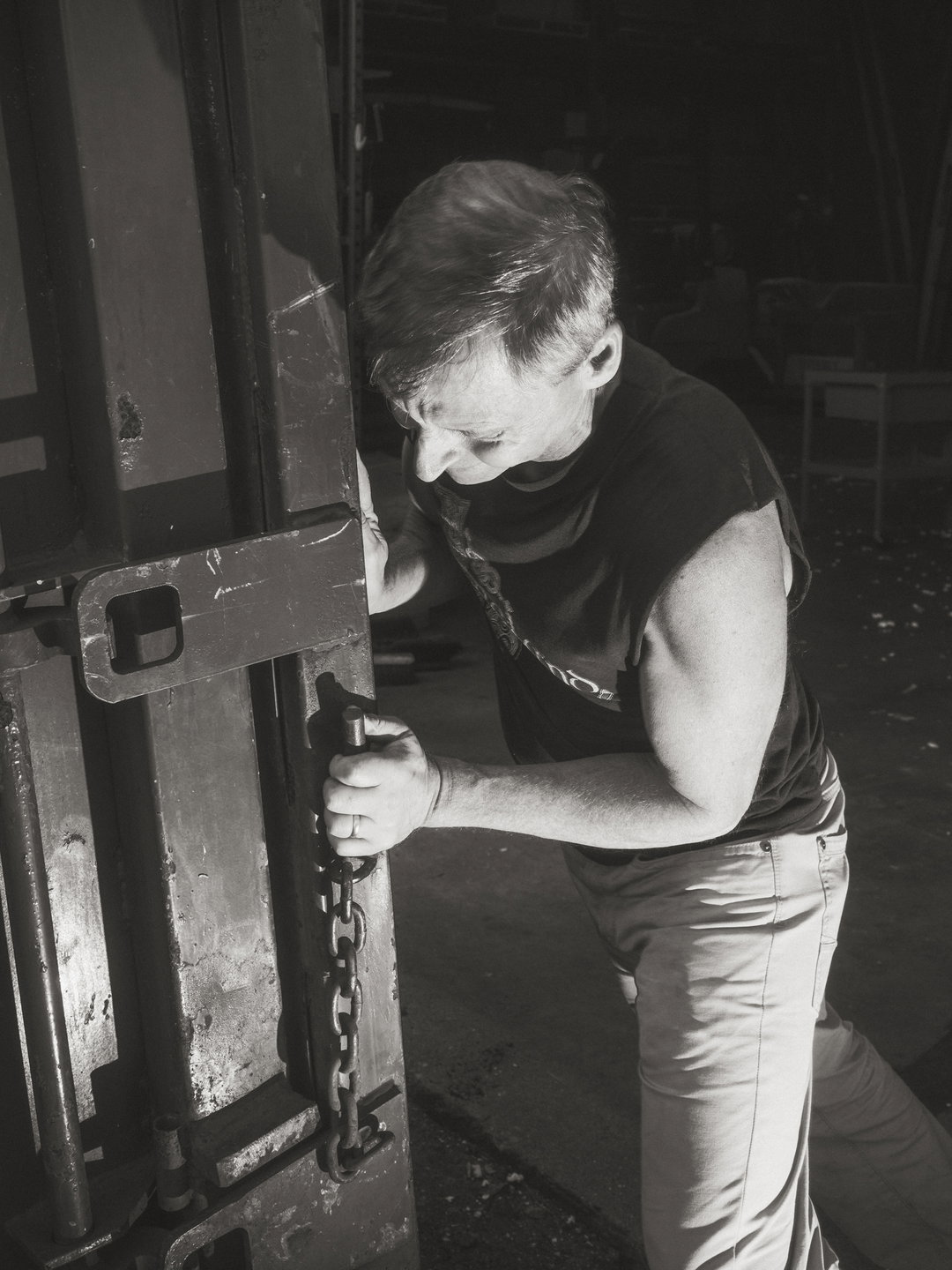
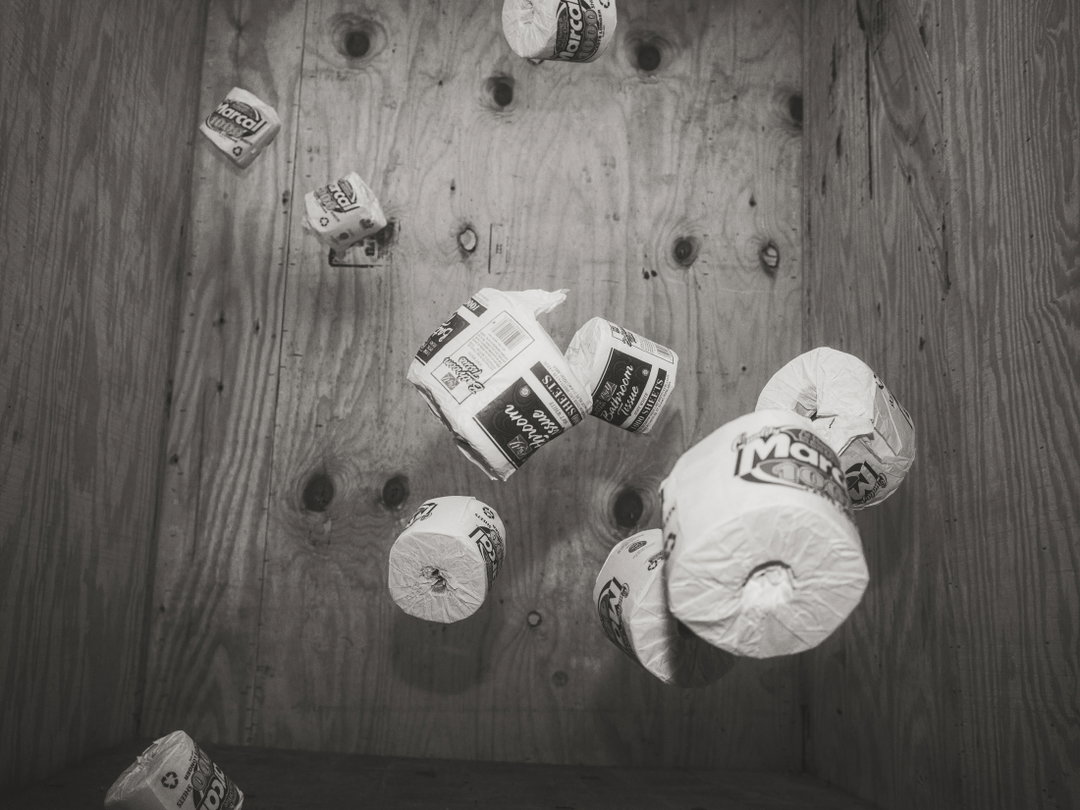
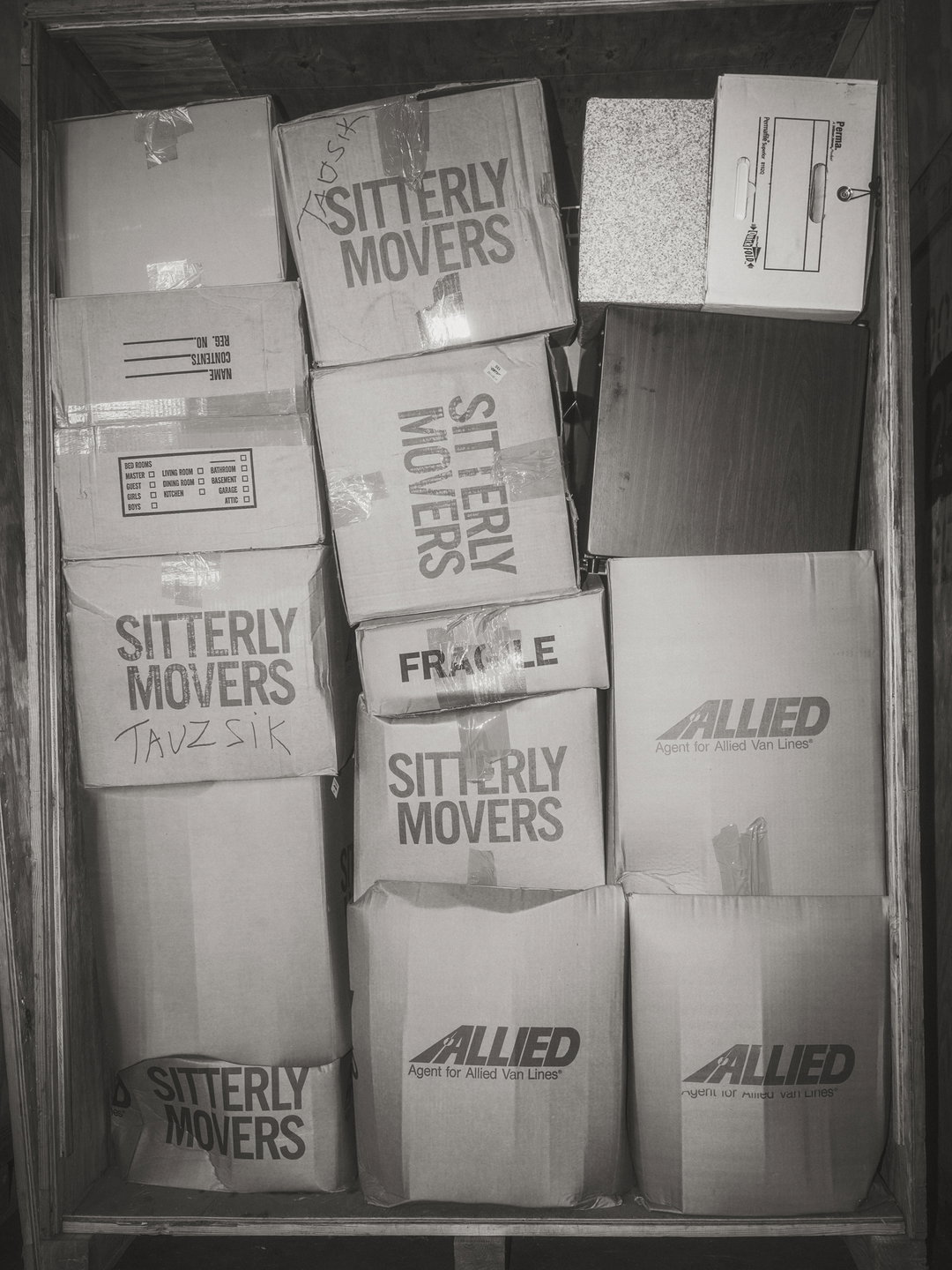
Rather than centring on himself, or even his grandmother, Brandon wanted to highlight his father’s experience and so made him the “main character”, focussing on his physical toil and emotional response to the momentous task at hand. In one image he stands at the door of his mother’s unit, lit by the glow from within his hands on his hips, an expression of exasperation on his face. “My father and I were hoping to discover personal effects that would help inform us as to who Shirley Tauszik really was,” Brandon says. Instead, they discovered boxes upon boxes of meticulously stored consumer goods – Jell-O, toilet paper, tea, sandwich bags, and sweets.
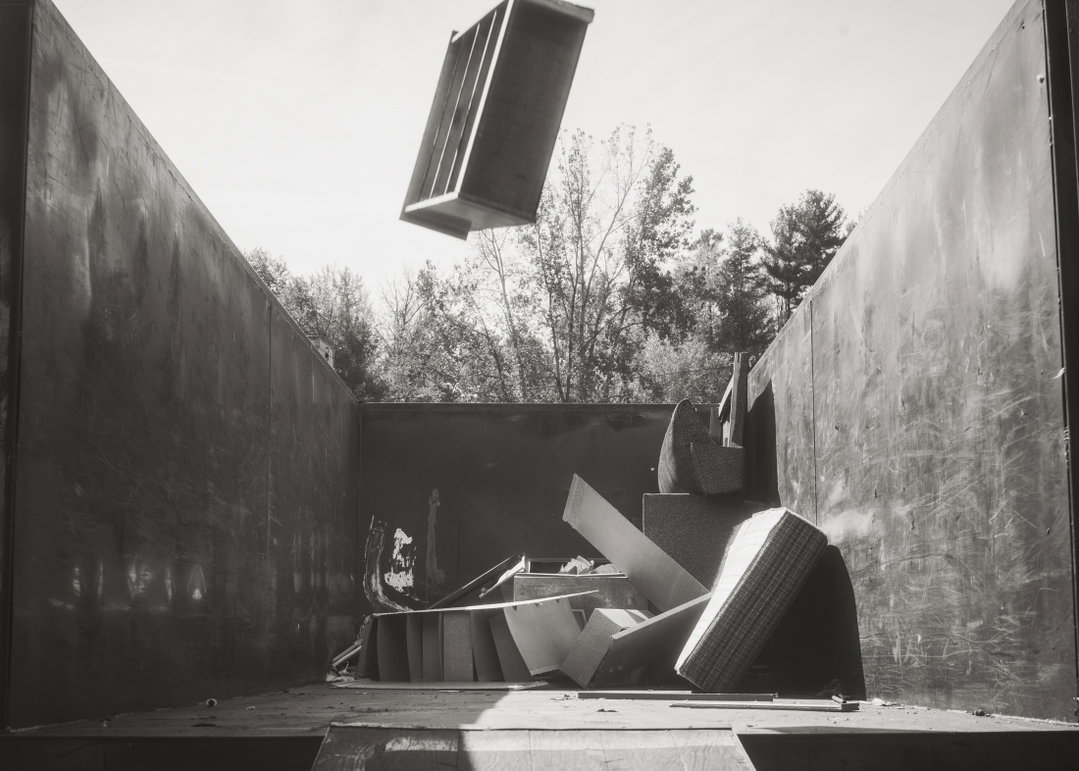
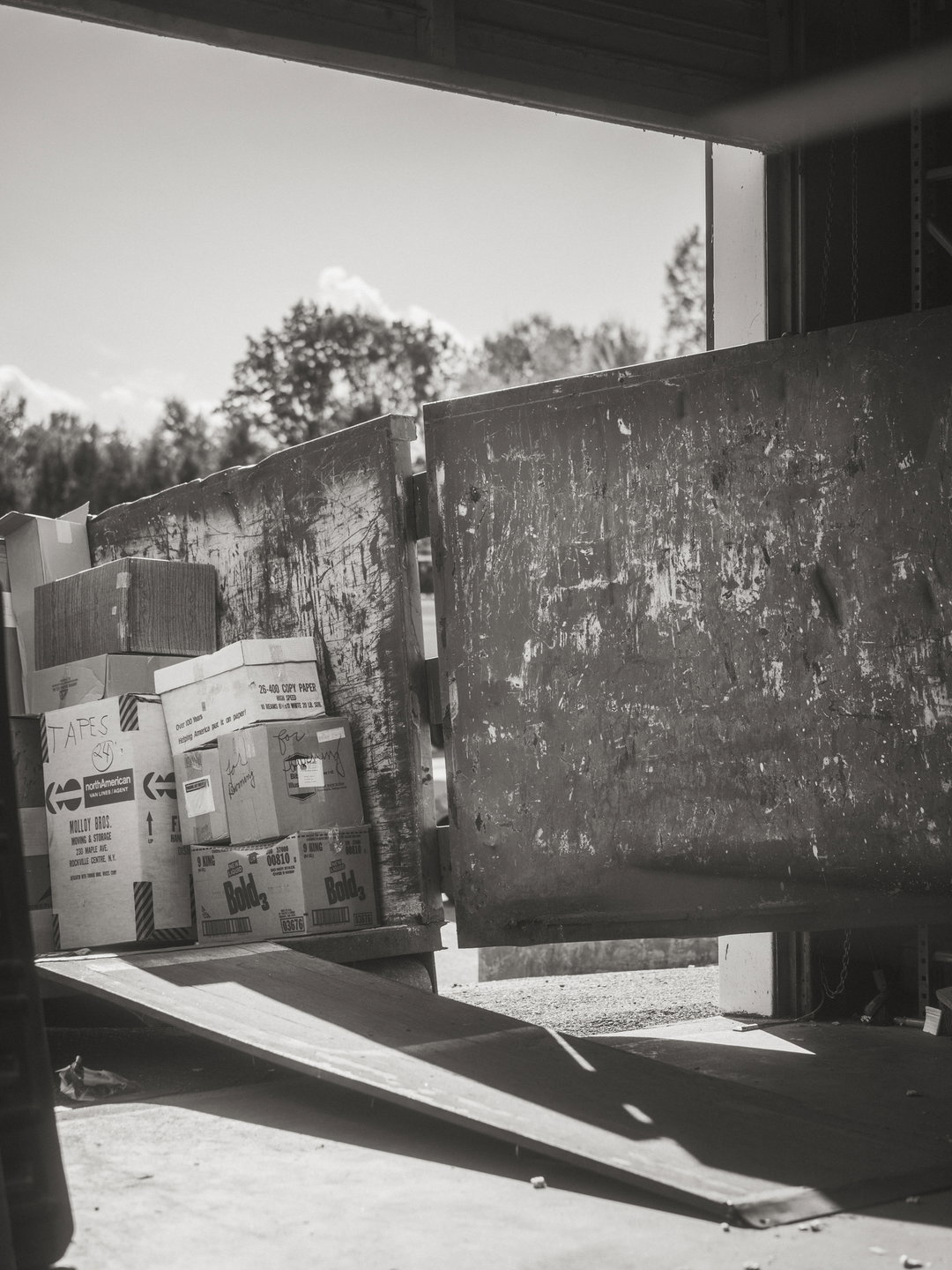
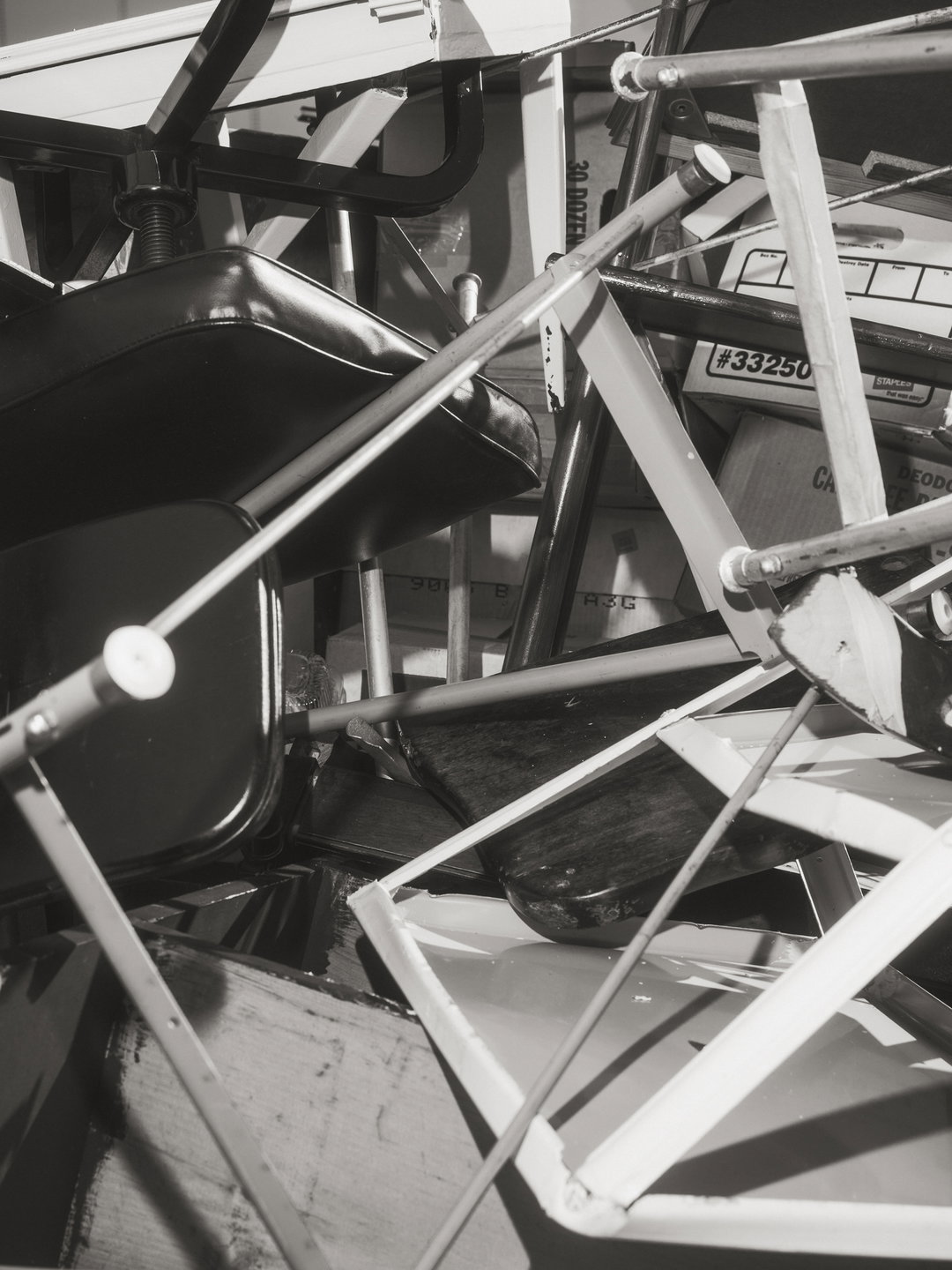
Moments like these, however, are balanced with moments of emotional release; one image shows one of the four 40-yard skips he and his father filled, a bookshelf mid air, in the process of joining the other shattered remnants of furniture below. “Free from sentiment for a mother he hardly knew, I think my father found some catharsis in the material destruction of her possessions,” says Brandon.
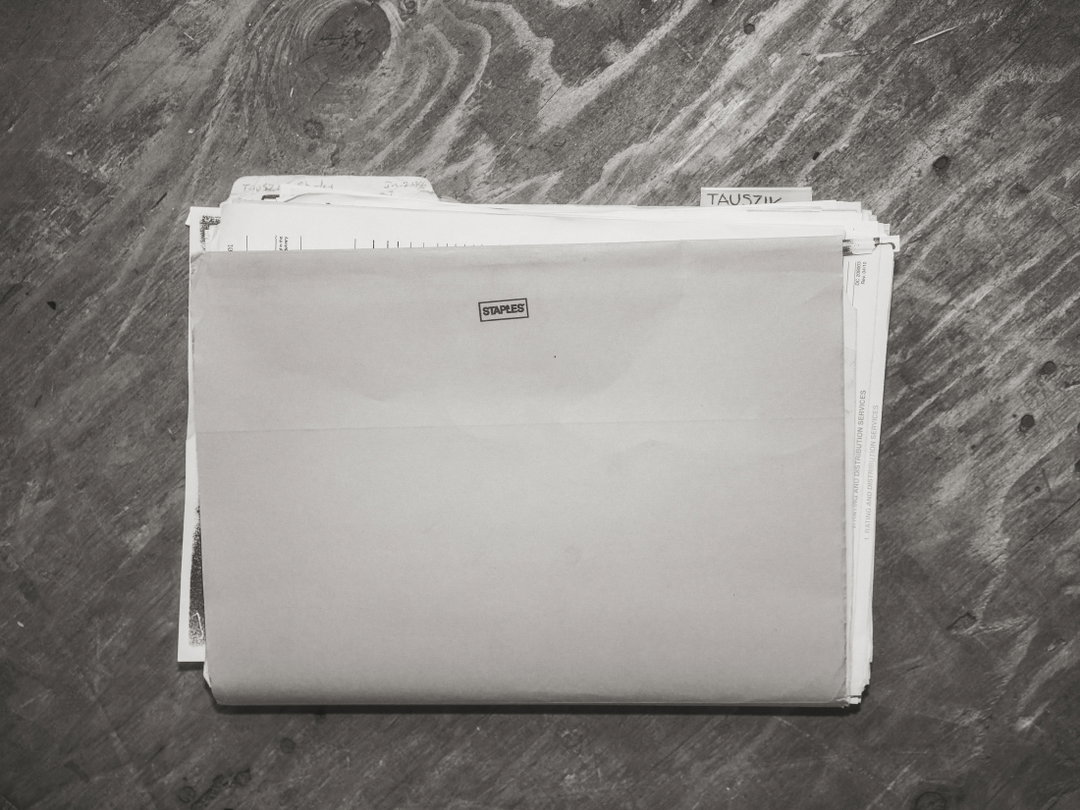
Aside from some shots from the military cemetery where Brandon and his father had his grandmother interred, the vast majority of images from the series were taken within the storage facility. A “tomb-like” space with very little light, Brandon had to adapt to an environment photographers would typically avoid. Though, he says, “I think constraints like this can be a welcome challenge and I worked to try and find inventive ways to photograph the process.” One way of creating some visual difference between the images was to spread his shots between the fifteen storage vaults, all of which were located in different areas of the unit and had different contents. Moreover, the black-and-white film and muted tones match the subdued and reflective tone of the series; the search for closure, as opposed to resolution.
The photobook that now houses the series features an interview between Brandon and his father, through which they explore their family’s legacy of mental illness and abandonment, but also the “remedial power of love”. Through the process of making the series and conducting the interview, Brandon forged a deeper relationship with his father, something he now views as further aiding closure, and “breaking the cycle of neglect that defined his relationship with his own parents”. Poignant and thought-provoking, Fifteen Vaults is a compelling study, not only of the complexity of families – but their strength and beauty too.
GalleryBrandon Tauszik: Fifteen Vaults (Copyright © Brandon Tauszik, 2023)
Hero Header
Brandon Tauszik: Fifteen Vaults (Copyright © Brandon Tauszik, 2023)
Share Article
About the Author
—
Olivia (she/her) is associate editor of the website, overseeing the day-to-day editorial projects as well as Nicer Tuesdays events. She joined the It’s Nice That team in 2021. [email protected]
To submit your work to be featured on the site, see our Submissions Guide.