Casey Bennett depicts rural life in remote British Columbia
The past and present is put under the lens in this unique look at an unforgiving part of Canada.
The harsh landscapes of British Columbia provide the backdrop for Casey Bennett’s documentation of rural life. But unlike most photographers with a focus on the natural world, he rarely uses colour.
“I’ve always felt that by shooting black and white you expose the things that are hidden in plain sight, and present them in their purest form,” he tells It’s Nice That. “There are fewer distractions to catch your attention, and you tend to focus on what is and isn’t there.”
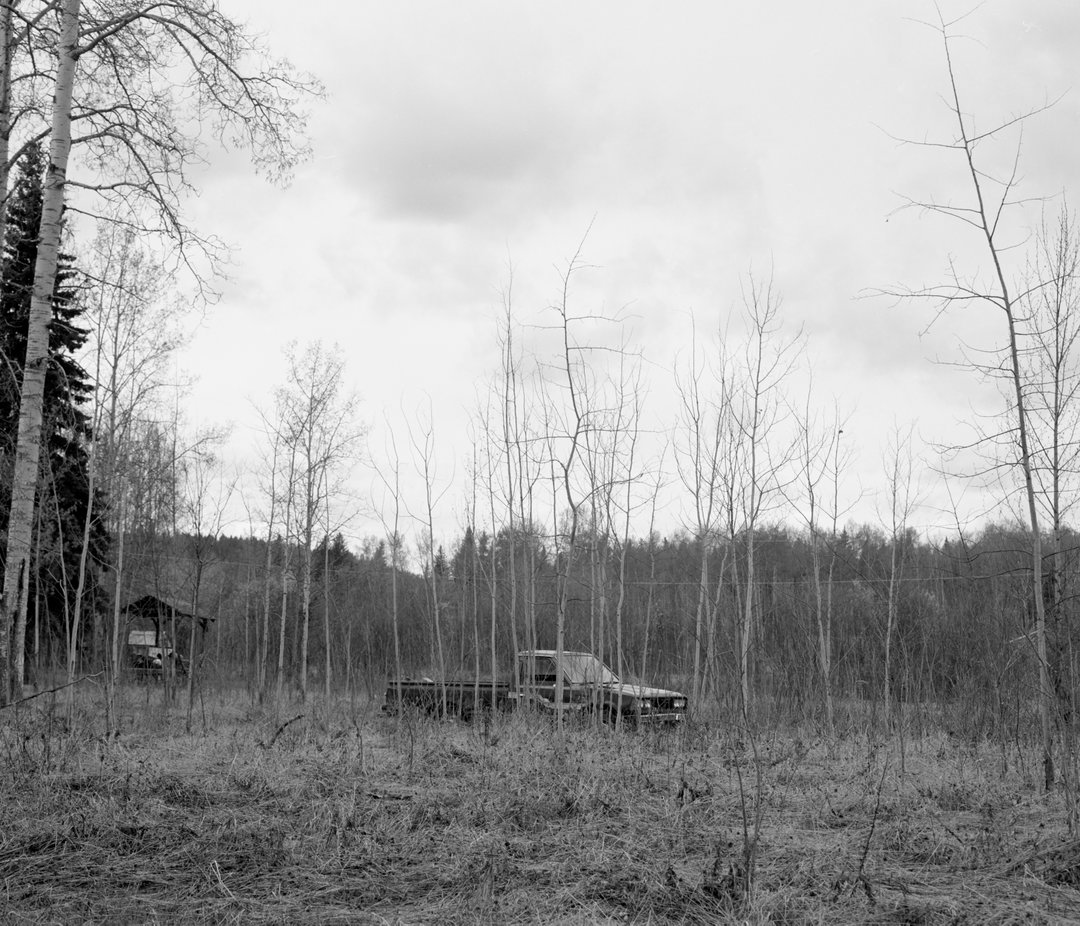
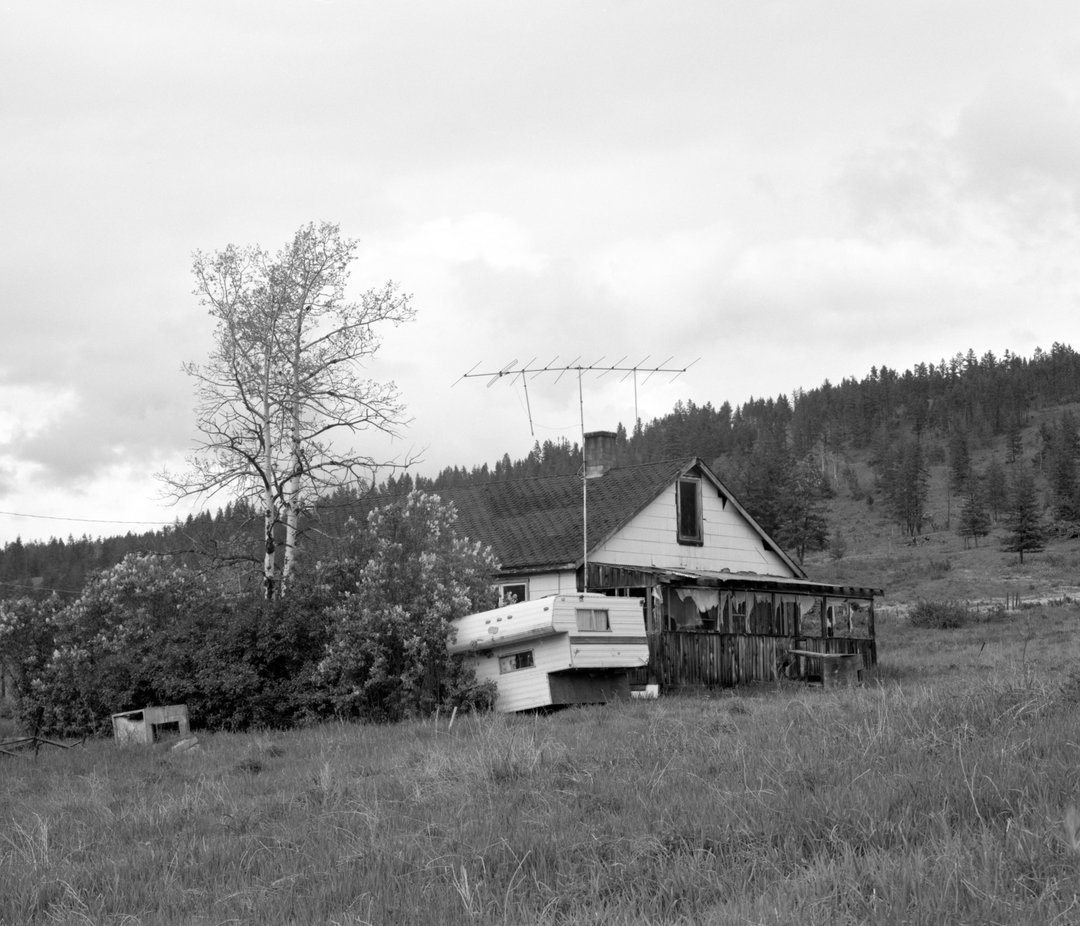
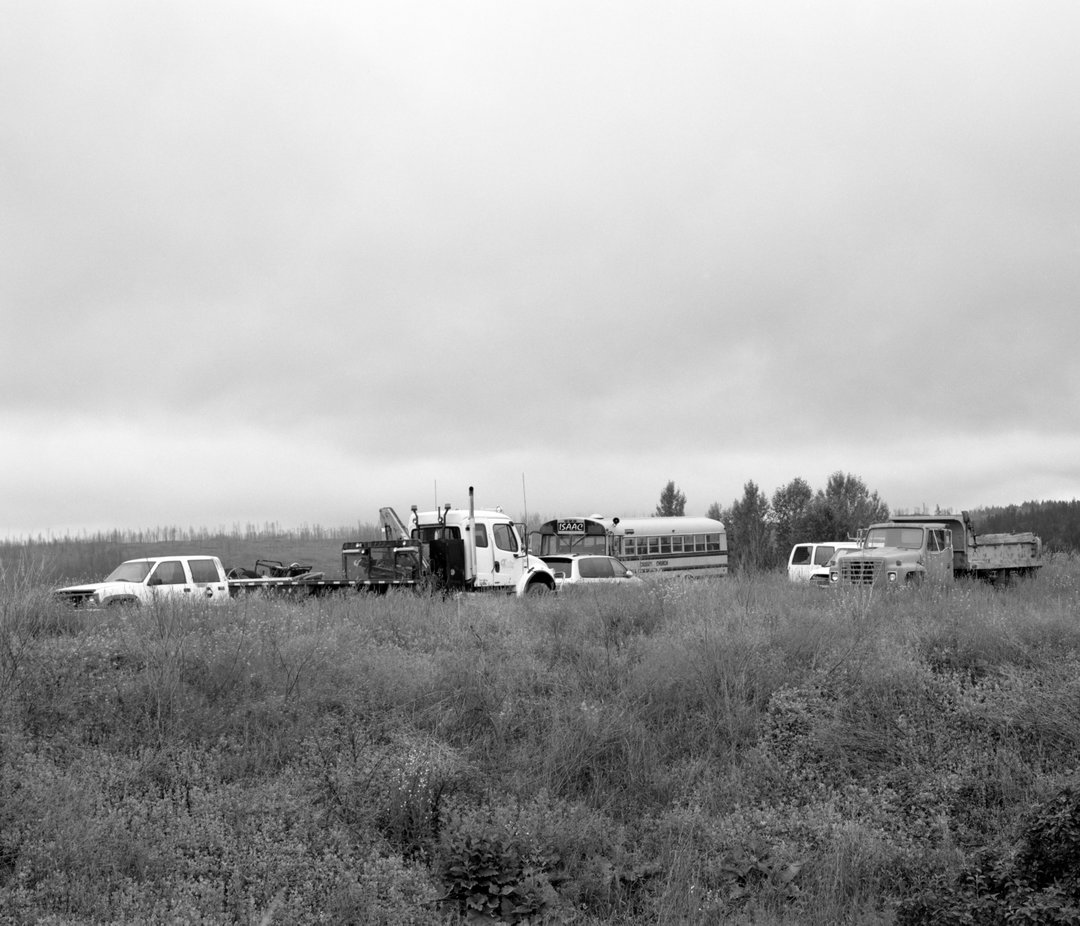
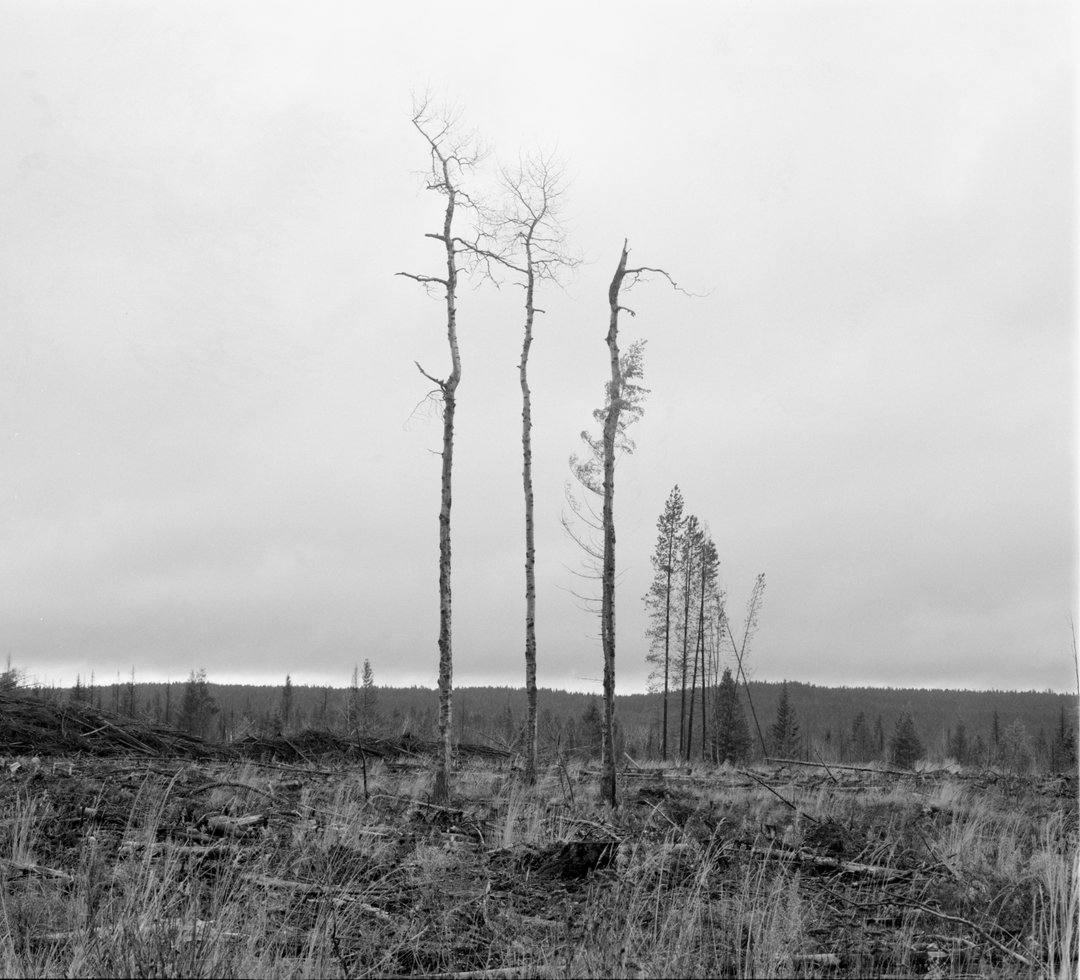
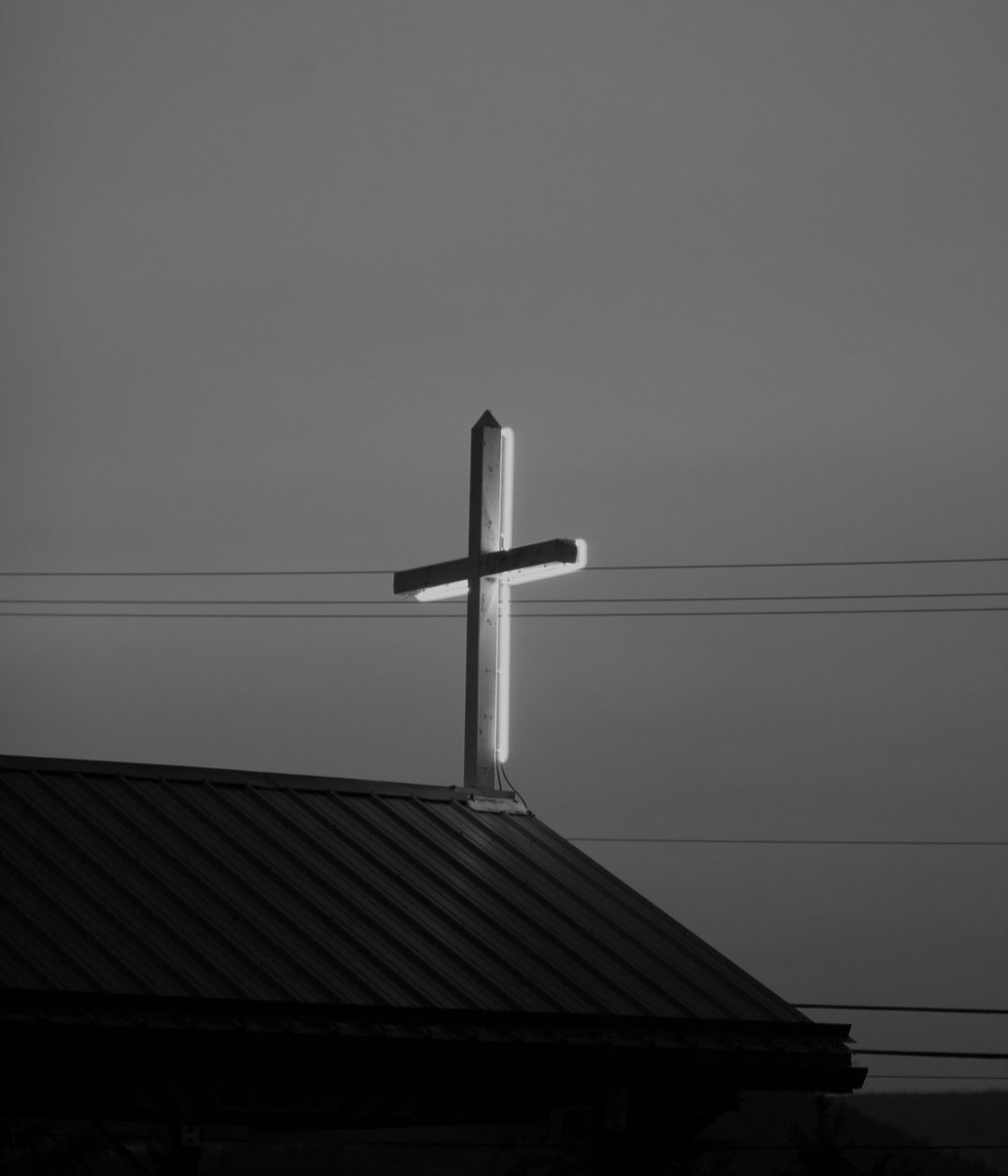
Inspired by the poetry of Lorne Dufour, Casey’s latest project Outskirts, explores the isolation of communities in Cariboo-Chilcotin. “It’s an examination of places where the natural landscape and the developed environment intersect, and a human presence can be felt just around the corner,” he explains. “Most of these photographs focus on areas free of human presence, the cultural aura of those who occupy these territories are conveyed by what they have left behind.”
Casey, who is a native of the area, only developed a serious interest in photography in 2007, learning much of what he knows during a brief stint at film school. He moved to Victoria, BC and pursued it properly, working as a commercial photographer by day, and photographing things he enjoyed, like the punk scene, by night. He has since changed his path to become a graphic designer and archivist, allowing him to work on the photographic projects that he is passionate about, like Outskirts.
Casey Bennett: Outskirts
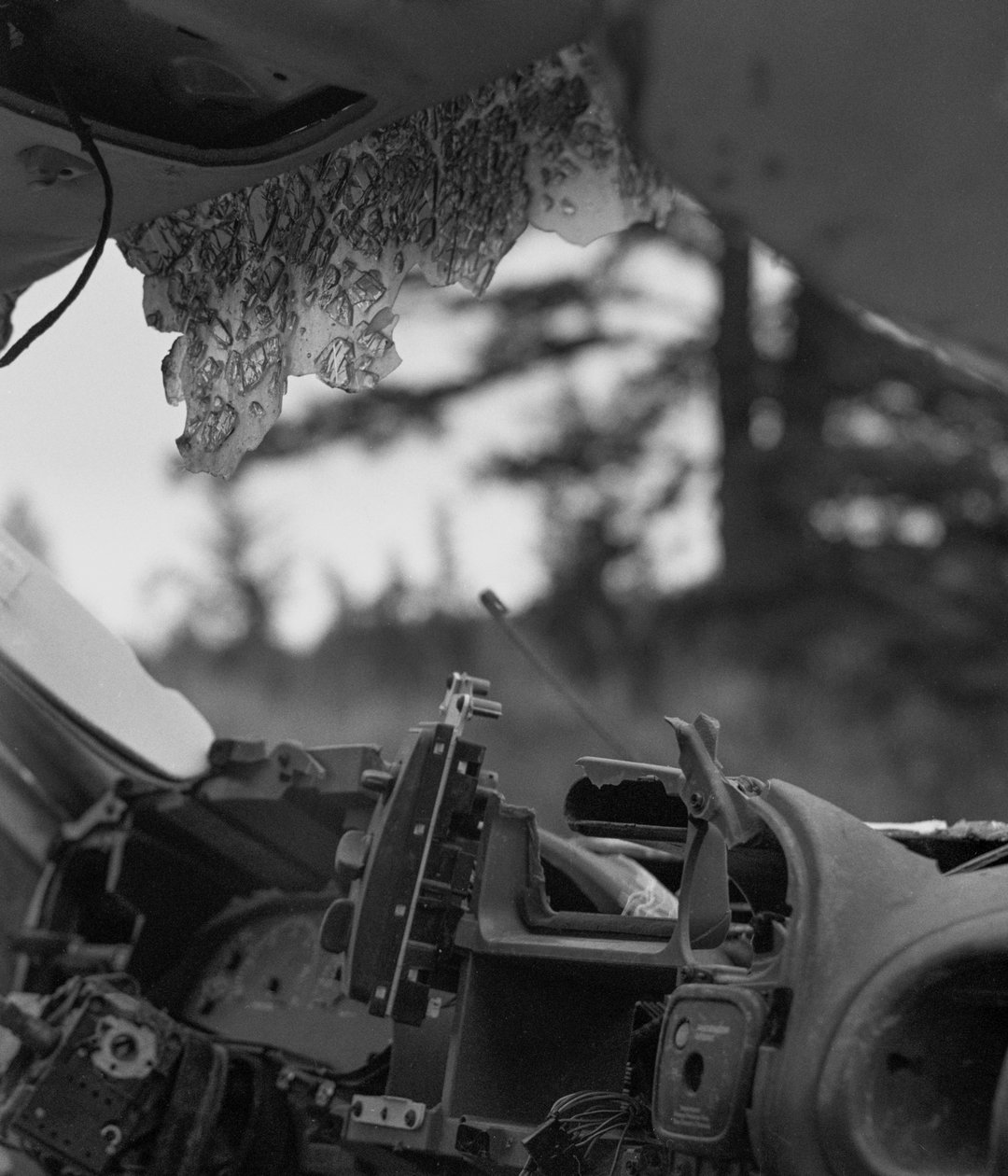
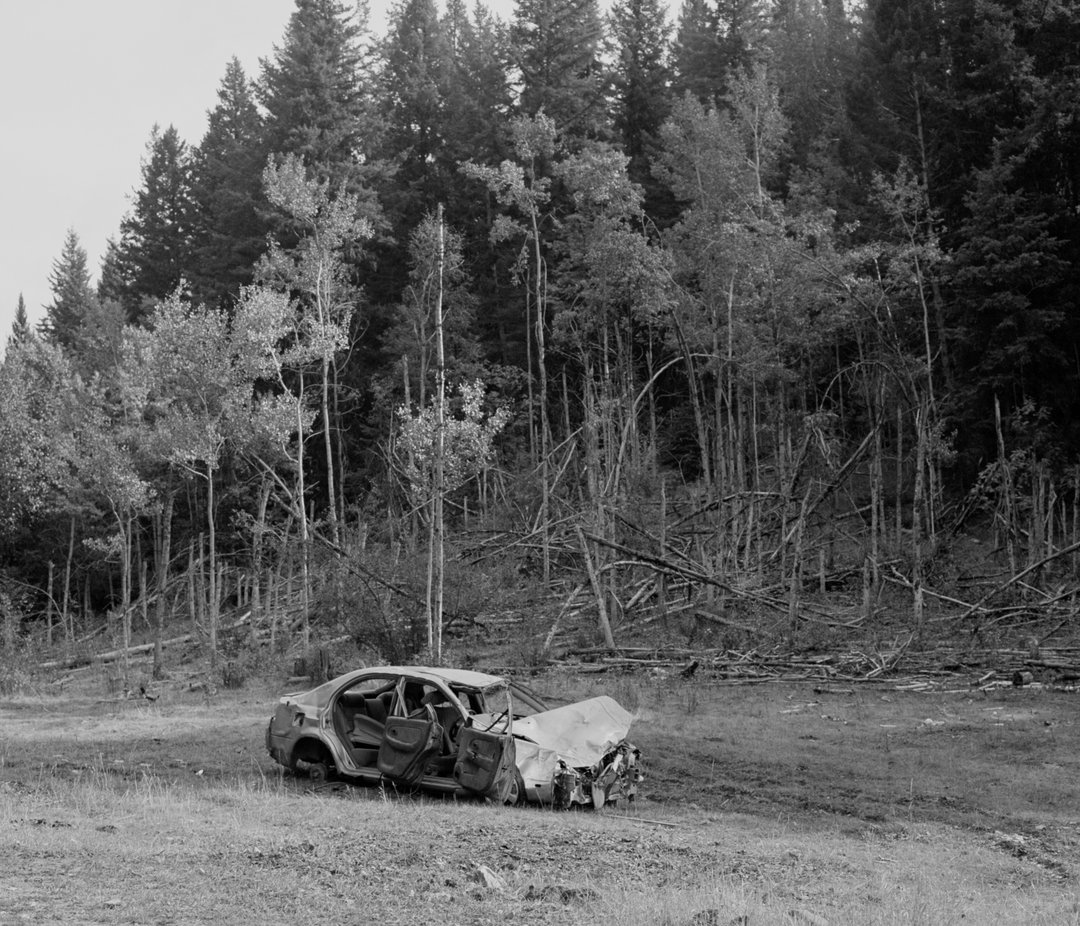
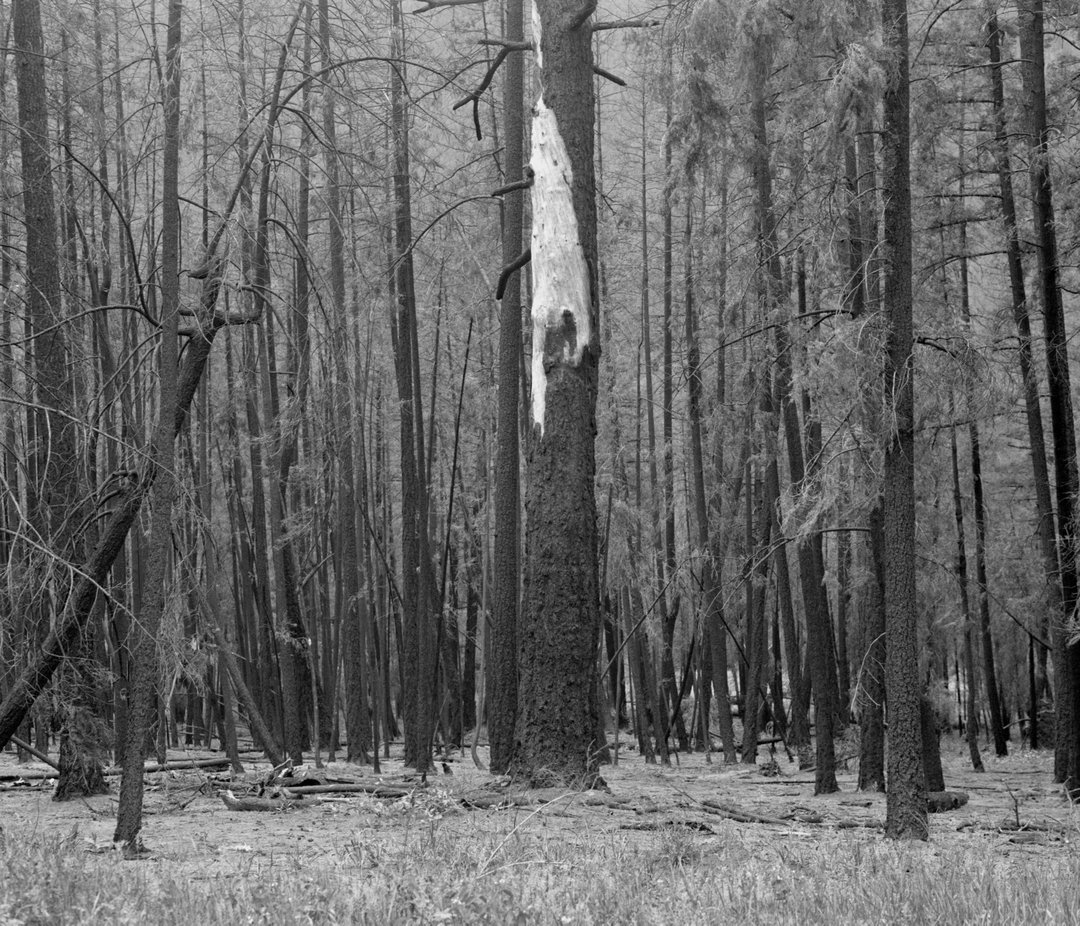
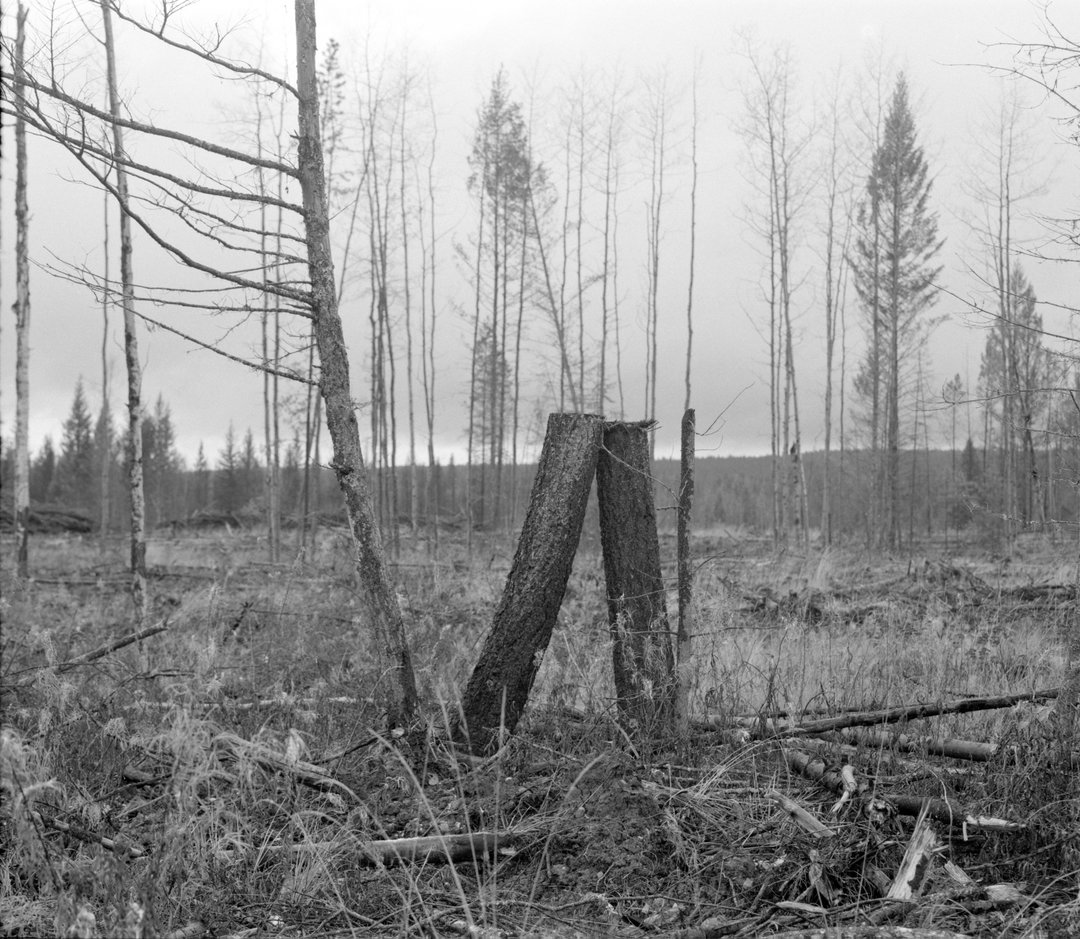
The composition of the images in the series evokes feelings of remoteness, with endless trees, hills and skies often present in the background of these small human marks on the landscape. There are dilapidated shacks, disused cars, ropes around trees and deforested woodland, all of which tell the story of the human impact on this vast wilderness.
“Rural landscapes already evoke a natural feeling of remoteness and isolation – but with the camera and how you compose it, you’re able to extract an emotional response from your viewer and engage them in what you see. Perhaps they sense a different feeling altogether, but as long as there is that interaction,” he says.
There is also an eeriness present in the photos, which Casey feels is synonymous with the unknown nature of this part of the world: “It’s evident in that there is always this anxious uncertainty as to what lies beyond these parts – there’s a light rummaging of potential mischief, as well as calming serenity.”
The unique feelings that these images evoke are also in part due to the lack of colour. Sweeping vistas that are normally full of vibrant greens, sky blues and deep browns, are in this case entirely devoid of colour. “With black and white, I feel it also helps to create and instil an emotional and timeless connection that can’t always be achieved with colour,” says Casey. “With that said, I’m not hating on colour, I love colour, I love to shoot Kodak Portra 400 and will continue to shoot it till the day I die or if it goes out of stock. But I’ve been on a monochrome kick lately. It’s a hard habit to kick.”
Casey’s photographic style is also reflected in this project, as he explains how he shunned an edit-heavy approach for a more simplistic method. “It is pretty straightforward and honest – I’m not conceptual in any way with how I compose my photographs,” he says. “Lights, filters, post-processing – it always caused me great distress if I couldn’t achieve a certain trendy look. I’ve basically stripped everything that I know down to the bare essentials. A story is at its purest when there are no fancy distractions.”
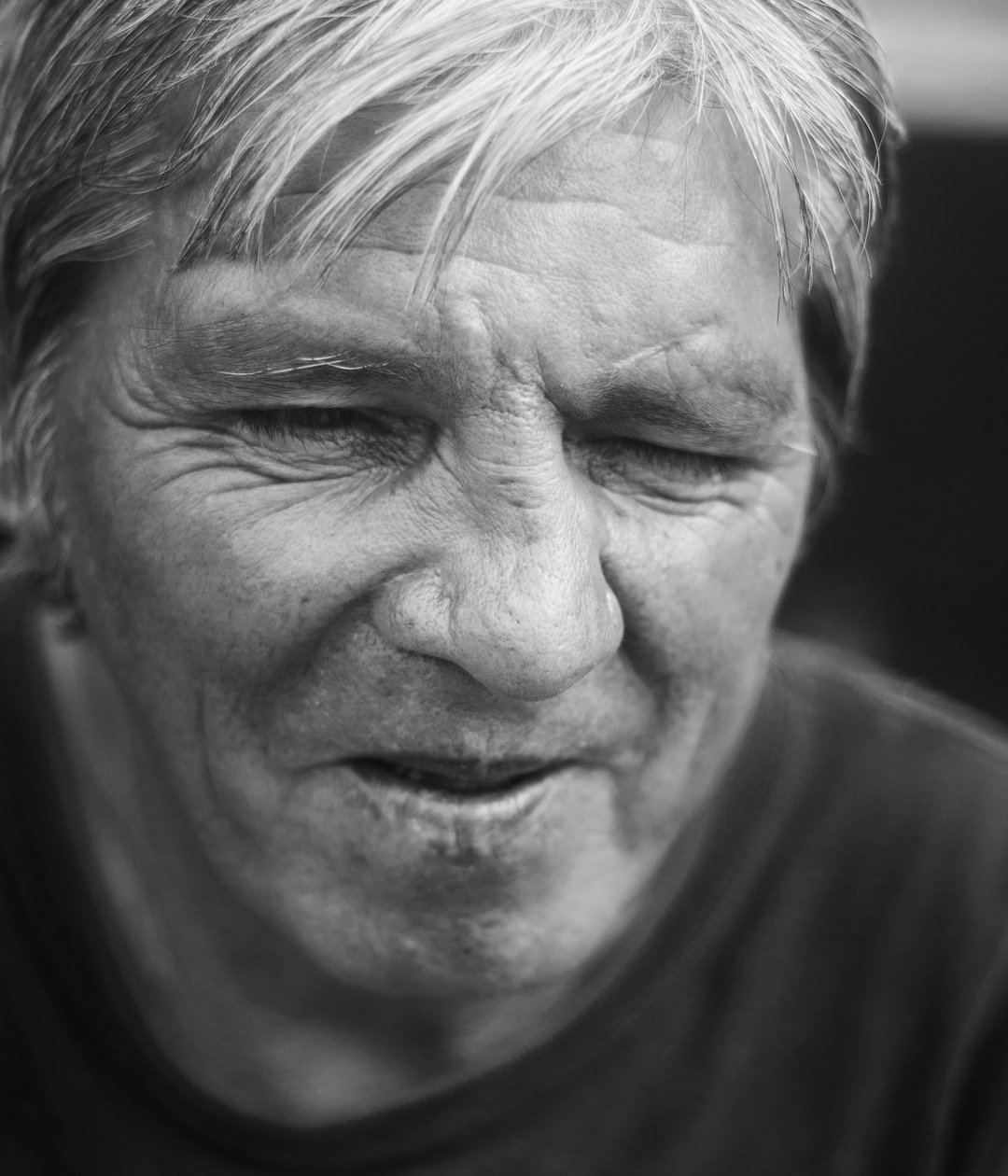
When looking at the series you will also notice that images of people are few and far between, which was a conscious decision by Casey to aid the story. “Originally, I was going to keep it completely void of any faces but I kept coming back to a poem that in explicit detail paints this picture of an ageing man describing his broken body after years of physical labour,” he explains.
“I felt it was important to keep that visual in with the landscapes to depict the relationship and hardships of the land. I just decided to keep portraits to a minimum though,” says Casey. “The landscapes already have this strong sense of human transience, so it was in my best interest to keep things focused on that element of the series.”
GalleryCasey Bennett: Outskirts
Hero Header
Casey Bennett: Outskirts
Share Article
Further Info
About the Author
—
Charlie joined It’s Nice That as an editorial assistant in December 2019. He has previously worked at Monocle 24, and The Times following an MA in International Journalism at City University. If you have any ideas for stories and work to be featured then get in touch.