How can design shape inclusive dialogues? Deem Journal teaches us to value design beyond the aesthetic
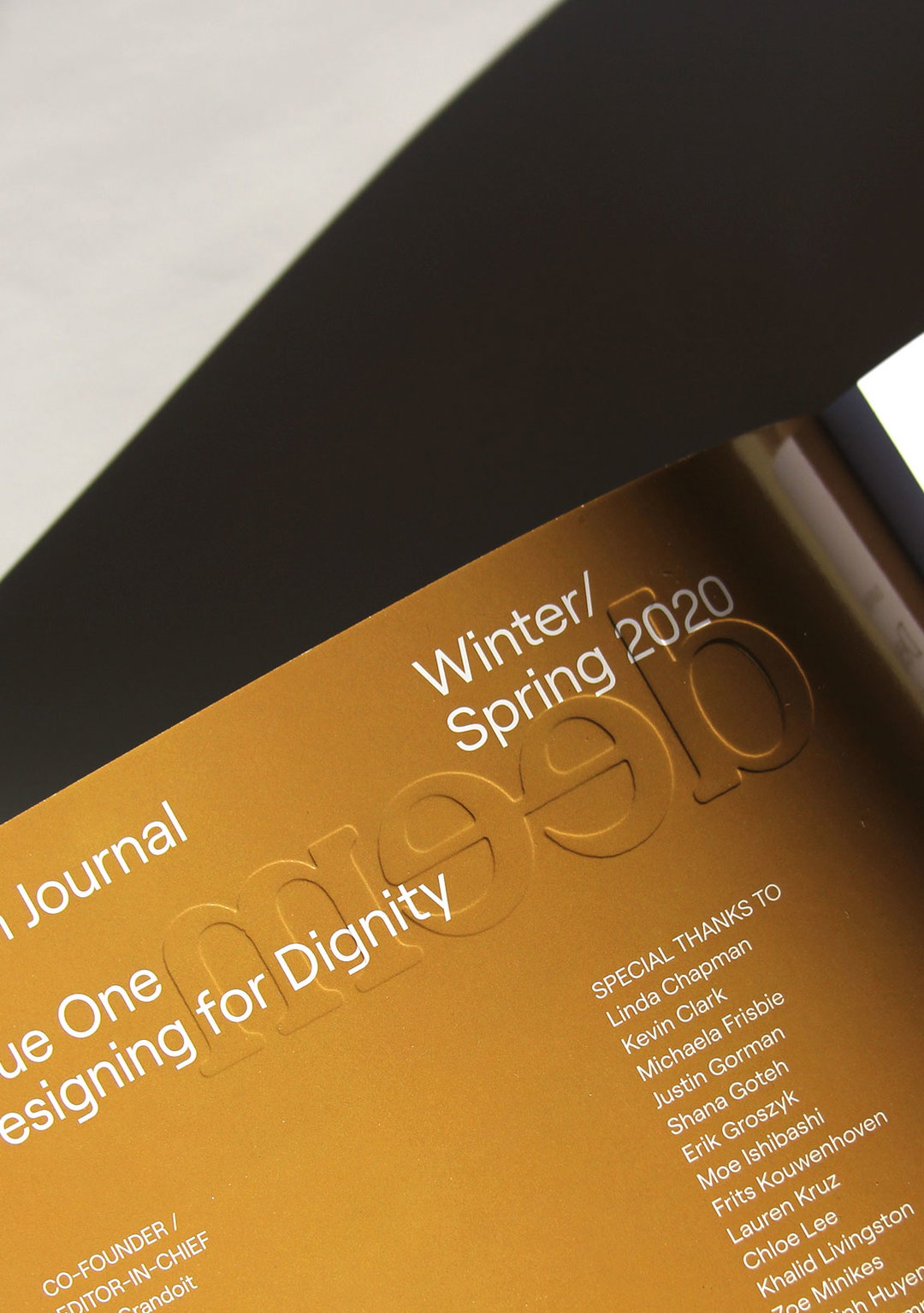
The inaugural issue of the LA-based journal titled Designing for Dignity goes back to the fundamentals of the design process.
Share
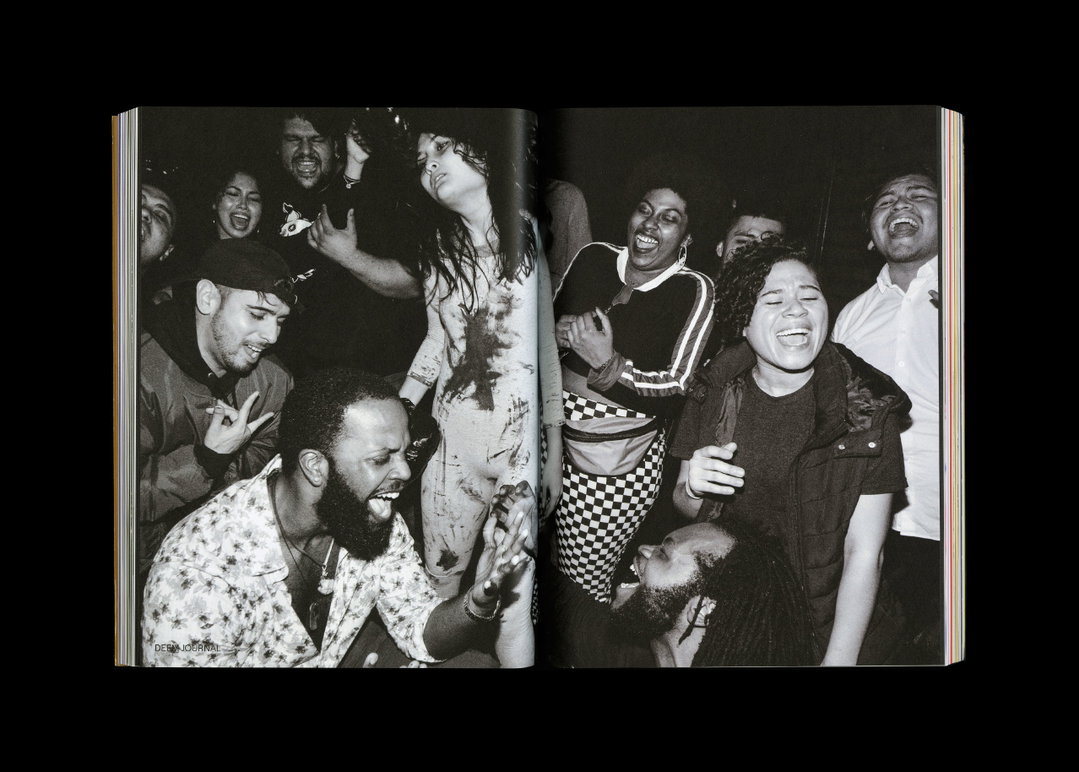
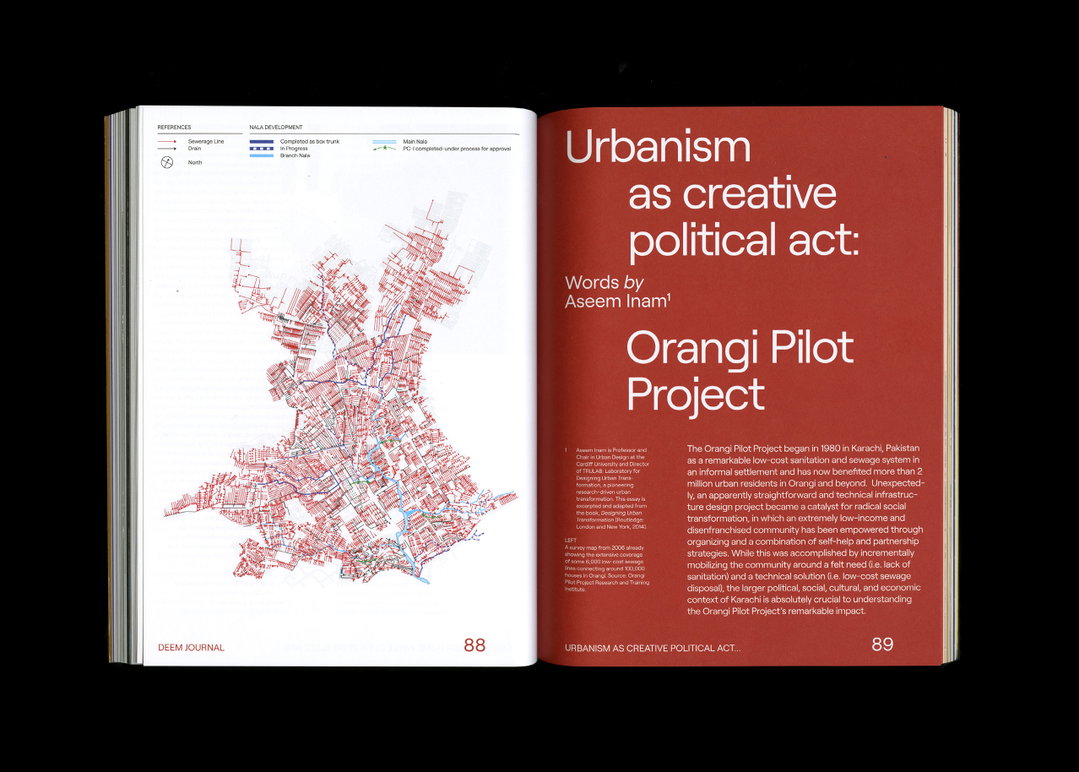
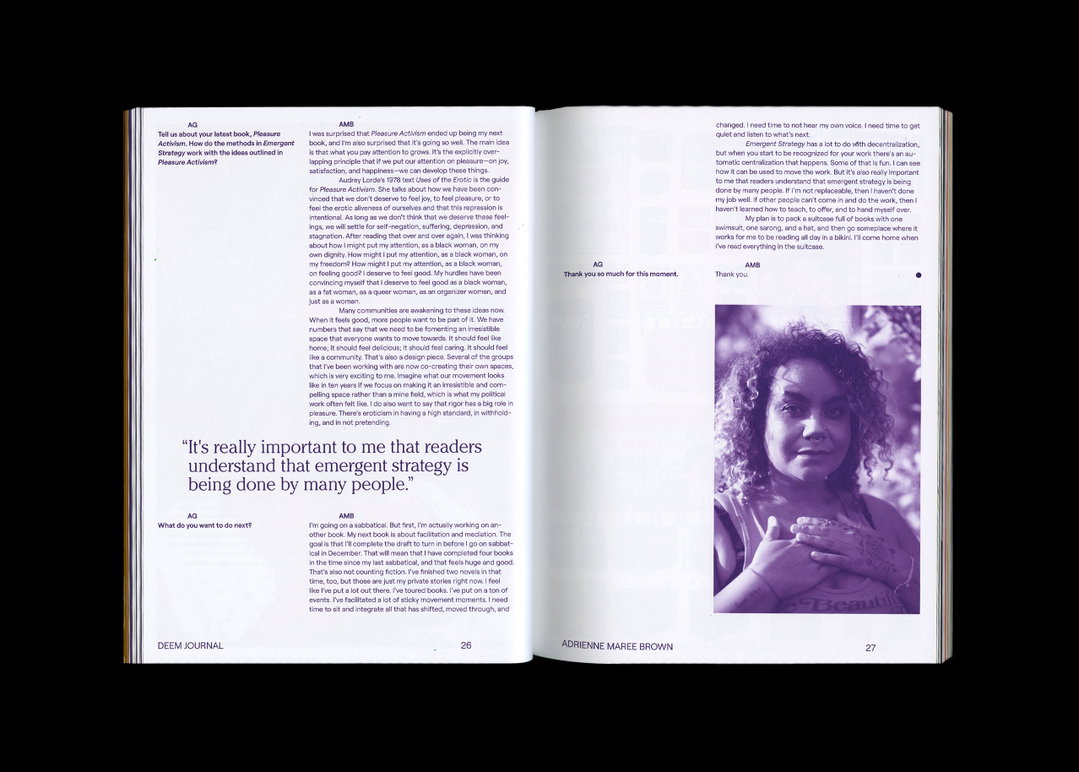
Whether we notice it or not, design is a constant presence in our everyday life. If we do notice it, more often than not, it’s the design’s aesthetic characteristics that are valued first and foremost. We’re often preoccupied with the visual, tangible output of design while its processes remains an afterthought. Deem Journal was created as a response to this. A brand new LA-based print journal and online platform, Deem focuses on design as a social practice.
It takes a detailed look into the role of design in communities, considering their histories and exploring their futures. In turn, the journal explores how design can be used to shape inclusive dialogues and intersectional dignity. By no means a straightforward subject matter to unpack, these issues are wholeheartedly introduced in Deem Journal’s newly launched inaugural issue: Designing for Dignity – designed by Cody Cano.
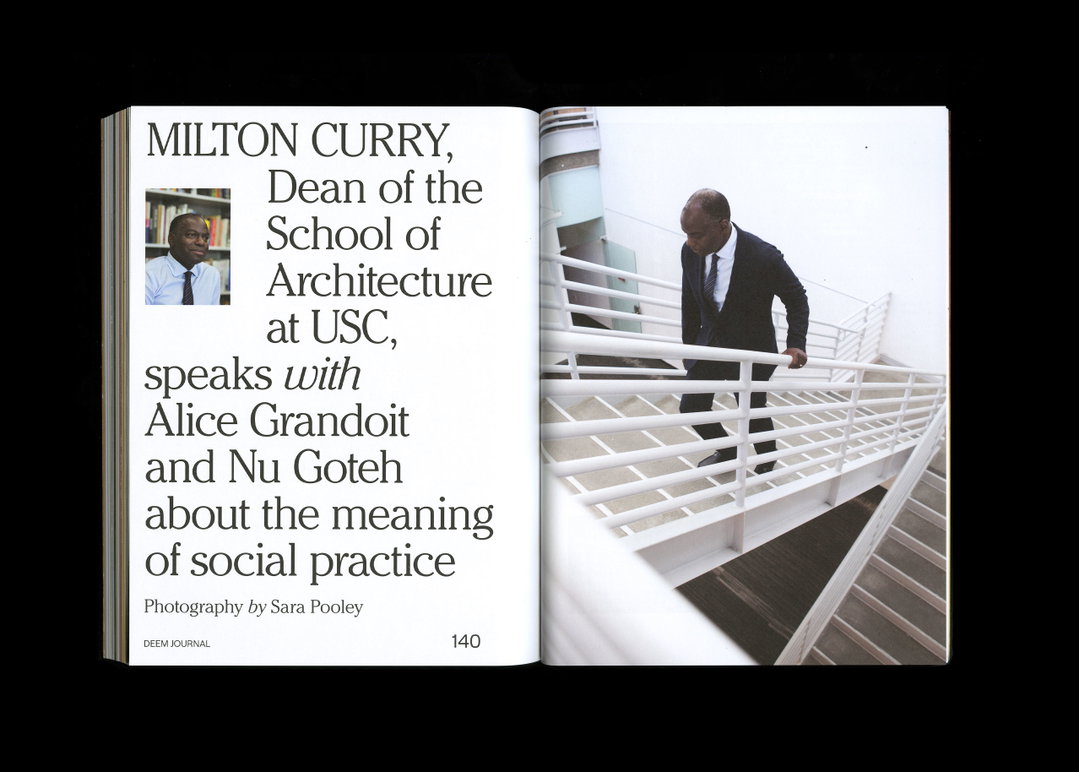
Founded by Nu Goteh, Alice Grandoit and Marquise Stillwell – three multi-talented creatives in their own right – Deem Journal was created as a reaction to an observed, mundane disconnect between design and the people who use it. They wanted to make a place where design is centred as a social practice above all, a place which celebrates non-traditional designers to identify within the field and share stories. Nu and Marquise first met at graduate school back in 2015 and quickly established a mutual interest in the subject. Then, Marquise tells us, “to bring it all together, Nu suggested that his long-time friend and collaborator Alice would be a great partner. That is how we began making magic.”
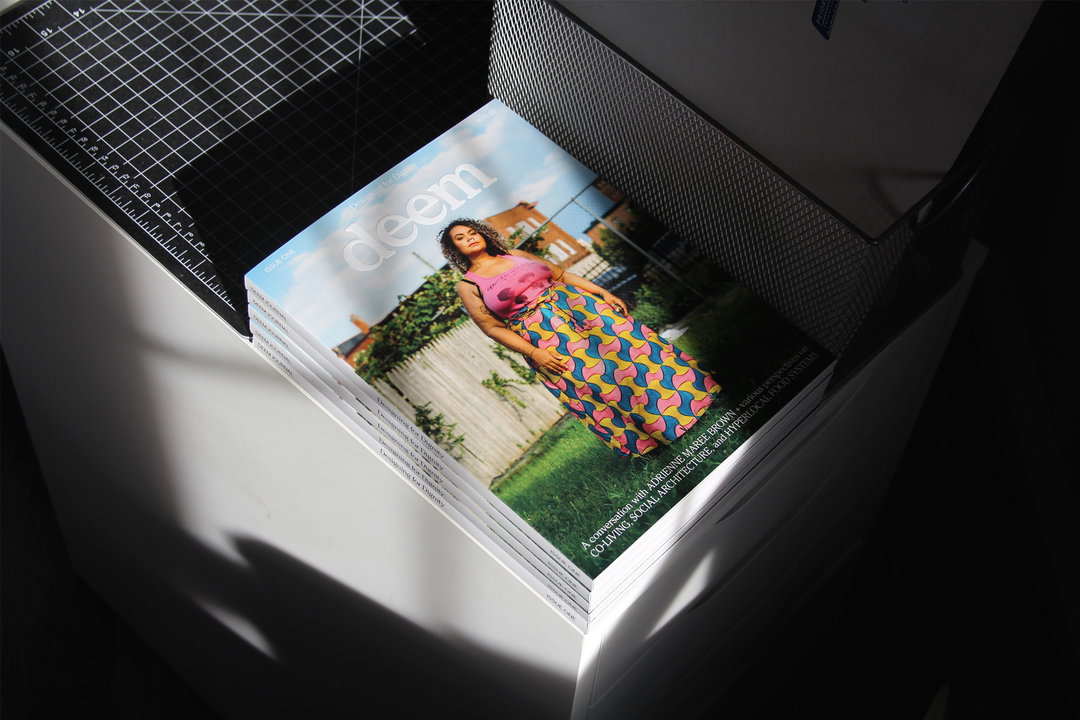
Deem Journal: Designing for Dignity
Drawing out the universality of design and highlighting the discipline as an omnipresent aspect of human activity, Deem Journal's stories recognise that “we all participate in the design process whether it’s consciously or unconsciously. If we are more aware of this we can begin to draw inspiration from locally crafted solutions executed at a small scale, to help us at the larger scale, and continuously (re)imagine a new world.” With this in mind, the first issue’s theme Designing for Dignity was decided as a way to explore various value systems.
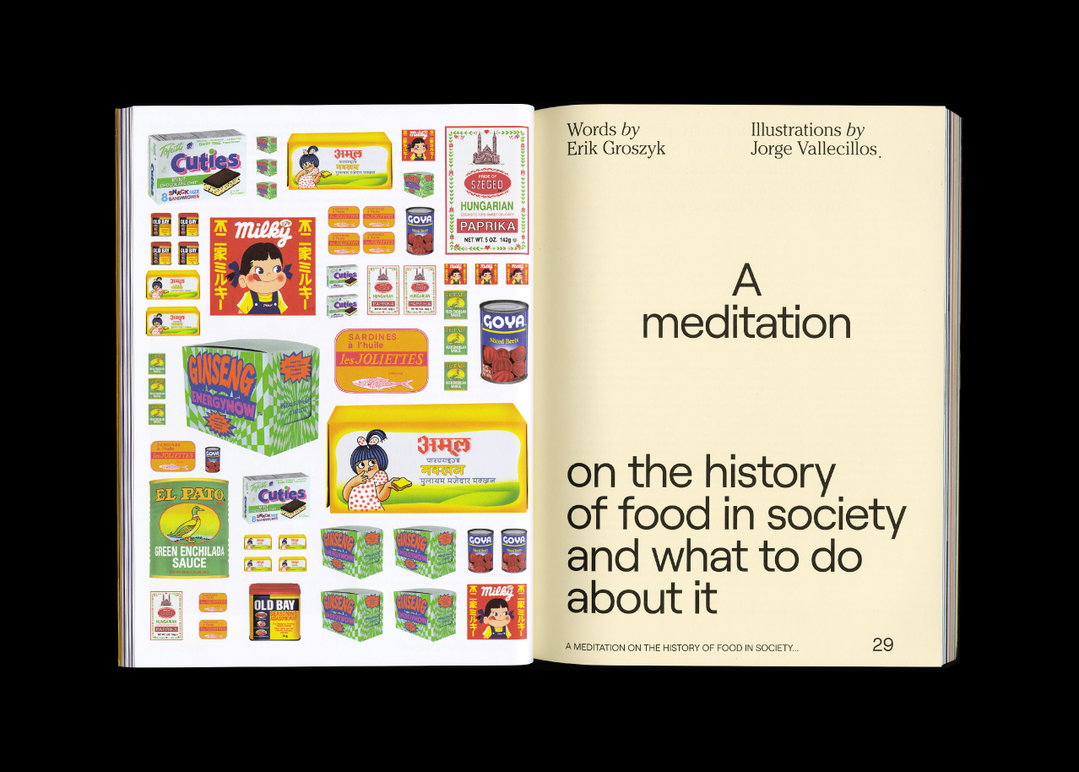
Regardless of skill or output, Designing for Dignity goes back to the fundamental root of the process – understanding. Nu says on this: “At the core of dignity is a shared belief in what is considered valuable. Before you can design, you must seek to understand. In that search for understanding is where you uncover the nuances that contribute to a dignified life.” The inclusive concept means that those who don’t necessarily define their practice under the umbrella of design can still engage and comprehend the journal’s content. And wholeheartedly expressing this sentiment, the first issue delves into initiatives that dignify the experiences and priorities of systematically marginalised people. From going on a journey of understanding as to how we can cultivate a deeper relationship with our nourishment, to really thinking about human activity and interaction, everything is considered throughout the design process. And Deem Journal consistently “thinks about the relationships we need to establish with each other to design for collective needs and to sustain communal forms of life.”
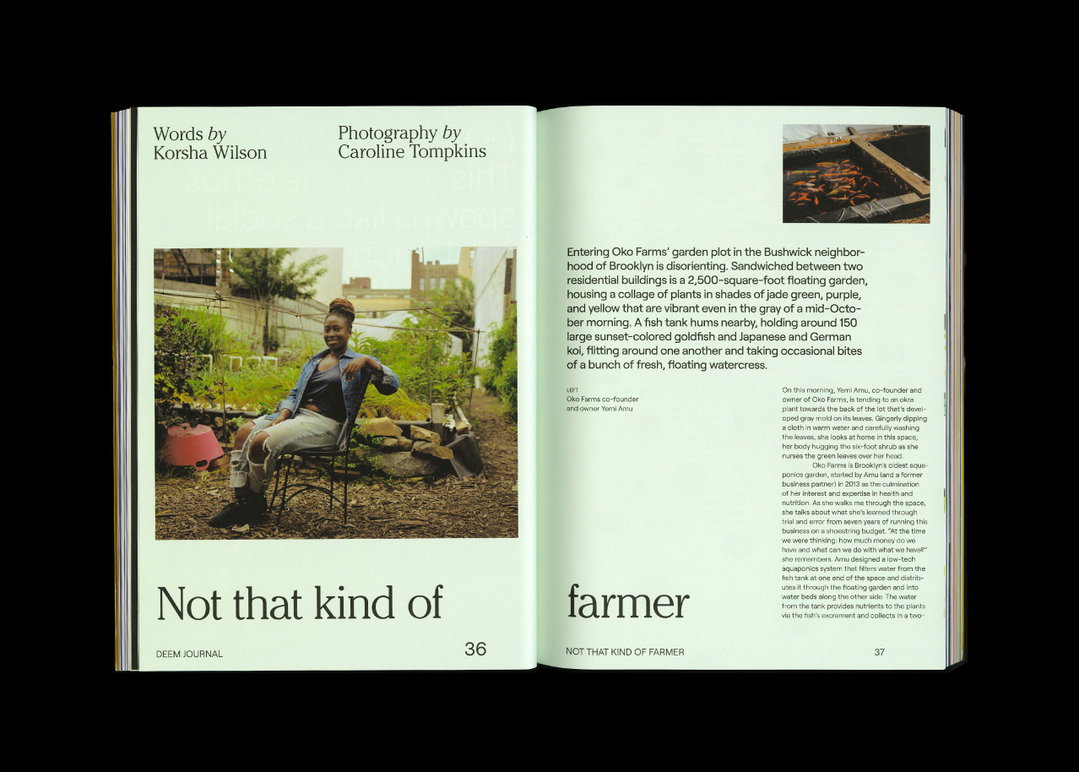
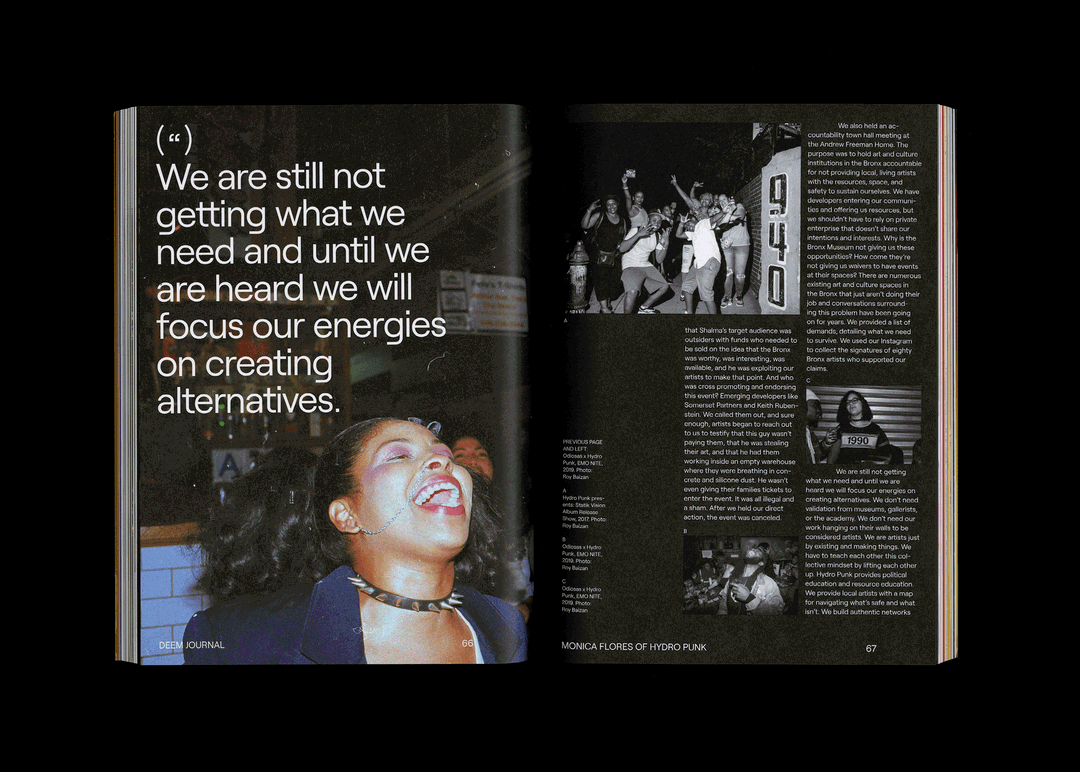
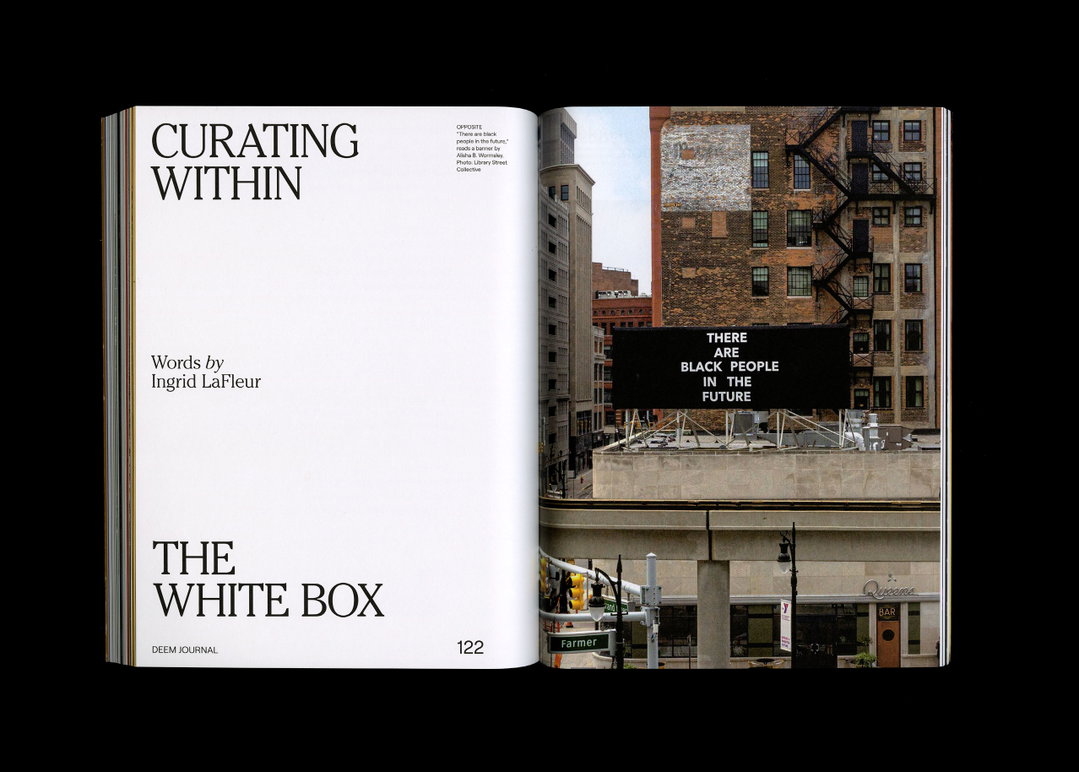
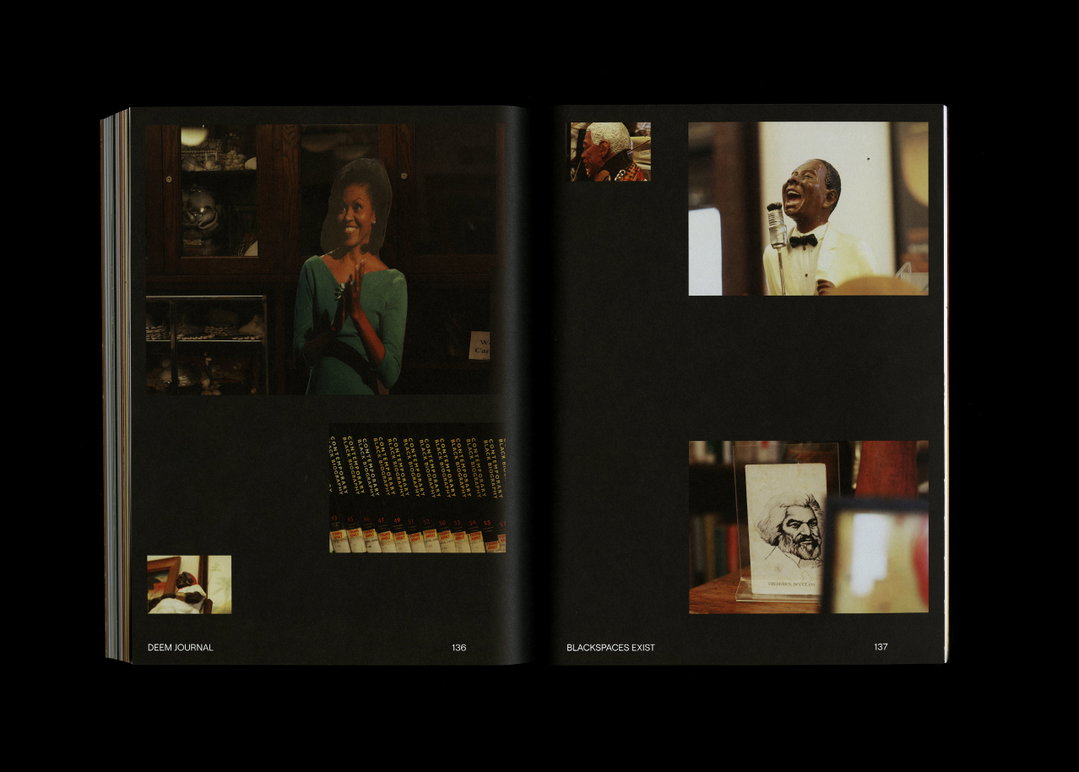
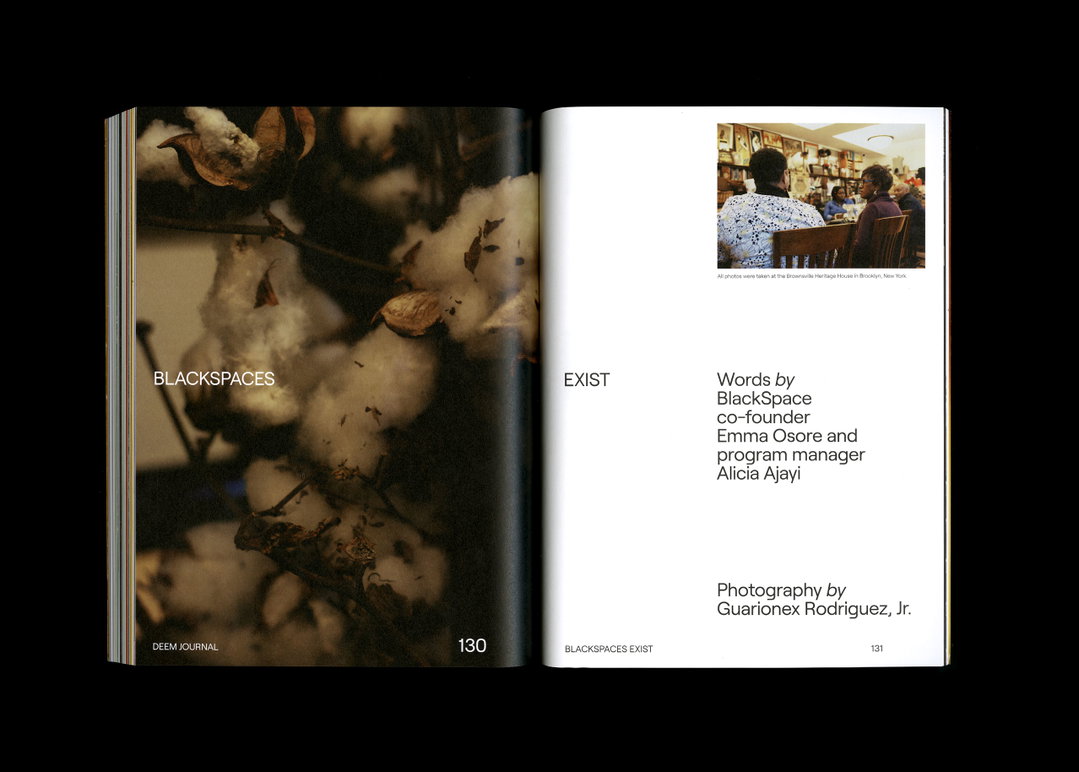
One feature, for example, looks into the design of hyper-local food systems. Titled Soul Fire Farms: Imagining Black and Indigenous Food Sovereignty, Deem Journal explores how this farm has crafted a safe space to organise and shift the power dynamic around food. Elsewhere, the magazine shines a light on the grassroots collective Hydropunk, a Bronx-based initiative amplifying the voices of creatives in the Bronx. And in yet another significant feature, the journal seeks to understand more about the psychology of space. Sitting down with WAI Architecture Think Tank, Deem weighs how architecture can liberate or oppress communities. In Curating Within the White Box, the Detroit-based curator Ingrid LeFleur explains “how much of our history has been falsified, misattributed and erased,” and stresses “the importance of imaging and working toward futures as a means of manifestation.”
When it came to putting together this comprehensive publication of culturally-rich stories however, the founders encountered a challenge. As media makers, Nu, Alice and Marquise were used to the bite-sized “snackable” social media content squeezed into the limited character spacing of a caption or image. With Deem being arguably the opposite, the founders faced a different way of working, embracing a slower, long-form media that gradually unwraps itself throughout a journalistic story. In an age of shorter content, the challenge was to remain fully present in the intricate weavings of this process, but clearly, the effort was worth it, evidenced in the wonderful multiplicity of Deem Journal.
GalleryDeem Journal : Designing for Dignity
Share Article
Further Info
About the Author
—
Jynann joined It’s Nice That as an editorial assistant in August 2018 after graduating from The Glasgow School of Art’s Communication Design degree. In March 2019 she became a staff writer and in June 2021, she was made associate editor. She went freelance in 2022.