In his new photo series, Devashish Gaur searches his paternal lineage for answers to his present
Intrigued by the enigmatic figure of his grandfather, and the worldviews he passed down to his own father, Devashish set out to understand the men that came before him.
Even before he started his latest project, Indian photographer Devashish Gaur had always had an inclination to dig deeper, to look below the surface. Interested in how repeated representations of a place and people can alter society’s perception of them, he has long been aware of the world’s cliched view of India, and it is this understanding that he says informs his photographic practice. “For the most part, India has been portrayed through a particular gaze, and I like to think that it has many beautiful intricacies and complexities beyond that gaze,” he says. “So I work with photo archives to explore domesticity, identity, intimacy and the idea of home.”
For Devashish, home is both a macro and micro subject matter. Through his photographs he probes both his country and, zooming in, the household that he grew up in. Family and personal history have been an important topic for him since he was a teenager and this is evident in his ongoing project This is the Closest We Will Get. Inspired by his late grandfather and more specifically by the absence of a relationship between them (his grandfather passed away before Devashish was born), this series of photographs looks to investigate the dynamics of his family through the paternal line. “In a way, absence and a longing to know someone who is gone forever made me curious and it made me think about a relationship that I could never have,” he explains. “It was only after I started pursuing photography that I found [my grandfather’s] old and now obsolete film camera. It was a beautiful realisation that it was his and that he also once made photographs.”
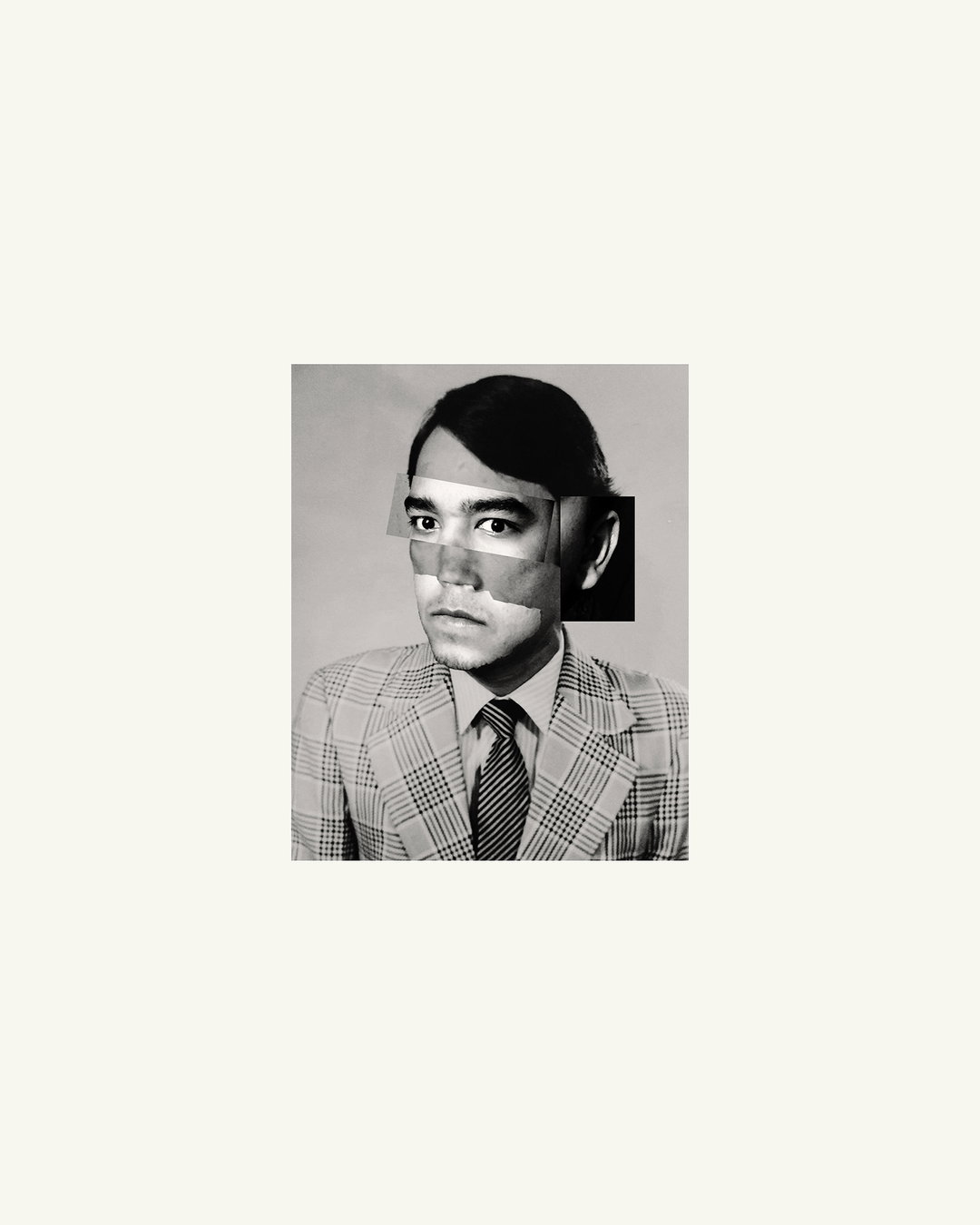
Devashish Gaur: Me and Dad; thinking of how much of our personalities can we rub onto each other before we start seeing each other in each other? How long can we stay our true-selves when we share the same domestic space for so long?, This Is The Closest We Will Get (Copyright © Devashish Gaur, 2019)
Alongside being a hobby photographer, Devashish’s grandfather was a writer, teacher, public speaker, and a dedicated father and husband. He was also a freedom fighter who contributed to India’s freedom struggle against British colonial rule. This aspect of the man was particularly intriguing for Devashish, as he began to see parallels between him and his son, Devashish’s father. Both have been outspoken critics of India’s governing bodies, be it foreign or domestic. But whereas his grandfather voiced his criticism in-person and through the radio, his father has turned to social media, posting daily updates with his thoughts and views – a habit that has frequently perplexed and frustrated Devashish over the years. It was only after gaining an understanding of the former’s struggle against corruption and dictatorship that he was able to empathise with the latter’s. In other words, it was only through looking for answers about his grandfather’s life, that he truly began to find answers to his father’s.
Thus the project takes an intergenerational trajectory, documenting his grandfather’s existence through archival imagery, and transitioning to his father’s existence, which we witness through Devashish’s own photographs of him, his routine and his possessions. Studying both figures, Devashish says he was interested in looking for “the tenderness in hyper-masculine family photos” and finding them in the “gestures, expressions and poses” of the subjects. The images of objects that belong to his father also explore notions of hyper-masculinity by depicting his tools and the “fix-it-all” attitude that they suggest. Though Devashish struggles to relate to this particular quality, portraits of his father collaged with self-portraits of Devashish speak to the idea that, underneath it all, there are always traces of the father within the son.
“I feel if we share a space closely with someone else for a long period of time, we tend to become a little bit like each other,” he explains. “Our personalities rub off onto the people around us regardless of whether we want that to happen, and this photo collage attempts to translate that feeling.” Not only that, but it taps into a wider and overarching concept of shared history and familial ties – both tangible and abstract. It suggests that answers to our present and future can often be found by looking into the past. As Devashish puts it: “Personal history is very important, and reflecting upon the contrasts and similarities between now and before is crucial in understanding where we come from and why some things are the way they are.”
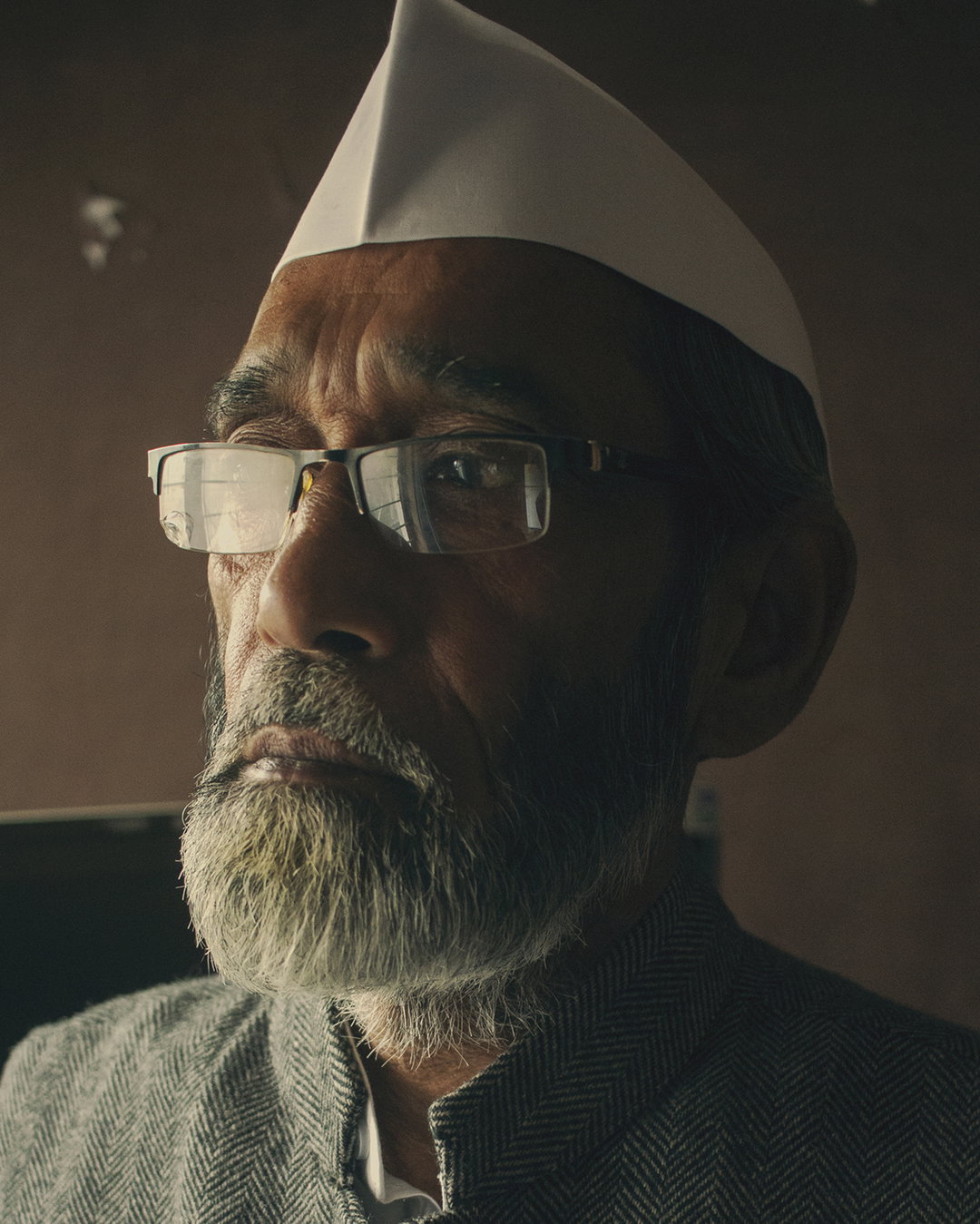
Devashish Gaur: Dad dressing up as Grandpa, This Is The Closest We Will Get (Copyright © Devashish Gaur, 2020)
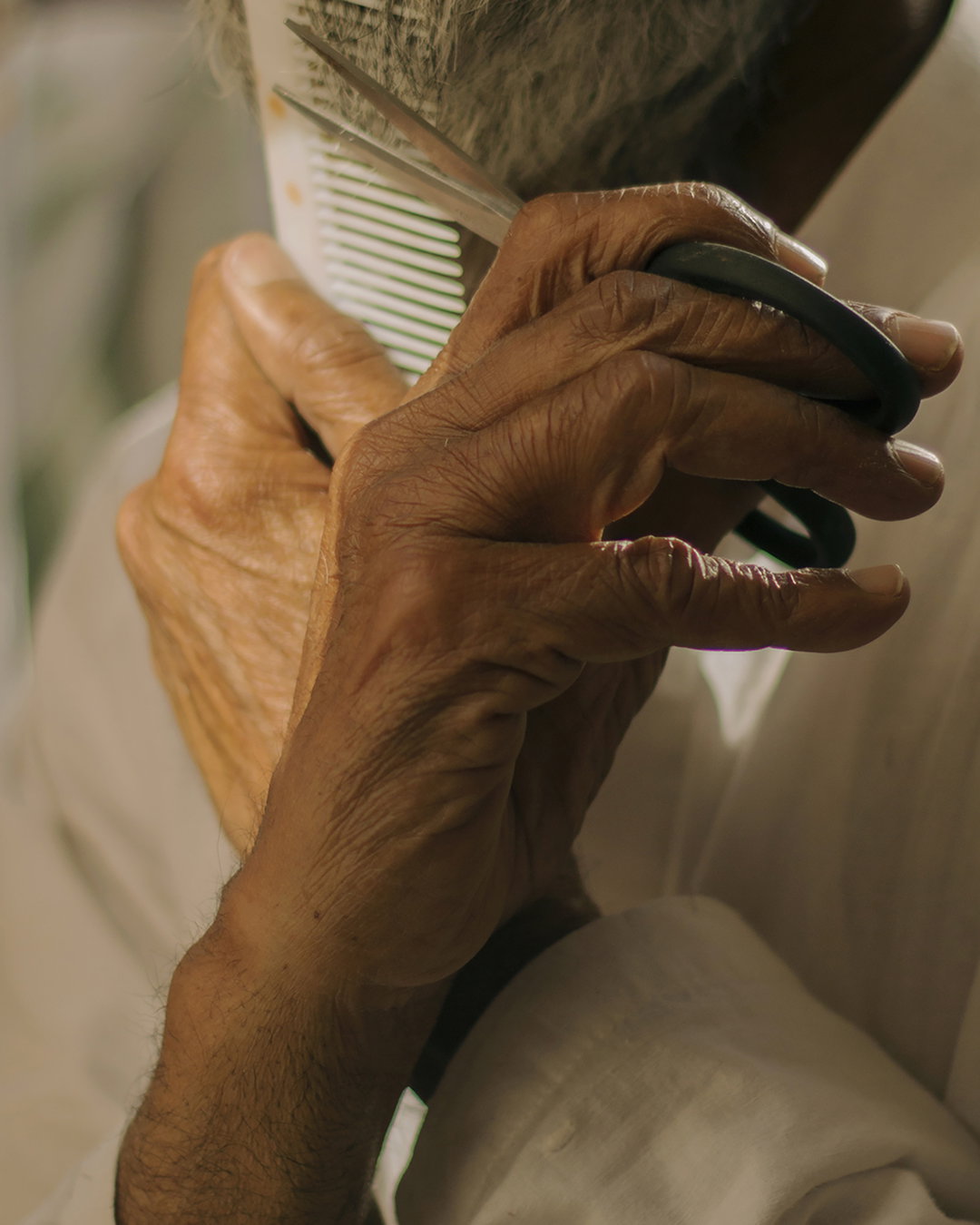
Devashish Gaur: Dad grooming to look like his father, This Is The Closest We Will Get (Copyright © Devashish Gaur, 2021)
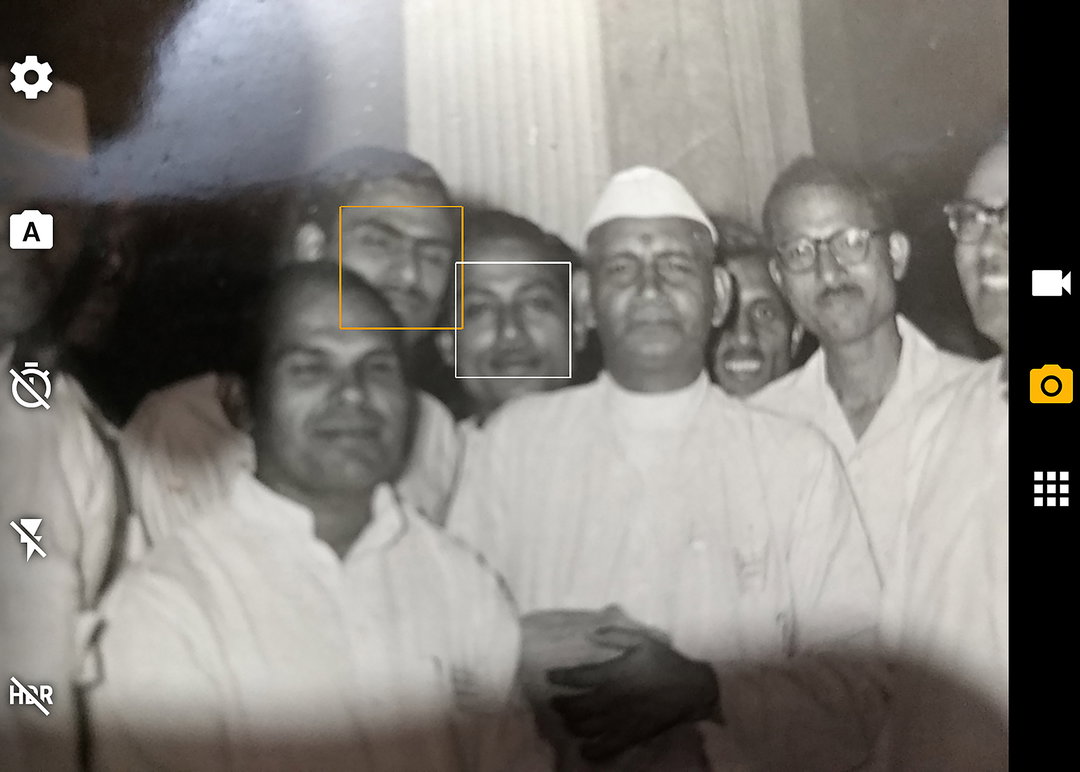
Devashish Gaur: How much can the software know? How much meaning is lost in face detection and how many memories are forever gone?, This Is The Closest We Will Get (Copyright © Devashish Gaur, 2019)
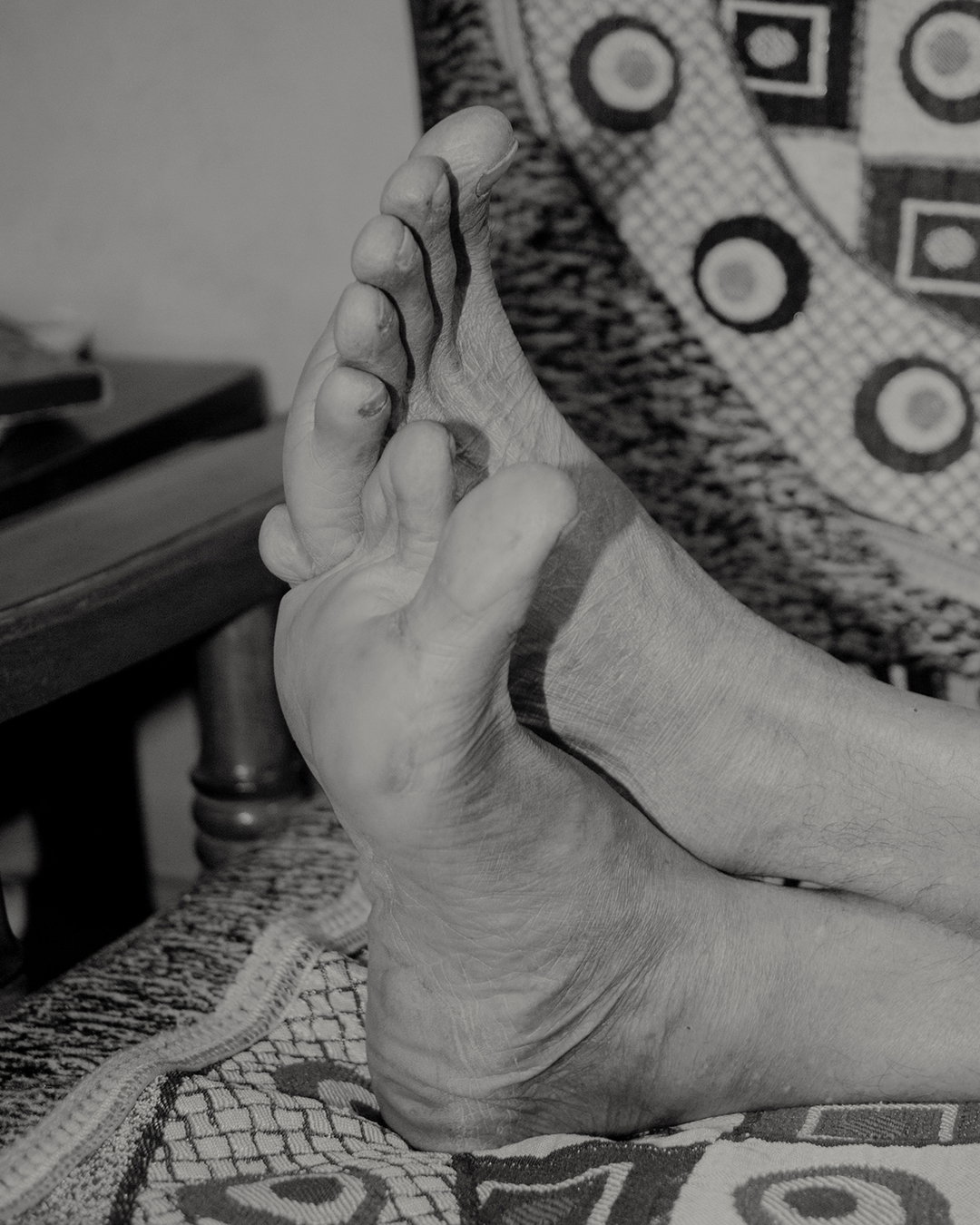
Devashish Gaur: Untitled, This Is The Closest We Will Get (Copyright © Devashish Gaur, 2019)
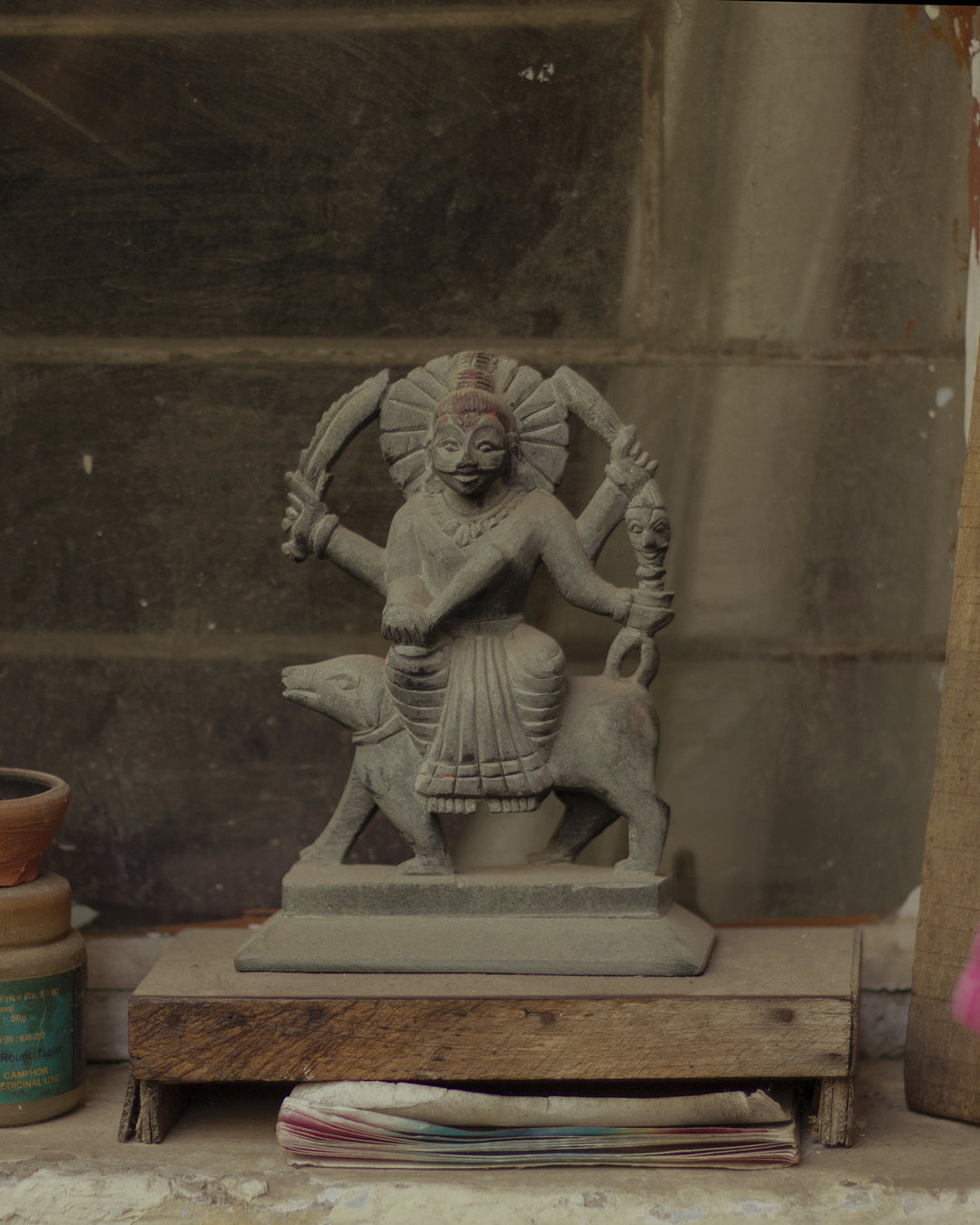
Devashish Gaur: Untitled, This Is The Closest We Will Get (Copyright © Devashish Gaur, 2020)
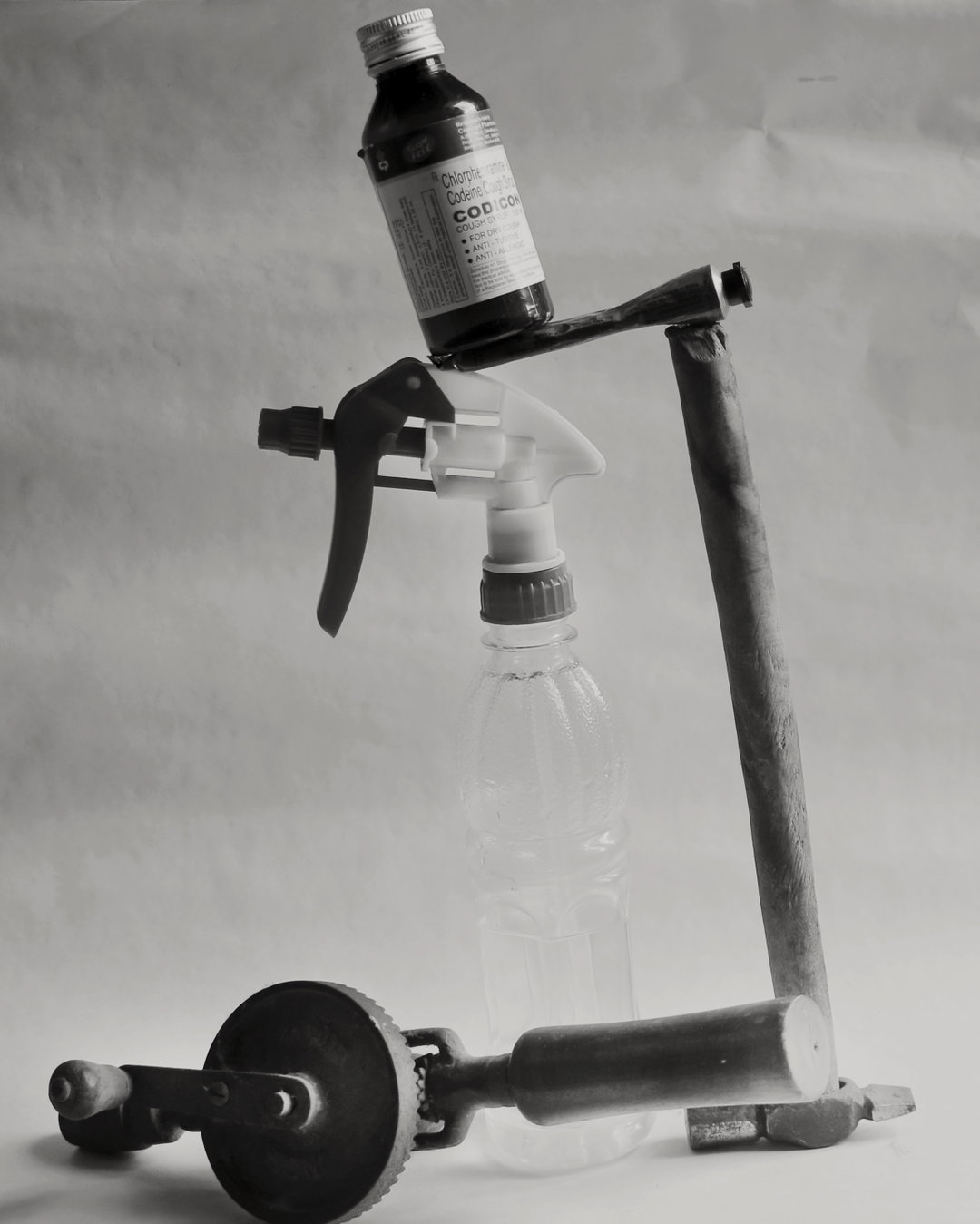
Devashish Gaur: Almost Portrait, This Is The Closest We Will Get (Copyright © Devashish Gaur, 2019)
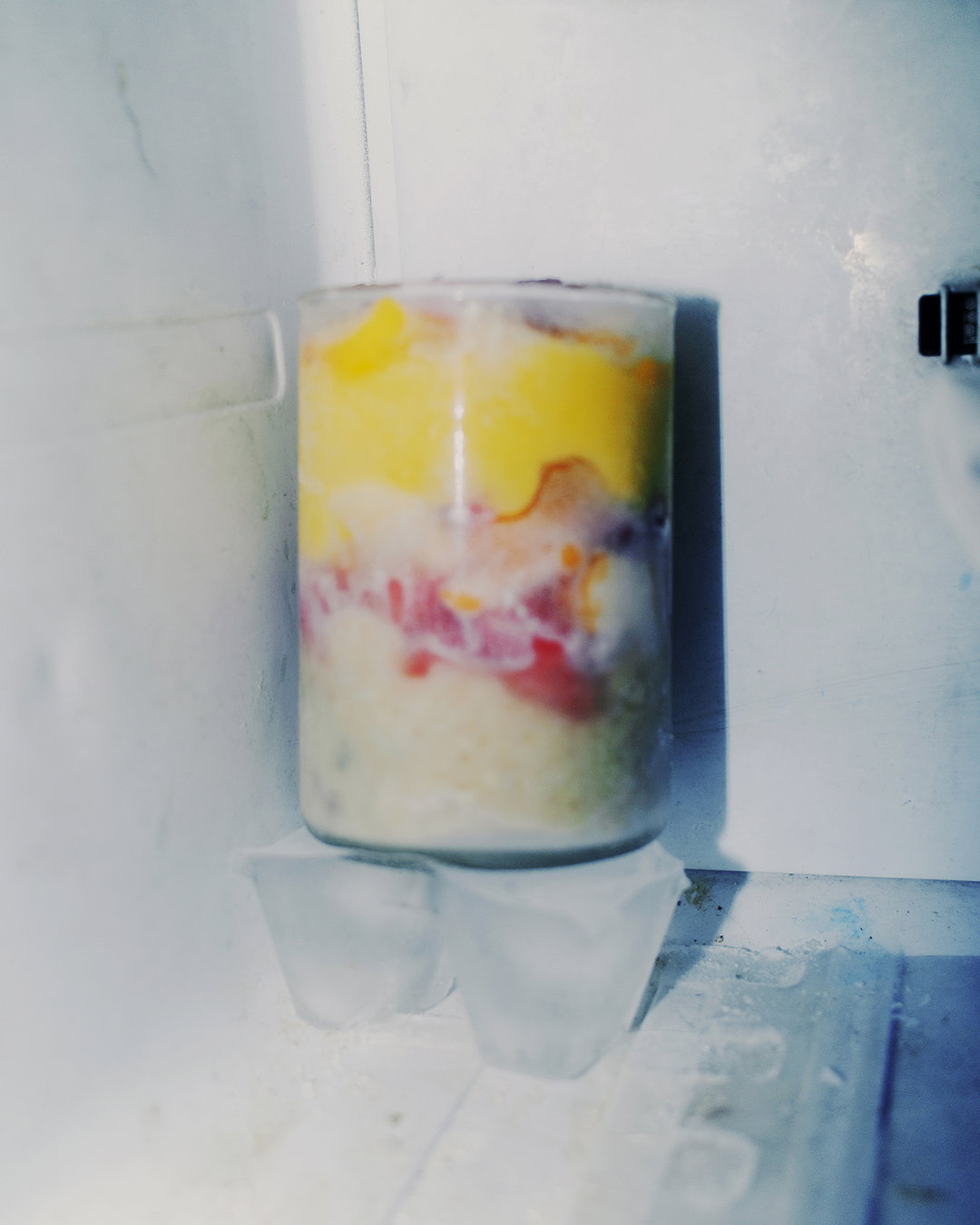
Devashish Gaur: Last Treat, This Is The Closest We Will Get (Copyright © Devashish Gaur, 2019)
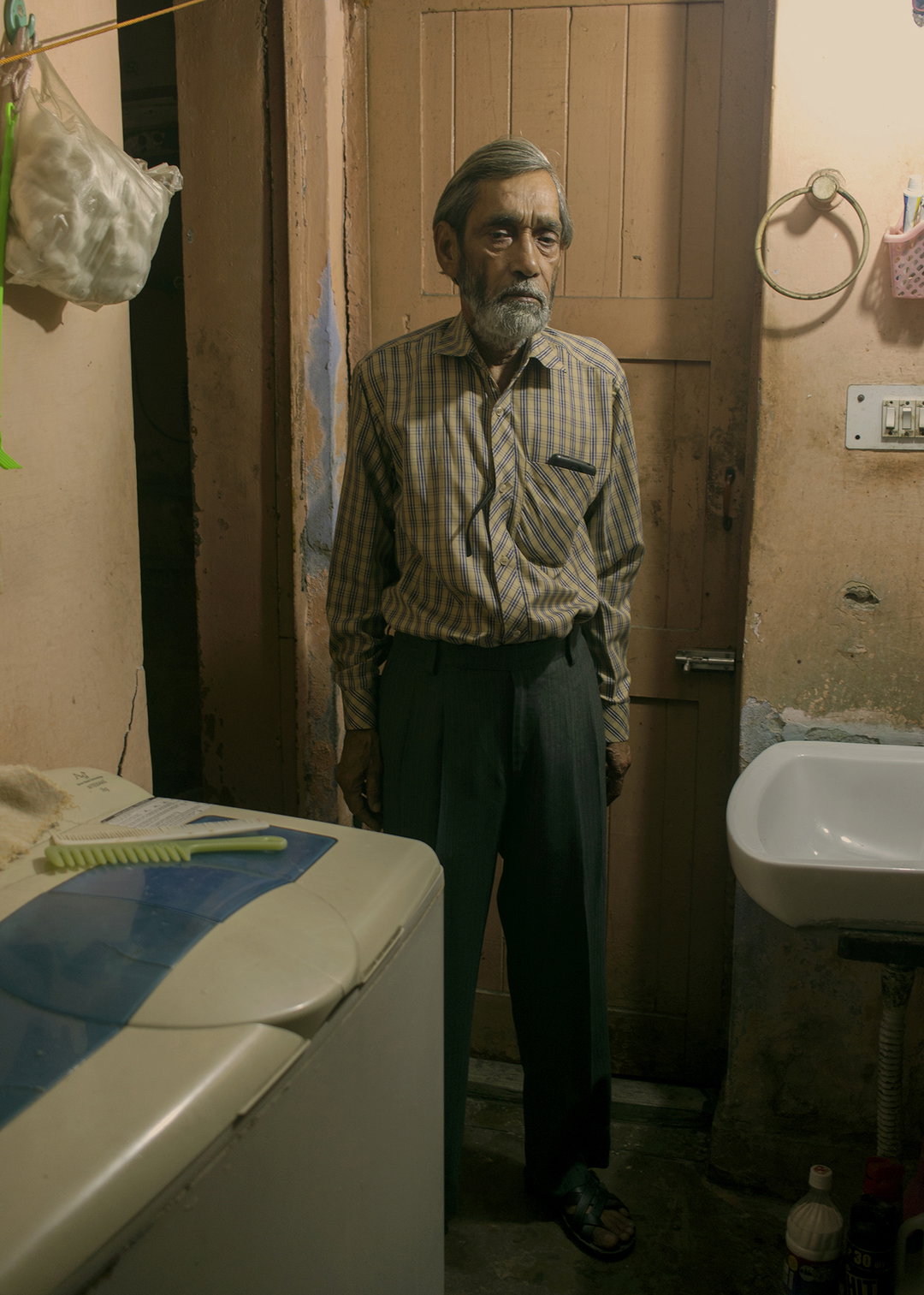
Devashish Gaur: Dad at Home, This Is The Closest We Will Get (Copyright © Devashish Gaur, 2020)
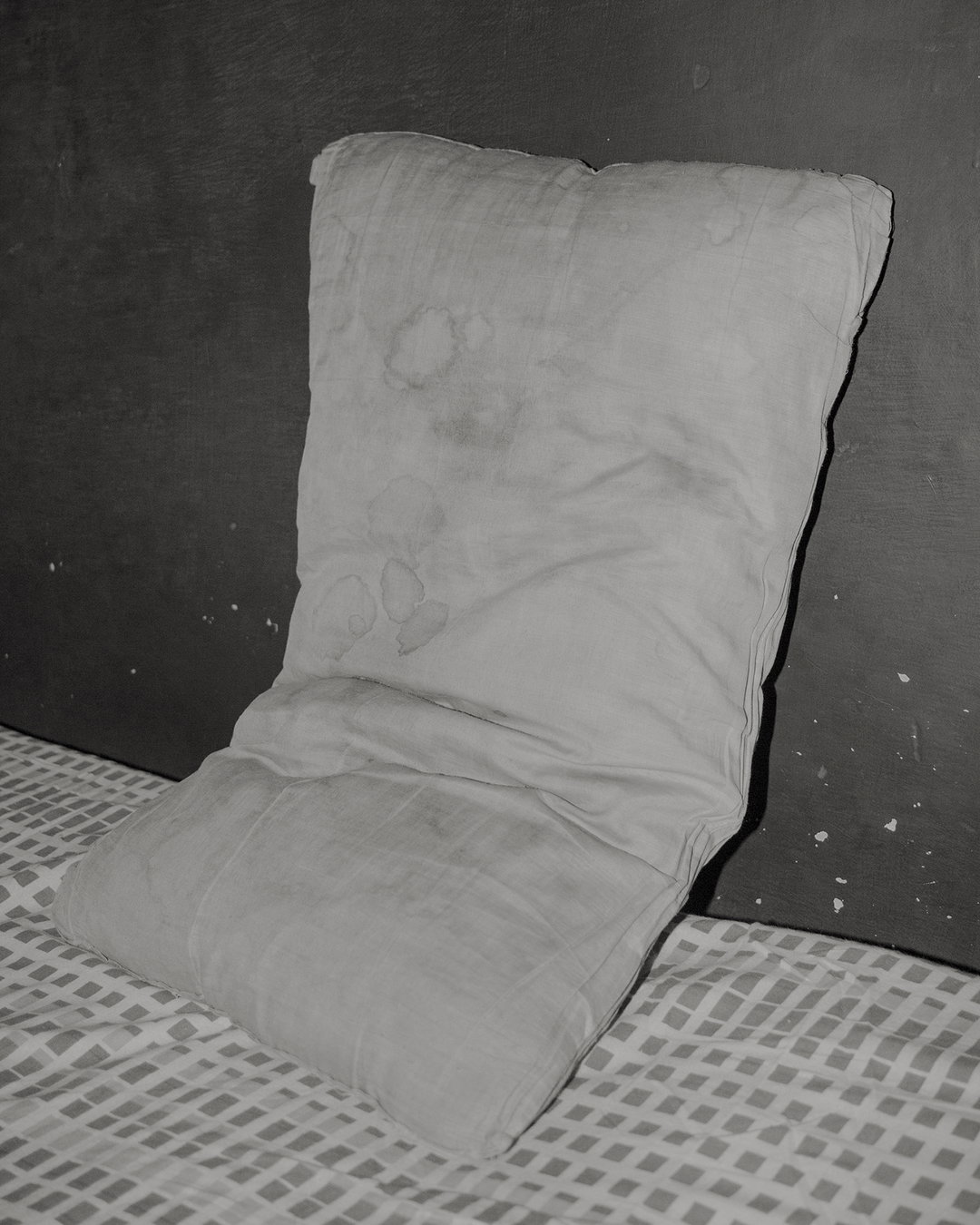
Devashish Gaur: Pillow that you dream on, This Is The Closest We Will Get (Copyright © Devashish Gaur, 2020)
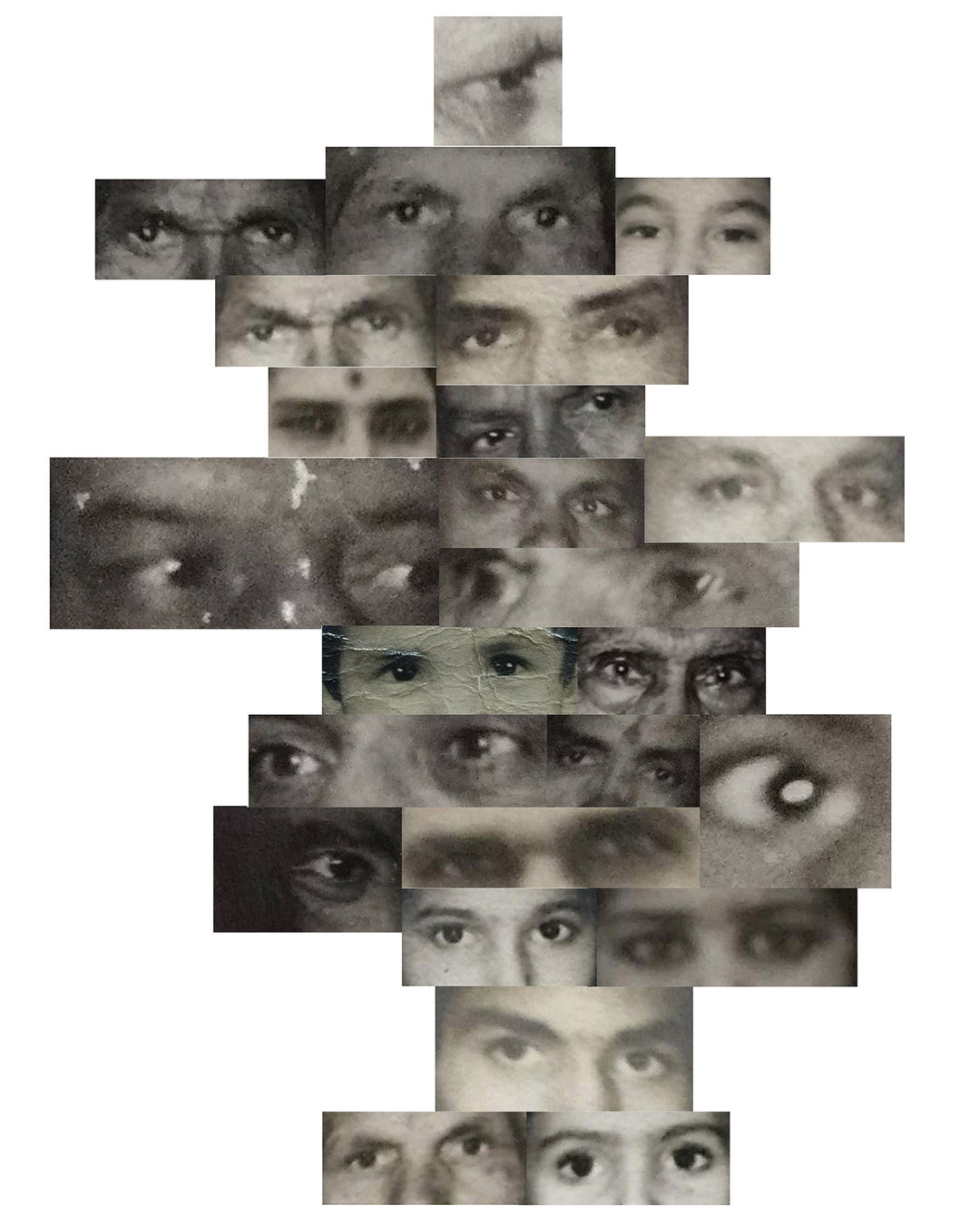
Devashish Gaur: Witness Of Existence, This Is The Closest We Will Get (Copyright © Devashish Gaur, 2019)
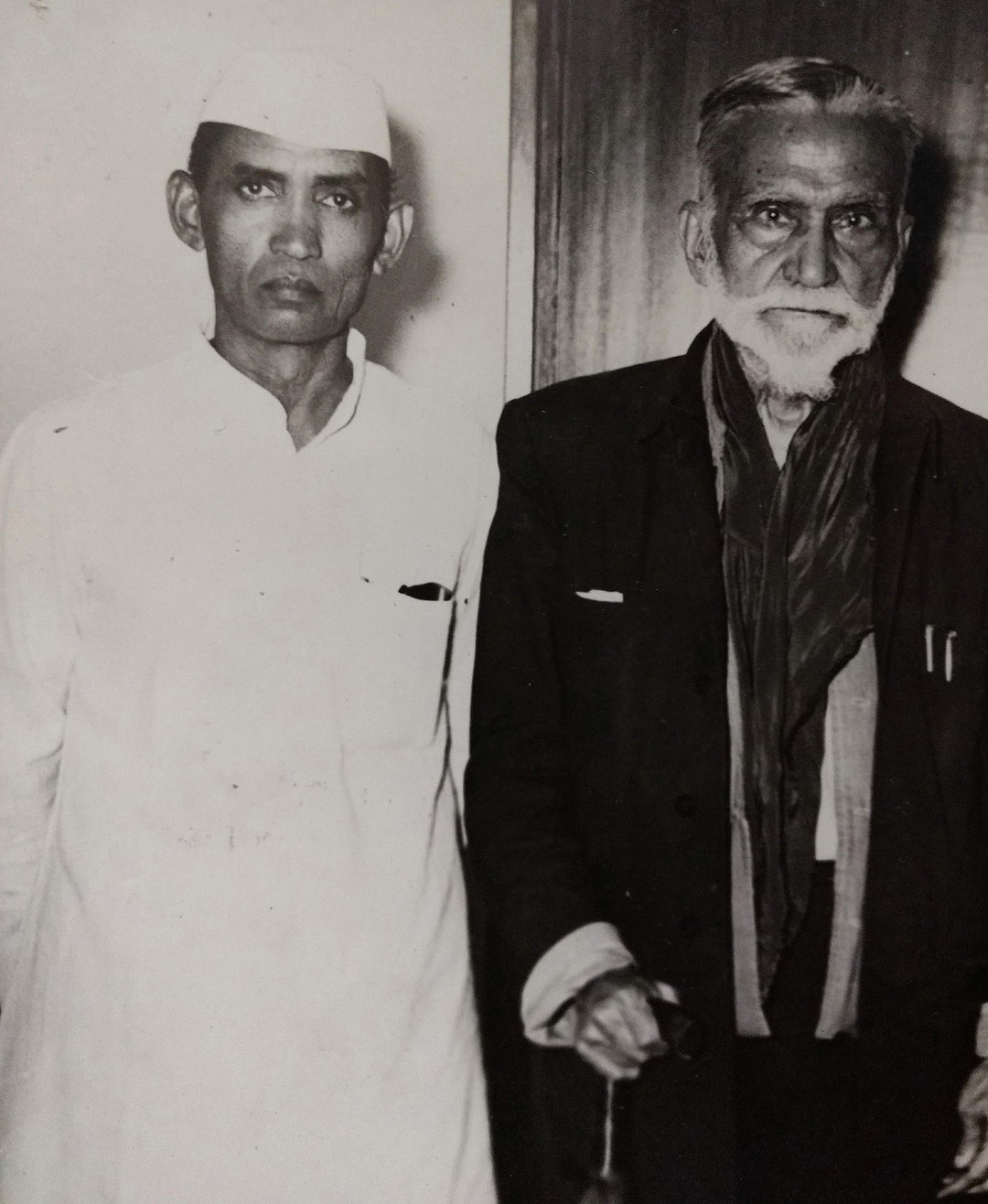
Devashish Gaur: Grandpa, Archives, This Is The Closest We Will Get (Copyright © Devashish Gaur, 2019)
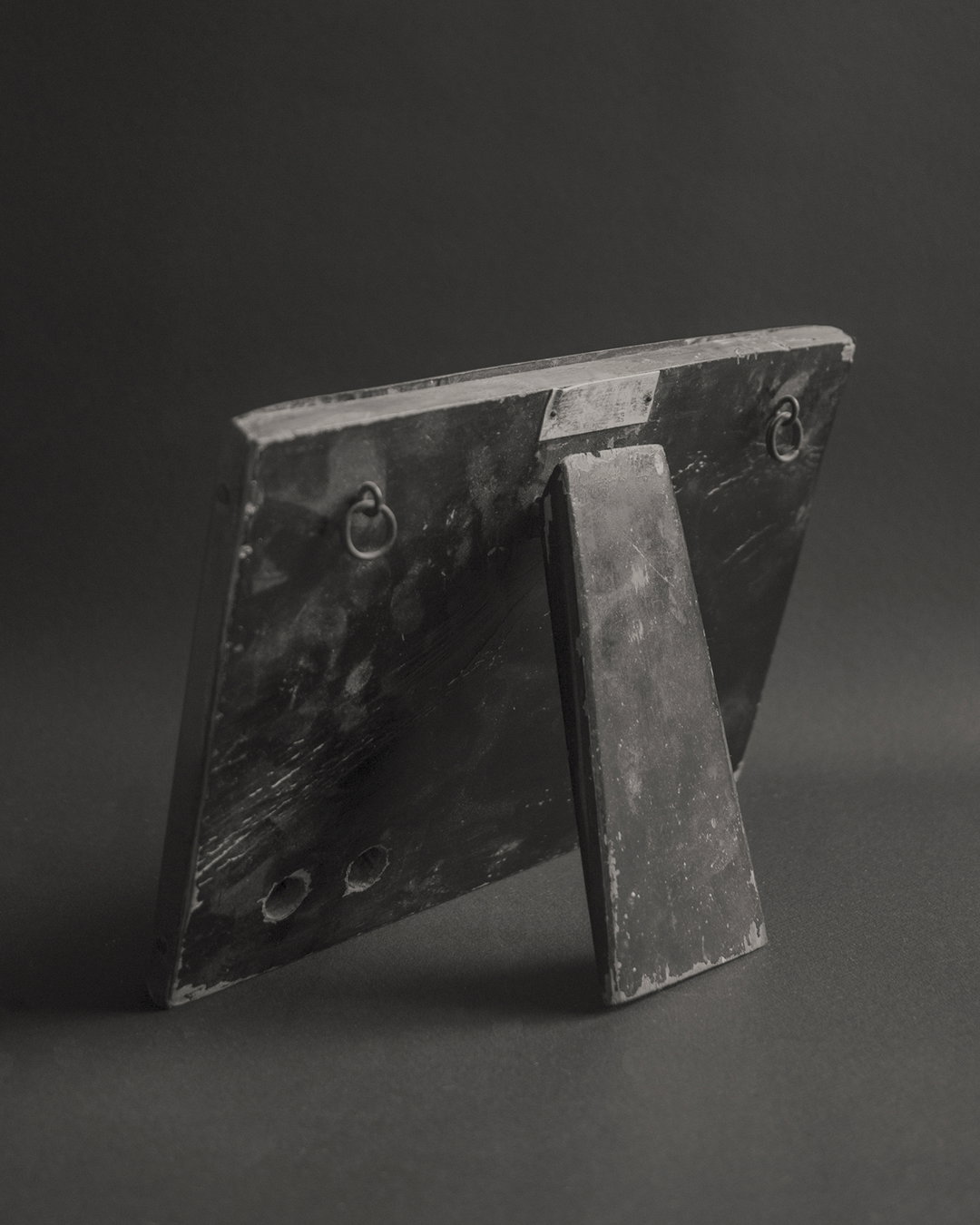
Devashish Gaur: Tapmrapatra; An award for outstanding contribution to freedom struggle during the British rule by the Indian Government., This Is The Closest We Will Get (Copyright © Devashish Gaur, 2020)
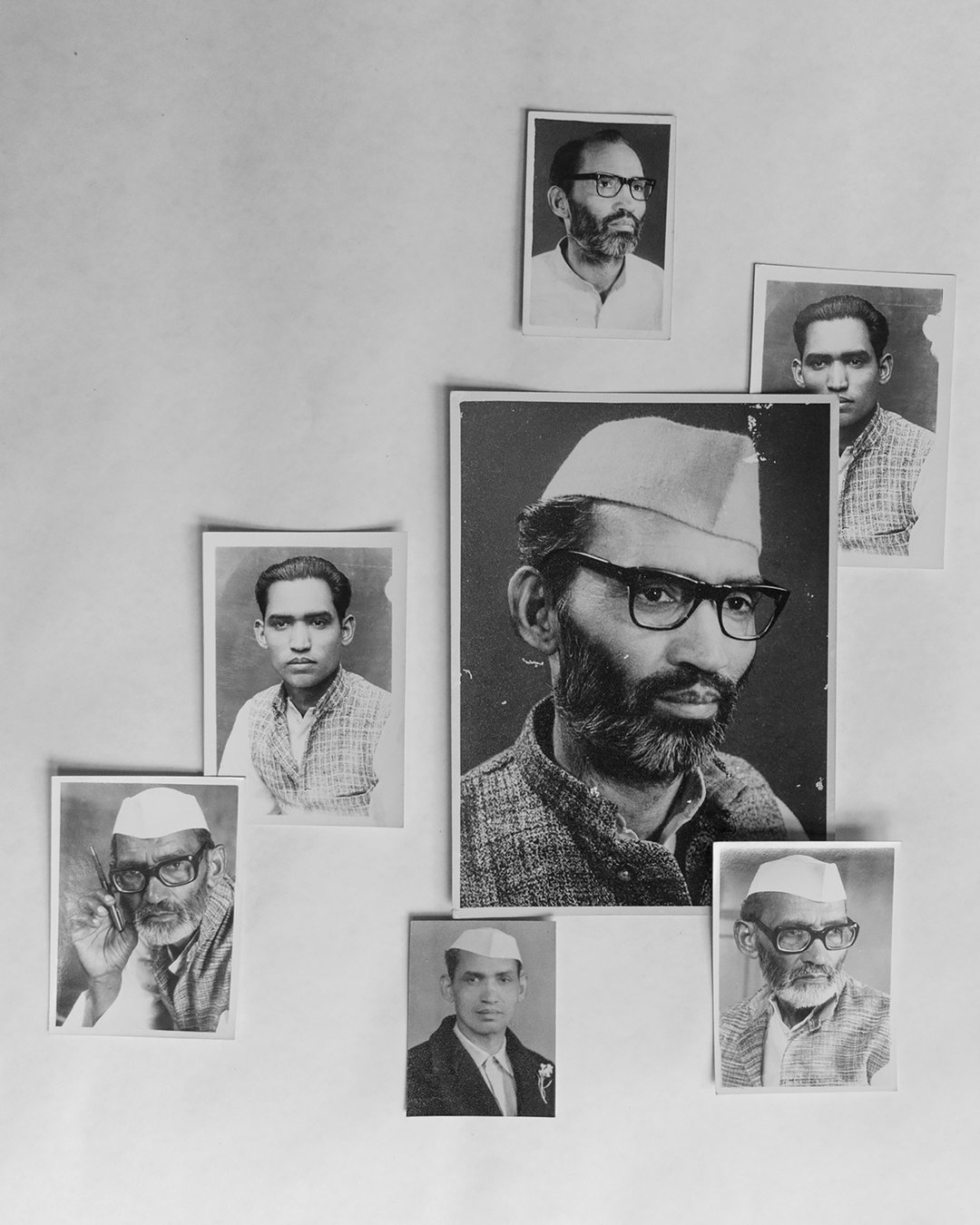
Devashish Gaur: Portraits of Grandpa Archives, This Is The Closest We Will Get (Copyright © Devashish Gaur, 2019)
Hero Header
Devashish Gaur: Dad from Archives, This Is The Closest We Will Get (Copyright © Devashish Gaur, 2020)
Share Article
Further Info
About the Author
—
Daniel joined It’s Nice That as an editorial assistant in February 2019 and continues to work with us on a freelance basis. He graduated from Kingston University with a degree in Journalism in 2015. He is also co-founder and editor of SWIM, an annual art and photography publication.