


Elisava’s Master’s in Graphic Design is about what design can do for others, and what you can do for design
The graduates of Elisava’s Master’s in Graphic Design epitomise the programme’s approach to practice and the institution’s perspective on education.
Elisava Barcelona School of Design and Engineering has long been at the forefront of creative education in its 65-year history. Several years ago, following a change in global order due to the pandemic, climate change and more, the institution introduced an exciting, progressive array of post-graduate degrees. In 2026, Elisava’s persistent drive for development in the fields of design, communication and engineering hasn’t wavered, with the latest cohort of Master’s graduate shows.
Ingrained with Elisava’s Master’s in Graphic Design is the societal, cultural and critical contribution to the creative industry and wider culture, going beyond – but not forgoing – its aesthetic output. On the course, creatives are encouraged to engage with the authorship of their work, fostering a self-awareness that feeds the progress they’re driving. This manifests in a multitude of ways. Be it editorial, packaging, and digital design to environmental design and audiovisual practices, a consistency behind Elisava’s buoyed creative approach is the purposeful thought behind it. All, at the same time, underpinned by a rigorous education on typography, research, strategic thinking and numerous other traditional and experimental methods.
The programme culminates in a public graduate show, where a full exhibition of each student’s project is hosted, marking the culmination of their numerous research-led, interdisciplinary practices. One such example is the Cloud Watching Society, from creative duo Amaya and Ángela, who created and branded the institution as a foil for our increasingly digital and ever more ‘productive’ culture. Grounded by soft tones and imagery – with contrasting, exacting typography – the project asks us to embrace the entirely free, seldom appreciated act of looking up. Here, cloud-watching is a shared, attentive ritual as well as a speculative tool, where its members use their time to challenge the contemporary pace of everyday behaviours. Whilst it was expressed through striking (and satisfying) merchandise and a meticulously designed publication documenting their research, brand and findings, the most binding element of the project is what it stands for. Amaya and Ángela’s objective, as they describe, is something that’s equally as much a protest as it is a solution (and an excuse), and, in their own words: “totally not serious and also super serious.”
Exploring a different perspective of social infrastructure, Jan Sobyra and Gonçalo Salgado’s project, Heroes of Petanca, is interested in behaviour and changing perspectives. Heroes of Petanca, or Hop, documents and reinterprets the traditional game Petanca – framing the famed pastime of Barcelonian streets as a communal sport with a low barrier of entry rather than a dusty, aged pursuit. Jan and Gonçalo achieved as much by creating a material-led, kinetic identity for the game – one that physically mirrored its movements – and through the programming of Petanca events. This led to a proposed city-wide, cross-generational reclaiming of a previously underappreciated third space, once again demonstrating the influence of purposeful design practices.

Jan Sobyra and Gonçalo Salgado: Heroes of Petanca (Copyright © Jan Sobyra and Gonçalo Salgado, 2026)
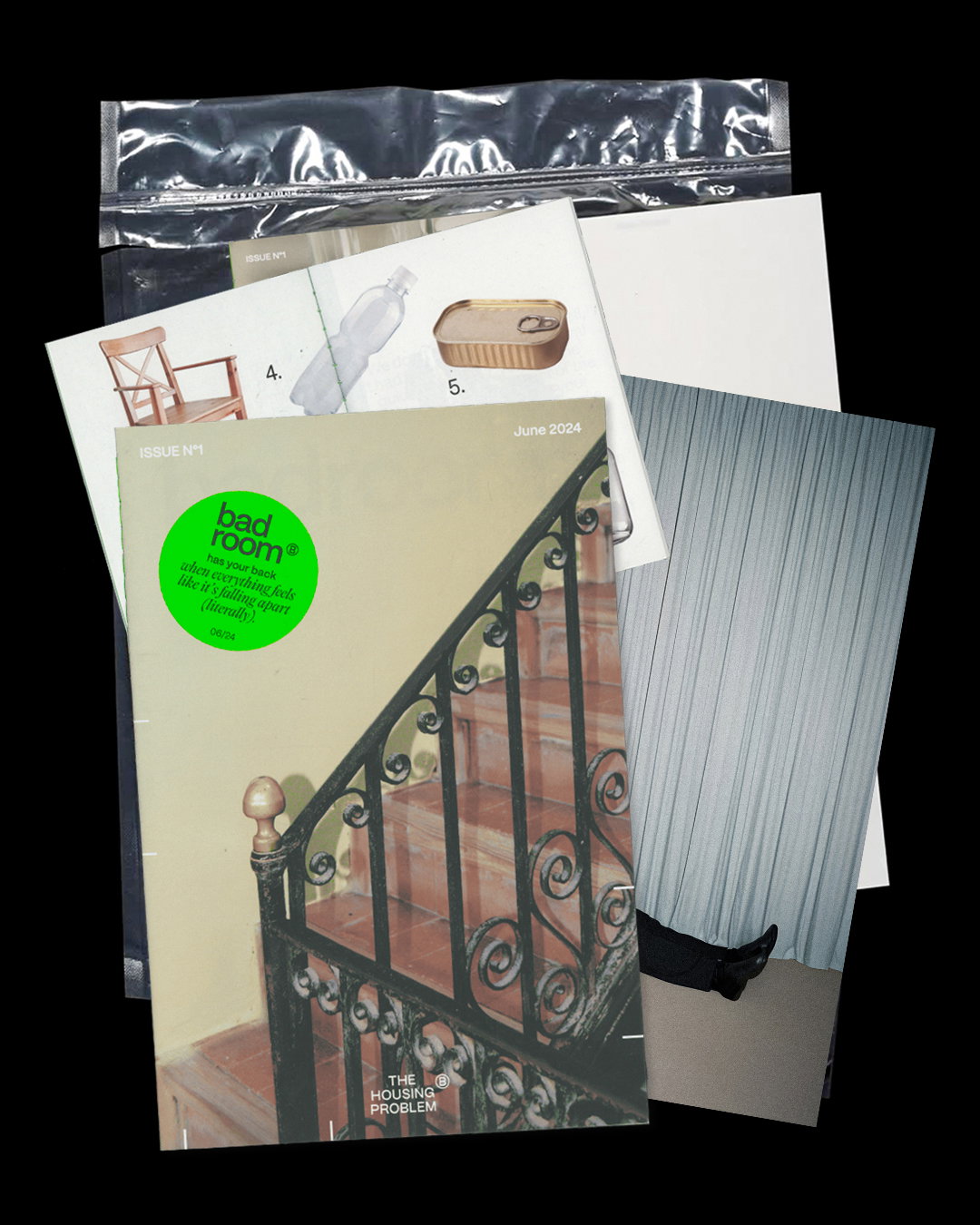
In a playful take on design’s role in introspection, Inés Acero, Marta Celso and Camilla Vittozzi’s Badroom considers the reality of most young people – that reality being that they live in subpar, rented accommodation. It asks its audiences to look at the bigger picture and challenge the conventions we’ve long considered acceptable. With the bedroom acting as the project’s subject and site, Badroom serves its public of young people on a local and international scale, producing practical guides for navigating the precarious real-world issues of sharing overcrowded homes and detailing global issues of renting. Speaking directly to its clientele, Badroom is fun, ironic and, importantly, community-led, articulating with an intimate voice that recognises the seriousness of the issues at hand.
GalleryInés Acero, Marta Celso and Camilla Vittozzi: Badroom (Copyright © Inés Acero, Marta Celso and Camilla Vittozzi, 2026)

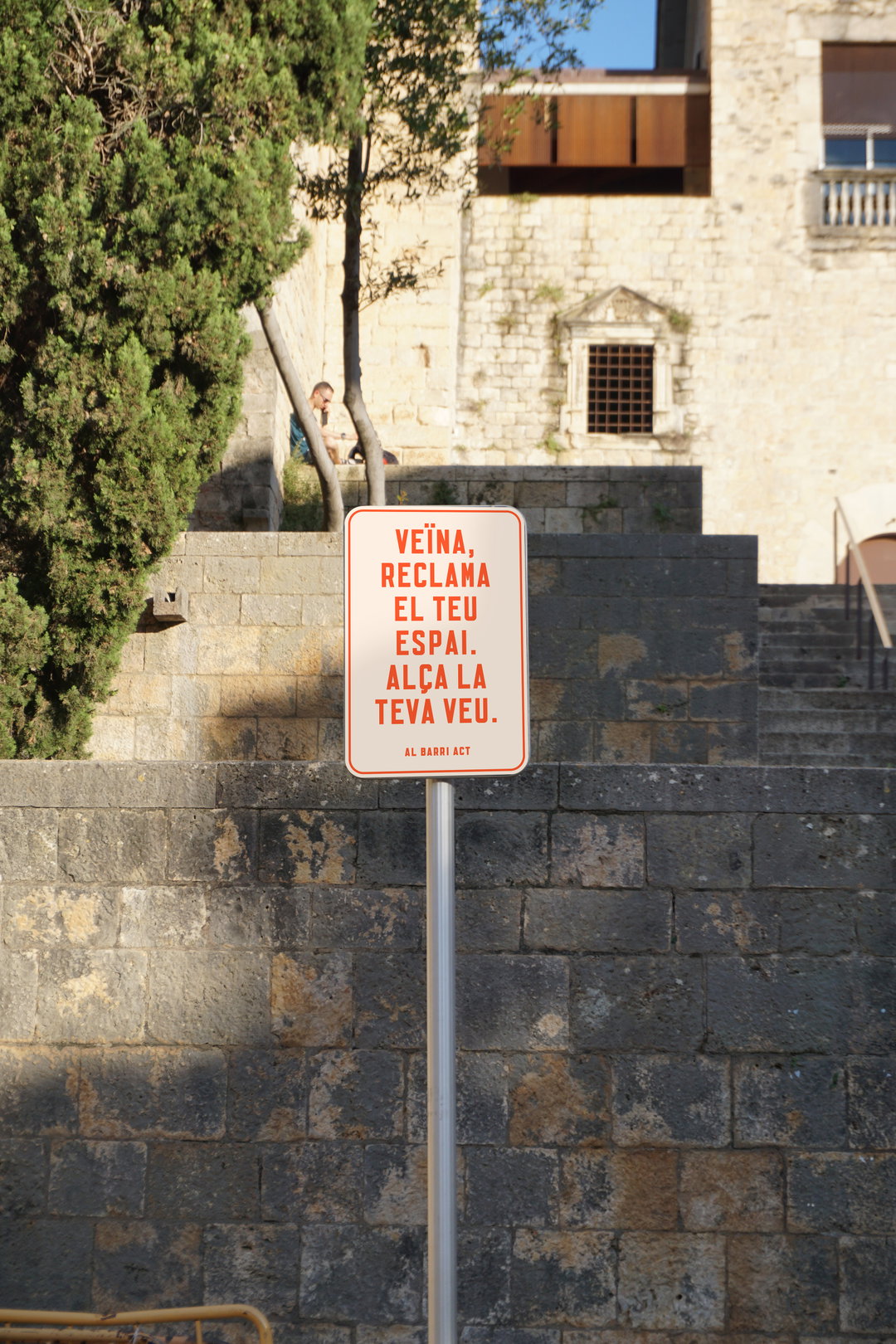
With a similar community-led approach, Al Barri, by Aina Eguiluz and Federico Sánchez, considers the everyday impact of graphic design in a local setting through the creation of public identity for their own neighbourhood. Importantly, the urban identity is constructed of protest tools that give voice to the criticisms of the area’s over-gentrification. Accessible by design, Al Barri encourages and services the necessary action for supporting the area, a system created through their close collaboration with the neighbourhood’s residents. Aina and Federico’s approach to design across this project mirrors what Al Barri is trying to voice, utilising design as something hyper-local to be harnessed, rather than imposed.
GalleryAina Eguiluz and Federico Sánchez: Al Barri (Copyright © Aina Eguiluz and Federico Sánchez, 2026)
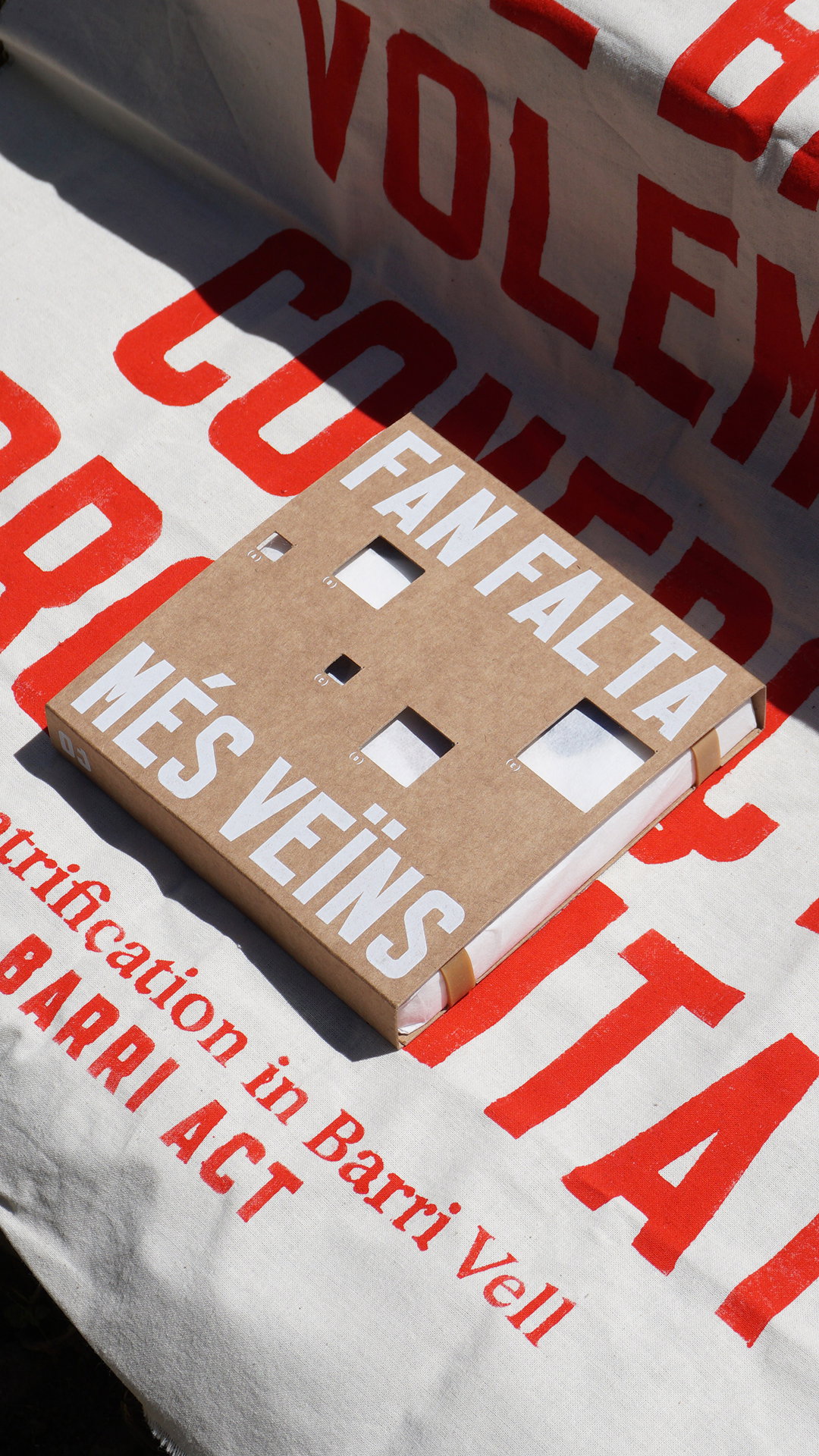
All of these students embody the breadth of Elisava’s Master’s in Graphic Design, whilst also individually epitomising the curious, critically-engaged philosophy underpinning the school. No matter the specific final output, all these graduates demonstrate a practice rooted in experimentation, practice, and reflection, culminating in investigative, socially-aware design projects that make the future of the creative industry an exciting prospect to ponder.
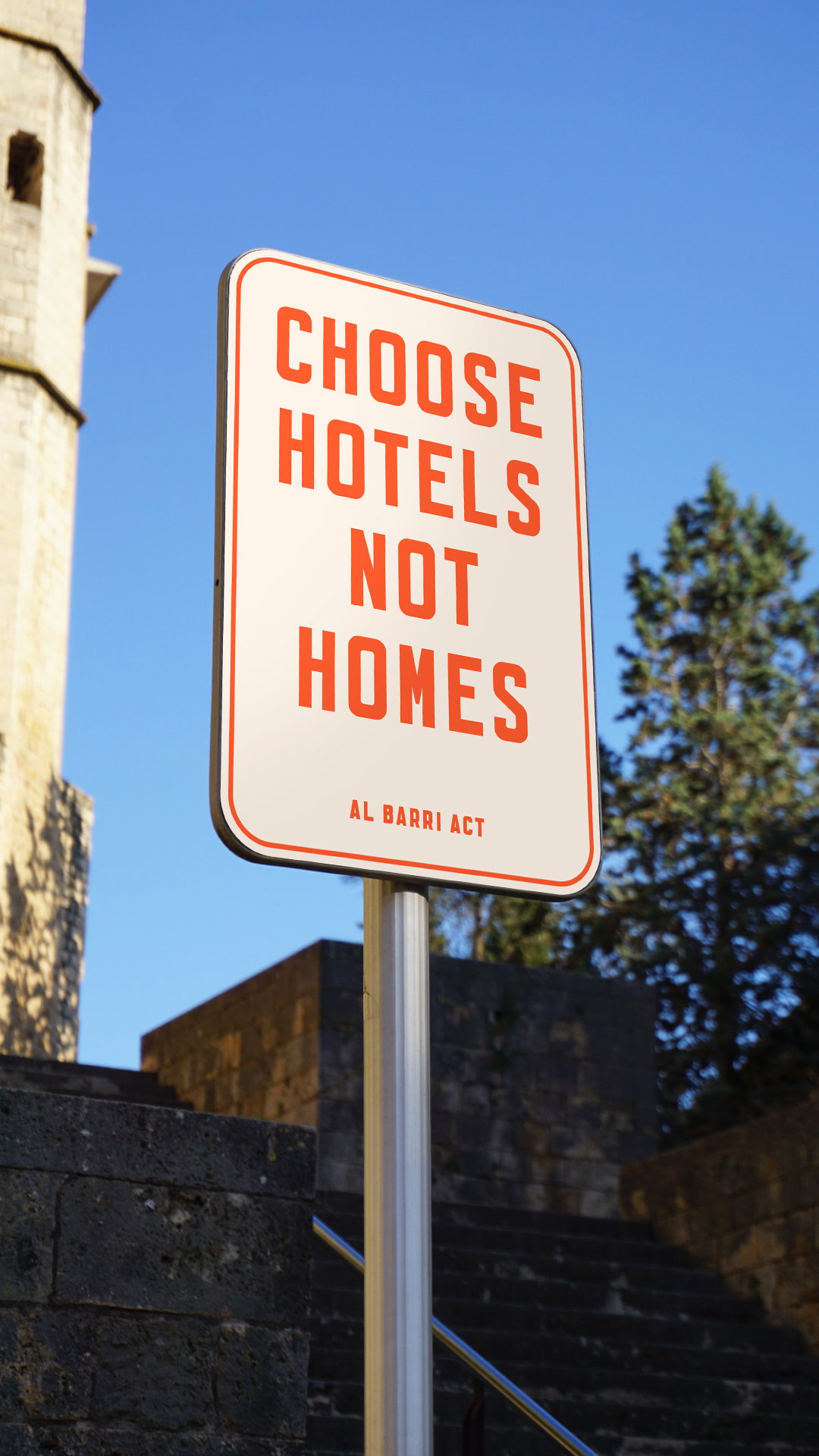
Aina Eguiluz and Federico Sánchez: Al Barri (Copyright © Aina Eguiluz and Federico Sánchez, 2026)
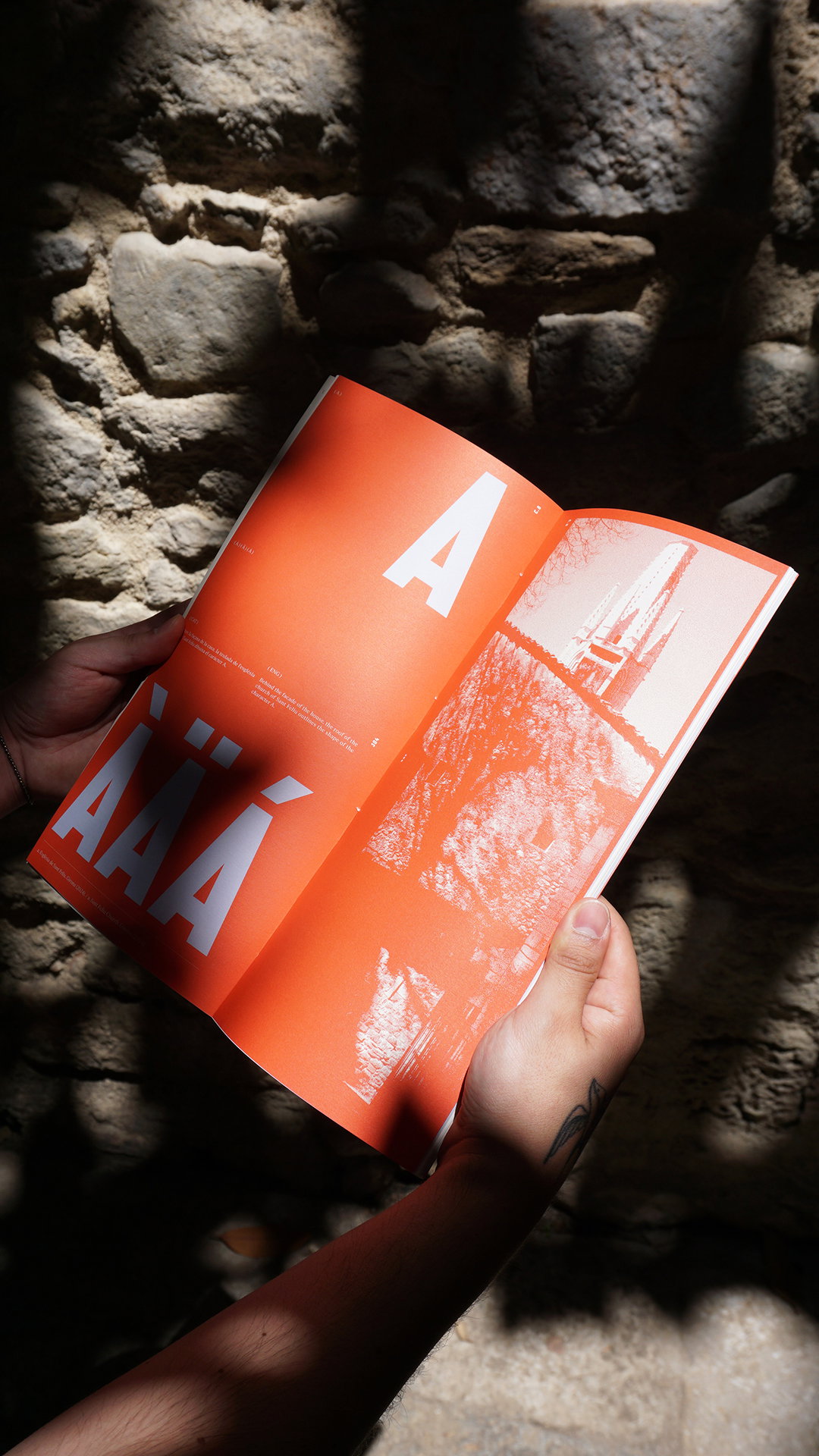
Aina Eguiluz and Federico Sánchez: Al Barri (Copyright © Aina Eguiluz and Federico Sánchez, 2026)
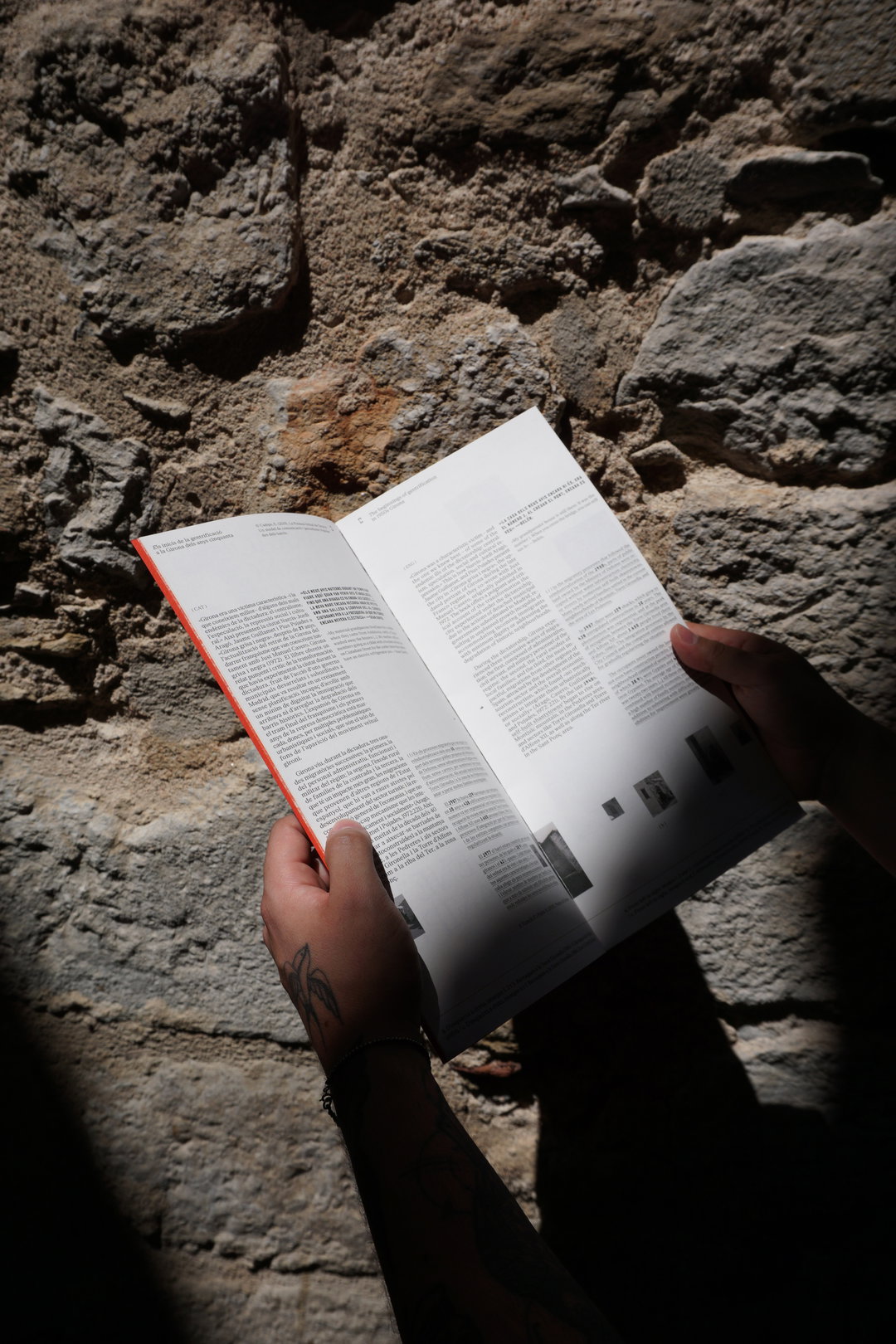
Aina Eguiluz and Federico Sánchez: Al Barri (Copyright © Aina Eguiluz and Federico Sánchez, 2026)

Jan Sobyra and Gonçalo Salgado: Heroes of Petanca (Copyright © Jan Sobyra and Gonçalo Salgado, 2026)
Jan Sobyra and Gonçalo Salgado: Heroes of Petanca (Copyright © Jan Sobyra and Gonçalo Salgado, 2026)
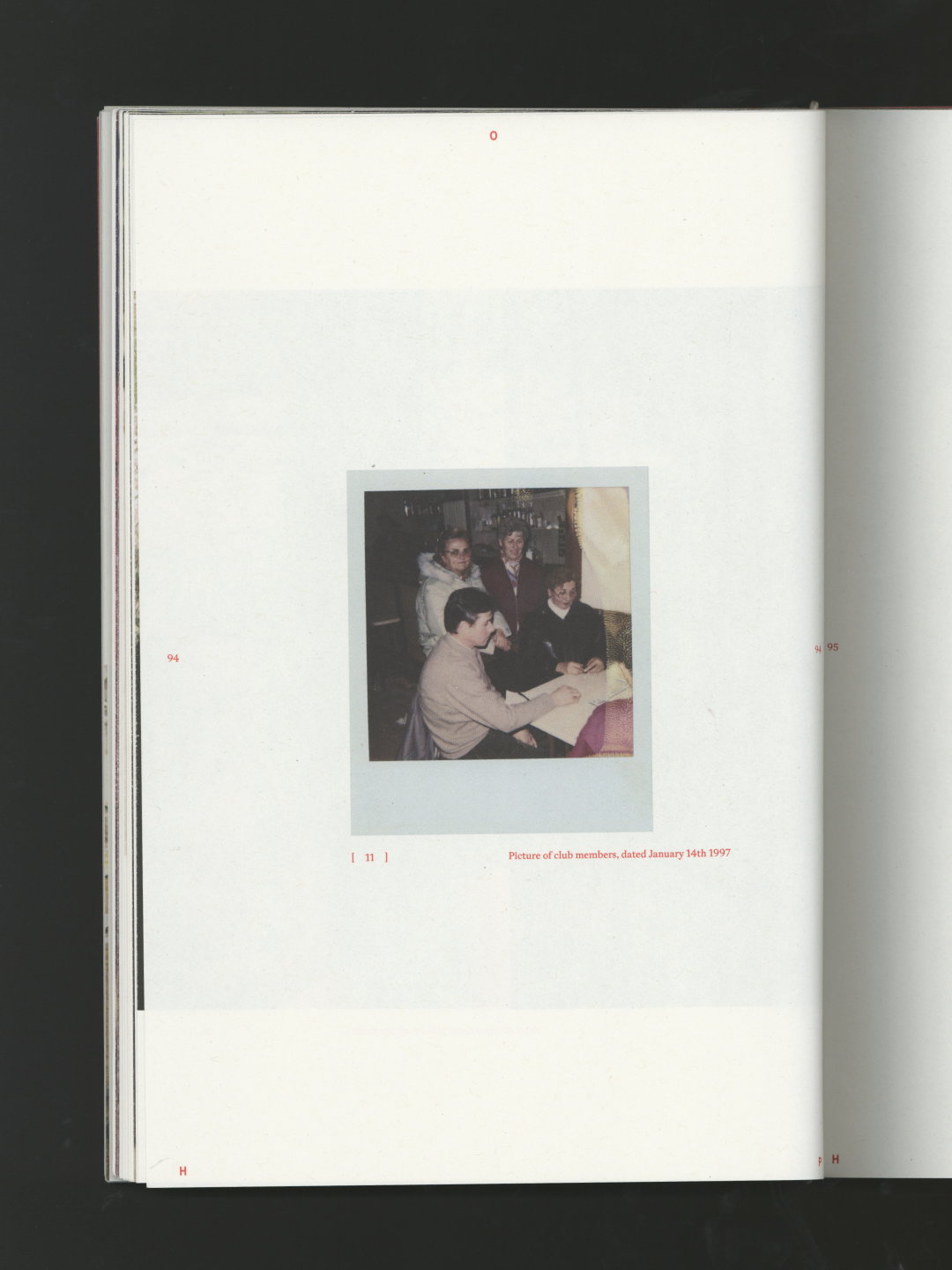
Jan Sobyra and Gonçalo Salgado: Heroes of Petanca (Copyright © Jan Sobyra and Gonçalo Salgado, 2026)
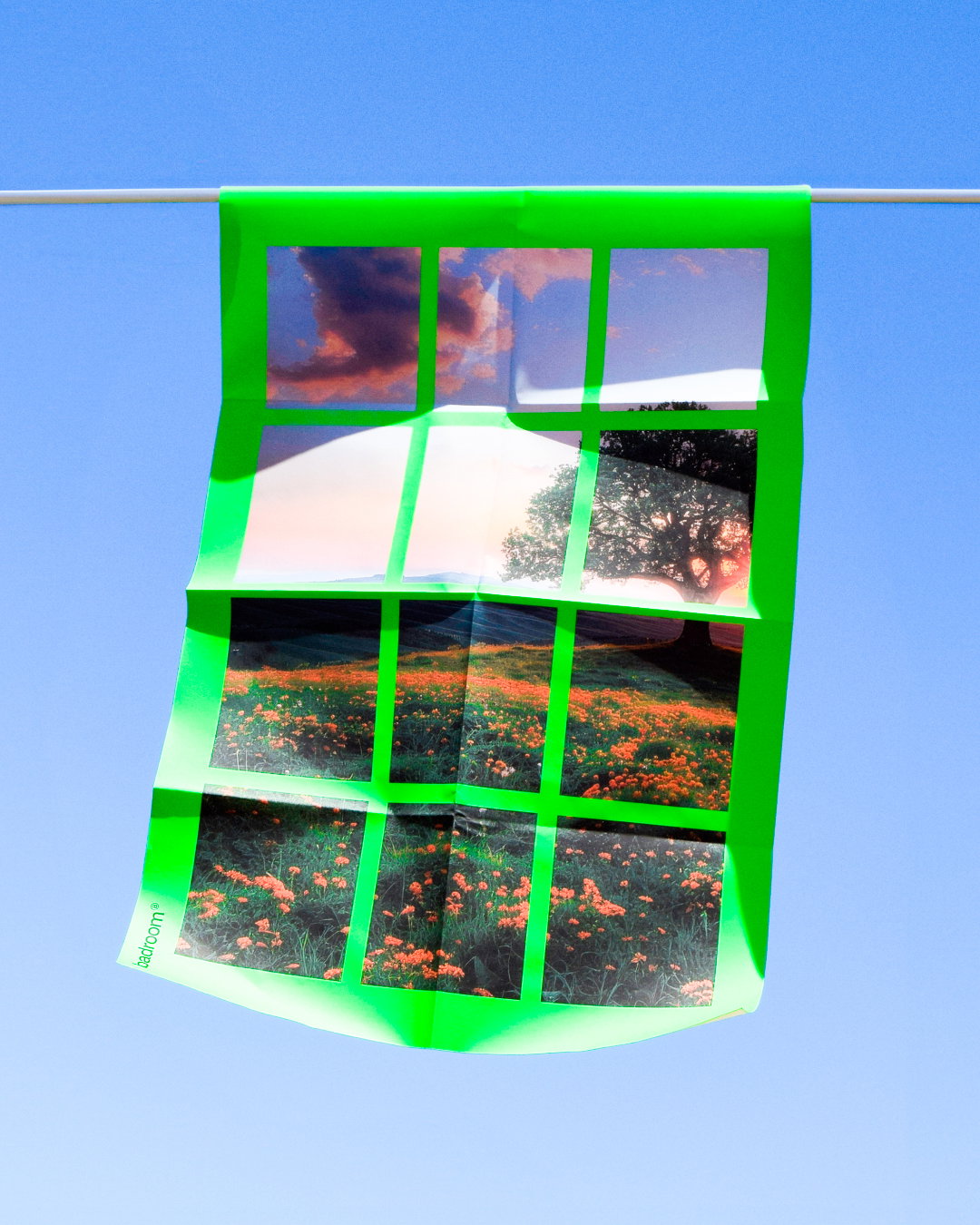
Inés Acero, Marta Celso and Camilla Vittozzi: Badroom (Copyright © Inés Acero, Marta Celso and Camilla Vittozzi, 2026)
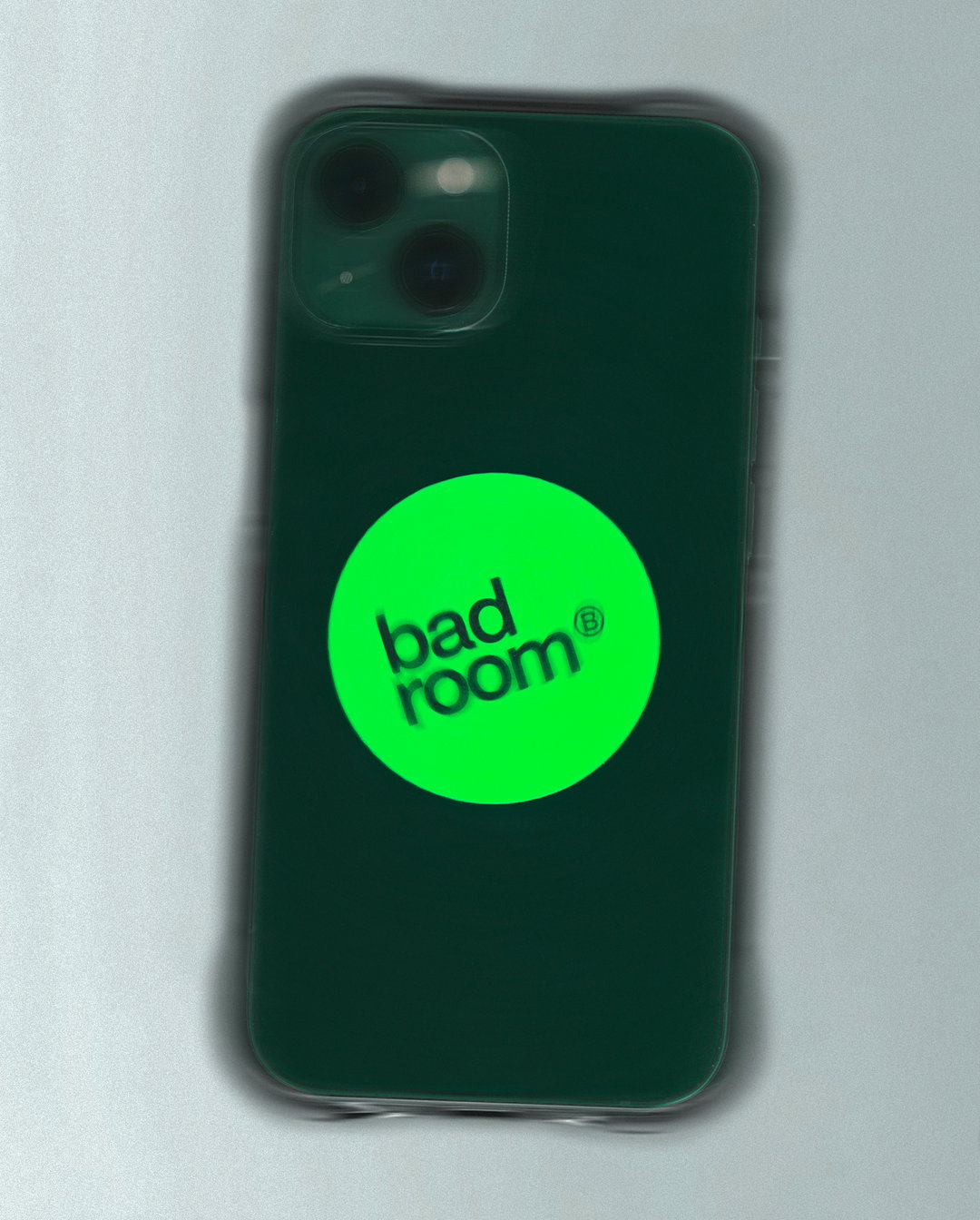
Inés Acero, Marta Celso and Camilla Vittozzi: Badroom (Copyright © Inés Acero, Marta Celso and Camilla Vittozzi, 2026)
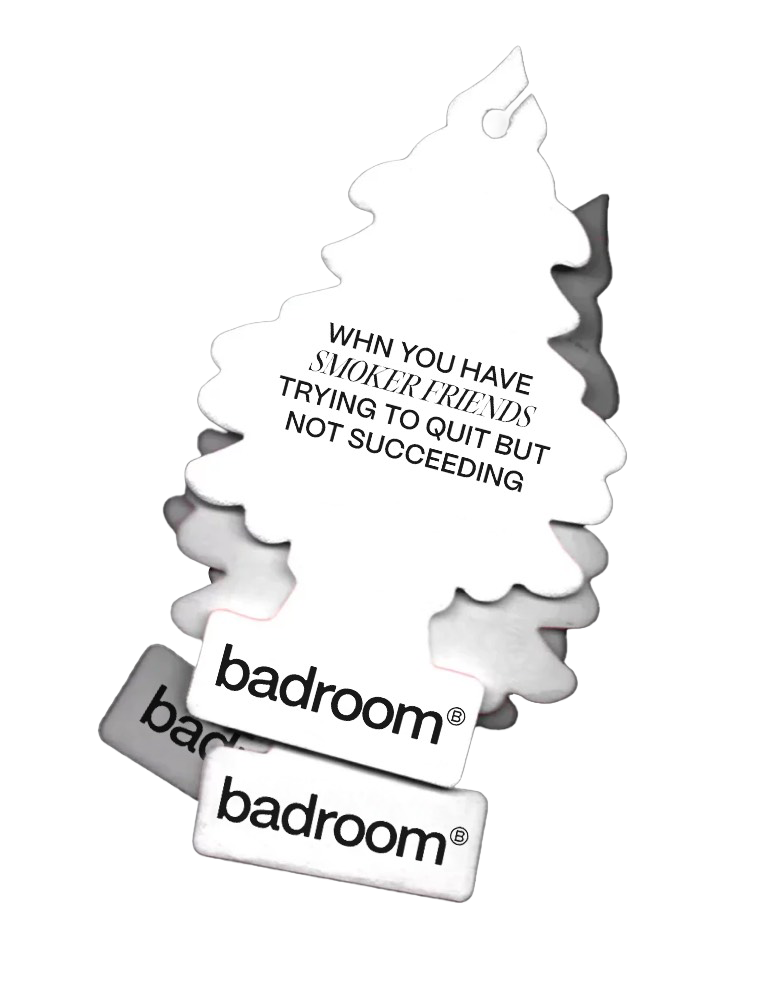
Inés Acero, Marta Celso and Camilla Vittozzi: Badroom (Copyright © Inés Acero, Marta Celso and Camilla Vittozzi, 2026)
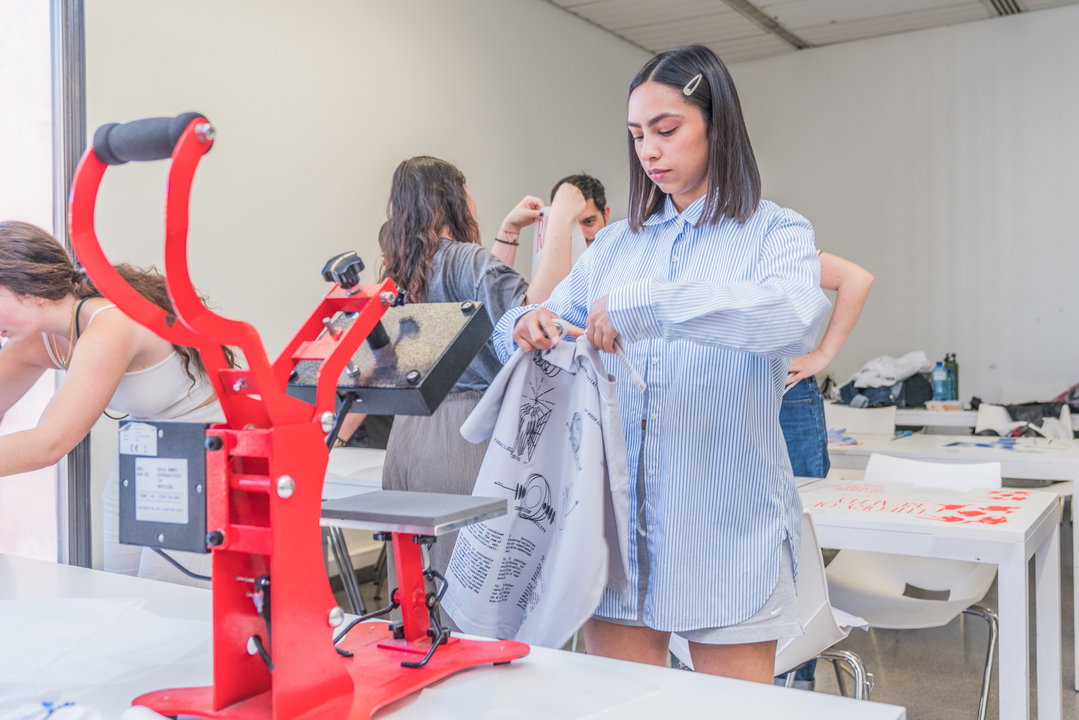
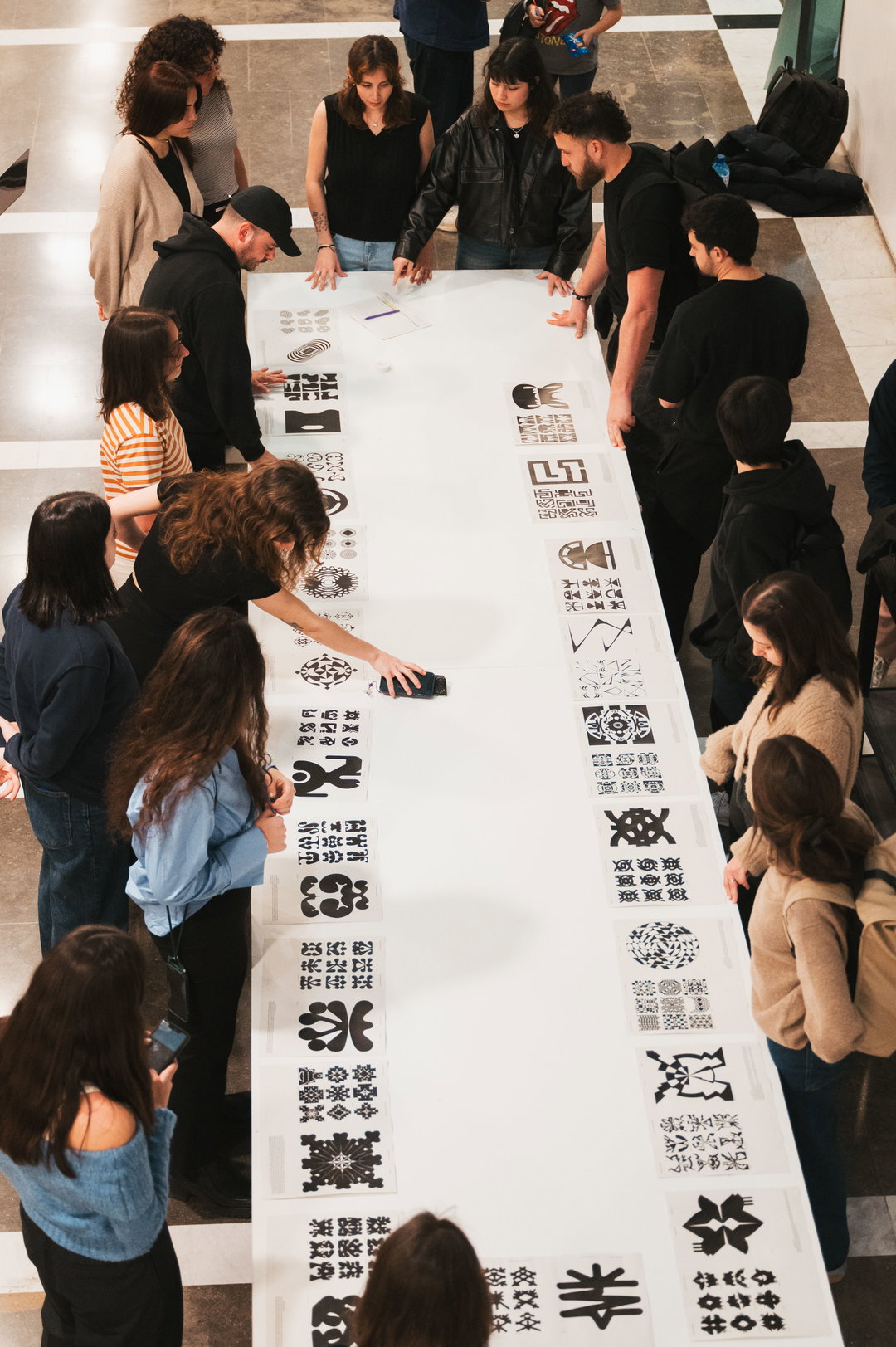
Workshop Codea, Elisava: Master's in Graphic Design (Copyright © Elisava, 2026)
Sponsored by
Elisava, Barcelona School of Design and Engineering
Elisava, Barcelona School of Design and Engineering, is an institution with 60 years of experience sharing knowledge to design and transform the world. The school develops projects to generate and transfer knowledge, address present and future challenges and foster change.
Hero Header
Workshop León Romero, Elisava: Master’s in Graphic Design (Copyright © Elisava, 2026)
Share Article
About the Author
—
This article was sponsored by a brand, so is marked up by us as Sponsored Content. To understand more about how we work with brands and sponsorships, please head over to our Work With Us page.