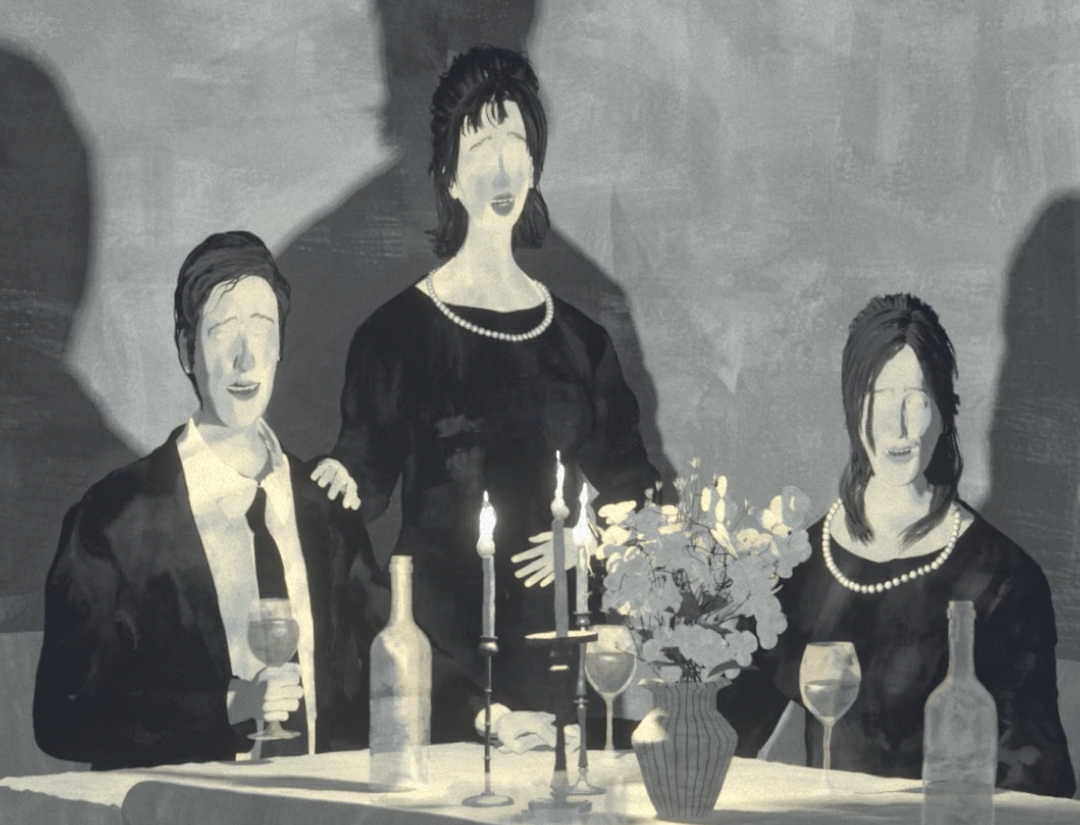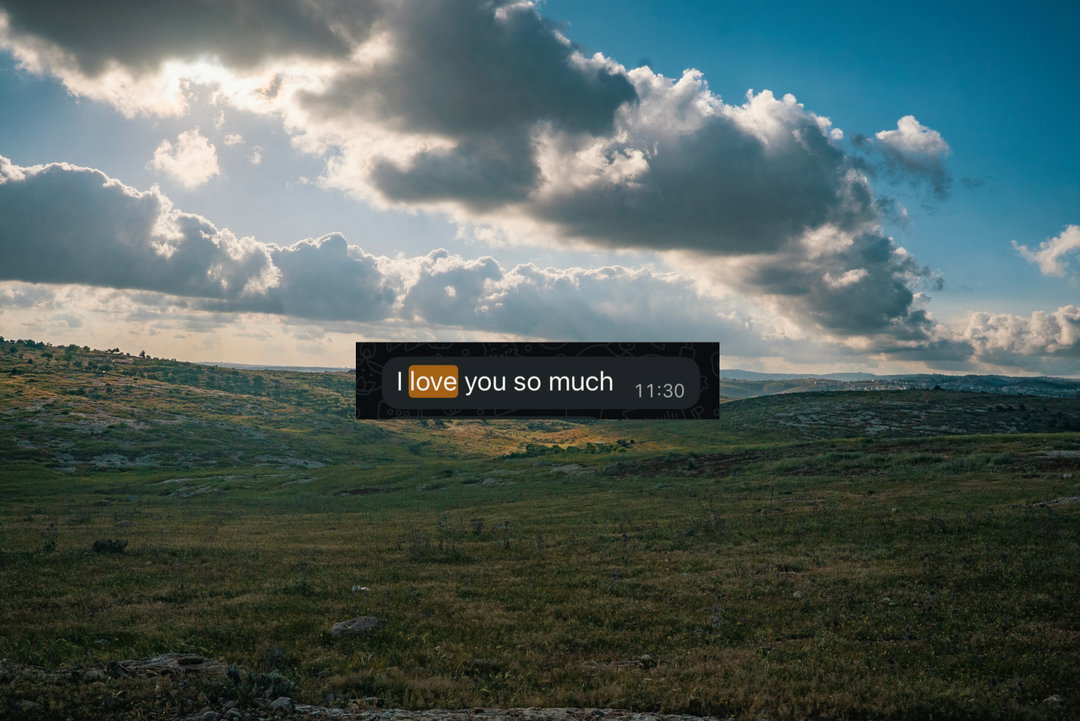
Art collective Excalibur on using pixel art to blend Japanese myths with reality
“We believe traditional stories passed down through the generations and cutting-edge events are timelessly attracted to each other,” says Yoshinori Tanaka, president of Tokyo-based art collective Excalibur.
Share
Tokyo-based art collective Excalibur often meshes the boundaries of Japanese myth with reality, present or future, virtual or real. A lot of the collective’s work seeks inspiration from retro cultural products of Japan that its member grew up using. Represented by Yoshinori Tanaka, president of Excalibur, the team even “includes characters from the virtual world that do not exist in reality,” Yoshinori tells It’s Nice That. Its recent mesmerising and beautiful work using pixel art is what caught our attention – a series of works Yoshinori told us came from “the heyday of the Nintendo Entertainment System” in Japan. Having grown up drawing many sketches of the original Super Mario Bros. in his childhood notebooks, the large-pixel format of these games always struck Yoshinori as particularly eye-catching. “Over time, we have seen the process of those pixels piling up smaller and smaller, becoming more and more realistic,” he explains. “It is the same way our brains enjoy the richness of the world through the electrical signals of our neurons, and in that sense, we feel that pixel art is best suited to represent the overlap between the real and the virtual.”
Whilst Excalibur’s portfolio is certainly not limited to pixel art, its work with pixels most acutely demonstrates the collective’s underlying critique of modern Japanese society. “We often quote designs, words, and rules from games and the internet, but we also overlap them with Japanese and international traditions and myths,” Yoshinori says. As for the actual process behind them, Yoshinori and the rest of Excalibur look to the traditional retro forms of pixel art. “I have set a rule that the colours used in my pixel artworks must be RGB colours, and no more than 16 colours,” Yoshinori explains. Interestingly, “in order to express these requirements,” he says, “I am constantly researching the latest printing techniques and pigments when creating physical art.” When looking at the incredibly detailed and vivid pixel images Yoshinori creates, it’s to no surprise that he is always on the lookout for innovative printing techniques to translate this into physical art. They are striking as purely digital pieces, but, as seen in recent exhibitions, Yoshinori’s pixel art is just as magical when hung in a gallery.
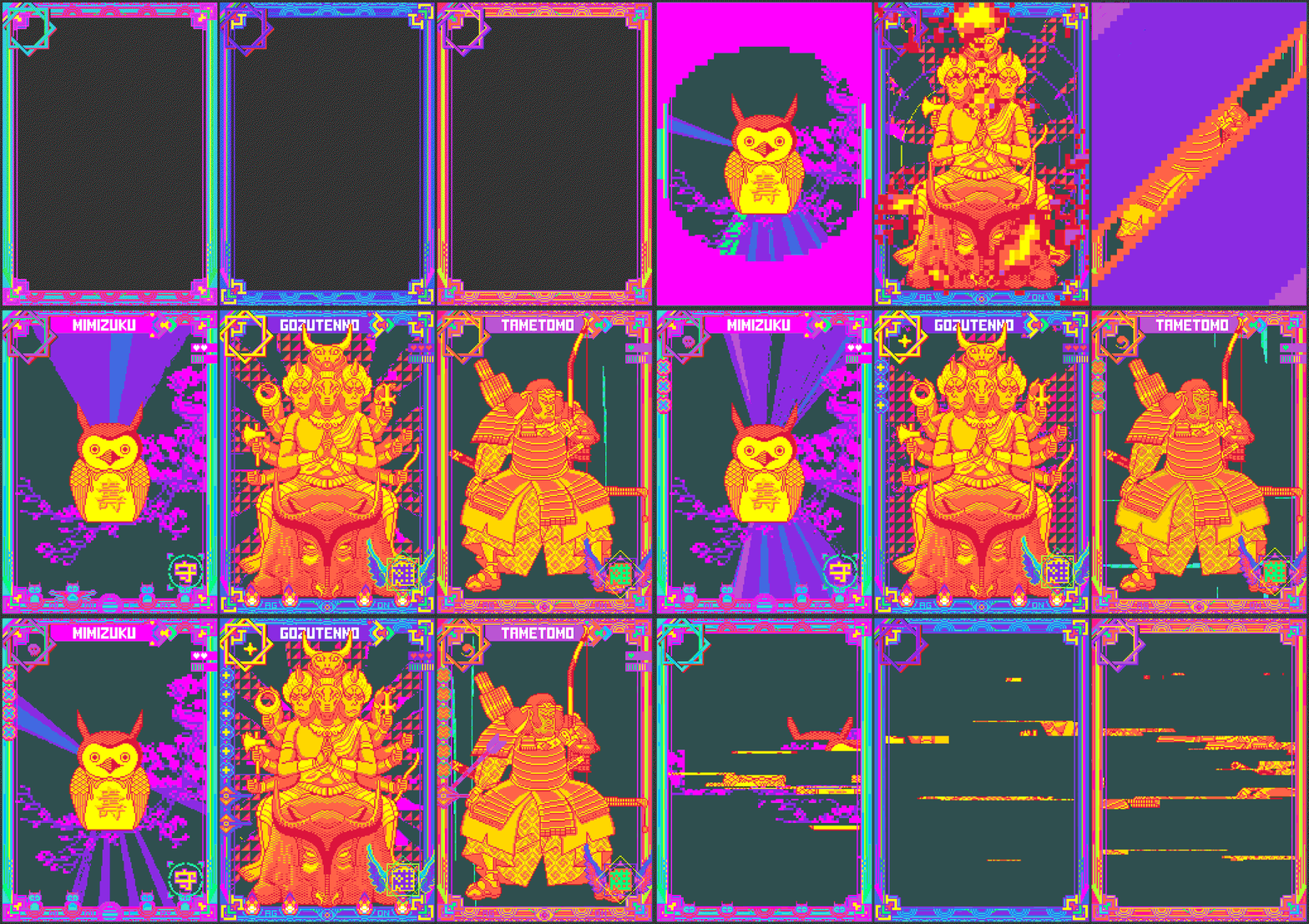
Excalibur: JUFU / MIMIZUKU, GOZUTENNO, TAMETOMO (AKAE) (Copyright © Excalibur, 2021)
“The beginning of many of our ideas is a sense of discomfort,” he adds. “Questions about the social situation in Japan and the world, and the emotions that arise from those questions, become the ideas for our works.” It’s often a collaborative process within Excalibur, and many different ideas and creations are happening at once. Mostly, it’s a conversation between them that drives the art. “Once the concept of the work is solidified, the work is divided among the members who are in charge of rough sketches, those who are in charge of brushing up, and sometimes those who are in charge of music,” Yoshinori explains. “Finally, I decide where and how the work will be presented, what date, what time, and for what duration.”
As someone keen to create art from ongoing conversations, critiques of current reality, and so forth, Yoshinori is keen to note that Excalibur’s work is always adapting to an ever-changing world. “The work is complete until it is presented, but sometimes the work is complete until the world changes after it is presented,” he says. It’s a fascinating mix of past, present, and future. By utilising nostalgic aesthetics and digital forms to portray a critique grounded in the present, Excalibur keeps a keen eye on the future. It is no wonder that it is quite the success in Japan and internationally. “Just as the games we played as children took me on various futures and imaginary journeys, and just as the myths passed down in our world bring awareness to our real world, we hope that our work will create another reality and future for someone else.”
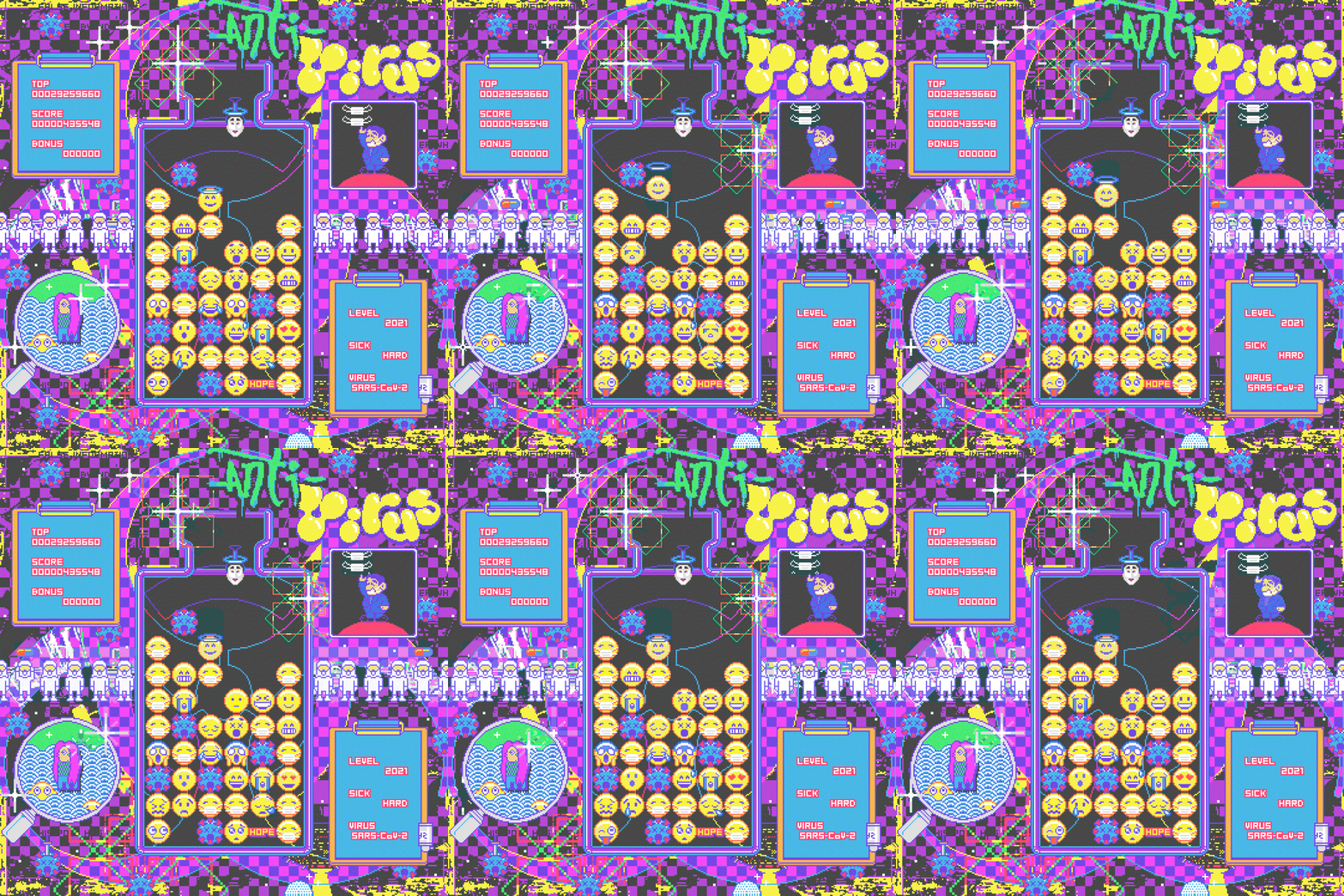
Excalibur: PRAYABLE (Anti-Virus) (Copyright © Excalibur, 2020)
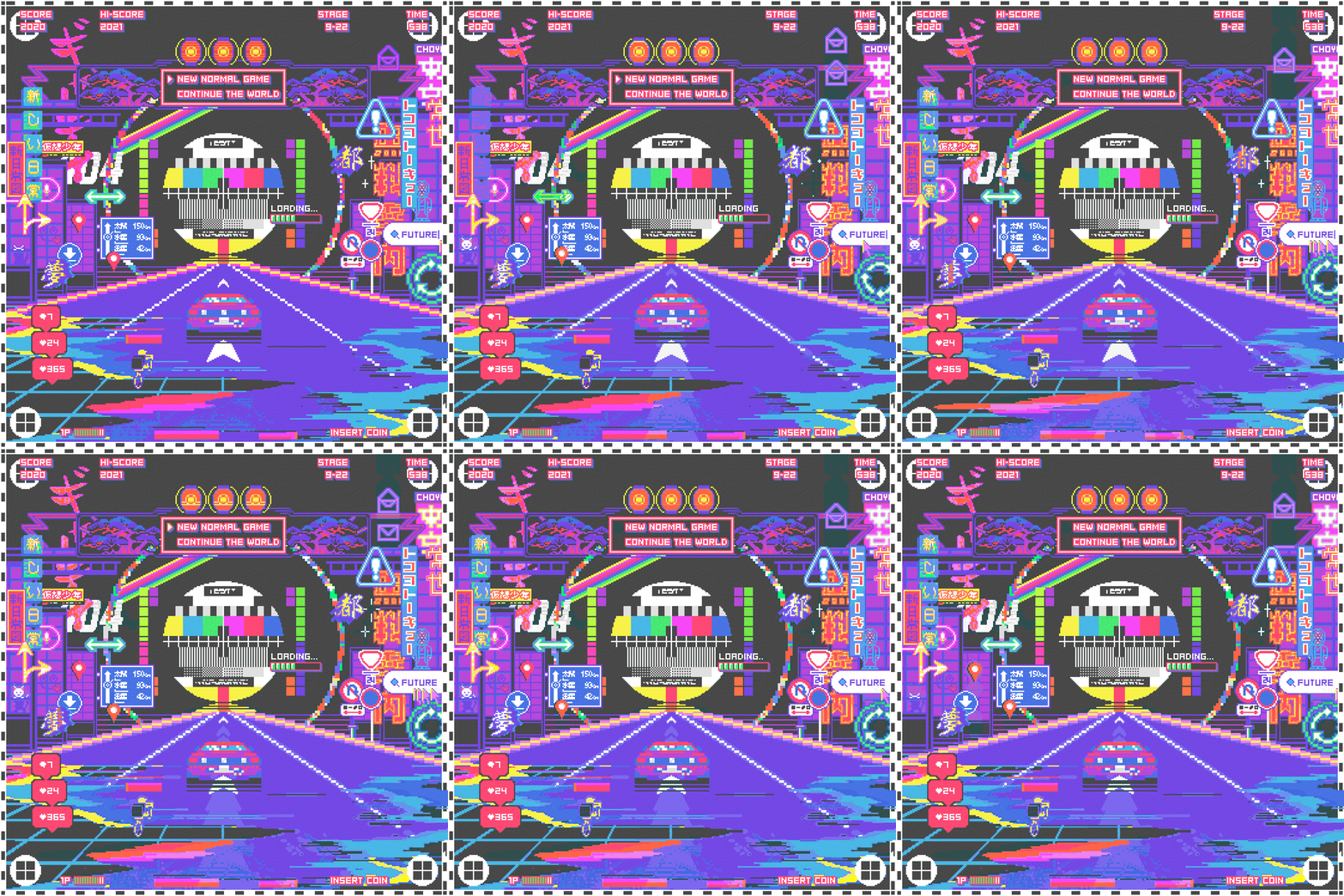
Excalibur: NEW normal GAME (Copyright © Excalibur, 2020)
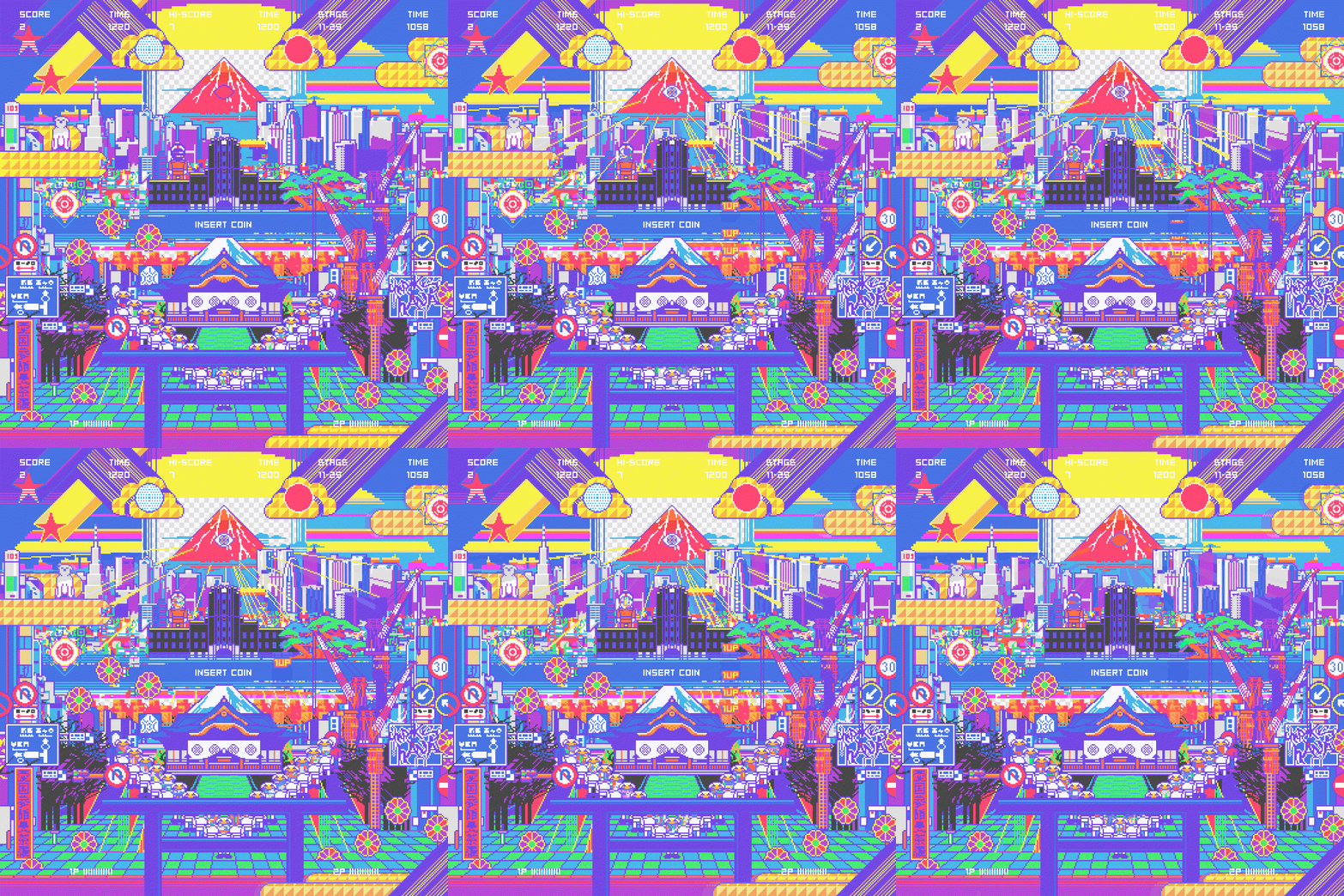
Excalibur: Patriotism pilgrimage mandala (Copyright © Excalibur, 2020)
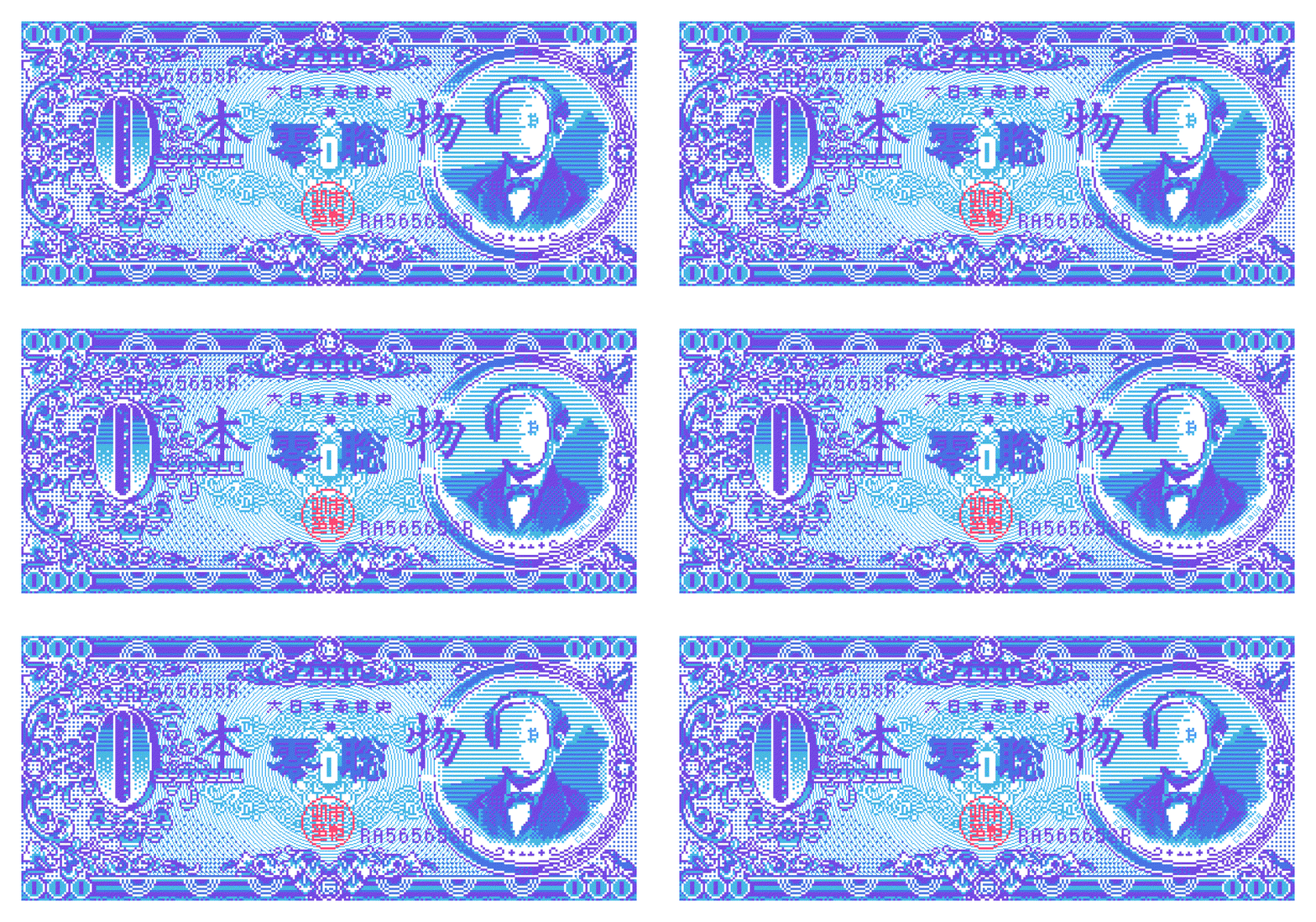
Excalibur: Greater Japan Zero-Satoshi (Copyright © Excalibur, 2021)
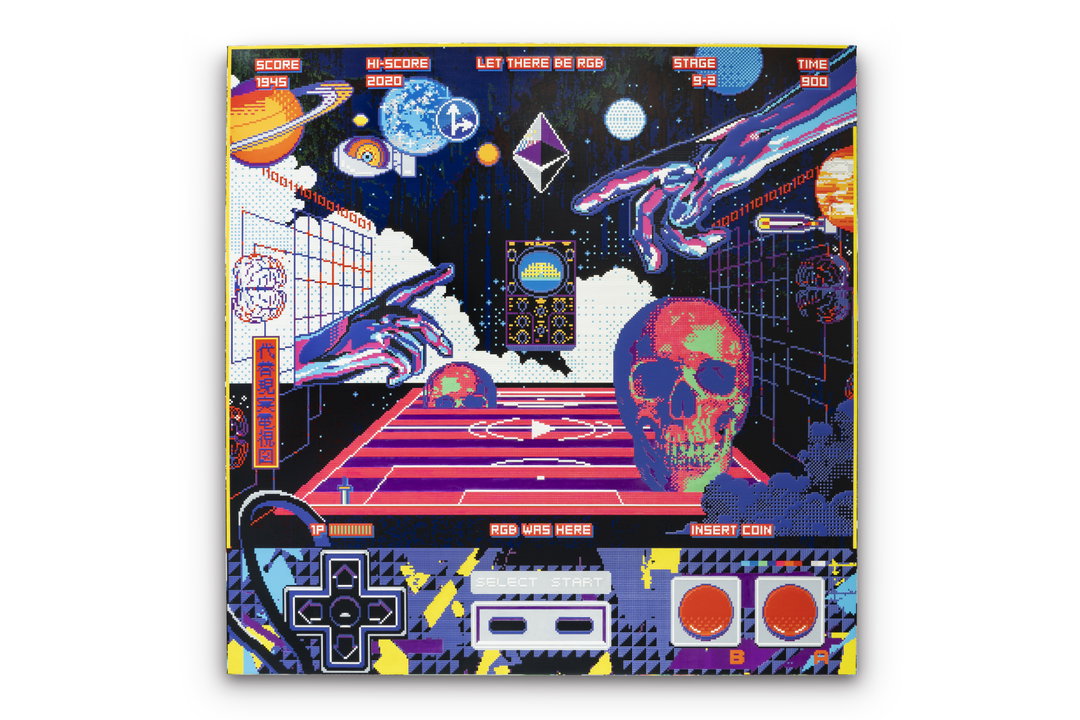
Excalibur: Alternate reality TV (Copyright © Excalibur, 2021)
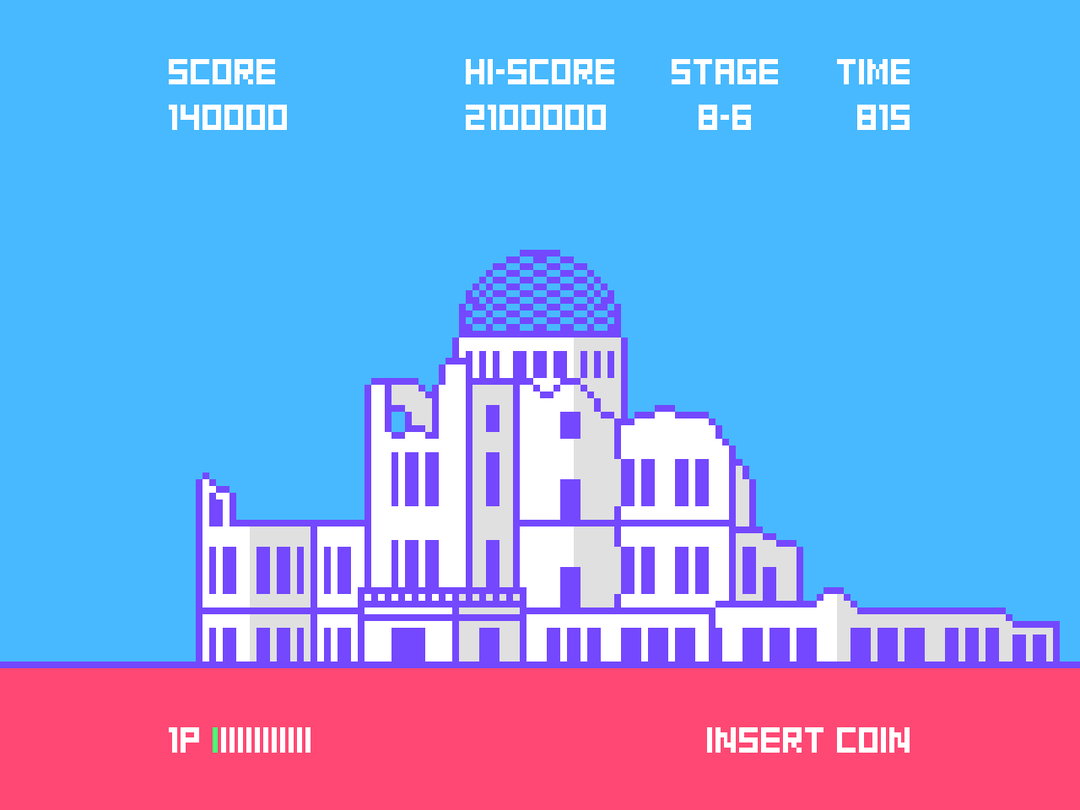
Excalibur: CRITICAL HIT (HIROSHIMA) (Copyright © Excalibur, 2009)
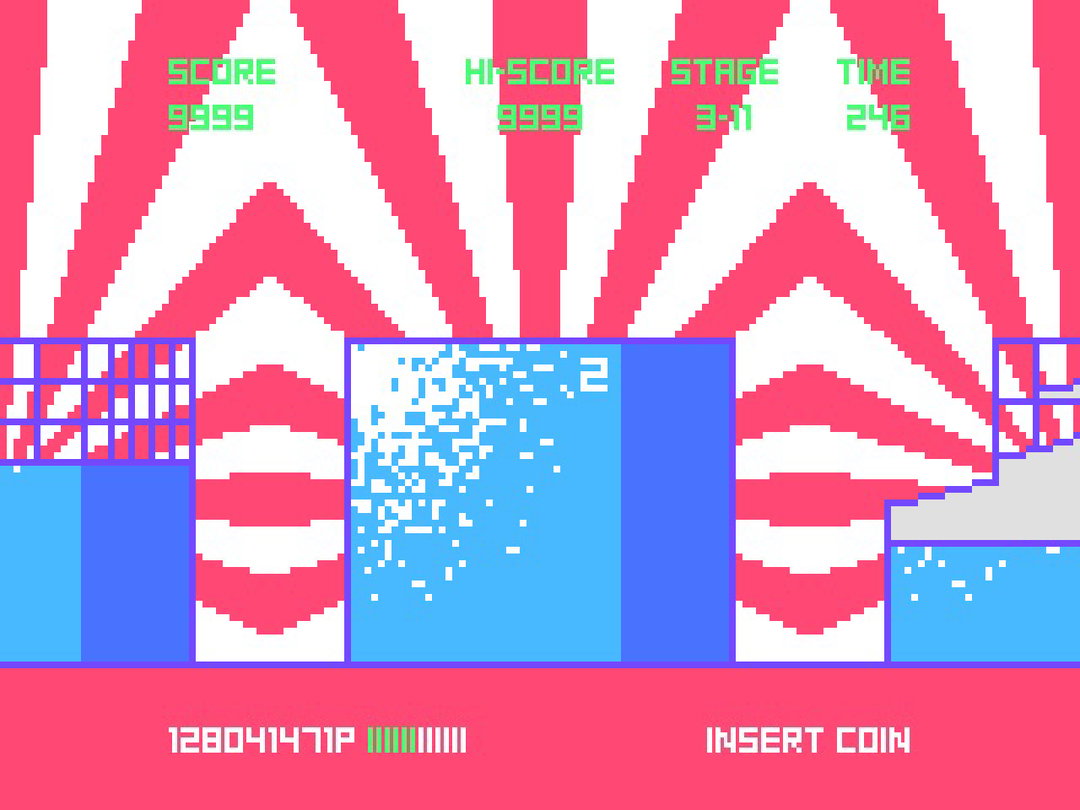
Excalibur: COUNTER STOP (Copyright © Excalibur, 2009)
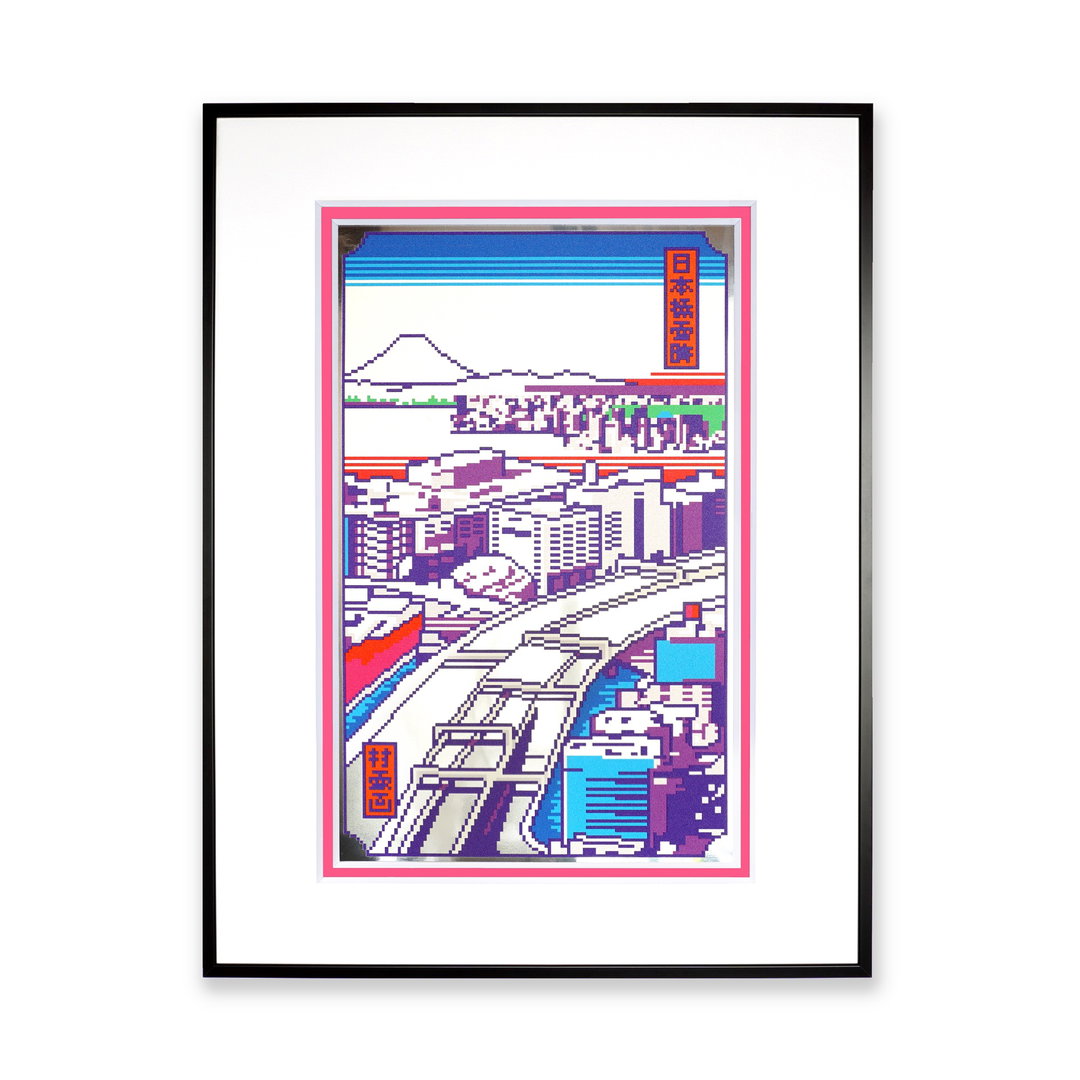
Excalibur: Nihonbashi yukibare Silver (Copyright © Excalibur, 2020)
Excalibur: Ueno Shinobazu no ike Silver (Copyright © Excalibur, 2020)
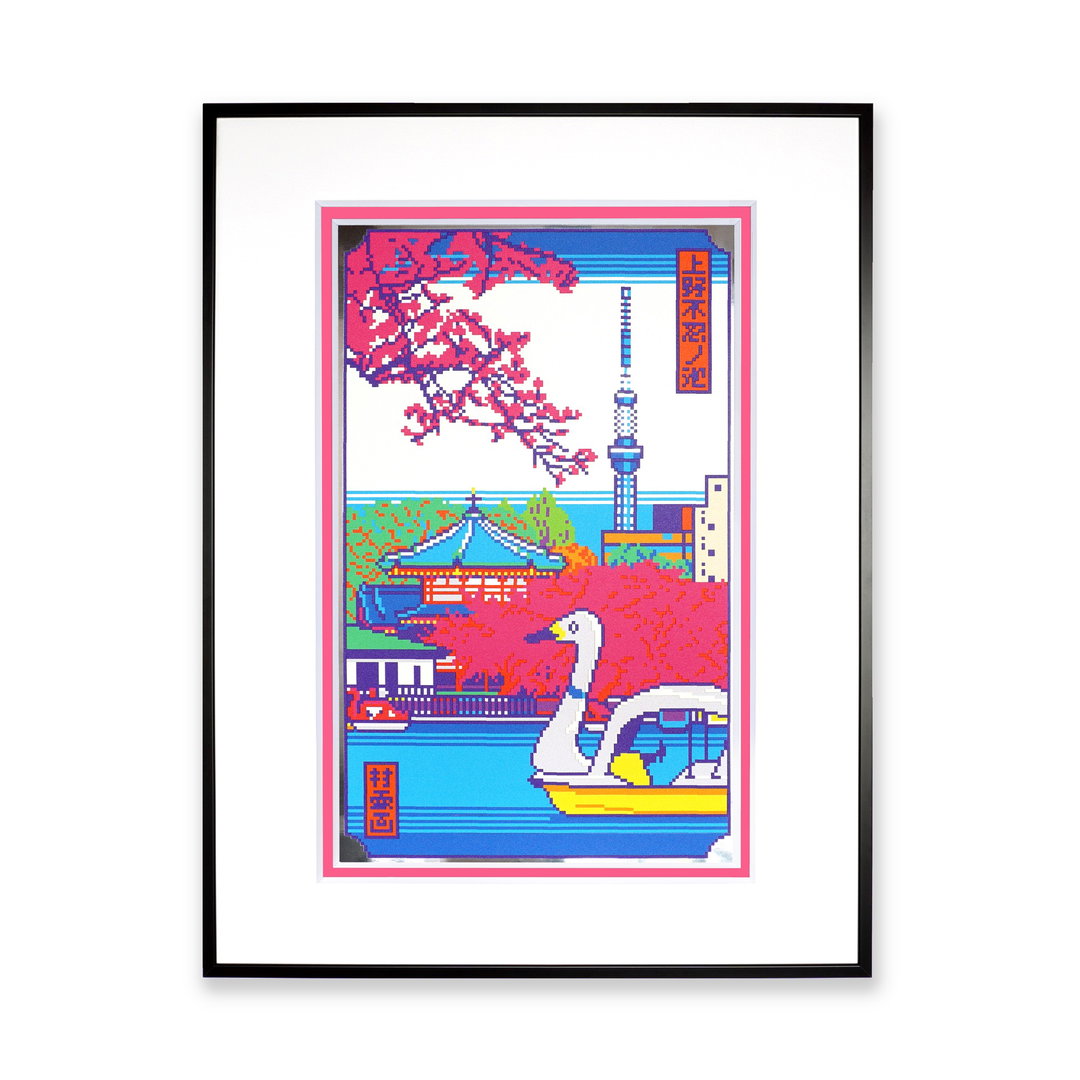
Excalibur: Ueno Shinobazu no ike Silver (Copyright © Excalibur, 2020)
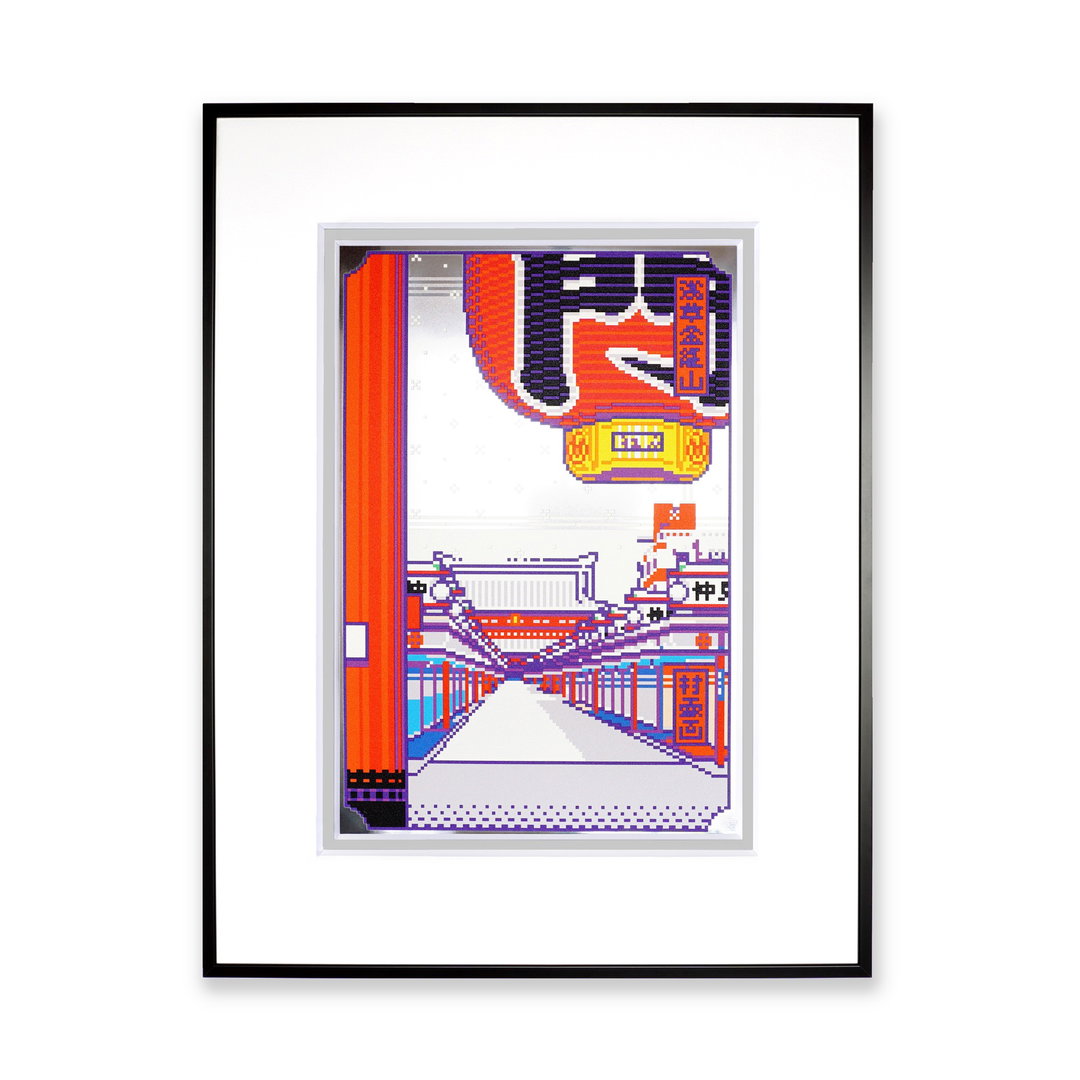
Excalibur: Asakusa Kinryuzan Silver (Copyright © Excalibur, 2020)
Excalibur: Sotokanda yoru no kei Silver (Copyright © Excalibur, 2020)
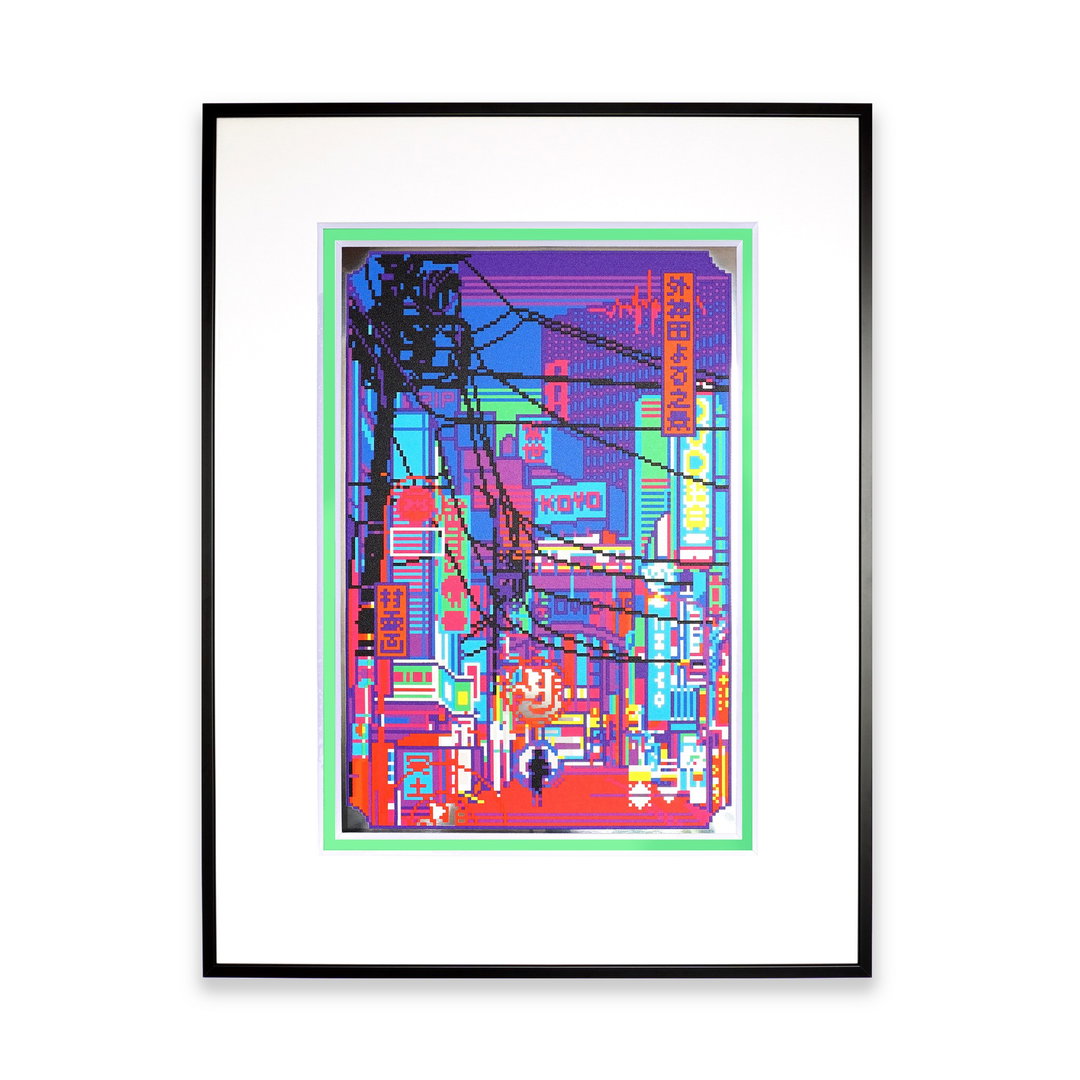
Excalibur: Sotokanda yoru no kei Silver (Copyright © Excalibur, 2020)
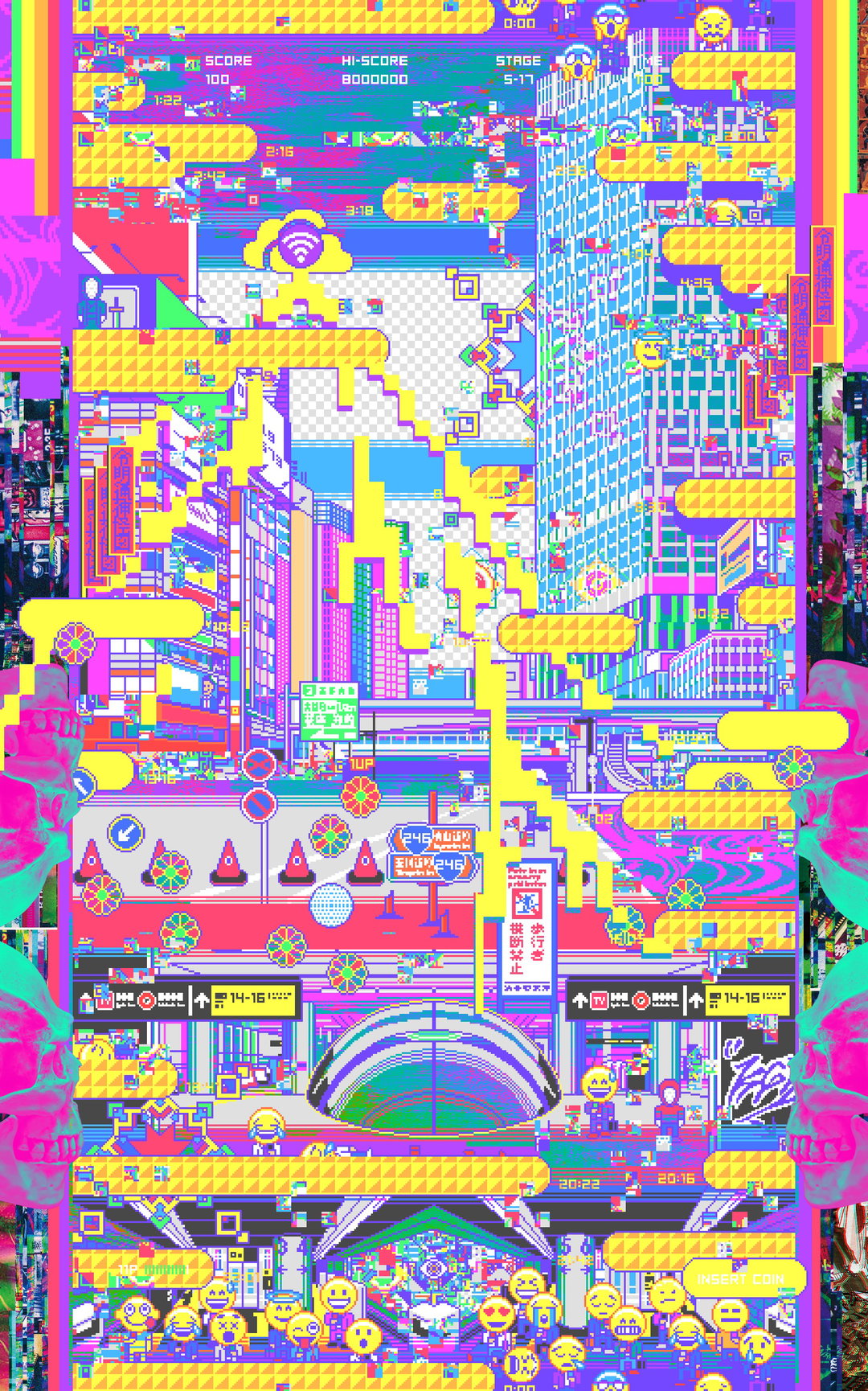
Excalibur: Reimei Tsushin Ayakashi no zu (Copyright © Excalibur, 2019)
Hero Header
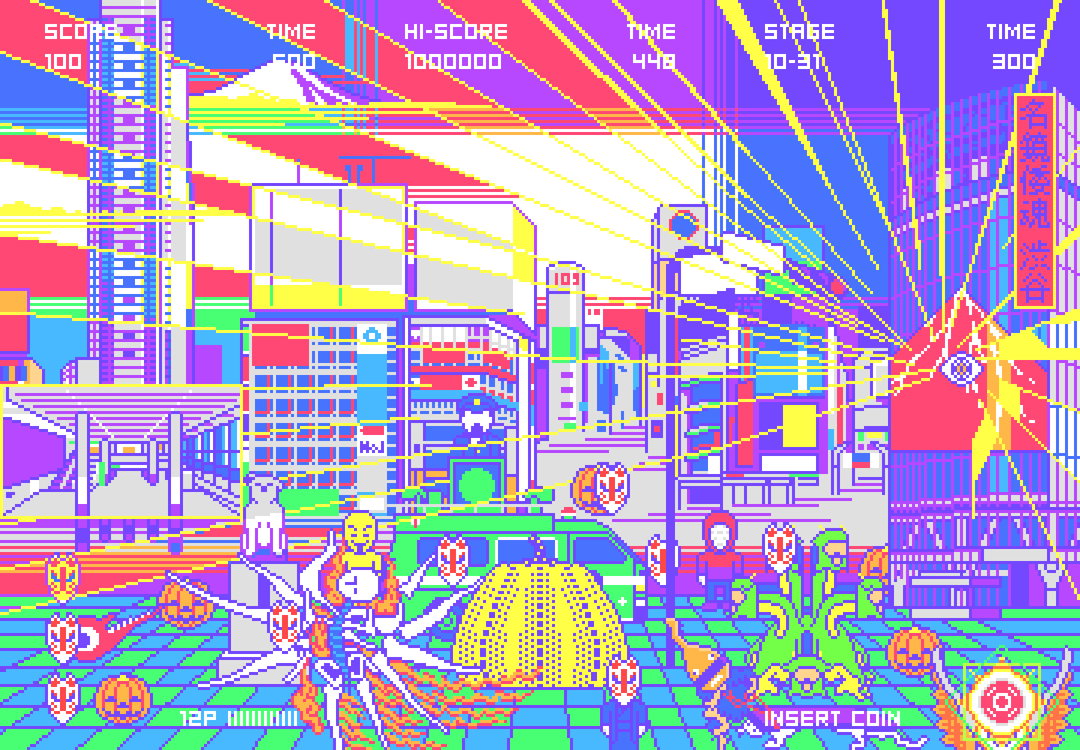
Excalibur: Meikyo Yamato-damashii Shibuya (Copyright © Excalibur, 2018)
Share Article
Further Info
About the Author
—
Joey is a freelance design, arts and culture writer based in London. They were part of the It’s Nice That team as editorial assistant in 2021, after graduating from King’s College, London. Previously, Joey worked as a writer for numerous fashion and art publications, such as HERO Magazine, Dazed, and Candy Transversal.