




“Every design project can be somehow political”: Felipe Rocha on his multifaceted portfolio
“Looking back now, I guess my decision to get into graphic design has a lot to do with the fact that I was obsessed with MTV, music magazines, CD artworks, etc as a teenager,” says Felipe Rocha, a Brazilian designer and art director based in New York City. “My dream was to be closer to this ‘world’, and to me, design was the way to get there.”
Currently on the brand team at Spotify – a job which allows him to live out his teenage dream – he’s had an illustrious career to date: after working in Brazil for several years, he moved to Italy to be an associate art director at Colors magazine before spending two years as a senior designer at Sagmeister & Walsh. Alongside his full-time job, Felipe also collaborates on personal projects with his partner Leo Porto.
Felipe’s work, which spans art direction, editorial design, visual identities and websites, spans various worlds. No matter whether it’s music or photography he’s working with, however, Felipe’s designs are considered, borne from an understanding that design can have genuine impact. “For a few years I was frustrated that I wasn’t doing any ‘design for good’ but at the same time, I was always sceptical about the term ‘design thinking’ and the idea that ‘design can save the world’,” he recalls. “Later, I realised that every design project can be somehow political and make a positive impact, especially when we have the power to influence culture and society.”
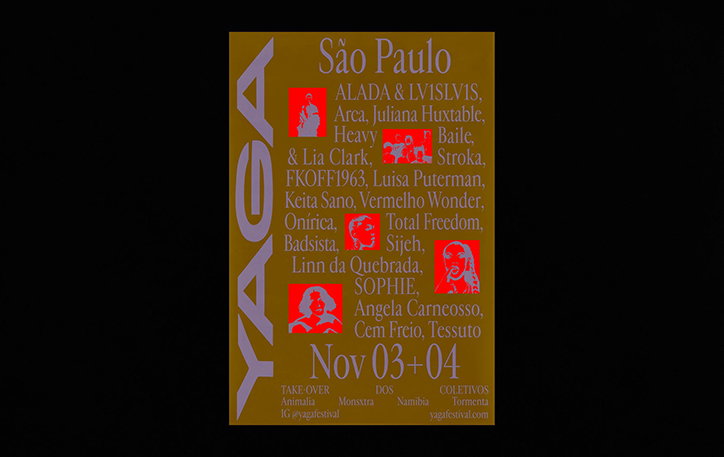
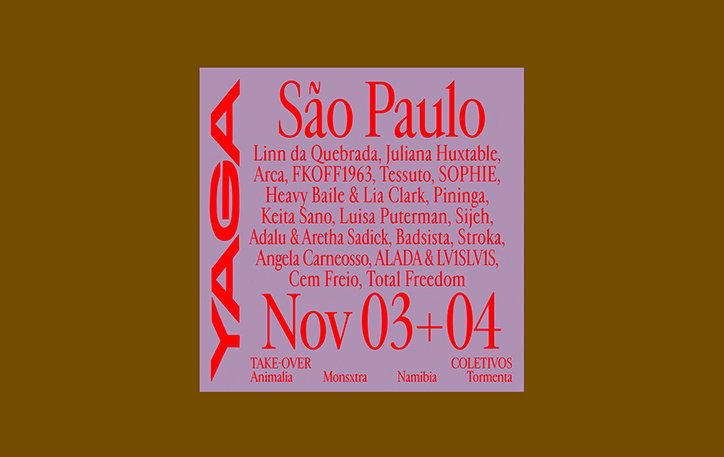
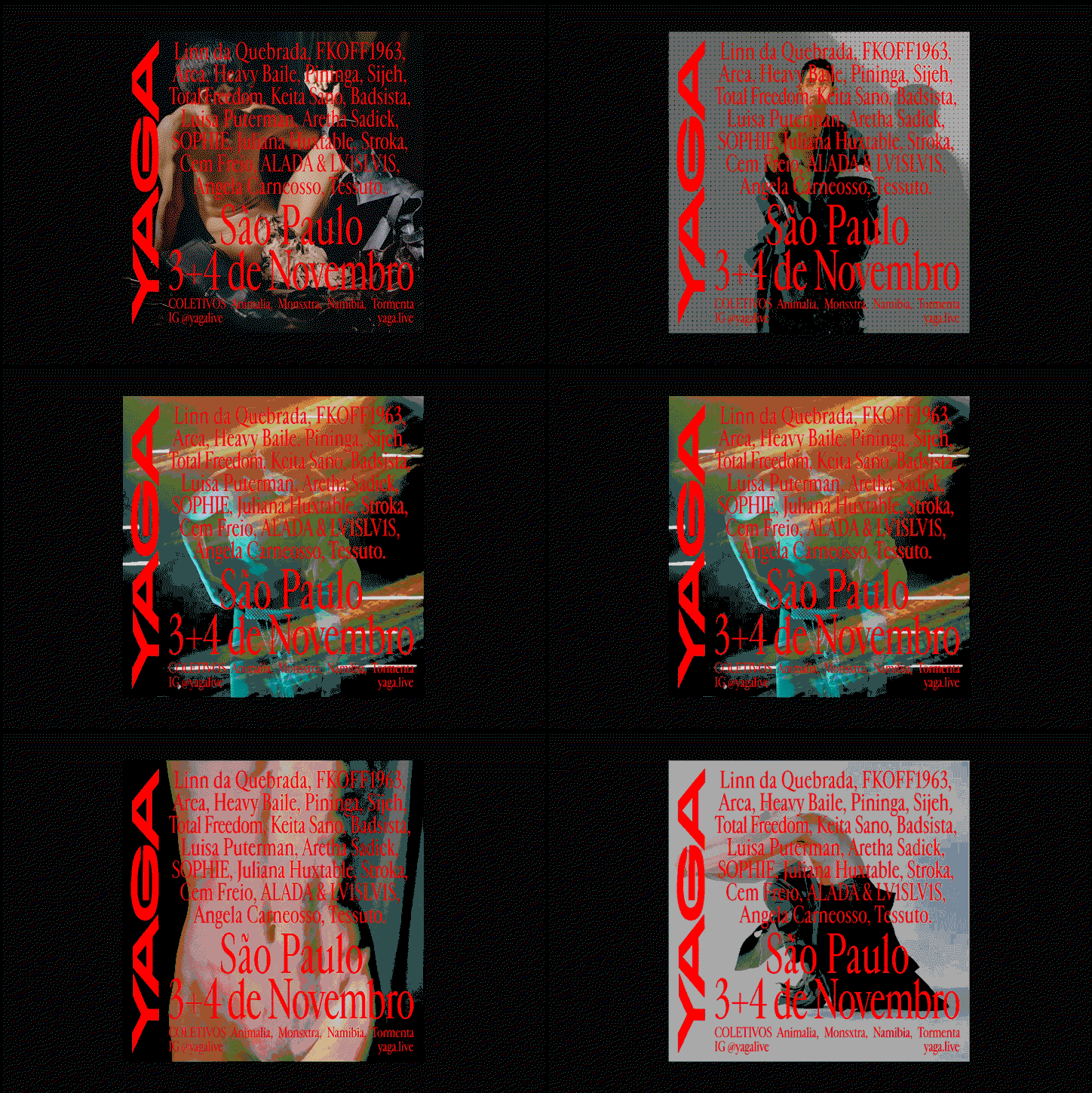
Take, for example, when he worked on an identity of a music festival that celebrated queer and trans identity in São Paulo called YAGA, a week after a far-right, misogynist and homophobic politician was elected president in Brazil, “that meant something”, Felipe remarks. When he worked on an exhibition that displayed hip hop artists as sculptures in a museum, that also meant something.
Felipe Rocha: Spotify RapCaviar Pantheon
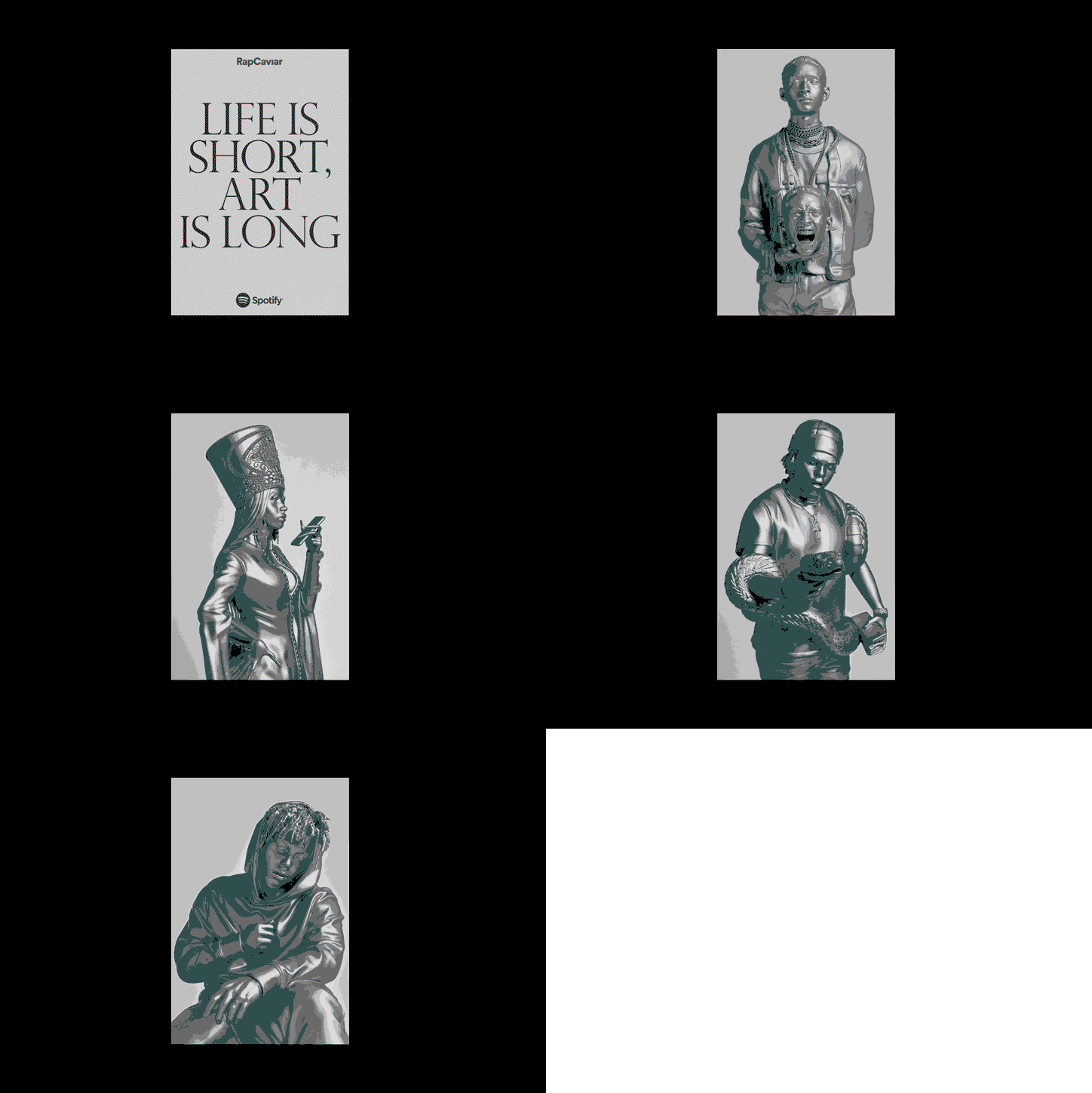
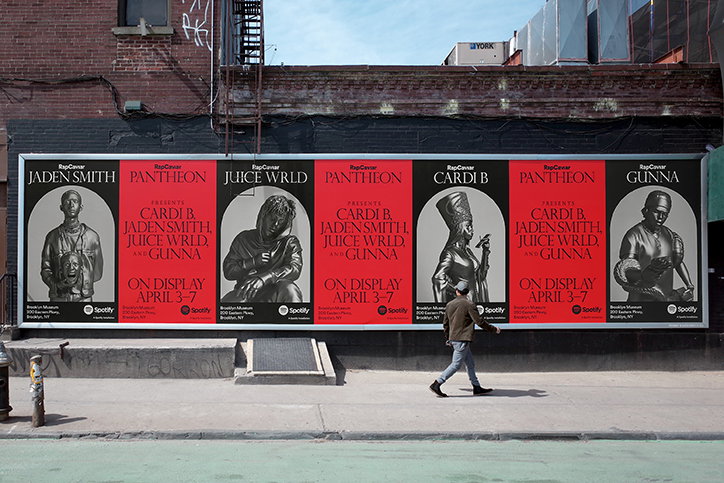
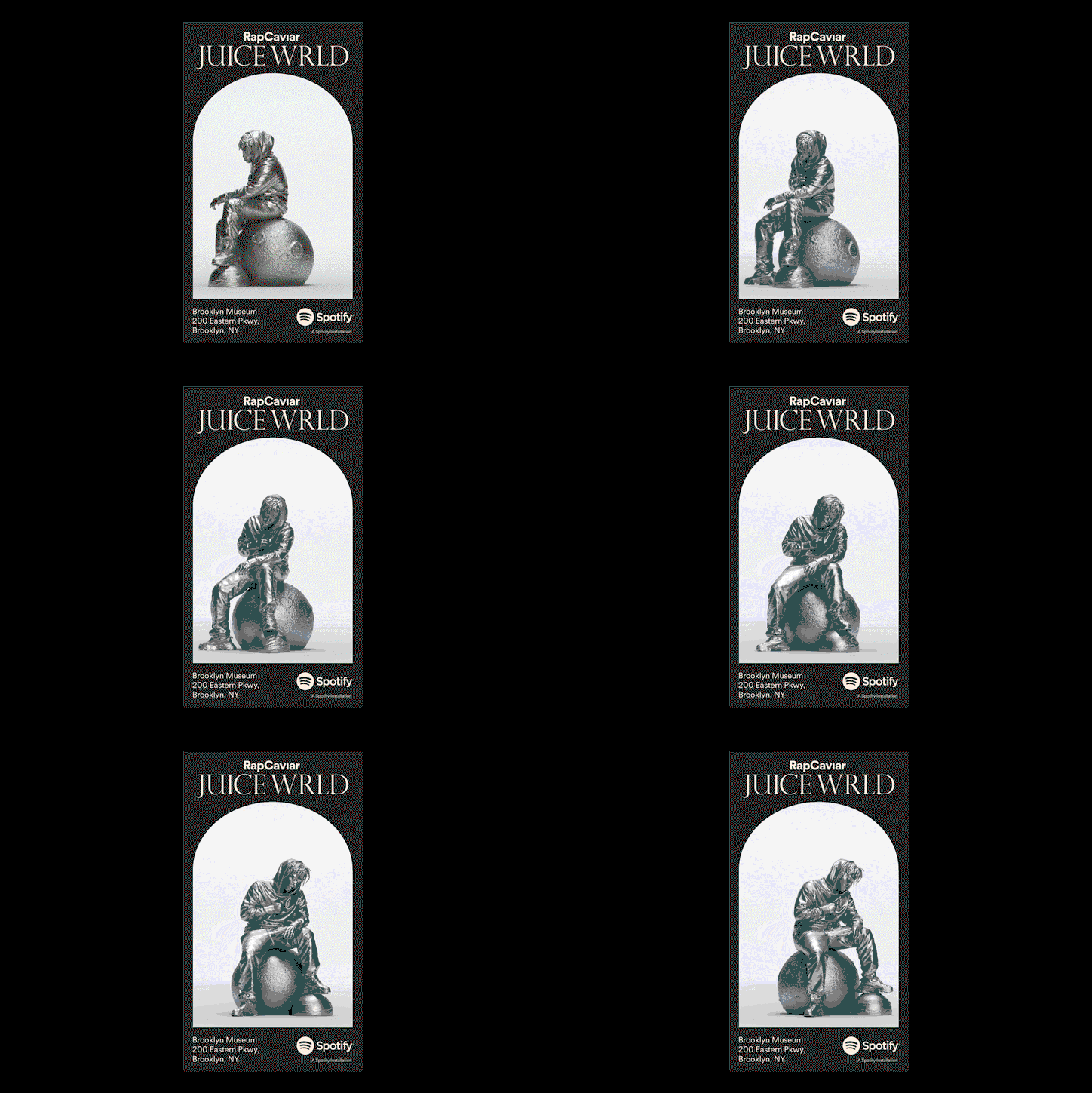
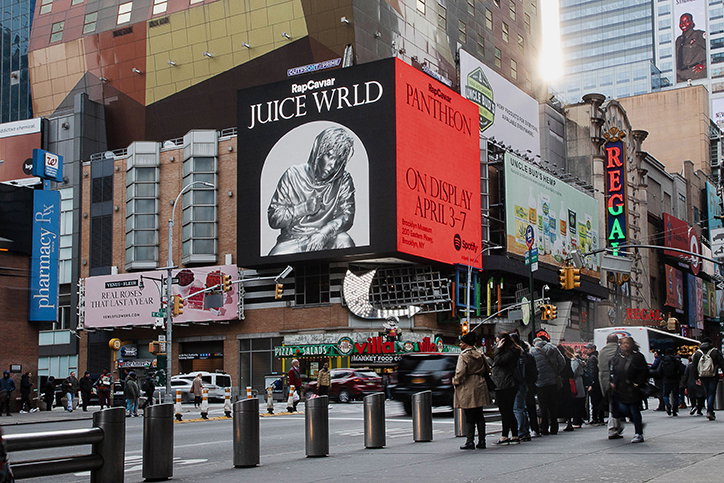
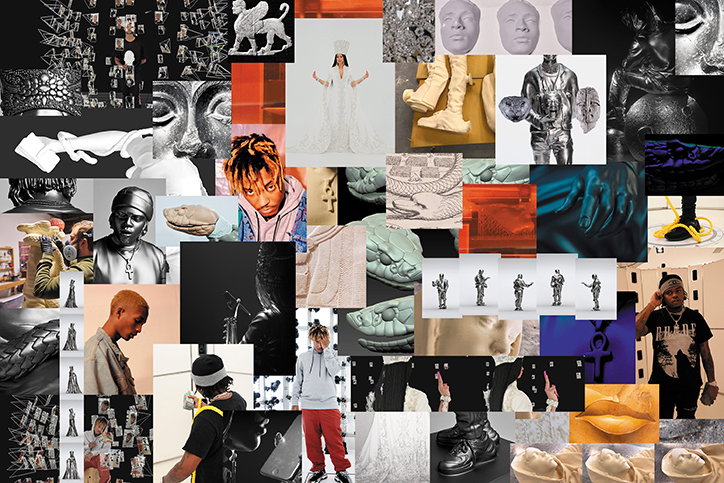
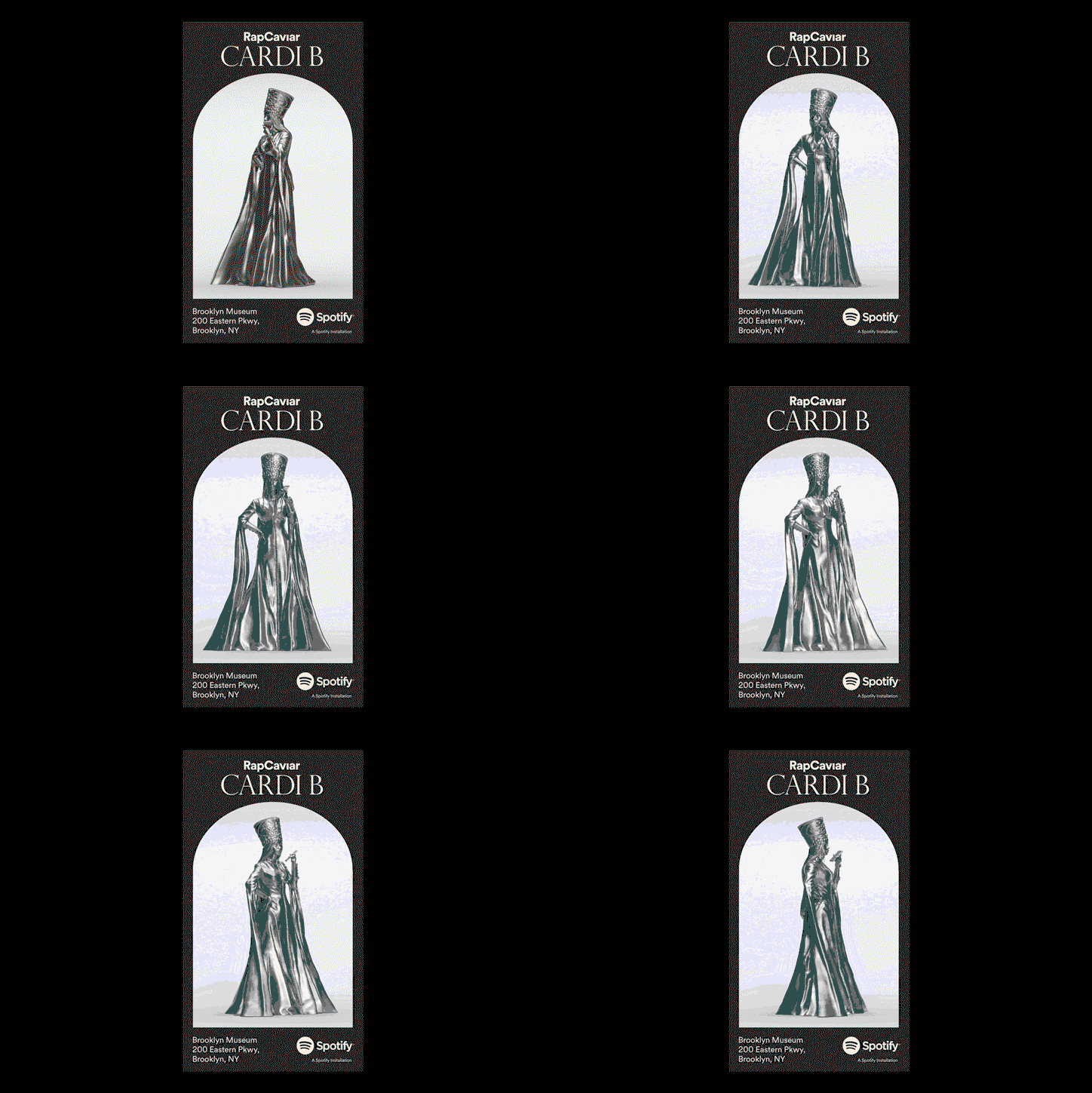
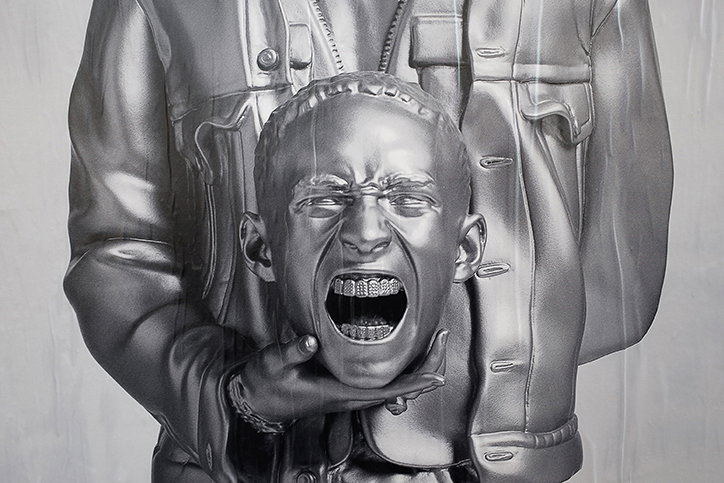
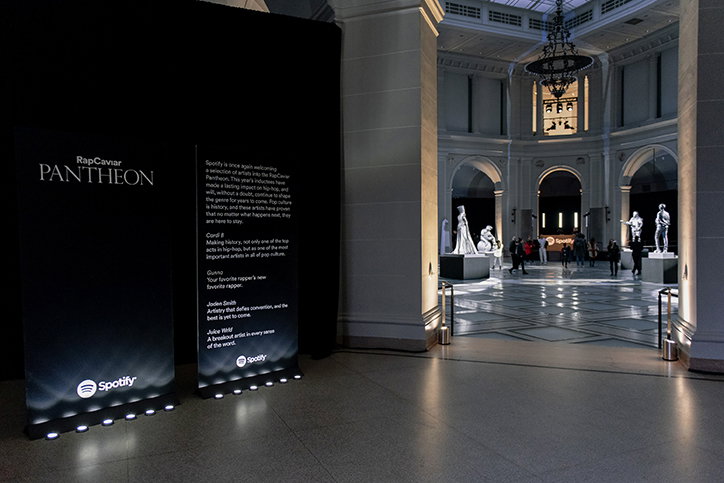
The latter, titled RapCaviar Pantheon, took place at Brooklyn Museum earlier this year. RapCaviar is Spotify’s biggest hip hop playlist and, in 2017, the music streaming platform hosted the first edition of Pantheon, complete with life-sized sculptures of the three biggest breakthrough artists of the year. 2019’s edition saw Cardi B, Jaden Smith, Juice WRLD and Gunna inducted. In order to create the sculptures, each artist was 3D scanned in a photogrammetry studio in LA with a 200-camera-strong rig. “After we scanned them, the 3D models were sculpted in real size, with 3D printed faces, hands and jewellery,” Felipe explains.
While 3D scanning is an aesthetic we’re all familiar with now, the production of the physical sculptures adds a whole new layer to it. And while the pieces are visually striking, the cultural connotations that come with memorialising black artists as statues and placing them in museum setting outweigh as aesthetic choices anyway.
To accompany the campaign, Felipe designed the exhibition itself as well as posters and graphic ephemera. “We looked at many references, from ancestral art to the work of the Nigerian artist Arinze Stanley and Elmgreen & Dragset,” he tells us. From this research, a visual language was determined, utilising nods to the original Pantheon in Rome, such as the arch-shaped frame and all-caps serif, but with contemporary elements including a chrome finish.
The result is a slick campaign that honours these artists as modern-day heroes worth celebrating as a life-sized cast of themselves. The sculptures for Rap Pantheon were produced by Pretty in Plastic, the animations and 3D work were done by unfun studio and Ibra Ake was the creative director that collaborated with the Spotify team.
Felipe Rocha: Spotify RapCaviar Pantheon
Felipe Rocha: Spotify RapCaviar Pantheon
Felipe Rocha: Spotify RapCaviar Pantheon
Felipe Rocha: Spotify RapCaviar Pantheon
Felipe Rocha: Spotify RapCaviar Pantheon
Felipe Rocha: Spotify RapCaviar Pantheon
Felipe Rocha: Spotify RapCaviar Pantheon
Felipe Rocha: YAGA
Felipe Rocha: YAGA
Felipe Rocha: YAGA
Share Article
Further Info
About the Author
—
Ruby is Senior Creative at It's Nice That, overseeing our visual output across platforms and projects. Before that, she was associate editor on the editorial team, after joining in September 2017 following graduation from Central Saint Martins.