

Garrett Grove documents and reflects a confused American identity in Journey to the Interior
Although perhaps best known for her dystopian novels, which see experiments in the jailing system going terribly wrong, or totalitarian states controlling reproduction to detrimental effect, Canadian writer Margaret Atwood also writes poetry. Comprised of seven stanzas, one such poem, titled Journey to the Interior, describes a trip through a changing landscape, “from point to point”. It is clear, as the verse continues, however, that the journey is an internal one – a search for self-discovery. A downward spiral, it concludes that one’s mind is perhaps the most treacherous of all landscapes, a place to be wary of, and to take care when embarking on any kind of journey.
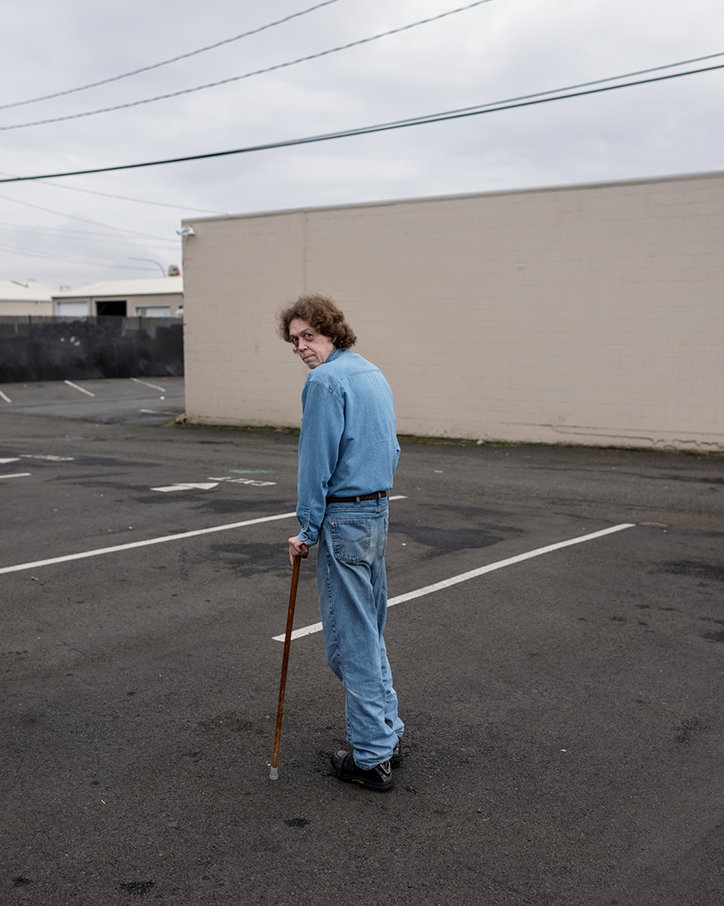
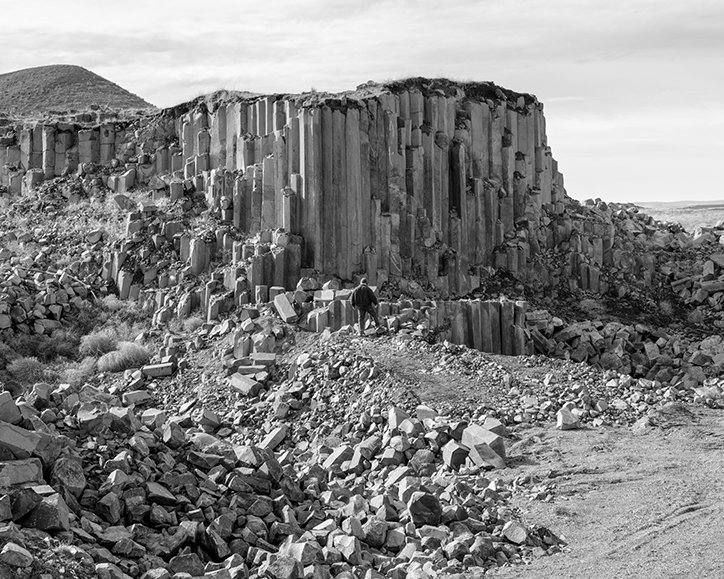
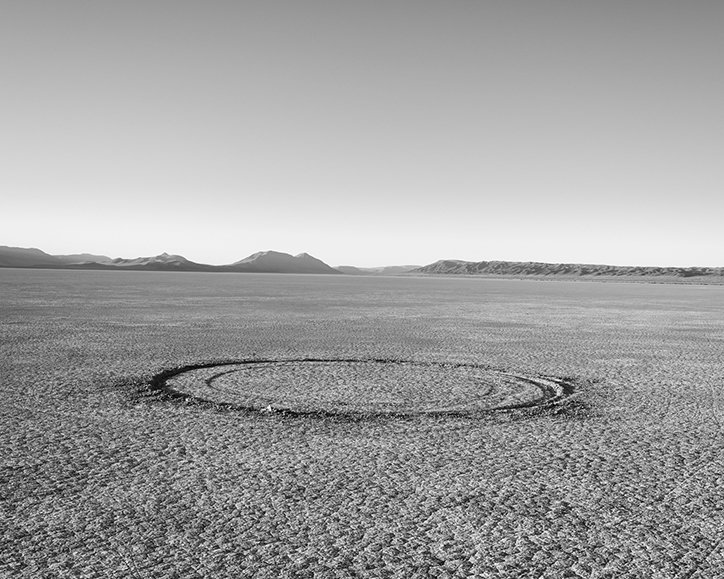
Mirroring this juxtaposition of visible and non-visible journeys is California-based photographer Garrett Grove’s eponymous documentary project. Focussing on themes of identity, anxiety and the current state of the American Dream, Journey to the Interior is equal parts a study of sociology and an autobiography. The result of a physical journey, the series, as Garrett explains, reflects his own psyche “as much as it does that of the people and places I encountered while on the road”.
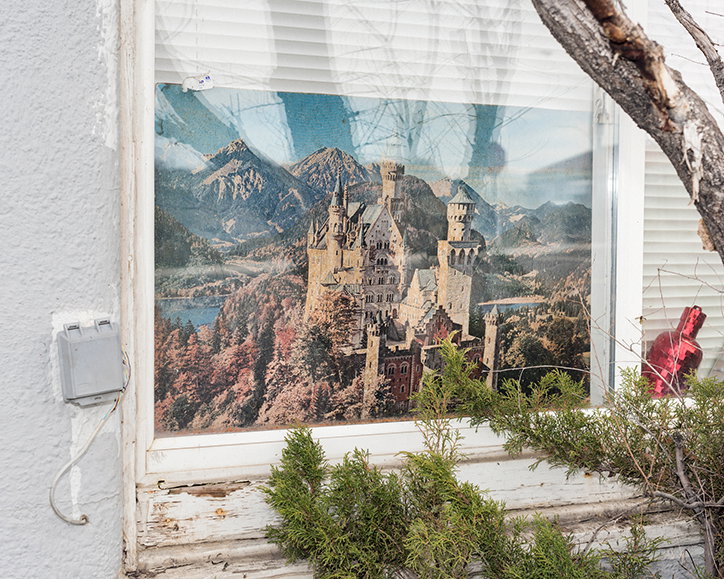
Garrett Grove: Journey to the Interior
The images feature a series of seemingly disparate landscapes and portraits, all taken in the years leading up to, and following, the 2016 presidential election. “It was a time of heightened personal anxiety and self-examination,” Garrett explains, “This body of work found its original motivation in the roots of 19th and 20th Century American documentary photography, non-fiction writings regarding the domestication of the West, marketing propaganda glamorising the working-class life, and a personal curiosity with rural landscapes and towns nearby my home in the Pacific Northwest.” Although visiting these places with the intention of understanding and unpicking American culture, the process resulted in “a picture of America that mirrors my own confusion of navigating a cultural identity that time is moving past”.
This notion of threading subjectivity and opinion throughout traditional documentary sentimentalities is often at the core of Garrett’s practice. Excited by journalistic qualities which see him visiting a specific location and reacting to what he finds, “I do not believe in my ability to take a photograph that is devoid of opinion, judgement or feelings,” he tells us. It’s this distinction which renders Garrett as an author, not a journalist, he continues to explain: “Rather than documenting what the place is, the photographs take on what I am thinking about and leave everything else to the side,” he adds, “A location begins to look more like an arena that I use to bring up bigger questions and my own psychology.”

Garrett Grove: Journey to the Interior
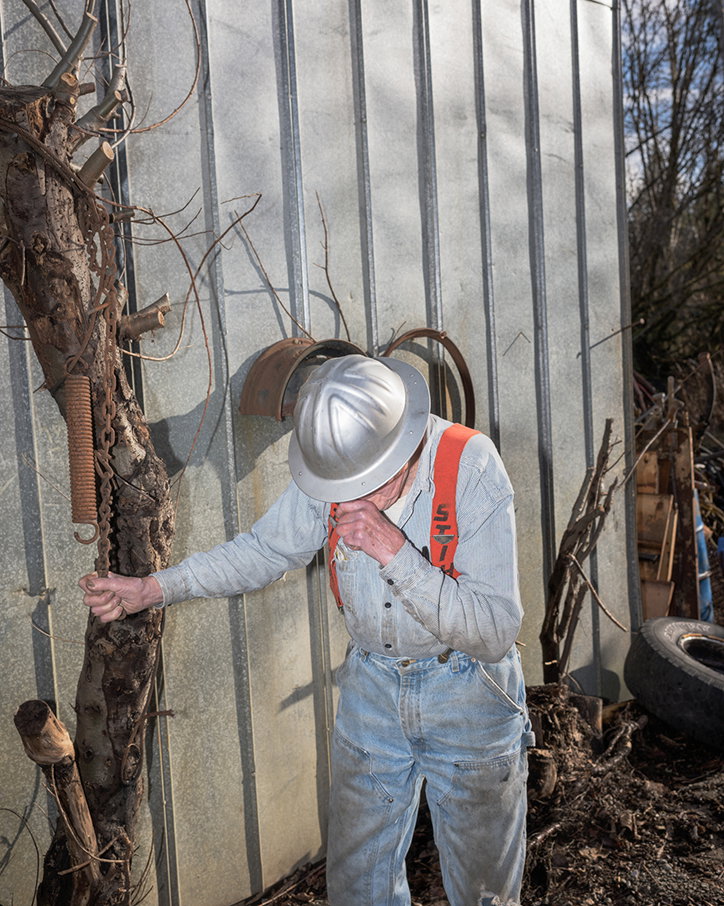
Regardless of the specific location, Garrett’s process is a highly emotional and instinctive one. Never working from pre-set concepts or ideas, he instead puts himself in cultures or environments that provoke curiosity. “That curiosity typically comes from fear, anger and misunderstanding, so I suppose my creative process is fuelled by an attempt effect something that I am scared of or don’t agree with,” Garrett outlines.
It’s this inquisitiveness which makes Journey to the Interior such an intriguing, and successful, series. A seemingly confusing body of work, it mirrors Garrett’s emotional response to a period of time in his home country exactly. By being hard to decipher, it embodies what was an incredibly polarising and baffling set of circumstances, while also meditating on real people’s responses to those circumstances.
Ultimately, it reflects the attitude of one of the great American photographers who inspired the spirit of Journey to the Interior, Robert Adams. As relayed by Garrett; “Go to the landscape that frightens you the most and take pictures of it until it doesn’t scare you anymore." In this case, that landscape just happens to be the American Dream.

Garrett Grove: Journey to the Interior

Garrett Grove: Journey to the Interior
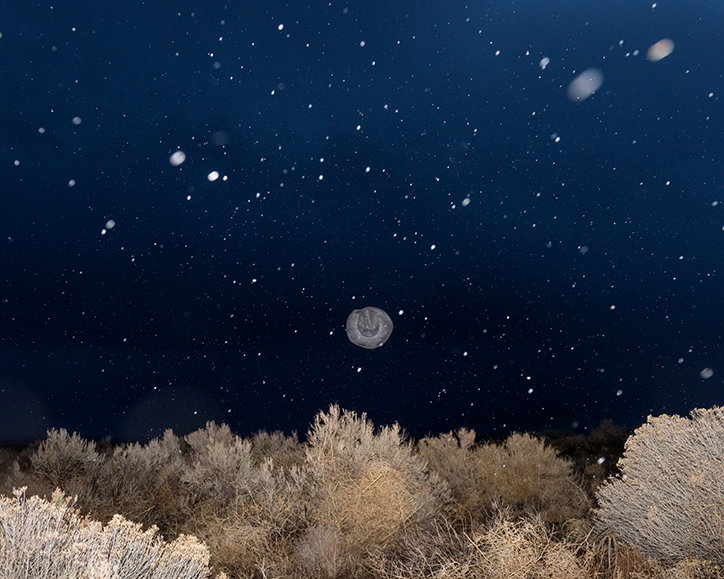
Garrett Grove: Journey to the Interior

Garrett Grove: Journey to the Interior

Garrett Grove: Journey to the Interior
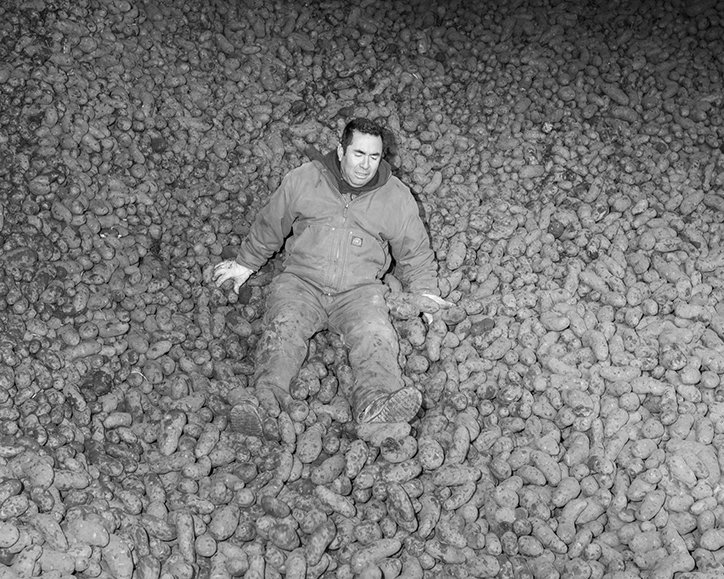
Garrett Grove: Journey to the Interior
Garrett Grove: Journey to the Interior

Garrett Grove: Journey to the Interior
Garrett Grove: Journey to the Interior
Garrett Grove: Journey to the Interior

Garrett Grove: Journey to the Interior
Share Article
Further Info
About the Author
—
Ruby is Senior Creative at It's Nice That, overseeing our visual output across platforms and projects. Before that, she was associate editor on the editorial team, after joining in September 2017 following graduation from Central Saint Martins.