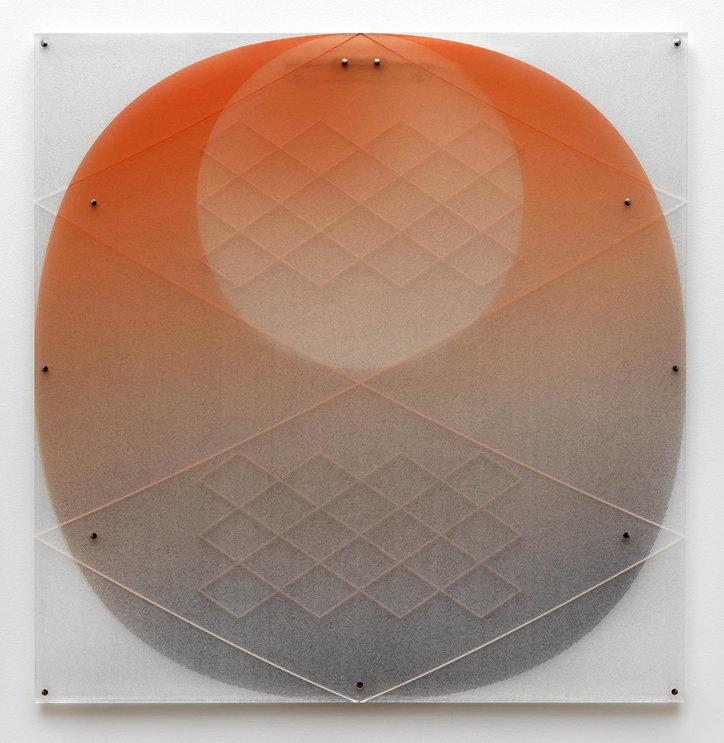
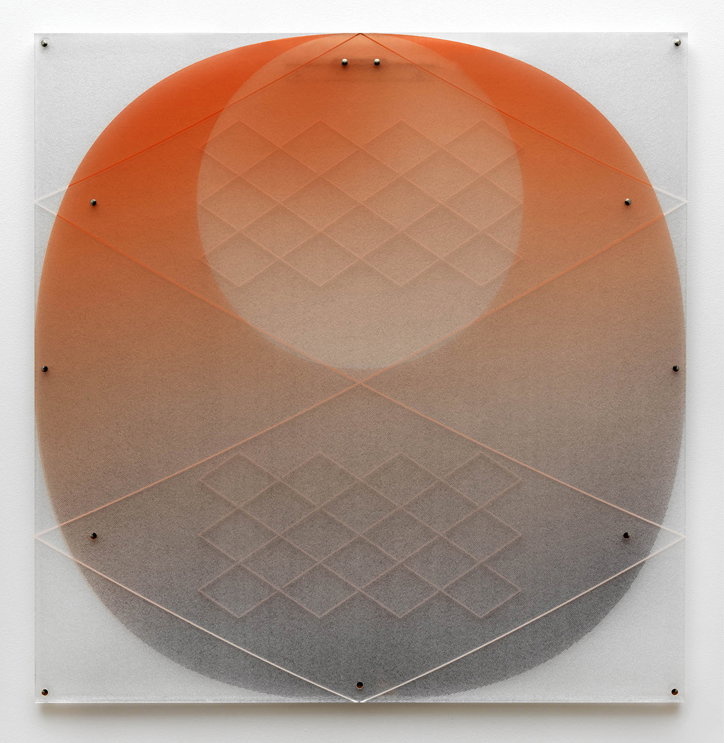
In his generative art pieces, Harm van den Dorpel treats his algorithms as collaborators
Harm van den Dorpel’s first foray into generative art happened when he was just 11, using text-based integrated development environments in the early 90s; those that came with white text over a blue background. “[I was] using QBasic, Turbo Pascal and later some assembly, because my computer was always too slow. At that time, I wasn’t really aware of that being art,” Harm tells It’s Nice That.
After studying artificial intelligence at the Vrije Universiteit Amsterdam, Harm enrolled in the time-based arts course at the Gerrit Rietveld Academie, where he also spent a couple of years teaching a new media arts and interaction design before settling in Berlin. As a household name in the post-internet art movement that emerged in the early 2010s, Harm is most famously quoted as saying that net art was dead, mostly because the works that he saw were closer to multimedia art on the internet, rather than projects that take advantage of the possibilities of being produced on the network.
This interest in medium-specificity of the digital is reflected in the way he develops his projects. “Much of the software we use has artefacts from many moments in the lineage of computer science. Since deep learning has begun dominating the AI landscape, many other algorithms have become less popular,” he says. This cycle of algorithmic dominance and obsolescence impacts other areas of art, even if they aren’t computational in nature. “As algorithms approach obsolescence, so can the aesthetics they produce. For example, think about how Adobe software has shaped our visual cultural landscape,” he adds.
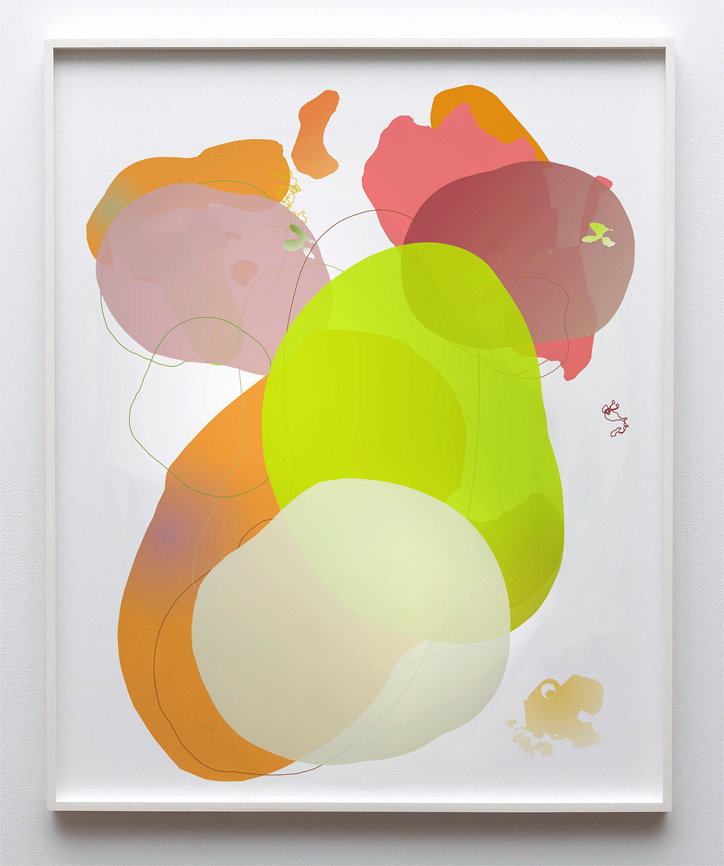
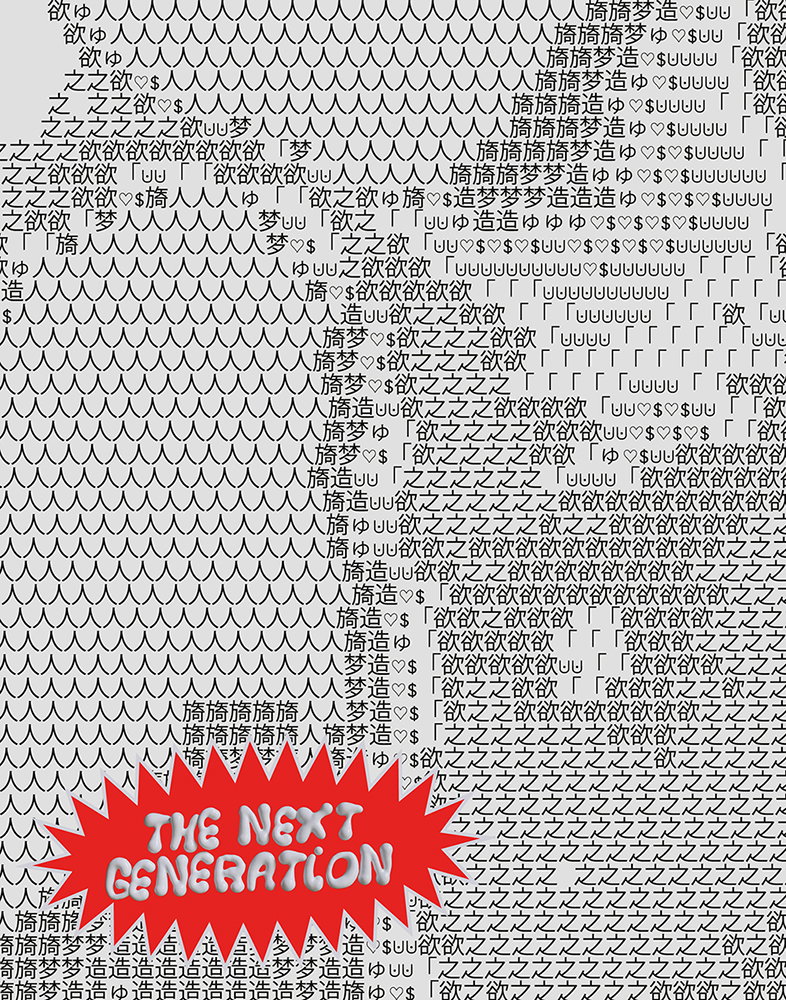
Harm van den Dorpel: Audit Myth Buzz, 2019
Courtesy of the artist and Upstream Gallery, Amsterdam
Harm often treats the algorithms that he works with as collaborators rather than tools, acknowledging that they have a special kind of autonomy to them. When asked what he is trying to achieve with his work, he flips the question back: “What does the work aim to achieve with me?”
He starts small, trying to find intuitive potential in small technical feats rather than approaching his work with large, overarching aims. “I’m looking for a degree of autonomy in the thing I have created. Autonomy in the sense of self-emergence of pattern, shape, composition, but also in the meaning or purpose that emerges afterwards, almost like reverse engineering. What the work is ‘about’ comes afterwards, the pieces reveal that to me,” he says.
In this collaboration, Harm often takes the role of the observer of an interlocking system, much like how many of us now feel that our world is experienced through opaque algorithmic systems. “That’s why I called some of my previous solo shows Asking for a Friend and Uninnocent Bystander, because I often really feel like a bystander, looking from a small proximity at the output of a system that I crafted,” he continues.
Take his ongoing project Death Imitates Language that started in 2016, for instance. On the page, thousands of high-resolution digital paintings iteratively combine using genetic algorithms to produce new images, taking attributes from a pair of “parent” images. Clicking the helix on the corner of each thumbnail reveals who these “parents” are, as well as any siblings or further children that each image has. Harm acts as a curator in this system, encouraging certain aesthetics to develop, but it is the algorithm that produces these images. Harm got the idea for the project after seeing a lecture that suggested that “roughly ten per cent of human relationships in the West are forged by dating apps, that the mating procedure is fully guided by an algorithm,” adding that “the children generated by this algorithm would have a genetic composition built on the presence of explosive, short-lived relationships.” The results, which are also exhibited physically as 100 × 100 cm prints, are as textural as they are digital.
Harm’s latest project, Uninnocent Bystander, sees him using Cartesian genetic programming, which uses a variant of the process that was involved in Death Imitates Language, evolving the underlying programme along with the images it produces. “Eventually I will have to tackle neural networks. I love their beauty and generic-ness, but I have not fully found my way into them, [I’m] still thinking about how to visualise them,” he says, although he has started an audio project that “composes a new piano tune each morning when you wake up” called the Oracle Alarm.
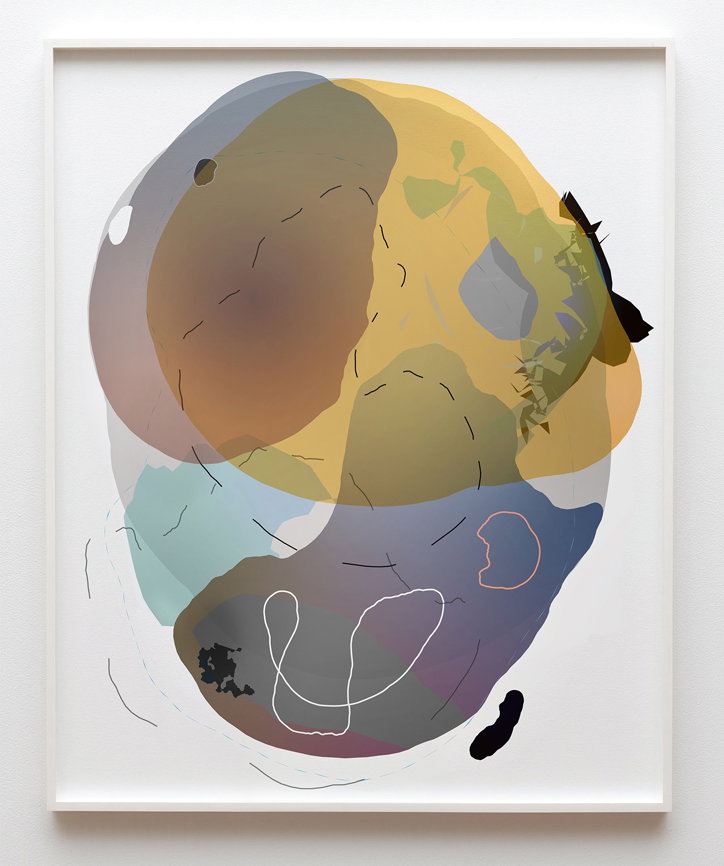
Harm van den Dorpel: Unheard Estimator, 2019
Courtesy of the artist and Upstream Gallery, Amsterdam
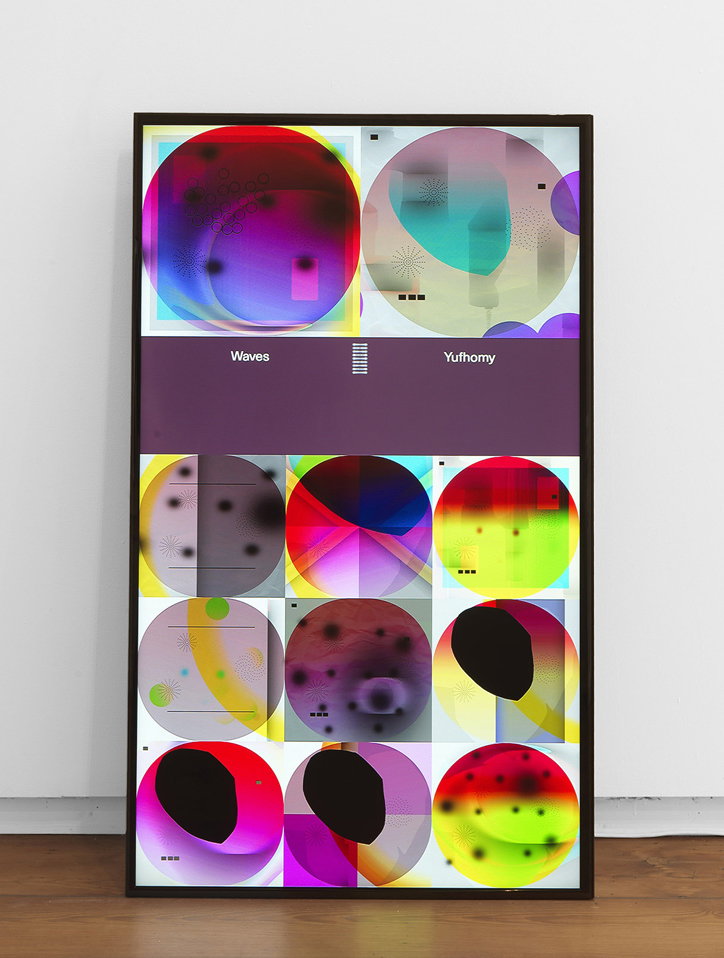
Harm van den Dorpel: Death Imitates Language (Autobreeder), 2016
Courtesy of the artist, Left gallery and Upstream Gallery, Amsterdam
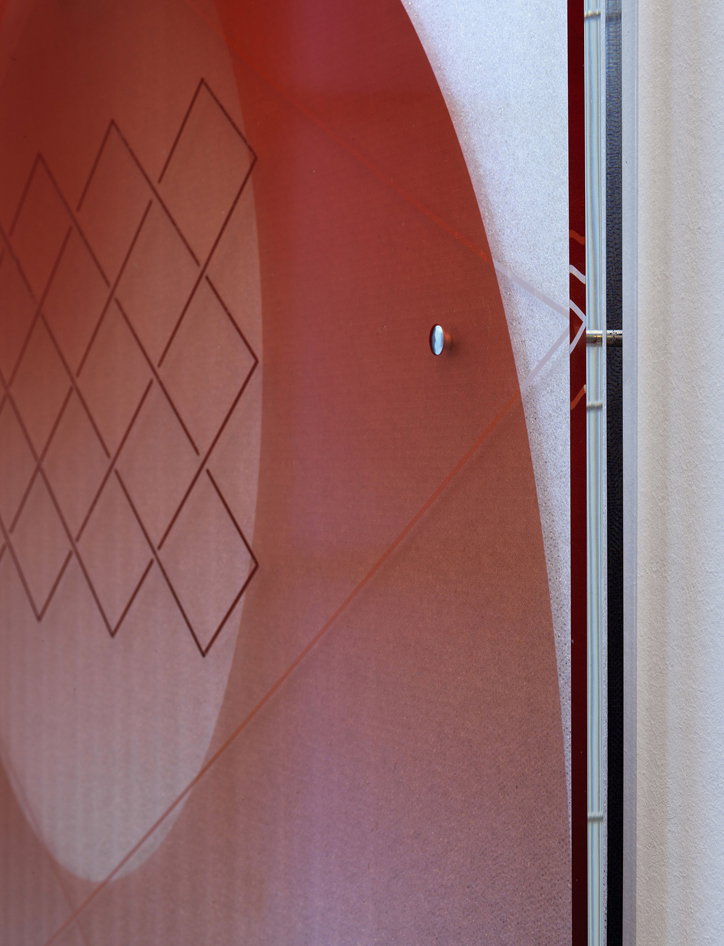
Harm van den Dorpel: Lammer Asbestus, 2018
Courtesy of the artist and Upstream Gallery, Amsterdam
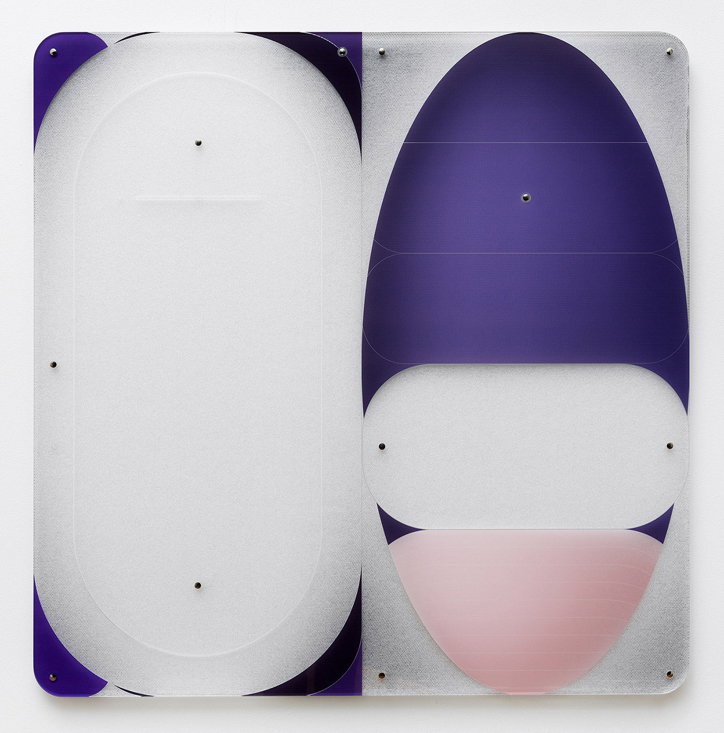
Harm van den Dorpel: Hexamerisms, 2018
Courtesy of the artist and Upstream Gallery, Amsterdam
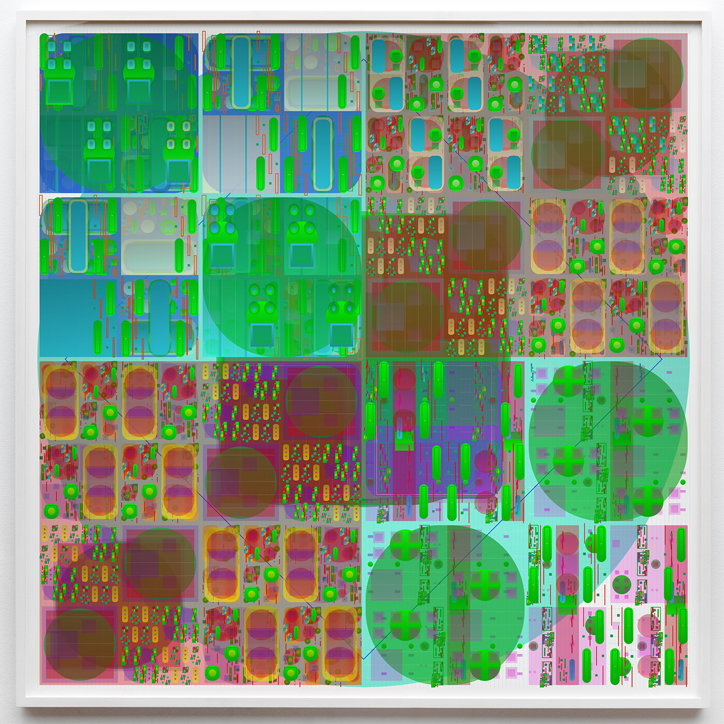
Harm van den Dorpel: Decompress, Embrace, 2019
Courtesy of the artist and Upstream Gallery, Amsterdam
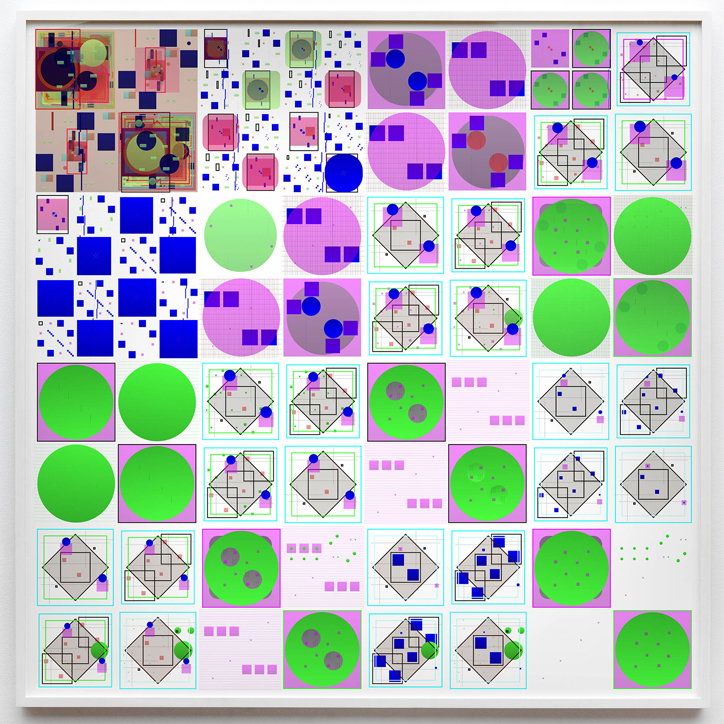
Harm van den Dorpel: Multi Dimensional Zoom, 2019
Courtesy of the artist and Upstream Gallery, Amsterdam
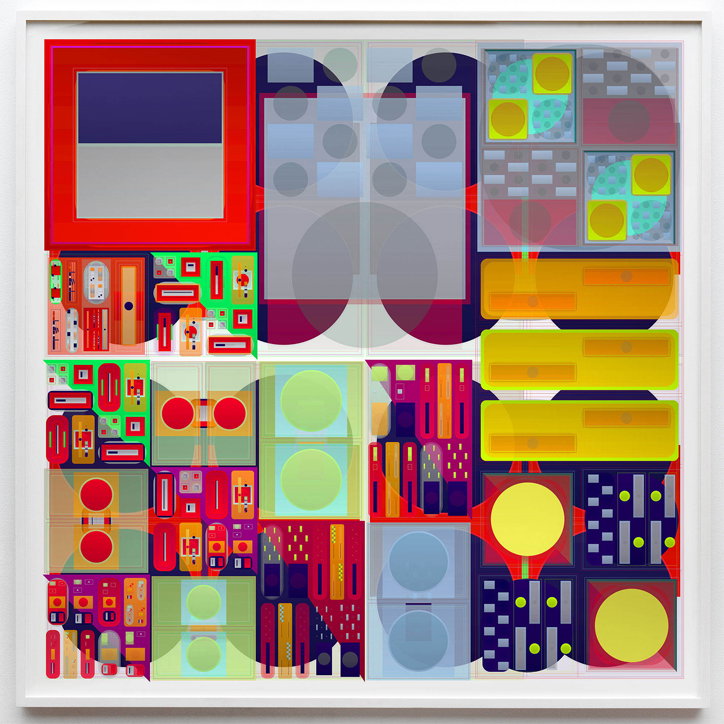
Harm van den Dorpel: Run Too, 2019
Courtesy of the artist and Upstream Gallery, Amsterdam
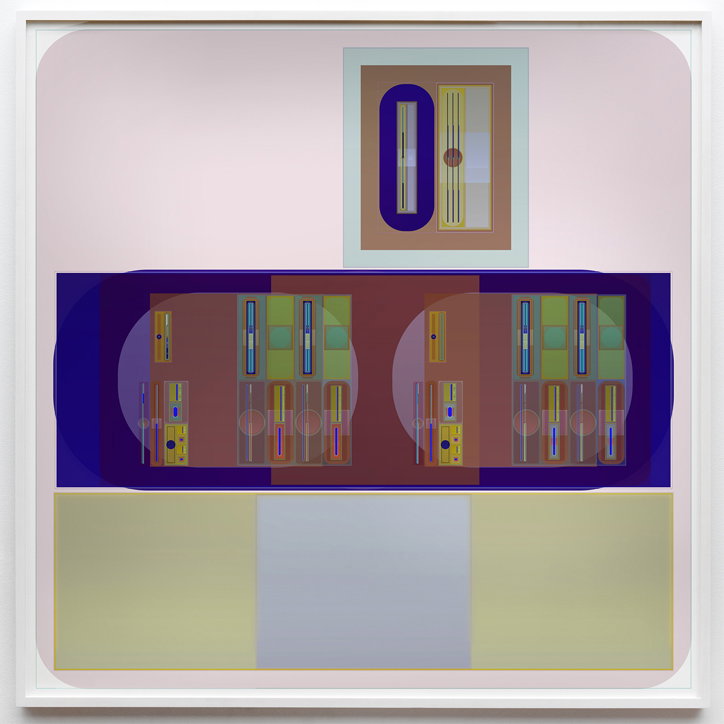
Harm van den Dorpel: Untitled, 2019
Courtesy of the artist and Upstream Gallery, Amsterdam
Share Article
Further Info
About the Author
—
Alif joined It's Nice That as an editorial assistant from September to December 2019 after completing an MA in Digital Media at Goldsmiths, University of London. His writing often looks at the impact of art and technology on society.