Hussein Alazaat on children’s books from the 60s-90s and why they demonstrate the “highest peak of Arabic book-making history”
We talk to the Jordanian designer and calligraphy artist about his exquisite collection of Arabic books.
Hussein Alazaat is the keeper and curator of The Beautiful Books Trove at his space Elharf House in Amman, Jordan. Having collected books and printed matter from a young age, the curator’s passion for typography, illustration and literature has taken him on many adventures. In every city he travels to, he trawls through book shops, flea markets and warehouses, often finding himself knee deep in “tons of dust, dirt, insects, and even dead animal skeletons” before he finds one of his “hidden gems”. Such a unique commitment to his cause has resulted in the most exquisite selection of rare books and printed matter which otherwise might never have been discovered and preserved.
The idea to open his own library was inspired by his childhood hero, Mohie El Deen El Labbad. The designer shared book reviews with young readers in a magazine during the 80s and 90s, and later published a collection of these under the title The Beautiful Books Trove. Hussein adopted the name for his own collection and set himself the goal of carrying on Mohie’s good work. Hussein is now harnessing the power of the web (with his social media account and digitised collection) to share his treasures of Arabic design history with the world. His collection is impressive to say the least, covering everything from 16th Century manuscripts he inherited from his grandmother to rare Atlases, banned literature, comics and children’s books.
It is this last category which Hussein is most enticed by: “I couldn’t resist seeing old Arabic children’s books and not acquiring them, ever!”, he says. “I believe those little books from the 60s until the early 90s represent the highest peak of Arabic book-making history.” It’s a bold statement, but one that Hussein argues convincingly. He sees these books as the miraculous combination of two key ingredients: “the most brilliant authors and novelists (who wanted to run away from their classical practices or their political affiliations) and the greatest illustrators (who also wanted to escape from the seriousness of their daily corners in papers or even from fine-art)”. Watching these “two parties meet” on “tiny pages for tiny readers” is a magical thing for Hussein.
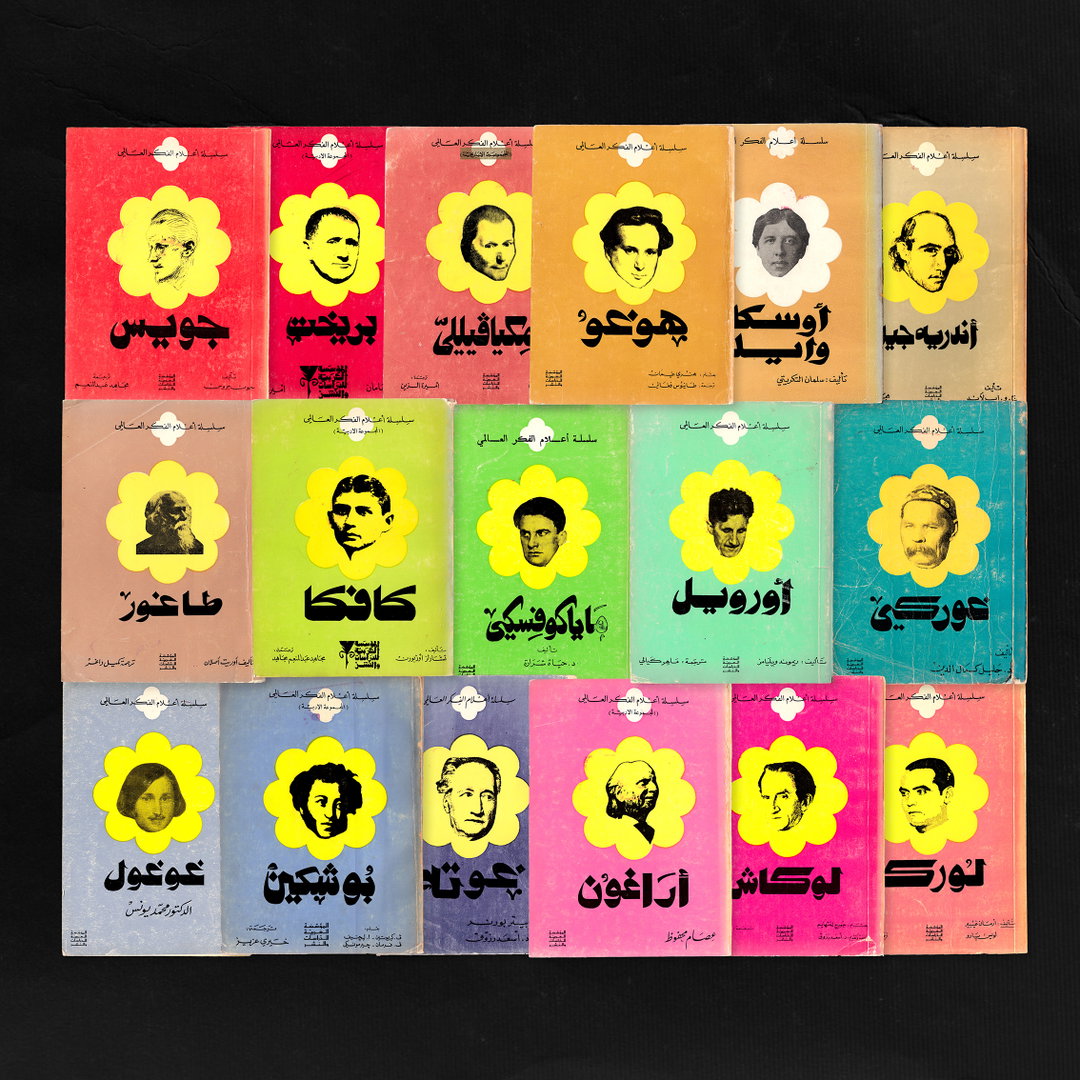
Series of the prominent world thinkers - Literature Collection. Cover design by: Helmi el-Touni, Published by: the Arab Institute for Research & Publishing, Beirut, 1974-1976. (Copyright © The Beautiful Books Trove, 2022)
Speaking of some of the rarer books in his collection, Hussein’s insights are not what you might expect. While the Trove holds stunning examples of 16th Century manuscripts and various limited edition titles from the 18th and 19th centuries, the curator notes that the oldest books are not necessarily the rarest. Much harder to find are more recent publications which have been banned from Arabic countries. A particular example is a book by an Egyptian artist that was released in the late 80s, which was banned for its “highly vicious caricatures of the Arab politicians and ‘Supreme Leaders’”. “The artist himself was exiled from his own homeland!”, he continues. “I was chasing this book for years, then, I found it under a big pile of ‘Management’ books in Amman! So yeah, that’s unquestionably rare.”
Hussein also has a growing collection of “bad” books which he’s discovered on his travels; books with “wrong signs, badly done illustrations, poor binding, harmful content, and corrupt publishing”. He’s been gathering a few corkers for a shelf in his collection that he calls The Shame List. “The title sounds offensive,” admits Hussein, “but honestly, I keep referring to those bad examples as learning material, sometimes you know the good when you know the bad!”
When it comes to the “good”, Hussein has a few guiding principles for choosing material for his collection. “I believe that a book should be judged by its cover, and in particular the typographical elements of that cover!” As a calligraphy artist himself he has an eye for typography and believes that a lot of things can be suggested by a good front cover font, including the quality of the bookmaking, the content, the publisher’s ethics and overall design of the book. Once his eye’s been caught by the cover, the next thing he looks for is copyright information. “I highly worship books with a credits page, unfortunately, that’s an absent element in the Arabic books […] I’m afraid to say some shocking info here: Many Arabic books lack the printing date!”
Taking a rather dim view of these publishing practices, Hussein worships a few gems in his collection which are self-published. These stunning examples are often hand-written by the author themselves and illustrated by a friend or family member. “Those lovely examples shine in my archive and shed a light on personal publishing practices”, he says.
We can’t get enough of Hussein’s stunning collection and are delighted to hear that he has big plans for the future. As well as working hard on cataloguing, sharing and growing the collection, Hussein also plans to create a some more specialised exhibitions at his space in Amman. He’s bursting with ideas for these, but the top genres and themes on his list at the moment are maps and atlases, propaganda for Arab children, and the history of Soviet prints in the Arab world. He’s also aiming to expand the collection and make it more accessible “by getting a new large-scale space with more staff, maybe, I wish”.
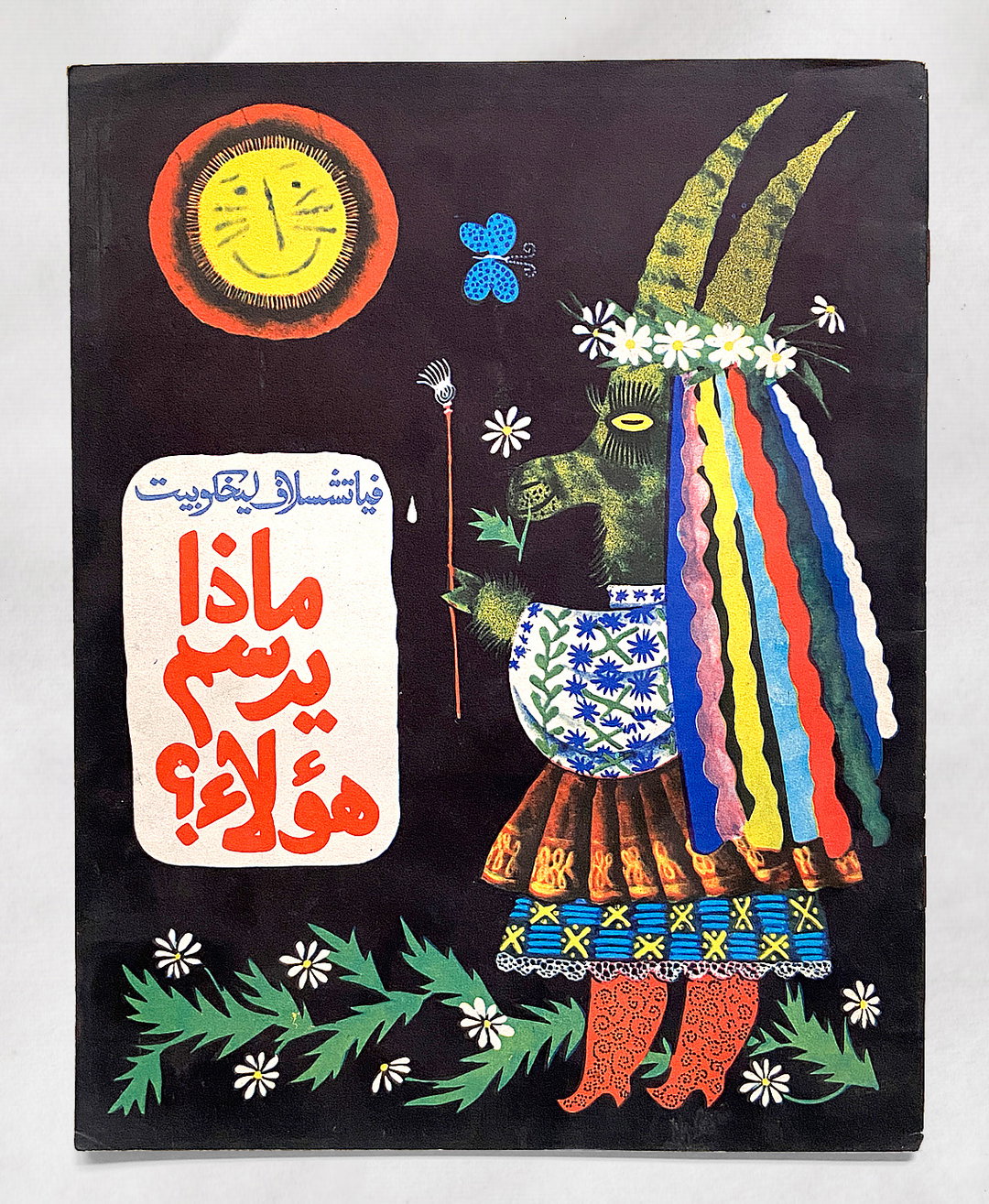
Everyone likes to draw. Edited and illustrated by: Vyacheslav Legkobit. Progress Publishers, Moscow, 1975 (Copyright © The Beautiful Books Trove, 2022)
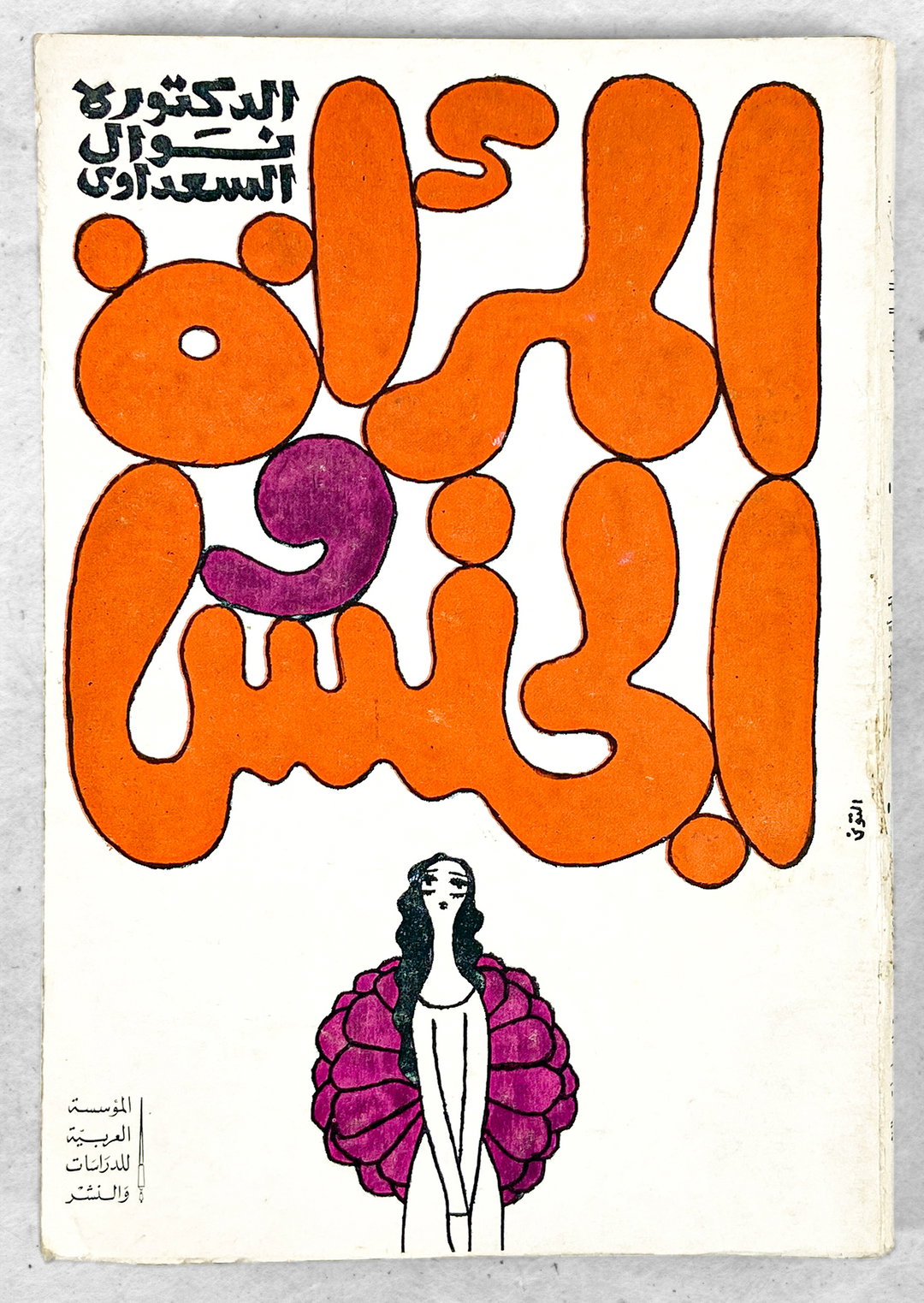
Woman and Sex. Edited by: Dr. Nawal El-Saadawi (1931 - 2021) Cover design: Helmi El-Touni, Published by: Arab Institute for Research & Publishing, Beirut, 1972. (Copyright © The Beautiful Books Trove, 2022)
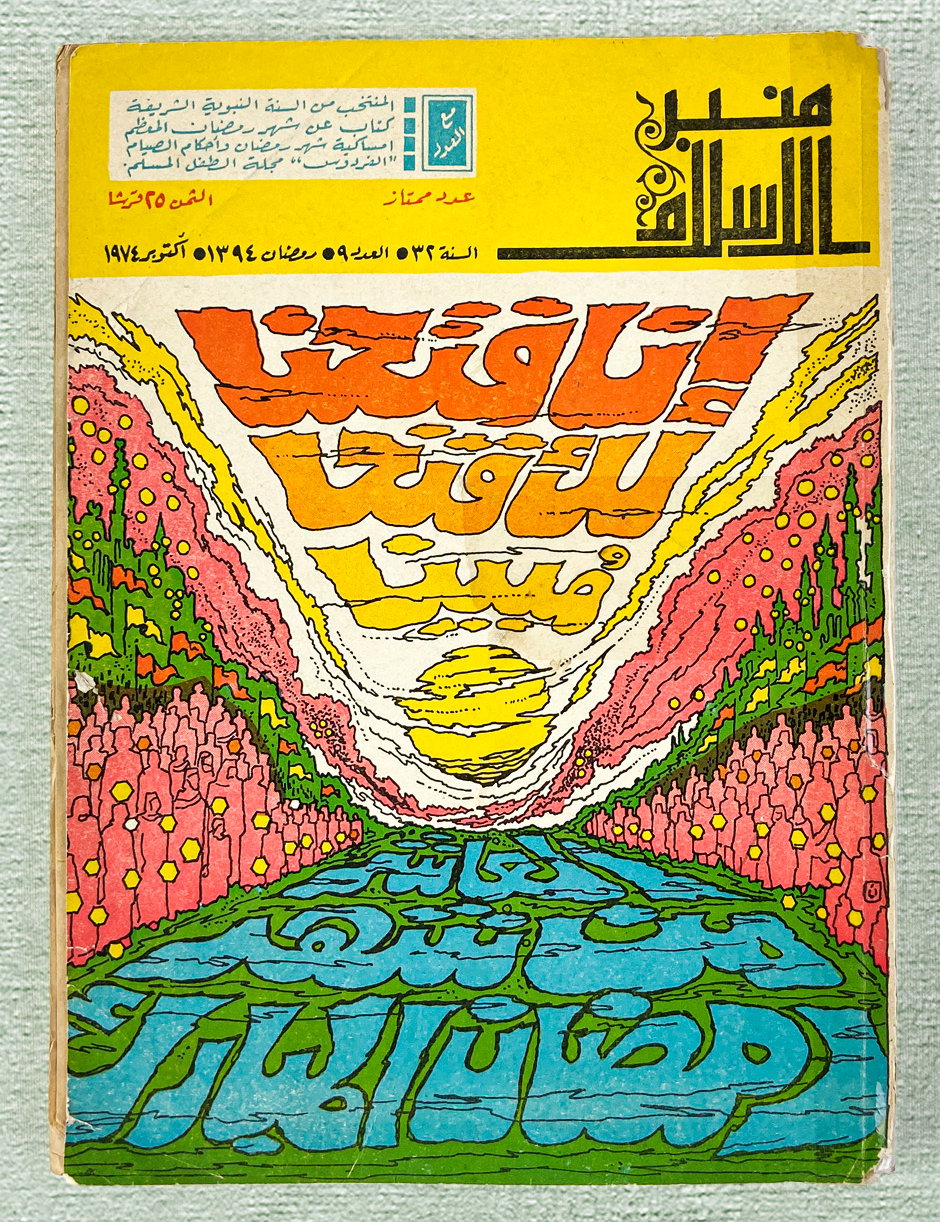
Minbar of Islam Magazine. Cover design and illustrations: Abdul Majeed Wafi (1920 - 2014), Issue 9, Year 32, October 1974. Issued by: Supreme Council For Islamic Affairs, Cairo.(Copyright © The Beautiful Books Trove, 2022)
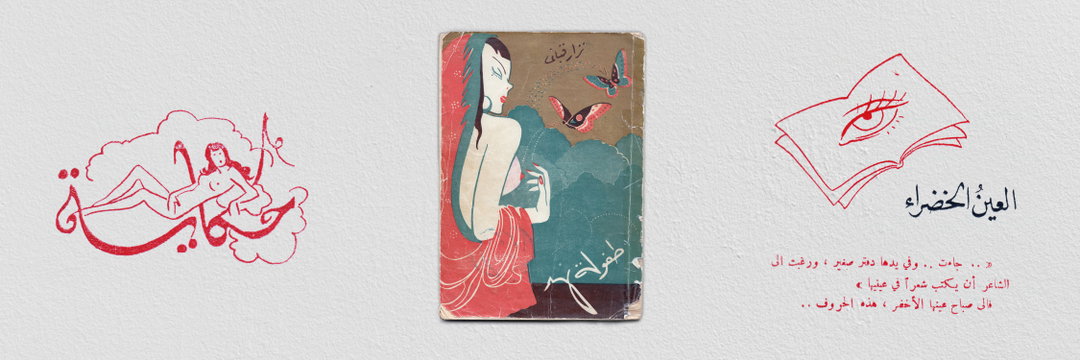
‘Tufwlaẗ Nah̊d’. Poetry book by Nizar Qabbani. 1st Edition Cairo, March 194. 2nd Edition Beirut, Dar El Ilm Lilmalayin, April 1955. Illustrations by Hussein Bicar (1913 - 2003). Titles Calligraphy by Badawi Al-Dirani (1894 - 1967) (Copyright © The Beautiful Books Trove, 2022)
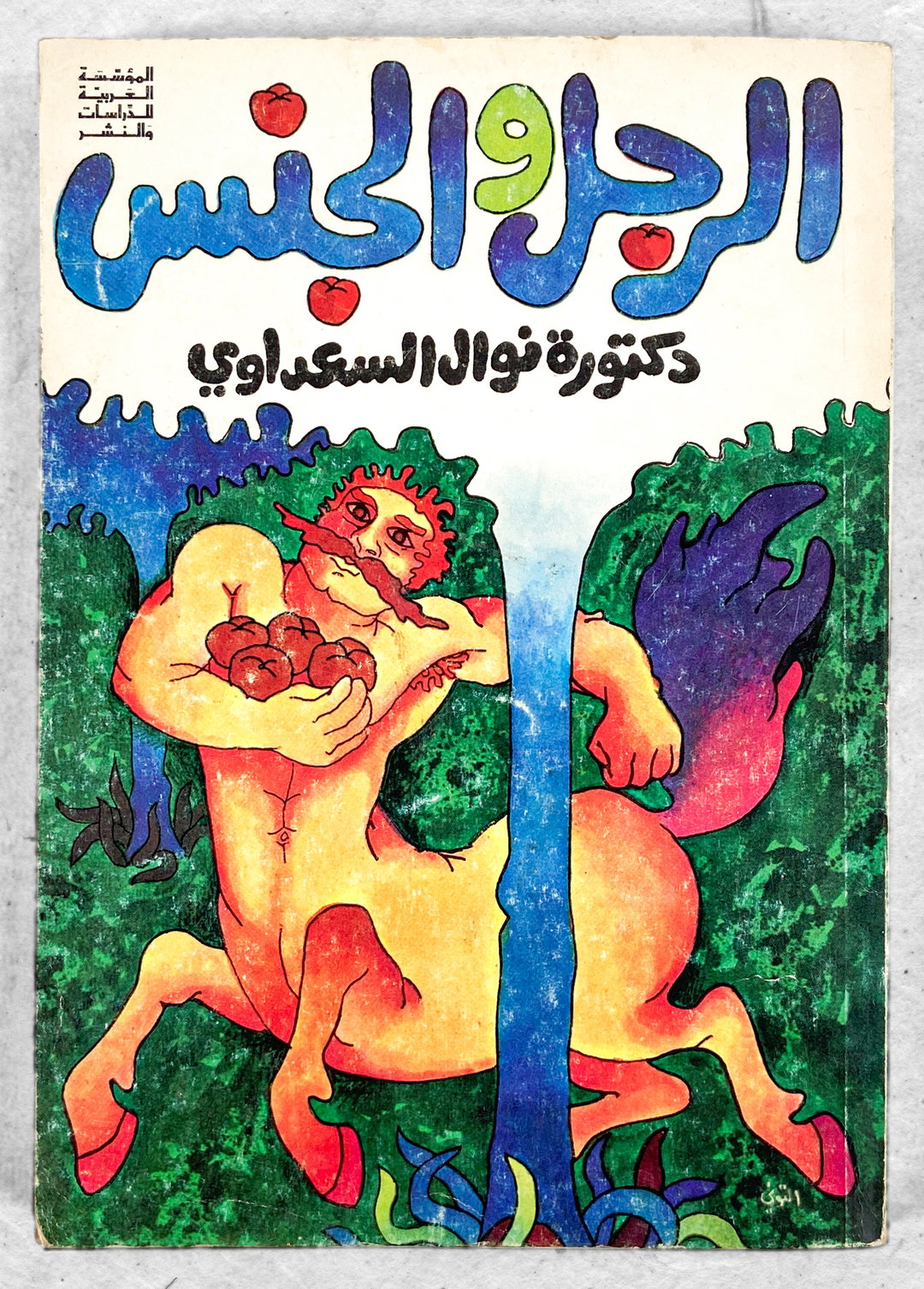
Man and Sex. Edited by: Dr. Nawal El-Saadawi (1931 - 2021) Cover design: Helmi El-Tuni, Published by: Arab Institute for Research & Publishing, Beirut, 1976. (Copyright © The Beautiful Books Trove, 2022)
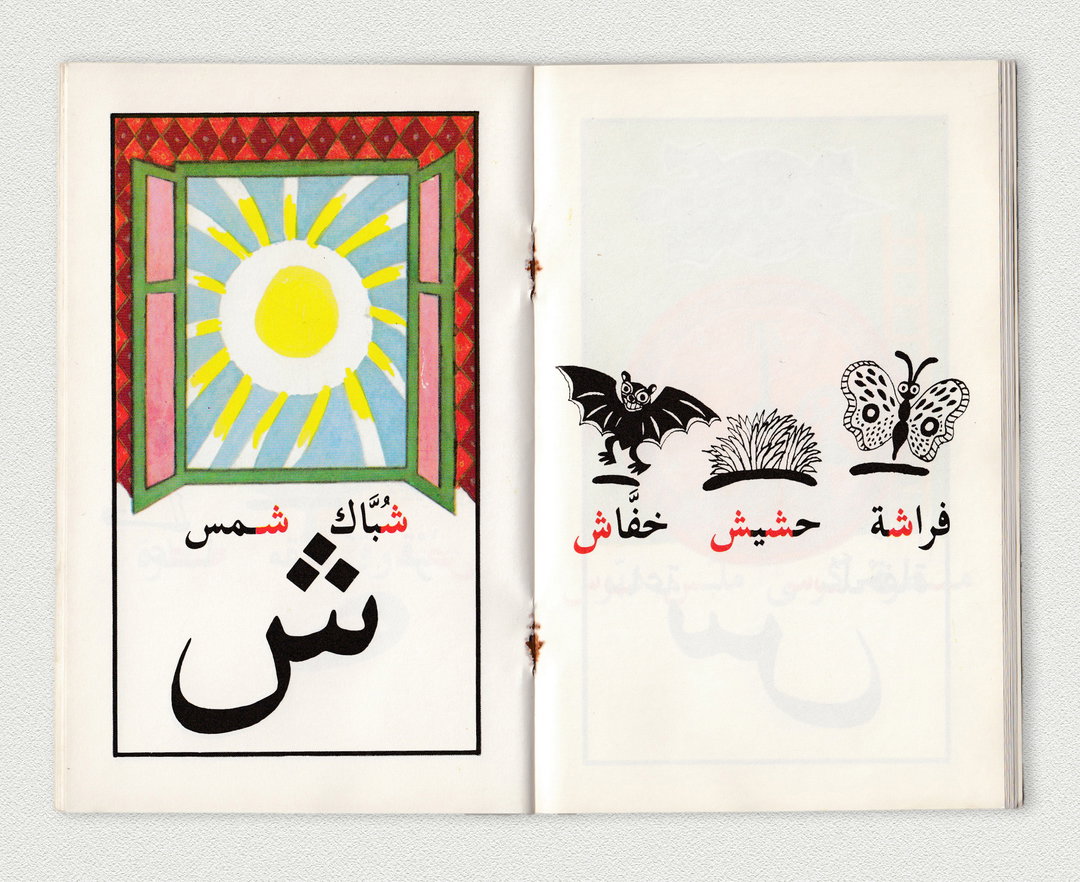
Arabic Alphabets, from the series Before the School. Publisher: Dar Al-Fata Al-Arabi, Experimental Arabic workshop for Children books, Beirut and Cairo. Illustrations by: Mohieddine el-Labbad. Date: 1985, 2nd Edition. (Copyright © The Beautiful Books Trove, 2022)
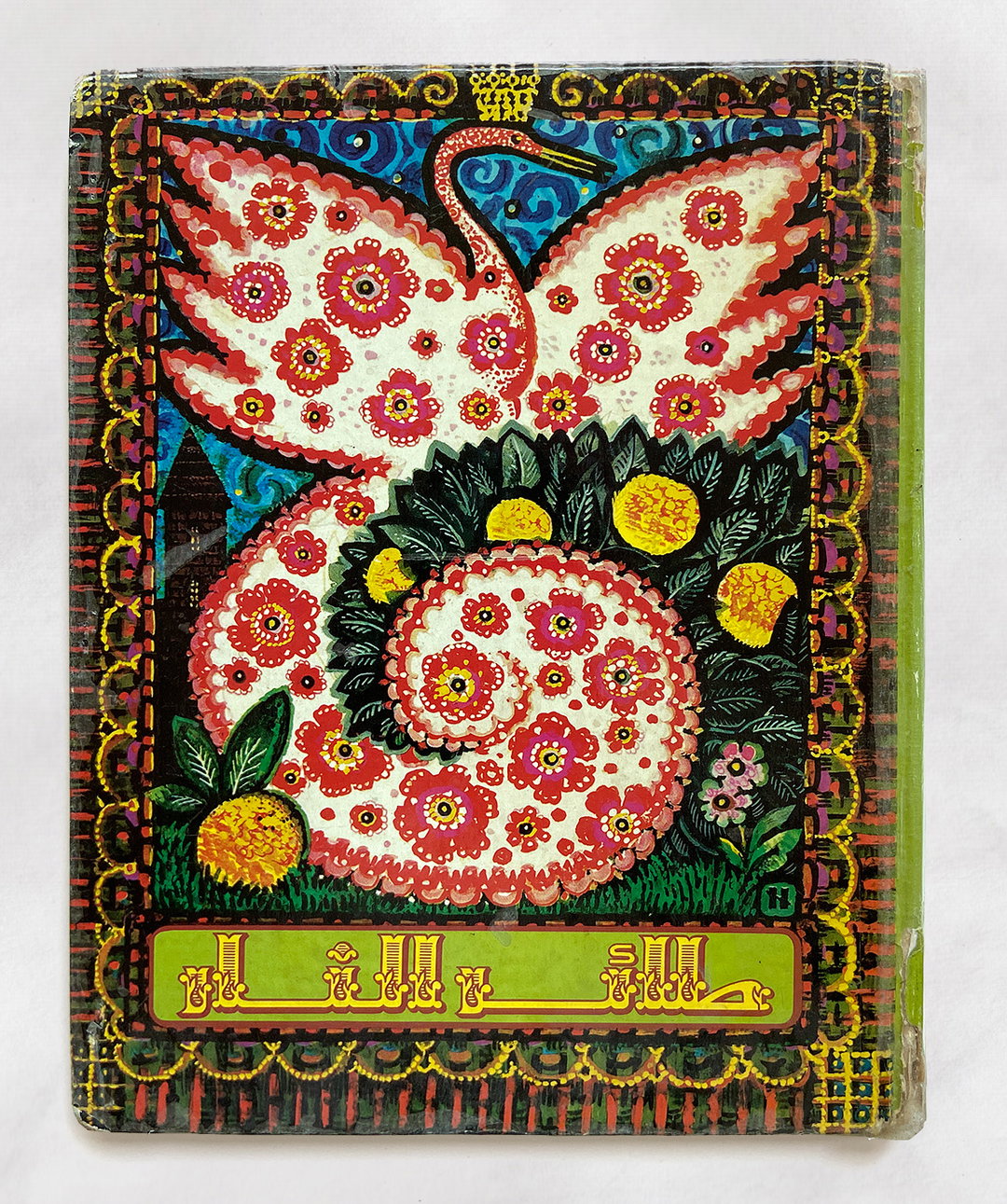
Bird of Fire. Short Russian folk tales. Edited by: Maria Shumskaya, Illustrated by: K. I. Ershova, I. I. Ershov. Published by: Radoga/Rainbow, Moscow, 1985. Printed in the German Democratic Republic (Copyright © The Beautiful Books Trove, 2022)
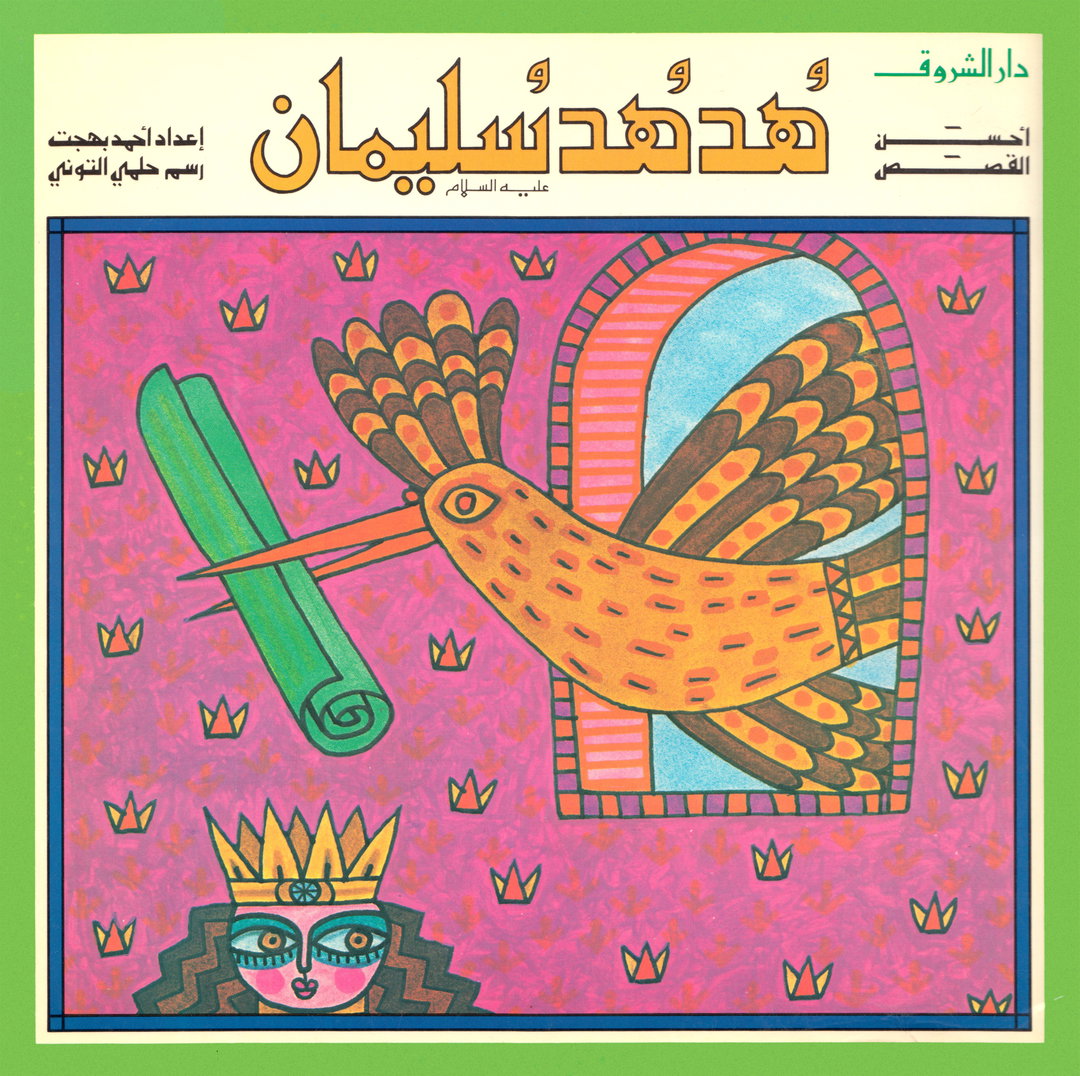
Hoopoe of Solomon. Illustrated by Helmi el-Touni, Written by: Ahmed Bahjat, Published by Dar El Shorouk, Cairo, 2005. (Copyright © The Beautiful Books Trove, 2022)
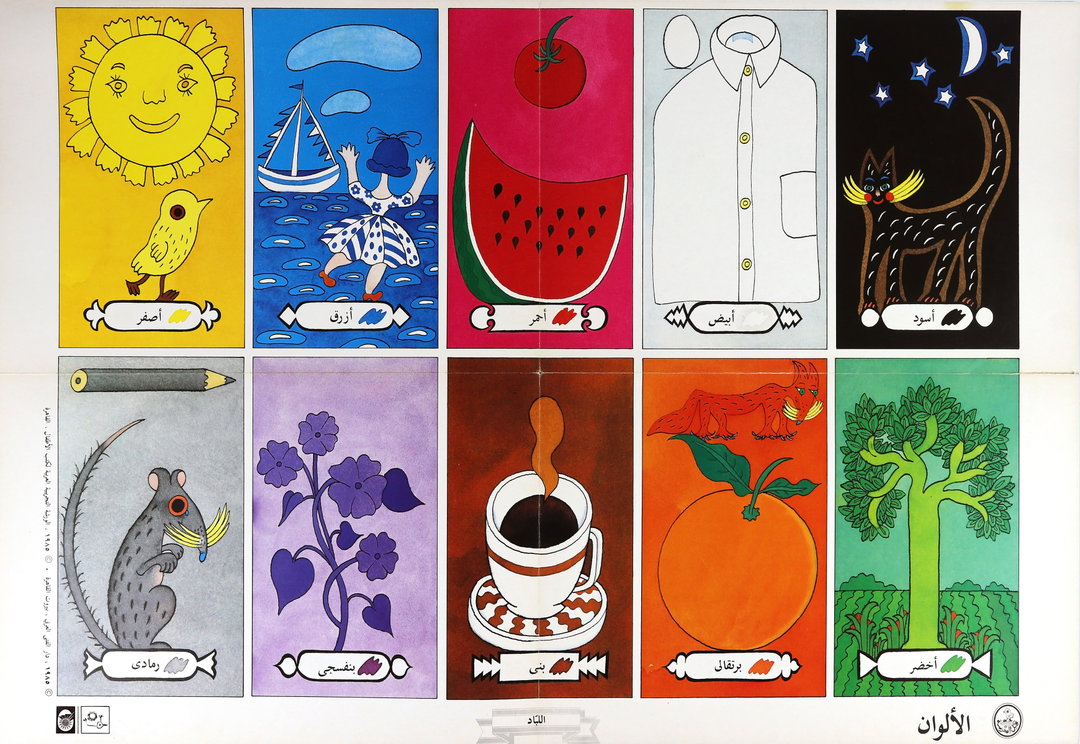
Colours poster, designed and illustrated by Mohieddine el-Labbad, 1985, Dar Al-Fata Al-Arabi, Beirut and Cairo. The Experimental Arab Workshop for Children Books, Cairo.(Copyright © The Beautiful Books Trove, 2022)
Hero Header
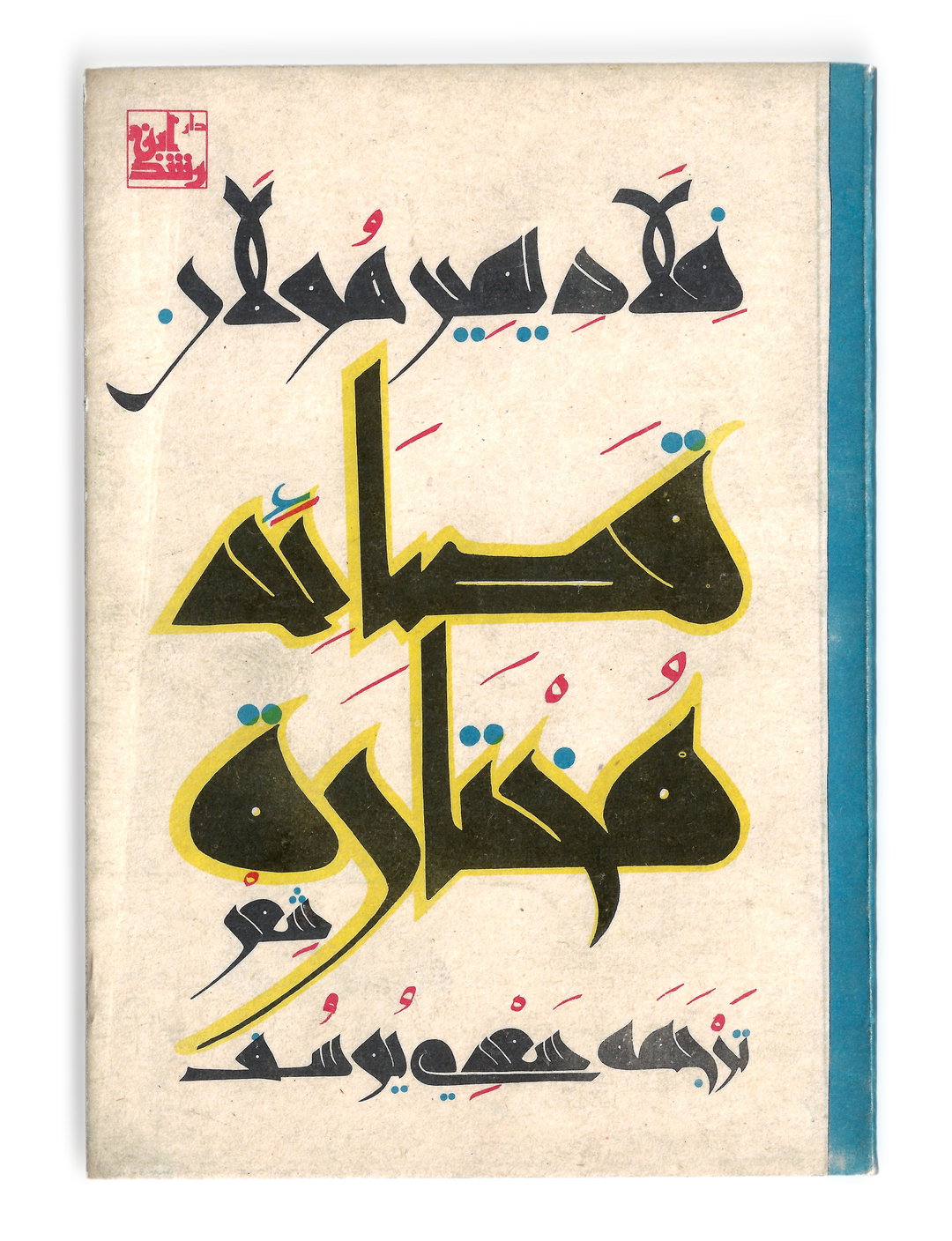
Lorca – Songs and Beyond. Poetry by: Federico García Lorca (1898 - 1936). Translated into Arabic by: Saadi Youssef (1934 - 2021). Cover design by: Mohieddine el-Labbad (1940 - 2010). Published by: Ibn Rushd, Beirut, 1981. (Copyright © The Beautiful Books Trove, 2022)
Share Article
Further Info
About the Author
—
Elfie joined It’s Nice That as an editorial assistant in November 2021 after finishing an art history degree at Sussex University. She is particularly interested in creative projects which shed light on histories that have been traditionally overlooked or misrepresented.