Jessica Gianelli uses photography to connect her own story with the stories of other women
Jessica tells us about two recent projects which demonstrate her belief that photography is a therapeutic medium, as well as a means for connection and introspection.
Projects that engage with identity, both implicitly and explicitly, form the basis of New York-born, London-based photographer Jessica Gianelli’s practice. She sees the camera as a means to get closer to people, while also exploring introspective themes; it’s a tool for communication beyond words and is “an extension of my heart, and my senses — it allows me to feel, to be felt, to touch, to listen and to connect,” she tells It’s Nice That. In particular, she hones in on the inner lives of women, “their stories, and how we may or may not connect to the wider world around us” through portraiture that appropriates elements from fashion and editorial photography, as well as fine art.
Having recently graduated from MA Fashion Image at Central Saint Martins, research underpins everything Jessica creates. She delves into “various psychological, spiritual, and philosophical notions” during this period of every project, and is “inspired by the natural world, stories, myths, painting, and the cinematic image, as well as the individual narratives of those that I’m capturing, and sub-realities both visual and written.” This propulsion towards the narratives of others which simultaneously act as a mirror led her to create a recent work titled Papiyon, which arose through Jessica’s yearning for connection to her roots, and to other women who share similar ones. “Through my own personal journey of identity as a first-generation Caribbean-American woman, and amidst quite a massive year in the fight for racial equality and justice worldwide, both the series and the film have been born from both a personal and collective yearning for liberation, albeit metaphorically,” she explains.
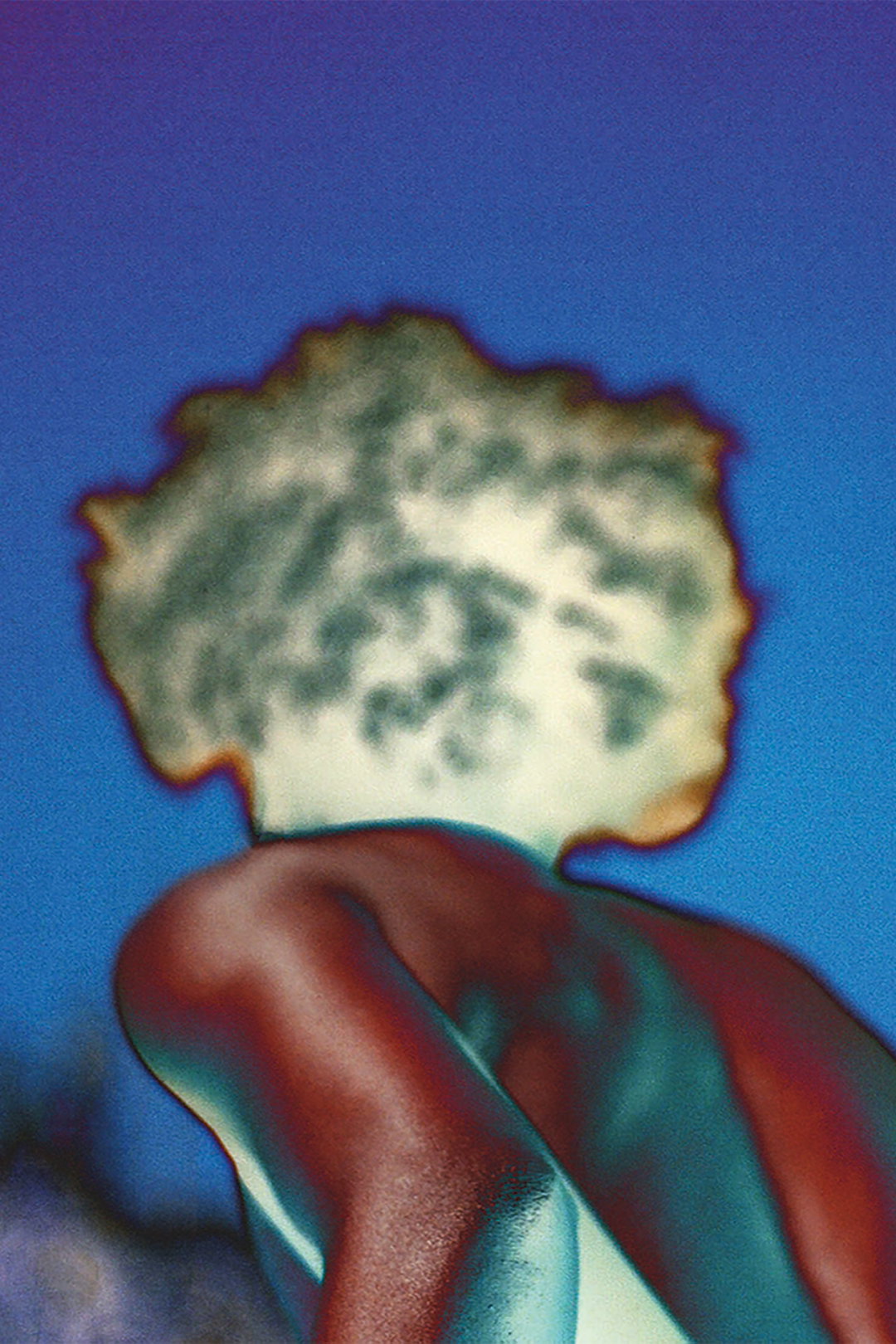
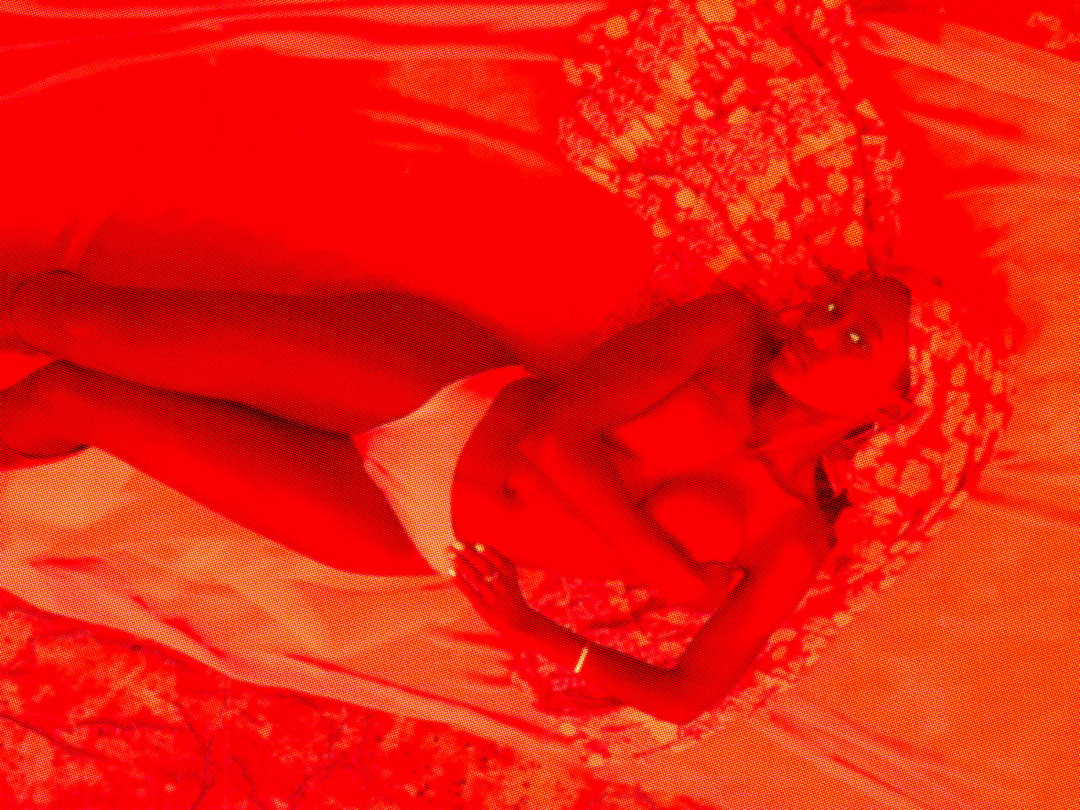
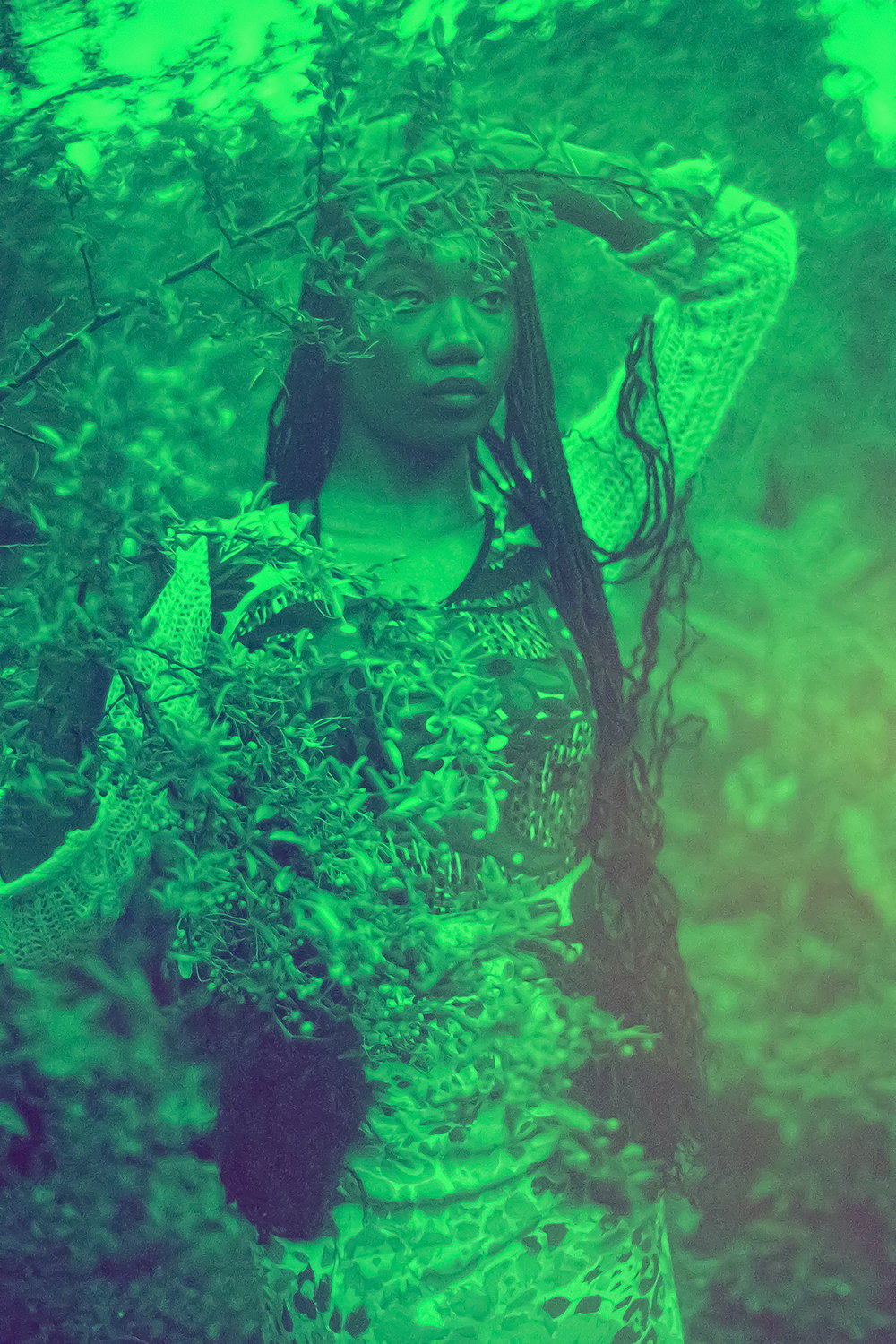
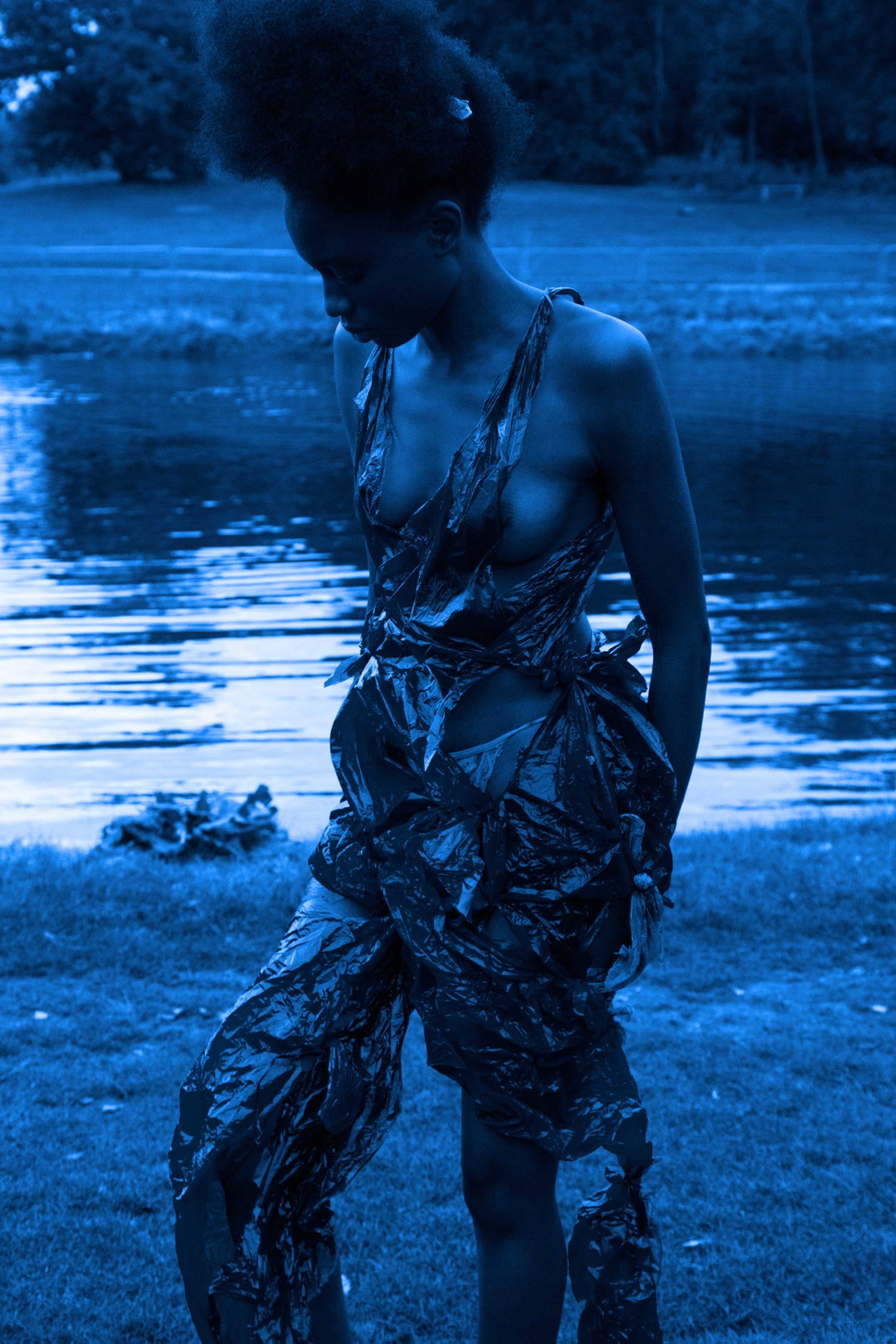
The project pulls on Jessica’s belief that photography is a therapeutic medium, as well as one that can express the in-between; reality and fantasy all at once. “I’m always looking for that junction between the presented reality, what could be real, and those unspoken perhaps even unknown feelings, and passed happenings, where connection and release may become possible through the act of photographing,” she says. In Papiyon, this sees Jessica creating a new world from an “Afropessimist” perspective and looks at how “the Black woman can engage in the re-authorship of her own narrative — presenting ourselves from within the context of our very own truths.”
GalleryJessica Gianelli: Papiyon (Copyright © Jessica Gianelli, 2020)
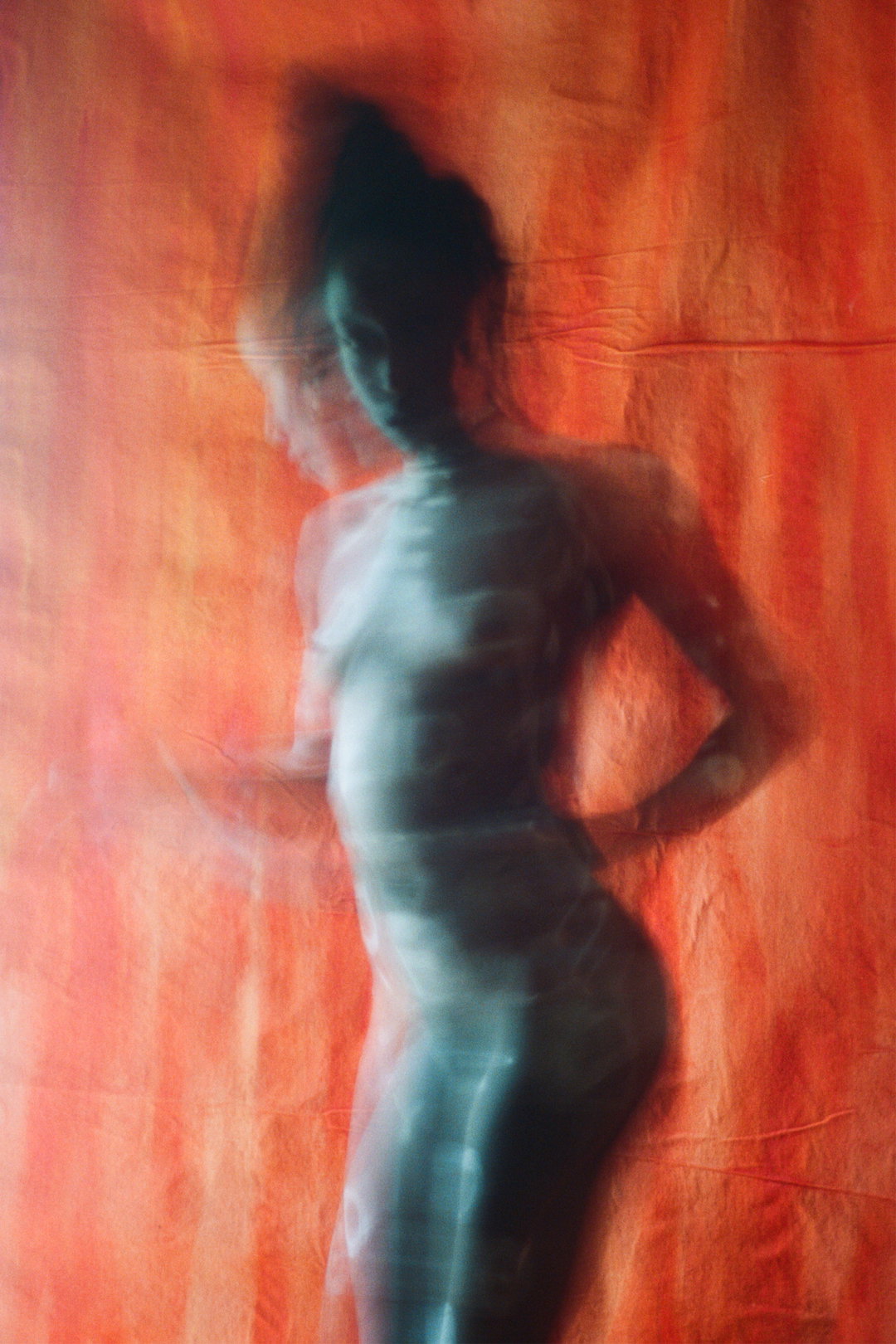
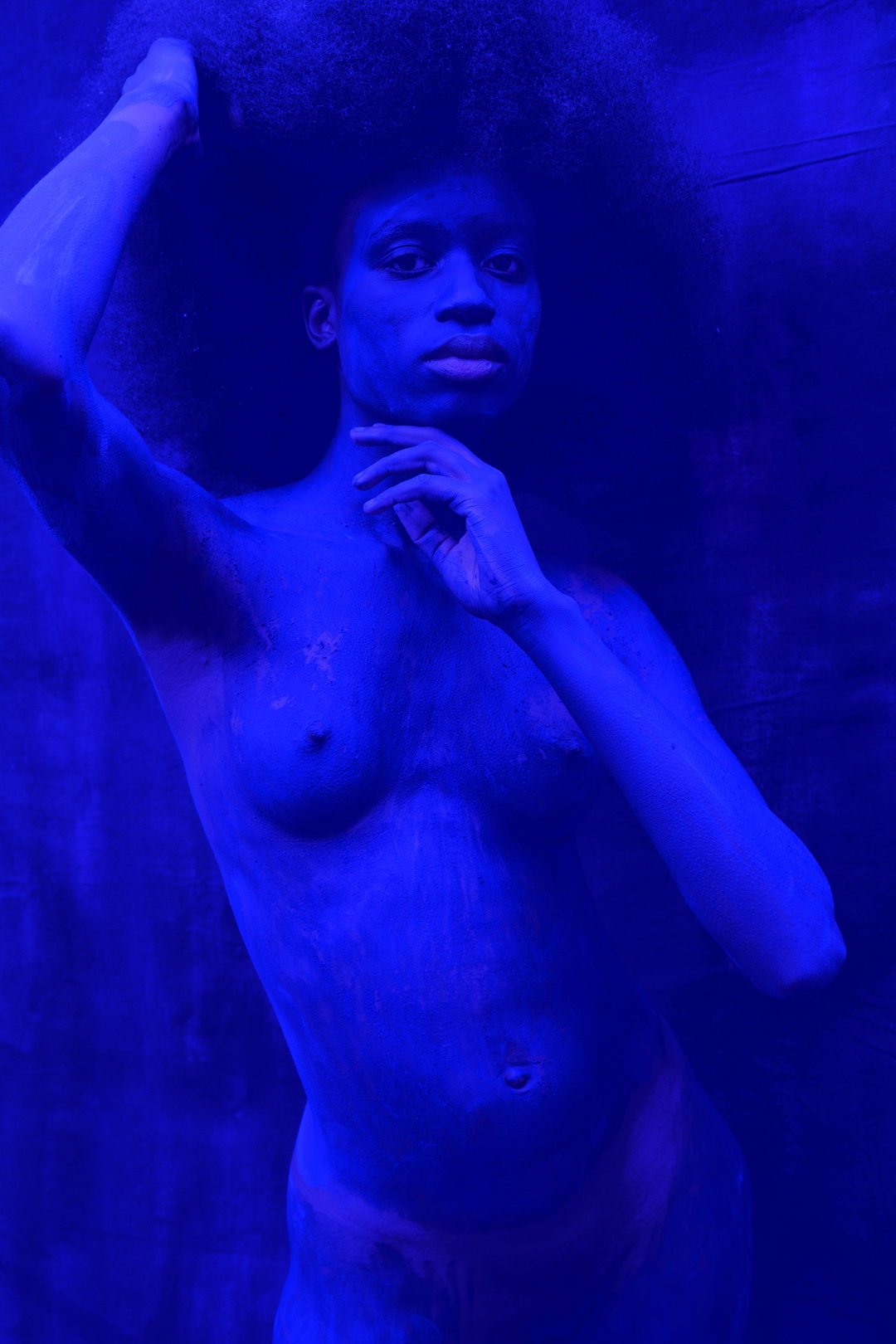
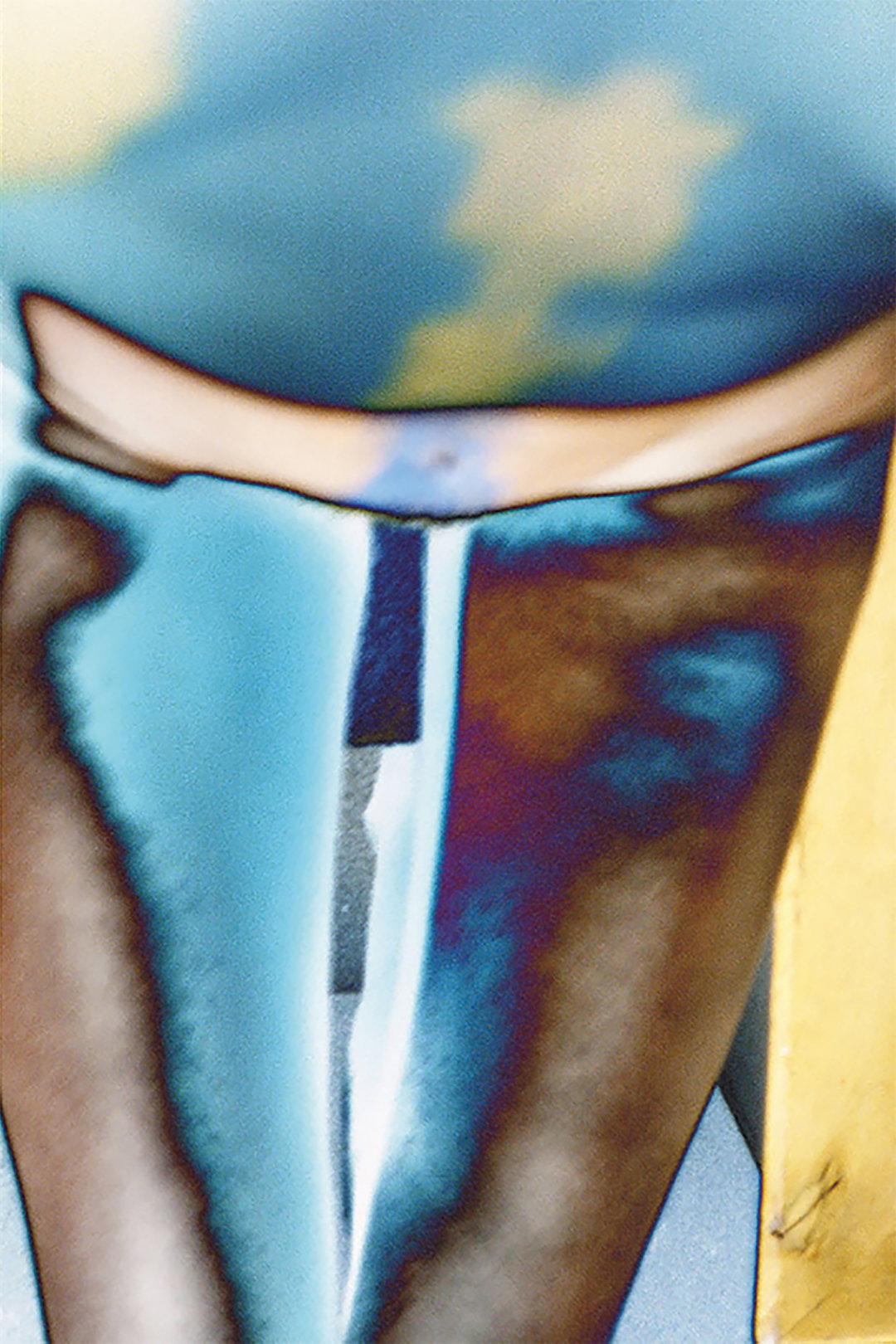
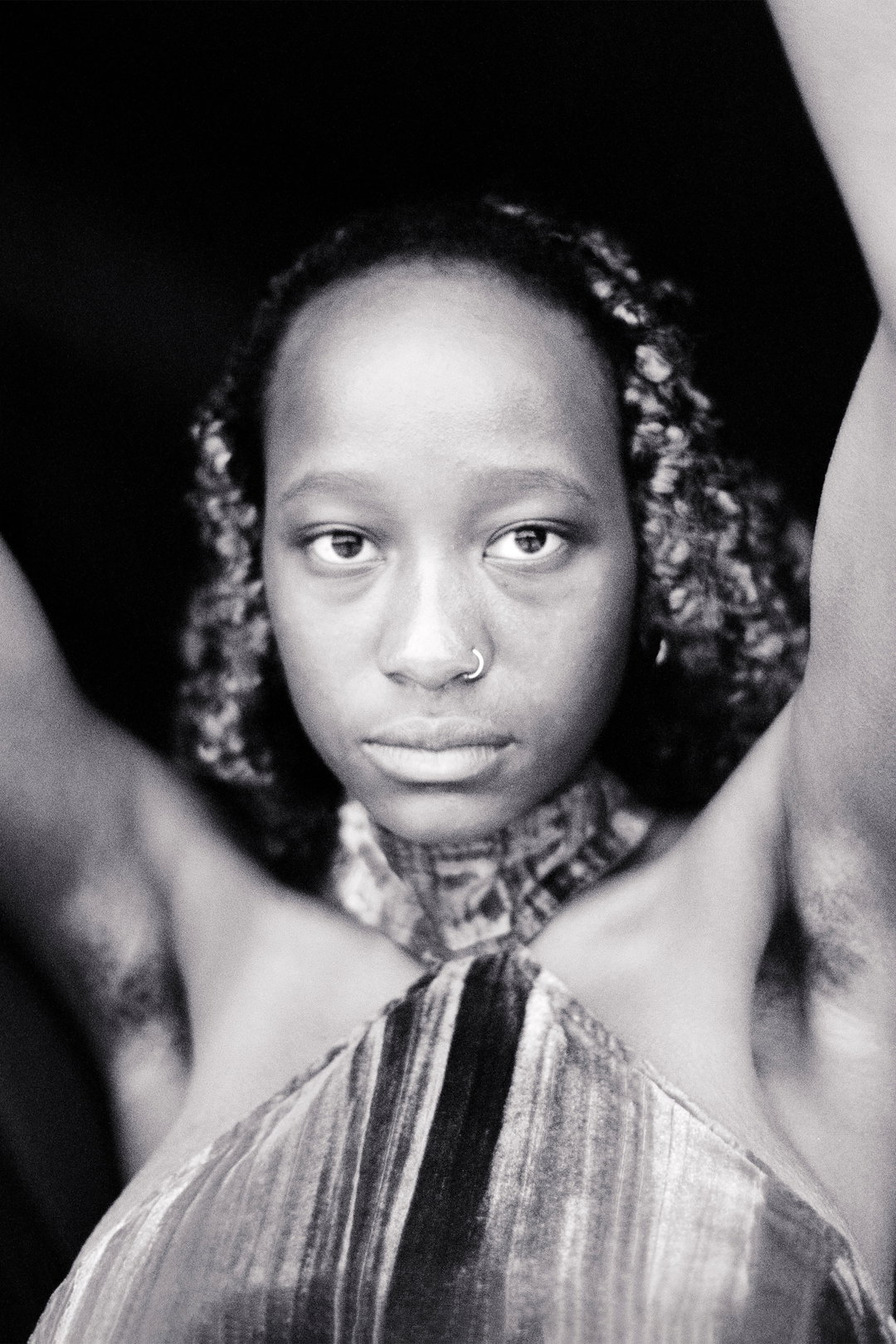
In turn, the images and film utilise a mix of styles and clashing colours born from both traditional and more experimental photographic methods. Not always instantly recognisable, the portraits also sway between abstract, fragmented images and more figurative ones. By working in this way, Jessica probes into how colour and narrative can elevate portraits to tell each subject’s story and uncover nuance. Crucially, the project poses personal myth as a potential avenue for decolonisation, “dissecting and recontextualising African, Caribbean, and Indigenous depictions through an anecdotal lens”. The project was shortlisted for and is currently on show as part of the 2021 Dior Photography and Visual Arts Award for Young Talents at Les Rescontres d’Arles.
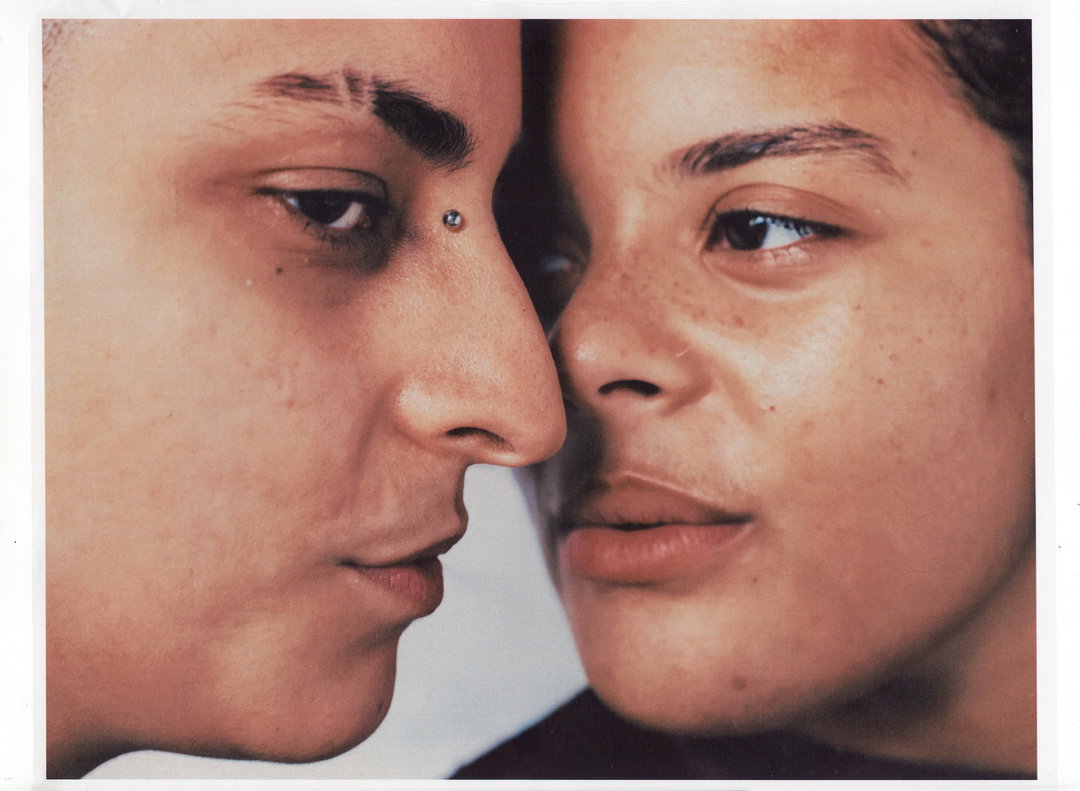
More recently, Jessica self-published a book, yesterday, you loved me, everyday, I love myself. Made in collaboration with Roberta Chapman, a stylist, it features Ashleigh “a mixed British-Caribbean woman born and bred in southwest London, who self-identifies as autistic, working class, gay, a sex worker, and a survivor of abuse,” Jessica explains. The project aims to upturn the “trite, flattened, and often male-led depictions of what women who sell sex look like, and how women who sell sex behave”. The series was shot over one afternoon in April and “Ashleigh, having never met either one of us before, invited us into her home, offering a chance to present some of her own everyday truths, and trusting them to be met by the intimacy of empathetic female gaze.”
The work is yet another example of Jessica’s longing to connect with other women through the means of photography but it also demonstrates her understanding that, at times, an image holds power; to challenge, make visible or simply tell a story. Having only fully come to photography during a BA in creative direction and styling, Jessica realised then something that continues to drive her work to this day: “that the camera could say all that the words couldn’t, and created much more space for connection with other people, and that’s what I’d been missing with words.”
GalleryJessica Gianelli: Papiyon (Copyright © Jessica Gianelli, 2020)

Hero Header
Jessica Gianelli: Papiyon (Copyright © Jessica Gianelli, 2020)
Share Article
About the Author
—
Ruby is Senior Creative at It's Nice That, overseeing our visual output across platforms and projects. Before that, she was associate editor on the editorial team, after joining in September 2017 following graduation from Central Saint Martins.