

Graphic design studio Káschem Büro takes an experimental approach to typography
The Hamburg-based studio relies on close collaboration but also thrives off its two founders’ differing specialisms and areas of interest.
“Using type to solve specific problems or questions is an important part of our work,” say Insa Kühlcke-Schmoldt and Nina Massow, founders of the two-woman graphic design studio Káschem Büro. Type is often where they start a project and they use it to “underline the essence or feeling of something”. Their emphasis on having fun and experimenting has led to a broad and expansive practice, in which they approach type design from many different creative avenues. And now, the studio’s work is firmly defined by their innovative use of lettering.
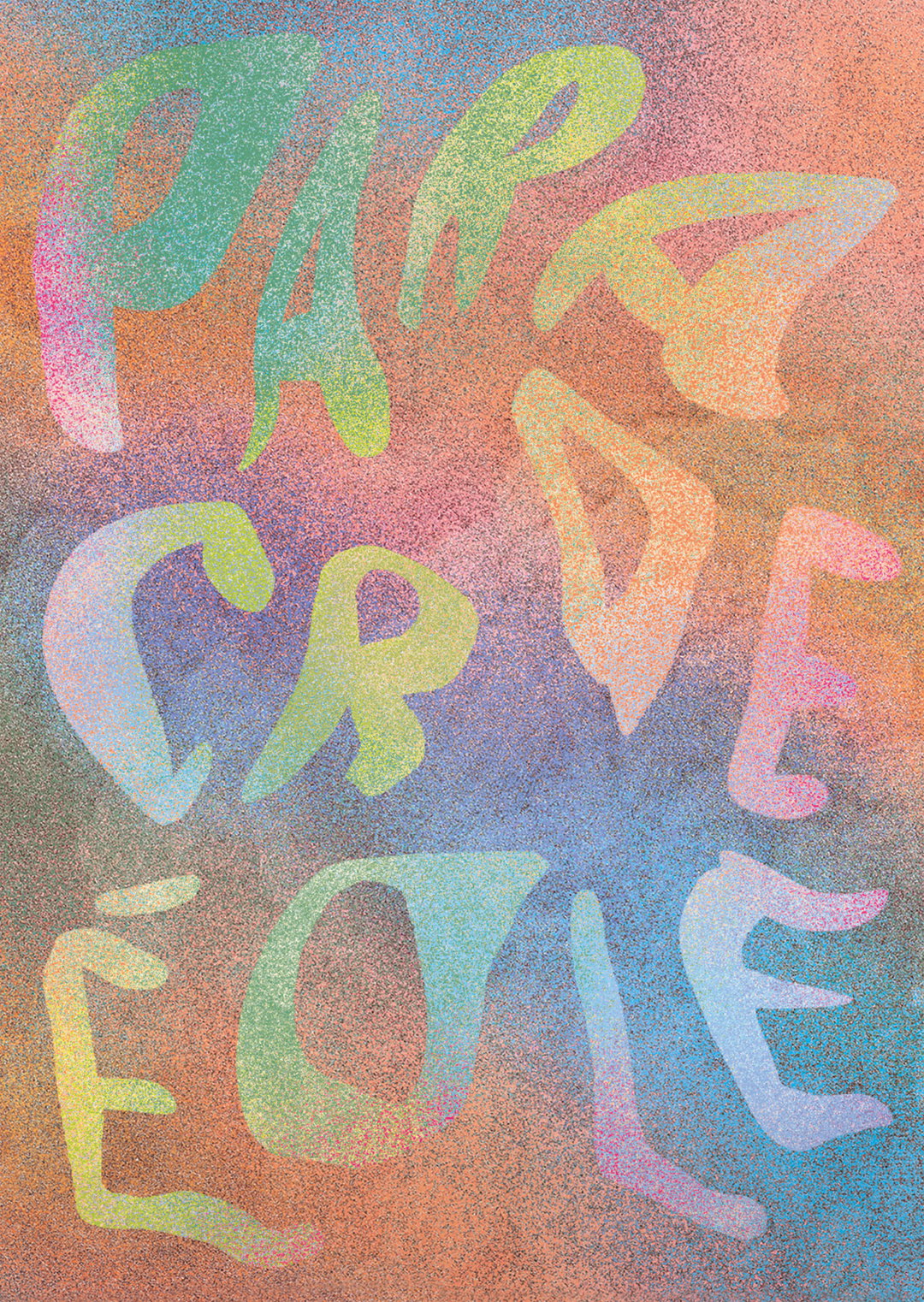
This philosophy extends past the simple physicality of letters. Insa states that the duo like to “create images based on language” and, contrastingly, they love it when “language or typography becomes an image”. This approach is apparent in their designs for the multi-day art festival Parade Créole: Eigenkleider for Colonised Bodies, an exhibition devised by artist Felisha Maria that explored the multi-faceted experience of female members of the Caribbean Diaspora. Créole is a language that emerged in the context of European colonisation in the 17th and 18th centuries and the ensuing slave trade, Nina explains. Creolité, by extension, is a “literary movement that references and champions heterogeneous Caribbean identity”. Using this theoretical framework, the studio created expressive, illustrative individual letters to embody the festival’s core purpose – “a parade of individual characters, identity and self-expression.”
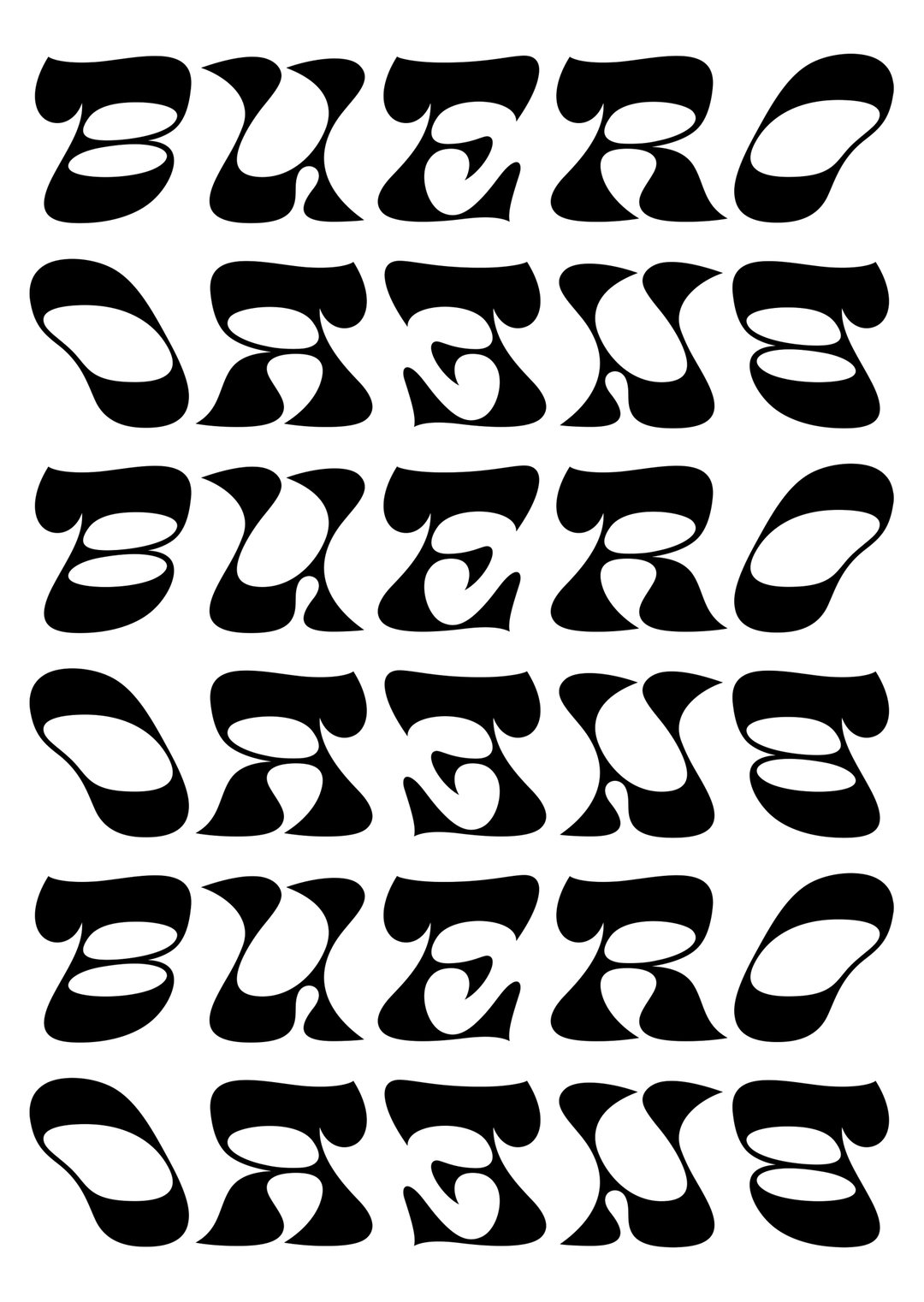
Nina Massow: Mold Type (Copyright © Nina Massow, 2021)
After meeting at art school, Nina and Insa rapidly formed a close creative collaboration and have been throwing themselves intensively into projects ever since. They began in different creative disciplines – Insa trained as a media designer in post-production and Nina started a degree in history of art – before finding their home together in graphic design. But whilst the duo have met along the same path, it is their differing specialisms that make Káschem Büro the studio it is. “Being two different creative individuals, we learned how to divide up the work to match our competencies, outbalance shortcomings and put our skills together in the best possible way,” they say. Nina has a very good eye for overall appearances, and is drawn predominantly toward the typography side of things; she tells us that recently she’s been “particularly inspired by Arabic script and lettering”. Whereas Insa loves the planning and communication side of things, and enjoys following more conceptual thoughts in art and design.
This more artistically influenced and conceptual methodology is apparent in the studio’s designs for their joint exhibition with the artist Juan Blanco, Hazy Fields. Insa tells us that the exhibition dealt with “the interfaces between design and art. The title Hazy Fields refers to the inexplicable, sometimes difficult-to-grasp area as a connecting element in art and also in graphic design.” And, designing a series of posters for the event, for which the most important aesthetic decision was the use of a “strong experimental font”, the work displays some of their most decisive and distinctive work. The blocky, rounded and graphic typeface used for the exhibition title and names, alongside the more calligraphic, traditional typeface of the location and date, perfectly represent the exhibition’s central message of the contrasting yet complementary nature of art and graphic design.
Looking to the future, Insa is excited to develop her own free work, whilst Nina plans to deepen her explorations of Arabic typography. But Nina explains that the main focus of the studio as a whole is “stepping out of our own bubble (as far as that is possible) and dealing with other perspectives”. Seeing it as important for them to “question our own eurocentricity”, the duo are aiming to start making a stronger political stance more visible in their work.
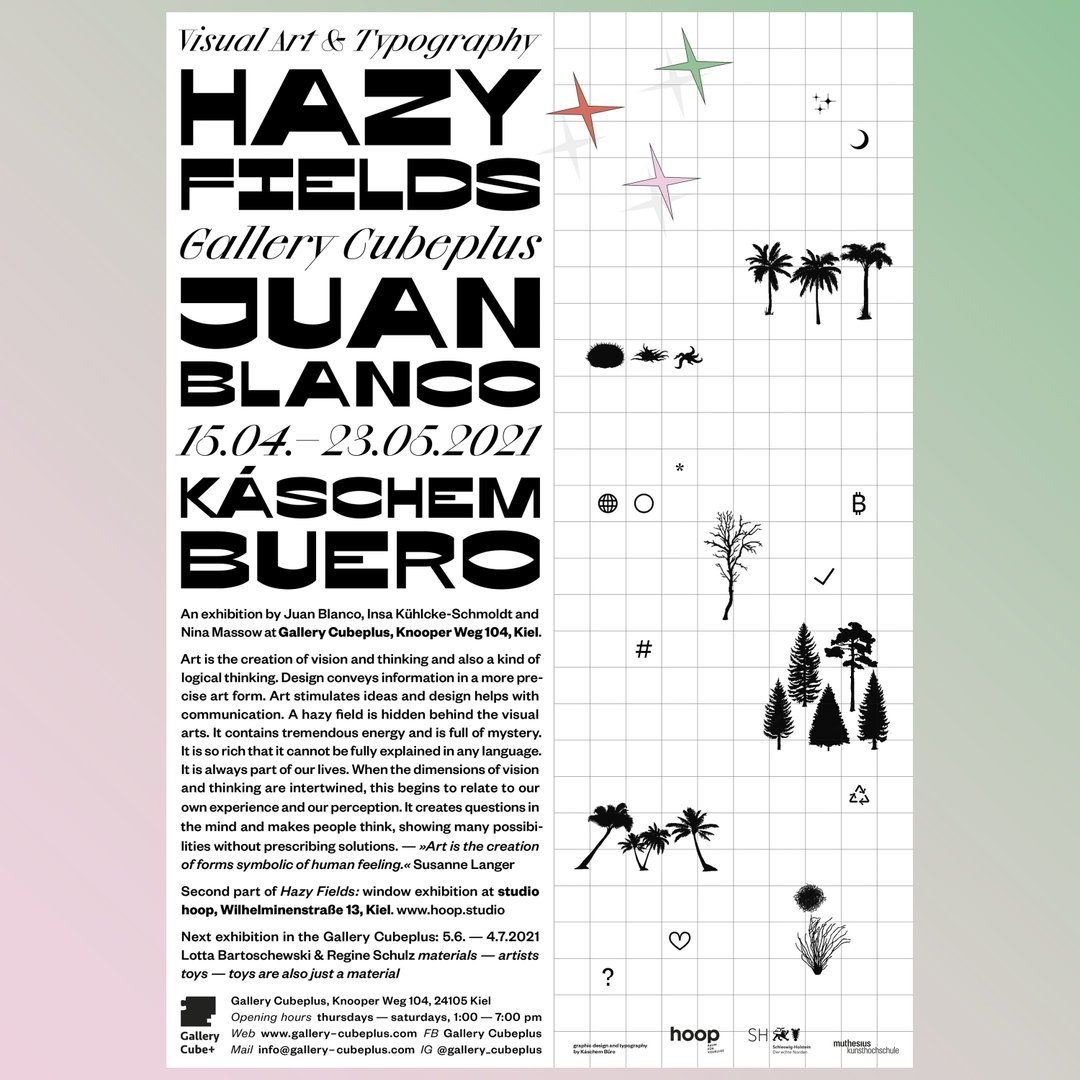
Káschem Büro: Hazy Fields Poster (Copyright © Káschem Büro, 2021)
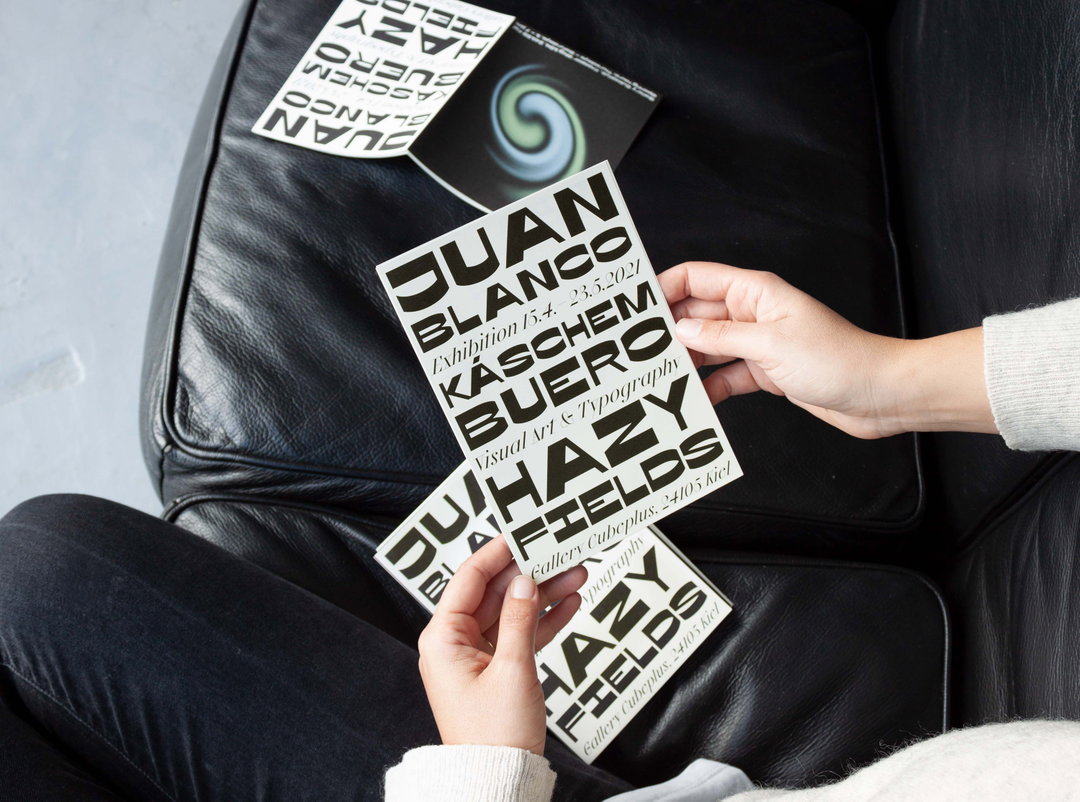
Káschem Büro: Hazy Fields Folder (Copyright © Káschem Büro, 2021)
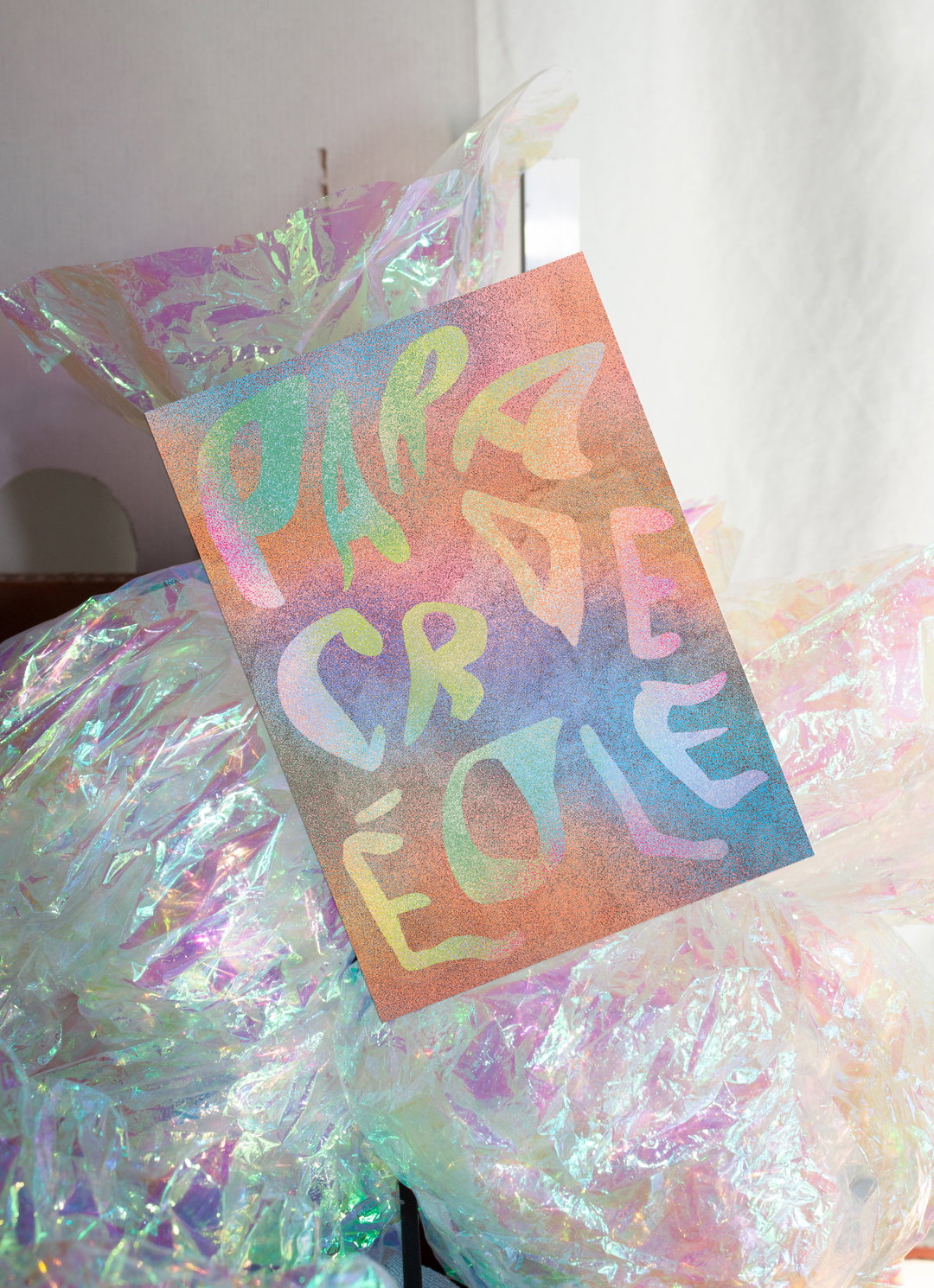
Káschem Büro: Parade Créole Invitation (Copyright © Káschem Büro, 2021)
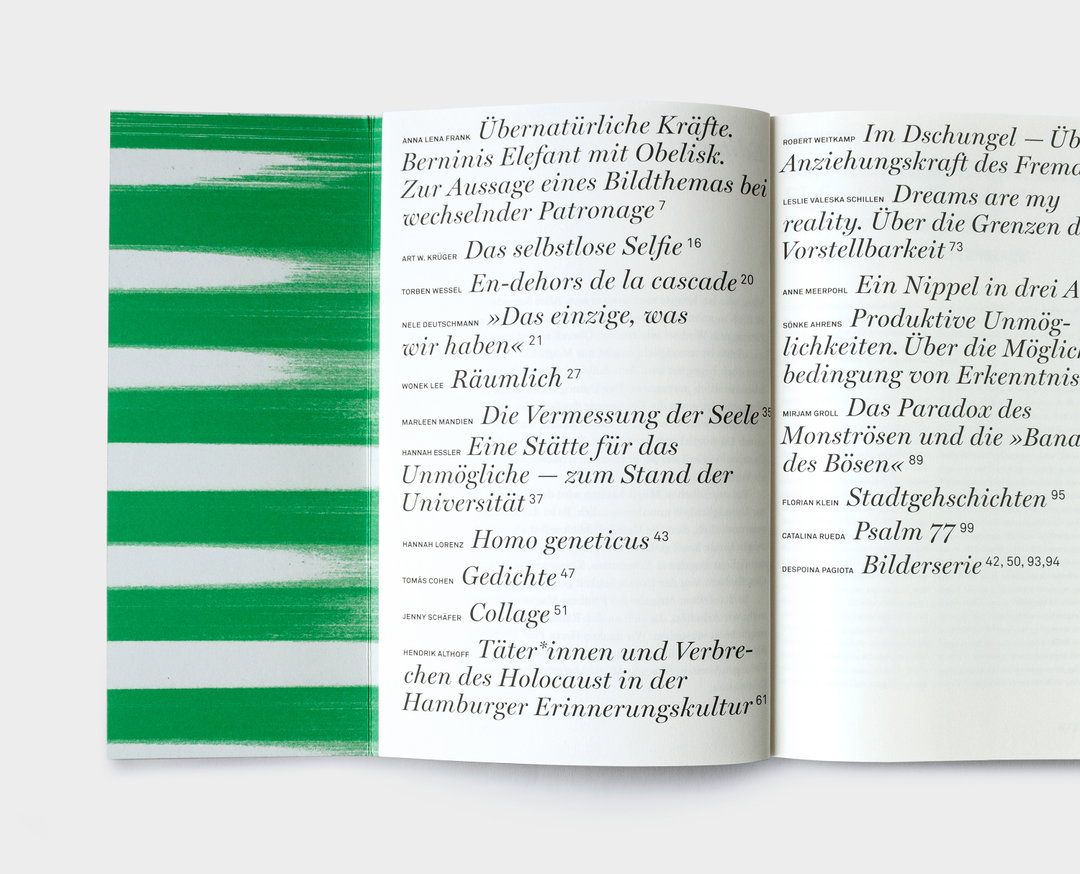
Káschem Büro: Spechte am Meisenknödel (Copyright © Káschem Büro, 2021)
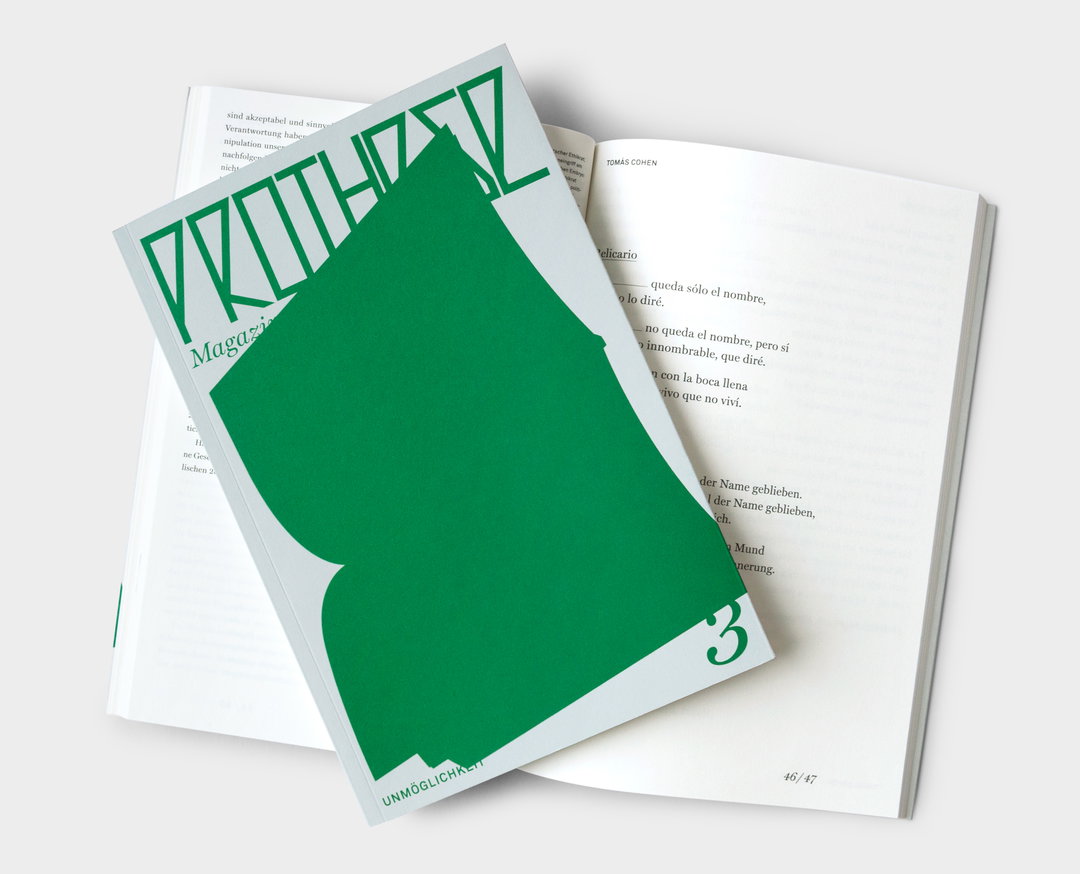
Káschem Büro: Prothese Magazin #3 (Copyright © Káschem Büro, 2019)
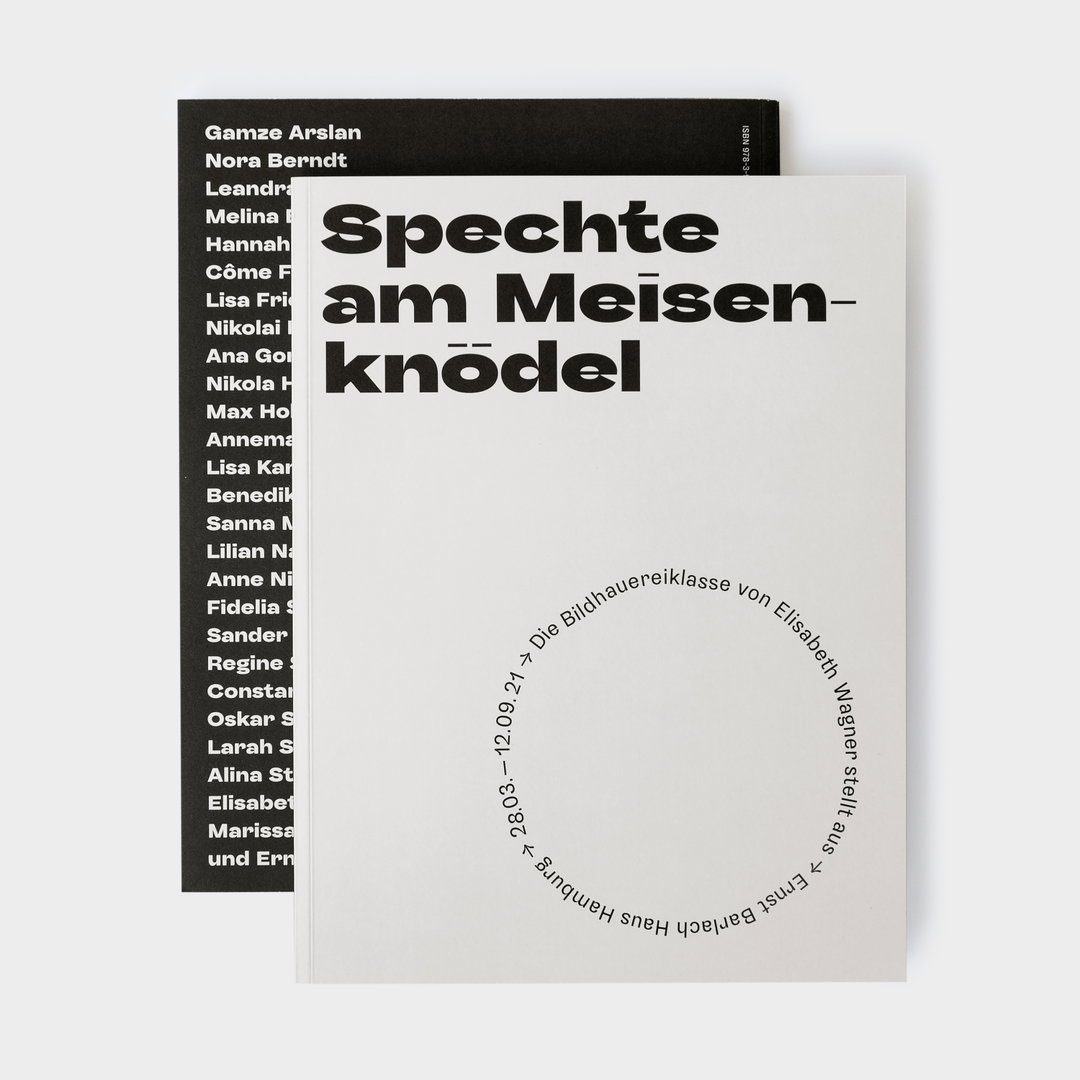
Káschem Büro: Spechte am Meisenknödel (Copyright © Káschem Büro, 2021)
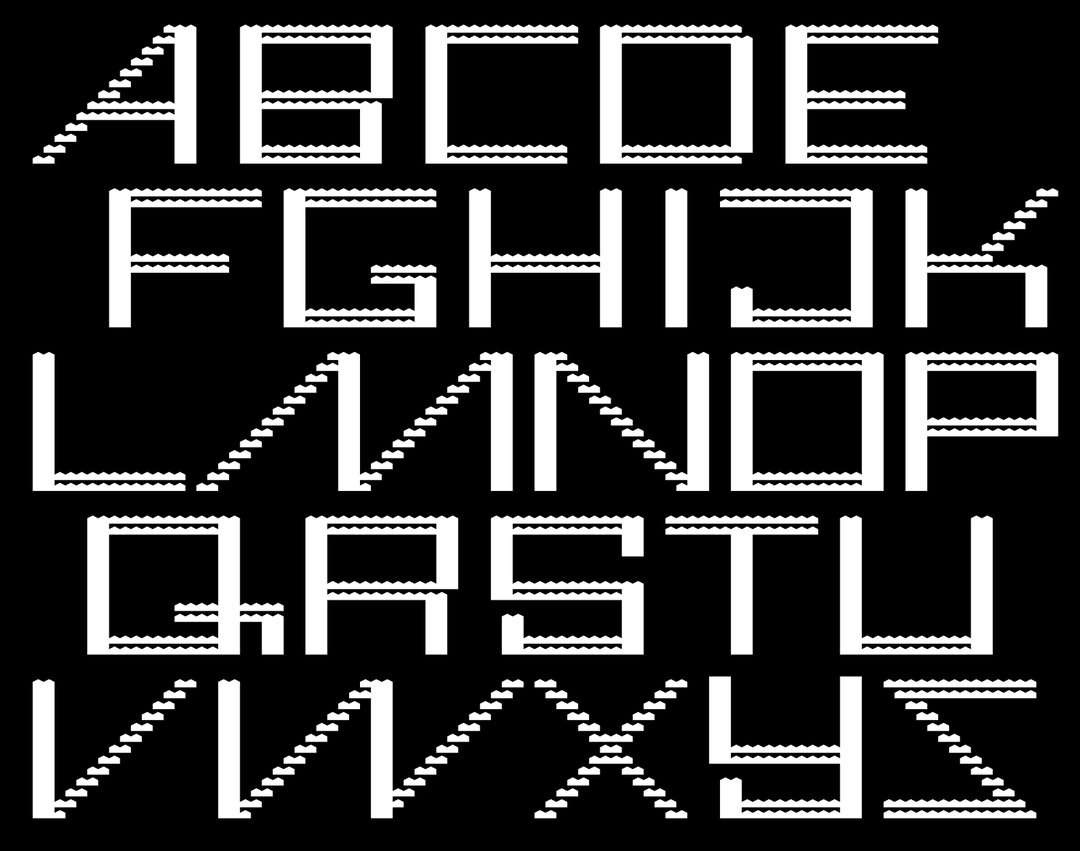
Káschem Büro: Game Of Life Type (Copyright © Káschem Büro, 2020)
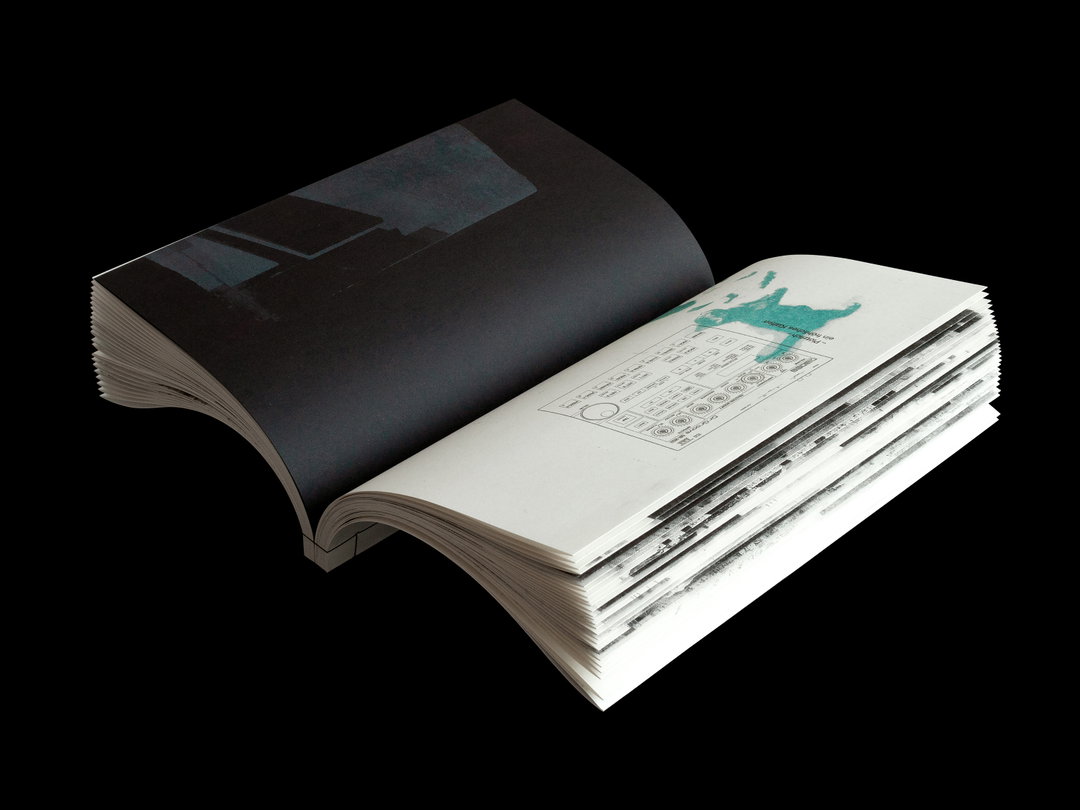
Káschem Büro: Melissa Morellis (Copyright © Káschem Büro, 2019)
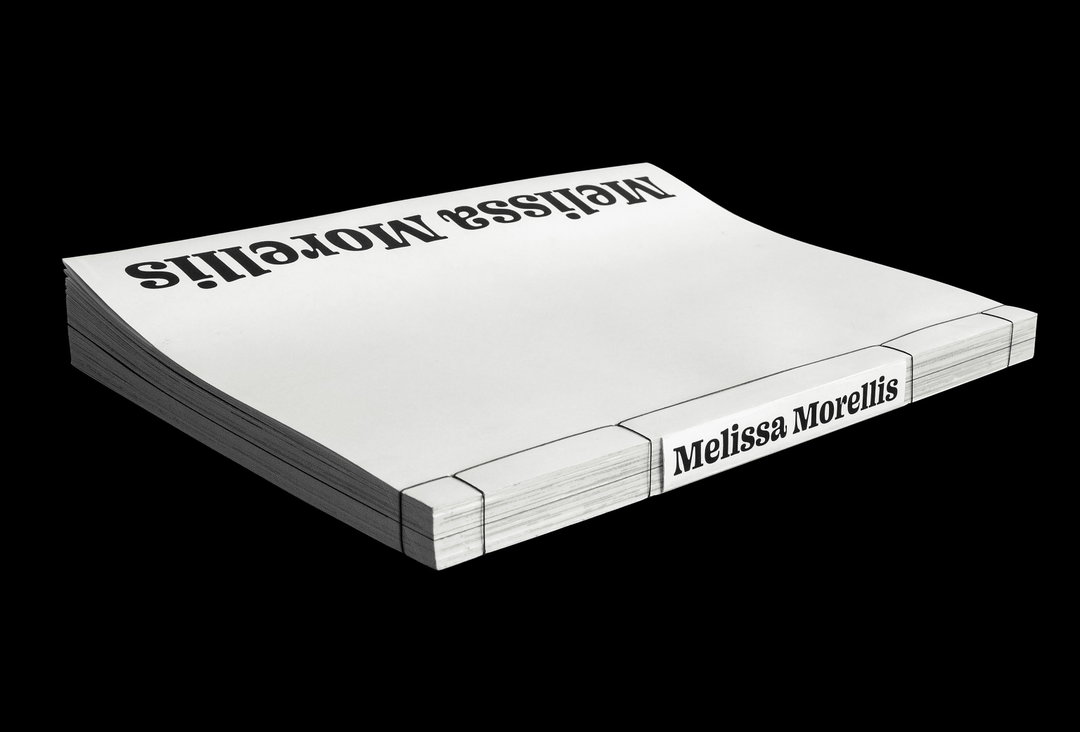
Káschem Büro: Melissa Morellis (Copyright © Káschem Büro, 2019)
Hero Header
Káschem Büro: Parade Créole Letters (Copyright © Káschem Büro, 2021)
Share Article
Further Info
About the Author
—
Olivia (she/her) is associate editor of the website, overseeing the day-to-day editorial projects as well as Nicer Tuesdays events. She joined the It’s Nice That team in 2021. [email protected]
To submit your work to be featured on the site, see our Submissions Guide.