

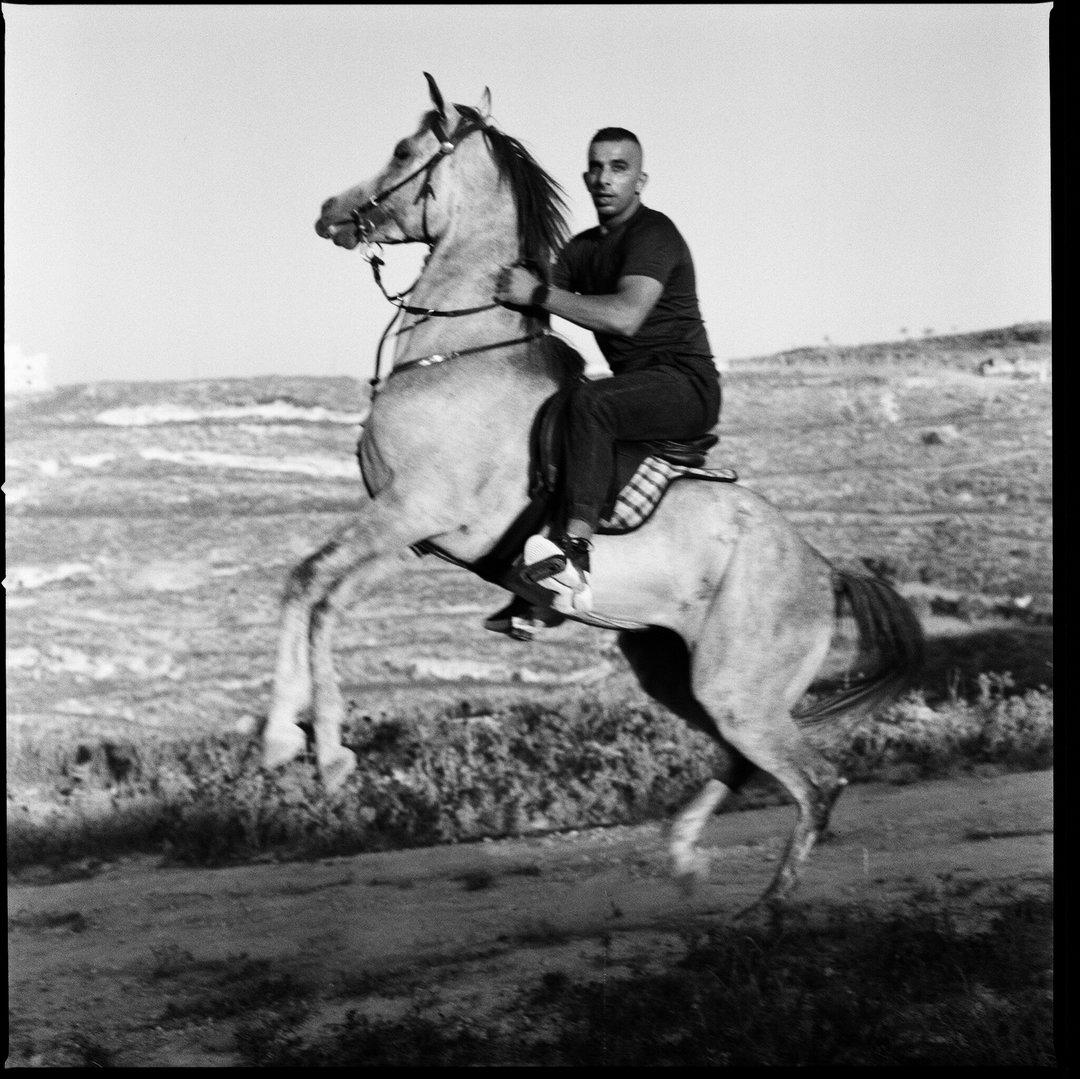
An exhibition of Palestinian photographers visualises the lasting significance of ‘land’
The work of eight photographers will sit side by side for the first time to “question how the Palestinian people are a product of the land that they nurture, steward, and have to fight for daily”.
On Sunday 14 December, Ard: To Belong to Land will open at Galleria Gola in Milan. The exhibition centres on the deep, irrevocable relationship between Palestinian people and their homeland and features the work of eight image makers: Adam Rouhana, Maen Hammad, Jenna Masoud, Samar Hazboun, Kholood Eid, Sakir Khader, Zach Hussein and Dean Majd.
The exhibition has been curated by the British-Iraqi writer and editor Dalia Al-Dujaili, who was invited by Gola Gallery to work on the show as a gesture of solidarity with the Palestinian people. “Naturally, I approached some of the best Palestinian photographers working today,” some of whom are close friends, says Dalia, “and I was very honoured to include their work, a lot of which is intimate, powerful, joyful and complicated.” The curator continues: “It was important to curate Palestinian photographers representing themselves. Palestinian people do not need to be spoken for, but they do need to be given the space and platforms to share their narratives.”
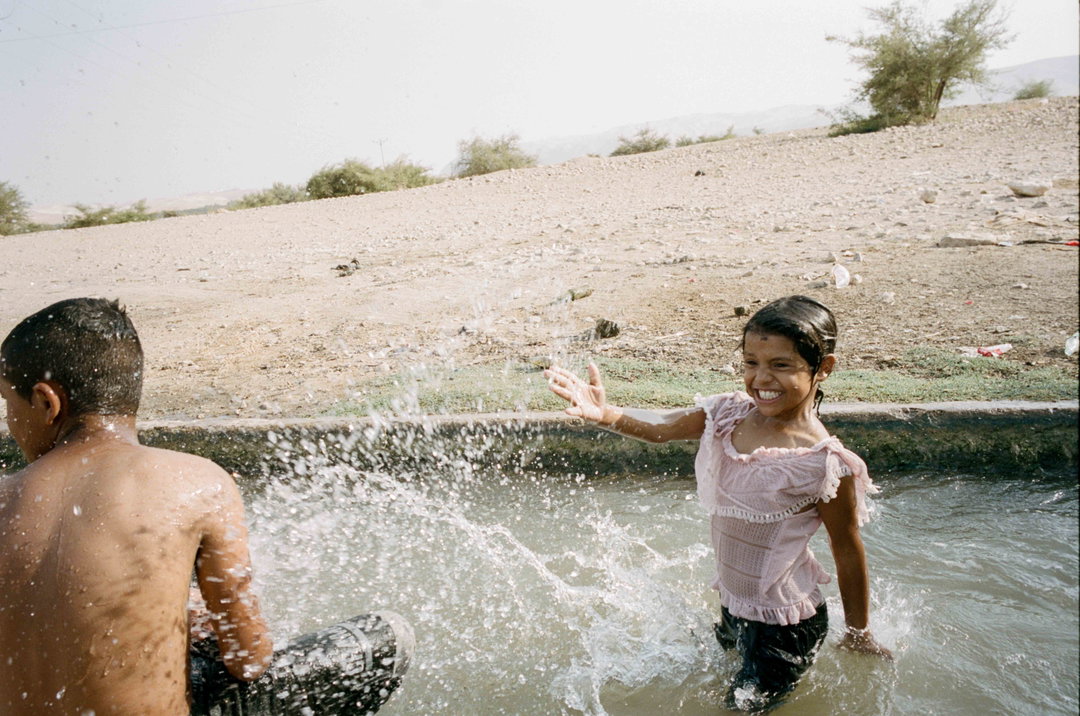
Copyright © Adam Rouhana
Ard, from the title of the exhibition, is an Arabic word that means land, earth and ground, and it’s the anchor at the heart of the exhibition. The theme touches on the lasting weight and importance of land, from the 1948 Nakba – the forced removal of Palestinians from their land – to the continued, present day erasure and expulsion of Palestinians by Israeli forces. It also highlights the significance of ‘land’ to Palestinian culture and history and how interwoven it is with the very being of people who live upon it. “In Palestine, occupiers describe the land as belonging to them, whereas Indigenous people describe themselves as belonging to the land,” says the curator. “This is such an important distinction: Palestinians, who have been on the land for centuries, describe olive trees as their relatives, and the occupation enacts ecocide as a way to control the indigenous population, such as burning olive tree groves and killing livestock.”
Finally, quite simply, the exhibition touches upon the idea – and feeling – of being at ‘home’. On the exhibition, the featured photographer Adam Rouhana says: “It’s clear to me from these photos that the Palestinian gaze registers Palestinians as at home in our homeland. It’s not a novel idea, it’s just how we see the place – it’s our land.”
The shots from across the exhibition show many sides to Palestinian life, with each photographer taking a unique and personal perspective on the theme. Dalia points to Sakir Khader’s rousing photograph of a young girl on a car bonnet, her arms outstretched. “She is the image of Palestinian resilience,” says Dalia, “but also an ode to the strength of children that is by no means natural: no child on earth should have to endure what Palestinian children have had to endure.” There’s also Jenna Masoud’s joyful image of a handful of swimmers in the Dead Sea – an image brimming with joy but with a fraught, colonial context; down the middle of a lake lies an Israeli built and enforced border, one that denies entry to the swimmers on the Jordanian side. “It’s perverted and unnatural to impose man-made borders on a lake,” continues Dalia. “The universality of the moment connects Palestinians to wider humanity, highlighting that this is not an isolated struggle.”
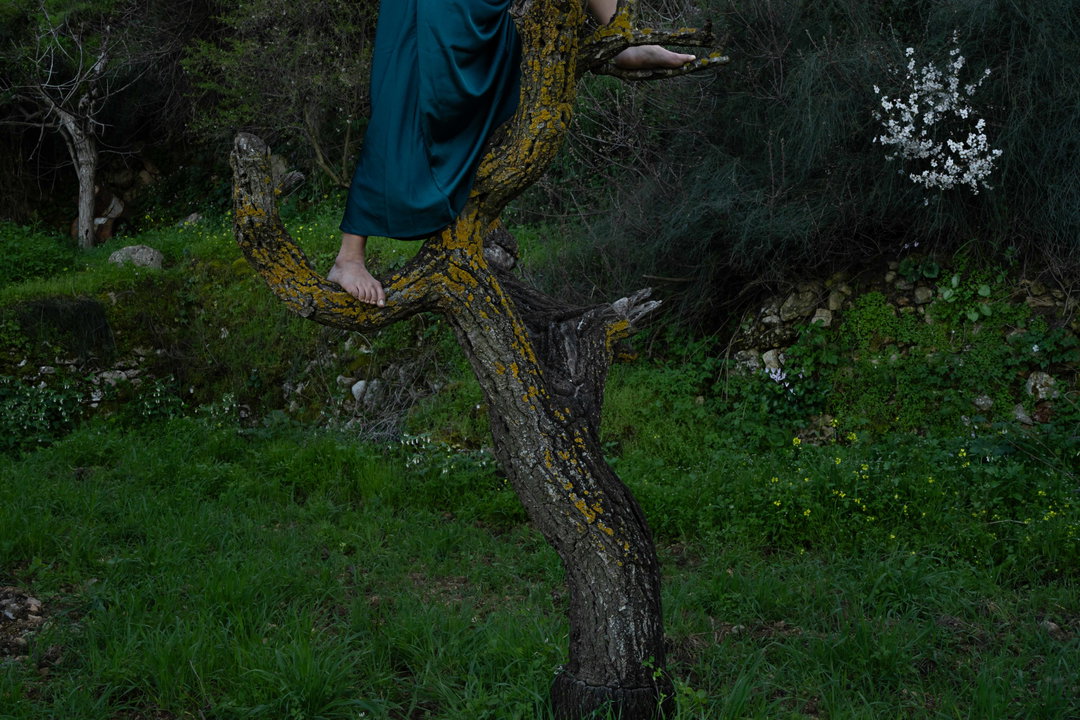
Copyright © Samar Hazboun
Another that resonates with Dalia is a photograph of Maen Hammad’s grandmother’s hands lying across a bed of walnuts, not only because it’s a beautiful image, but because of its multi-layered resonance; how it evokes “nostalgic feelings” of mothers and grandmothers with beloved ingredients across the SWANA region, but simultaneously the current reality of how near-impossible these very same ingredients are to find in the West Bank and Gaza due to Israeli-imposed starvation. “It is such a tender photo but it says so much about the socio-political realities of Palestinians,” Dalia says.
Having a human element to his work is vital for Maen. “Land may be the compass of the cause, but not in the sentimental register it’s usually assigned. It isn’t an icon, an olive grove, or a landscape emptied of people. It is Palestinians – people – alive, exhausted, entangled in the daily choreography of outliving erasure,” says Maen. “I see land as an interlocutor. I try to resist the traps of self-orientalising and the visual habits that render Palestine timeless, romantic, or static. Like any social fabric, it is messy, contradictory, and never a silo. Even if land assumes the role of everything, I’m interested in how Palestinians inhabit it today, beyond the images we’ve been taught to see or consume.”
The power and importance of photography in shedding light on lived reality is something Dalia has become even more acutely aware of over the past two years, an understanding that informs the exhibition. “Photography can act as a testament, an archive and as evidence – a witness, essentially, to not only injustice against the Palestinian people but also to Palestinian dignity and humanity,” says the curator. The photographs throughout are evidence and witness to the unbreakable bond between Palestinians and their land, and artists determination to render this bond visual. In the words of Dean Majd, another of the exhibition’s photographers: “I feel connected to the land on a cellular level. It’s the record keeper of my family’s history. It communicates to me generational stories and secrets. The feelings reverberated in my bones when I was back home with my family, and I alchemised those feelings through the lens when I was making these images.”
Ard: To Belong to Land will open at Gallerita Gola in Milan from 14-30 December.
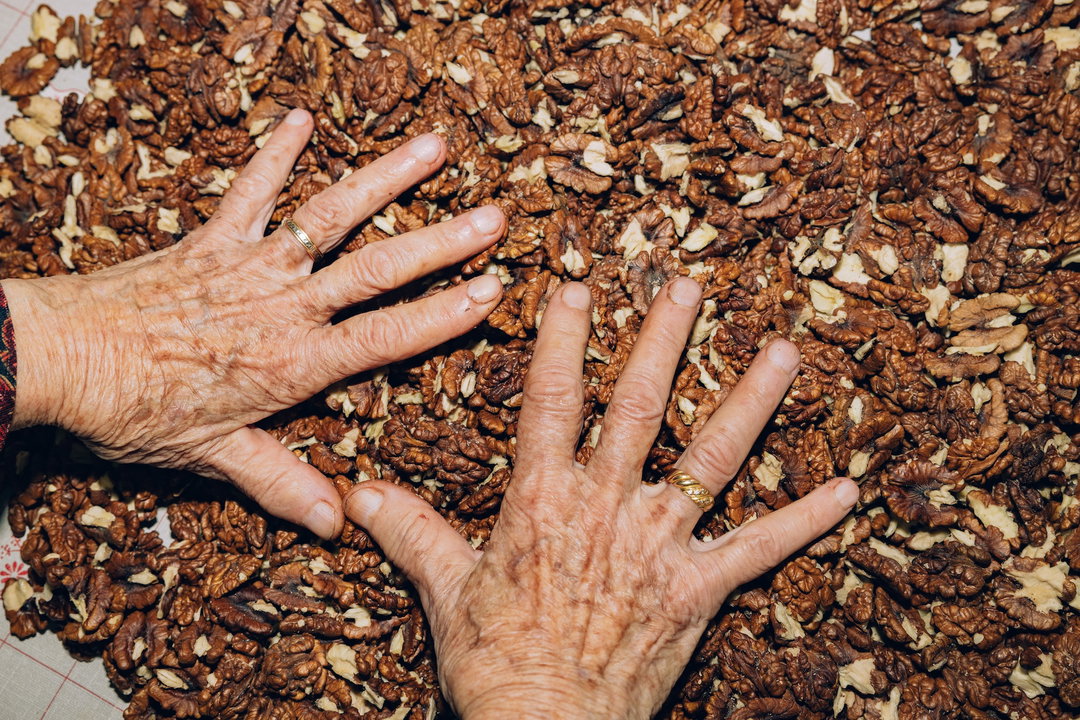
Copyright © Maen Hammad

Copyright © Sakir Khader
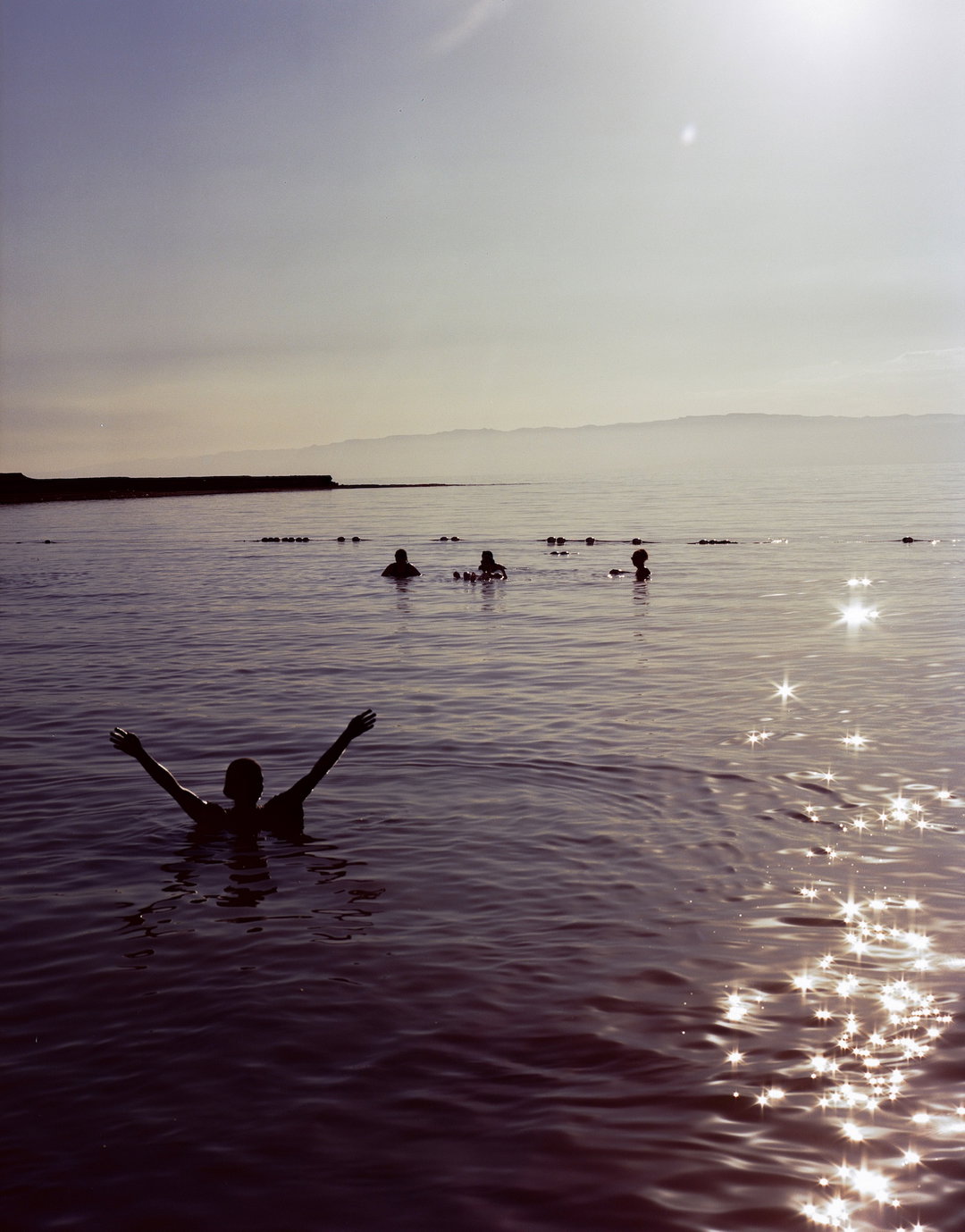
Copyright © Jenna Masoud
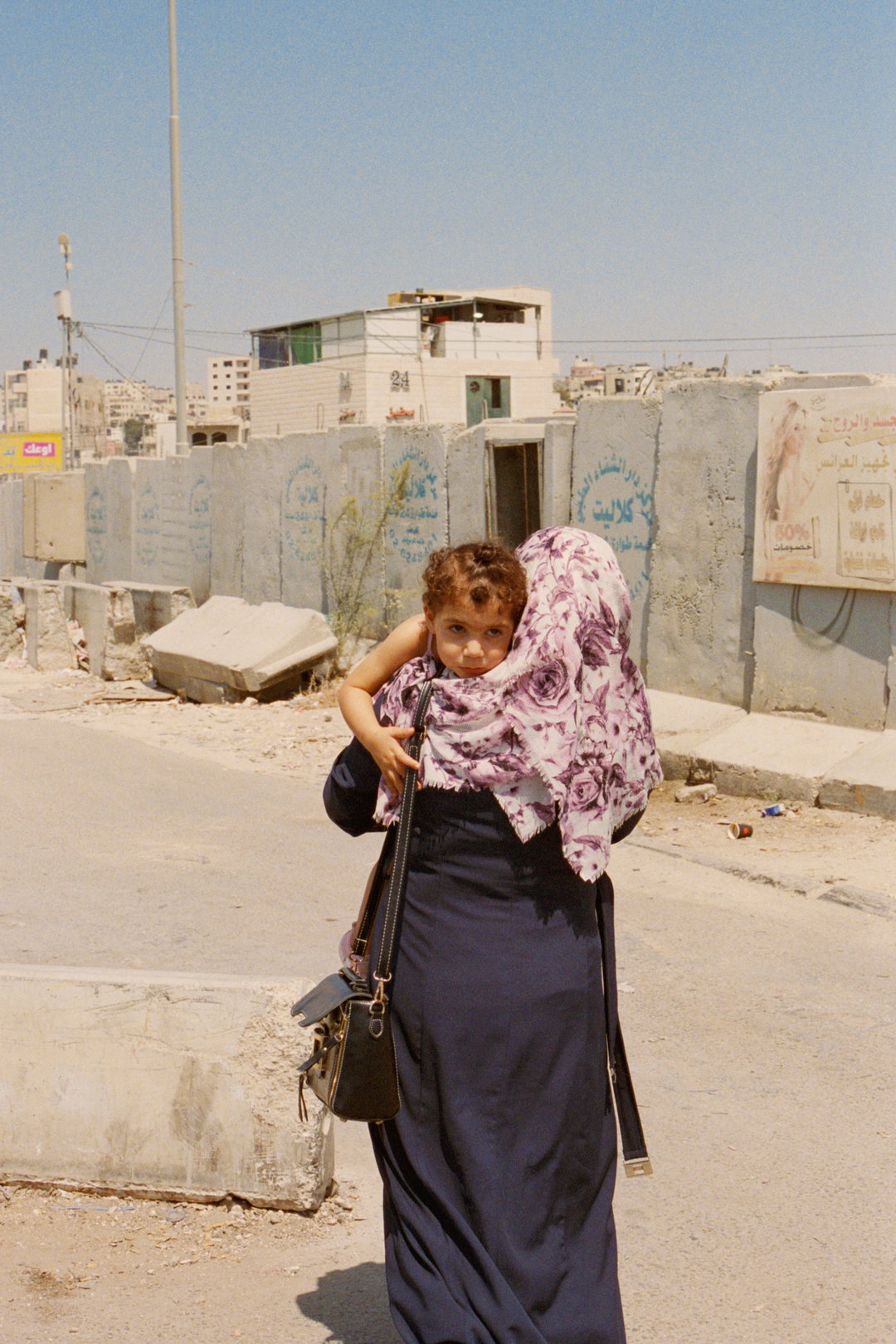
Copyright © Dean Majd
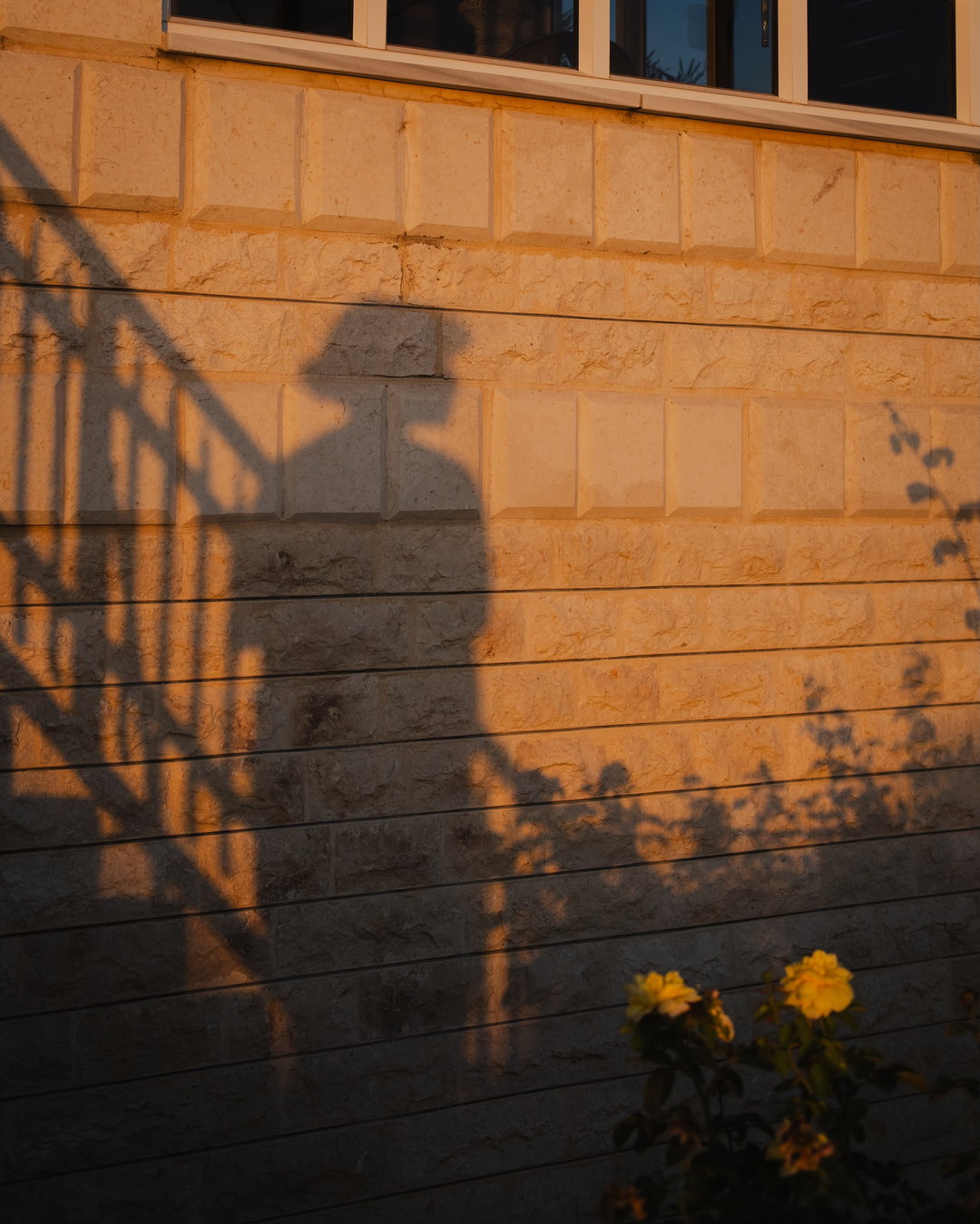
Copyright © Kholood Eid
Hero Header
Copyright © Zach Hussein
Share Article
About the Author
—
Olivia (she/her) is associate editor of the website, overseeing the day-to-day editorial projects as well as Nicer Tuesdays events. She joined the It’s Nice That team in 2021. ofh@itsnicethat.com
To submit your work to be featured on the site, see our Submissions Guide.