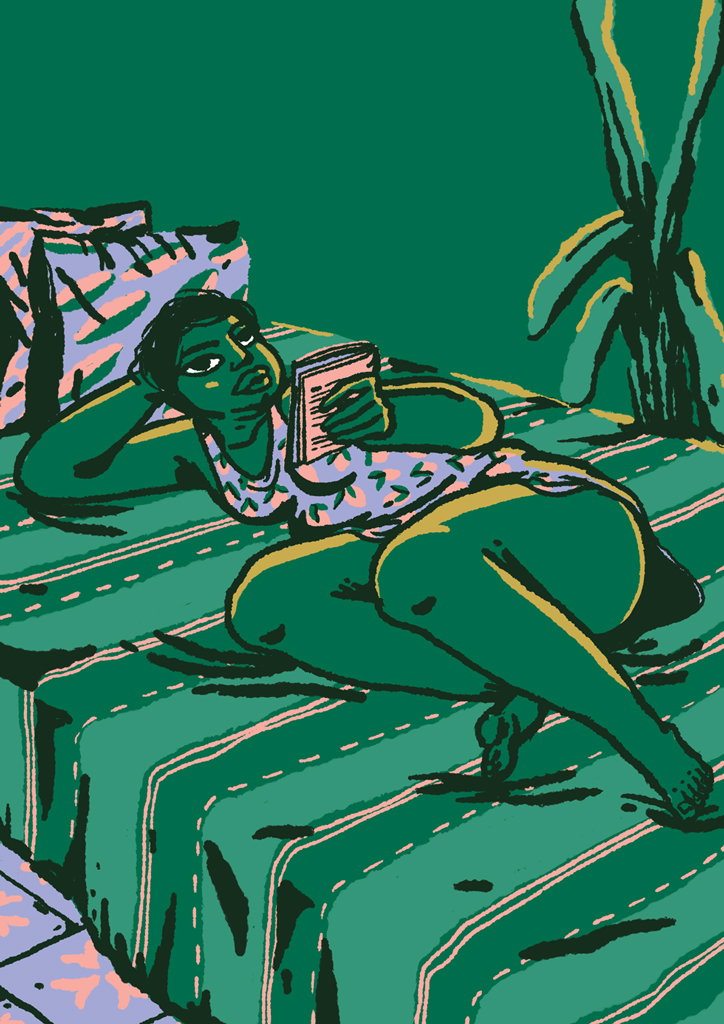
Kruttika Susarla on using illustration to smash stereotypes around sexuality and gender
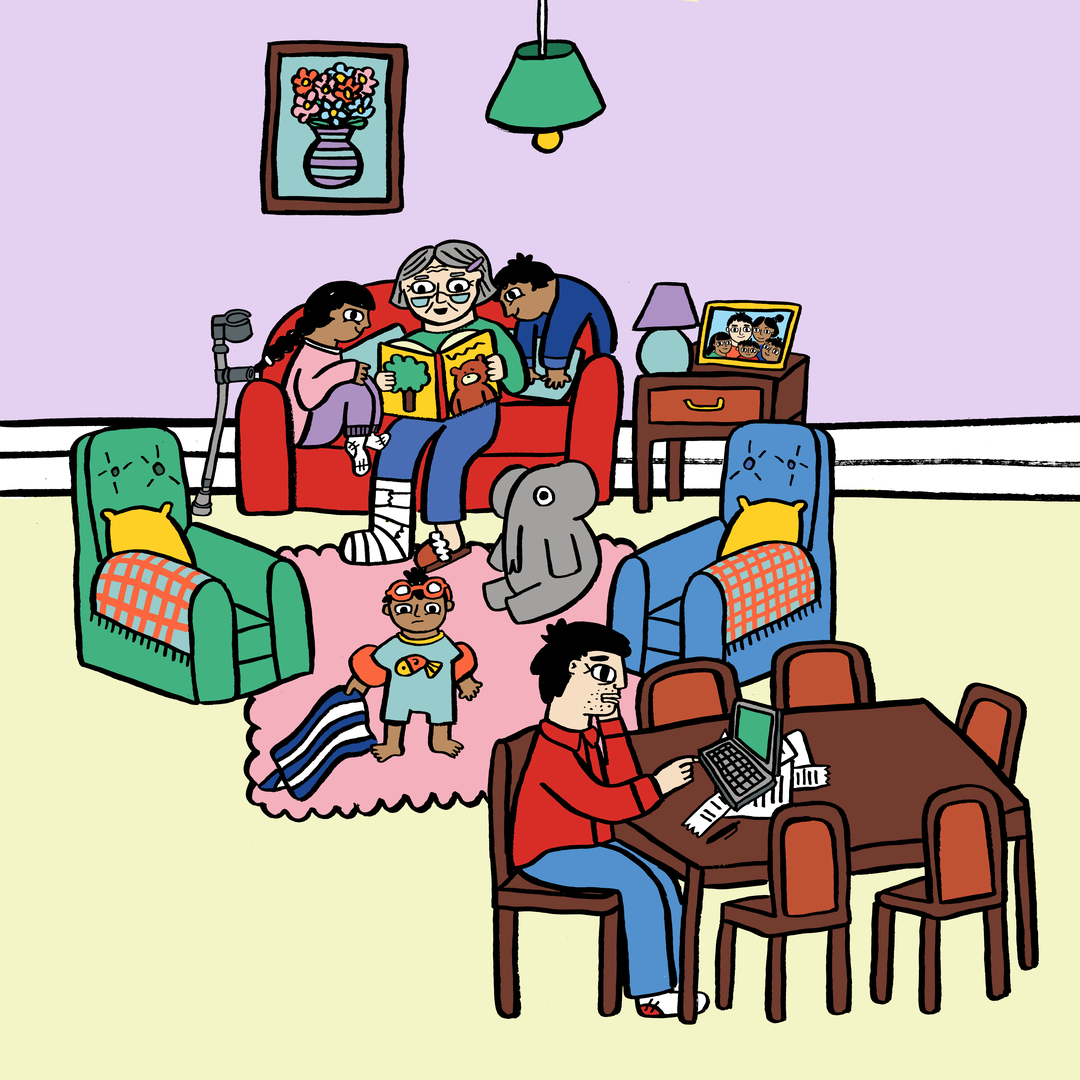
Through her self-initiated political comics and packed client portfolio, Indian illustrator Kruttika Susarla uses her work to challenge stereotypes around sexuality and gender in an uplifting way. Her campaign for the International Day Against Homophobia, Biphobia and Transphobia depicted people with a multitude of gender expressions hanging out and having a swell picnic, while her icon-based illustrations made a beginner’s toolkit for LGBTQ+ people wanting to access the legal system so much clearer than your average impenetrable tome. “As an image maker, I see my role as an interpreter of the world around me,” Kruttika tells It’s Nice That. “In doing so, I also understand that it has the potential to influence and create opinion.”
Nodding to Chimamanda Ngozi Adichie’s Ted talk The Danger of a Single Story, Kruttika explains that a lot of her work aims to undo some of the dominant narratives at large in Indian culture. “From school textbooks to some iconic comic books that shaped the minds of whole generations of children, the stories and the visual imagery were historically of a very male-dominated Hindu Aryan savarna [class] and this has now become the Indian culture,” she explains. “In current times, it is especially important to consider this because the present ruling party in India is using this narrative to further marginalise religious and caste minorities (especially Muslims and Dalits) by changing names of cities, spreading fake news and creating a false sense of threat to the Hindu identity to polarise votes.”
Kruttika is based in New Delhi, a hotbed of publishing houses, newspapers and magazines, making it traditionally a good base for illustrators. The city is also India’s political capital so it’s an important place for people wanting to engage in policy making. “The work that I do lies in the intersection of how visual imagery can aid this discourse and make it more accessible,” Kruttika says. “I’ve been working on projects that in some capacity focus on gender, sexual and reproductive health issues and Delhi has a lot of amazing people, grassroots organisations and advocacy groups working on these issues.”
Kruttika first shot to fame with the Feminist Alphabet she created for 36 Days of Type, which illustrated and explained 26 concepts integral to feminist thought (from androgyny to zeal) and used the remaining days to highlight Indian struggles for gender equality, from 2009’s Pink Chaddi campaign to 19th Century women’s school founder Savitribai Phule. Since then she’s worked contributed to numerous ground-breaking projects, from an animation discussing sexual violence for people with disabilities for Human Rights Watch to illustrating a trans rights policy brief by activist and filmmaker Gee Imaan Semmalar.
“Policy documents and guidelines are often written in very complicated language, outdated English or are usually very jargon-heavy,” says Kruttika. “Sometimes, it even feels like they are convoluted on purpose so as to keep citizens from accessing their rights.” The magic of illustration when dealing with such important and sensitive subjects, Kruttika explains, is that it has the potential to make complex ideas accessible and capture scenarios that would not be possible via photography. “For some topics, pointing a camera at someone’s face is too intimate and invasive,” Kruttika says. “Drawing, on the other hand, is abstract at some level, making it easier to introduce and talk about difficult topics like domestic violence or rape. This also means I’ve to be mindful of the images I’m making and it’s a constant process of unlearning my own biases and collaborating with people who understand these issues in depth and involving them in my drawing process.”
Kruttika recently collaborated with Frida: The Young Feminist Fund to design the not-for-profit’s Happiness Manifestx, a collection of resolutions and guidelines made to build a healthier organisation and community culture. “I thoroughly enjoyed working on this project because not only did I get total creative freedom to illustrate this ultimate intersectional femme dream but also, learn and reflect on some of my own practices and understand that taking care of ourselves is also a part of the process of being a better feminist.” She’s also contributed to an upcoming graphic anthology by Kadak Collective, which brings together 51 South Asian storytellers, women, non-binary and queer creatives to work on themes like geography and gender, identity and self and exclusion through the lens of the ‘other’ – the bystander.
In terms of process, Kruttika creates a lot of her images digitally and has used the same default Photoshop brush with some customised settings for nearly four years. “It is important for me to not give in to the pressure of ‘cool’ aesthetics or Instagram trends, so in a way, sticking to this one brush has helped me,” she explains. “Personally, the purpose of an illustration is defeated when the audience remarks more on its aesthetics rather than what it is trying to communicate.”
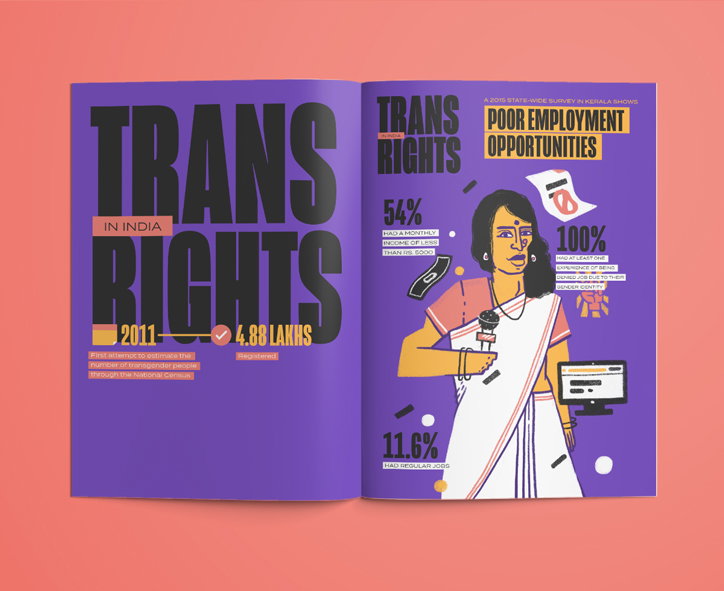
Kruttika Susarla: Trans Rights in India, a Policy Brief
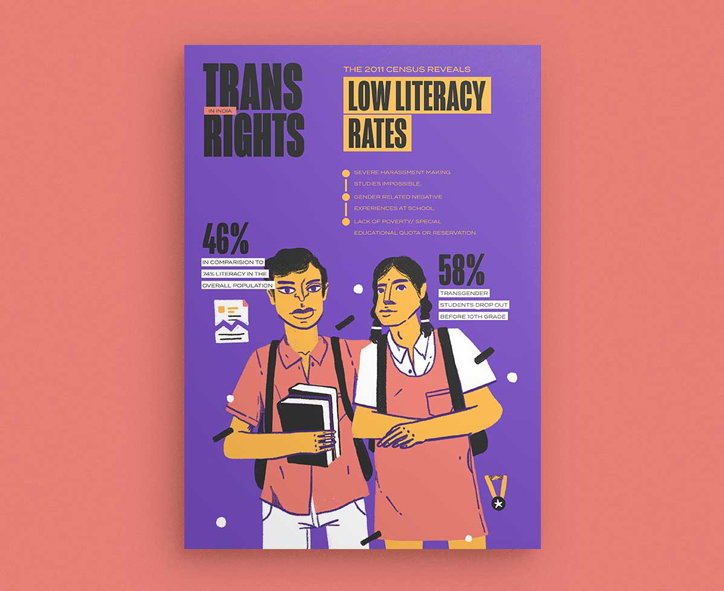
Kruttika Susarla: Trans Rights in India, a Policy Brief
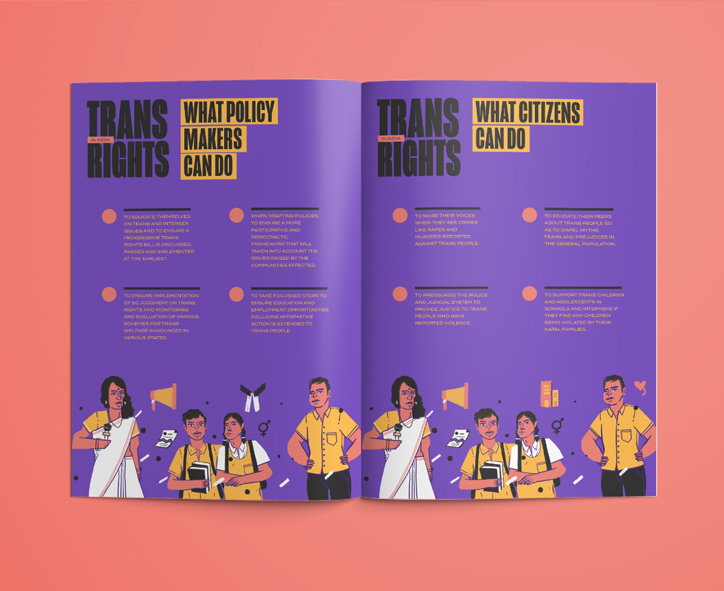
Kruttika Susarla: Trans Rights in India, a Policy Brief
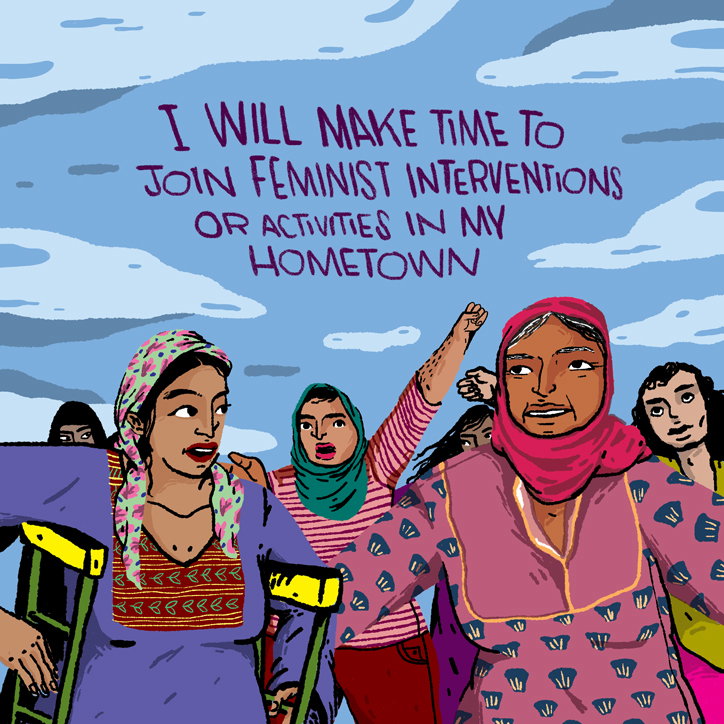
Kruttika Susarla: Happiness Manifestx
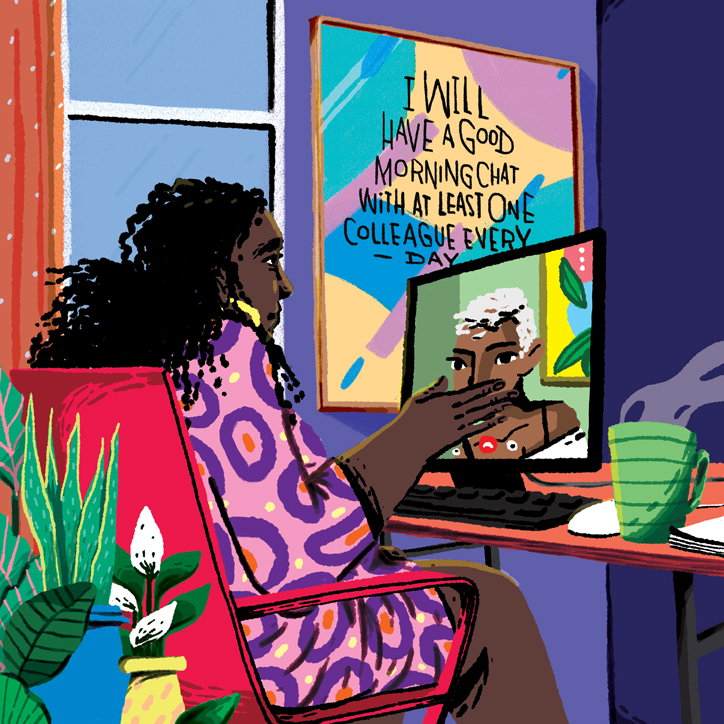
Kruttika Susarla: Happiness Manifestx
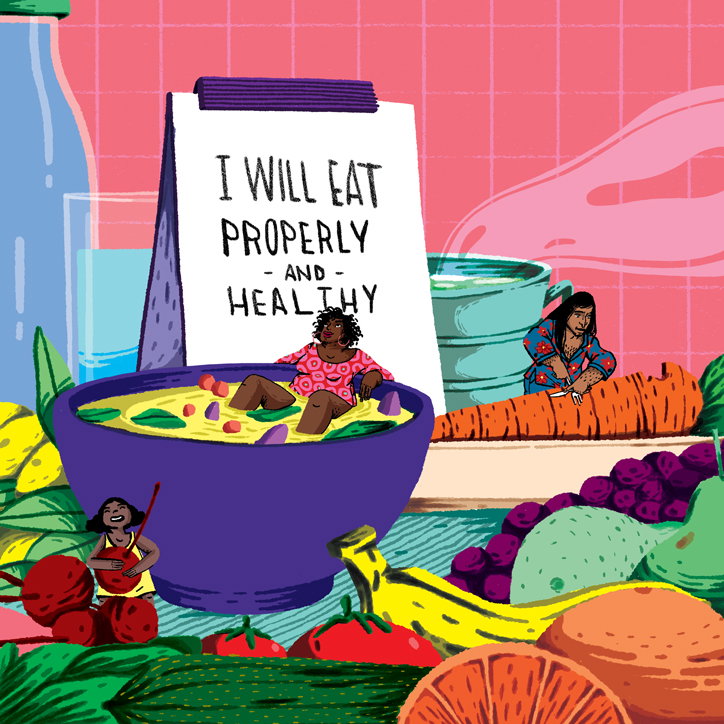
Kruttika Susarla: Happiness Manifestx
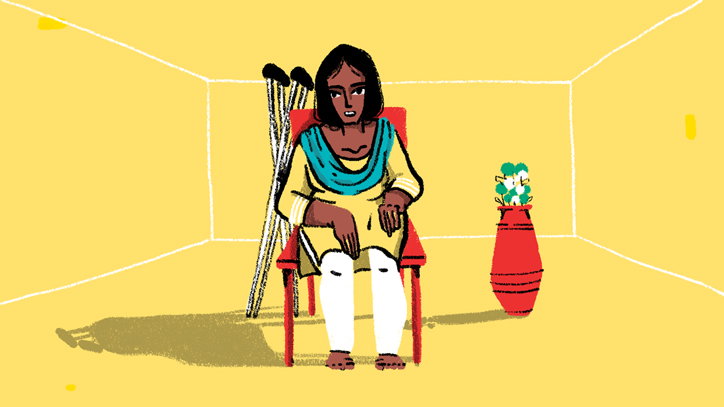
Kruttika Susarla: Human Rights Watch
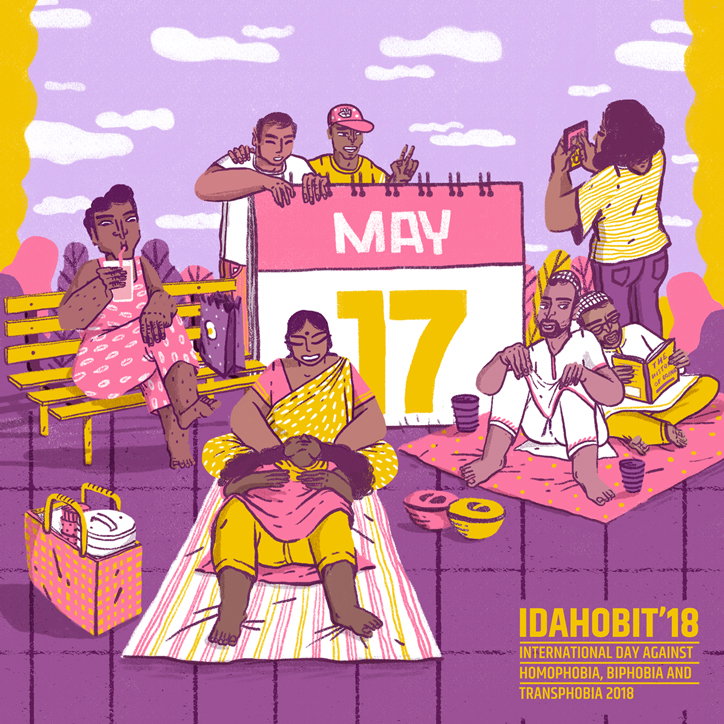
Kruttika Susarla: IDAHO
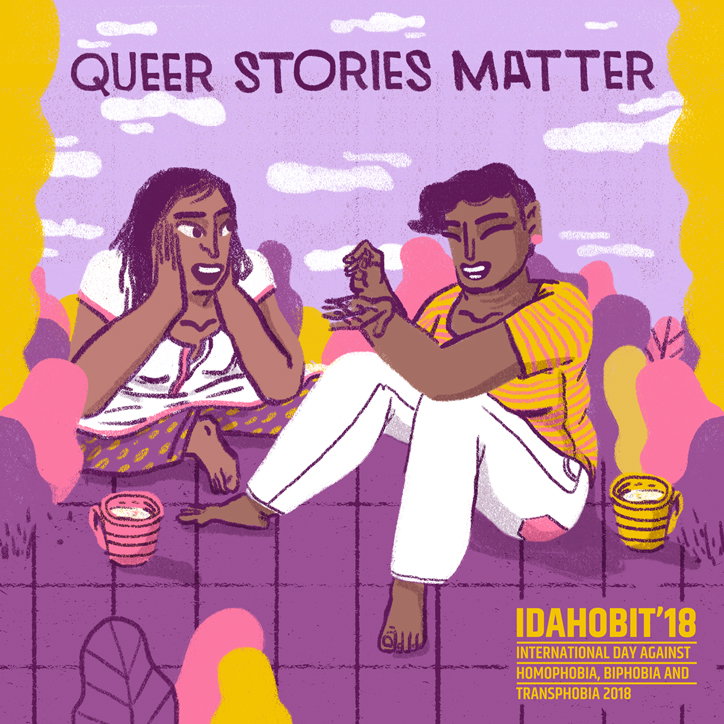
Kruttika Susarla: IDAHO
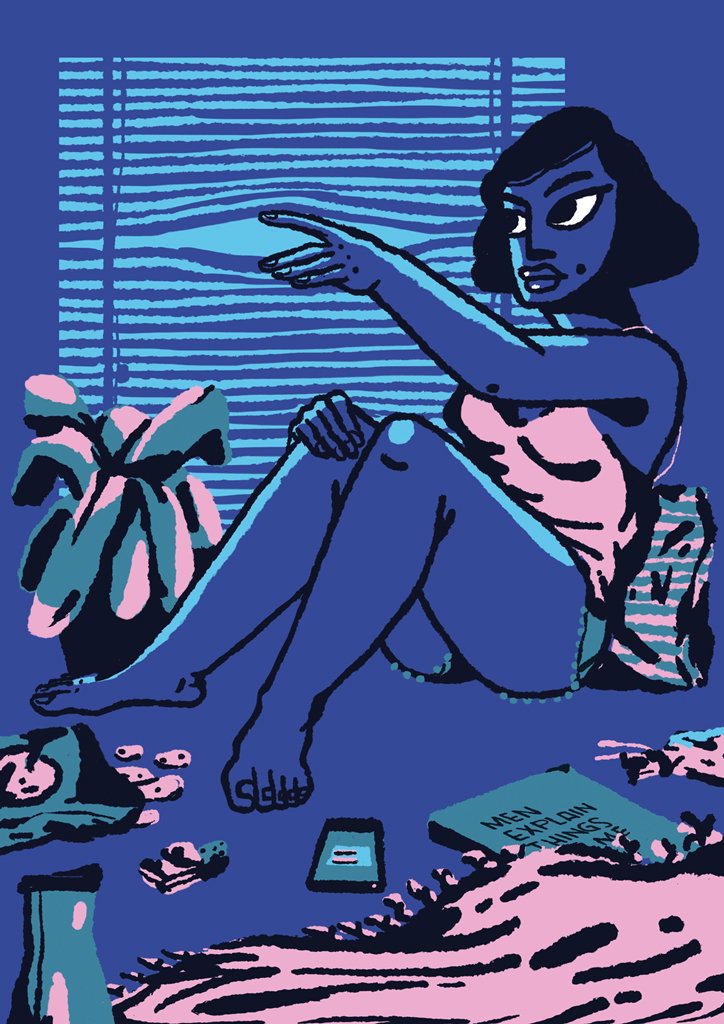
Kruttika Susarla: Spaces
Kruttika Susarla: Spaces
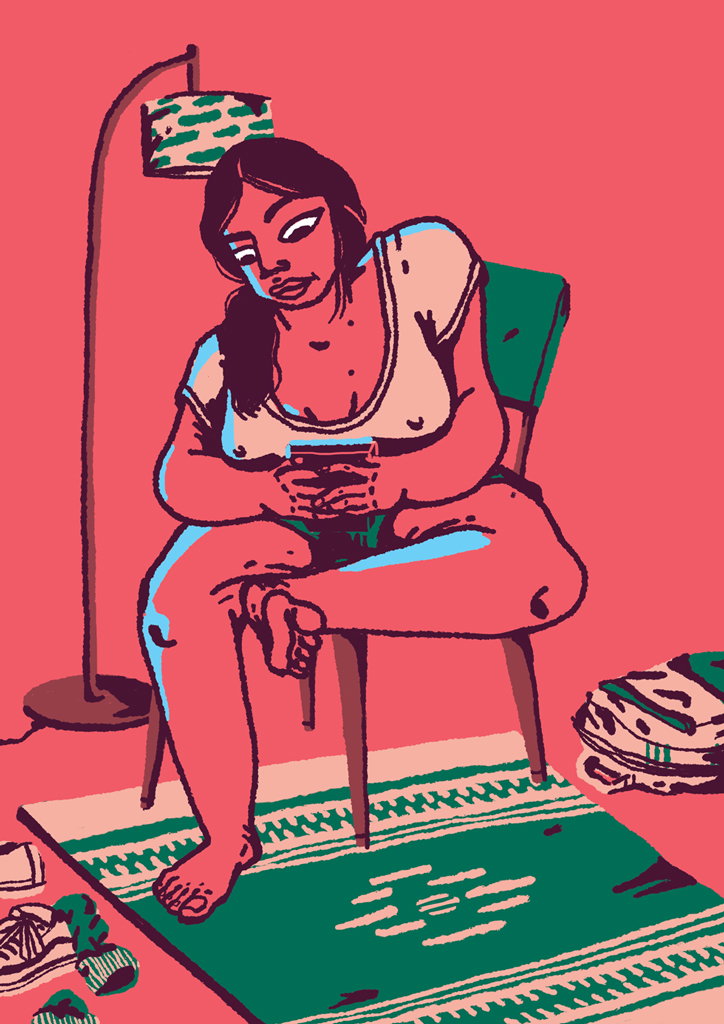
Kruttika Susarla: Spaces
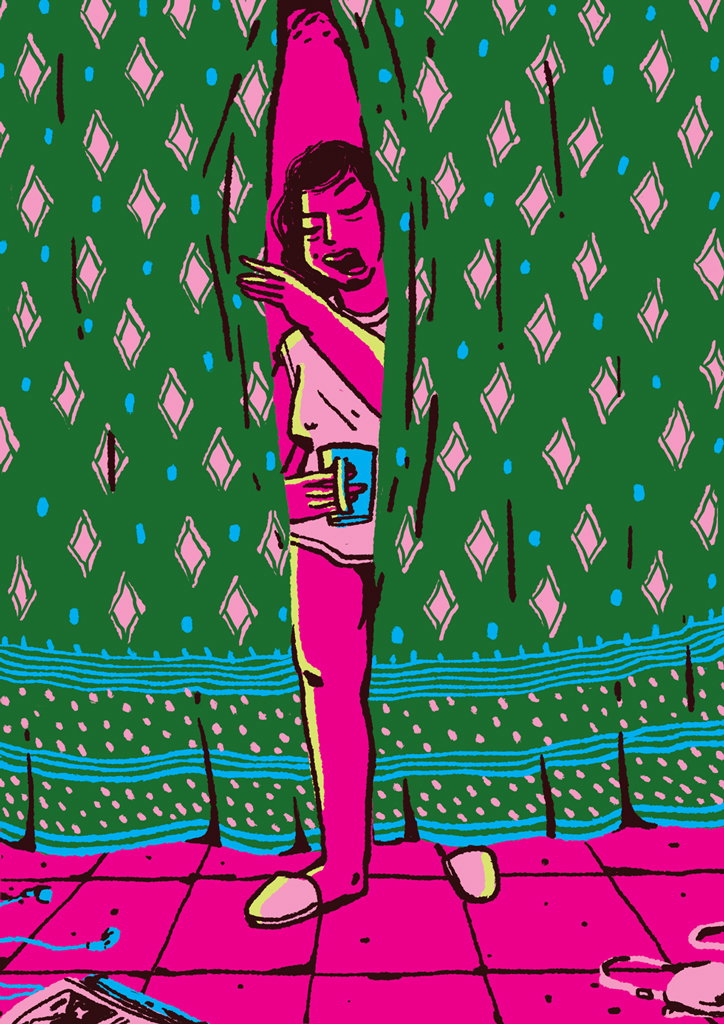
Kruttika Susarla: Spaces
Share Article
Further Info
About the Author
—
Laura is a London-based arts journalist who has been working for It’s Nice That on a freelance basis since 2016.