A rural fishing village in Japan attempts to overcome its ageing population
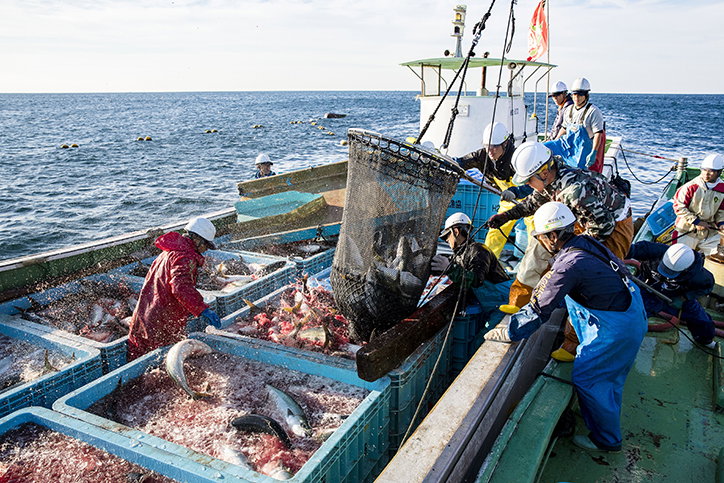
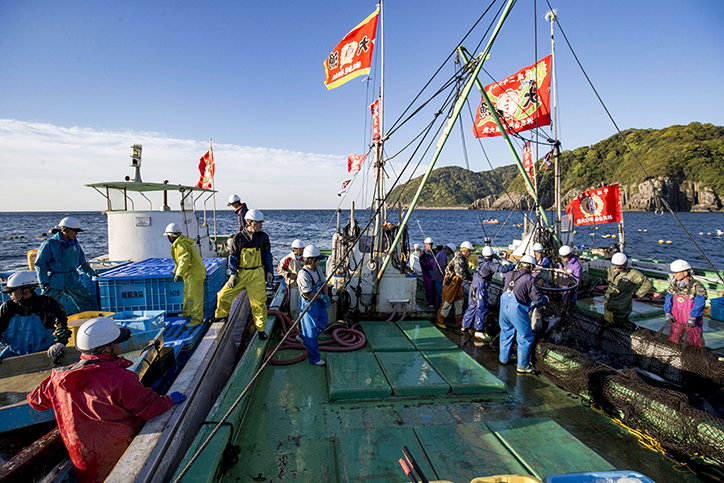
On the south-east coast of Japan lies the Haida-Cho, overlooking Japan’s largest peninsula known as the Kii Peninsula. Blessed with bountiful seas, the district’s economy and communities revolve around the fishing industry where locals use a uniquely Japanese method of catching fish using a fixed net. Unfortunately there is no English translation for this authentic mode of fishing, but for residents of the Haida-Cho district, this is the least of their problems as the number of working people in the village has decreased by more than 50%, a problem experienced nationwide amongst the rural Japanese landscapes.
“Japan is heading towards dwindling birthrates, as well as an ageing and declining population”, explains the photographer Kubo Keiichi. He’s been photographing the Haida-Cho district for over six years, capturing its inhabitants and their attempts to raise their population of young people through the enticing prospects of employment in the fishing industry. Recently published in a book titled The youth shall inherit the sea, Kubo explores an area whose population is made up of people ages 65 years old or higher. And as you can imagine, some aspects of village life (such as the tiring work of fishermen) have become difficult to maintain.
Kubo first came across the area and its people when he ventured to the region to photograph the beautiful sea landscape beyond. Over time, he’s come to know the industry and the area well, often focusing on Mr. Iwamoto’s fishing school that attracts many young people from the surrounding urban areas who want to become fisherman. “Mr. Iwamoto’s efforts have borne fruit for the community”, explains the photographer. “He took in all youths and knew that as long as he was positive with the young people and showed them cooperation, they would eventually come.”
Kubo Keiichi: The youth shall inherit the sea
In the six years he’s spent in Haida-Cho, Kubo’s now seen a myriad of changes amongst the community. “New builds have been built and the fishing chief went from being a local elder to a young person from the city”, the photographer adds on the matter. Efficiency has increased thanks to LED lights which presently adorn the new boats, allowing fishing to occur overnight, fresh for the market first thing in the next morning.
Photographing much more than the daily goings-ons in the Haida-Cho district, Kubo also captures the unique culture that remains prominently intact in the seaside community. The series documents moments of tradition across a variation of cultural festivals including the Haida Shrine festival where the fisherman perform the Shishimai Kagura, or lion dance, in the village temple and on boats. Kubo also plays witness to the Obon festival which celebrates fish as well as an event called Ishigyou where you throw engraved stones into the sea and chant prayers alongside the Osho (the high priest) to ensure a rich haul and safe fishing voyages.
Kubo finally adds, “On top of all these cultural events, every day the people of Haida-Cho give thanks to the god of the sea. They present offerings and put their hands together and pray. The young people that are new to the area have also adopted these traditions.” The photographer goes on to say, “The act of praying to gods may be unscientific for some young people, but because they perform the methods of fixed-net fishing every day which works with nature beyond our human intellect, the young people have now adopted this cultural behaviour which has been going on long before they were born, but continues in a positive spirit.”
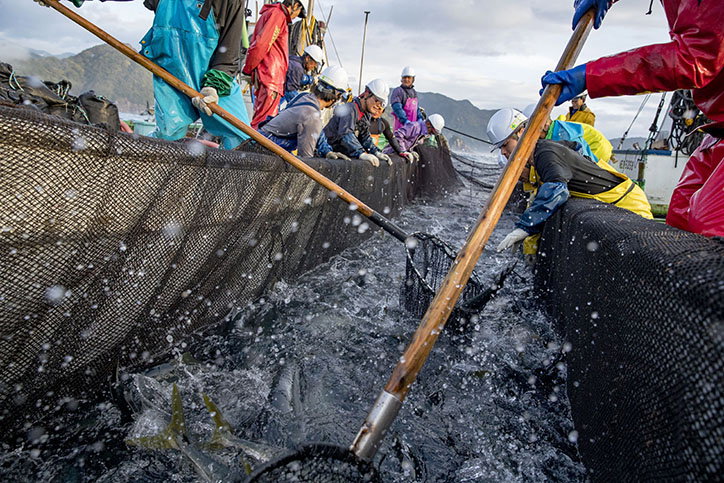
Kubo Keiichi: The youth shall inherit the sea
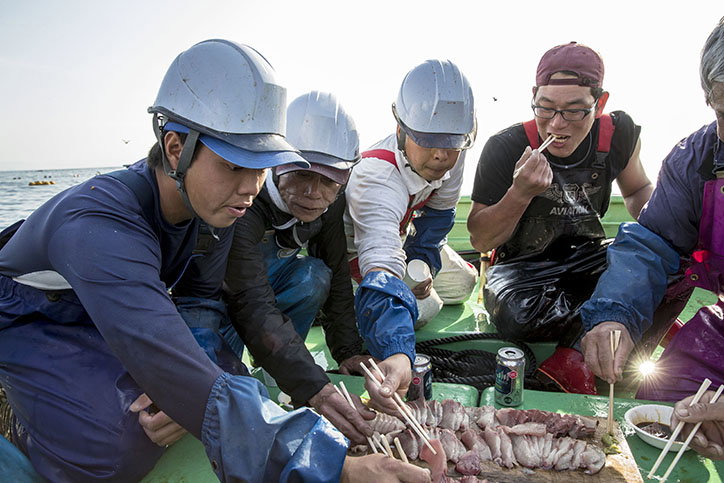
Kubo Keiichi: The youth shall inherit the sea
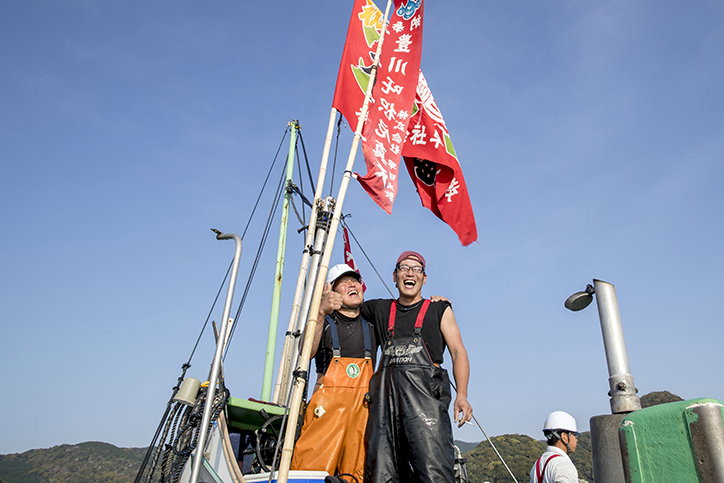
Kubo Keiichi: The youth shall inherit the sea
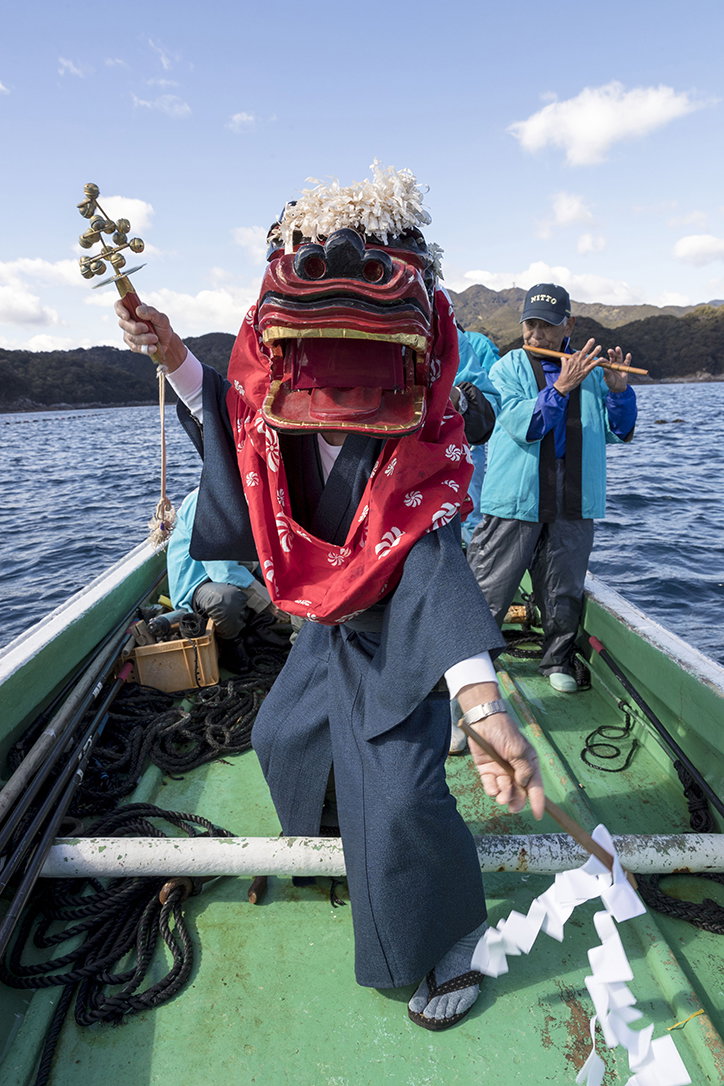
Kubo Keiichi: The youth shall inherit the sea
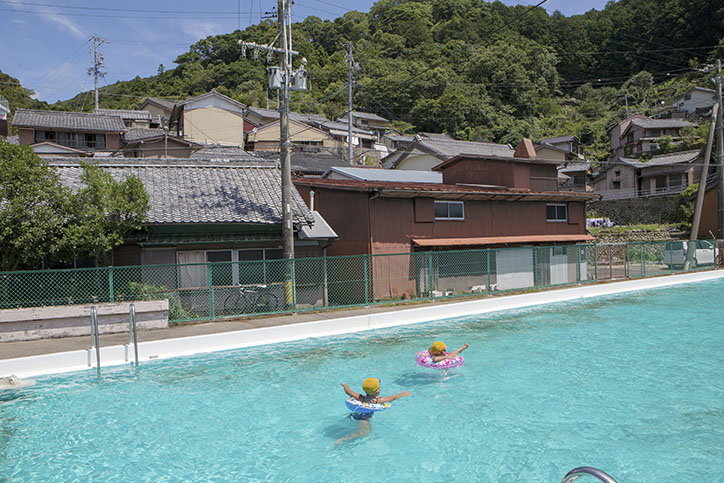
Kubo Keiichi: The youth shall inherit the sea
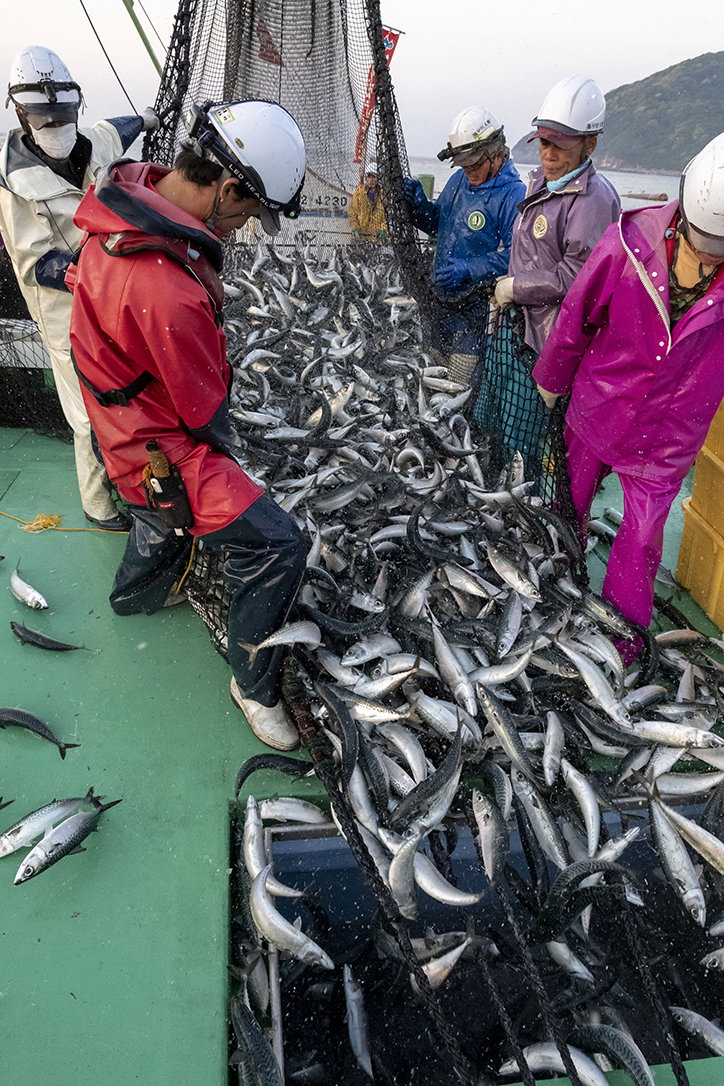
Kubo Keiichi: The youth shall inherit the sea
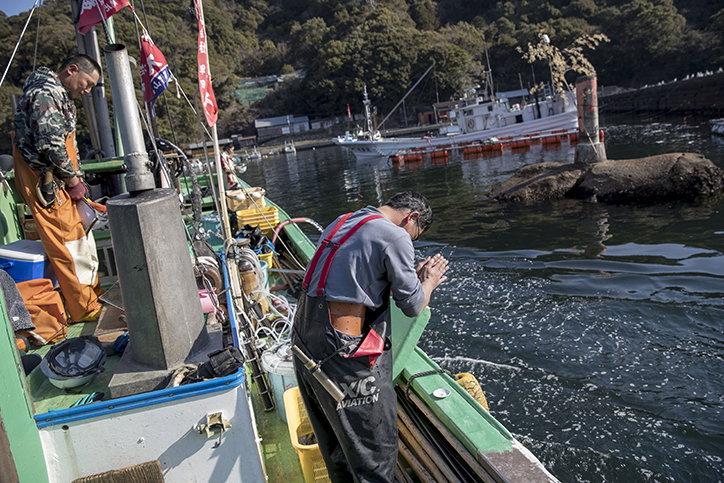
Kubo Keiichi: The youth shall inherit the sea
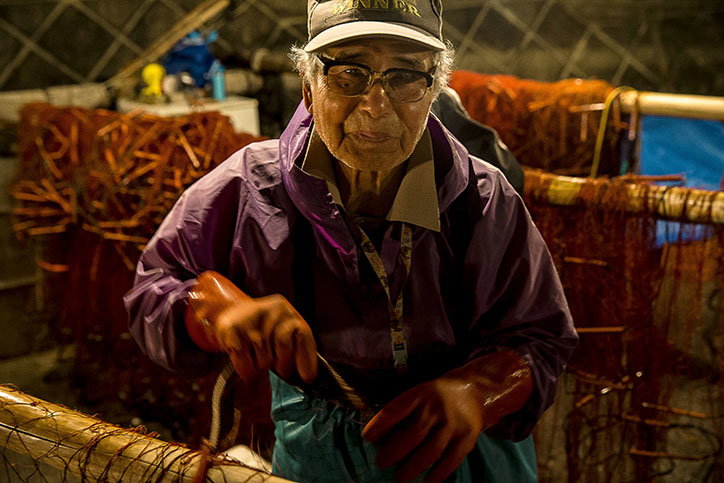
Kubo Keiichi: The youth shall inherit the sea
Share Article
About the Author
—
Jynann joined It’s Nice That as an editorial assistant in August 2018 after graduating from The Glasgow School of Art’s Communication Design degree. In March 2019 she became a staff writer and in June 2021, she was made associate editor. She went freelance in 2022.