Emerging net artists Kim Asendorf and Emilio Gomariz unite on many meta-levels to be Maadonna
We stumbled on to the Maadonna website not long ago and I for one was baffled and entertained by it in equal measure. It has the sort of random graphics and obscure responsive actions to your cursor that comes from some clever coding that I/we will not be able to name or understand anytime soon and, in short, we were intrigued.
Emilio Gomariz and Kim Asendorf, based in London and Berlin respectively, are the artist duo and collaborative design studio behind Maadonna. They are here (“here” being a subjective term like on the net or occasionally in more traditional “real world” settings like The Photographers’ Gallery, London, where they’ve both contributed to the .gif installation, Born in 1987) they tell us, “to create new crossover styles and concepts formed by all the wonderful cultural, visual and technical stuff that fluctuates on the Internet.”
At times this statement directly translates as the photomontage or manipulation of very familiar creative programs, icons and commands, all captured in a static image or responsive landing page (as with maadonna.com). At others, they are looking for the gaps in our regular experiences with something digital in which to place new systems for our interaction, inspired by our viewing behaviour or familiarity with certain imagery or information.
It’s pretty neat, experimental stuff that gets passed around a lot through certain online platforms, with its appealing and strangely familiar appropriated language of everyday software programs. To help us get our collective head get round what they do a little more effectively and find out where they are positioned in the net art movement, we asked Kim and Emilio a few questions…
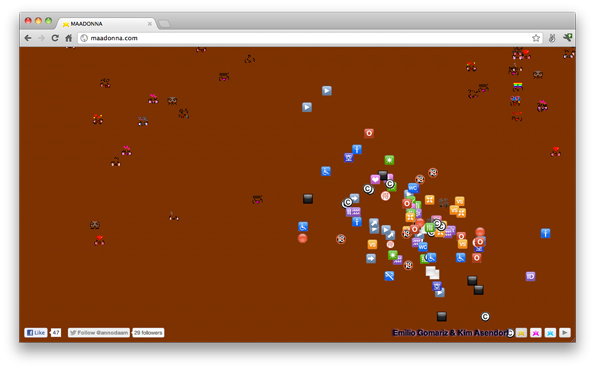
Maadonna.com
Can you tell us what Maadonna is exactly?
We are here to create new crossover styles and concepts formed by all the wonderful cultural, visual and technical stuff that fluctuates on the internet. Basically we are going to bring the internet to the internet!
Starting with our name: Maadonna. Once used to disguise Madonna songs on file-sharing networks, it is now a symbol for the internet subcultures and its supporters and followers. We love the technical properties of the net and the resulting new ways of communication. We evolve, just as fast as the internet, at no time it is possible to define exactly what we are.
In the “real world” creatives are defining themselves more and more with a multitude of disciplines – how would you describe what you do?
We simply do art online, so called “net art”, but we are also up to work on digital related installations, interactive and video stuff. We love the colourful aesthetics modern displays can offer, the way you are able to experience it at home on your computer, and how easily everything can be distributed on the internet. But beside the environment we are really interested in the cultural behaviour and development of the internet and its users.
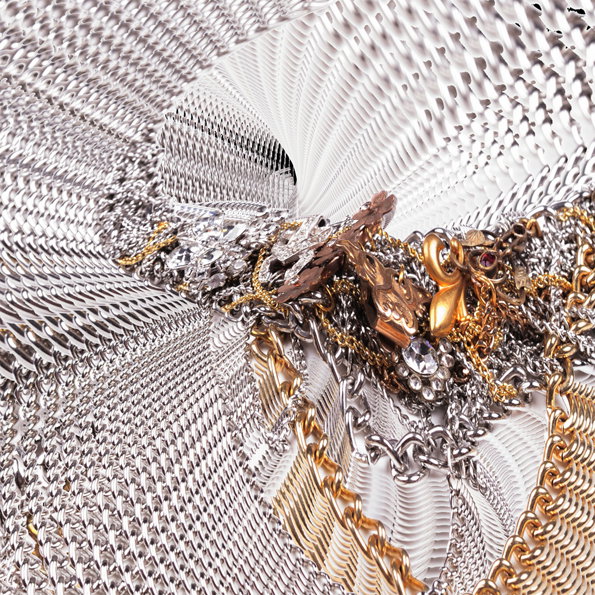
Kim Asendorf
How much of what you do is from engaging with open source platforms, and do you see this as a sort of collaboration?
Open source is incredibly important for the development of the digital art scene. We highly believe in open source, especially some of the popular programming frameworks are really helpful and timesaving for us. But to make something interesting with it you need that idea, and that makes everything else just a tool.
Now that we’ve become accustomed to internet art as a movement, what do you think the next step for it is?
We like to see it as a movement, right now there is something happening that you can feel. The amount of people that leave Facebook, even just for a little while, and start to explore new parts of the Internet, rises daily. Once you’ve found a good starting point you are allowed to discover a wonderful and super weird world that you can easily become addicted to.
Let’s try to avoid thinking in steps, like in every upcoming scene you have two different opinions, some want to keep it underground and some want to make it popular. Industry will decide. Truly Internet art has the potential and the right medium to become pretty popular, that already happens in many simultaneous steps. It’s just interesting to follow what happens right now. Probably the next step should be to raise the budget.
And how do you see you work, personally or together, evolving in the next year? Would you like to see it in more traditional art contexts like the Born in 1987 installation at The Photographers’ Gallery?
We will continue to ride the Internet, to combine technology and aesthetics, to create new experiences. We are looking for new challenges and ways to build more bridges between digital art and traditional art. Sure we are excited that the GIF found its way into The Photographers’ Gallery, and that we were both allowed to contribute our pieces to the Born in 1987 show, but we definitely aim to be successful in both worlds, the traditional and the virtual.
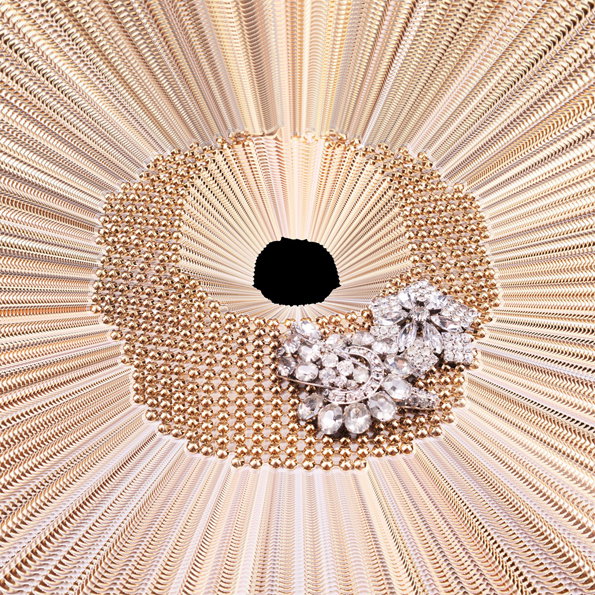
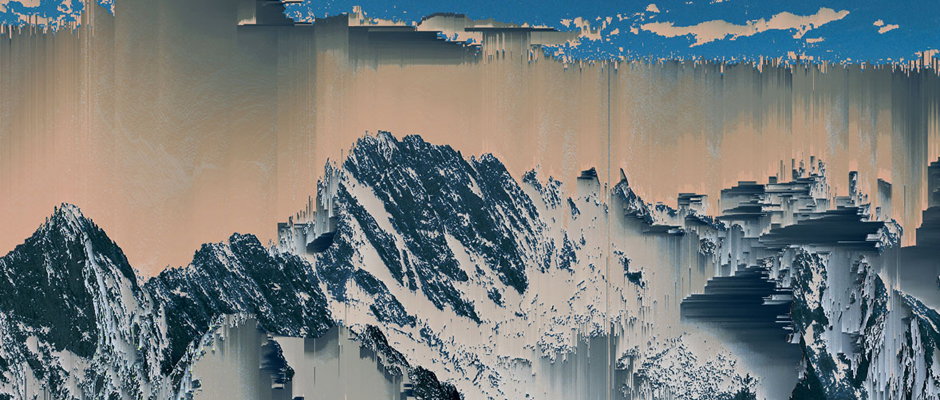
Kim Asendorf
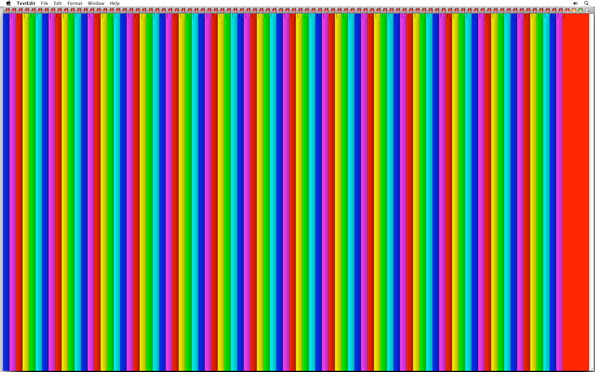
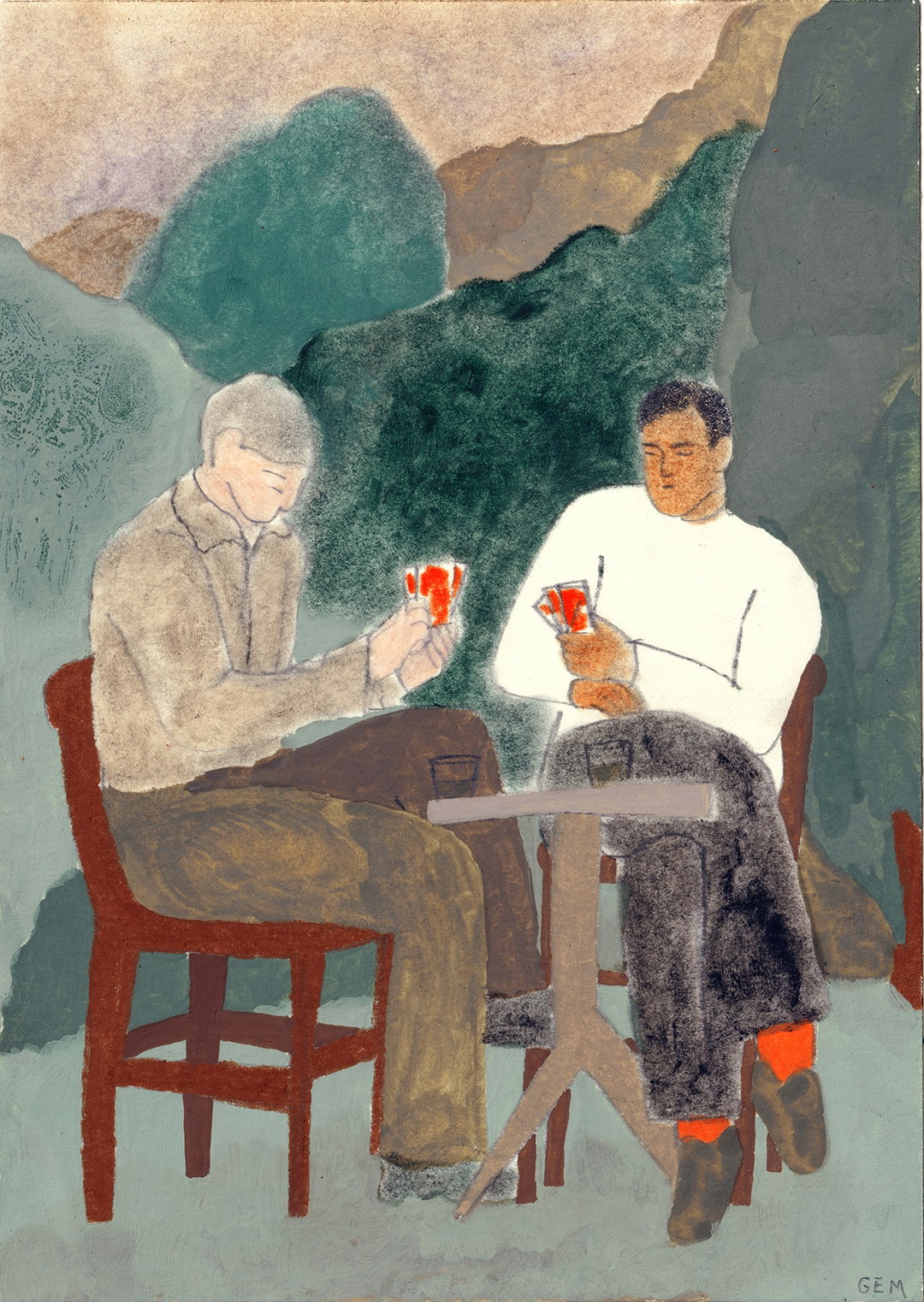
Emilio Gomariz
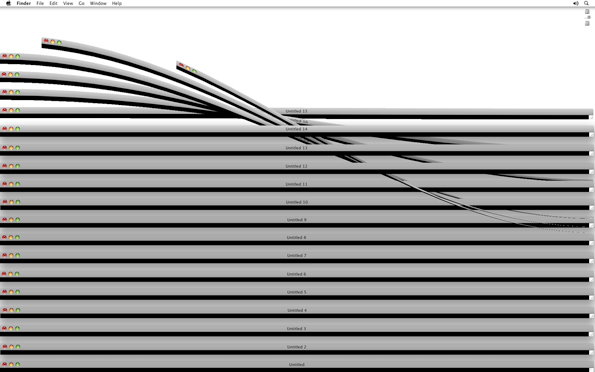
Emilio Gomariz
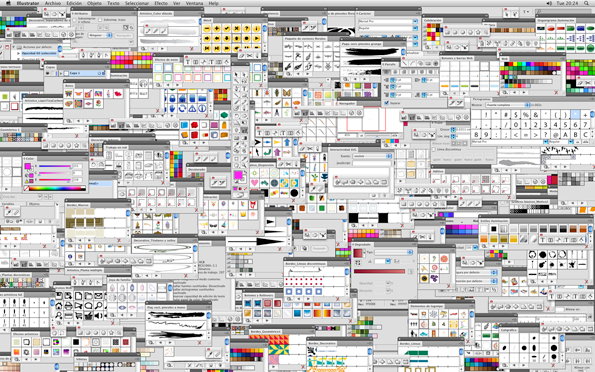
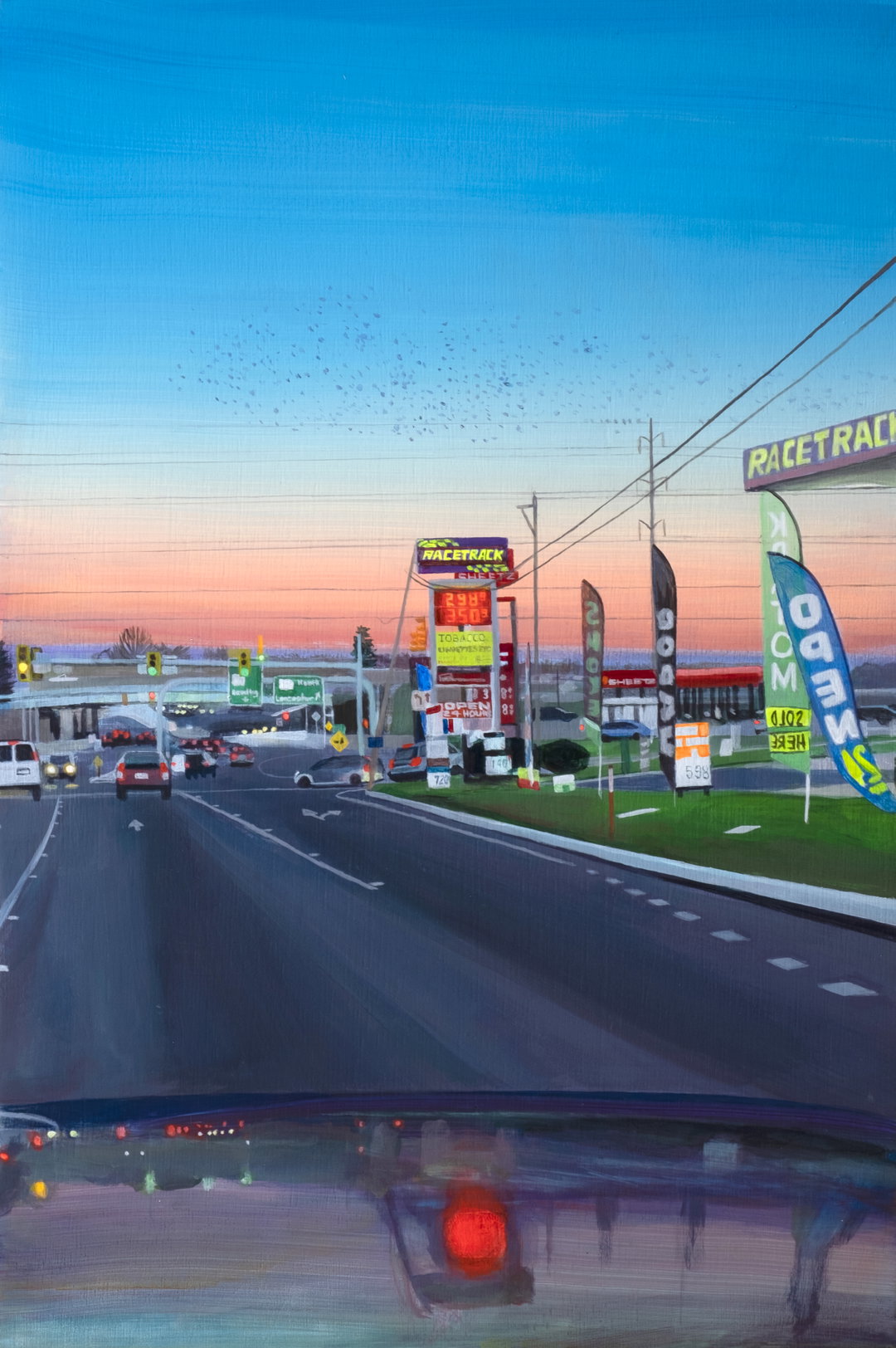
Emilio Gomariz
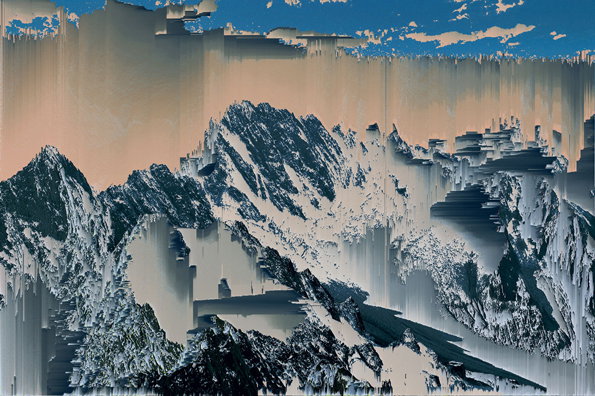
Kim Asendorf
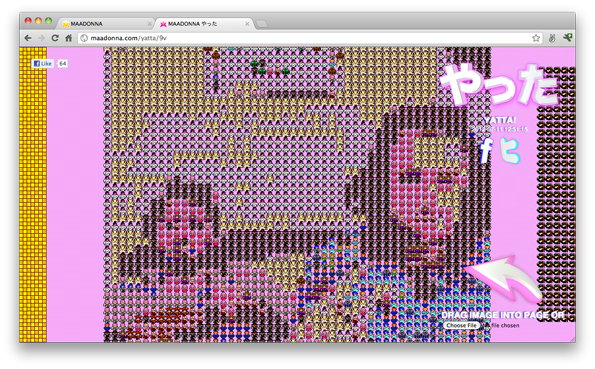
Maadonna
Share Article
Further Info
About the Author
—
Bryony was It’s Nice That’s first ever intern and worked her way up to assistant online editor before moving on to pursue other interests in the summer of 2012.