Nils Clauss gives a voice to Seoul’s shop mannequins in Plastic Girls
Over the past two years, Seoul-based director Nils Clauss has been making a trilogy of documentaries that represent and discuss different characteristics of the South Korean city.
Each short discusses a different element that has made up Seoul’s history, but the third and final segment, Plastic Girls investigates an eerie future, exploring the human characteristics of plastic mannequins dotted around the city and a passerby’s relationship with them. “With slow graceful movements and digitally generated messages, Plastic Girls make a conspicuous contribution to the sexualisation of public space in front of their owners premises," says the director.
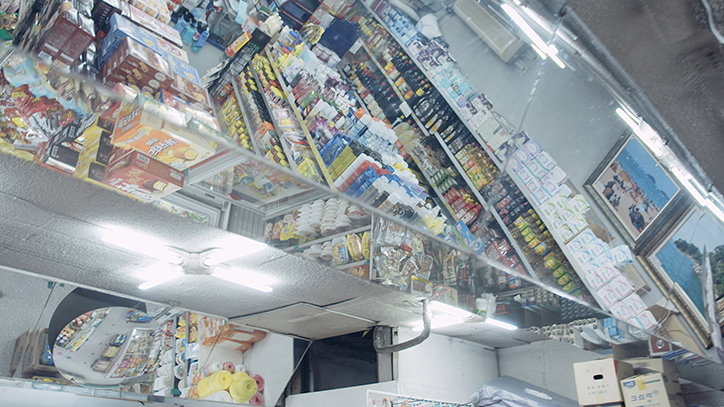
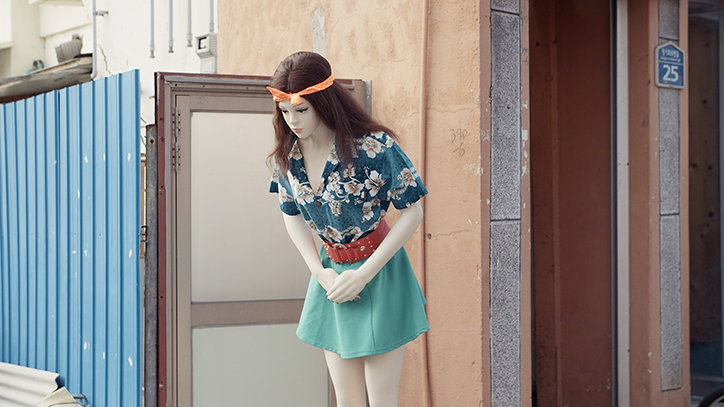
Nils’ trilogy of films began back in 2015 in a collaboration with designer Hyun Cho and local artists on a book, Seoul Welcomes You, as part of the International Typographic Biennale. “At that time we both took notice of mannequins across the city, which have been placed outside business premises to attract customers,” says Nils. “Not only were all those mannequins female, they were also very scantily clad, and their human traits were enhanced by an in-built rotation and speech mechanism.”
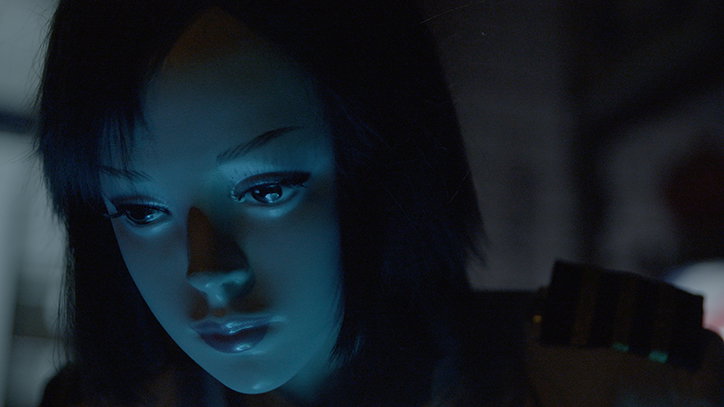
The director decided to continue the project, realising that the mannequins’ temperament “could be better expressed through moving imagery than through photographs”. Yet, to bring the mannequins to life on film Nils had to give them a voice, creating the challenge of putting himself “in the mindset of the mannequins”. This process raised many questions: “What do the mannequins think about? Are they happy or sad? How do they feel about their role and appearance? How do they express or verbalise thoughts?”
Nils worked together with Udo Lee, whose musical compositions for the film create a building tension throughout, and whose background in gender studies helped develop the mannequins’ tone of voice. The result was a script which presents “our characters as products of a society which gender-related issues are not addressed sufficiently,” Nils explains. The entertainment industries standards of beauty in South Korea “has especially ingrained obnoxious beauty codes into society thus shaping the younger generation to be obsessed with looks and popularity”.
The shop mannequins represent this expectation and Nils’ interpretation displays how the design of each mannequin interprets “beauty-related expressions, which are actually part of everyday vocabulary here in Korea,” he says. “For example Saemi has a body shaped like an ’s-line’, which is basically a very curvy body from bottom up to breast…I think the fact that these expressions are part of popular and everyday culture as language about the body might help to explain the psyche of the characters we shaped and interviewed in Plastic Girls.”
The result is a film which “illustrates how the male gaze is supposed to interact with those plastic mannequins in a public space simply for the sake of commerce,” but also simultaneously represents how having these ‘perfect’ mannequins visible in everyday life can influence how young women think about themselves.
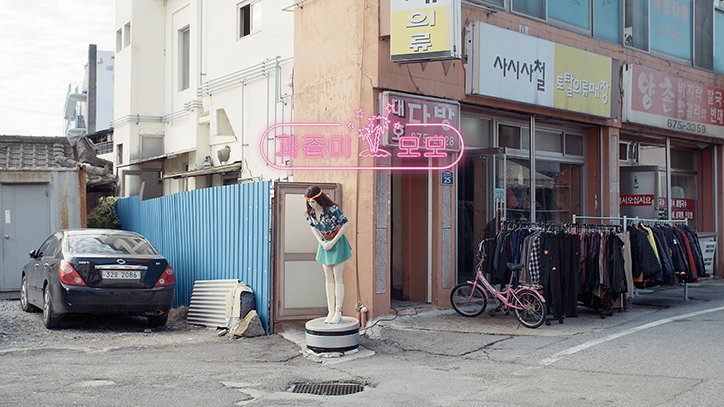
Nils Clauss: Plastic Girls
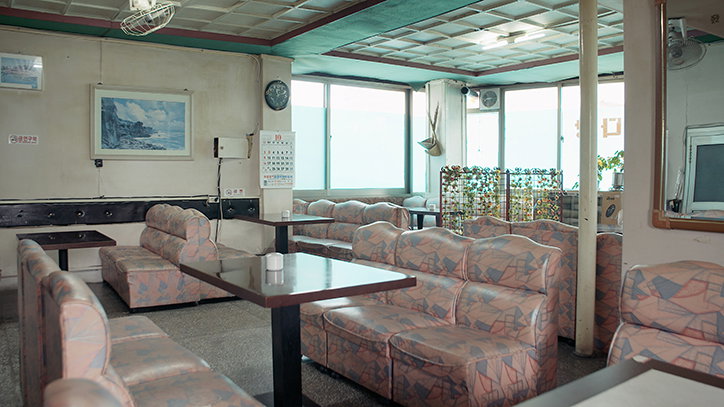
Nils Clauss: Plastic Girls
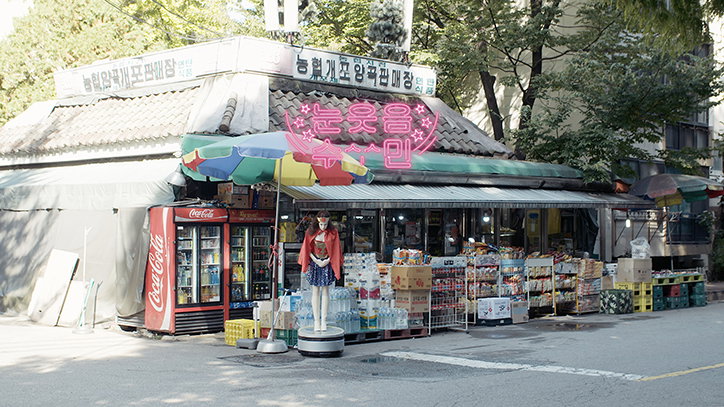
Nils Clauss: Plastic Girls
Nils Clauss: Plastic Girls
Nils Clauss: Plastic Girls
Nils Clauss: Plastic Girls
Nils Clauss: Plastic Girls
Share Article
Further Info
About the Author
—
Lucy (she/her) was part of the It’s Nice That team from 2016–2025, first joining as a staff writer after graduating from Chelsea College of Art with a degree in Graphic Design Communication, eventually becoming a senior editor on our editorial team, and most recently at Insights, a research-driven department with It’s Nice That.